超级智能体

Search documents
联想集团(00992):事件点评:发布多款超级智能体,加强AI端侧竞争力
Guohai Securities· 2025-05-12 09:31
Investment Rating - The report maintains a "Buy" rating for Lenovo Group (0992.HK) [1][10]. Core Insights - Lenovo Group has launched the "Tianxi" super intelligent agent, marking a significant breakthrough in hybrid artificial intelligence, which serves as a cognitive operating system for individuals and enterprises [4]. - The introduction of the inference acceleration engine enhances Lenovo's AI PC competitiveness by optimizing hardware and software collaboration, addressing industry pain points related to model efficiency and computational power [4]. - With the expected increase in AI PC penetration from 18% in 2024 to 70% by 2028, Lenovo, as the leading global PC market player, is poised to benefit significantly [5]. Financial Projections - Revenue forecasts for Lenovo Group are projected at $67.658 billion, $74.763 billion, and $80.869 billion for FY2025, FY2026, and FY2027 respectively, with net profits expected to be $1.540 billion, $1.573 billion, and $1.966 billion for the same periods [5][8]. - The report anticipates a gradual improvement in Lenovo's performance as AI functionalities penetrate the PC market, with corresponding P/E ratios of 9.6x, 9.4x, and 7.5x for FY2025, FY2026, and FY2027 [5][8].

赛道Hyper | 联想超级智能体:重塑生产力新范式
Hua Er Jie Jian Wen· 2025-05-10 03:21
Core Insights - Lenovo Group showcased its hybrid AI strategy at the Tech World conference, introducing the Tianxi personal super intelligent agent and the industry's first enterprise super intelligent agent, "Lenovo Lexiang" [1][2][4] - The company aims to transition AI from a technology exploration phase to a scalable implementation phase, aligning with China's 14th Five-Year Plan for accelerated smart transformation [2][4] Hybrid AI Strategy - Lenovo's hybrid AI strategy focuses on dual engines: the "super intelligent agent" for consumer applications and the "silicon-based team" for business applications, driving AI into various industries [4][21] - The Tianxi personal super intelligent agent is designed to be a super entry point for users, integrating with AI PCs, smartphones, and tablets to enhance user experience [9][10] Technological Framework - The super intelligent agent is described as a "cognitive operating system," capable of collecting and integrating vast amounts of data for decision-making [7][8] - Key capabilities of the Tianxi personal super intelligent agent include perception and interaction, cognition and decision-making, and autonomous evolution [11] Market Performance - Since the launch of the first AI PC in May 2024, Lenovo has sold over one million units, indicating strong market validation for its hybrid AI architecture [12][13] - The Tianxi personal super intelligent agent has shown exponential daily active user growth and a high customer net promoter score [12] Enterprise Solutions - Lenovo's Lexiang super intelligent agent is designed for enterprise use, enabling cross-departmental and cross-regional task collaboration and execution [16][17] - The company aims to assist over 30,000 government and enterprise clients in adopting AI solutions by 2025, targeting over 1 million small and medium-sized enterprises [17] Industry Trends - The Chinese market is becoming a testing ground for AI implementation, with IDC predicting that by 2026, 50% of China's top 500 companies will deploy AI agents for data governance [18][19] - Lenovo's strategic positioning aligns with this trend, aiming to lead the AI democratization movement in China [20][21]

联想推出“超级智能体矩阵”,杨元庆:这会是下一个爆点
Qi Lu Wan Bao· 2025-05-09 09:40
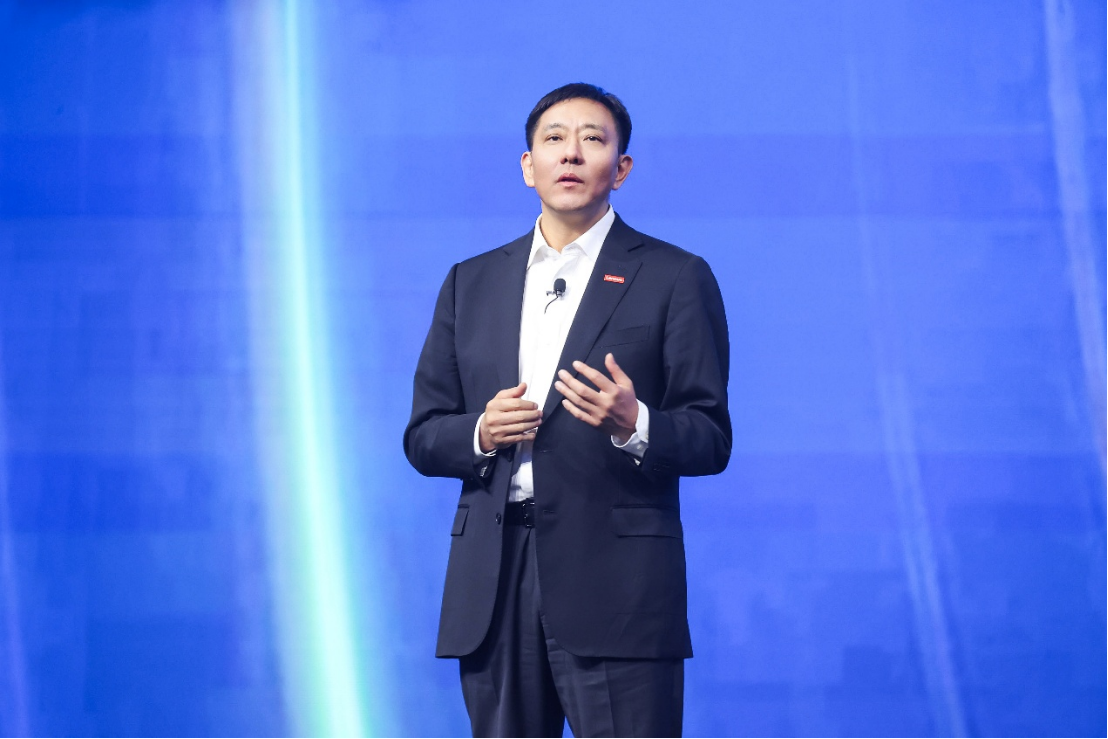
Core Insights - The Lenovo Tech World 2025 conference highlighted the theme "Let AI Become Innovation Productivity," marking a significant milestone in the democratization of AI [1] - Lenovo's Chairman and CEO, Yang Yuanqing, announced the launch of a comprehensive super-intelligent matrix covering personal, enterprise, and city-level AI, indicating a shift from concept to large-scale implementation [1][3] Group 1: Super Intelligent Agents - Yang Yuanqing described super-intelligent agents as the next breakthrough for improving quality of life and productivity, evolving from mere tools to cognitive operating systems for individuals and enterprises [3] - The personal version of the Tianxi super-intelligent agent can integrate data across devices and autonomously plan complex tasks, such as travel arrangements, using voice commands [3] - The enterprise version, LeXiang, acts as a "silicon-based employee," optimizing supply chains and marketing processes, while city-level agents have already been implemented in Wuyishan and Yichang for resource management [3][4] Group 2: AI Technology and Infrastructure - The exponential growth of edge AI is driven by a dual spiral of computing power and model capabilities, with Lenovo introducing a revolutionary inference acceleration engine developed in collaboration with Tsinghua University [4] - Lenovo's next-generation AI PC is expected to deliver powerful local AI inference capabilities, significantly enhancing edge AI capabilities by at least three times within the next 12 months [4] Group 3: AI Devices and Innovations - Lenovo unveiled four AI terminals, including the world's first rollable screen AI PC ThinkBook, a Level 3 collaborative folding phone Moto Razr, an AI interactive tablet Yoga, and a 3D gaming laptop "Legion" [6] - Existing users can upgrade to experience the Tianxi intelligent agent, achieving the concept of "device as intelligence" [6] Group 4: AI in Sports - As the official technology partner for FIFA World Cup, Lenovo announced innovative AI-driven experiences for players, coaches, referees, and fans, enhancing broadcasting support and performance analysis [7] - AI-generated 3D avatars will provide realistic representations of players, aiding referee decisions and creating immersive interactive viewing experiences for fans [7][8]
21观察丨AI下半场:硬件上山,智能体下山
2 1 Shi Ji Jing Ji Bao Dao· 2025-05-09 08:46
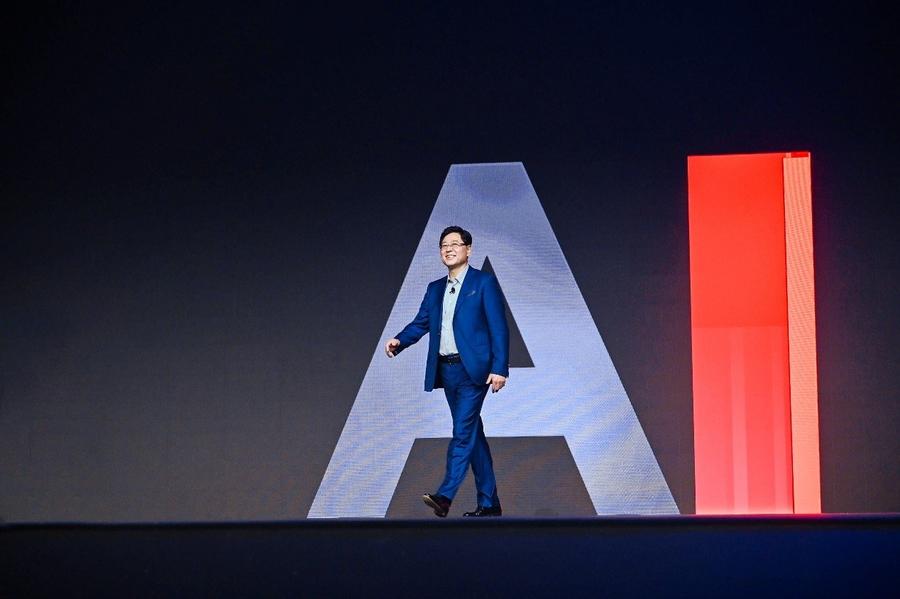
Core Insights - The AI industry is at a critical juncture, facing challenges in scaling applications despite advancements in generative AI technology [1] - Lenovo's CEO Yang Yuanqing has articulated a vision for AI that focuses on a "super intelligent agent" model to facilitate large-scale application deployment [2][3] Group 1: AI Application and Development - The "super intelligent agent" represents an evolution in AI applications, characterized by cross-device perception, multi-modal interaction, and autonomous task decomposition [2] - Lenovo aims to transition from being perceived solely as a hardware vendor to an AI service provider, integrating AI across all business operations [3][6] Group 2: Features and Capabilities of Super Intelligent Agents - The super intelligent agent is designed to move beyond passive assistance, enabling proactive service based on user intent, such as planning a family trip by coordinating various tasks [4] - In enterprise scenarios, Lenovo's super intelligent agent has been integrated into its operations, showcasing capabilities across multiple domains like supply chain and customer service [4] Group 3: AI Infrastructure and Security - Lenovo has developed a "Lenovo Inference Acceleration Engine" to enhance local inference capabilities on PCs, making them comparable to cloud models [4] - Data security and privacy protection are fundamental to the super intelligent agent's functionality, with measures in place to counter threats like Deepfake attacks [5] Group 4: Market Position and Strategy - Lenovo's AI transformation reflects a broader trend among hardware manufacturers to leverage their extensive device ecosystems for AI opportunities [6] - The company has established a global manufacturing system with 33 factories across 10 countries, allowing for rapid adjustments to market changes and tariff impacts [7][8]
杨元庆:未来联想可能会是一个以智能体业务为核心的企业
Huan Qiu Wang· 2025-05-09 02:19
Group 1 - The core viewpoint is that "super intelligent agents" will be the next breakthrough in improving quality of life and productivity, evolving from mere tools to cognitive operating systems for individuals and enterprises [2] - The concept of "mixed AI" is introduced as a solution to data security challenges, utilizing local device computing to learn and reason with private data, thus preventing privacy breaches [2] - The emphasis is on the necessity for individuals to upgrade their skills to effectively utilize AI tools, suggesting that those who can leverage AI will emerge as winners in the future [2] Group 2 - The company envisions a future where it transitions from being a device seller to a business centered around intelligent agents, aiming to enhance individual lives and improve enterprise efficiency [3] - The company is adapting to globalization challenges by integrating global resources with local delivery, having established 33 factories in 11 countries to maintain competitiveness in high-tariff markets [3] - The company believes that the ability to integrate global resources while achieving localized delivery in end markets will be crucial for success, especially in navigating international uncertainties [3]
杨元庆详解联想AI战略:超级智能体、数据安全与混合式人工智能
Xin Hua Cai Jing· 2025-05-08 14:54
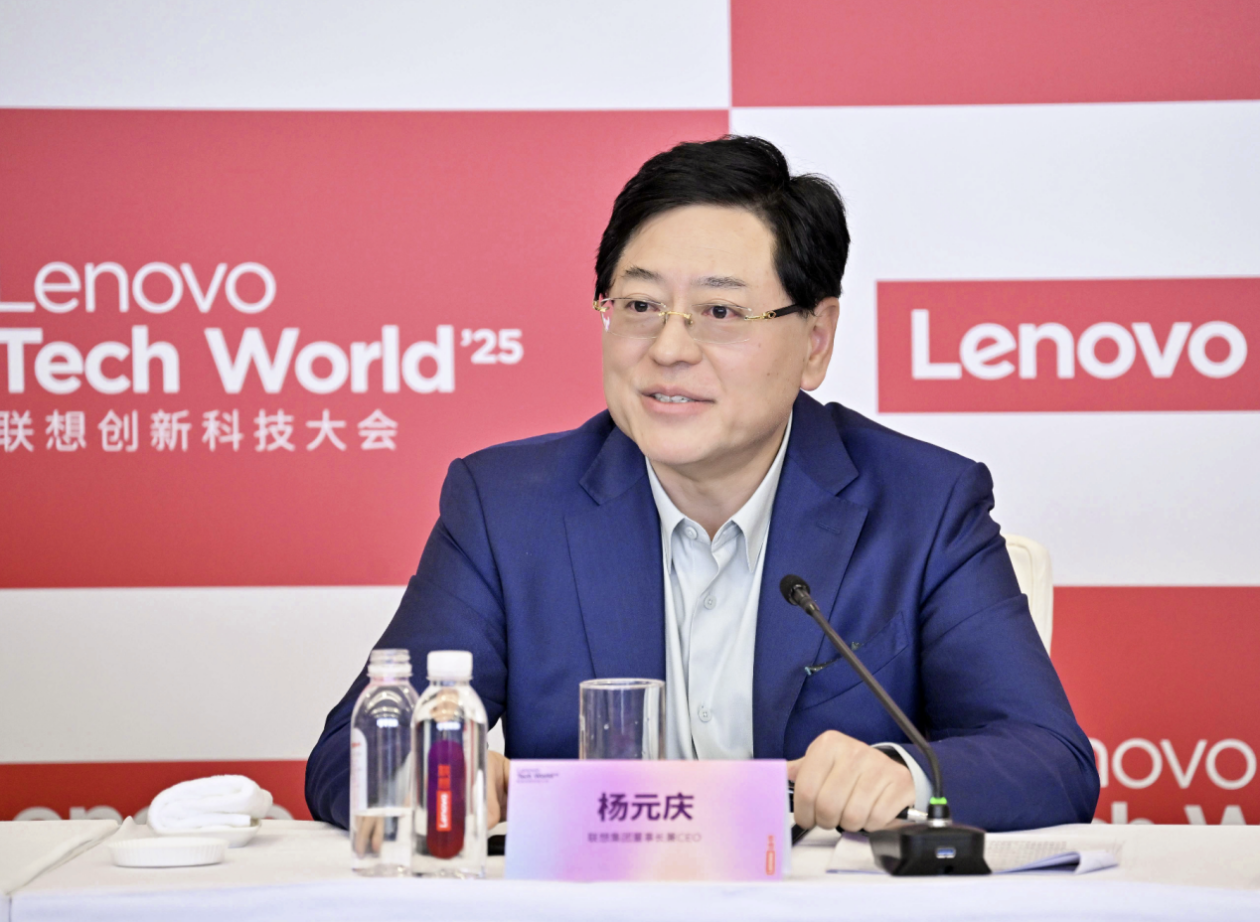
Group 1: Core Technology and Innovations - Lenovo has launched a comprehensive super-intelligent matrix, including personal, enterprise, and city super-intelligent systems, along with a new reasoning acceleration engine [2] - The Lenovo Tianxi personal super-intelligent system features enhanced environmental perception, personalized cognition, decision support, autonomous task planning, and continuous learning capabilities [2] - The system can interact with users through natural methods such as voice, text, and device touch, and it records user habits and preferences for personalized service [2] Group 2: Data Security and Privacy - Data security and privacy protection are emphasized as fundamental principles in Lenovo's AI innovation strategy, with a focus on protecting personal privacy and corporate intellectual property [3] - Lenovo proposes a "hybrid AI" solution that processes sensitive data locally while uploading only non-sensitive information to the cloud, enhancing privacy and service efficiency [3] - The company has developed a multi-layered protection system for secure data transfer between devices and strengthened deep forgery detection technology to prevent the misuse of user biometric data [3] Group 3: Globalization and Localization Strategy - Lenovo adopts a combination of globalization and localization strategies, establishing 33 factories in 11 countries to address challenges such as high tariffs and ensure competitive advantages [4] - The company’s local manufacturing approach in high-tariff countries like Brazil and India allows it to meet customer demands for personalization and delivery times while creating jobs and paying taxes [4] Group 4: Operational Advantages - As an end-to-end integrated manufacturer, Lenovo has advantages in production, product design, and marketing, allowing for quick and flexible adjustments to market changes [5] - The company's "ODM+" model and global localization strategy are positioned as a reference for other companies navigating globalization challenges [5]
爆火智能体再进化,终端成为关键词:2026年端侧AI能力至少涨3倍
量子位· 2025-05-08 06:58
Core Viewpoint - The article discusses the emergence and evolution of "super intelligent agents" in the AI landscape, highlighting their capabilities and the role of Lenovo in defining and deploying these agents across personal, enterprise, and urban applications [4][9][38]. Group 1: Definition and Features of Super Intelligent Agents - The current stage of intelligent agents is referred to as "super intelligent agents," which possess three core functions: perception and interaction, cognition and decision-making, and autonomy and evolution [4][10][12]. - Super intelligent agents are categorized into three areas: personal, enterprise, and urban, to promote a comprehensive societal integration of AI technology [5][38]. - Lenovo has introduced the concept of "AI Twins" and emphasizes the importance of local, personalized, and efficient execution in its AI architecture [7][38]. Group 2: Capabilities of Super Intelligent Agents - The first capability, perception and interaction, allows agents to capture user states and environmental information through various modalities, enabling precise interpretation of user intent [11][12]. - The second capability, cognition and decision-making, involves utilizing cross-device knowledge bases to maintain a long-term memory that can understand complex intentions and apply learned outcomes to different scenarios [15][18]. - The ultimate goal of autonomy and evolution is for agents to autonomously decompose complex tasks and optimize decision-making through self-learning [18][38]. Group 3: Lenovo's Product Launches - Lenovo has launched the Tianxi personal super intelligent agent, which can be deployed on various smart devices to serve individual users [21][28]. - The company also introduced the Lexiang enterprise super intelligent agent, which relies on a robust computing infrastructure to support AI model training and inference [30][33]. - Lenovo's new AI PCs, equipped with the "Lenovo Inference Acceleration Engine," significantly enhance local inference capabilities, achieving performance levels comparable to cloud models [22][27]. Group 4: Future Outlook and Trends - Lenovo anticipates a threefold increase in edge AI capabilities within the next 12 months, indicating a rapid evolution in AI technology [41][38]. - The integration of super intelligent agents into personal, enterprise, and urban contexts aims to reshape productivity paradigms and enhance user experiences [38][42]. - The relationship between foundational computing and upper-layer software intelligence is becoming increasingly intertwined, positioning super intelligent agents as essential tools for problem-solving [42][43].
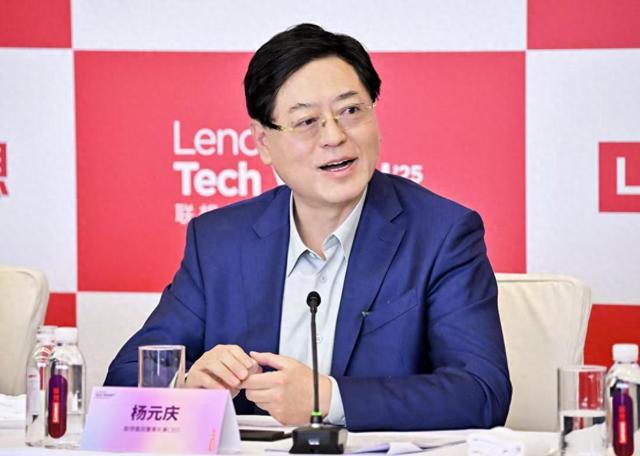
杨元庆:数据安全和隐私保护是“超级智能体”的基座
Huan Qiu Wang Zi Xun· 2025-05-08 03:03
Core Insights - The AI sector is entering a phase of rapid innovation, with advancements such as DeepSeek's integration of algorithm innovation and engineering optimization, and the release of Llama 4 accelerating the deployment of multimodal large models [1] - Privacy and data security are significant challenges faced by the AI large model field, as discussed at the 2025 Lenovo Innovation Technology Conference [1] Group 1: Data Security and Privacy Protection - Lenovo's CEO Yang Yuanqing emphasized the importance of hybrid AI from the perspectives of personal data protection, enterprise data protection, personal privacy protection, and corporate intellectual property protection [3] - Yang stated that data security and privacy protection are foundational to the three main functions of "super intelligent agents," which represent non-negotiable value propositions and innovation principles [3] - The contradiction between the need for accurate responses and the desire to protect personal data is highlighted, suggesting that personal trusted computing can be a solution by utilizing users' own devices for data learning and inference [3] Group 2: Technological Advancements and Applications - Lenovo's CTO Tolga Kurtoglu noted that data security and privacy protection are crucial in developing "super intelligent agents," advocating for local processing of sensitive information on devices [4] - The need for robust data security measures when transferring data to the cloud is emphasized, along with the importance of anonymizing sensitive information [4] - Yang revealed that Lenovo plans to introduce Deepfake detection technology to mitigate the risk of personal image theft, showcasing the company's commitment to enhancing data security [4]
钛媒体科股早知道:又一新品将发售,机构称该细分领域未来有望成为智能协同与计算终端
Tai Mei Ti A P P· 2025-05-08 01:12
Group 1: Smart Glasses and AI Agents - A new product, NSVExBleeqUpAI sports shooting glasses, is set to be mass-produced and sold in June, marking a strategic collaboration between Zhijing Unknown and Star Creation Vision [2] - The smart glasses market is transitioning from basic hardware to intelligent assistance, with significant growth potential as major tech companies continue to innovate [2] - Wellsenn predicts that global AI glasses sales could reach 5.5 million units by 2025, representing a 135% year-on-year increase [2] - The Lenovo Innovation Technology Conference will focus on the large-scale implementation of AI Agents, showcasing advancements in interactive AI products [3] - The global AI Agent market is estimated to reach $5.4 billion in 2024, with a projected compound annual growth rate of 45.8% from 2025 to 2030 [3] Group 2: Huawei's Harmony OS and PC Market - Huawei is set to launch its Harmony OS-based PCs, marking a significant shift away from Windows, with all new laptops expected to run on Harmony OS after April [4][5] - The Harmony OS is anticipated to open doors in the government and enterprise markets, leveraging self-developed chips and systems for enhanced compatibility [5] Group 3: Weight Loss Drugs Market - The World Health Organization plans to officially recommend the use of weight loss medications for adult obesity, indicating a major policy shift in addressing obesity [6] - The market for GLP-1 weight loss drugs is expected to grow significantly, with estimates suggesting a market size exceeding 37.85 billion yuan by 2030 due to increased accessibility and demand [6]
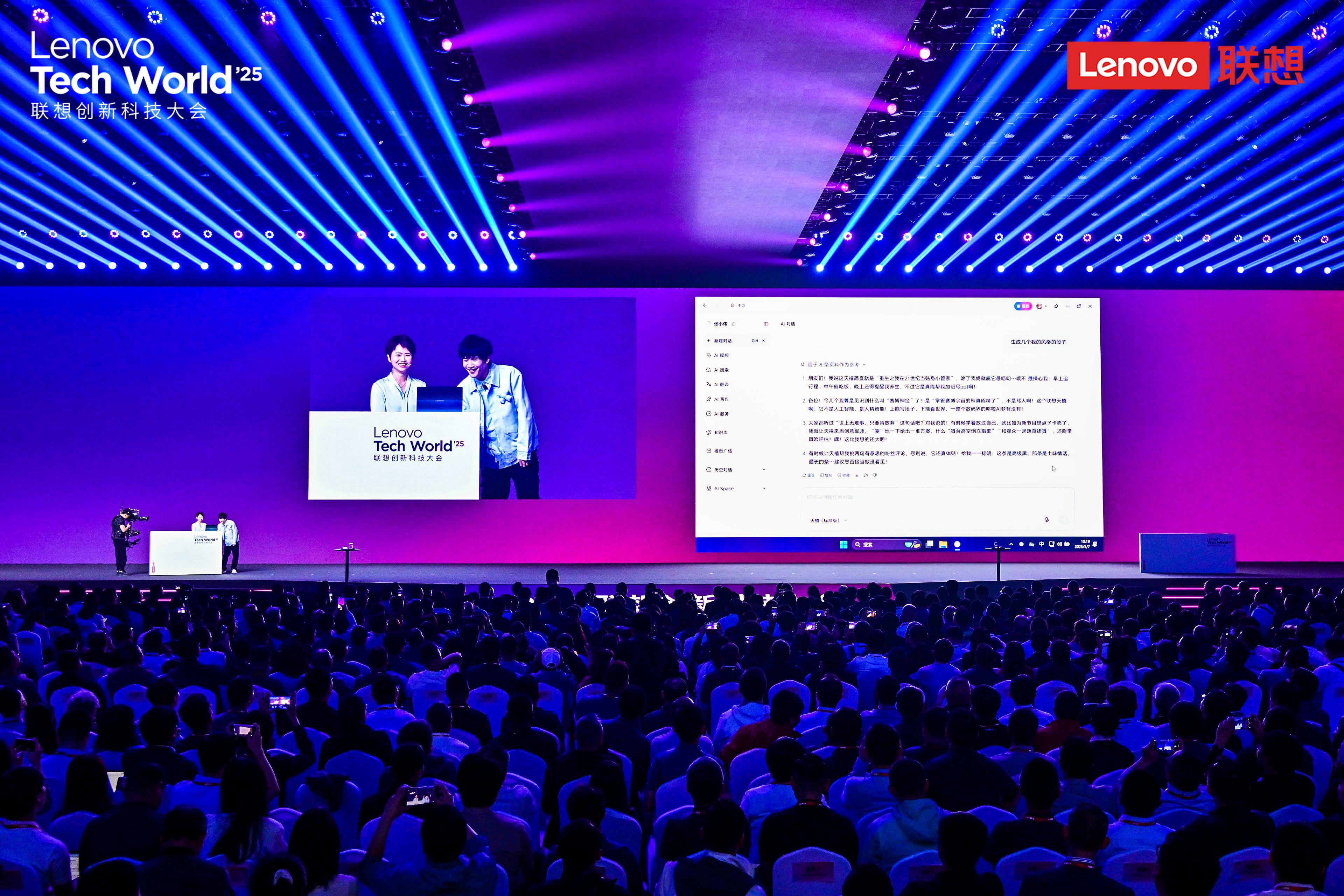
这次,杨元庆拥抱的不是黄仁勋,而是大张伟
3 6 Ke· 2025-05-07 09:42
Core Insights - Lenovo's Tech World 2025 emphasizes a more relatable approach, showcasing AI products that cater to everyday users rather than just high-tech concepts aimed at enterprises [1][9] - The event featured notable personalities, including celebrity Da Zhangwei, who demonstrated personal AI capabilities, indicating a shift towards consumer-friendly AI applications [1][4] Group 1: AI Product Development - Lenovo is transitioning towards scaling AI products, focusing on the development of "super intelligent agents" that feature multimodal perception and autonomous execution capabilities [9][10] - Two super intelligent agents were launched: "Tianxi" for personal use and "Lexiang" for enterprises, both capable of multimodal interactions [9][10] Group 2: Strategic Collaborations and Innovations - Lenovo is collaborating with Tsinghua University and Wuwenchin Qiong to develop a reasoning acceleration engine, enhancing application performance while reducing power consumption [10] - The company introduced advanced AI infrastructure, including the upgraded "Wanquan 3.0" platform, which addresses inference demands and slow node issues in large-scale clusters [19] Group 3: New Product Launches - Lenovo unveiled four new devices equipped with super intelligent agents, including the AI foldable smartphone Moto Razr 60 Ultra AI, the AI tablet Yoga Pad Pro 14.5, and the rollable screen AI PC ThinkBook Plus Rollable [10][14] - The gaming handheld Legion 9i AI was also introduced, featuring AI capabilities for enhanced graphics rendering [14] Group 4: Infrastructure Enhancements - Lenovo's advancements in cooling technology include the "Flying Fish" bionic cooling design and a dual-circuit phase change immersion cooling system, significantly improving heat dissipation capabilities [19] - The company is also focusing on ensuring data security in AI applications, introducing Deepfake detection technology integrated into their super intelligent agents [10] Group 5: Market Outlook - Lenovo's CEO Yang Yuanqing highlighted uncertainties in the market, particularly due to geopolitical factors and U.S. tariff policies affecting high-tech products, but indicated that product pricing would remain stable for now [19][20]