
VLA大模型

Search documents
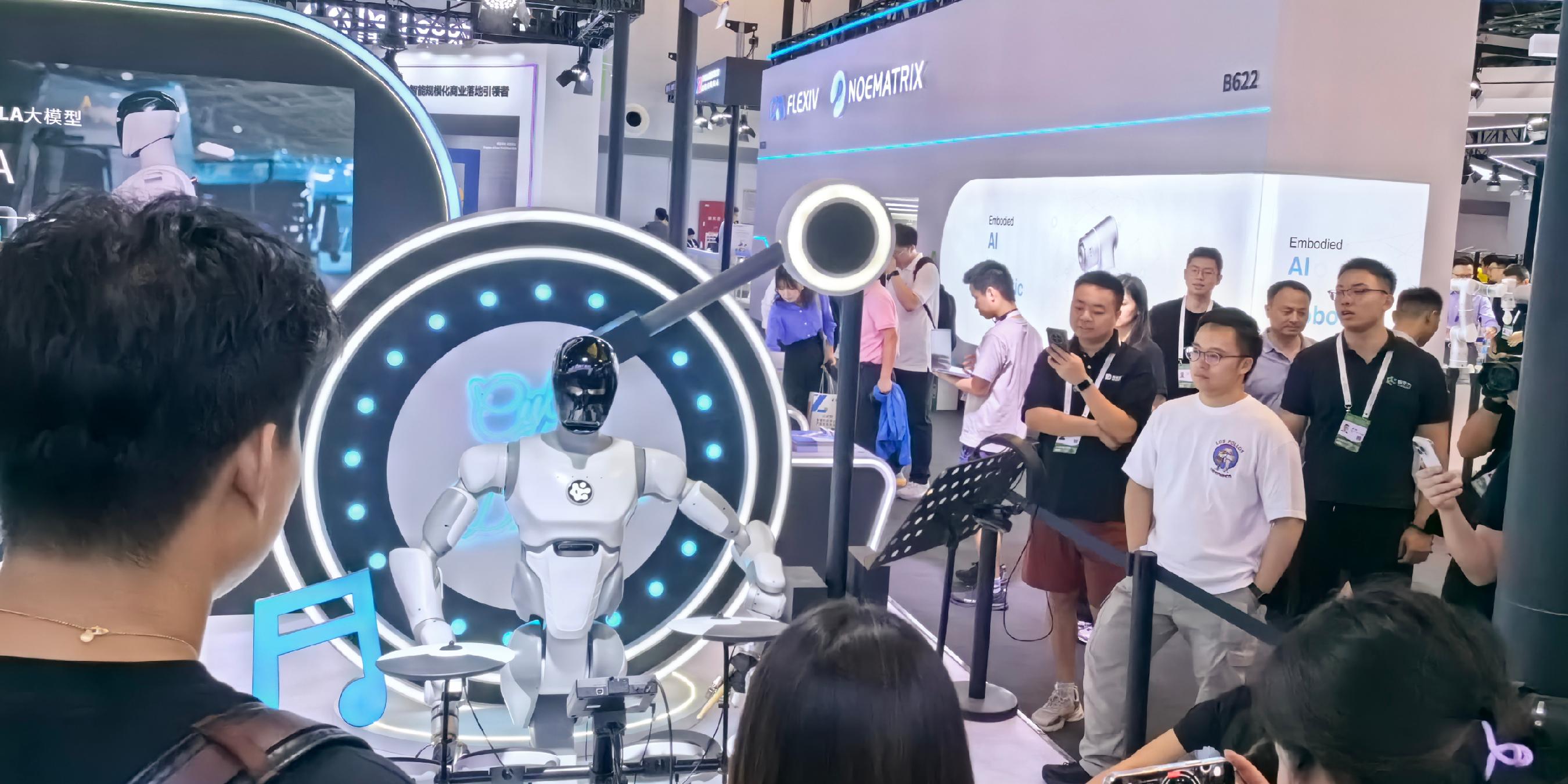
WAIC直击:中国具身智能集体“找工作”
经济观察报· 2025-07-27 13:28
Core Viewpoint - The article highlights the emergence of humanoid robots as they actively demonstrate their capabilities in various roles, marking a significant shift towards their integration into human jobs, particularly in service and industrial sectors [1][3]. Group 1: Humanoid Robots in Service Roles - Humanoid robots are increasingly being showcased as capable of performing service roles, with "waiter" being a common and competitive position [5][6]. - At the WAIC, over 150 humanoid robots were displayed, setting a record for the largest showcase in China [2]. - Robots like "Aibao" from Zhifang are capable of executing complex tasks such as making coffee and ice cream, demonstrating advanced task understanding and execution [6][9]. - "XMAN-R1" from Qinglang is designed to simulate professional bartending, showcasing its ability to mix drinks with precision [6]. - "Xialan," a humanoid robot from Digital Huaxia, engages in emotional interactions with audiences, indicating a shift towards robots that can connect on a personal level [8][9]. Group 2: Robots in Industrial Applications - Robots are also being tested in industrial settings, where their capabilities in dynamic environments are crucial [11][12]. - The robot fighting competition at the WAIC illustrates the advanced motion control and adaptability required for robots to operate in unstructured environments [11][12]. - Industrial robots like "Galbot" and "Aibao" are capable of performing tasks such as sorting and transporting items, showcasing their operational stability and adaptability [13][14]. - The integration of VLA (Vision-Language-Action) models enhances robots' end-to-end capabilities, allowing them to process sensory information and execute actions efficiently [14]. Group 3: Industry Growth and Future Prospects - The intelligent robot industry is experiencing rapid growth, with an estimated average increase of 50% to 100% in the first half of the year [15]. - The market is seeing a continuous release of new robots, indicating a fast-paced development and deployment cycle [15]. - Despite the current excitement around humanoid robots, the industry is still in its early stages, suggesting potential for further advancements and applications [15].

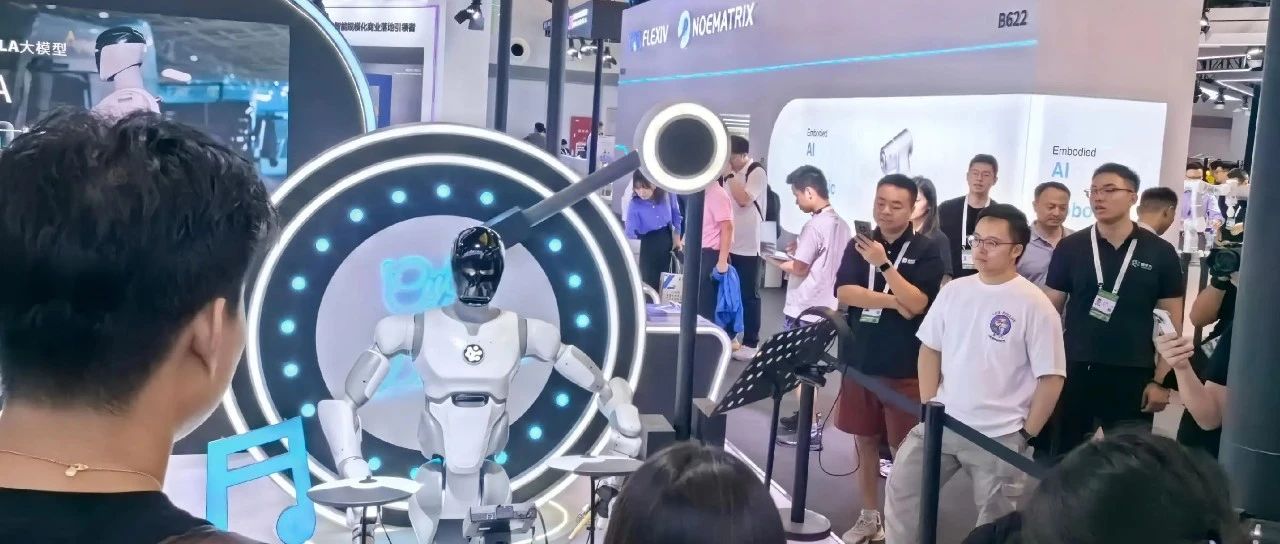
WAIC直击:中国具身智能集体“找工作”
Jing Ji Guan Cha Wang· 2025-07-27 12:12
Group 1 - The core theme of the article revolves around the advancements and applications of humanoid robots showcased at the 2025 World Artificial Intelligence Conference (WAIC) in Shanghai, highlighting their increasing capabilities and roles in various sectors [2][3][4] - The event featured over 150 humanoid robots, marking the largest display of its kind in China, transforming the exhibition into a dynamic "job fair" for robots [3][4] - Robots are increasingly being integrated into service roles, with "waiter" positions being the most common and competitive, showcasing their ability to perform tasks traditionally held by humans [4][5] Group 2 - Companies like Zhiyuan and Qingtong are demonstrating advanced service robots capable of performing tasks such as making coffee and mixing drinks, utilizing proprietary models for flexible task execution [5][6] - The humanoid robot "Xialan" from Digital Huaxia is designed for emotional interaction, featuring advanced facial expressions and engaging with audiences, indicating a shift towards robots with emotional intelligence [6][7] - The GR-3 robot from Fourier Intelligence focuses on healthcare, providing patient guidance and rehabilitation support, emphasizing the growing role of robots in sensitive care environments [7][8] Group 3 - The article contrasts the service-oriented robots with those designed for industrial applications, where robots are tested for their intelligence and robustness in dynamic environments [9][10] - Industrial robots showcased their capabilities in tasks such as sorting and assembly line operations, demonstrating high adaptability and precision in complex settings [11][12] - The development of VLA (Vision-Language-Action) models is highlighted as crucial for enhancing robots' decision-making and operational efficiency in real-world scenarios [13][14] Group 4 - Industry experts express optimism about the future of the humanoid robot sector, with reports indicating an average growth of 50% to 100% in the smart robotics industry in the first half of the year [14] - Despite the current excitement surrounding humanoid robots, it is noted that the field is still in its early stages, with ongoing developments and innovations expected to drive further advancements [14]
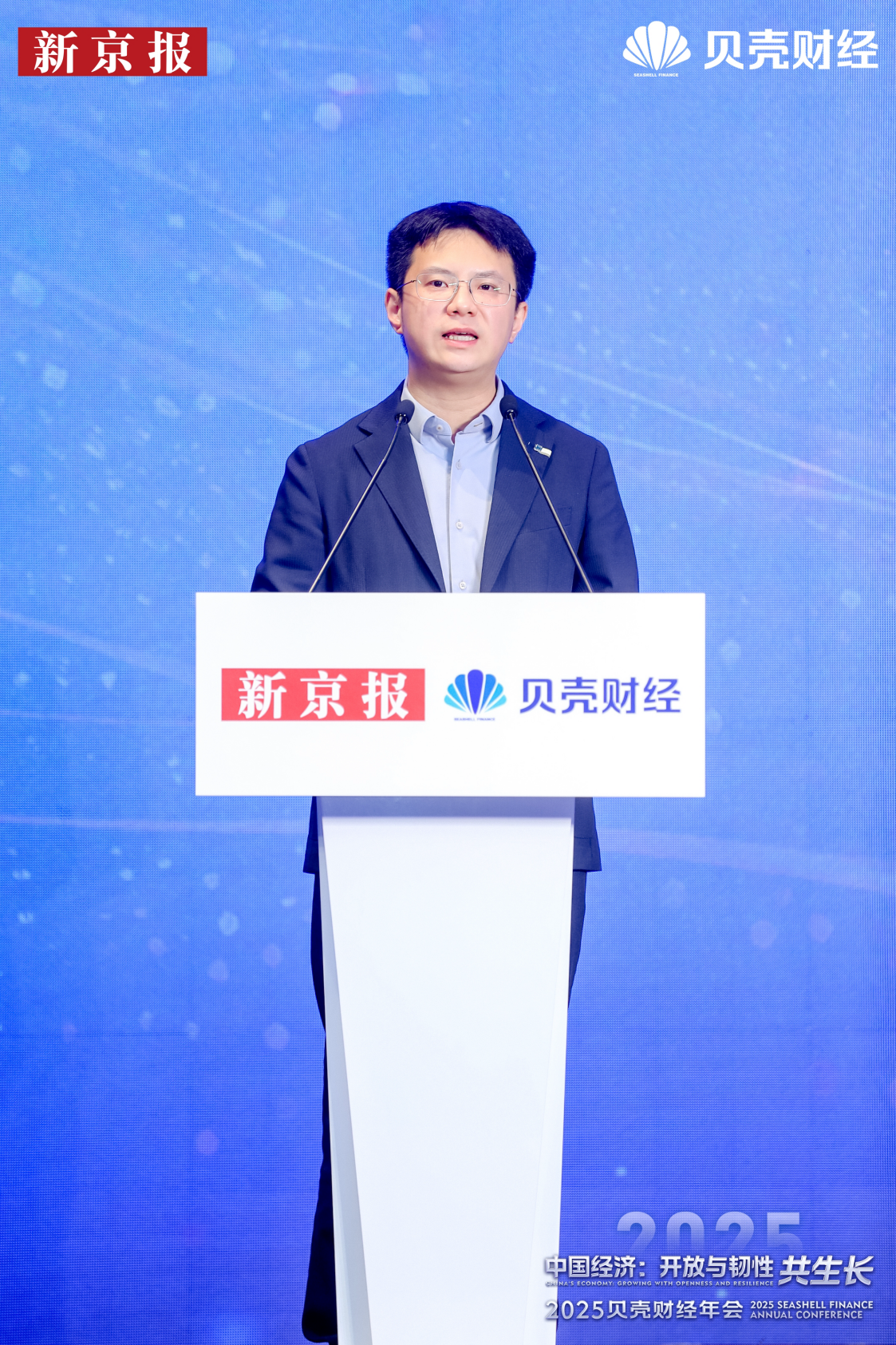
银河通用王鹤最新演讲:要善于运用合成数据,加速推动人形机器人新质生产力的大规模应用
Bei Ke Cai Jing· 2025-07-22 02:22
Group 1 - The year 2025 is significant for entrepreneurs in humanoid robots and embodied intelligence, with continuous product iterations and increased investor interest in startups [1] - Wang He, a key figure in the field, emphasizes that the development of embodied intelligence is crucial for humanoid robots to generate new productive capabilities [9][15] - The industry is currently facing challenges, including a lack of sufficient data for training models, which is a major bottleneck for the large-scale application of humanoid robots [7][20] Group 2 - The VLA (Vision-Language-Action) model represents a new trend in the integration of embodied intelligence and large models, allowing robots to autonomously understand commands and execute tasks [6][17] - The humanoid robot industry is compared to the automotive industry, highlighting the disparity in production volumes and the challenges of data collection for training [8][18] - The current data requirements for effective training are estimated to be in the hundreds of billions, while existing datasets are significantly smaller, creating a substantial gap [20][21] Group 3 - Chinese companies have the opportunity to lead in the humanoid robot sector by utilizing synthetic data for training, rather than relying solely on real-world data [21] - The approach involves generating extensive synthetic data for reinforcement learning, which can enhance the efficiency and generalization of embodied models [22] - The company has developed the world's first humanoid robot retail solution, demonstrating the practical application of its technology in real-world scenarios [23] Group 4 - The company has successfully completed multiple rounds of financing, raising a total of 2.4 billion RMB, indicating strong investor confidence in its technology and market potential [25] - The company aims to leverage its leading technology to define industry standards and drive the sector towards a productive era for humanoid robots [26]

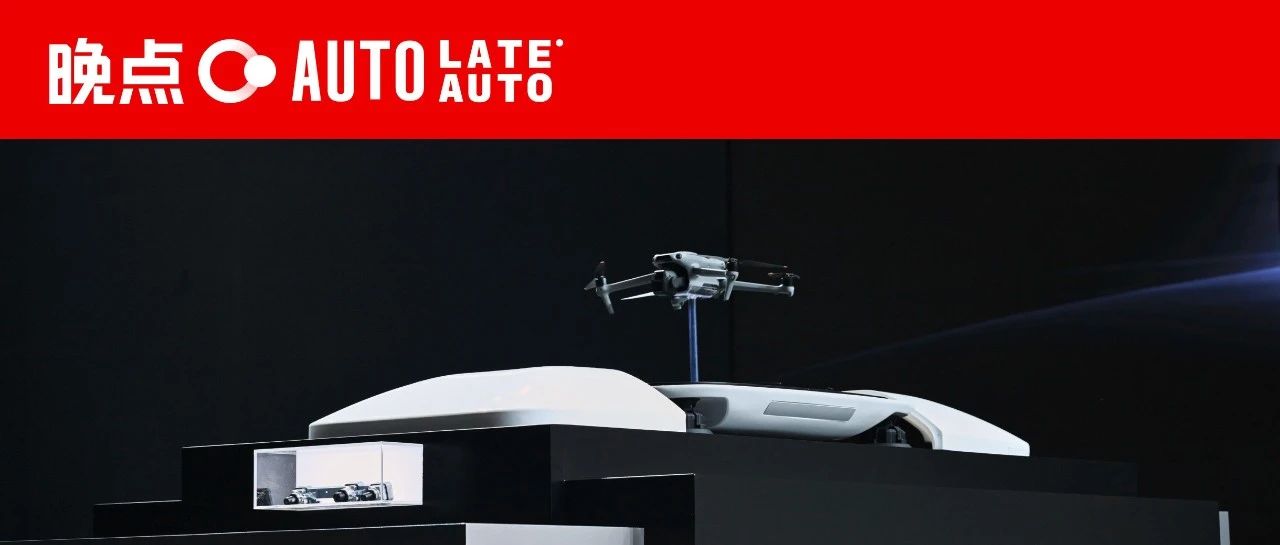
独家丨一汽与卓驭正在商讨战略投资事宜
晚点Auto· 2025-07-18 03:08
Core Viewpoint - Zhuoyu Technology is in discussions with FAW for a strategic investment totaling over $800 million, with a post-investment valuation exceeding $10 billion, while maintaining its business and management independence [2][4]. Group 1: Investment and Strategic Partnerships - The investment round includes participation from other automotive companies and industrial funds, in addition to FAW [2]. - Zhuoyu has secured investments from at least four automotive companies, including BYD, SAIC, and BAIC, all of which are its cooperative clients [4]. Group 2: Technological Development and Product Offerings - Zhuoyu, incubated by DJI, focuses on integrating software and hardware for advanced driver assistance systems (ADAS), achieving significant milestones in low-cost platforms [4]. - The company has developed various levels of computing power solutions, including systems with lidar capabilities, expanding its product line to meet diverse market needs [4]. - Zhuoyu's recent launch of the VLA model based on the NVIDIA Thor platform positions it competitively in the smart driving sector, with few suppliers currently developing for this platform [5]. Group 3: Market Dynamics and Competitive Landscape - The competitive landscape in the smart driving market is intensifying, pushing suppliers to meet higher expectations from automotive manufacturers [5]. - Zhuoyu is adapting to industry changes by enhancing its sales and business capabilities, including the recruitment of new sales leadership with backgrounds from Bosch and Huawei [5].

理想汽车-W(2015.HK):I8上市在即 看好VLA模型上车
Ge Long Hui· 2025-05-31 01:57
Core Viewpoint - The company reported Q1 performance with revenue of 25.9 billion yuan, showing a slight increase of 1% quarter-on-quarter but a significant decrease of 41% year-on-year, while net profit attributable to shareholders was 650 million yuan, up 9% quarter-on-quarter but down 82% year-on-year, aligning with expectations [1] Financial Performance - Q1 automotive gross margin was 19.8%, reflecting a quarter-on-quarter increase in both metrics, with total vehicle sales reaching 93,000 units, up 16% quarter-on-quarter but down 41% year-on-year [1] - The company’s overall gross margin for Q1 was 20.5%, with automotive gross margin at 19.8%, showing a slight increase of 0.5% quarter-on-quarter [1][2] - The average selling price (ASP) and gross profit per vehicle were 266,000 yuan and 53,000 yuan respectively, down 11.9% and 10.0% year-on-year, and down 1.1% and 0.7% quarter-on-quarter [2] Cost Management - The company demonstrated improved cost control with SG&A and R&D expense ratios at 9.8% and 9.7%, respectively, showing a year-on-year decrease of 1.9% and 2.2% [2] - The company expects to continue enhancing quality and efficiency in Q2, with projected deliveries of 123,000 to 128,000 units and revenue between 32.5 billion and 33.8 billion yuan [2] Product Development - Recent launches of the L series and MEGA smart driving models have been smooth, with the MEGA Home version performing well, enhancing expectations for the company's electric vehicle strategy [2] - The company plans to launch the i8 and i6 models in H2 2025, with the i8 featuring a 5C battery and a range of 720 km, which is expected to alleviate range anxiety for users [2] Technological Advancements - The introduction of the Thor-U chip in the L series and MEGA models enhances computational power, and the company is accelerating its self-developed chip initiatives [3] - The existing dual-system architecture will be upgraded to the VLA driver model in July 2025, which is expected to improve generalization capabilities and enhance autonomous driving features [3] Profit Forecast and Valuation - The company maintains its profit forecasts, expecting GAAP net profits of 10.3 billion, 15.8 billion, and 17.8 billion yuan for 2025-2027, with Non-GAAP net profits of 13 billion, 18.6 billion, and 20.8 billion yuan [3] - The target price has been adjusted to 140.34 HKD, maintaining a "buy" rating based on a 21x PE for 2025 [3]

理想汽车-W(02015):I8上市在即,看好VLA模型上车
HTSC· 2025-05-30 02:44
Investment Rating - The report maintains a "Buy" rating for the company [8] Core Views - The company reported Q1 revenue of 25.9 billion RMB, with a year-on-year increase of 1% and a quarter-on-quarter decrease of 41%. The net profit attributable to shareholders was 650 million RMB, reflecting a year-on-year increase of 9% but a quarter-on-quarter decrease of 82%, aligning with expectations [1] - The company is expected to continue improving quality and efficiency, with a projected Q2 delivery of 123,000 to 128,000 vehicles and revenue of 32.5 to 33.8 billion RMB [2] - The launch of new electric models, particularly the i8, is anticipated to enhance sales performance, with expectations of over 5,000 units in steady monthly sales [3] - The introduction of the Thor-U chip in new models is expected to enhance computing power and reduce costs in autonomous driving hardware [4] - The company forecasts GAAP net profits of 10.3 billion, 15.8 billion, and 17.8 billion RMB for 2025-2027, with a target price adjustment to 140.34 HKD based on a 21x PE for 2025 [5][13] Financial Summary - The company expects revenues of 123.9 billion RMB in 2023, growing to 250.2 billion RMB by 2027, with a compound annual growth rate of 5.97% [7] - The projected net profit attributable to shareholders is expected to recover from 8.0 billion RMB in 2024 to 17.8 billion RMB in 2027, indicating a significant growth trajectory [7] - The report highlights a gross margin of 20.5% for Q1 2025, with an automotive gross margin of 19.8%, reflecting improved cost control [2]