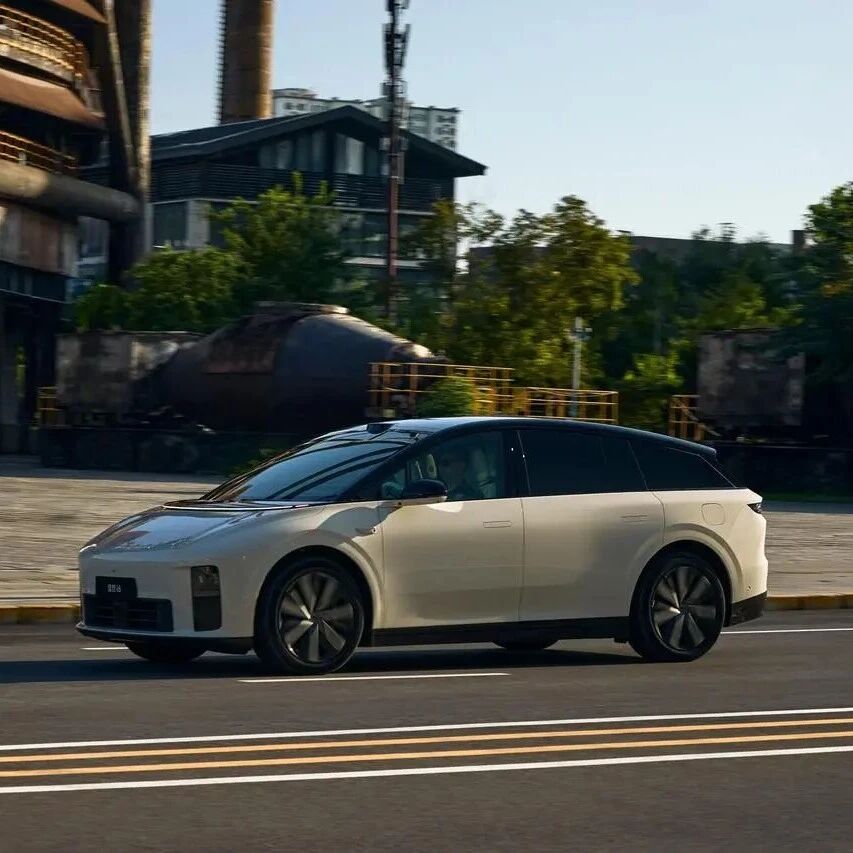
L系列

Search documents
理想汽车比谁都现实
Xin Lang Cai Jing· 2026-01-29 12:13
Core Viewpoint - Li Auto is undergoing a strategic recalibration by closing approximately 100 inefficient retail stores while simultaneously investing in AI and robotics, reflecting a dual approach of contraction and expansion in response to market challenges [2][4][12]. Group 1: Retail Strategy and Market Position - In early 2026, Li Auto plans to close around 100 low-efficiency retail stores, which are often located in prime areas of first and second-tier cities, as part of a broader strategy to adapt to changing consumer behaviors [4][27]. - The adjustment is not merely a cost-cutting measure but a strategic realignment following a year of declining performance, as consumers increasingly prefer shopping in multi-level commercial spaces rather than traditional car showrooms [6][29]. - In 2025, Li Auto set an ambitious sales target of 700,000 vehicles, which was later revised down to 640,000, with actual deliveries falling to approximately 406,343 vehicles, resulting in a loss of market leadership to competitors like Leap Motor [7][30]. Group 2: Financial Performance and Challenges - Li Auto's third-quarter revenue for 2025 was reported at 27.4 billion yuan, a year-on-year decline of 36.2%, with a net loss of 624 million yuan, marking the end of 11 consecutive profitable quarters [9][32]. - The decline in performance is attributed to setbacks in the pure electric vehicle market and increased competition from rivals employing aggressive pricing strategies [9][32]. - The company currently operates 548 retail centers, which incurs significant costs, prompting the need for channel optimization to improve overall efficiency [10][33]. Group 3: Future Strategy and AI Investment - Li Auto is shifting its focus towards AI technology and robotics, with plans to develop foundational models, chips, and intelligent systems, aiming to position itself among the top three global players in this field by 2028 [12][37]. - The company has expressed intentions to expand its brand identity from merely creating "mobile homes" to a broader vision encompassing "embodied intelligence," including the development of humanoid robots [14][37]. - Following the announcement of store closures and AI investments, Li Auto's stock rose by 4.9%, indicating positive market reception despite differing opinions among investors regarding the company's long-term competitiveness [16][39]. Group 4: Market Reactions and Analyst Ratings - Analysts are divided on Li Auto's long-term prospects, with optimistic views focusing on the potential of self-developed chips and AI models, while cautious perspectives highlight immediate operational pressures [18][42]. - Some analysts maintain a positive rating, projecting a target price of 100 HKD for the stock, while others have downgraded their ratings due to concerns over short-term challenges, setting a target price of 17.5 USD [18][43].


出于经营效率考量,理想汽车将关闭部分门店
Guan Cha Zhe Wang· 2026-01-23 12:21
Group 1 - The core viewpoint is that Li Auto's delivery volume for 2025 is projected to be 406,000 units, representing a year-on-year decline of approximately 19%, failing to meet the adjusted sales target [1][3] - Li Auto plans to close some underperforming retail stores as part of a strategy to improve operational efficiency, although the exact number of closures is still under evaluation [2] - The number of retail centers has significantly increased from 206 in 2021 to 467 in 2023, with further growth expected to 502 by the end of 2024 and 548 by the end of 2025 [2] Group 2 - Li Auto's performance in 2025 is impacted by several factors, including the MEGA recall, low sales of the L series before its upgrade, and the nascent stage of its pure electric products [3] - The company plans to revert to a "startup management model" starting in Q4 2025 to address challenges posed by new technologies and market conditions [3] - Li Auto's self-developed chip, the M100, is set to be commercially deployed next year, which is expected to transform the vehicle experience from a passive product to one that actively provides services to users [3]
理想短期销量适合降低预期
理想TOP2· 2025-12-22 12:28
Core Insights - The article discusses the current delivery status of the L series and i8/MEGA being order-driven, while the i6 is capacity-driven, with a significant order milestone reached for the i6 and i8 models [1] - It highlights the importance of value creation, transmission, and delivery in determining sales performance, suggesting that these factors are critical for future growth [1] - The article outlines key sales trends and expectations for the company in 2026, emphasizing the need for new model releases and consumer feedback to drive orders [3] Summary by Sections Current Delivery Status - The i6 and i8 have surpassed 100,000 cumulative orders as of December 1, 2025, with expectations for i6's monthly production capacity to reach 20,000 units early next year [1] - As of November 30, 2025, approximately 12,977 i6 units and 20,396 i8 units have been delivered [1] Sales Trends and Expectations - Sales performance is typically strongest in the first few months after a model's release, with few models able to regain momentum later [2] - The company may have overestimated or underestimated sales for certain models, which is a common occurrence in the industry [2] Key Sales Drivers for 2026 - The release of new or updated models and the potential for positive consumer feedback in early 2026 are identified as critical sales drivers [3] - The company is expected to take a more serious approach to sales in 2026, reflecting on past performance to drive improvement [3] Strategic Directions for 2026 - The article outlines three main strategic directions for the company in the electric vehicle market, focusing on market-validated models, innovative definitions, and user value through intelligent driving [4][5] - The company is expected to maintain a competitive edge in user experience and charging solutions, which are seen as key to driving sales [8] Potential Value Creation in 2026 - Anticipated value creation includes significant upgrades to the L series, advancements in intelligent driving, and improvements in user experience [7] - The company is expected to enhance its charging infrastructure, potentially introducing automatic charging capabilities [7][8]
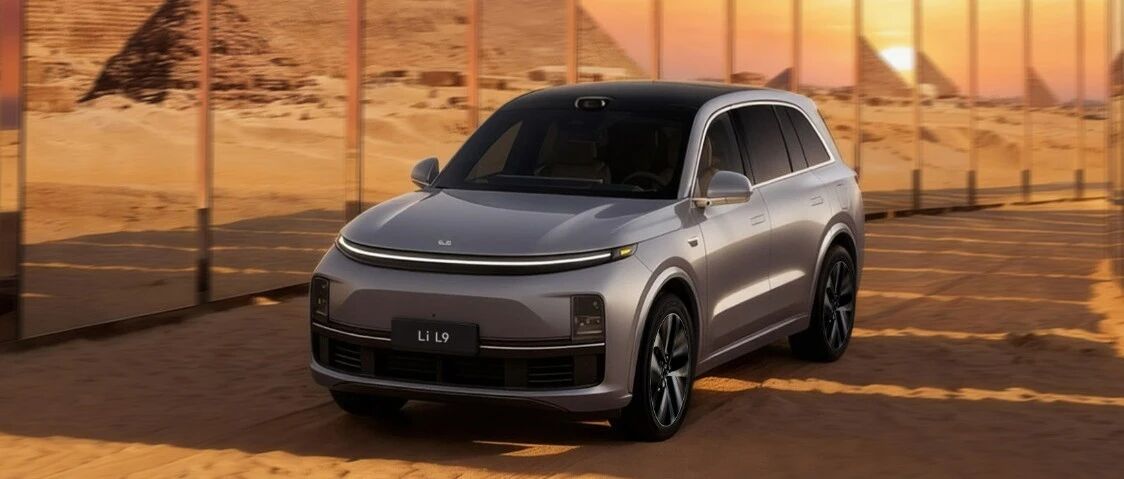
为什么新供应商进入理想汽车很难?
汽车商业评论· 2025-12-09 23:07
Core Viewpoint - The Chinese automotive industry is rapidly evolving, with companies like Li Auto facing significant challenges and emphasizing the need for innovation and cost management to remain competitive [4][6][14]. Group 1: Challenges Faced by Li Auto - Li Auto is currently dealing with five major challenges: evolving consumer demands, ongoing price competition, intensified geopolitical conflicts affecting supply continuity, market volatility, and accelerated application of new technologies leading to quality challenges [6][8]. - The company recognizes the need to shorten product iteration cycles significantly, which requires a substantial increase in innovation density [4][11]. - Price competition has led to a 4% decrease in the average transaction price of new energy vehicles in China, now at 170,000 yuan, with further reductions expected due to tax and subsidy changes [14][18]. Group 2: Strategies for Cost Management - Li Auto has made cost management a primary focus for all platform products, emphasizing that the success of platform products directly influences the overall success of vehicle products [19][21]. - The company aims to enhance product value while simultaneously managing costs, with a target for the product development team to achieve significant cost reductions [18][19]. - The strategy includes leveraging existing partnerships and focusing on both red ocean (traditional) and blue ocean (new technology) components to optimize supply chain efficiency [6][23]. Group 3: Supply Chain and Risk Management - Li Auto is addressing supply chain risks by diversifying resources and forming strategic partnerships to ensure supply continuity amid geopolitical tensions [25][28]. - The company has approximately 500 tier-1 partners and over 5,000 tier-2 and tier-3 suppliers, highlighting the complexity of managing supply chain risks [30][31]. - A focus on vertical integration is emphasized as a long-term strategy to enhance supply chain resilience and efficiency [24][33]. Group 4: Innovation and Product Development - Li Auto is implementing a collaborative innovation model, organizing teams by product categories to foster targeted innovation efforts [13][14]. - The company aims to achieve "zero defects" in quality, focusing on design and process reliability, and is investing in AI-driven quality monitoring systems [46][48]. - The need for rigorous testing and validation of new technologies is underscored, as the automotive industry faces increasing quality challenges due to the integration of electronics and software [43][46]. Group 5: Organizational Efficiency and Future Outlook - The company is exploring ways to enhance organizational efficiency through the integration of AI technologies, which are expected to significantly improve operational productivity [52][54]. - Li Auto's approach emphasizes collaboration and shared success with partners, aiming to navigate industry challenges collectively [54]. - The long-term vision includes a commitment to sustainability and carbon reduction, aligning with national energy goals [50].
【券商聚焦】第一上海维持理想汽车(02015)买入评级 指产品换代周期后26年销量将恢复增长
Xin Lang Cai Jing· 2025-12-04 11:25
Core Viewpoint - Ideal Automotive (02015) is projected to experience a decline in vehicle sales revenue in Q3 2025, with a significant drop of 37.4% compared to Q3 2024, and a 10.4% decrease from Q2 2025, indicating potential challenges in maintaining revenue growth in the near term [1][3]. Group 1: Financial Performance - The vehicle sales revenue for Q3 2025 is estimated at RMB 259 billion (approximately USD 36 billion), down from RMB 413 billion in Q3 2024 [1][3]. - The vehicle gross margin for Q3 2025 is projected to be 15.5%, a decrease from 20.9% in Q3 2024 and 19.4% in Q2 2025. Excluding the estimated costs related to the recall of the Ideal MEGA, the gross margin would be 19.8% [1][3]. Group 2: Product Development and Market Strategy - Ideal Automotive's electric models, particularly the Ideal i8 and i6, are showing strong demand, with total orders exceeding 100,000 units [1][3]. - Starting in November, Ideal Automotive will implement a dual battery supplier model for the i6 to address supply chain constraints, with plans to increase monthly production capacity to 20,000 units by early next year [1][3]. - The L series is set for a new redesign in 2026, focusing on a streamlined SKU setup to enhance market coverage and supply efficiency, while also improving luxury feel and user experience [2][4]. Group 3: Future Projections - Following the product upgrade cycle, the company anticipates a recovery in sales growth, with projected sales of 400,000 units in 2025, 490,000 units in 2026, and 670,000 units in 2027. Corresponding revenues are expected to be RMB 1,122 billion, RMB 1,345 billion, and RMB 1,715 billion respectively [2][4]. - The net profit attributable to the parent company is forecasted to be RMB 11 billion in 2025, RMB 28 billion in 2026, and RMB 58 billion in 2027 [2][4]. - The company is expected to achieve a price-to-sales ratio of 1.2 in 2026, leading to a target stock price of USD 20.69 (HKD 87.85), indicating an upside potential of 15% and 26% from current prices [2][4].
理想汽车-W(02015.HK):剔除MEGA召回影响2025Q3业绩符合预期 静待面向具身智能的转型
Ge Long Hui· 2025-12-02 03:59
Core Viewpoint - The recall of MEGA has significantly impacted the gross margin and net profit attributable to the parent company for Q3 2025, although the gross margin is expected to improve when excluding this impact. Revenue - In Q3 2025, the company's revenue was 27.36 billion yuan, a year-on-year decrease of 36% and a quarter-on-quarter decrease of 10% [1] - Vehicle sales revenue accounted for 25.87 billion yuan, down 37% year-on-year and 10% quarter-on-quarter, attributed to a decline in vehicle sales, particularly in the L series [1] - The total vehicle sales volume was 93,000 units, a decrease of 39% year-on-year and 16% quarter-on-quarter, while the average selling price (ASP) per vehicle increased to 277,500 yuan, up 3% year-on-year and 7% quarter-on-quarter [1] Gross Margin - The gross margin for Q3 2025 was 16.3%, down 5.2 percentage points year-on-year and 3.7 percentage points quarter-on-quarter; the gross margin for vehicle sales was 15.5%, down 5.4 percentage points year-on-year and 3.9 percentage points quarter-on-quarter [1] - Excluding the estimated cost impact of the MEGA recall (approximately 1.1 billion yuan), the vehicle sales gross margin would be 19.8%, and the overall gross margin would be 20.4%, with quarter-on-quarter increases of 0.4 and 0.3 percentage points, respectively [2] Expenses - R&D expenses and SG&A expenses for Q3 2025 were 2.97 billion yuan and 2.77 billion yuan, showing year-on-year increases of 15% and decreases of 18%, respectively; quarter-on-quarter, R&D expenses increased by 6% while SG&A expenses remained stable [2] - The R&D expense ratio and SG&A expense ratio were 10.9% and 10.1%, with year-on-year increases of 4.8 and 2.3 percentage points, respectively [2] Net Profit - The net profit attributable to the parent company for Q3 2025 was -620 million yuan (GAAP) and -360 million yuan (non-GAAP), reflecting losses due to the MEGA recall [2] - The GAAP net profit per vehicle was -670 yuan, while the non-GAAP net profit per vehicle was -390 yuan [3] Q4 Outlook - The company expects Q4 2025 vehicle deliveries to be between 100,000 and 110,000 units, with 32,000 units delivered in October and an average of 34,000 to 39,000 units expected for November and December [3] - Total revenue for Q4 2025 is projected to be between 26.5 billion and 29.2 billion yuan, with an anticipated decline in overall ASP due to an increase in i6 deliveries and a decrease in MEGA deliveries [3] Domestic and Export Growth - The i6 model has received over 70,000 orders, with approximately 6,000 units delivered by the end of October; production capacity is expected to increase to 20,000 units per month by early next year [4] - The company is also accelerating its export strategy, having opened its first overseas retail center in Uzbekistan and planning to open two more in Kazakhstan [4] Technology and Product Development - The VLA upgrade is expected to enhance consumer experience and positively impact sales, with improvements in user engagement and vehicle performance noted [5] - The company is focusing on transitioning to a model that emphasizes embodied intelligence in vehicles, moving beyond traditional electric vehicles [5] Profit Forecast - The company forecasts non-GAAP net profits of 2.31 billion, 4.96 billion, and 7.93 billion yuan for 2025-2027, with year-on-year growth rates of -78%, +114%, and +60%, respectively [6] - The current stock price corresponds to PE ratios of 61, 28, and 18 for the respective years [6]
招商证券:下调理想汽车-W目标价至74港元 下调至“中性”评级
Zhi Tong Cai Jing· 2025-12-01 03:05
Core Viewpoint - The target price for Li Auto-W (02015) has been reduced by 36% from HKD 115 to HKD 74, with the rating downgraded from "Buy" to "Neutral" [1] Financial Performance - In Q3, Li Auto reported a net loss attributable to shareholders of RMB 625 million, marking the first loss in three years and falling short of market expectations of a profit of RMB 440 million, primarily due to the MEGA recall impact [1] - Excluding the recall impact, the results were generally in line with expectations [1] Sales and Profit Forecasts - The company has revised its sales forecasts for the fiscal years 2025-2027 downwards by 6%, 25%, and 30% respectively [1] - Non-GAAP net profit forecasts have been cut by 48%, 49%, and 55% for the same periods, reflecting increased competitive pressure on the L series [1] Operational Challenges - Li Auto is expected to face a four-month product cycle weakness before the launch of a major model update next year [1] - Despite having strong cash flow and a capable team, the execution effectiveness remains to be observed [1] - The company is anticipated to lack strong catalysts for its fundamentals in the upcoming four months [1]

招商证券:下调理想汽车-W(02015)目标价至74港元 下调至“中性”评级
智通财经网· 2025-12-01 03:04
Core Viewpoint - The report from China Merchants Securities indicates a significant downgrade for Li Auto-W (02015), with the target price reduced by 36% from HKD 115 to HKD 74 and the rating lowered from "Buy" to "Neutral" [1] Financial Performance - In Q3, Li Auto reported a net loss attributable to shareholders of RMB 625 million, marking the first loss in three years and falling short of market expectations of a profit of RMB 440 million, primarily due to the MEGA recall impact [1] - Excluding the recall impact, the company's performance was generally in line with expectations [1] Sales and Profit Forecasts - The company has seen a downward revision in sales forecasts for the fiscal years 2025-2027, with expected sales decreasing by 6%, 25%, and 30% respectively [1] - Non-GAAP net profit forecasts have been cut by 48%, 49%, and 55% for the same periods, reflecting increased competitive pressure on the L series [1] Product Cycle and Market Conditions - Li Auto is anticipated to face a challenging four-month product cycle before the launch of a major model update next year, which may weaken its market position [1] - Despite having strong cash flow and a capable team, the execution effectiveness remains to be observed, and the company is expected to lack strong catalysts for its fundamentals in the upcoming four months [1]
理想汽车-W(02015):剔除MEGA召回影响2025Q3业绩符合预期,静待面向具身智能的转型:理想汽车-W(02015):
Hua Yuan Zheng Quan· 2025-11-30 05:10
Investment Rating - The investment rating for the company is "Buy" (maintained) [5] Core Views - The company's Q3 2025 performance met expectations after excluding the impact of the MEGA recall, with a focus on transitioning towards embodied intelligence [5] - Revenue for Q3 2025 was CNY 27.36 billion, down 36% year-on-year and 10% quarter-on-quarter, primarily due to a decline in vehicle sales [6] - The gross margin for Q3 2025 was 16.3%, a decrease of 5.2 percentage points year-on-year and 3.7 percentage points quarter-on-quarter, but would have been 20.4% if excluding the MEGA recall costs [6] - The company expects Q4 2025 vehicle deliveries to be between 100,000 and 110,000 units, with total revenue projected to be between CNY 26.5 billion and CNY 29.2 billion [6] - The company is accelerating its export strategy, having opened its first overseas retail center in Uzbekistan and planning further expansions in Central Asia and Europe [6] Financial Summary - For 2025, the company forecasts revenue of CNY 112.41 billion, a decrease of 22.2% year-on-year, with a projected non-GAAP net profit of CNY 2.31 billion, down 78% year-on-year [7] - The earnings per share (EPS) for 2025 is expected to be CNY 1.1, with a price-to-earnings (P/E) ratio of 60.5 [7] - The company anticipates a significant recovery in net profit in 2026, projecting a non-GAAP net profit of CNY 4.96 billion, representing a 114% increase year-on-year [7] Product and Technology Development - The VLA upgrade is expected to enhance consumer experience and positively impact sales, with user engagement metrics showing improvement [8] - The company is focusing on transforming vehicles into embodied intelligent products, moving beyond traditional electric vehicles [8] - Upcoming product launches include a major redesign of the L series and the introduction of the i6 and i8 models, which are expected to drive domestic sales growth in 2026 [6][8]
李想,杀回理想
虎嗅APP· 2025-11-28 09:55
Core Viewpoint - The article discusses the transition of the Chinese electric vehicle (EV) industry from the first phase of growth, characterized by range extension and user experience, to a new phase focused on AI, smart driving, and intelligent vehicles. The company Li Auto is highlighted for adopting a "founder model" to navigate this shift and enhance its organizational efficiency and product development [2][3][4]. Group 1: Industry Transition - The first phase of competition in the Chinese EV market relied on momentum, range extension, and user experience, while the second phase will focus on pure electric vehicles, smart technology, and AI-driven cars [6]. - Li Auto's Q3 financial report signals a shift from a successful past to a more competitive future, emphasizing the need for a new operational model to thrive in the evolving landscape [6][12]. - The company is entering a new technological cycle, which requires a reevaluation of its strategies and operational frameworks to maintain competitiveness [4][5]. Group 2: Li Auto's Strategic Shift - Li Auto is actively restructuring itself, moving away from a "professional manager" governance model to a "founder model," which emphasizes direct involvement from the founder in decision-making and strategic direction [5][8]. - The founder model is not merely about the founder's presence but represents a comprehensive methodology that aligns the company's operations with its long-term vision [8][9]. - The company is focusing on a three to five-year product roadmap, which will guide its research, supply chain, manufacturing, and marketing efforts, ensuring a cohesive approach to product development [8][9]. Group 3: Future Outlook - Li Auto's management has indicated that 2026 will be a critical year for the launch of new AI systems and products, with significant advancements expected in battery technology and charging infrastructure [5][12]. - The company aims to transition from a product-driven growth model to a technology-driven approach, emphasizing the importance of AI and smart technology in future product offerings [5][12]. - The success of Li Auto in the new competitive landscape will depend on its ability to effectively implement its organizational changes and technological advancements [12][13].