
VLA大模型

Search documents
为什么理想可以每月在研发上花掉10亿?
车fans· 2026-03-18 00:29
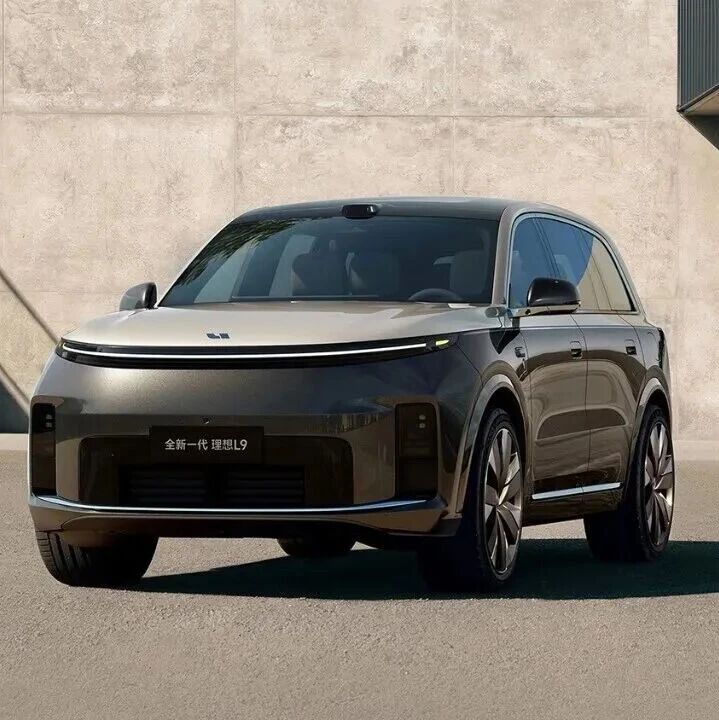
Core Viewpoint - The article highlights the financial performance and strategic initiatives of Li Auto, emphasizing its significant investment in R&D and channel adjustments to enhance competitiveness in the electric vehicle market [1][4][25]. Financial Performance - Li Auto reported a revenue of 112.3 billion, marking the third consecutive year of exceeding 100 billion [1]. - The company achieved a net profit of 1.1 billion, also for the third consecutive year [1]. - R&D expenditure reached a record high of 11.3 billion, totaling nearly 33 billion over the past three years, averaging close to 1 billion per month [1][2]. R&D Investment - The substantial R&D investment, particularly in AI, raises questions about the outcomes of such spending [2]. - Li Auto is one of the few profitable new energy vehicle companies, with a cash reserve of 101.2 billion, providing a strong financial foundation for ongoing investments [5][8]. - The focus of R&D spending includes the development of proprietary chips, models, and chassis, which are crucial for maintaining a competitive edge in the evolving market [9][11][25]. Technological Advancements - The upcoming L9 Livis model showcases the results of R&D investments, featuring self-developed 5nm Mach 100 chips that significantly enhance computational power [13]. - The VLA model allows for real-time decision-making based on environmental inputs, improving vehicle responsiveness and safety [15]. - The L9 Livis incorporates advanced features such as electric control systems and active suspension, enhancing performance and agility [17]. Channel Strategy - Since August of last year, Li Auto has made significant adjustments to its sales channels, including shutting down underperforming stores and implementing a store partner system [4][20]. - These changes aim to improve sales efficiency by empowering frontline staff to make quicker decisions without excessive bureaucratic delays [20]. - The establishment of store partners has transformed store managers into business operators, incentivizing performance through profit-sharing, which has led to a 50% reduction in turnover rates [21]. Conclusion - Li Auto's financial strength, with over 100 billion in cash reserves, supports its aggressive R&D and channel strategies aimed at building a robust competitive moat in the new energy vehicle sector [25].


揭秘长城智驾自研:元戎、Momenta「抬轿」与千人自研团队
雷峰网· 2026-03-02 00:43
Core Viewpoint - Great Wall Motors is adopting a dual strategy in the autonomous driving sector, focusing on both self-research and collaboration with external suppliers to enhance its technological capabilities and market position [2][5][11]. Group 1: Autonomous Driving Strategy - The competition in autonomous driving is intensifying, with Great Wall Motors planning to release a VLA (Vision-Language-Action) model by the end of 2025, positioning itself as one of the few companies to implement this technology [2][5]. - Great Wall Motors is expanding its supplier network to cover vehicle price ranges from 100,000 to 400,000 yuan, with plans to implement three major computing platforms starting in 2025 [5][9]. - The ADC 2.0 platform targets mainstream models like Haval, utilizing TI chips and Qualcomm platforms, and aims to enhance capabilities in high-speed scenarios [6][7]. Group 2: Research and Development - Great Wall Motors has established a self-research team of over 1,000 people, focusing on both autonomous driving and cockpit technologies, with a significant emphasis on self-research despite ongoing collaborations [10][11]. - The company has been investing heavily in R&D, with autonomous driving research expenses accounting for 50% of total R&D investments, amounting to 1 billion yuan annually [12][13]. - The establishment of the 九州超算中心 (Jiuzhou Supercomputing Center) aims to provide substantial computational support for the development of large models, with a total computing power of 5 EFLOPS [15]. Group 3: Market Performance - The sales of the Haval Shuanglong Max, which features autonomous driving capabilities, show a balanced order structure between smart and non-smart versions, indicating a growing consumer interest in smart features [9]. - The sales of the Wey brand reached 102,000 units in 2025, marking an 86% year-on-year increase, attributed to the successful implementation of end-to-end models and VLA technology [9].

L3/L4开启征求意见,北美Robotaxi加速,看好智能化
Zhong Guo Neng Yuan Wang· 2026-02-28 00:52
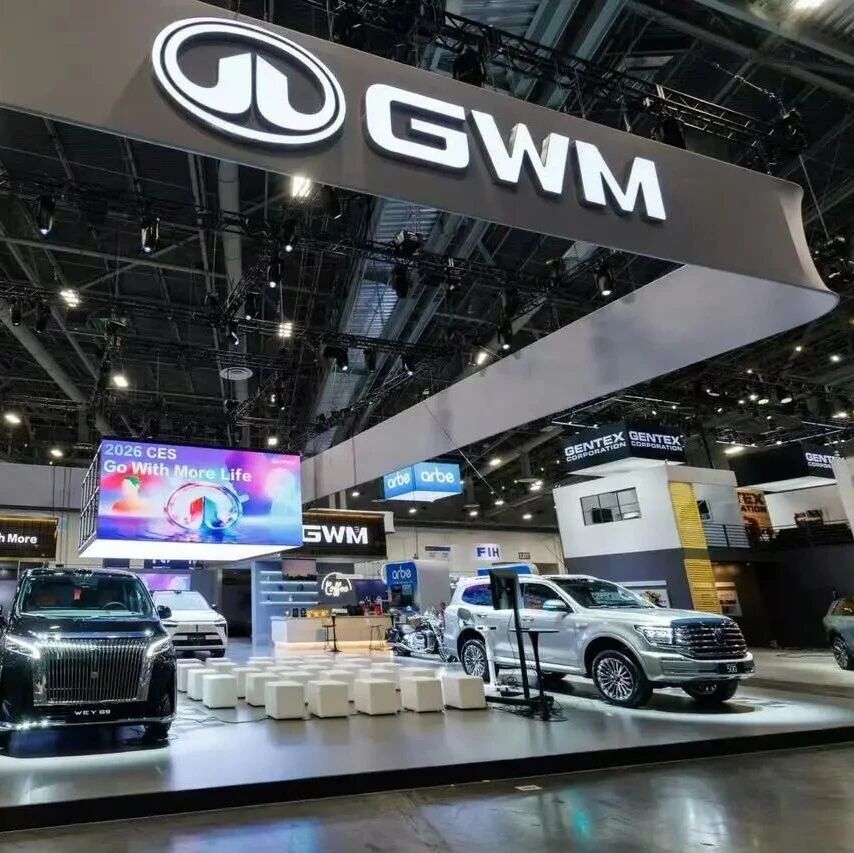
Core Insights - The article discusses the recent developments in the AI smart vehicle sector, highlighting the initiation of public consultation on national standards for L3/L4 autonomous driving by the Ministry of Industry and Information Technology (MIIT) in China [1][2] - Tesla's Cybercab has officially rolled off the production line at its Texas Gigafactory, featuring hardware without a steering wheel or accelerator pedal, marking a significant milestone in autonomous vehicle technology [1][2] - Waymo has expanded its operations to four new cities, indicating growth in the autonomous ride-hailing market [1][2] - XPeng Motors has identified 2026 as a pivotal year for full autonomous driving, introducing the concept of "DeepSeek moment" and merging intelligent driving with cockpit technology into a "Universal Intelligent Center" [1][2] Regulatory Developments - The MIIT is actively seeking public feedback on five stringent standards related to L3/L4 autonomous driving safety requirements, which will shape the regulatory landscape for the industry [2] - Continuous monitoring of the feedback and finalization timeline for these standards is essential for understanding the regulatory environment [2] Investment Recommendations - The report maintains a positive outlook on the L4 RoboX theme for 2026, favoring B-end software companies over C-end hardware firms [3] - Recommended stocks in the H-share market include XPeng Motors, Horizon Robotics, Pony.ai, and others, while A-share recommendations include Qianli Technology and Desay SV [3] - Various investment perspectives are outlined, including Robotaxi, Robovan, and other autonomous vehicle applications, with specific companies highlighted for each category [3] Market Trends - The report emphasizes the importance of tracking the operational density of Waymo's new cities and the initial road test data following the launch of Tesla's Cybercab [2] - Observations are also suggested for Uber's collaborations in Hong Kong and the performance of XPeng's second-generation VLA model in the first quarter [2]
长城汽车:以长期主义引领价值跃迁
Huan Qiu Wang· 2026-02-02 07:56
Industry Overview - The automotive market in China is shifting from a focus on quantity to quality, driven by policy changes such as the reduction of new energy vehicle purchase tax incentives and the transition of the "trade-in" policy to a percentage-based subsidy [1] - Analysts predict that by 2026, the Chinese automotive market will officially enter a high-end consumption cycle, indicating a move away from low-value competition reliant on subsidies [1] Company Performance - In 2025, Great Wall Motors sold 1,323,672 vehicles, a year-on-year increase of 7.33%, with new energy vehicle sales reaching 403,653 units, up 25.44% [3] - The company achieved a revenue of 222.79 billion yuan in 2025, marking a 10.19% year-on-year growth and setting a new historical record [3] - Great Wall Motors' average revenue per vehicle reached 168,300 yuan, an increase of approximately 4,500 yuan from 2024, while the average guiding price per vehicle rose to 201,300 yuan, up 11,700 yuan from the previous year [3] Strategic Focus - Great Wall Motors is transitioning its growth drivers from solely sales volume to a three-dimensional approach that includes sales, structure, and value [3] - The company emphasizes long-term strategies and systematic capabilities to navigate through industry homogenization [3] Research and Development - Great Wall Motors has established a team of 23,000 engineers and invested nearly 10 billion yuan in building its own laboratory system to ensure core technology independence [4] - The Hi4 intelligent four-wheel drive hybrid technology received the Special Prize at the 2025 China Automotive Engineering Society Science and Technology Awards, balancing performance and efficiency [4] Global Expansion - The company has launched the world's first native AI all-power platform "Guiyuan," which supports five types of powertrains and covers seven categories, with plans to introduce over 50 global models [4][5] - Great Wall Motors' overseas sales network exceeded 1,500 by the end of 2025, with cumulative overseas sales surpassing 2 million units, indicating a successful global strategy [7] - The company has established a complete ecosystem in Brazil, with the Haval H6 achieving success comparable to luxury brands, reflecting strong product value recognition among local consumers [7]

打造高端品牌需要耐得住寂寞
Zhong Guo Jing Ying Bao· 2026-01-19 12:23
Core Viewpoint - The essence of a true high-end brand lies in its spiritual value proposition and the recognition of its values by users, emphasizing trust and responsibility in addressing issues that arise with complex products like automobiles [2][6]. Group 1: Brand Development and Philosophy - Wei Jianjun, the founder and chairman of Great Wall Motors, emphasizes that building a high-end brand requires patience and a commitment to core values, which have remained unchanged over the years [3][5]. - The brand "WEY" is the first high-end automotive brand in China named after its founder's surname, reflecting a commitment to integrity and accountability [3][4]. - The design of the WEY logo draws inspiration from historical elements in Baoding, showcasing pride in the brand's origins [4]. Group 2: Market Position and Challenges - Despite challenges in the past decade, the company remains focused on its high-end positioning, asserting that true high-end brands have yet to emerge in the Chinese automotive market [5][8]. - The company acknowledges that many brands are selling high-end products rather than establishing high-end brand equity, indicating a long journey ahead for brand building [8]. Group 3: Product and Technology - The company believes that a high-end product must be supported by top-notch technology, with a focus on mechanical quality and driving experience [9][12]. - The introduction of the "one car, multiple power" platform aims to adapt to various market needs and energy structures globally, enhancing competitiveness through scale [11][13]. Group 4: User-Centric Approach - The company emphasizes a user-centric philosophy, stating that the essence of automotive development should focus on benefiting users and being socially responsible, rather than merely pursuing luxury [7][10]. - The commitment to safety is highlighted as a core luxury value, with past incidents demonstrating the brand's reliability [6]. Group 5: Organizational Structure and Leadership - The company has invested over 2 billion yuan in establishing a direct sales system to better support its high-end brand, recognizing the limitations of previous distribution channels [9][12]. - Frequent changes in leadership have been noted, with the company acknowledging the pressures faced by CEOs in managing a high-end brand [13][15].
长城汽车众多前沿技术成果登陆2026CES
Zhong Guo Zhi Liang Xin Wen Wang· 2026-01-15 09:12
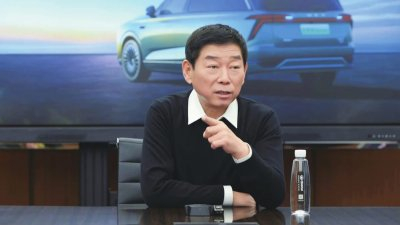
Core Viewpoint - Great Wall Motors showcased its advanced technologies and four key models at the 2026 CES in Las Vegas, emphasizing the depth of Chinese automotive technology and culture [1][2][3] Group 1: Technological Innovations - Great Wall Motors introduced the ASL (Spatial and Language Intelligent Agent) at CES 2025, which perceives the world from a 3D perspective and serves as a communicative travel partner [1] - The VLA large model, launched in December 2025, equips vehicles with three core capabilities: understanding, seeing, and thinking, and will be integrated into more models this year [1] - The Hi4 intelligent electric hybrid four-wheel drive technology, inspired by ancient Chinese irrigation engineering, showcases the company's innovative power distribution technology [2] Group 2: Product Offerings - Great Wall Motors presented its self-developed V8 engine and the H8 engine featuring the Soul Motor, along with semi-solid state batteries and hydrogen fuel cell engines, highlighting its comprehensive technology layout [2] - The company introduced four models, including the Wei brand Gaoshan 9, catering to various user needs and emphasizing a user-centric approach to market segmentation [2] Group 3: Global Vision and Cultural Exchange - Great Wall Motors aims to convey not only products and technologies but also values and cultural exchanges, using its innovations to connect different civilizations [2] - The company expresses a commitment to continuous improvement and global resource integration, positioning "Chinese intelligence" to shine on the world stage [3]
AI重塑汽车产业:从CES 2026看智能化革命的深度演进
Zhong Guo Qi Che Bao Wang· 2026-01-15 06:23
Core Insights - The CES 2026 event highlighted the accelerated transformation of the automotive industry towards smart technology, with AI becoming a core element in redefining automotive products [1] - The concept of "smart driving equity" emerged as a key theme in 2025, with advanced driving systems becoming accessible across a wider range of vehicle price points [2] - The rapid proliferation of smart driving technology necessitates new requirements for vehicle after-sales service systems, leveraging AI for efficient diagnostics [3] - The commercialization of Robotaxi services is gaining momentum, with significant growth in revenue and operational scale in major Chinese cities [5] - The evolution of smart cockpits is transforming vehicles into personalized assistants, enhancing user interaction and experience [6] - AI-driven marketing services are reshaping automotive marketing from broad outreach to precision targeting [7] - The competitive landscape is shifting towards ecosystem collaboration among automotive companies and technology suppliers, fostering innovation and efficiency [9] - The future of the automotive industry will be defined by AI, with a focus on collaborative ecosystems and comprehensive digital transformation [10] Group 1: Smart Driving Technology - The introduction of advanced driving systems like BYD's "Heavenly Eye" and Xiaopeng's XNGP is making smart driving features available in lower-priced vehicles [2] - The VLA architecture enables a more human-like decision-making process in driving, significantly reducing reliance on real vehicle data for testing [2] - The cost reduction in high-level driving systems, such as the integration of solid-state LiDAR, is facilitating their adoption in more affordable models [2] Group 2: After-Sales Service Innovations - The establishment of an AI-driven diagnostic system has achieved a 98.1% accuracy rate in diagnosing electric vehicle systems, significantly improving service efficiency [3] - The AI system reduces the time to address individual faults to approximately 20 seconds, enhancing the overall after-sales service experience [3] Group 3: Commercialization of Robotaxi - Major cities in China are rapidly expanding Robotaxi operations, with Wuhan leading in testing mileage and population coverage [5] - Companies like Pony.ai and WeRide are reporting substantial revenue growth in their Robotaxi services, indicating a shift towards profitability [5] - The market for Robotaxi services is projected to grow significantly, with estimates reaching $4.7 billion by 2035 [5] Group 4: Smart Cockpit Developments - The integration of advanced AI models in vehicle cockpits is transforming them into intelligent assistants capable of understanding user emotions and preferences [6] - The trend towards end-to-end AI solutions in cockpits is expected to enhance user experience and interaction [6] Group 5: Marketing and Service Automation - AI-driven marketing tools are enabling automotive brands to identify high-intent customers and streamline communication processes [7] - The use of AI in customer outreach has led to improved engagement rates and more efficient service delivery [8] Group 6: Ecosystem Collaboration - Automotive companies are increasingly forming strategic partnerships with technology suppliers to enhance their capabilities and reduce R&D costs [9] - The collaborative model is leading to faster product iteration cycles and improved technology deployment [9] Group 7: Future Outlook - The automotive industry is entering a new era defined by AI, with a focus on collaborative ecosystems and comprehensive digital transformation [10] - The competition will center around the efficiency of ecosystem collaboration and the ability to innovate rapidly [10]
长城汽车携多款产品亮相CES 2026
3 6 Ke· 2026-01-08 11:49
Core Viewpoint - Great Wall Motors showcased four models, including the WEY Mocha 9 and Tank 500 Hi4-T Intelligent Edition, at CES 2026, highlighting advancements in smart technology [1] Group 1: Product Showcase - Great Wall Motors presented four vehicle models at CES 2026, emphasizing their commitment to innovation in the automotive sector [1] - The showcased models include the WEY Mocha 9 and Tank 500 Hi4-T Intelligent Edition, indicating a diverse product lineup [1] Group 2: Technological Advancements - The company introduced ASL, a spatial and language intelligent agent that perceives the world from a 3D perspective, enhancing user interaction within and outside the vehicle [1] - In 2026, more models under Great Wall Motors will feature the VLA large model, indicating a push towards integrating advanced AI technologies in their vehicles [1] - The expansion of high-level intelligent driving assistance to more mid-range models reflects the company's strategy to enhance safety and convenience across a broader customer base [1]
78ms的VLA推理!浪潮信息开源自驾加速计算框架,大幅降低推理时延
自动驾驶之心· 2026-01-05 03:33
Core Viewpoint - The article discusses the advancements in autonomous driving technology, particularly focusing on the Vision-Language-Action (VLA) model, which integrates visual perception, semantic understanding, and logical decision-making to enhance the capabilities of autonomous vehicles. The introduction of the AutoDRRT 3.0 framework aims to address the challenges of real-time processing and system optimization for VLA models in automotive applications [2][3][8]. Summary by Sections VLA Model and Challenges - The VLA model is becoming the preferred solution for autonomous driving, enabling vehicles to understand and reason like humans. However, the model's parameter scale has increased to billions, leading to processing delays exceeding 100ms, necessitating optimization of hardware and software systems for real-time performance [2][5][6]. AutoDRRT 3.0 Framework - The AutoDRRT 3.0 framework, developed by Inspur Information, is an open-source solution designed to accelerate the deployment of VLA models in vehicles. It reduces the end-to-end latency of VLA models from 8000ms to 78ms, achieving a performance improvement of 102 times [3][13][23]. Innovations in Computation - AutoDRRT 3.0 introduces several computational innovations, including parallel decoding, visual pruning, and operator fusion. These techniques significantly enhance the efficiency of the VLA model's inference process, allowing for smoother and faster action outputs [9][12][13]. Communication Mechanism - The framework also features a high-performance communication mechanism that optimizes data transfer between heterogeneous computing units, reducing latency and improving the overall responsiveness of the system. This mechanism allows for zero-copy data transfer, enhancing efficiency during large data loads [16][17][23]. Scheduling Innovations - AutoDRRT 3.0 implements a unified scheduling framework for heterogeneous computing resources, ensuring efficient task management and resource allocation. This approach minimizes idle computing time and enhances the overall system stability and performance [18][21][20]. Future Prospects - The article concludes that the AutoDRRT 3.0 framework not only validates the feasibility of real-time operation of VLA models in vehicles but also lays a solid foundation for the transition of autonomous driving technology towards scalable and replicable solutions across various applications [23].

长城汽车|写入《2025 汽车行业影响力年鉴》
Jing Ji Guan Cha Bao· 2025-12-30 11:23
Core Viewpoint - The Chinese automotive industry is entering a new development stage, emphasizing "high-quality development" over speed and scale, with a focus on efficiency, order, and long-term capability building [1][2] Group 1: Industry Trends - The term "anti-involution" has become a key focus in industry policy and regulation, shifting the automotive industry's understanding of development [1] - The ongoing price war and competitive tactics that breach reasonable boundaries highlight the need for companies to self-regulate and maintain manufacturing standards [1] Group 2: Company Positioning - Great Wall Motors has taken a proactive stance in addressing market disruptions, particularly regarding "zero-kilometer used cars," emphasizing the potential impact on industry credit and manufacturing foundations [1] - The company's chairman, Wei Jianjun, has publicly called for maintaining industry standards, aligning with national efforts to curb disorderly competition and promote high-quality development [1] Group 3: Product and Technology Focus - Great Wall Motors is committed to delivering technology to users, integrating VLA large model capabilities with Hi4 hybrid systems to enhance product experience in real-world scenarios [2] - The company’s approach emphasizes engineering-driven technology advancements, resulting in positive market feedback and improved sales and reputation [2] Group 4: Globalization Strategy - Unlike previous strategies that relied on export scale, Great Wall Motors is focusing on establishing local manufacturing capabilities and supply chain collaboration in overseas markets [2] - This shift from "selling overseas" to "rooting locally" aims to enhance stability and sustainability in its global operations [2] Group 5: Recognition - Great Wall Motors has been recognized in the "2025 Automotive Industry Influence Yearbook" as a representative company exemplifying high-quality development paths [2]