
政府停摆

Search documents
突然集体跳水,超166万人爆仓
Zheng Quan Shi Bao· 2025-10-11 04:32
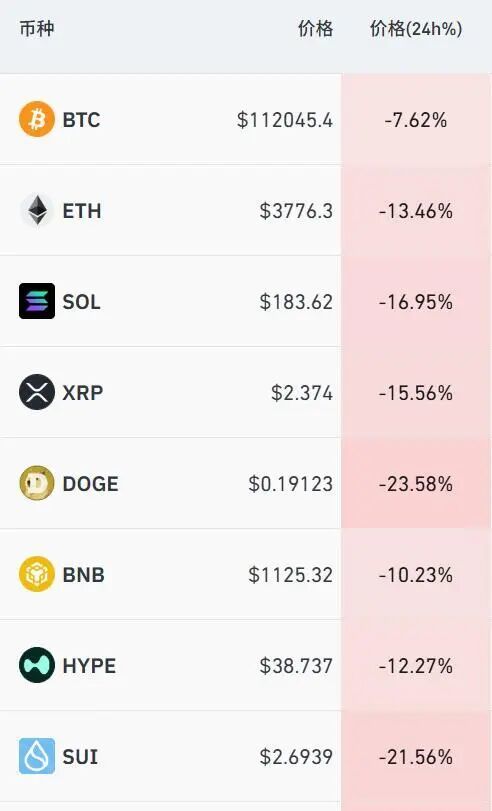
Group 1: Cryptocurrency Market - Bitcoin experienced a sudden drop, falling over 9% on October 10, dropping below $110,000 [1] - As of the report, the entire cryptocurrency market saw significant declines, with Bitcoin down over 7% and Ethereum down over 13% [1] - In the last 24 hours, over 1.66 million traders faced liquidation in the cryptocurrency market [1] Group 2: U.S. Government Shutdown - The U.S. government shutdown has entered its tenth day, affecting various federal departments [2] - The Department of Justice reported that seven agencies are issuing layoff notices to over 4,000 employees, with significant layoffs planned in the Department of Health and Human Services and the Department of the Treasury [2] - The ongoing government shutdown is exacerbating the challenges faced by U.S. farmers due to rising costs and reduced exports linked to tariff policies [3]

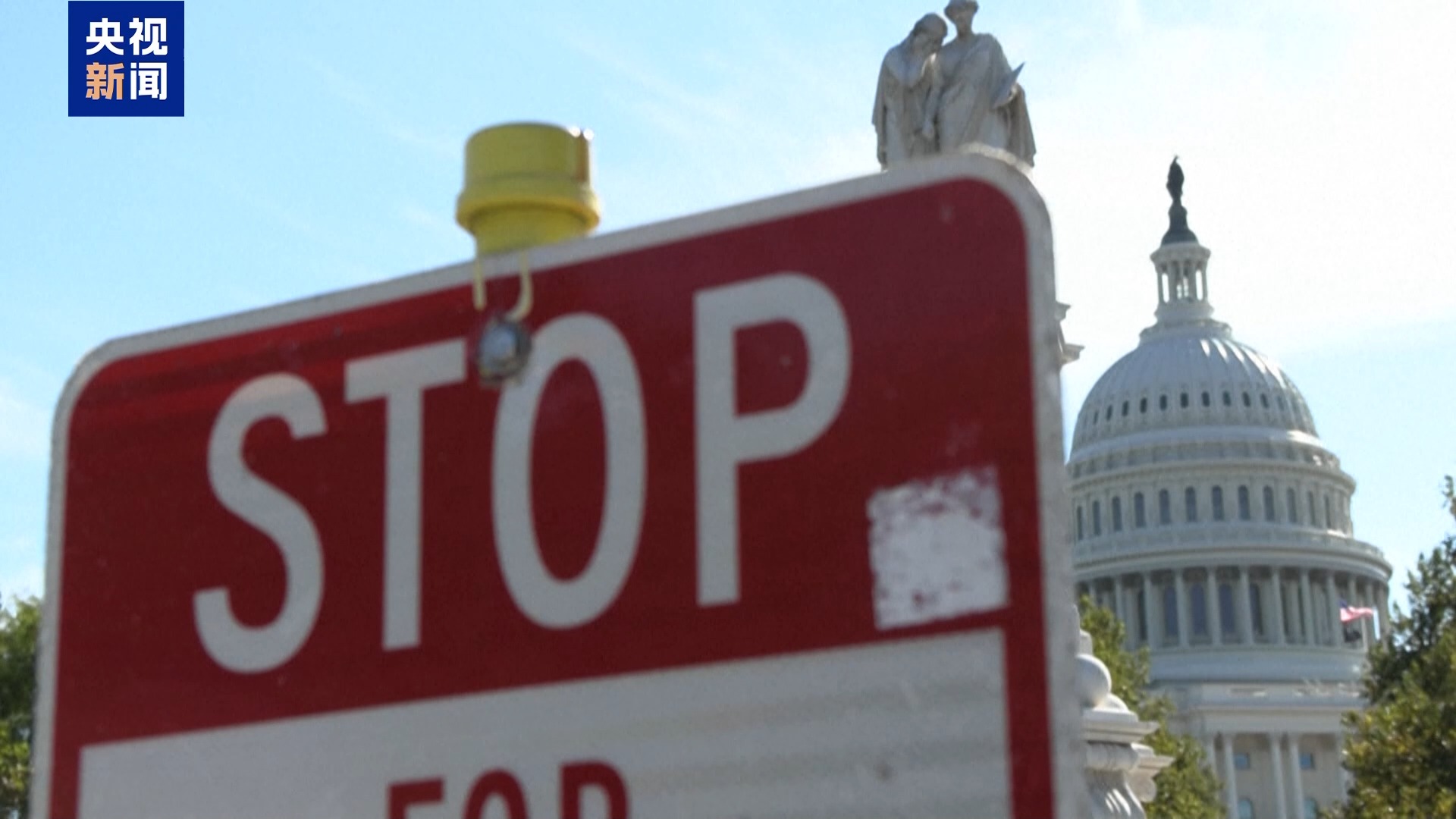
美国政府“停摆”进入第10天 民生和经济领域受冲击
Yang Shi Xin Wen Ke Hu Duan· 2025-10-11 03:16
Core Points - The U.S. government shutdown has entered its 10th day, with significant impacts on various sectors, particularly in the areas of transportation, tourism, and infrastructure [1][3] - The failure of both Republican and Democratic temporary funding proposals indicates a lack of compromise, leading to uncertainty about the duration of the shutdown [3] Impact on Livelihood - The shutdown has notably affected the livelihood and economic sectors, causing inconveniences for citizens and delaying wage payments, which in turn diminishes consumer confidence and spending [1] - Reduced consumer spending is expected to lower economic vitality, resulting in a substantial negative impact on the economy [1] Political Consequences - Prolonged government shutdowns could lead to significant political backlash, with increasing public dissatisfaction towards the government and establishment elites [3] - This growing discontent may push U.S. politics towards a more populist direction, potentially increasing domestic political violence and harming the country's social stability and international image [3]
美军停薪日期临近 军人家属忧心忡忡
Jing Ji Guan Cha Wang· 2025-10-11 02:22
经济学家估计,在汉普顿罗兹,长期的政府停摆可能会给当地造成约10亿美元的经济损失。而这种情况 在美国各地并非个例。 经济观察网 据央视新闻10月11日消息,美国众议院议长约翰逊7日说,如果政府停摆危机10月13日前仍 未化解,15日起将暂时停发军队薪资。美国媒体表示,目前的情况意味着美国军人几乎无望按时领到下 一笔工资。这令美国军人家属们十分焦虑。 ...
“停摆”十日特朗普政府开始裁员 雇员联合会:令人耻辱
Xin Hua She· 2025-10-11 01:54
因国会参议院未能在联邦政府资金耗尽前通过新的临时拨款法案,美国东部时间10月1日零时起,美国联邦政府时隔近七年再度"停摆"。9日,参 议院依旧未能通过新的临时拨款法案,民主党和共和党的提案均再度遭到否决,双方陷入僵局。参议院最早将于10日再次进行投票。媒体分析 说,由于两党在医疗补贴问题上陷入僵局,法案很快通过的机会渺茫。 特朗普8日称,被迫休假的雇员可能不会获得补发工资。他9日在一场内阁会议上再次威胁:"我们将削减一些非常受欢迎但并不受共和党欢迎的民 主党项目。"此前,特朗普政府多次削减拨给民主党执政州的联邦资金。 雇员联合会提起诉讼 白宫管理和预算办公室主任沃特在社媒上发布的消息只有一句话,未透露裁员具体人数、具体部门。据美国媒体报道,此次针对联邦雇员的裁员 可能人数多、影响广。国土安全部、卫生与公共服务部、财政部等均有裁员计划。 美国政府雇员联合会在社媒上转发沃特这条帖文,称"已经提起诉讼"。该组织全国主席埃弗里特·凯利在一份声明中表示,特朗普政府以"停摆"为 借口,"非法解雇"数以千计为全国各地社区提供关键服务的雇员,这令人耻辱。"联邦雇员厌倦了被政治人物用作政治和个人利益的棋子。国会是 时候履行职责 ...
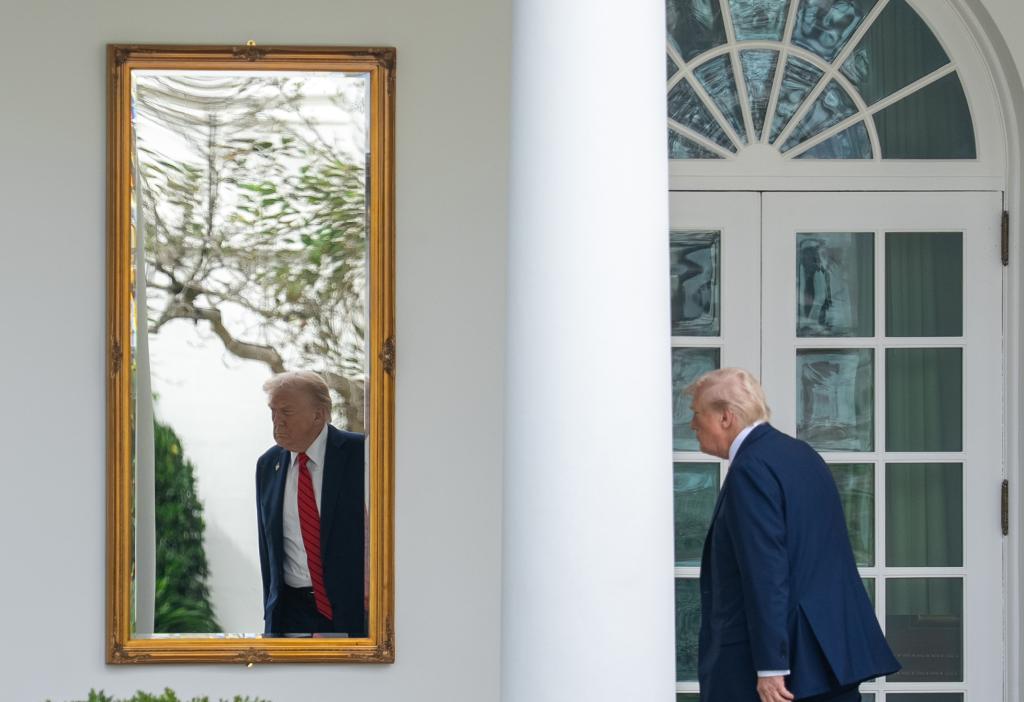
白宫启动政府停摆期大规模裁员,美军军饷能否发放成下一个焦点
Feng Huang Wang· 2025-10-11 01:07
10月11日,美国白宫周五确认,随着国会本周无法就临时支出法案达成一致,史无前例的政府停摆时期 大裁员启动。 卫生与公众服务部发言人安德鲁·尼克松透露,裁员针对的是被勒令停止工作的机构雇员,但没有提供 进一步细节。根据此前的停摆计划,该机构约有三分之一的员工被迫停薪停职,包括美国国立卫生研究 院四分之三的员工和疾病控制与预防中心三分之二的员工。 匿名官员也透露,财政部周五在全机构范围内发放了1300份裁员通知。 国土安全部则表示,网络安全和基础设施安全局正在实施裁员。 据央视新闻报道,白宫行政管理和预算办公室主任拉塞尔·沃特在社交平台上表示,联邦政府雇员裁减 程序(RIFs)已正式启动。 随后该机构也放出风声,称这次的裁员"规模很大",但未给出具体细节。 不过根据各联邦机构传出的消息,裁员通知正席卷整个美国联邦政府,涉及美国卫生与公众服务部、教 育部、商务部、财政部、国土安全部、住房与城市发展部以及环境保护署等。 据悉,屡次尝试失败后,参议院本周将不再进行临时拨款法案的投票,这意味着美国政府"停摆"将至少 持续到下周。 这也带来了一个问题:美军的军饷正在面临断供风险。如果问题得不到解决,当前的政府停摆将首次导 ...

美国股债汇三杀,英伟达一夜蒸发超1.6万亿,全球资产大跌
2 1 Shi Ji Jing Ji Bao Dao· 2025-10-11 00:23
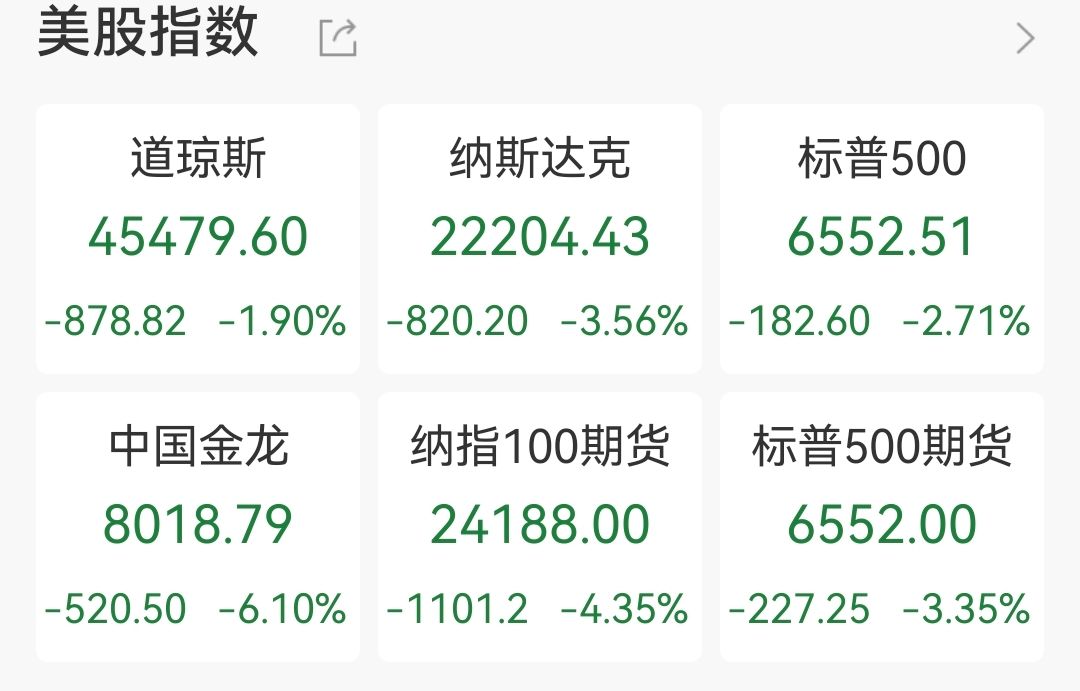
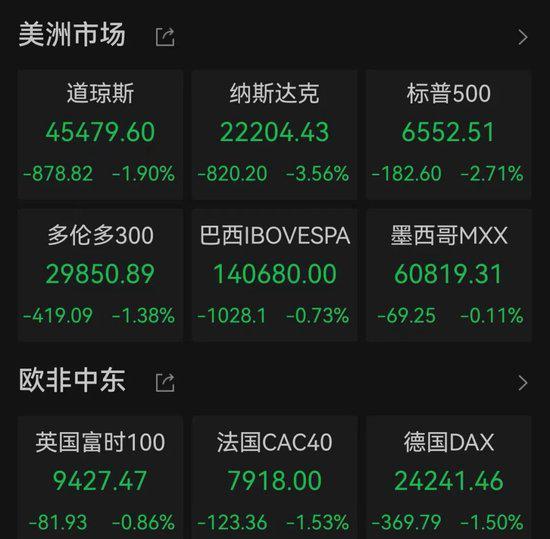
美国股债汇三杀! 当地时间10月10日,美股三大指数集体大跌,道指跌1.9%,纳指跌3.56%,标普500指数跌2.71%。纳指、标普500指数创4月以来最大单日跌幅,美债收益 下跌,美元汇率下跌。 | 美股指数 | | | | --- | --- | --- | | 道琼斯 | 纳斯达克 | 标普500 | | 45479.60 | 22204.43 | 6552.51 | | -878.82 -1.90% -820.20 -3.56% -182.60 -2.71% | | | | 中国金龙 | 纳指100期货 | 标普500期货 | | 8018.79 = | 24188.00 | 6552.00 | | -520.50 -6.10% -1101.2 -4.35% -227.25 -3.35% | | | 全球资产巨震,黄金大涨、原油下跌,截至发稿,比特币跌破12万美元大关,加密货币集体下跌,全球爆仓人数超16万。 富时A50期指连续夜盘收跌4.26%,报14340点。 油价下跌、黄金上涨 国际油价全线收跌,美油主力合约跌5.32%报58.24美元/桶,周跌4.34%;布油主力合约跌4.75%报62.12 ...

突然变盘!全线大跳水
中国基金报· 2025-10-10 23:58
Core Viewpoint - The U.S. stock market experienced a significant decline, with the Nasdaq and S&P 500 indices recording their largest single-day drops since April 10, driven by a provocative statement from former President Trump [1][3]. Market Performance - The Nasdaq Composite Index fell by 3.56%, closing at 22,204.43 points, while the S&P 500 Index dropped by 2.71%, ending at 6,552.51 points, marking their largest single-day declines since April 10 [3][4]. - For the week, the S&P 500 Index decreased by 2.43%, the largest weekly drop since June, and the Nasdaq Index fell by 2.53%, the largest weekly decline since April [3][4]. Major Stock Movements - Major technology stocks saw significant declines, with the Wande American Technology Seven Giants Index dropping by 3.65%. Notable individual stock performances included: - Tesla down over 5% - Amazon down over 5% - Nvidia down nearly 5% - Apple and Facebook down over 3% - Microsoft down over 2% - Google down nearly 2% [11][12]. Chinese Stocks Performance - Chinese stocks also faced substantial losses, with the Nasdaq Golden Dragon China Index falling by 6.1%. Key declines included: - Alibaba down 8.45% - Bilibili down over 9% - Baidu and Xpeng down over 8% - JD.com down over 6% [13][14]. Commodity Market - International oil prices saw a notable decline, with U.S. crude futures dropping by 4.24% to $58.90 per barrel, and Brent crude futures falling by nearly 3.82% to $62.73 per barrel. Gold prices, however, increased by over 1% [16][15].





特朗普,突发!全球股市重挫!比特币暴跌近7%,超150万人爆仓!
Sou Hu Cai Jing· 2025-10-10 23:45
Market Overview - US stock markets experienced a significant decline, with the Dow Jones falling by 1.9%, the Nasdaq dropping by 3.56%, and the S&P 500 decreasing by 2.71%, marking the largest single-day drop since April for both the Nasdaq and S&P 500 [1] - For the week, the Dow Jones accumulated a decline of 2.73%, the Nasdaq fell by 2.53%, and the S&P 500 decreased by 2.43% [2] - Major technology stocks saw widespread losses, with Broadcom down nearly 6%, Tesla over 5%, and Amazon close to 5% [2] International Trade Concerns - President Trump threatened to significantly increase tariffs in response to stricter export controls on rare earth minerals by other countries, raising investor concerns about worsening international trade relations [6][7] - The potential tariff increases are part of a broader strategy to counteract actions taken by other nations, as stated by Trump on his social media platform [7] Government Shutdown and Layoffs - The US federal government has entered its tenth day of shutdown, leading to the initiation of employee layoff procedures as confirmed by the White House [8] - The layoffs are part of a plan to reduce the size of the federal government, with the Department of Education also expected to face cuts [9] Commodity Market Movements - International gold prices rose, with COMEX gold futures increasing by 1.58% to $4035.5 per ounce, marking a weekly increase of 3.15% [10] - In contrast, international oil prices fell sharply, with WTI crude oil futures down by 4.24% to $58.90 per barrel, and Brent crude oil futures down by 3.82% to $62.73 per barrel [10] Cryptocurrency Market - The cryptocurrency market saw a significant downturn, with Bitcoin dropping by 9% and briefly falling below $110,000 [4] - In the last 24 hours, nearly 1.52 million traders experienced liquidation events [5]
美股遭重挫!纳指跌超800点
Xin Lang Cai Jing· 2025-10-10 23:45
万得美国科技七巨头指数跌超3%,特斯拉跌超5%,亚马逊、英伟达跌超4%。美股芯片股表现疲软, ARM跌超9%,安森美半导体、微芯科技跌超8%,超威半导体、高通跌超7%。 大宗商品方面,国际金价拉升,伦敦现货黄金、COMEX黄金期货均涨超1%;原油、有色金属价格齐跳 水,其中美国WTI原油期货跌超5%,LME期铜跌超4%。 纳斯达克指数跌3.56% 当地时间10月10日,美股三大指数均小幅高开,盘中全线跳水并转跌。Wind数据显示,截至收盘,道 琼斯工业指数跌1.9%,跌878.82点;纳斯达克指数跌3.56%,跌820.20点;标普500指数跌2.71%,跌 182.60点。 大型科技股全线下跌,万得美国科技七巨头指数下跌3.65%。个股方面,特斯拉跌超5%,亚马逊、英伟 达跌超4%,META、苹果跌超3%,微软跌超2%,谷歌-C跌超1%。 来源:中国证券报 当地时间10月10日,欧美股市集体下跌,其中纳斯达克指数大跌820.20点,跌幅为3.56%。 贵金属方面,截至收盘,伦敦现货黄金价格涨超1%,报4017.845美元/盎司;COMEX黄金期货涨超 1%,报4035.5美元/盎司;伦敦现货白银价格涨近2% ...
“停摆”第十天,特朗普政府开始大裁员
Zhong Guo Xin Wen Wang· 2025-10-10 23:36
"停摆"第十天,特朗普政府开始大裁员 中新网10月11日电 据路透社报道,白宫方面当地时间10日表示,美国政府已开始大规模裁员。 报道称,白宫方面表示,美国财政部、卫生与公共服务部、教育部、商务部等部门正在进行裁员,裁员 总数目前尚不清楚。 受特朗普政府的裁员行动影响,美国联邦政府2025年已有30万人离职。 截至10日,美国联邦政府"停摆"已进入第十天。特朗普在"停摆"期间多次威胁要解雇联邦政府工作人 员,并暗示他将主要针对民主党支持的政府部门。 本文为转载内容,授权事宜请联系原著作权人 中新经纬版权所有,未经书面授权,任何单位及个人不得转载、摘编或以其它方式使用。 关注中新经纬微信公众号(微信搜索"中新经纬"或"jwview"),看更多精彩财经资讯。 特朗普下令冻结给纽约州、加利福尼亚州、伊利诺伊州等州至少280亿美元的拨款,这些州由民主党控 制,有大量民主党选民。 来源:中国新闻网 编辑:郭晋嘉 广告等商务合作,请点击这里 ...