
战略性新兴产业

Search documents
中国联合网络通信股份有限公司 关于下属公司参与出资央企战新基金进展 暨完成基金备案的公告
Zhong Guo Zheng Quan Bao - Zhong Zheng Wang· 2025-12-17 23:44
Group 1 - The company, through its wholly-owned subsidiary, has invested RMB 150 million in the Central Enterprise Strategic New Fund to support national strategic initiatives and promote the development of strategic emerging industries [1] - The Central Enterprise Strategic New Fund has completed its registration with the Asset Management Association of China, with a registration date of December 16, 2025 [2] - The investment aims to align with national strategies, focusing on nine key emerging industries, enhancing the integration of innovation and industrial chains, and expanding the company's industrial cooperation ecosystem [2] Group 2 - The investment will not affect the company's normal cash flow or its main business operations, ensuring no detriment to the interests of the company and its shareholders [2] - The company will continue to monitor the progress of the Central Enterprise Strategic New Fund and fulfill its information disclosure obligations as required by law [3]

资本市场“向新力”缘何持续增强
Zheng Quan Ri Bao· 2025-12-17 16:23
Group 1 - The core index sample stocks in the Shenzhen market underwent a periodic adjustment, resulting in a significant increase in the weight of strategic emerging industries, with the ChiNext index reaching 93% and the ChiNext 50 index at 98% [1] - The adjustment in sample stocks is not unique to the Shenzhen market, as similar trends have been observed in the Shanghai market, indicating a broader shift towards new productive forces [1] - The adjustment is expected to trigger synchronized rebalancing operations in the market, leading to a continuous and large-scale flow of funds into strategic emerging industries through various financial instruments [1] Group 2 - The continuous enhancement of the capital market's shift towards new forces is supported by a cohesive policy framework, with the central economic work conference emphasizing innovation-driven development and the integration of technology and industry [2] - The macroeconomic environment is improving, with GDP growth of 5.2% year-on-year in the first three quarters, supporting the development of strategic emerging industries and the transformation of traditional industries [3] - A surge in high-quality assets is attracting value investment, with companies in key sectors like artificial intelligence and biotechnology gaining market recognition, leading to a robust supply of quality assets in the capital market [4]
深圳各区借力全球招商大会助推产业跃升
Sou Hu Cai Jing· 2025-12-17 15:08
Core Insights - The Shenzhen Global Investment Conference has attracted global capital attention, showcasing Shenzhen's strong appeal and development vitality as a core engine of the Guangdong-Hong Kong-Macao Greater Bay Area [1] Group 1: Investment Strategies by Districts - Each district in Shenzhen has tailored its investment strategies based on its resource endowments and industrial advantages, focusing on differentiated development to seize industrial opportunities [2] - Futian District is concentrating on high-end service industries, attracting key projects in finance and circular economy, including the Santander Bank Shenzhen branch and China FAW R&D Institute [2] - Luohu District has launched the "War New Leap" plan, targeting new enterprises in AI, life health, and digital creativity, providing precise support for interested companies [2] - Nanshan District is leading in technological innovation, focusing on core technology and high-end services, with projects like the China Electronics Spring Research Institute enhancing its position in integrated circuits and advanced computing [2][4] - Longgang District is advancing an "All in AI" strategy, signing major projects in AI and biomedicine, contributing to the development of an AI CITY [4] - Yantian District is leveraging its maritime economy, focusing on port shipping and marine tourism, with a projected marine production value contributing 33.3% to its GDP in 2024 [4] - Other districts like Baoan, Longhua, and Pingshan are also focusing on high-end equipment and new energy vehicles, creating a comprehensive investment landscape [4] Group 2: Supportive Measures for Investment - Shenzhen districts are implementing substantial financial support measures, including the establishment of a 7 billion yuan AIC industry fund in Futian and various financing systems to support enterprises throughout their lifecycle [5] - Luohu District has introduced a "six resource packages" offering financial support ranging from 2 million to 50 million yuan, with capital support accounting for 60% [5] - To facilitate project implementation, Futian has released 234 hectares of contiguous development land and over 2 million square meters of specialized building space [5] - Various districts are optimizing the business environment, with Baoan creating a comprehensive service system and Longgang developing a multi-faceted operational framework to ease enterprise development [7] Group 3: Investment Outcomes - The investment outcomes from the conference have been significant, with districts achieving record-high investment scales, including Futian's 28 signed projects with an intended investment of 95.8 billion yuan [8] - Nanshan secured 34 quality projects with an investment exceeding 100 billion yuan, while Longgang signed 30 key projects with a total intended investment of 75.4 billion yuan [8] - The influx of high-quality enterprises, including 17 Fortune 500 projects in Futian, reflects the strong attraction of Shenzhen's industrial landscape and business environment [10] - Strategic emerging industries now represent a significant portion of the projects attracted, with over 60% in districts like Luohu and Guangming [10]


中国并购基金发展报告:千亿资本重塑产业格局
Sou Hu Cai Jing· 2025-12-17 11:28
Core Insights - The establishment of the 30 billion Jingguo Chuangzhisuan M&A Fund has highlighted the growing significance of M&A funds in China's capital market, with a target fundraising scale exceeding 100 billion yuan and 29 new funds established in 2025, marking a seven-year high [1][4] - The shift in capital flow towards hard technology sectors is evident, with over 80% of the new funds targeting strategic emerging industries such as AI, semiconductors, biomedicine, and high-end manufacturing, compared to 55% in the same period of 2024 [1][4] - Policy enhancements have played a crucial role in this growth, transitioning from encouragement to empowerment, with new regulations facilitating the exit strategies for M&A funds [4][5] Capital Flow Trends - In 2025, over 80% of the newly established M&A funds are directed towards hard technology sectors, a significant increase from 55% in 2024 [1] - Six funds with over 10 billion yuan each are strategically positioned in core sectors, including AI infrastructure and semiconductor design [1] - The LP structure has shifted, with state-owned platforms and guiding funds now making up 50% of the 61 LPs, up 6 percentage points from 2024 [1] Regional Developments - Fujian Province leads the nation with 9 new funds, supported by a strong industrial base where strategic emerging industries account for over 28.8% of the province's output [2] - Beijing remains at the forefront with a total scale of 400 billion yuan, driven by the Jingguo Chuangzhisuan Fund, while Shanghai achieves a balanced layout with 200 billion yuan focused on integrated circuits and biomedicine [2] Policy Support - The 2025 M&A fund boom is attributed to a well-structured policy framework, with the government recognizing M&A funds as essential tools for revitalizing existing assets [4] - The revised management regulations allow for a reduced lock-up period for funds holding assets for over 48 months, enhancing LP investment willingness by 40% [5] - Policies are designed to promote industrial integration rather than mere scale expansion, with funds targeting specific regional advantages [5] Market Dynamics - The rise of M&A funds is reshaping the private equity landscape in China, with 158 private funds achieving exits through M&A in the first three quarters of 2025, a 62% increase from the previous year [7] - M&A funds are becoming essential tools for unlocking value in existing projects, with successful case studies demonstrating significant valuation increases [7] - Challenges remain, including valuation discrepancies in negotiations and the need for improved tax and approval processes for cross-regional M&A [7] Future Outlook - The establishment of large-scale funds in 2025 is expected to lead to a fruitful M&A market by 2026-2027, supported by ongoing policy backing and strong industrial demand [8] - M&A funds are anticipated to redefine resource allocation in the capital market and drive China's economic transition towards higher quality development [8]
产经观察丨加快打造现代新国企
Ren Min Ri Bao· 2025-12-17 08:21
Group 1 - The core viewpoint emphasizes the need for deepening state-owned enterprise (SOE) reforms to strengthen and optimize state-owned enterprises and capital, enhancing their core functions and competitiveness during the "14th Five-Year Plan" period [1][4] - The comprehensive strength and innovation capabilities of state-owned enterprises have significantly improved, with total assets of central enterprises increasing from less than 70 trillion yuan to over 90 trillion yuan during the "14th Five-Year Plan" [3][4] - Central enterprises have contributed to approximately 80% of crude oil, 70% of natural gas, and 60% of electricity supply, ensuring energy security [3] Group 2 - The "14th Five-Year Plan" period has seen central enterprises invest a total of 19 trillion yuan in fixed assets, with an annual growth rate of 6.3%, supporting stable investment and growth [3] - Central enterprises have built 474 national-level R&D platforms and led the establishment of 91 national key laboratories, accounting for one-sixth of the national total [6][7] - Central enterprises have achieved significant recognition in national technology awards, winning over half of the awards in the 2024 National Technology Invention Award and National Science and Technology Progress Award [8] Group 3 - The state-owned economy is expected to play a leading and stabilizing role in areas related to national security and public welfare, with a focus on enhancing competitiveness and innovation [4][14] - The central enterprises are tasked with promoting the integration of technological and industrial innovation, addressing key industry challenges, and enhancing the efficiency of innovation [9][10] - The focus on strategic emerging industries is crucial for optimizing the layout of state-owned capital, with revenue from these sectors expected to exceed 11 trillion yuan in 2024 [13][15]
杭港企业携手竞逐未来产业新赛道
Mei Ri Shang Bao· 2025-12-17 06:37
会前,香港工业总会代表团走访了宇树科技、阿里云、强脑科技、云深处等杭州新兴科技企业,切身感 受杭州在人工智能和战略性新兴产业发展方面的创新活力与实践成果。 商报讯(记者 郑炜)"我刚介绍完公司名称,同桌的香港朋友立刻表示'了解并关注我们的发展近况', 这种基于彼此了解的沟通,非常务实高效。"12月12日,参加2025杭港企业合作交流会的浙江大华技术 股份有限公司公共事务部总监李道良感慨道。 本次交流会由中国国际商会杭州商会主办,以"潮起钱塘 联通东方"为主题,聚焦人工智能与未来产业 赛道,吸引了来自中国国际商会杭州商会与香港工业总会的50余家企业代表参与,共同探讨合作新机 遇。 香港工业总会主席、金源发展国际实业(000159)有限公司行政总裁及副主席林世豪介绍,香港工业总 会作为香港唯一的法定商会及四大商会之一,汇聚制造业及相关行业力量,致力于推动香港新型工业化 与国际化合作。此次杭州之行,旨在实地考察当地领军企业,深入了解人工智能应用与营商环境,探寻 投资合作新空间。 交流会上,浙江麦尚食品、中控技术、浙江立镖机器人、杭萧钢构(600477)、杭州安托未来科技、玳 能科技、鲁尔物联、浙江大华技术、太希智能 ...


市场午后全面反攻,科技方向领涨,A500ETF易方达(159361)盘中净申购超4亿份
Mei Ri Jing Ji Xin Wen· 2025-12-17 06:37
Core Viewpoint - The market is experiencing a strong rally, particularly in technology sectors such as communication equipment and solid-state batteries, with significant gains in major financial sectors like banking and insurance, indicating a potential shift towards a favorable investment environment as year-end approaches [1]. Group 1: Market Performance - The CSI A500 Index rose by 1.8% and the ChiNext Index increased by 2.7%, reflecting active trading with the A500 ETF (E Fund, 159361) surpassing a transaction volume of 5 billion yuan and net subscriptions exceeding 400 million units [1]. - The A500 Index consists of 500 stocks with large market capitalization and good liquidity, covering 91 out of 93 sub-industries, with a significant weight in emerging sectors like information technology and healthcare [1]. Group 2: Investment Strategy - Guotai Junan Securities suggests that the phase of reducing positions to secure profits is nearing its end, and the upcoming year-end reallocation and institutional capital inflow are expected to improve market liquidity and trading activity [1]. - The current period is identified as a crucial window for positioning in the spring market, with large-cap growth stocks likely to outperform before the Spring Festival [1]. Group 3: ETF Information - The A500 ETF (E Fund, 159361) and ChiNext ETF (159915) track the respective indices and both have the lowest management fee rate of 0.15% per year, facilitating low-cost investment opportunities for investors looking to capitalize on the spring market [2].
广州战新产业五年增加值超万亿,占GDP比重超30%
2 1 Shi Ji Jing Ji Bao Dao· 2025-12-17 06:24
Group 1 - The strategic emerging industries in Guangzhou have grown significantly over the past five years, with an added value exceeding 1 trillion and accounting for over 30% of GDP [1] - The city has implemented over 3,300 industrial projects with investments exceeding 100 million, including 34 projects with investments over 1 billion [3] - Advanced manufacturing's added value now represents 60% of the industrial output above designated size [1] Group 2 - Guangzhou has established six advanced manufacturing clusters and ten service industry clusters, each valued at over 100 billion [3] - The city has approved the construction of two national-level artificial intelligence application pilot bases and has registered 57 large models and over 30 AI professional parks [3] - The integration of digital and intelligent technologies has empowered 510 specialized markets and 70,000 consumer industrial enterprises, leading to the emergence of notable companies like Shein and TEMU [3] Group 3 - Guangzhou is focusing on future industries by aligning with national needs, local capabilities, and market trends, resulting in significant technological advancements [5] - Key breakthroughs in core technologies include the successful launch of the solid rocket "Lijian No. 1" and the trial navigation of the first domestically developed deep-sea drilling vessel [5] - The city is enhancing its modern service industry by improving the quality and efficiency of productive services and expanding its logistics and supply chain capabilities [5] Group 4 - Guangzhou is fostering a "friendly industrial" business environment and has implemented the "Gathering Talents" plan, increasing the number of foreign high-level talents [6] - The city has established various funds totaling 4.1 billion for infrastructure and investment, including a 2 billion infrastructure industry fund and a 1.5 billion investment fund [6] - The area designated for industrial development has expanded to 626.7 square kilometers, supporting the growth of innovation and technology transfer [6]
刚刚,深圳超级国资诞生
投资界· 2025-12-17 03:08
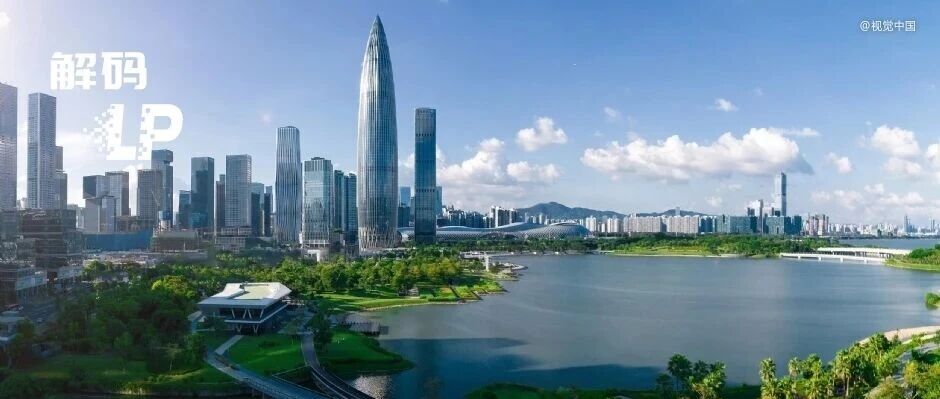
Core Insights - The article discusses the establishment of the "Guochuang Yinkechuang Fund" in Shenzhen, which has a registered capital of 18.9 billion RMB, highlighting the significant involvement of state-owned enterprises and government-backed funds in the investment landscape [5][6][7]. Fund Overview - The Guochuang Yinkechuang Fund was officially registered on December 15, 2025, with a total capital of 18.9 billion RMB, located in the Qianhai Shenzhen-Hong Kong Cooperation Zone [6]. - The fund is managed by Shenzhen Guochuang Investment Co., Ltd., which is wholly owned by the Shenzhen Guiding Fund Investment Co., Ltd. [6]. - Major contributors include Shenzhen Guiding Fund (12.8 billion RMB, 67.72%), Huitong Financial Holdings (3 billion RMB, 15.87%), and Qianhai Financial Holdings (2 billion RMB, 10.58%) [6][7]. Investment Landscape - Since 2015, Shenzhen has established government investment funds exceeding 150 billion RMB, creating 13 guiding funds that have mobilized nearly 500 billion RMB in capital [7]. - The total scale of state-owned funds in Shenzhen exceeds 7 trillion RMB, with over 500 funds targeting strategic emerging industries and future industries, accounting for over 90% of the investment [7]. Future Goals - Shenzhen aims to form a "dual ten-thousand" structure by the end of 2026, targeting a trillion-level "20+8" industrial fund group and over 10,000 registered equity investment and venture capital funds [8]. Economic Development Initiatives - Shenzhen's government has outlined nine key areas for economic work in 2026, focusing on nurturing new growth drivers, enhancing the integration of technology and industry, and optimizing traditional industries [9]. - The Shenzhen Municipal Financial Office has proposed measures to support the reform of the Growth Enterprise Market and promote venture capital activities [9]. Talent Attraction Strategies - Shenzhen has introduced various measures to attract young talent, including free accommodation for recent graduates, transitional housing at 60% of market rates, and entrepreneurial subsidies up to 30,000 RMB [9][10]. - Financial incentives for talent settlement include up to 100,000 RMB for PhDs, 50,000 RMB for master's degree holders, and 30,000 RMB for bachelor's degree holders [10]. Startup Ecosystem - The article highlights the vibrant startup ecosystem in Shenzhen, with notable companies like Ying Shi Innovation and Tuo Zhu Technology emerging from the region [10][11]. - The presence of a robust supply chain has attracted numerous investors to Shenzhen, particularly in the AI hardware sector [11].
加快打造现代新国企
Ren Min Ri Bao· 2025-12-17 01:53
Group 1 - The core viewpoint emphasizes the need for deepening state-owned enterprise (SOE) reforms to strengthen and optimize state-owned enterprises and capital, enhancing their core functions and competitiveness during the 14th Five-Year Plan period [1][3] - The comprehensive strength and innovation capabilities of state-owned enterprises have significantly improved, with total assets of central enterprises increasing from less than 70 trillion yuan to over 90 trillion yuan, and fixed asset investments reaching 19 trillion yuan, averaging a growth rate of 6.3% [1][2] - Central enterprises have contributed approximately 80% of crude oil, 70% of natural gas, and 60% of electricity supply, ensuring energy security [1] Group 2 - Central enterprises have a substantial procurement volume exceeding 15 trillion yuan annually, directly impacting around 2 million businesses and indirectly affecting nearly 7 million enterprises in the supply chain [2] - The role of state-owned economy is crucial in national security, economic lifelines, and public welfare, with a call for SOEs to enhance their competitiveness, innovation, and risk resistance [3][4] - The focus on technological and industrial innovation integration is highlighted, with significant contributions from central enterprises in major projects and advancements [4][5] Group 3 - Central enterprises have increased R&D spending, averaging a growth of 6.5% annually, with investments exceeding 1 trillion yuan for three consecutive years, and a focus on basic research [5][6] - The number of R&D personnel in central enterprises stands at 1.44 million, accounting for one-fifth of the national total [6] - Central enterprises have received over half of the national awards for technological invention and progress, indicating a strong innovation capability, though there are calls for improved efficiency and incentive mechanisms [7] Group 4 - The emphasis on breaking through key technologies and addressing industrial bottlenecks, particularly in semiconductor silicon wafers, is noted, with successful applications of domestically produced 300mm silicon wafers [9] - The establishment of 134 pilot verification platforms by central enterprises aims to facilitate the transition from technology to product, enhancing collaboration and risk-sharing [10] - Central enterprises are creating over 800 application scenarios in key industries to promote the adoption of domestic innovations, positioning themselves as supportive markets for new products [11] Group 5 - The optimization of the state-owned economy's layout and structural adjustments is underway, with a focus on strategic emerging industries, such as hydrogen energy and quantum technology [12][14] - Central enterprises are expected to play a significant role in social construction and national strategy, with a shift towards prioritizing investments in critical sectors and public services [13][14] - The transition of state-owned enterprises from "going out" to "integrating in" the international market is emphasized, requiring alignment with international standards and active participation in global economic cooperation [14]
