交通强省

Search documents
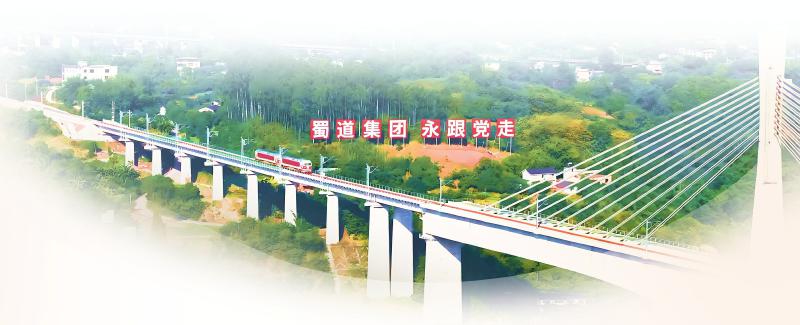
从“开路先锋”到“产业引擎” 蜀道集团稳步迈向“世界一流”
Xin Lang Cai Jing· 2026-02-02 23:09
Core Viewpoint - Shudao Group has achieved significant growth and development in the transportation sector, aiming to become a world-class comprehensive transportation service enterprise while focusing on high-quality development and innovation [4][5][6] Group Performance - Total assets of Shudao Group exceeded 1.65 trillion yuan, ranking second among similar enterprises in China, with net assets nearing 500 billion yuan, the highest in its category [4] - The average annual investment has surpassed 190 billion yuan, growing 1.6 times since its establishment, accounting for 80% of the province's total transportation investment [4] - Average annual revenue exceeds 250 billion yuan, with profit totals averaging over 8.3 billion yuan [4] Development Goals - The company aims to maintain an average annual investment scale of around 200 billion yuan, with a target of achieving 300 billion yuan in annual revenue by the end of the 14th Five-Year Plan [4] - The goal is to ensure profit growth of no less than 10% annually, aiming for a total profit of 10 billion yuan by the end of the 14th Five-Year Plan [4] Infrastructure Development - Shudao Group plans to complete 3,000 kilometers of highways and 2,000 kilometers of railways during the 14th Five-Year Plan [4] - The company has completed nearly 8,000 billion yuan in transportation investments over the past five years, building over 2,000 kilometers of highways and more than 1,800 kilometers of railways [4] Innovation and Transformation - The company is transitioning from a functional-focused entity to a comprehensive industrial group, emphasizing innovation in systems, mechanisms, and technology [4][5] - Shudao Group has launched the "Shudao Class" brand and opened over 5,300 trains, serving an industrial scale exceeding 100 billion yuan [5] Social Impact - The company has invested over 2.6 billion yuan in major transportation infrastructure in underdeveloped areas, enhancing local economic development [5] - Shudao Group has created over 22,000 job opportunities and provided over 890 million yuan in labor remuneration through its projects [5] Reform and Innovation - Shudao Group has implemented reforms to enhance operational efficiency, including streamlining management and integrating specialized operations [5][6] - The company has invested an average of 4 billion yuan annually in research and development, achieving significant recognition in engineering and technology [6]

甘肃计划投资850亿元助力交通强省建设
Xin Lang Cai Jing· 2026-01-26 16:55
Core Insights - Gansu Province is set to accelerate its transportation infrastructure development in 2026, aiming for a fixed asset investment of 85 billion yuan in public roads, waterways, and airports, and the completion of 220 kilometers of expressways [1] - The province plans to initiate a new wave of infrastructure projects, including 25 expressway projects totaling 1,914 kilometers, to enhance its transportation network and support economic growth [1] - Gansu will focus on integrating transportation with tourism, energy, and industry to create a modern comprehensive transportation system that fosters high-quality economic development [2][3] Transportation Infrastructure Development - In 2026, Gansu will prioritize the construction of key expressway projects, ensuring the completion of nine major projects within the year to strengthen the provincial highway network [1] - The province will also expedite the progress of ongoing railway projects and initiate the construction of the Pingliang Airport, while upgrading existing airports to enhance aviation capacity [2] Integration and Innovation - Gansu aims to promote deep integration of transportation with tourism, energy, and industry, enhancing accessibility to 5A scenic spots and developing attractive self-driving routes [2] - The province will implement smart transportation initiatives, including the construction of digital monitoring systems for key corridors and hubs, leveraging artificial intelligence to improve transportation efficiency [3]
途经江门!这条高铁有新进展丨早安,江门
Xin Lang Cai Jing· 2026-01-25 00:45
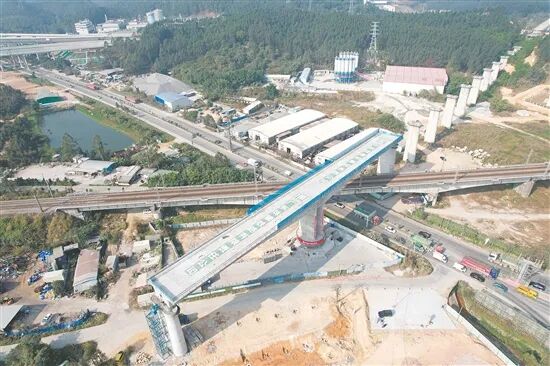
Group 1 - The successful rotation of the T-beam at the Juyuan Bridge marks the completion of the last major challenging bridge engineering task for the Zhujiang-Zhaoqing High-Speed Railway project [1][3] - The Juyuan Bridge spans 975.34 meters and features a T-beam design that crosses the Guangzhu Railway at a 42.85-degree angle, with a total weight of 8,000 tons [3] - The rotation process was executed with precision, controlling the error to millimeter levels, and involved real-time monitoring and dynamic scheduling to ensure successful completion [3] Group 2 - Upon completion, the Zhujiang-Zhaoqing High-Speed Railway will connect Jiangmen Station with the Pearl River Delta Hub Airport, enhancing transportation efficiency across major cities in the region [5] - The railway will enable one-hour access between key cities in the Pearl River Delta, significantly reducing travel times, such as 35 minutes from Zhuhai to the airport and 36 minutes from Zhuhai to Zhaoqing East [5]
天路百万吨 水路百万级 陆路万里长 经济通道如何向通道经济进阶?——枢纽与支点·大中原融入大市场①
He Nan Ri Bao· 2026-01-12 23:22
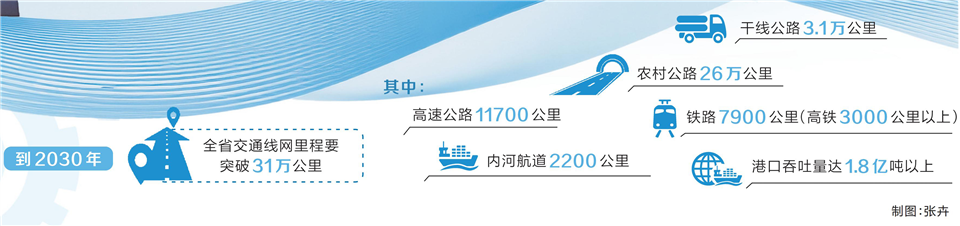
Core Insights - The article highlights the significant advancements in transportation infrastructure in Henan province, marking its transition from a geographical center to a strategic hub for national and international market circulation [2][3][14] - Key achievements include the Zhengzhou Airport surpassing 1 million tons in annual cargo throughput, the opening of the first dedicated container terminal in Zhoukou, and the completion of 17 highway projects, bringing the total highway mileage in the province to over 10,000 kilometers [2][4][12] Transportation Infrastructure Developments - Zhengzhou Airport has officially joined the "million-ton club" for air cargo, enhancing its status as a global logistics hub [2][6] - Zhoukou's new container terminal is expected to significantly reduce transportation costs, with water transport costing only one-fifth of road transport [3][9] - The completion of 17 highway projects has enabled over 90% of counties in Henan to access dual highways, facilitating regional integration and reducing operational costs [4][12] Economic Transformation - The developments in transportation are part of a broader strategy to transform Henan's economic model from a "transportation corridor" to a "hub economy," focusing on value creation and resource allocation [16][17] - The integration of water, land, and air transport is seen as a critical step in enhancing the province's economic resilience and competitiveness [3][14] Future Outlook - The province aims to further enhance its transportation network, targeting over 31,000 kilometers of road by 2030, with specific goals for highway, rural road, and inland waterway expansions [12][14] - The strategic focus includes strengthening the Zhengzhou International Comprehensive Transportation Hub and expanding the "Air Silk Road" to enhance global connectivity [12][13][14]
河南交通2025年“成绩单”彰显强省新作为
Xin Lang Cai Jing· 2026-01-12 04:33
Core Viewpoint - The transportation sector in Henan Province has made significant progress in 2025, achieving major milestones in infrastructure development, port operations, and service enhancements, which are crucial for the province's modernization efforts and economic growth [1][3][4]. Investment and Infrastructure Development - In 2025, Henan Province completed over 100 billion yuan in fixed asset investment for road and waterway projects, with the total length of highways surpassing 10,000 kilometers [1]. - The opening of the central operation area of Zhoukou Port marks a significant achievement, contributing to the province's entry into the "million standard container" era [3][4]. Port Operations and Efficiency - The total port throughput reached 71.62 million tons, with a year-on-year increase of 17.7%, and container throughput increased by 4.9% to 114,000 standard containers [4]. - Key port projects, including the opening of Pingdingshan Port and the acceleration of construction at Nanyang and Shangqiu ports, have been prioritized [3]. Road Network Expansion - The road network saw historic growth, with 1,126 kilometers of new highways completed, bringing the total to 10,088 kilometers [6]. - The province has also improved rural road infrastructure, with 7,603 kilometers of rural roads newly constructed or renovated [6]. Transportation Services and Public Mobility - Public and freight transport volumes increased, with 740 million passenger trips and 2.89 billion tons of freight completed in 2025 [8]. - The introduction of 77 customized medical transport routes and the growth of online freight companies reflect the evolving transportation landscape [8]. Logistics and Integration - The Zhengzhou National Comprehensive Freight Hub has been enhanced, with multi-modal transport initiatives leading to a total of 1.5 million standard containers transported via rail and road [10]. - The establishment of standardized logistics and express service points has improved service efficiency [10]. Innovation and Sustainability - Initiatives for smart navigation in inland shipping and the adoption of green technologies are underway, including the retirement of over 10,000 old vehicles and 460 vessels [11]. - The implementation of charging stations for electric vehicles at highway service areas supports the transition to low-carbon transportation [11]. Regulatory and Administrative Improvements - The regulatory framework has been strengthened with the revision of several transportation laws, enhancing service efficiency and compliance [13]. - A cross-departmental mechanism for enforcement has been established, resulting in the inspection of 26,000 overweight vehicles [13].
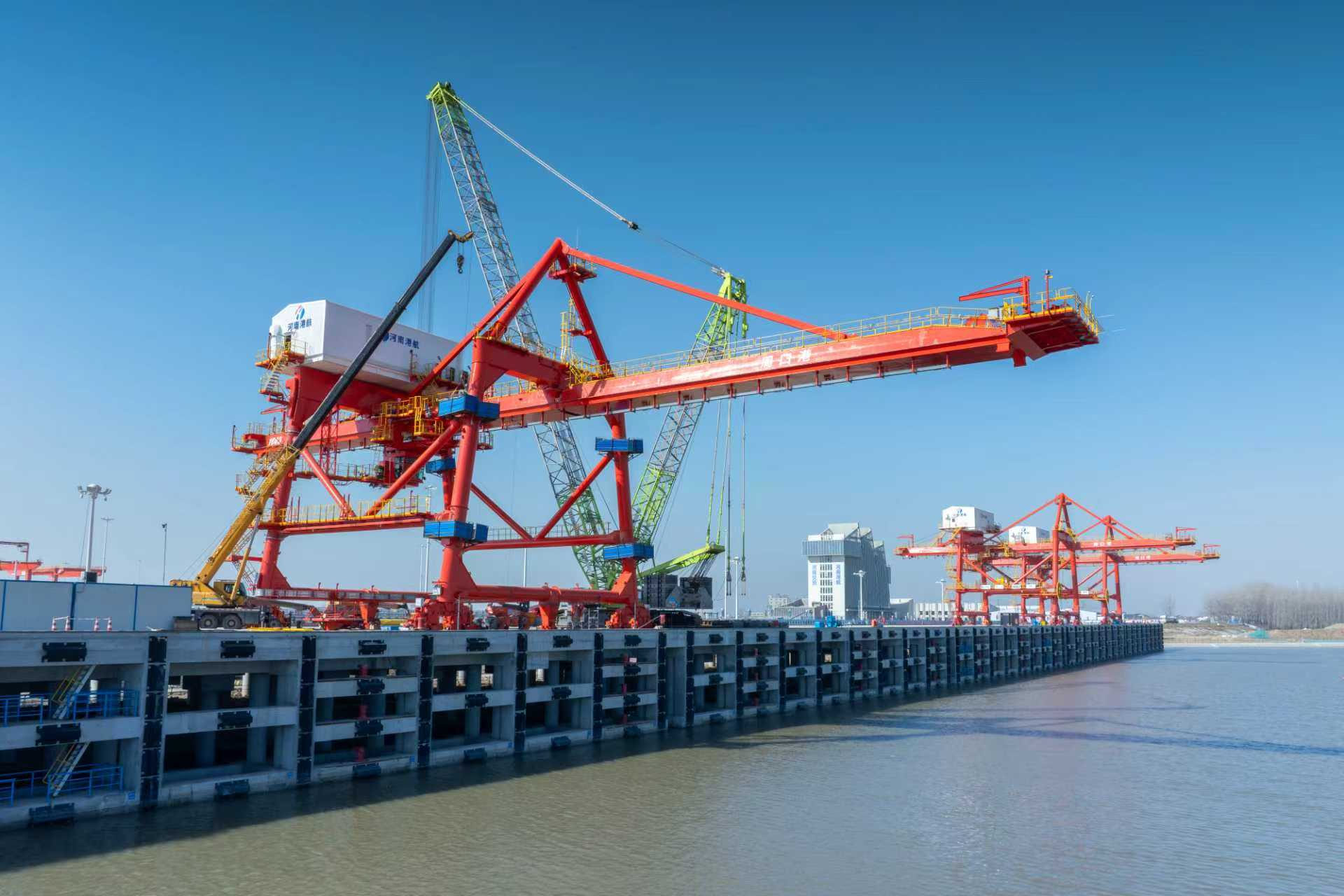
寄给“十五五”的明信片丨枢纽聚势 联通内外
He Nan Ri Bao· 2025-12-29 23:43
Core Insights - In 2025, Henan aims to strengthen its transportation infrastructure by developing a comprehensive transportation network that includes highways, railways, aviation, and waterways, with significant projects underway to enhance connectivity and support high-quality development [1] Group 1: Highway Development - The total mileage of highways in Henan is set to exceed 10,000 kilometers, with the completion of the Xuchang Ring Expressway marking a significant milestone [2][4] - The Xuchang Ring Expressway faced challenges due to its proximity to National Road 240 and the Zheng-Fu High-Speed Railway, requiring innovative engineering solutions to ensure safety [2] - The project was completed in a tight timeframe, with construction teams working under challenging conditions, including heavy rainfall, to ensure timely delivery [4] Group 2: Aviation Growth - Zhengzhou Airport's annual cargo throughput has surpassed 1 million tons, positioning it among the global aviation cargo leaders [5][6] - The airport has evolved from handling basic goods to accommodating specialized cargo, reflecting significant growth in its operational capabilities [6] - The development of a "dual hub" model with international connections is expected to further enhance Zhengzhou's status as a global logistics hub [7] Group 3: Port Operations - The opening of Pingdingshan Port marks Henan's fourth cargo transport city, facilitating direct shipping routes that enhance logistical efficiency for local businesses [8][9] - The port's operations are expected to grow as new vessels and improved waterways are introduced, allowing for larger cargo capacities and reduced transportation costs [10] - The development of the port is seen as a catalyst for regional economic growth, providing new opportunities for local industries and communities [9] Group 4: Service Quality in Transportation - Zhengzhou East Station is focusing on enhancing service quality alongside operational efficiency, with initiatives aimed at improving cleanliness and customer service [11][12] - The station has implemented upgrades to facilities and services in preparation for increased passenger traffic during peak travel seasons [12] - Continuous improvements in service delivery are expected to enhance the overall travel experience for passengers, contributing to the growth of Henan's transportation network [12]
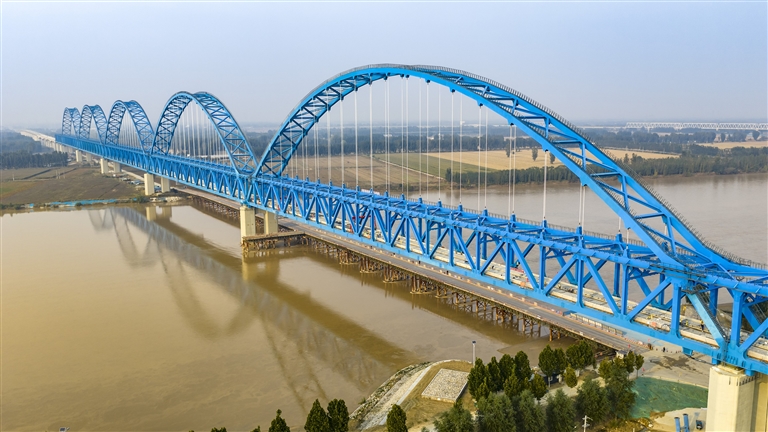
无锡硕放机场高新区前置货站投运
Zhong Guo Min Hang Wang· 2025-12-16 05:11
Core Viewpoint - The establishment of the front cargo station at Wuxi Shuofang Airport marks a significant advancement in the aviation logistics network in Jiangsu, enhancing operational efficiency and reducing costs for local enterprises [1][2]. Group 1: Project Overview - The front cargo station is the first approved operational airport front cargo station in Jiangsu's civil aviation sector [1]. - It integrates core cargo functions such as customs clearance, security checks, and assembly directly into the Wuxi High-tech Zone, significantly shortening the cargo turnover cycle [1]. - The cargo station leverages existing all-cargo flight routes to countries including South Korea, the United States, Mexico, and Germany, providing customized and integrated logistics solutions for enterprises [1]. Group 2: Strategic Importance - The launch of the cargo station is a practical example of government-enterprise collaboration aimed at addressing the rising demands for timeliness, safety, and cost control in aviation logistics, particularly in emerging industries like integrated circuits, biomedicine, and artificial intelligence [1]. - The project aligns with Jiangsu Province's "Strong Transportation Province" initiative, as local authorities continue to enhance the capabilities of aviation hubs [1]. Group 3: Project Development - The project received professional policy guidance from the East China Civil Aviation Administration and the Jiangsu Regulatory Bureau, ensuring compliance throughout its development [2]. - Local units and departments in Wuxi actively collaborated, with multiple logistics-demanding enterprises participating in the planning to ensure market relevance [2]. - The project successfully passed the formal approval from the East China Civil Aviation Administration on December 10, 2023, and commenced operations with the first cargo shipment on December 16, 2023 [2].
从“行路难”到“通八方” 甘肃着眼交通“大棋局”落子更精准
Ren Min Wang· 2025-12-10 08:04
Core Insights - Gansu province is focusing on enhancing its transportation infrastructure to drive economic development, with a significant investment of nearly 400 billion yuan in transportation fixed assets over five years [1] - The province aims to establish a comprehensive highway network that connects cities and counties, with a projected total road mileage exceeding 160,000 kilometers by the end of the year [1] - Gansu is strategically positioning itself as a key player in China's western opening-up strategy, with a total investment of approximately 688 billion yuan in three new highway corridors [2] Group 1: Transportation Infrastructure Development - Gansu has invested nearly 400 billion yuan in transportation infrastructure over five years, significantly improving road connectivity [1] - By the end of this year, the total road mileage in Gansu is expected to exceed 160,000 kilometers, with 8,600 kilometers of highways and first-class roads, an increase of 2,600 kilometers compared to the end of the 13th Five-Year Plan [1] - A total of 15 new counties have been connected to the highway network, bringing the total number of counties with highway access to 82 [1] Group 2: Strategic Planning and Future Projects - Gansu is not only addressing past deficiencies but is also proactively planning for future transportation needs, aligning with national strategies [2] - The province has initiated 28 projects with a total investment of 267.3 billion yuan, which are now fully underway [2] - By the end of the 14th Five-Year Plan, Gansu aims to complete a comprehensive highway network that facilitates connectivity between provincial capitals and counties [2] Group 3: Rural Development and Economic Growth - The "Four Good Rural Roads" initiative is enhancing rural infrastructure, promoting local products like apples and potatoes to reach broader markets [3] - The integration of e-commerce and delivery services in rural areas has created job opportunities, with 7,350 rural delivery positions established over five years [3] - Gansu's improved road infrastructure is contributing to the growth of tourism and local economies, as seen with popular scenic routes attracting visitors [3] Group 4: Service Quality Improvement - Gansu has made significant improvements in transportation service quality through reforms and project initiatives [4] - The establishment of a comprehensive transportation hub in Lanzhou and the introduction of smart road technologies are enhancing the travel experience [4] - The province has achieved 93% coverage of charging facilities in highway service areas and implemented solar projects in service zones [4]
学习贯彻党的二十届四中全会精神丨加快优势再造 勇当开路先锋——“强省进行时”系列观察报道之五
He Nan Ri Bao· 2025-11-25 23:30
Core Insights - The completion of the main structure of the Zhoukou Port Center project marks a significant milestone in enhancing transportation infrastructure in Henan province, which is positioned as a key hub in China's modernization efforts [2] - The province's transportation development strategy is aligned with national goals, aiming to strengthen its role in supporting the rise of the central region [2][7] Infrastructure Development - During the 14th Five-Year Plan, Henan's investment in comprehensive transportation infrastructure reached 840 billion, 1.5 times that of the previous five years, with a total transportation network scale projected to reach 292,000 kilometers [4] - By the end of 2024, the total mileage of highways in Henan is expected to exceed 10,000 kilometers, with significant ongoing projects including 27 under construction [5][4] - The Zhengzhou Airport has seen a significant increase in cargo volume, with October 2023 marking the first month to exceed 100,000 tons, maintaining its position as a leading cargo hub in Central China [6] Economic Impact - The development of transportation infrastructure is facilitating economic growth, with projects like the Yellow River Three Gorges Bridge and the expansion of ports enhancing connectivity and trade [3][5] - The establishment of rural transportation routes has improved access for local communities, contributing to economic activities such as tourism and local businesses [8][10] Strategic Alignment - Henan's transportation initiatives are closely tied to national strategies, including the Belt and Road Initiative, enhancing international trade routes and logistics capabilities [7] - The province is actively integrating its transportation network to support the national unified market and dual circulation strategy, providing robust support for economic development [7][10]
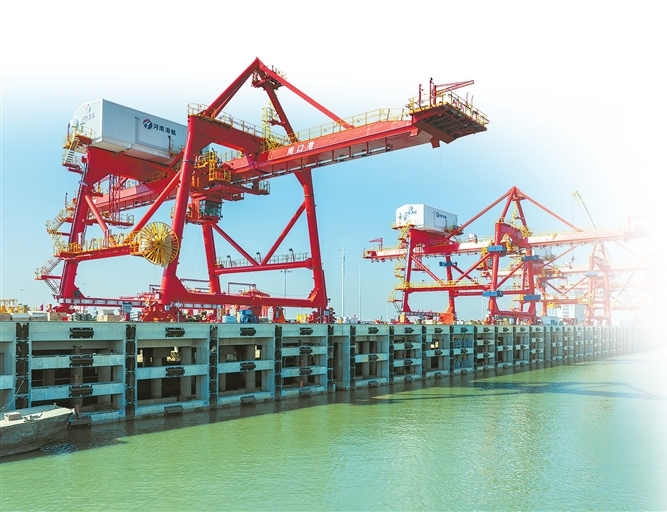
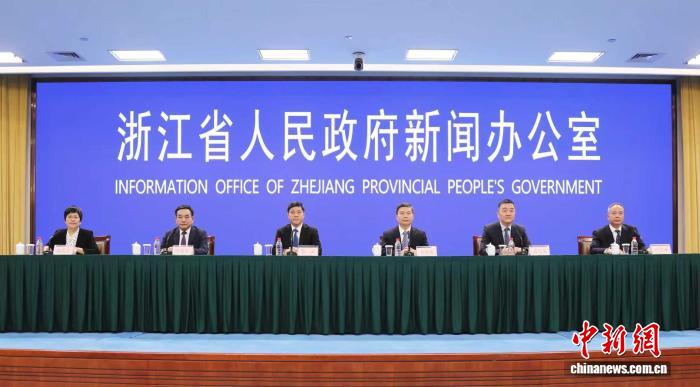
“十四五”浙江交通投资预计达1.8万亿元
Zhong Guo Xin Wen Wang· 2025-11-11 12:37
Core Insights - Zhejiang Province is expected to invest 1.8 trillion yuan in transportation during the "14th Five-Year Plan," marking a 34% increase compared to the "13th Five-Year Plan" [1] - The province has achieved a historical high in transportation investment, surpassing 400 billion yuan for the first time last year [1] Investment Highlights - The "14th Five-Year Plan" transportation investment in Zhejiang is projected to reach 1.8 trillion yuan, a significant increase from the previous plan [1] - The province's comprehensive transportation network, known as "six vertical and six horizontal" corridors, is rapidly taking shape, with 98% of the population covered by three "one-hour traffic circles" [1] Infrastructure Development - The construction of transportation infrastructure is laying a solid foundation for Zhejiang to become a high-level open province [1] - The Ningbo-Zhoushan Port has maintained its position as the world's top port in cargo and container throughput, with an international shipping center index ranking 7th globally [1] Port and Logistics Improvements - The average logistics cost for enterprises has decreased by 10% due to the "Zhejiang e-port" model, which has covered 24 domestic and international stations [3] - The "container shipping punctuality cost reduction" initiative has saved approximately 470 million yuan for enterprises this year [3] Rail Transport and Economic Integration - Daily rail traffic in the Yangtze River Delta region exceeds 2 million passengers, equivalent to the population of a city in normal flow [3] - High-speed rail services, such as the Shanghai-Hangzhou and Ningbo-Hangzhou routes, operate over 600 trains daily, with annual passenger volume exceeding 100 million [3] Future Focus Areas - Zhejiang will focus on enhancing the efficiency of its comprehensive transportation network, fostering innovative transportation productivity, and improving logistics systems [4][5] - The province aims to build a resilient transportation system while contributing to national and provincial development goals [5]