
区块链技术

Search documents
等你来投!《清华金融评论》10月刊 “前瞻全球数字资产” 征稿启事
清华金融评论· 2025-09-05 10:35
Core Viewpoint - The digital asset trading industry is a product of the deep integration of blockchain technology and financial innovation, which has become a significant force in reshaping the global economic landscape amid the acceleration of global digitalization [2][4]. Submission Directions - The editorial team of "Tsinghua Financial Review" is inviting submissions on the topic of global digital assets, focusing on providing insights for policymakers, business decision-makers, researchers, and investors [4][13]. - The submission should be original and unpublished, with a suggested word count of 4,000 to 6,000 words, including charts and tables [8][15]. - The deadline for submission is September 20, 2025 [9]. Topics for Discussion - The article outlines 12 specific topics for discussion, including: 1. Development trends and policy comparisons of global central bank digital currencies 2. Exploration of the synergy between RWA (Real World Assets) and central bank digital currencies 3. Redefinition of traditional financial assets by RWA 4. Comparative study of global policies and regulatory frameworks for RWA 5. International trends and legislative dynamics in digital asset regulation 6. Risk identification, assessment, and prevention mechanisms for digital assets 7. The impact and challenges of digital assets on the traditional financial system 8. Legal attributes and compliance pathways for digital assets 9. The role and prospects of digital assets in cross-border payments 10. Construction of investor protection mechanisms in the digital asset field 11. Trends of "de-risking" in digital assets and industry transformation 12. Digital assets and financial stability [7]. Editorial Guidelines - The articles can be analytical or interpretative, aiming to provide practical insights and stimulate thought among readers [13][15]. - The editorial team emphasizes the importance of a solid academic foundation for the viewpoints and conclusions presented, while avoiding overly complex theories and models [14][15].

美国商务部授权波场TRON发布美GDP数据, 手续费下调 60% 推动用户规模激
Cai Fu Zai Xian· 2025-09-05 06:51
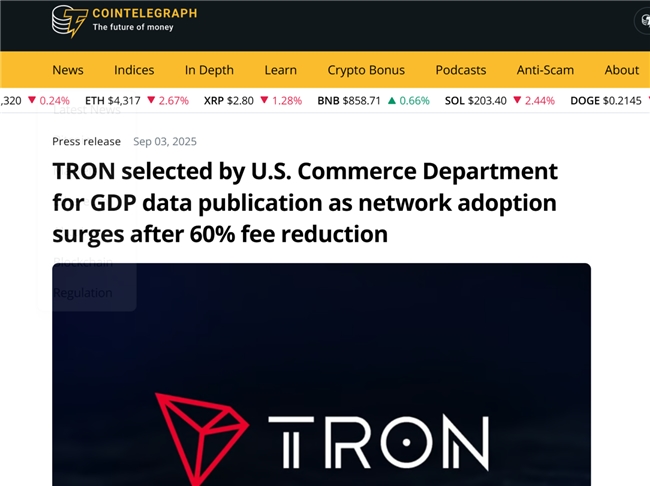
Group 1 - TRON blockchain network has been officially recognized by the U.S. Department of Commerce as a primary platform for releasing official economic data, starting with the GDP data for Q2 2025 [1][3] - The U.S. Bureau of Economic Analysis reported a GDP annual growth rate of 3.3% for Q2 2025, with the data's tamper-proof hash recorded on the TRON blockchain [1][3] - This marks the first instance of a federal agency publishing official GDP data on a public blockchain, highlighting the advantages of decentralized technology in ensuring data transparency and global sharing of key economic indicators [1][3] Group 2 - The U.S. Department of Commerce has acknowledged the scale, efficiency, and global reach of the TRON network by recording the SHA256 hash of its official GDP report [3] - TRON's daily settlement amount has surpassed $22 billion, with over 8.8 million transactions, establishing it as a trusted infrastructure layer in financial markets and a reliable platform for government data publication [3] - TRON's founder emphasized that the on-chain GDP data reinforces TRON's role as public infrastructure and demonstrates the potential of blockchain technology to enhance transparency and trust [3] Group 3 - In August 2025, the TRON community approved a proposal to reduce network energy fees by 60%, significantly lowering transaction costs and rapidly increasing network adoption [4] - Following the fee reduction, TRON's daily active user count exceeded 2.5 million, surpassing both BNB Chain and Solana in on-chain activity [4] - TRON leads the stablecoin sector with a circulation volume exceeding $82 billion, focusing on providing low-cost, high-efficiency on-chain services to create long-term value for global users [4]
关于比特币,你可能不知道的(三)
Hu Xiu· 2025-09-05 06:26
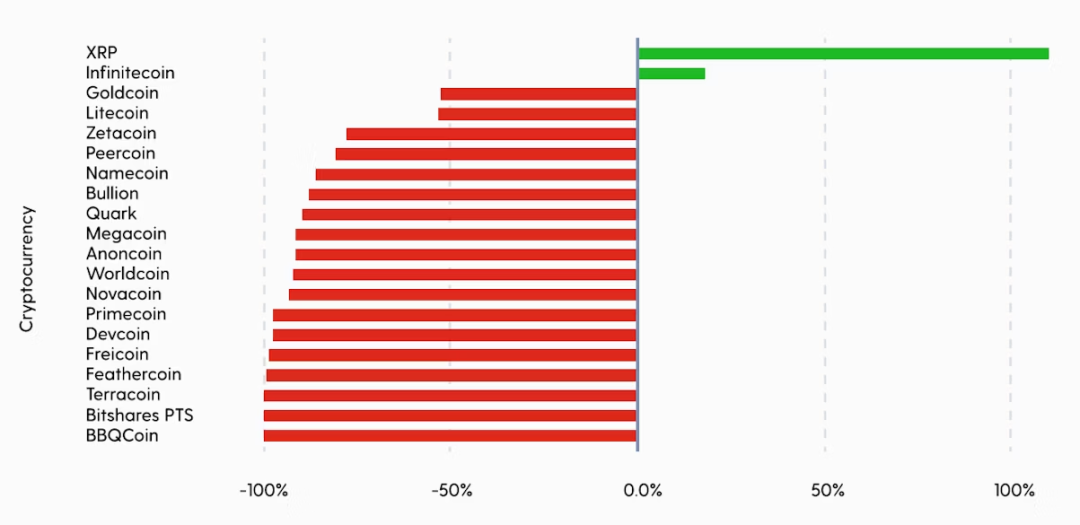
Group 1 - The core argument is that Bitcoin's success is difficult to understand due to its lack of intrinsic value in the Graham sense, leading to a wave of imitation cryptocurrencies that seek to capitalize on perceived arbitrage opportunities [2][12] - Imitating Bitcoin is easy, but creating genuine demand for these imitations is challenging, requiring either extensive marketing or sudden price surges [3][4] - Most cryptocurrencies operate in a corporate manner, with founding teams primarily motivated by profit, which contrasts with Bitcoin's decentralized community-driven ethos [7][14] Group 2 - Bitcoin has absorbed 97% of the market value in the proof-of-work (PoW) sector, leaving little room for altcoins, which must now pivot to new mechanisms like proof-of-stake (PoS) to survive [24] - The fundamental differences between Bitcoin and its imitators include Bitcoin's simple mission as a peer-to-peer electronic cash system, its historical context of rebellion against the old financial order, and its highly decentralized community structure [26][27] Group 3 - The cryptocurrency space is fundamentally driven by power dynamics rather than technology, with internal team structures and economic incentives often leading to risks and failures [28][29] - The historical context of Bitcoin's creation and its community's evolution are crucial for understanding its unique position in the market, as it embodies a blend of technological innovation and ideological significance [31][32][33]
财富新机遇:艺术品资产化浪潮来袭
Sou Hu Cai Jing· 2025-09-04 17:25
Core Insights - The transformation of wealth perception is reshaping investment views among wealth seekers, moving art from a niche interest to a mainstream investment opportunity [1] - The art market is evolving into a new asset class due to its scarcity, cultural value, and inflation-hedging properties, especially in the context of traditional asset volatility [1][5] - The rise of blockchain technology is revolutionizing the art market by providing a reliable credit backing system, enhancing trust and transparency in ownership and transactions [3][10] Market Dynamics - Economic growth and rising GDP levels are driving increased demand for cultural and artistic consumption, leading to a flourishing art market [5] - Emerging economies like China and India are contributing significantly to the art market, with a growing number of high-net-worth individuals seeking innovative and culturally relevant art [6] - A new generation of collectors is diversifying the art market, showing interest in contemporary and avant-garde art, which reflects a shift in cultural values and investment strategies [9] Investment Opportunities - The assetization of art is redefining asset allocation and wealth appreciation rules, presenting both opportunities and challenges for investors [10] - Investors with foresight can capitalize on this trend, potentially achieving significant wealth growth, while those who follow trends blindly may face setbacks [10] - The future of art assetization looks promising, with advancements in technology further solidifying the trust foundation for art investments [10]

7家上市银行私行管理资产余额均超万亿元
Zheng Quan Ri Bao· 2025-09-04 16:18
Core Insights - The private banking sector is identified as a key area for value extraction within retail banking, reflecting the strength of banks' wealth management capabilities [1] - As of mid-2023, most banks reported growth in both the number of private banking clients and assets under management (AUM), indicating a continuous expansion of the high-net-worth wealth management market [1][2] Client Growth - Among the 13 listed banks that disclosed private banking client data, Agricultural Bank, China Bank, and Construction Bank lead with over 200,000 clients each, with respective figures of 279,000, 265,500, and 216,900 [2] - Construction Bank saw a 14.69% increase in private banking clients compared to the end of 2022, while China Bank surpassed the 200,000 client mark [2] - Among national joint-stock banks, China Merchants Bank leads with 182,700 clients, followed by Ping An Bank and CITIC Bank, both exceeding 90,000 clients [2] AUM Performance - Of the 13 banks analyzed, 11 disclosed AUM data, with Agricultural Bank, China Bank, and Construction Bank each exceeding 3 trillion yuan in AUM, at 3.5 trillion, 3.4 trillion, and 3.18 trillion yuan respectively [3] - Traffic Bank's AUM reached 1.39 trillion yuan, reflecting a 7.20% growth since the end of 2022 [3] - Among national joint-stock banks, Ping An Bank, CITIC Bank, and Industrial Bank are part of the "trillion yuan club," with AUM figures of 1.97 trillion, 1.28 trillion, and 1.05 trillion yuan respectively [3] Service Optimization - Private banking has become a significant profit growth point for banks, especially as traditional retail banking growth slows [4] - The sector is evolving from a single financial advisory model to a comprehensive service ecosystem, incorporating diverse products such as family trusts and cross-border asset allocation [4] - Major banks are enhancing their private banking services through product optimization and resource integration, aiming to build a robust service ecosystem [4] Future Directions - The future of private banking is expected to focus on three main areas: deepening digitalization, creating service ecosystems, and expanding global investment options [6] - Digital transformation will leverage technologies like AI and blockchain to enhance client service processes and risk management [6] - The integration of external resources such as legal and tax services will be crucial in developing a comprehensive service framework, particularly for family office and legacy planning services [6]



美股,将迎密集IPO!
Zheng Quan Shi Bao· 2025-09-04 15:21
Group 1: Upcoming IPOs - Several significant IPOs are on the horizon, including Klarna, Gemini, Black Rock Coffee Bar, Figure, and Legence, all expected to debut in the U.S. capital markets in September [1] - Analysts believe that the period from early September to mid-October will be crucial for IPOs, as many well-known companies are waiting to assess investor confidence amid U.S. political and economic uncertainties [1] Group 2: Klarna's IPO Details - Klarna plans to raise up to $1.27 billion through its IPO, offering 34.3 million shares at a price range of $35 to $37 per share, potentially valuing the company at approximately $14 billion [3] - In the first half of this year, Klarna reported total revenue of $1.52 billion and a net loss of $153 million, compared to $1.33 billion in revenue and a net loss of $38 million in the same period last year [3] - Klarna's valuation peaked at $45.6 billion in 2021 but dropped to $6.7 billion after a funding round in 2022, reflecting an 85% decrease [4][5] Group 3: Crypto Industry IPOs - Gemini and Figure are preparing for IPOs, following the successful listings of Circle and Bullish, which may sustain investor interest in the crypto sector [7] - Gemini aims to raise up to $317 million by offering 16.67 million shares at a price range of $17 to $19, potentially valuing the company at $2.22 billion [7][8] - Figure, a blockchain-based lending institution, plans to sell 26.3 million shares at a price range of $18 to $20, potentially raising up to $526.3 million and achieving a market valuation of $3.37 billion [8] Group 4: Market Conditions for IPOs - The U.S. IPO market faced stagnation after the Trump administration announced tariffs, but concerns have eased, allowing companies to consider going public again [11] - IPOX CEO Josef Schuster anticipates strong sentiment for U.S. IPOs to continue into 2025, particularly for tech-focused companies related to U.S. consumers [11] - Nasdaq CEO Adena Friedman noted that more large private companies are willing to enter the stock market, indicating a stronger IPO pipeline for the second half of 2025 [11]
QuBitDEX 总冠名首届「台湾区块链线上峰会」
Sou Hu Cai Jing· 2025-09-04 15:11
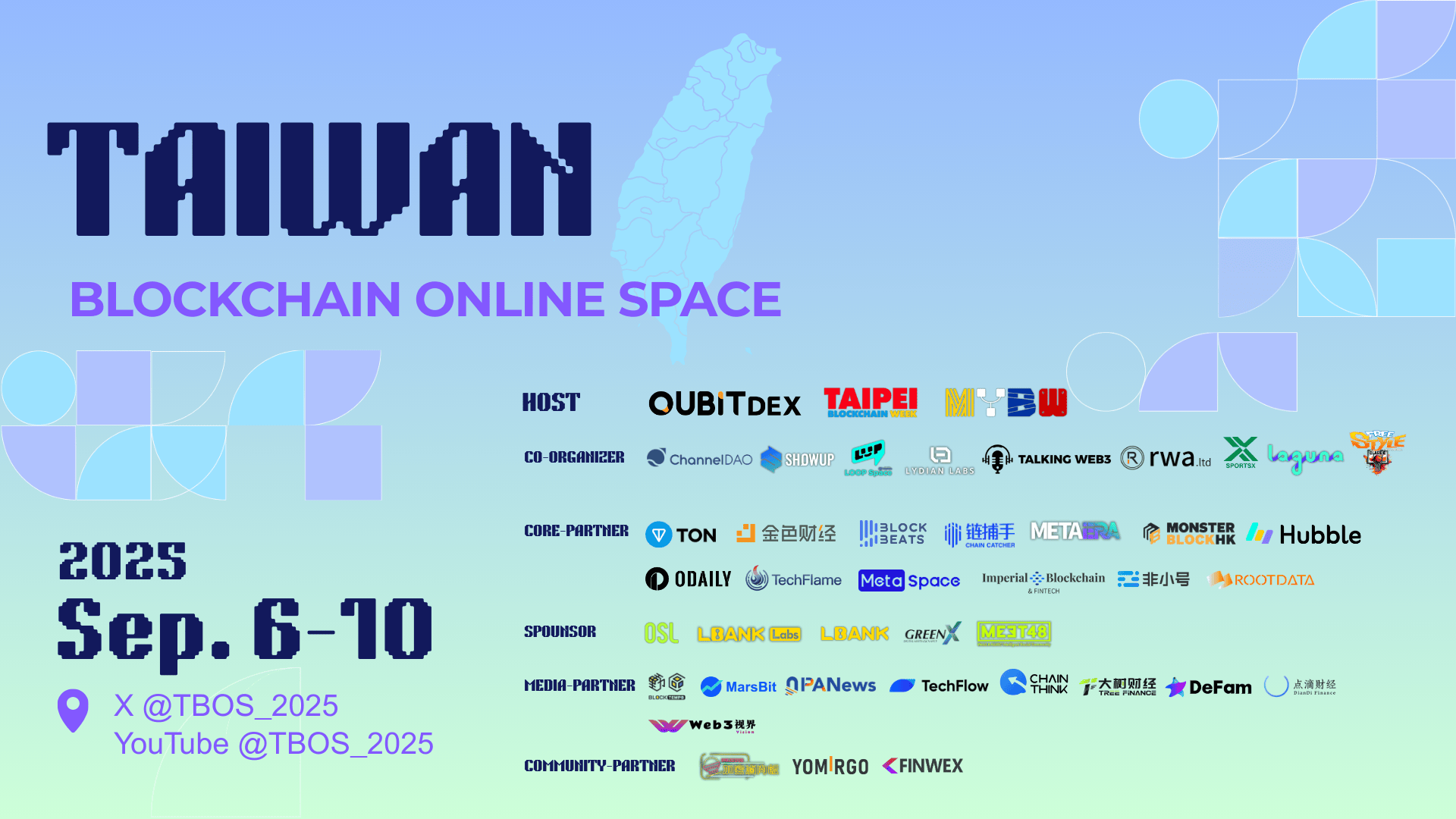
Group 1 - The first Taiwan Blockchain Online Summit (TBOS) will be held from September 6 to September 10, 2025, as a fully online event, aiming to connect over a thousand media and projects globally [1][10] - TBOS is a digital extension of the Taipei Blockchain Week (TBW) and Malaysia Blockchain Week (MYBW), showcasing Taiwan's key position in the global Web3 ecosystem [3][10] - The summit will focus on two main themes: the global adoption of decentralized applications and the large-scale migration from Web2 to Web3 [4] Group 2 - TBOS is not just a conference but an experimental platform for industry co-creation, involving key players from the Asian blockchain ecosystem [5][7] - The event will feature numerous founding partners and core partners, including TBW 2025, MYBW 2025, and various blockchain-related organizations, indicating a strong collaborative effort [6][7] - The organizing team aims to leverage TBOS's online format to extend Taiwan's influence in the global digital transformation landscape, allowing anyone to participate in this digital revolution [8][10] Group 3 - TBOS will provide a new generation of industry exchange model, breaking traditional conference boundaries and enabling direct online interactions among developers, investors, and institutions [8] - The event will be broadcasted live on official platforms such as Twitter (X) and YouTube, with daily sessions from 10:00 AM to 10:30 PM (GMT+8) [11]
欧洲监管:代币化股票存在误导投资者的风险
Sou Hu Cai Jing· 2025-09-04 00:01
Core Viewpoint - The European Securities and Markets Authority (ESMA) warns that tokenized stocks based on blockchain technology may mislead investors into believing they are investing in actual company shares, while they are merely investing in virtual assets linked to stock prices [1] Group 1: Regulatory Concerns - ESMA's Executive Director Natasha Cazenave highlighted that tokenized stocks are virtual assets tied to the price of listed company shares, not actual company stocks [1] - Cazenave emphasized that several fintech companies have developed tokenized stock products that can be fragmented and traded 24/7, but these do not confer shareholder rights [1] Group 2: Investor Rights - Investors in tokenized stocks typically do not become shareholders of the underlying companies and lack traditional shareholder rights such as voting and dividend rights [1] - The promotion of tokenized "stocks" may lead to specific risks of misunderstanding among investors, necessitating clear communication and certain trading safeguards from regulators and the industry [1] Group 3: Market Activity - U.S. brokerage Robinhood has issued tokenized stocks in the EU, while cryptocurrency exchange Coinbase is also exploring this market [1]
从农村教师到币安掌门人,何一的十年逆袭路
Sou Hu Cai Jing· 2025-09-03 16:22
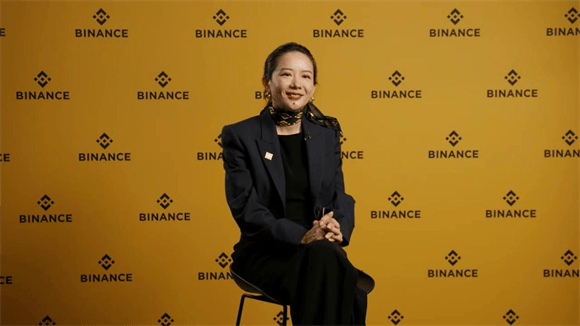
Core Insights - The global business landscape is undergoing significant changes in 2024, with the cryptocurrency industry experiencing a revitalization, largely driven by Binance co-founder He Yi's unique management approach and practices [1] Group 1: He Yi's Background and Early Career - He Yi was born in 1985 in rural Sichuan, China, and faced economic hardships from a young age, which instilled in her the importance of a results-oriented mindset [3] - Her early experiences, including selling soft drinks at 16, shaped her commercial thinking and understanding of value creation [3] - Working as a television host in the early 2000s, she developed public communication skills and market sensitivity, which later proved crucial in her cryptocurrency promotion efforts [3] Group 2: Recognition of Blockchain Potential - In 2014, while Bitcoin was viewed as a speculative bubble, He Yi recognized the disruptive potential of blockchain technology and personally invested in Bitcoin [4] - She played a key role in recruiting Zhao Changpeng (CZ) to join OKCoin, highlighting her early contributions to team building in the cryptocurrency space [4] - During her tenure at OKCoin, she expanded the user base from thousands to over 1 million by innovating community engagement strategies [4] Group 3: Binance's Founding and Growth - Binance was co-founded by He Yi and CZ in July 2017, coinciding with the peak of the ICO boom, and grew to become the largest cryptocurrency exchange in the world within 180 days [5] - He Yi's "user-first" strategy was pivotal, as she personally engaged with users and rapidly expanded the platform's language offerings [5] Group 4: Global Expansion and Crisis Management - From 2018 to 2020, He Yi led Binance's globalization efforts, establishing operational centers in Southeast Asia, Europe, and Africa, resulting in over 90% of users being non-Chinese by 2020 [7] - Following a $4.3 billion fine in November 2023 for regulatory violations, He Yi demonstrated exceptional crisis management by ensuring operational stability and user trust [8] Group 5: Leadership Philosophy and Organizational Structure - He Yi's leadership philosophy centers on maximizing user value, requiring employees to experience customer service roles firsthand [10] - Binance operates with a flat organizational structure, allowing rapid decision-making and direct communication across all levels [10] Group 6: Future Directions and Industry Impact - Under He Yi's leadership, Binance is evolving into a provider of Web3 infrastructure, focusing on financial services in developing countries [11] - The company processes over 100TB of transaction data daily, with decisions driven by data analysis and A/B testing [11] - He Yi's commitment to long-term investment is evident as she holds over 90% of her assets in Binance Coin (BNB), reinforcing user and investor confidence [11] Group 7: Diversity and Social Impact - Binance boasts a female employee ratio of 43%, with over 35% in management, reflecting a commitment to diversity in the tech industry [13] - He Yi's personal involvement in user issues exemplifies the company's dedication to customer care and community engagement [13] Group 8: Industry Transformation - The cryptocurrency sector is experiencing structural changes, with significant investments and regulatory developments indicating a shift towards mainstream financial integration [14] - He Yi's leadership is seen as pivotal in constructing a new digital financial ecosystem, challenging traditional financial norms [15]
灿谷(CANG.US)公布8月比特币运营数据:运营算力环比增7% 比特币储备突破5000枚
Zhi Tong Cai Jing· 2025-09-03 14:13
Core Insights - CANG.US reported significant growth in its Bitcoin mining operations, with average operational hash rate increasing by 6.9% month-over-month and Bitcoin reserves surpassing 5,000 coins [1] Group 1: Operational Performance - The company deployed an additional 50 EH/s of hash rate since July, which is now fully operational [1] - In the current month, the company mined 663.7 Bitcoins, contributing to the milestone of over 5,000 Bitcoins in reserves [1] Group 2: Strategic Initiatives - The company is enhancing its core mining operations through targeted measures to improve mining efficiency, including careful maintenance of existing mining machines and selective upgrades of older machines [1] - A recent acquisition of a 50 MW Bitcoin mining facility in Georgia, USA, is part of the company's strategy to strengthen its mining capabilities [1] Group 3: Business Diversification - CANG.US is involved in Bitcoin mining across North America, the Middle East, South America, and East Africa, reflecting its strategic geographic diversification [1] - The company entered the crypto asset space in November 2024, driven by advancements in blockchain technology and the increasing application of digital assets [1] - CANG.US continues to operate its online international used car export business through AutoCango.com, facilitating global access to high-quality vehicle inventory from China [1]
