指数化投资

Search documents
从“试验田”到科创“新高地”,科创板助力企业跨越成长周期
Di Yi Cai Jing· 2025-07-18 11:59
Group 1 - The establishment of the Sci-Tech Innovation Board (STAR Market) has provided a favorable development platform for Chinese technology innovation enterprises, supported by innovative market mechanisms and inclusive financing environments [1] - The introduction of policies such as "STAR Market Eight Articles" and "1+6" aims to alleviate the challenges faced by high-quality technology enterprises, injecting momentum into China's economic transformation and the development of new productive forces [1] - The STAR Market has become a "testing ground" for capital market reforms, effectively supporting strategic emerging industries and empowering technological innovation [3][4] Group 2 - Small and medium-sized technology enterprises face significant challenges, including long R&D cycles, high capital investment, and substantial failure risks, necessitating support from policies, funding, and technology [3] - Companies like Borui Pharmaceutical have successfully transitioned from complex generic drug production to innovative drug development, with cumulative R&D investment reaching 1.2 billion yuan (approximately 0.17 billion USD) over six years [4] - The rapid development of AI technology is enhancing innovation capabilities across various industries, with AI models helping to solve complex problems and break through innovation bottlenecks [4][6] Group 3 - The STAR Market's recent reforms, including the establishment of a growth tier and the reintroduction of listing standards for unprofitable companies, are expected to improve inclusivity for hard-tech enterprises and broaden financing channels [6] - The integration of AI technology into the drug development process is significantly shortening R&D cycles and increasing success rates, leading to higher returns on investment in innovative drugs [6][7] - The overall innovation capability of Chinese enterprises is gaining global recognition, with an increase in domestic biopharmaceutical intellectual property being exported [7]


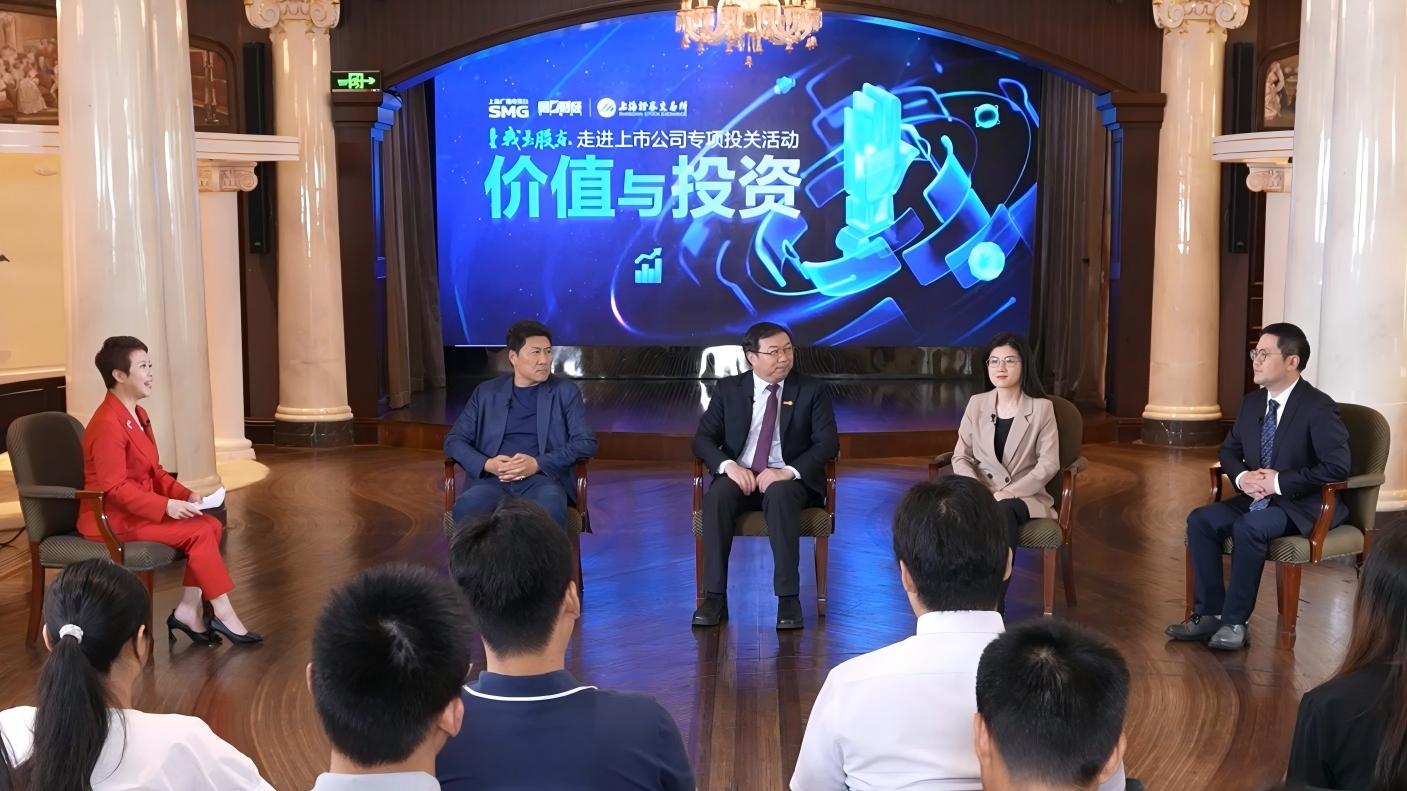
ETF对话录|科创债ETF上市首日成交额超800亿 吸引力从何而来?
Sou Hu Cai Jing· 2025-07-18 03:41
Core Viewpoint - The launch of the first batch of 10 Science and Technology Innovation Bond ETFs (科创债ETF) marks a significant step in enhancing the quality and efficiency of index-based investment in China's capital market, supported by favorable policies and market demand [1][2]. Group 1: Market Performance and Growth - The first batch of 10 Science and Technology Innovation Bond ETFs was listed on July 17, with a total trading volume of nearly 810 billion yuan on the first day and a cumulative scale of approximately 765 billion yuan [1][2]. - The bond ETF market has seen rapid growth this year, with an increase of over 300 billion yuan since the beginning of the year, effectively doubling its size [2]. - The first batch of Science and Technology Innovation Bond ETFs was sold out within a day, raising nearly 300 billion yuan [2]. Group 2: Policy Support and Market Ecosystem - The rapid listing of the Science and Technology Innovation Bond ETFs is attributed to supportive policies, including the issuance of the "Action Plan for Promoting High-Quality Development of Index Investment in Capital Markets" by the China Securities Regulatory Commission (CSRC) [2][3]. - The introduction of the Science and Technology Bond market and the emphasis on expanding bond ETFs are part of a broader strategy to support technological innovation in China [2][4]. Group 3: Investment Appeal and Advantages - The underlying assets of the Science and Technology Innovation Bond ETFs are primarily high-credit-quality bonds, making them attractive to various investors due to their controllable credit risk and favorable policy environment [3][5]. - Key advantages of the Science and Technology Innovation Bond ETFs include low management fees (0.15%), high trading efficiency with T+0 transactions, and high transparency in holdings [3][4]. - The ETFs are expected to be included in the general repurchase pledge library, enhancing trading activity and liquidity [3]. Group 4: Future Development and Market Demand - The Science and Technology Innovation Bond ETFs fill a gap in the technology finance theme within the bond fund sector, providing a low-threshold investment opportunity for individual investors to participate in national technology strategies [4][5]. - The demand for investments in technology innovation is expected to continue growing, supported by ongoing product innovation in the bond market [5][6]. - The current economic transformation in China, along with the growth of strategic emerging industries, provides a rich source of quality underlying assets for Science and Technology Innovation Bond investments [5][6].
资源LOF: 鹏华中证A股资源产业指数型证券投资基金(LOF)2025年第2季度报告
Zheng Quan Zhi Xing· 2025-07-17 14:20
Core Viewpoint - The report provides an overview of the performance and management of the Penghua CSI A-Share Resource Industry Index Fund (LOF) for the second quarter of 2025, highlighting its investment strategy, financial performance, and compliance with regulations [1][11]. Fund Overview - Fund Name: Penghua CSI A-Share Resource Industry Index Fund (LOF) - Fund Manager: Penghua Fund Management Co., Ltd. - Fund Custodian: Industrial and Commercial Bank of China Ltd. - Total Fund Shares at Period End: 78,295,427.39 shares [2]. - Investment Objective: To closely track the benchmark index with a daily tracking deviation of less than 0.35% and an annual tracking error of less than 4% [2]. Investment Strategy - The fund employs a passive index investment approach, constructing an investment portfolio based on the benchmark weights of constituent stocks [3]. - The fund aims to invest at least 90% of its net assets in the constituent stocks of the benchmark index and maintain at least 5% in cash or government bonds with a maturity of less than one year [3][4]. Performance Metrics - The fund's A-share class net value growth rate for the reporting period was 2.43%, while the benchmark growth rate was 0.97% [12]. - The fund's C-share class net value growth rate was 2.40%, also against a benchmark growth rate of 0.97% [12]. Financial Indicators - The report indicates that the fund's performance was influenced by various factors, including market conditions and macroeconomic changes, with the Shanghai Composite Index rising by 3.26% during the period [11]. - The fund's average tracking deviation and tracking error were well controlled, achieving the operational goals set by the fund management [11]. Portfolio Composition - As of the end of the reporting period, the fund's total assets were primarily allocated to stocks, with a significant portion in the mining industry [13]. - The fund's investment strategy includes adjustments based on changes in the benchmark index and liquidity analysis of constituent stocks [4][5]. Management Report - The fund manager, Yan Dong, has 15 years of experience in the securities industry and has been managing this fund since November 2019 [8]. - The fund management adheres to strict compliance with regulations and fair trading practices, ensuring that all investment decisions are made in the best interest of the fund holders [10][11].

深价值ETF: 深证300价值交易型开放式指数证券投资基金2025年第2季度报告
Zheng Quan Zhi Xing· 2025-07-17 11:12
Group 1 - The fund is managed by Jiao Yin Schroder Fund Management Co., Ltd. and is designed to track the Shenzhen 300 Value Index through a passive investment strategy [2][3] - As of the end of the reporting period, the total fund shares amounted to 29,829,693.00 [2][3] - The fund primarily invests in stocks, with 96.90% of its total assets allocated to equities [11][12] Group 2 - The fund's performance for the past three months showed a net value growth rate of -2.85%, while the one-year growth rate was 9.77% [4][10] - The fund's investment strategy involves closely tracking the underlying index, with adjustments made based on changes in the index components [2][3] - The fund's major financial indicators and net value performance are not audited, and past performance does not guarantee future results [3][10] Group 3 - The fund's asset allocation includes 68.60% in the manufacturing sector, 12.65% in the financial sector, and 4.11% in transportation and warehousing [11][12] - The fund's investment portfolio is diversified across various industries, with a significant focus on manufacturing [11][12] - The fund's management adheres to strict investment control and fair trading practices to ensure compliance with regulations [5][6] Group 4 - The fund experienced a net redemption of 1,500,000 shares during the reporting period, resulting in a decrease in total shares from 31,329,693.00 to 29,829,693.00 [14][17] - The fund's investment in the top ten securities did not exceed the stipulated limits set by the fund contract [13][17] - The fund's management emphasizes transparency and provides investors with access to relevant documents and reports [17]

【惊喜】指数投资Y选择,点“量”养老新体验
中国建设银行· 2025-07-17 06:23
Core Viewpoint - The personal pension system is officially implemented nationwide, expanding investment options for retirement through the inclusion of 85 equity index funds (Y shares) [1][2]. Group 1: Investment Opportunities - The trend towards passive investment is driving the popularity of index funds, particularly broad-based index funds that offer wide market representation and lower costs [4]. - Investing in index funds allows for risk diversification as it equates to investing in a "basket of stocks" [5]. - The variety of index products available, along with mature management capabilities and transparent operations, enhances the investment experience [6]. Group 2: Cost and Tax Benefits - Y shares of index funds have significantly reduced management and custody fees, with management fees at 0.5% per year and custody fees at 0.1% per year, which are 50% of the ordinary share fees [9]. - The personal pension system offers tax benefits, allowing contributions up to 12,000 yuan per year to be deducted from taxable income, with a maximum tax reduction of 5,400 yuan [10]. - Investment income in personal pension accounts is not subject to personal income tax, and withdrawals are taxed at a lower rate of 3% [10].

4.4万亿元ETF助力基金高质量发展
Cai Jing Wang· 2025-07-17 03:14
Group 1 - The first batch of 10 science and technology innovation bond ETFs was fully sold out on July 17, raising a total of 28.988 billion yuan [1] - The total scale of ETFs in China has recently surpassed 4.4 trillion yuan, with the number and scale of newly issued ETFs in 2023 exceeding the entire year of 2022 [1][2] - The development of index-based investment is expected to structurally reshape the pricing logic of the A-share market, enhancing the liquidity premium of constituent stocks [1][2] Group 2 - Regulatory bodies have issued plans to promote long-term capital entering the market, which will play a significant role in creating a "long money, long investment" environment [2] - The passive investment logic is accelerating the concentration of resources in areas aligned with national strategic directions, such as technology innovation and green economy [2] - The ETF market has shown remarkable capital attraction, with significant net inflows into major indices like the CSI 300 [2][3] Group 3 - Many ETFs have demonstrated strong profitability, particularly in sectors like artificial intelligence, robotics, and pharmaceuticals, with 17 ETFs rising over 50% as of July 15 [3] - The concentration of market funds towards leading companies may accelerate the "Matthew effect," although the homogenization of passive investment could impact market volatility during extreme conditions [3] - Thirteen fund companies have ETF management scales exceeding 100 billion yuan, with major players leading the industry [3] Group 4 - The rapid development of ETFs is accompanied by regulatory improvements in risk management, with new guidelines set to take effect on August 1 [4] - Ordinary investors are advised to focus on the comprehensive strength of fund managers and liquidity risks when investing in ETFs [4] - The recent rule upgrades mark a critical transition for the domestic ETF market from scale expansion to quality enhancement [5]
永赢中证沪深港黄金产业股票ETF发起联接A,永赢中证沪深港黄金产业股票ETF发起联接C: 永赢中证沪深港黄金产业股票交易型开放式指数证券投资基金发起式联接基金2025年第2季度报告
Zheng Quan Zhi Xing· 2025-07-17 02:42
Group 1 - The fund aims to closely track the performance of the underlying index, minimizing tracking deviation and error [2][3] - The fund's investment strategy includes various asset allocation strategies, targeting ETF investments, stock investments, and bond investments [2][3] - The fund's performance benchmark is set at 95% of the return of the CSI Hong Kong-Shenzhen Gold Industry Stock Index and 5% of the bank's current deposit rate (after tax) [2] Group 2 - The fund's net asset value growth rate for the A share class was 12.67% during the reporting period, while the benchmark return was 10.55% [14] - The fund's net asset value growth rate for the C share class was 12.58%, also outperforming the benchmark [14] - The fund's total share amount at the end of the reporting period was 306,900,148.24 shares [2] Group 3 - The fund's investment in gold-related stocks is expected to benefit from the anticipated weakening of the US dollar and US debt credit trends [12][13] - The report highlights the significant growth potential of gold stocks, supported by the Chinese government's emphasis on the gold industry as a strategic resource [12][13] - The average price-to-earnings (PE) ratio of major gold mining companies is currently 13.5, indicating a potential for valuation recovery [13]
A500ETF永赢: 永赢中证A500交易型开放式指数证券投资基金2025年第2季度报告
Zheng Quan Zhi Xing· 2025-07-16 13:20
Core Viewpoint - The report provides an overview of the performance and management of the Yongying CSI A500 Exchange-Traded Fund (ETF) for the second quarter of 2025, highlighting its investment strategy, financial indicators, and compliance with regulations [1][2]. Fund Product Overview - The fund is named Yongying CSI A500 ETF, with a total share of 534,869,559.00 units at the end of the reporting period [2]. - The fund aims to closely track the performance of the CSI A500 Index, with a target tracking deviation of less than 0.2% on a daily basis and an annualized tracking error controlled within 2% [2]. - The fund employs a full replication investment strategy, primarily investing in stocks, bonds, asset-backed securities, derivatives, and other financial instruments [2]. Financial Indicators and Fund Performance - As of the end of the reporting period, the net asset value per share of the fund was 1.0175 RMB, with a net asset growth rate of 2.23% compared to a benchmark return of 0.84% [7]. - The fund's realized income for the reporting period includes interest income, investment income, and other income, excluding fair value changes [3]. Investment Strategy and Market Analysis - The fund's investment strategy is based on a full replication method, adjusting the stock portfolio according to changes in the index's constituent stocks and their weights [6]. - During the reporting period, the A-share market experienced fluctuations due to external factors such as U.S. tariff policies, but later rebounded due to domestic economic measures and improved market liquidity [6]. - The fund's portfolio is heavily weighted in the manufacturing sector, which constitutes 58.72% of the total assets, followed by finance at 15.94% [9]. Compliance and Management - The fund management strictly adheres to the regulations set forth in the Securities Investment Fund Law and maintains a disciplined investment research and decision-making process [5]. - No significant violations of fair trading practices were reported during the period, ensuring equitable treatment of different investment portfolios [5][6]. - The fund management has not utilized proprietary funds for investment in the fund during the reporting period [11].
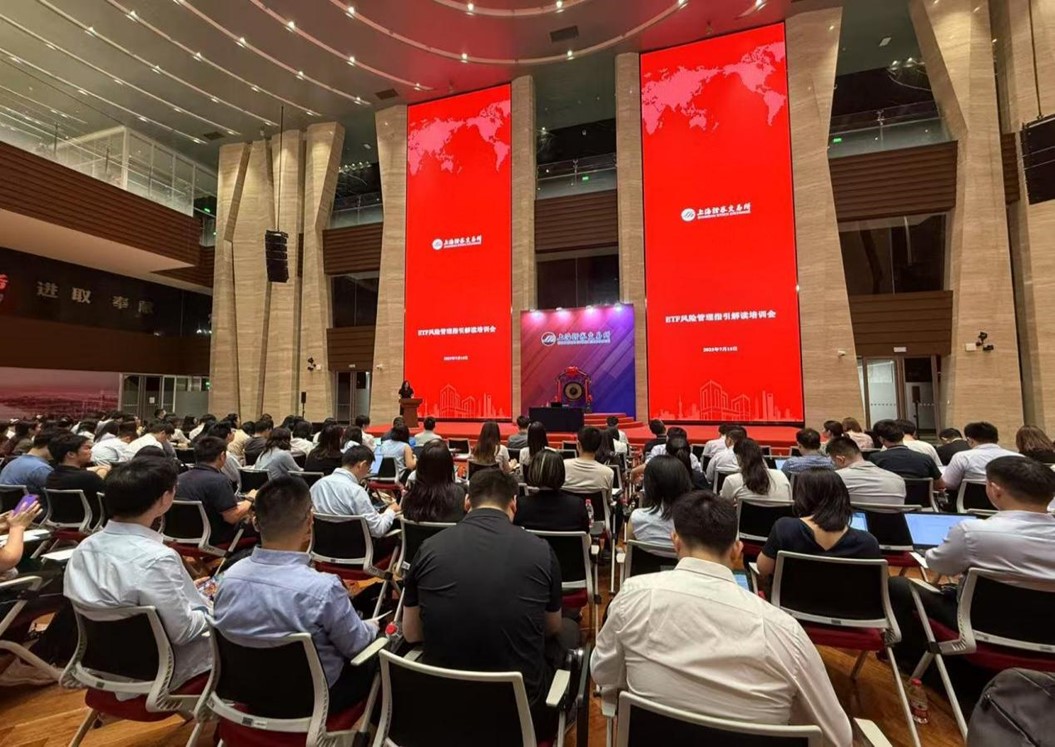
上交所召开ETF风险管理指引解读培训会 促进ETF市场健康稳定发展
Zheng Quan Shi Bao Wang· 2025-07-16 09:05
Core Viewpoint - The Shanghai Stock Exchange (SSE) has organized training sessions for fund managers and member units to explain the recently revised ETF risk management guidelines, aiming to enhance the understanding and implementation of these guidelines among market institutions [1][3]. Group 1: ETF Market Development - The training sessions focus on the revised ETF risk management guidelines, emphasizing the importance of protecting the legitimate rights of small and medium investors and promoting the healthy and stable development of the ETF market [3]. - The SSE aims to help market institutions accurately understand the revised guidelines and improve their professional service capabilities, thereby better serving the real economy and meeting investors' wealth management needs [3]. Group 2: Training Content and Objectives - The training covered various aspects, including ETF safety operation training, management experiences of member clients' ETF trading behaviors, and the ecological construction and future outlook of the Shanghai ETF market [3]. - The SSE addressed key issues raised by market institutions, aiming to enhance ETF operation management and boost investor confidence to attract more medium- and long-term funds into the market [3]. Group 3: Future Directions - An SSE official stated that the safe operation of the ETF market is fundamental to enhancing investor confidence and promoting high-quality development of the ETF market, which requires collaboration among all market participants [4]. - The SSE plans to continue focusing on risk prevention, strong regulation, and promoting high-quality development, while working on expanding products, optimizing mechanisms, and shaping the ETF market ecosystem [4].
指数化投资研讨会在沪举行,共议规模品类双升背后的机遇挑战
Xin Hua Cai Jing· 2025-07-16 06:43
Group 1 - The seminar on "High-Quality Development of Capital Market Index Investment" was held in Shanghai, focusing on themes of "Optimizing Supply, Strengthening Products, and Promoting Ecology" [1] - Index funds have seen significant growth in both scale and variety, with public passive equity fund size exceeding 3.5 trillion yuan by the end of Q1 2025, surpassing active equity funds for two consecutive quarters [3] - Institutional investors such as insurance and pension funds are increasingly demanding passive investment tools, particularly ETFs, which are driving industry growth [3] Group 2 - The introduction of new policies, including the "National Nine Articles" in 2024, has provided strong support for the development of index investment, establishing a solid institutional foundation [3] - Strategy indices have shown resilience and potential, with a unique growth in both new index product issuance and the number of linked products over the past three years [3] - Currently, strategy index products account for less than 5% of the A-share market, significantly lower than the 25% in mature markets, indicating substantial growth potential [3] Group 3 - The ETF industry faces challenges such as homogenization of products, leading to intensified competition and confusion among investors [4] - Potential liquidity risks arise when popular investment themes fade, which could lead to shrinking product sizes if secondary market support is lacking [4] - The ETF ecosystem requires further improvement, including the establishment of a market-making mechanism and diversification of derivative products to enhance strategy index development [4]