通胀预期
Search documents
英银利率不变支撑英镑 但降息预期仍存
Jin Tou Wang· 2025-09-22 02:52
Group 1 - The Bank of England has decided to maintain the current interest rate level, reflecting its policy dilemma between a weak labor market and persistent inflation pressures [1] - Early initiation of a rate-cutting cycle could further elevate inflation expectations, while maintaining high rates for an extended period may suppress consumption and investment, increasing economic downturn risks [1] - For ordinary investors, this policy stance suggests that interest rates on savings products may remain stable in the short term, but mortgage rates will stay high, making repayment pressures difficult to alleviate [1] Group 2 - The GBP/USD exchange rate shifted from an upward trend to a downward trend, with the "Evening Star" pattern prompting a drop below 1.3500, increasing the likelihood of testing the convergence of the 100-day and 50-day moving averages around 1.3477/63 [2] - A daily closing price below this convergence would clear the path for testing the low of 1.3332 from September 3, while a closing price above 1.3600 could reinforce the rationale for challenging the annual peak of 1.3788 [2]
南华外汇(美元兑人民币)周报:买预期,卖事实-20250921
Nan Hua Qi Huo· 2025-09-21 12:15
1. Report Industry Investment Rating No relevant content provided. 2. Core Views of the Report - The Fed's next - stage core challenge is to balance the demands of different stakeholders and formulate monetary policies that align with economic fundamentals and market expectations while maintaining central bank independence. Over - betting on loose policies currently may pose potential risks. The market may continue to focus on interest - rate cut trading for the US dollar index, but the room for further development is limited, and it may shift from trading on strong expectations to trading on reality. The rebound space of the US dollar index may be limited without a significant improvement in the US labor market. The USD/CNY spot exchange rate has formed a "three - price unity" pattern around 7.10, and it may fluctuate around this level in the short term. There is no clear sign of a trend appreciation of the RMB for now [1]. 3. Summary by Related Catalogs 3.1 One - Week Market Review and Outlook 3.1.1 Foreign Exchange Market Review - Last week, the overall trend of the international foreign exchange market was mainly affected by the monetary policy adjustment directions of major global central banks. The key logic was centered on the expected differences in monetary policies and the repricing of interest - rate paths. By September 19th, 16:30, the US dollar index slightly appreciated compared to the previous Friday. The on - shore RMB, offshore RMB, Japanese yen, and euro all appreciated against the US dollar, while the British pound depreciated against the US dollar [3]. - The Fed cut the benchmark interest rate by 25 basis points in September, with the rate range dropping to 4.75% - 5.00%. Fed Chairman Powell defined this as a "risk - management interest - rate cut" to prevent deterioration in the employment market. The dot - plot indicated two more rate cuts were likely this year [3]. - The Bank of Japan maintained its policy rate but had internal differences, with two of nine members advocating for a rate hike. It also announced an ETF reduction plan, signaling a move towards policy normalization [3]. - The Bank of Canada cut the benchmark interest rate by 25 basis points to 2.5% for the first time since March due to slow economic growth and reduced inflation risks, without providing clear forward - looking guidance [3]. - The Bank of England kept the benchmark interest rate at 4% and adjusted its quantitative tightening plan, reducing the scale from £100 billion to £70 billion in the next 12 months and cutting long - term bond sales to minimize the impact on the bond market [3]. 3.1.2 Weekly Review of USD/CNY Spot Exchange Rate - **Market Trading Logic** - **US dollar index trading logic**: At the beginning of the week, the market's high - consensus expectation of a Fed rate cut in September drove the US dollar index into a downward channel. After the official rate cut, Powell's "cautiously dovish" statement and the decline in US initial jobless claims led to a V - shaped rebound of the US dollar index [11]. - **USD/CNY spot exchange rate trading logic**: It moved in tandem with the US dollar index. It adjusted moderately when the US dollar index declined and strengthened when it rebounded. The "three - price unity" expectation also influenced market sentiment, with no one - sided speculation [11]. - **Weekly Market Review** - **Before the FOMC meeting**: The market's strong expectation of a Fed rate cut led to a downward movement of the US dollar index and a moderate adjustment of the USD/CNY spot exchange rate. The exchange rate converged towards the "three - price unity" target, and there was no obvious one - sided speculation [12]. - **After the FOMC meeting**: Powell's statement and the decline in initial jobless claims led to a rebound of the US dollar index. The USD/CNY spot exchange rate achieved "three - price unity" and entered an upward channel [12]. 3.1.3 Market Outlook - The Fed cut the federal funds rate target range by 25 basis points to 4.00% - 4.25% on September 18th. The core issues for the market now are the Fed's future interest - rate cut rhythm and amplitude, which depend on the actual severity of the weakening US labor market, the speed of interest - rate adjustment to the neutral level, and the reasonable anchoring of the "neutral interest rate" [17][19]. - It is expected that the conditions for the Fed to implement large - scale consecutive interest - rate cuts this year are not yet mature. Such a policy is more likely to be implemented in 2026, which may face challenges. Economic factors such as the slowdown (but not a stall) in the US employment market and inflation pressure, as well as the cooling real - estate market, limit the scope for large - scale easing. Politically, although there is uncertainty, the "gradual adjustment" policy line is difficult to change in the short term [19]. 3.1.4 Strategy Recommendations - For enterprises with import and foreign - exchange purchase needs, it is advisable to use forward contracts to lock in exchange - rate costs. Export - oriented enterprises can conduct spot foreign - exchange settlement at the upper end of the exchange - rate range and carry out hedging operations for forward foreign - exchange settlement. Currently, the spread between spot and forward exchange rates is narrowing, reducing the profit - making space. Cross - market volatility arbitrage and short - straddle option combinations have better risk - return characteristics. For low - risk - preference participants, iron - condor option combinations or covered - call strategies can be preferred [27]. 3.1.5 Weekly Risk Warnings and Key Events - China will hold a press conference on the "14th Five - Year Plan" achievements in the financial industry, with PBOC Governor Pan Gongsheng attending. The US will release the September Markit manufacturing PMI preliminary value, August PCE data. Attention should also be paid to the speeches of overseas central - bank officials [28]. 3.2 RMB Market Observation 3.2.1 Policy Tool Tracking - Counter - Cyclical Factor - As of last Friday, the central parity rate of the USD/CNY was 7.1128, up 109 basis points from the previous Friday. The current trend of the counter - cyclical factor indicates that the central bank's attitude towards the exchange rate is generally neutral [30]. 3.2.2 Investor Expectations and Sentiment Tracking - **Enterprise Sector Expectations**: In August, China's foreign - exchange market was stable, with active trading and a general balance between supply and demand. The cross - border receipts and payments of non - bank sectors increased by 8% year - on - year, and the cross - border capital inflow was $3.2 billion, with a bank settlement - sale surplus of $14.6 billion [35]. - **Overseas Investor Expectations**: As of last Friday, the narrowing spread between offshore and on - shore RMB indicated a slight decline in overseas investors' appreciation sentiment towards the RMB [40]. - **Professional Investor Expectations**: As of last Friday, the one - year NDF closing price of USD/CNH slightly decreased. The USDCNY risk - reversal option indicators (25Delta) showed little change in market sentiment [43]. 3.2.3 Derivatives Market Tracking - **Hong Kong RMB Futures Market**: Relevant charts show the price trends and basis differences of the HKEX USDCNH futures contracts [46][48]. - **Singapore RMB Futures Market**: Charts present the price trends and basis differences of the SGX USDCNH futures contracts, as well as the basis comparison between SGX and HKEX contracts [50][52]. 3.3 Key Data and Events to Watch 3.3.1 One - Week Global Key Events Review - **China**: High - level Sino - US economic and trade talks were held in Madrid. China's economic data in August showed growth in industrial added value, service production, and consumer spending. Policy measures were introduced to expand service consumption, and relevant economic data and policy statements were released [57]. - **US**: The September New York Fed manufacturing index dropped sharply. The Fed cut interest rates as expected, and the new - home construction and initial jobless claims data were released [59]. - **UK**: The UK CPI remained high in August. The Bank of England kept the interest rate unchanged and adjusted the quantitative tightening plan. The UK budget deficit reached a five - year high [61]. - **Eurozone**: The EU proposed a new round of sanctions against Russia [62]. - **Japan**: Japan's exports and imports declined in August. The Bank of Japan maintained the benchmark interest rate and announced an ETF and REIT reduction plan [63]. 3.3.2 One - Week Global Central - Bank Key Speeches - Speeches from central - bank officials in various countries covered topics such as the TikTok issue, Sino - US relations, and exchange - rate policies [63][65]. 3.3.3 This Week's Key Financial and Economic Data and Events - Key data to be released this week include China's central - bank loan prime rate, US economic data such as GDP deflator, PCE price index, and initial jobless claims, as well as speeches by central - bank officials from different countries [68][69]. 3.4 International Market Conditions 3.4.1 Major Countries' Exchange - Rate Quotes - Charts show the exchange - rate trends of the US dollar against major currencies such as the euro, yen, pound, and others [71][73]. 3.4.2 Correlation of Major Asset Classes - Charts display the trends of major assets including London gold, VIX, crude oil prices, stock - market indices such as S&P 500 and CSI 300, and the price differences of gold [93][100]. 3.4.3 Capital Flows - Charts present the central - bank's open - market operations, Shibor quotes, and SOFR quotes [105][107]. 3.4.4 Sino - US Interest - Rate Spread - Charts show the trends of the Sino - US interest - rate spread, 10 - year US Treasury yields, and 10 - year Chinese Treasury yields [109][110]. 3.4.5 RMB Exchange - Rate Index - The chart shows the trends of three major RMB exchange - rate indices [112]. 3.4.6 Global Economic and Trade Friction Tracking - In June 2025, the global economic and trade friction index was at a medium - high level but showed a significant easing trend. The US's tariff policies and trade - negotiation progress will mainly determine future developments. The index is high for countries like India, the US, and Brazil, and in industries such as electronics. The 19 - country (region) index for China - related economic and trade frictions is also high, but the amount involved has decreased [113][115].
美联储降息“靴子落地” 货币政策预期博弈游戏刚刚开始?
Qi Huo Ri Bao· 2025-09-20 01:18
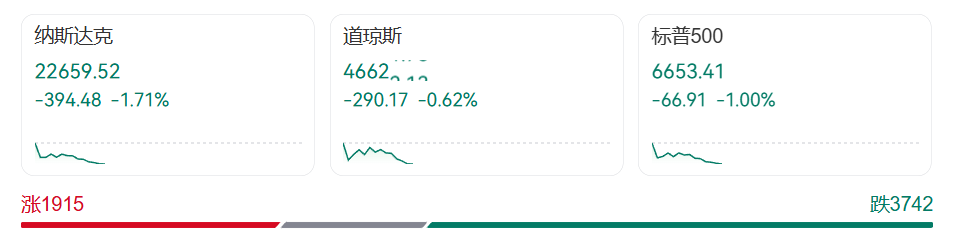
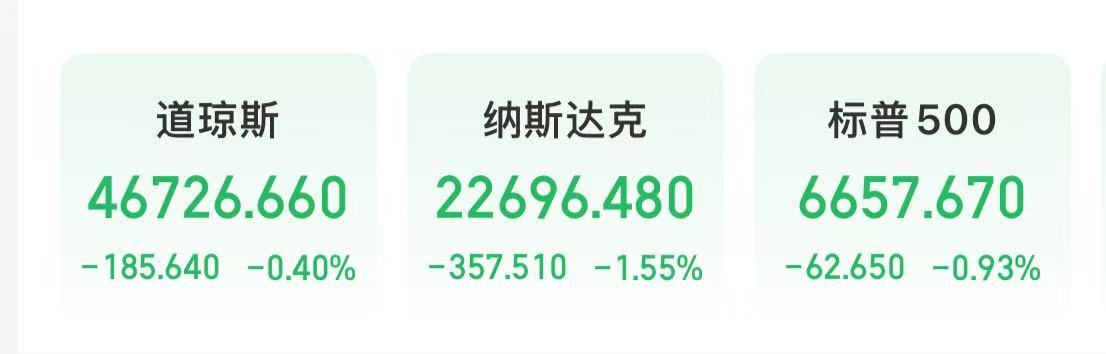
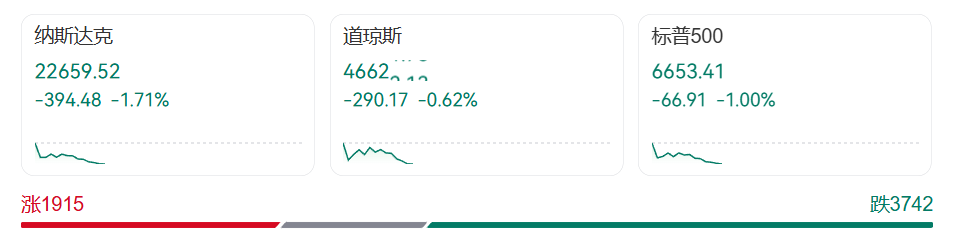
Group 1 - The Federal Reserve has restarted interest rate cuts, lowering the federal funds rate target range by 25 basis points to 4.00%-4.25%, marking the first rate cut of the year [1] - The decision to cut rates is based on weak economic data, easing inflation pressures, and a weakening labor market, which reinforced market expectations for a rate cut [1][4] - Financial markets exhibited a "buy the rumor, sell the news" phenomenon, with major U.S. stock indices initially rising but then retreating after the announcement, indicating a typical "buy the fact" reaction [1] Group 2 - The Fed's future rate cut pace will depend on three interconnected issues: the severity of the labor market's downturn, the speed at which policymakers adjust rates to neutral levels, and how to anchor the "neutral rate" in the current economic environment [1] - The Fed has expressed increased concern over "downside risks" in the labor market, adjusting its previous assessment of a "strong labor market" to a view of "slowing job growth and rising unemployment" [4] - Despite the Fed's rate cut, it is acting more slowly than the European Central Bank, and inflation remains a core constraint on further rate cuts, alongside risks in the housing market [4][5] Group 3 - The Fed views stabilizing long-term inflation expectations as a core monetary policy goal, with internal structural pressures on inflation still present despite manageable overall inflation [5] - The housing market shows signs of cooling, with weak demand and low existing home sales, which directly impacts monetary policy decisions [5] - Political uncertainties may influence the pace of rate cuts, but the Fed's independence is expected to maintain a gradual adjustment policy [7][8]
欧洲央行按兵不动释放积极信号
Jing Ji Ri Bao· 2025-09-19 22:15
Core Viewpoint - The European Central Bank (ECB) has not provided explicit guidance on future interest rate cuts but has released positive signals regarding economic fundamentals, inflation expectations, and financial markets, indirectly raising expectations that the "rate-cutting cycle is nearing its end" [1][4] Economic Activity Outlook - In September, the ECB noted continued growth in manufacturing and services, emphasizing that previous rate cuts and government fiscal policies have created positive momentum for the economy [2] - The ECB believes that rate cuts will further stimulate consumption and investment, with government spending on infrastructure and defense expected to support investment in the Eurozone [2] External Economic Environment - The ECB has shifted its stance on external risks, indicating that while trade tensions and a strong euro may suppress growth in the short term, these negative impacts are expected to dissipate by 2026 [2][3] - The recent trade agreement between the US and EU is anticipated to reduce uncertainty, leading the ECB to view the risks to Eurozone economic growth as more balanced [2] Inflation Outlook - ECB President Lagarde stated that the factors driving inflation are dissipating, leading to a more stable inflation outlook, with current inflation around 2%, close to the medium-term target [3][4] - The ECB's latest forecasts indicate an upward revision for 2025 and 2026 inflation rates, with projections of 2.1% for 2025 and 1.7% for 2026, while the 2027 forecast was slightly lowered to 1.9% [3] Monetary Policy Stance - The ECB maintains that despite inflation being below target, there is no need to alter monetary policy due to "minor deviations" [4] - The ECB has signaled a commitment to maintaining current interest rates and will continue to adopt a "data-dependent, meeting-by-meeting" approach to determine appropriate monetary policy [4] Market Stability - The ECB has reassured markets regarding the stability of the Eurozone sovereign bond market, indicating that it has the necessary tools to address risks if market conditions deteriorate [4][5] - Despite a reduction in the likelihood of rate cuts, some institutions still believe that the ECB may adopt a more dovish stance if certain factors arise [4][6] Risks and Considerations - Potential risks include financial market volatility and unexpected changes in external monetary policies, particularly if the Federal Reserve adopts a more aggressive rate-cutting stance [5][6] - The ECB is currently more optimistic about external conditions and internal momentum, which supports its decision to maintain the current monetary policy stance [5][6]
日本央行维持利率不变,启动ETF减持,每年抛售规模达3300亿日元
Sou Hu Cai Jing· 2025-09-19 04:27
Group 1 - The Bank of Japan decided to maintain the benchmark interest rate at 0.5%, aligning with market expectations, indicating a moderate recovery in the Japanese economy with stable trends in exports and production [2] - The core CPI inflation, excluding fresh food, is expected to remain subdued due to economic slowdown, despite a gradual decline in the impact of rising food prices [2] - There were two dissenting votes for a rate hike, suggesting a shift in sentiment regarding inflation risks, with calls to raise the rate by 25 basis points to 0.75% [3] Group 2 - The Bank of Japan announced plans to begin selling its ETF and J-REIT holdings, with an annual target of approximately 330 billion yen for ETFs and 5 billion yen for J-REITs [4] - The central bank's ETF holdings have reached 35 trillion yen since it began purchasing ETFs in 2010, particularly increasing after the monetary easing in 2013 [5] - Following the announcement, the market reacted with a decline in the USD/JPY exchange rate and a rise in the 10-year Japanese government bond yield by 4 basis points to 1.635% [6][9]
日本央行声明全文:维持利率不变,两委员提议加息25个基点
Jin Shi Shu Ju· 2025-09-19 04:01
Group 1 - The Bank of Japan decided to maintain the benchmark interest rate at 0.5% for the fifth consecutive meeting, aligning with market expectations [1][2] - The central bank will begin selling its holdings of ETFs and J-REITs, with the sale scale expected to be roughly equivalent to the scale of stock purchases from financial institutions [2] - Japan's economy is showing moderate recovery overall, but certain sectors remain weak, influenced by trade policies and tariffs, particularly from the U.S. [2][3] Group 2 - Private consumption remains resilient due to improvements in employment and income, despite consumer confidence being affected by rising prices [3] - The Consumer Price Index (CPI), excluding fresh food, has maintained a year-on-year increase in the range of 2.5% to 3.0%, with inflation expectations rising moderately [3] - Future economic growth in Japan may slow down due to external trade policies and declining corporate profits, although a loose financial environment may provide support [3][4]
日本两年期国债收益率飙升至2008年以来最高,市场静候央行利率决议
智通财经网· 2025-09-19 03:26
Group 1 - Japanese two-year government bond prices have fallen, pushing yields to the highest level since 2008, following the trend of U.S. Treasuries ahead of the Bank of Japan's policy meeting [1] - The two-year yield rose by 0.5 basis points to 0.885%, influenced by U.S. employment data that raised doubts about further rate cuts by the Federal Reserve this year [1] - Chief strategist Kazuhiko Sano from Tokai Tokyo Securities indicated that the sell-off may also stem from traders betting on a hawkish stance ahead of the press conference by Bank of Japan Governor Kazuo Ueda, despite expectations of a cautious approach [1] Group 2 - The yield increase occurred just before the Bank of Japan's policy meeting, with expectations that the central bank will maintain interest rates, while focusing on clues regarding potential actions in September or December [3] - Both short-term and long-term yields have risen due to heightened inflation concerns, as the Japanese government faces pressure to increase spending and reduce taxes [3] - Despite political risks from tariff policy uncertainties and Prime Minister Shigeru Ishiba's resignation announcement, insiders suggest that the Bank of Japan officials believe there may still be a possibility of raising the benchmark rate again this year [3]
货币政策预期博弈游戏或刚开始
Qi Huo Ri Bao Wang· 2025-09-19 00:46
Core Viewpoint - The Federal Reserve has restarted interest rate cuts, lowering the federal funds rate target range by 25 basis points to 4.00%-4.25%, marking the first rate cut of the year, driven by weak economic data and easing inflation pressures [1][2] Economic Conditions - The Fed's decision reflects a recognition of the deteriorating labor market, with employment growth slowing and unemployment rates rising, which has become a significant factor in the rate cut [3] - Despite the rate cut, the Fed's actions are seen as lagging behind the European Central Bank, and inflation remains a core constraint on further rate reductions, with upward adjustments in inflation expectations for the next two years [3][4] Real Estate Market - The U.S. real estate market is showing signs of cooling, with weak demand and low existing home sales, which directly impacts monetary policy decisions [4] Political Influences - Political uncertainties may influence the pace of rate cuts, but the Fed's independence is expected to maintain a gradual adjustment policy, despite external pressures from political figures [5][6] - The internal decision-making dynamics within the Fed reveal complexities, with notable divisions among members regarding the extent and timing of future rate cuts [5][6]
短期市场利多出尽铜价或维持区间震荡
Zhong Guo Zheng Quan Bao· 2025-09-18 20:24
Group 1: Copper Price Trends - Recent copper prices have shown a volatile upward trend, with LME copper prices nearing $10,200 per ton and Shanghai copper futures reaching a new high of 81,530 yuan per ton since March [1] - After hitting these highs, both LME and Shanghai copper prices experienced a pullback, with latest prices reported at $9,957 per ton and 79,620 yuan per ton respectively [1] Group 2: Impact of Federal Reserve Policies - The Federal Reserve's recent decision to initiate its first rate cut of the year aligns with market expectations, leading to a temporary state of market saturation for copper prices [2] - The key factor influencing copper prices is not just the rate cut itself, but the reasons behind it and the anticipated future rate path [2] - A stable economic environment in the U.S. combined with improved expectations for Fed rate cuts could benefit copper prices [2][3] Group 3: Supply and Demand Dynamics - Current supply dynamics show that while copper mining output is growing slowly, smelting capacity is expanding, leading to profit shifts towards the mining sector [3] - Demand for copper has not fully rebounded, with downstream companies primarily focused on depleting existing inventories, despite tight supply conditions [3] - The copper market is currently characterized by a tight balance between supply and demand, with supply constraints due to maintenance periods in smelting operations [3] Group 4: Long-term Outlook - Long-term potential for copper prices remains positive, driven by mining factors and a general upward trend in price levels [4][5] - The current economic cycle suggests that if signals of economic recovery emerge, demand for copper could significantly increase [5] - However, potential oversupply could arise if certain mines, such as the Panama copper mine, resume operations, reversing the current supply shortage [5]
美联储降息后怎么投?重磅解读来了!
Zhong Guo Ji Jin Bao· 2025-09-18 11:59
Core Viewpoint - The Federal Reserve has resumed its rate-cutting cycle, lowering the federal funds rate by 25 basis points to a target range of 4% to 4.25%, with expectations of further cuts by the end of the year [1] Group 1: Future Rate Cuts - Barclays' chief U.S. economist anticipates two more rate cuts of 25 basis points each in October and December [2] - ICBC International expects a total of 75 basis points in rate cuts by the end of the year, citing a shift in focus towards the labor market [2] - HSBC predicts potential rate cuts in December and March, with an increased risk of multiple cuts if labor market data worsens [3] Group 2: Economic Signals - The FOMC's economic projections indicate a lower rate path than previously expected, with three rate cuts anticipated this year [5] - The voting dynamics within the FOMC showed unexpected support for the majority opinion, despite prior dissenting views [5][6] - The Fed's statement reflects a hawkish tone, acknowledging rising inflation while recognizing increased risks in the labor market [6] Group 3: Global Financial Market Impact - Continued rate cuts by the Fed are expected to accelerate global asset repricing, favoring physical assets and precious metals [8] - HSBC emphasizes the importance of diversified asset allocation across regions and sectors to enhance portfolio resilience [8] - The decline in interest rates is projected to alleviate corporate financing pressures and support earnings expectations in the U.S. equity market [9] Group 4: Emerging Markets Impact - The Fed's easing policy is anticipated to provide more operational space for the People's Bank of China to support economic growth and stabilize the yuan [10] - HSBC maintains a positive outlook on emerging market equities, particularly in Asia, due to favorable conditions stemming from a weaker dollar [10] - The expectation of a weaker dollar may lead to accelerated capital flows into emerging markets, benefiting countries with manufacturing and resource exports [10][11] Group 5: Gold Market Outlook - Despite a negative short-term reaction in gold and silver markets post-Fed meeting, the long-term outlook remains positive due to expected lower U.S. rates and a weaker dollar [12] - HSBC continues to favor gold as a hedge against global policy and economic uncertainties, advocating for a broader asset allocation strategy [13] - The backdrop of declining interest rates and rising risk premiums is expected to provide support for gold prices [13]