
AI制药

Search documents
刚刚,大曝光!“牛基”狂买
中国基金报· 2025-07-21 04:44
Core Viewpoint - The article highlights the strong performance of several funds focusing on innovative pharmaceuticals in Hong Kong, indicating the beginning of a golden era for Chinese pharmaceuticals, with a focus on high-barrier, high-certainty market opportunities in innovative drug companies [2][11]. Fund Performance - The Huatai-PineBridge Hong Kong Advantage Select Fund, managed by Zhang Wei, reported a year-to-date net value growth rate of 133.73%, leading the public fund performance rankings [4]. - The fund's top holdings include Innovent Biologics -B, with a stock price increase of over 250%, and other significant gains from companies like 3SBio and CSPC Pharmaceutical Group, which saw increases of 390% and 90%, respectively [4][11]. - Another fund, the Bank of China Hong Kong Stock Connect Pharmaceutical Fund, managed by Zheng Ning, achieved a year-to-date net value growth rate of 105.43%, ranking among the top three in equity fund performance [4]. Investment Strategies - Fund managers are focusing on core single-product tracks, technology breakthrough segments, and AI-enabled drug development as key investment areas [10][12]. - The article notes a shift in the Chinese innovative drug sector from narrative-driven growth to industry logic-driven growth, with expectations for accelerated globalization and innovation in the next 3 to 5 years [11][12]. Market Outlook - The pharmaceutical industry is expected to see a recovery in domestic medical demand and behavior, with significant policy support for innovative drugs anticipated to improve the payment, access, and investment landscape [11]. - The article emphasizes the importance of cash flow generation from leading innovative drug companies as a key factor for long-term growth [12].


前瞻布局,融入全球药物创新网络
Huan Qiu Wang Zi Xun· 2025-07-20 02:10
Core Insights - The article highlights the strategic advancements of Shijiazhuang Pharmaceutical Group, particularly its focus on innovation and international collaboration in drug development [1][4][10] Group 1: Innovation and Research - Shijiazhuang Pharmaceutical has achieved significant milestones in innovation, including 11 licensed-out projects and a strategic partnership with AstraZeneca worth $5.33 billion [3][4] - The company has established eight major research and development platforms, with over 200 innovative drug projects currently in progress [8] - The R&D investment is projected to reach 5.7 billion yuan in 2024, maintaining a high growth rate over the past decade [8] Group 2: Globalization and Collaboration - The company emphasizes the importance of international collaboration, viewing licensing as a means to leverage mature markets and advanced research systems [4][10] - Shijiazhuang Pharmaceutical has set up five global R&D centers and has received over 30 overseas clinical approvals, including 16 FDA fast-track or orphan drug designations [4][8] Group 3: Local Ecosystem Support - The local government of Shijiazhuang has actively supported the pharmaceutical industry, providing 290 million yuan in rewards since 2021, with 79.25 million yuan allocated to Shijiazhuang Pharmaceutical [9][10] - The city aims to create a conducive environment for the pharmaceutical sector, with plans to double the company's revenue within five years [9][10]
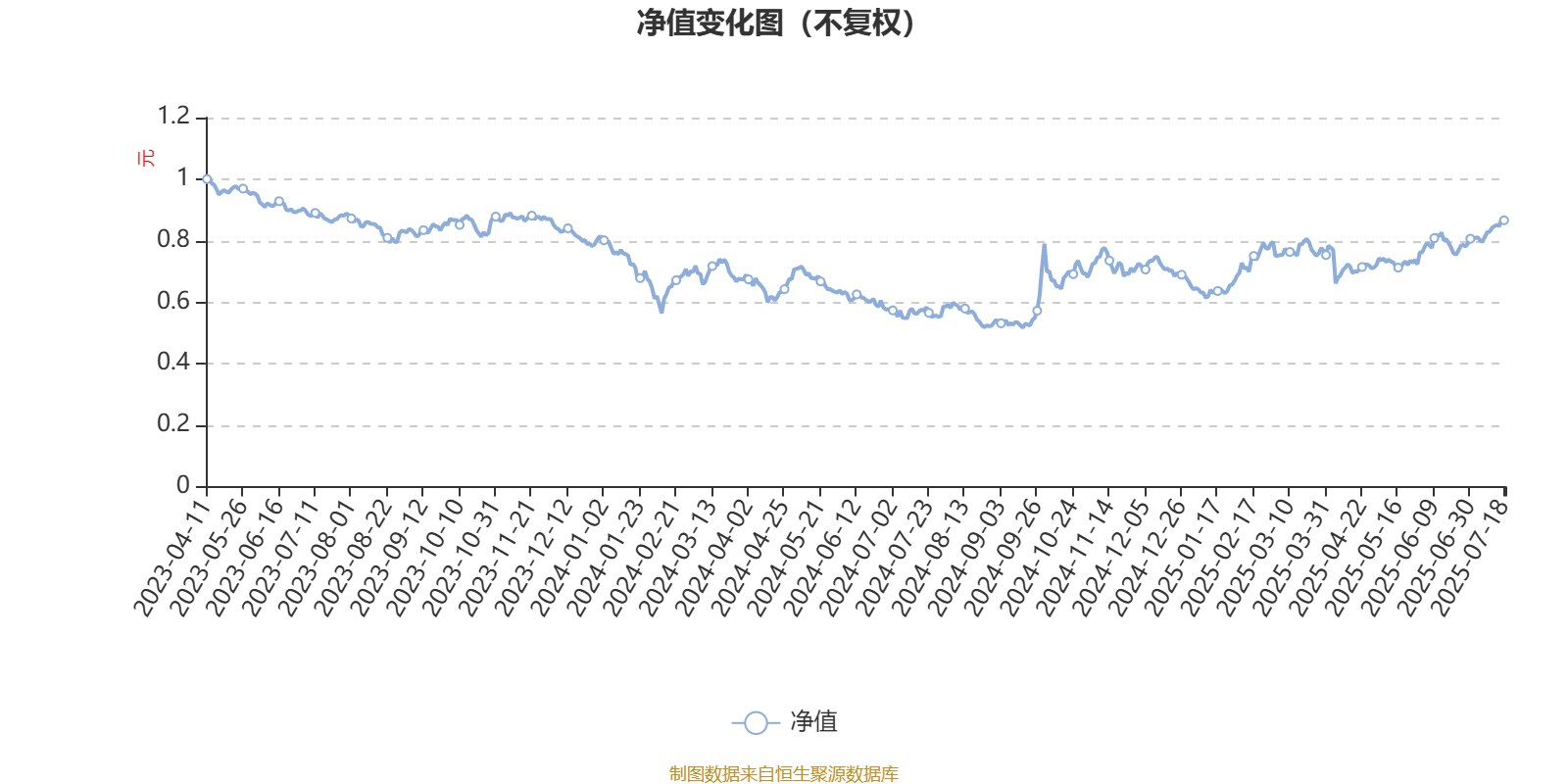
东财远见成长混合发起式A:2025年第二季度利润65.29万元 净值增长率7.02%
Sou Hu Cai Jing· 2025-07-19 10:36
Group 1 - The core viewpoint of the article highlights the performance and investment strategy of the AI Fund Dongcai Vision Growth Mixed Initiation A (018088), which reported a profit of 652,900 yuan in Q2 2025, with a net value growth rate of 7.02% [2][3] - The fund focuses on long-term investments in pharmaceutical and medical stocks, with a unit net value of 0.866 yuan as of July 18 [2][3] - The fund manager, Sun Chenyang, oversees two funds that have both achieved positive returns over the past year, with the Dongcai Excellence Growth Mixed Initiation A showing the highest growth rate of 51.42% [2][3] Group 2 - The fund's management indicated a strategic shift towards the innovative drug industry chain, emphasizing the potential of AI in drug development, disease diagnosis, and surgical treatment [3] - AI's role in enhancing the accuracy and efficiency of medical diagnoses and treatments is noted, with expectations for increased investment in AI pharmaceuticals and medical applications [3] - The fund's recent performance metrics show a three-month net value growth rate of 23.86%, a six-month growth rate of 36.14%, and a one-year growth rate of 50.53%, positioning it favorably among comparable funds [3] Group 3 - As of June 27, the fund's Sharpe ratio since inception is 0.0874, indicating its risk-adjusted return [7] - The maximum drawdown since inception is reported at 48.55%, with the largest quarterly drawdown occurring in Q1 2024 at 30.58% [11] - The fund has maintained an average stock position of 92.39% since inception, with a peak of 94.38% in H1 2024 [14] Group 4 - As of Q2 2025, the fund's total assets amount to 9.6956 million yuan [16] - The top ten holdings of the fund include companies such as MicroPort Medical, Hongbo Pharmaceutical, and Tigermed, reflecting its focus on the healthcare sector [19]
深度:创新药的前世今生,热点题材全揭密
Sou Hu Cai Jing· 2025-07-17 03:59
Core Viewpoint - The rise of innovative drug themes is driven by a combination of policy, technology, and capital, marking a significant transition in China's pharmaceutical industry from generics to innovation [1] Historical Context of Innovative Drugs - Before 2015, China's pharmaceutical industry was dominated by generics, with long drug approval cycles (averaging 3-5 years) and low R&D investment (less than 5% of revenue) [2] - Key players like Hengrui Medicine and BeiGene began to focus on innovative drug development, with Hengrui launching the first domestic PD-1 inhibitor in 2014 [3] Current Landscape and Policy Support - By 2025, the National Medical Products Administration (NMPA) aims to significantly reduce clinical trial review times from 60 days to 30 days, with pilot projects averaging only 23.8 working days [5] - In the first half of 2025, 43 innovative drugs were approved, with over 90% being domestic products, particularly in oncology [5] - New policies in Beijing allow for direct hospital admission of innovative drugs without the need for a drug committee meeting, enhancing access [5] Technological Advancements and Internationalization - Chinese pharmaceutical companies are increasingly competitive globally, with significant advancements in areas like ADC and bispecific antibodies [5] - In the first half of 2025, over 70 overseas licensing transactions were recorded, with total transaction amounts reaching $48 billion, including a record $1.25 billion upfront payment for a PD-1/VEGF bispecific collaboration [6] Market Dynamics and Investment Trends - The innovative drug sector is expected to enter a three-year upward cycle driven by frequent major business development (BD) transactions and improving profitability for leading companies [7] - The innovative drug index in Hong Kong has seen a year-to-date increase of over 34%, reflecting strong market recognition of long-term value [9] Key Players and Financial Performance - Hengrui Medicine, with a market cap of approximately 379.78 billion yuan, leads in R&D investment and has a robust pipeline, including a PD-1 inhibitor with cumulative sales exceeding 20 billion yuan [10] - BeiGene, with a market cap of around 369.47 billion yuan, has achieved significant international sales, with its drug Zanubrutinib generating over 8 billion yuan in global sales in the first half of 2024 [11] Emerging Trends and Future Outlook - The integration of AI in drug development is expected to enhance efficiency, with projections indicating the AI pharmaceutical market could exceed $3 billion by 2030 [16] - The innovative drug market in China is anticipated to reach approximately 2.3 trillion yuan by 2030, with a compound annual growth rate of 24.1% [16]



港股医疗ETF: 永赢中证港股通医疗主题交易型开放式指数证券投资基金2025年第2季度报告
Zheng Quan Zhi Xing· 2025-07-16 13:20
Core Viewpoint - The report outlines the performance and investment strategy of the Yongying CSI Hong Kong Stock Connect Medical Theme ETF for the second quarter of 2025, highlighting a significant net asset value growth and a positive market outlook for the healthcare sector in Hong Kong [1][5]. Fund Product Overview - The fund is an exchange-traded fund (ETF) focused on the Hong Kong medical sector, with a total fund share of 47,333,072 as of the end of the reporting period [3]. - The fund aims to closely track the performance of the underlying index, targeting an annual tracking error of less than 4% and a daily tracking deviation of less than 0.35% [3]. - Investment strategies include stock investment, bond investment, asset-backed securities, derivatives, and financing strategies [3]. Financial Indicators and Fund Performance - As of the end of the reporting period, the fund's net asset value per share was 1.2596 RMB, with a net asset value growth rate of 25.96%, compared to a benchmark return of 7.70% [6]. - The underlying index, the CSI Hong Kong Stock Connect Medical Theme Index, increased by 10.69% during the quarter, continuing its strong performance from the previous quarter [5]. Investment Portfolio Report - The fund's total assets were primarily allocated to stocks, accounting for 86.76% of the total assets, with no holdings in bonds or asset-backed securities [8]. - The healthcare sector represented 77.64% of the fund's net asset value, indicating a strong focus on this industry [10]. Management Report - The fund manager has adhered to a disciplined investment research and decision-making process, ensuring compliance with relevant regulations and maintaining fair treatment of all investment portfolios [4]. - The fund management team, led by a manager with 8 years of experience, has implemented strict investment authorization and management systems to mitigate risks [4][5]. Other Important Information - The fund experienced a significant change in shareholding, with a total of 316,000,000 shares issued since the fund's inception, and a total of 151,000,000 shares redeemed during the reporting period [12]. - There is a noted risk of liquidity and redemption due to a single investor holding over 20% of the fund's total shares [12].
晶泰控股20250428
2025-07-16 06:13
Company and Industry Summary Company Overview - The company operates in the biotechnology sector, focusing on drug discovery and development, particularly in antibody and small molecule optimization. It emphasizes a light asset model and has a healthy balance sheet capable of sustaining operations for over 10 years [1][6]. Key Points and Arguments - **Revenue Milestones**: The company has achieved the revenue threshold set by the Hong Kong Stock Exchange for commercialization, indicating strong growth potential and strategic planning for future revenue increases [1]. - **Growth Catalysts**: The company identifies multiple growth drivers, particularly in the life sciences sector, with increasing demand in Europe and the US. It aims to leverage these trends for future growth [1]. - **Collaborations**: Successful partnerships with major pharmaceutical companies like Johnson & Johnson and UCB have been established, enhancing the company's credibility and market position. The company has also engaged in competitive evaluations with DeepMind's AlphaFold [2][3]. - **Antibody Development**: The company has surpassed its goals in antibody fermentation capabilities and anticipates securing larger contracts in the second half of the year, building on its previous successes [3]. - **Contractual Agreements**: The company has ongoing collaborations that could yield significant milestone payments, with expectations of reaching key performance indicators (KPIs) that would trigger additional revenue [3][4]. - **Technological Innovations**: The company is integrating AI, quantum physics, and robotics to enhance its drug discovery processes, positioning itself as a leader in the field. This multi-faceted approach is seen as essential for maximizing efficiency and innovation [8][10]. - **Market Trends**: The company acknowledges a shift towards AI and robotics in the industry, with regulatory bodies encouraging the use of AI in drug testing, indicating a broader trend towards automation and data-driven methodologies [10][11]. Additional Important Content - **Unique Business Model**: The company differentiates itself from competitors by combining dry lab and wet lab capabilities, which allows for a more comprehensive approach to drug development compared to peers who may focus solely on one aspect [6][7]. - **Future Outlook**: The company is optimistic about future opportunities across various sectors, including agriculture and electronics, and plans to continue expanding its partnerships with major tech firms [5][11]. - **Investor Engagement**: The management expresses a commitment to maintaining open communication with investors and encourages visits to their facilities to foster transparency and collaboration [12]. This summary encapsulates the key insights from the conference call, highlighting the company's strategic direction, market positioning, and innovative approaches within the biotechnology industry.
中国创新药迎DeepSeek时刻,中外产业协同大势所趋
Di Yi Cai Jing· 2025-07-10 12:48
Group 1 - China is accelerating its transformation into a global hub for pharmaceutical innovation, with significant advancements in the biopharmaceutical industry over the past decade [1][2][3] - The number of innovation drug patents in China has surpassed that of Europe and the US, with Chinese companies accounting for 30% of clinical candidates and 21.9% of global patent applications [3][6] - The influx of over 500 billion yuan in venture capital since 2015 has significantly boosted the biopharmaceutical sector, attracting high-quality talent and fostering the growth of contract research organizations (CROs) [3][4] Group 2 - Major pharmaceutical companies in Asia, including nine out of the top 25 with the most pipelines, indicate the rising innovation capabilities of Chinese firms [2][6] - The Chinese biopharmaceutical industry has evolved from "Me too" and "Me better" innovation models to a more competitive landscape, leading to resource wastage but also providing affordable and effective drugs for domestic patients [4][6] - The establishment of a comprehensive ecosystem for drug development and commercialization has been supported by policy reforms, including expedited drug review processes [3][5] Group 3 - The collaboration between Chinese and multinational pharmaceutical companies is essential for enhancing global competitiveness, with significant opportunities for joint clinical trials [6][7] - Shanghai Zhangjiang, known as "China's Drug Valley," has become a central hub for innovation, attracting major investments from global pharmaceutical giants [6][7] - The next 5-10 years are expected to see China emerge as a core hub for global innovation collaboration, particularly as many blockbuster drug patents expire [7]

近百亿美元流向AI制药 新药研发按下加速键
Zheng Quan Shi Bao· 2025-07-09 18:31
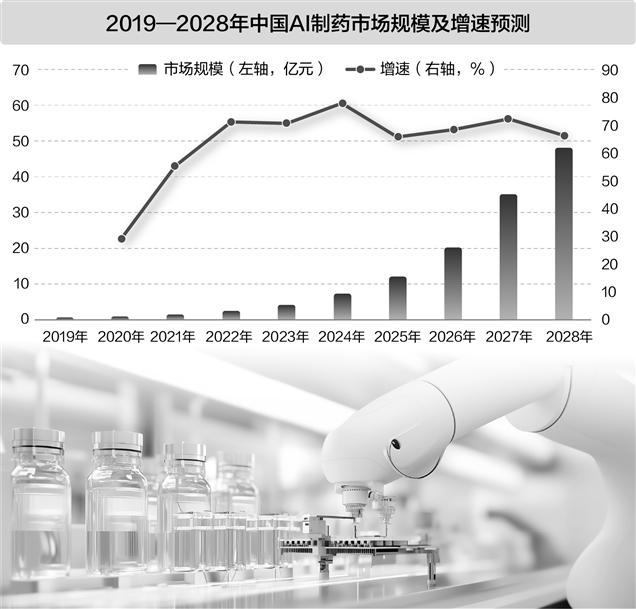
Core Insights - The core advantage of AI in pharmaceuticals is speed, significantly accelerating the discovery-validation-optimization cycle [3] - AI pharmaceutical collaborations and investments have surged, indicating a milestone in innovative drug development [3][4] - Despite advancements, AI pharmaceuticals face commercialization challenges that require time to resolve [3] Group 1: Industry Collaborations and Investments - Recent large-scale collaborations in the AI pharmaceutical sector include an $8.12 billion deal between Novo Nordisk and Deep Apple Therapeutics, a $6.5 billion agreement between Eli Lilly and Juvena Therapeutics, and a partnership worth up to $5.45 billion between Formation Bio and Sanofi [4] - Domestic collaborations are also accelerating, exemplified by HanYue Pharmaceutical's agreement with Carbon Cloud Peptide to develop innovative peptide drugs using AI technology [5] - The influx of nearly $10 billion into the AI pharmaceutical industry within a month highlights the sector's growing importance [4] Group 2: Market Growth and Development - The AI pharmaceutical market in China is rapidly expanding, with a projected growth from 0.07 billion yuan in 2019 to 0.73 billion yuan in 2024, reflecting a compound annual growth rate (CAGR) of 47.8% [9] - The market is expected to grow from 1.21 billion yuan in 2025 to 5.86 billion yuan by 2028, with a CAGR of 68.3% [9] - Companies like Zhenhua Tianqing and Haoyuan Pharmaceutical are leveraging AI to enhance drug development processes, demonstrating significant advancements in the industry [9][10] Group 3: Technological Advancements - AI technology is increasingly integrated into the entire drug manufacturing chain, improving efficiency and reducing costs [10] - For instance, Shiyao Group's AI platform has reduced early drug discovery time by over 30% and cut development costs by nearly half [10] - AI's role in clinical trials is also evolving, with companies like Kanglong Chemical utilizing AI to optimize patient recruitment and data monitoring, significantly enhancing trial efficiency [10] Group 4: Commercialization Challenges - Despite rapid growth, AI pharmaceutical companies like InSilico Medicine and JingTai Technology continue to face profitability challenges, with significant net losses reported [11] - AI drugs have not yet reached the market, and their commercial value remains uncertain, as many are still in clinical trial phases [11] - The industry is grappling with data quality issues, which hinder AI model training and effectiveness, particularly in rare diseases and new target research [12]
创新药产业再迎利好 多家企业加速抢滩资本市场
Huan Qiu Wang· 2025-07-08 02:21
Group 1: Industry Overview - The Chinese innovative drug industry is accelerating towards high-quality development driven by policy incentives and capital influx [1][3] - The National Medical Products Administration has introduced a "30-day fast approval channel" for innovative drug clinical trials, enhancing the efficiency of drug development [1] - The CSI Innovative Drug Industry Index has shown a cumulative return of approximately 5% over the past year, while the Hang Seng Hong Kong Stock Connect Innovative Drug Index has achieved a remarkable 34% return [3] Group 2: Company Highlights - Dongyang Sunshine Pharmaceutical Co., Ltd. (06877.HK) is set to list 112.7 million H-shares on the Hong Kong Stock Exchange, with trading expected to commence on August 7 [3][4] - The company has a strong focus on innovation, with R&D investment projected to exceed 20% of revenue in 2024 [4] - Dongyang Sunshine has led the domestic pharmaceutical industry in the number of patents published and authorized from 2014 to 2023, marking a shift from following to leading in technology [4] Group 3: Technological Advancements - Dongyang Sunshine is leveraging AI technology to enhance R&D efficiency, including AI-assisted patent literature summarization and the use of GAT algorithms to improve clinical trial success rates [4] - The first candidate drug developed through the AI-driven platform, HEC169584, has entered clinical trials, with plans for further AI applications in drug design [4] Group 4: Market Sentiment - The competitive landscape for domestic innovative drugs is improving, with expectations for a significant revaluation of the sector [4] - Upcoming negotiations for the 2025 medical insurance directory are anticipated to catalyze positive policy developments for the industry [4]

签下14个重大项目,2025北京·昌平生命科学论坛开幕
Xin Jing Bao· 2025-07-07 03:40
Group 1 - The core viewpoint of the articles highlights the rapid growth and innovation in Beijing's pharmaceutical and healthcare industry, with the city becoming the first in China to surpass a trillion yuan in industry scale [2][3]. - During the 14th Five-Year Plan period, Beijing has launched 12 innovative drugs and approved 54 national innovative medical devices, accounting for nearly one-fourth of the national total [1][3]. - In the first half of 2025, the National Medical Products Administration approved 43 innovative drugs, with 40 developed by Chinese companies, showcasing the strength of local innovation [2][3]. Group 2 - Changping District has signed agreements for 14 major projects, focusing on providing comprehensive services for enterprise development in the pharmaceutical sector [4][5]. - The district has established 57 industrial service platforms, facilitating seamless transitions from incubation to research and development, and clinical trials [4]. - The pharmaceutical health industry in Changping has seen an average annual revenue growth of 9.3% over the past three years, forming a billion-yuan industry cluster [4][5].