单边主义

Search documents
墨西哥计划提高对华关税 中方:坚决反对在他人胁迫下对华设限
Zhong Guo Xin Wen Wang· 2025-08-28 08:51
编辑:万可义 墨西哥计划提高对华关税 中方:坚决反对在他人胁迫下对华设限 中新网北京8月28日电(记者 李京泽)中国外交部发言人郭嘉昆28日主持例行记者会。有记者就墨西哥政 府计划提高对华关税一事提问。 郭嘉昆:墨西哥是中国在拉美的第二大贸易伙伴,中国是墨西哥第三大出口目的地国,互利共赢是中墨 经贸合作的本质特征。中方始终倡导普惠包容的经济全球化,反对各种形式的单边主义、保护主义以及 歧视性、排他性措施。 中方坚决反对在他人胁迫下以各种名目对华设限,损害中方正当权益。相信有关国家将坚持独立自主, 妥善处理相关问题。(完) 来源:中国新闻网 广告等商务合作,请点击这里 本文为转载内容,授权事宜请联系原著作权人 中新经纬版权所有,未经书面授权,任何单位及个人不得转载、摘编或以其它方式使用。 关注中新经纬微信公众号(微信搜索"中新经纬"或"jwview"),看更多精彩财经资讯。 ...
墨西哥可能提高对华关税,外交部回应:中方坚决反对在他人胁迫下、以各种名目对华设限,损害中方正当权益
Ge Long Hui· 2025-08-28 08:05
Group 1 - The core viewpoint of the article emphasizes the importance of mutual benefit in China-Mexico economic cooperation, highlighting Mexico as China's second-largest trading partner in Latin America and China as Mexico's third-largest export destination [1] - The Chinese government advocates for inclusive economic globalization and opposes unilateralism, protectionism, and discriminatory measures [1] - The Chinese side firmly opposes any restrictions imposed on it under coercion, asserting that it will protect its legitimate rights and interests [1]
外交部喊话墨西哥:坚决反对在他人胁迫下,以各种名目对华设限
Xin Lang Cai Jing· 2025-08-28 07:45
Core Viewpoint - The Mexican government plans to increase tariffs on certain Chinese products in its 2026 budget proposal to protect domestic industries from cheap imports, which has drawn a response from the Chinese Foreign Ministry emphasizing mutual benefits in China-Mexico trade relations [1] Group 1: Trade Relations - Mexico is China's second-largest trading partner in Latin America, while China is Mexico's third-largest export destination [1] - The essence of China-Mexico economic cooperation is characterized by mutual benefit and win-win outcomes [1] Group 2: Economic Principles - The Chinese side advocates for inclusive and equitable economic globalization, opposing unilateralism, protectionism, and discriminatory measures [1] - The Chinese Foreign Ministry firmly opposes restrictions imposed under coercion that harm China's legitimate rights and interests [1] Group 3: Diplomatic Stance - The Chinese government expresses confidence that relevant countries will handle related issues independently and appropriately [1]
博鳌亚洲论坛秘书长:亚太区域合作共识广泛前景看好
Zhong Guo Xin Wen Wang· 2025-08-27 22:24
中新社吉隆坡8月28日电(记者陈悦)博鳌亚洲论坛秘书长张军27日在吉隆坡受访时表示,在当地举行的 博鳌亚洲论坛吉隆坡亚太区域合作圆桌会议上,各方参会人士对亚洲未来充满信心,认为中国的发展将 为亚洲和世界的发展创造更大机遇。 博鳌亚洲论坛吉隆坡亚太区域合作圆桌会议于26日至27日举行,马来西亚总理安瓦尔、全国政协副主席 何厚铧、博鳌亚洲论坛理事长潘基文以及来自多个国家的政府官员、国际组织负责人、专家学者和业界 代表200余人与会。 其四,在推进区域一体化和区域合作的进程中,要进一步加强互联互通。中国的"一带一路"倡议和三大 全球倡议在促进互联互通上将发挥更加重要作用。 张军说,更好推动区域经济转型也是本次会议重要主题。与会人士认为,在中国和东盟国家共同努力 下,亚洲在经济转型方面已走在世界前列,这使"我们对应对全球挑战更加充满信心"。(完) (文章来源:中国新闻网) 他说,本次圆桌会议达成广泛共识:其一,尽管单边主义、保护主义带来了严重冲击,但是区域国家要 坚持开放发展、包容发展、多边主义等正确方向。 其二,与会各界人士对区域合作充满信心,并深入探讨加强本地区现有的区域协调合作机制,进一步形 成合力。 其三,与 ...
连续降息三次,美联储定了?7国停止邮寄包裹,中方将反击,特朗普突然痛下黑手
Sou Hu Cai Jing· 2025-08-27 03:11
Group 1 - The Federal Reserve is expected to lower interest rates in September, with a high probability of three rate cuts throughout the year, driven by unexpected declines in U.S. employment data and economic uncertainty [1][3] - The U.S. stock market reacted positively to the Fed's signals, with the Nasdaq reaching new highs, as Wall Street investment banks began to promote a new bull market for U.S. stocks [3] - Seven countries have announced a suspension of package services to the U.S., which is a significant response to U.S. unilateralism and could impact the U.S. logistics and e-commerce sectors [1][5] Group 2 - The suspension of package services is a direct consequence of the U.S. changing its low-value tax exemption policy, which previously allowed for a significant volume of imports without tariffs [5] - The U.S. Treasury has imposed sanctions on two Chinese companies for allegedly facilitating oil transport for Iran, which has drawn strong opposition from China, emphasizing the illegitimacy of unilateral sanctions [5][7] - The U.S. strategy of using financial dominance and sanctions to control global trade is facing resistance, as Chinese companies are adapting and strengthening their risk management capabilities in response to U.S. pressures [7]

美联储还没降息,7国停止邮寄包裹,中方将迎战,特朗普痛下黑手
Sou Hu Cai Jing· 2025-08-26 08:22
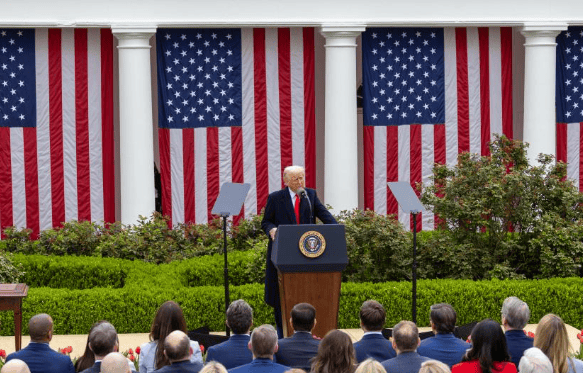
Group 1 - The Federal Reserve's signal of interest rate cuts in August 2025 is a strategic move by the Trump administration to alleviate the pressure of $37 trillion in debt interest and counter inflation risks from the tariff war [1] - The influx of international capital into China is expected to accelerate, particularly in infrastructure and technology sectors, due to the excess liquidity of the US dollar [3] - The recent suspension of US delivery services by New Zealand, India, and five EU countries is a collective response to the US's "America First" policy, indicating rising global tensions [3] Group 2 - The US has imposed sanctions on two Chinese companies under the pretext of assisting Iranian oil transport, which is a tactic to test China's limits in energy security [5] - The abrupt policy change regarding small parcel shipping has disrupted the cross-border e-commerce sector, with platforms like Amazon and eBay warning of potential shortages during the holiday shopping season [6] - The share of the US dollar in global reserve currencies has dropped to 58%, the lowest in 20 years, reflecting the diminishing influence of unilateralism and the potential for a shift in global financial systems [8]
非洲人士表示:中国对非洲大陆发展事业的支持非常重要
人民网-国际频道 原创稿· 2025-08-26 03:02
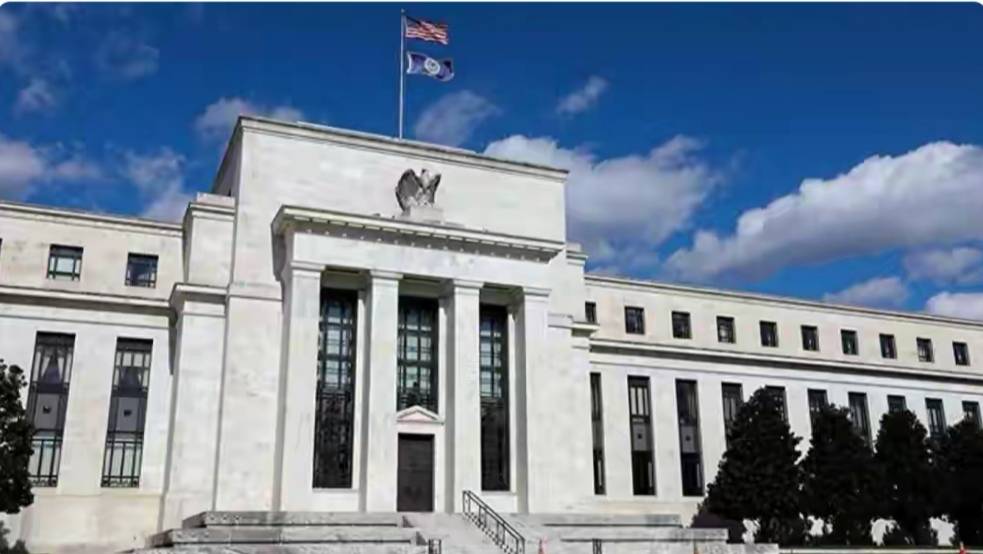
Group 1 - The seminar focused on strengthening global trade cooperation amid rising protectionism, discussing topics such as the global trade system, African continental integration, and China-Africa cooperation prospects [1][2][4] - Wamkele Mene, Secretary-General of the African Continental Free Trade Area, highlighted that unilateralism and protectionism present challenges but also opportunities for African integration, emphasizing the need for increased development financing and infrastructure improvements [2] - Xolelwa Mlumbi-Peter from South Africa's Department of Trade and Industry noted that high tariff policies increase global trade uncertainty, urging Southern countries to coordinate trade policies for mutual benefit [2][4] Group 2 - Elizabeth Sidiropoulos, CEO of the South African Institute of International Affairs, stated that rising unilateralism and protectionism threaten global economic stability and multilateralism, stressing the importance of solidarity among Southern countries [4] - The seminar underscored China's role in assisting African nations with infrastructure development, digital transformation, and green development, which are crucial for the revitalization of the African continent [4]
美对印度加征关税,我国大使力挺印度,莫迪敢对美国强硬吗?
Sou Hu Cai Jing· 2025-08-24 19:58
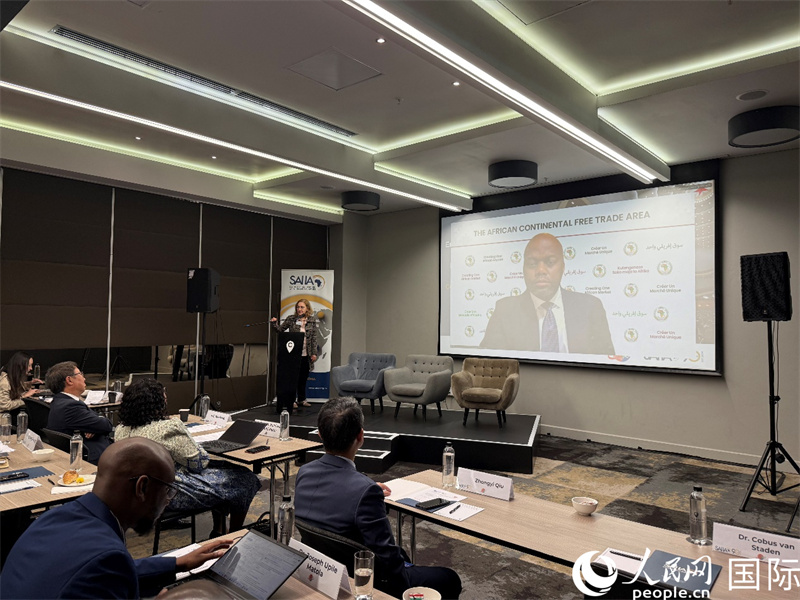
Group 1 - Recent high-level interactions between China and India indicate a warming relationship, with Indian Foreign Minister Jaishankar visiting China for the first time in six years, followed by a return visit from Chinese Foreign Minister Wang Yi to meet Prime Minister Modi [1][2] - Modi's upcoming visit to China for the Shanghai Cooperation Organization summit marks his first visit to China in seven years, drawing significant international attention [1] - The backdrop of this visit is the increasing tension in US-India relations due to high tariffs imposed by the US on Indian goods, including a 50% tariff on certain products and additional taxes on Indian purchases of Russian oil, leading to strong discontent in India [1][2] Group 2 - Chinese Ambassador to India, Xu Feihong, criticized the US as a "bully" for using tariffs as negotiation tools, expressing China's support for India, which may set the tone for the upcoming summit [2][5] - Despite China's supportive stance, India may remain cautious in its strategy towards the US due to limited leverage, as the scale of US imports from India is relatively small and many products have alternative sources [6] - India lacks strategic countermeasures like rare earths, where China holds a dominant position, making it difficult for India to impose significant constraints on the US [6] Group 3 - India and the US have deep strategic cooperation, as evidenced by the Quad security dialogue involving India, the US, Japan, and Australia, indicating India's important role in the Indo-Pacific strategy [6] - The development of China-India relations will follow their inherent logic, with both countries having broad common interests in economic development, regional stability, and global governance reform [7] - The Shanghai Cooperation Organization summit in Tianjin provides a platform for further cooperation, particularly in areas like counter-terrorism, energy security, and infrastructure connectivity [6][7] Group 4 - Challenges remain in improving China-India relations, including unresolved border disputes and ongoing geopolitical competition [7] - The ability of India to navigate pressures from the US while seeking balance with China will depend on comprehensive considerations of its national interests [7] - Strengthening cooperation between China and India aligns with the fundamental interests of both nations and contributes to the overall rights of developing countries, promoting a more equitable international order [7]
特朗普想抢巴西订单,不到48小时,卢拉打来电话,中方送上定心丸
Sou Hu Cai Jing· 2025-08-23 12:15
Core Viewpoint - The article discusses the recent developments in U.S.-China trade relations, particularly focusing on President Trump's request for China to increase soybean imports from the U.S. by four times, amidst ongoing tariff negotiations and trade tensions [1][3]. Group 1: U.S.-China Soybean Trade Dynamics - Trump requested China to increase soybean imports from the U.S. to address a supply gap and reduce the trade deficit, framing it as a win-win situation [1][3]. - In 2016, China imported 40% of its soybeans from the U.S., but this figure dropped to 21% by 2024 due to deteriorating U.S.-China relations and retaliatory tariffs [3][5]. - The U.S. imposed a 10% tariff on Chinese goods citing the "fentanyl" issue, leading China to retaliate with tariffs on U.S. agricultural products, further diminishing soybean trade [3][5]. Group 2: China's Import Preferences - If China were to increase U.S. soybean imports as Trump suggested, over 80% of its soybean imports would come from the U.S., contradicting its risk diversification strategy [5]. - The cost of Brazilian soybeans is approximately 15% lower than U.S. soybeans post-tariff, making Brazil a more attractive supplier for China [5]. - Brazil's President Lula reached out to China to reinforce cooperation and express concerns over the potential impact of U.S. soybean imports on Brazil's market position [5][7]. Group 3: China-Brazil Relations - China expressed support for Brazil in its trade disputes with the U.S., emphasizing the need for countries to unite against unilateralism and protectionism [7]. - The collaboration between China and Brazil is positioned as a counterbalance to U.S. trade policies, with both countries advocating for mutual interests in the agricultural sector [7].
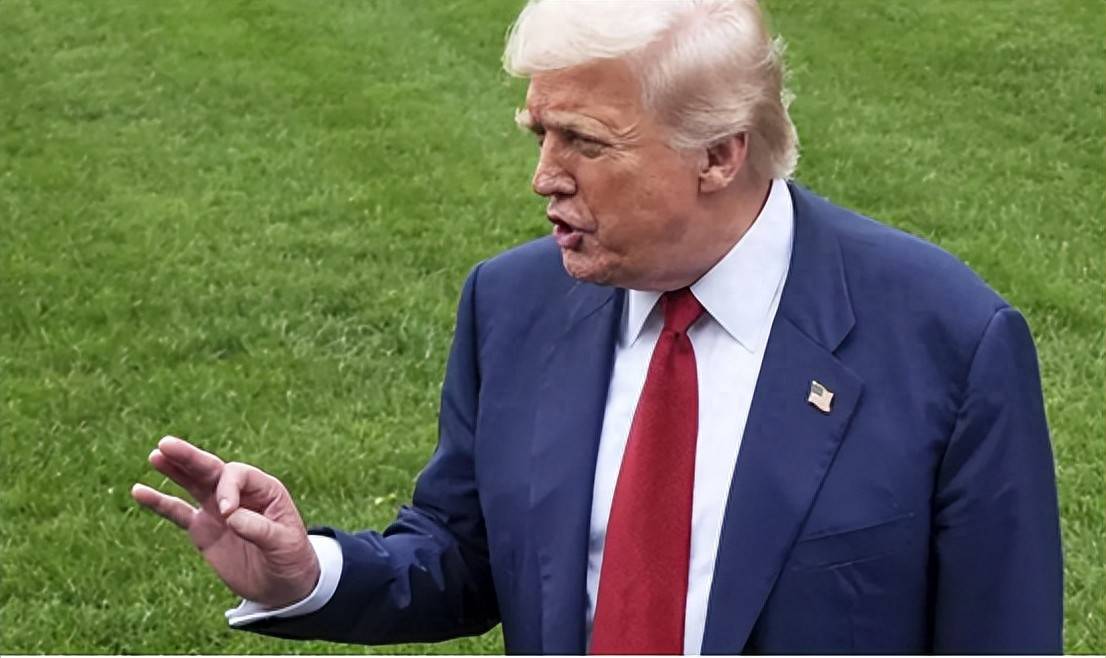
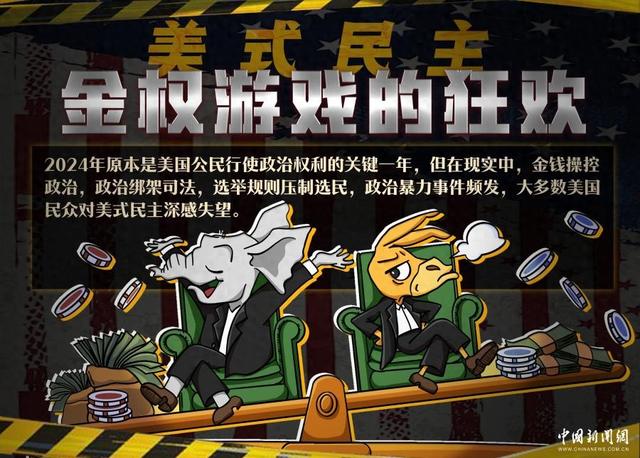
“人权判官”的双标戏码|新漫评
Xin Lang Cai Jing· 2025-08-22 03:16
Group 1 - The report by the Chinese State Council highlights the systemic human rights violations in the United States, including the widening wealth gap exacerbated by high inflation, leading to catastrophic impacts on low- and middle-income families [1][3] - The report emphasizes the increasing number of homeless individuals, which has reached a new high, alongside the rising threats of gun violence and police brutality [3][4] - It points out the significant expansion of workplace gender discrimination and the alarming rise in domestic violence, with women's health rights being compromised amid political struggles [4] Group 2 - The humanitarian crisis at the U.S. border is worsening, with immigrants facing torture and inhumane treatment, and many immigrant children being exploited and enslaved [5] - The report criticizes the U.S. for its long-standing practice of hegemony and unilateralism, which involves gross violations of international law and human rights, posing serious threats to global peace and security [6]