即时零售

Search documents
杭州3处商业区入选国家级创新案例
Mei Ri Shang Bao· 2025-12-18 07:29
Core Insights - The Ministry of Commerce has officially announced the typical cases of innovation and improvement in the national retail industry for 2025, with three commercial areas in Hangzhou being recognized as benchmarks for the integration of culture, commerce, and tourism [1] Group 1: Commercial Areas Overview - Gonglian CC has transformed from a traditional department store into a cultural and commercial complex favored by young people, featuring a 20% share of the two-dimensional industry, including the first store of the well-known IP operator ANIPLEX in Hangzhou [1] - The annual foot traffic at Gonglian CC has doubled from 4 million to 8 million, with projected sales exceeding 1 billion yuan in 2024, representing a 42% increase from 2023 [1] - The nighttime economy at Gonglian CC has spurred a 25% increase in related job positions in the upper urban area, making it a popular destination for night tourism [1] Group 2: Cultural Integration - Qinghefang Historical Street serves as a high ground for the collision of Song culture and national trend creativity, featuring 56 intangible cultural heritage brands and over 50 boutique shops [2] - The street has seen a 13.87% increase in foot traffic and an 18.8% increase in revenue for 2024, with new media exposure exceeding 100 million, establishing itself as a "traffic password" for cultural tourism integration [2] Group 3: Community Services - Nanxingli focuses on "convenience + quality," providing a warm model for the renovation of old neighborhoods, retaining familiar old brands while introducing quality merchants and upgraded markets [3] - The daily foot traffic at Nanxingli has increased by 70%, with expected revenue reaching 15 million yuan by 2025, enhancing residents' sense of belonging and becoming a replicable community service hub [3] - The introduction of the "Nanxing Smart Neighbor" AI digital system offers intelligent convenience services to residents, making shopping more convenient [3] Group 4: Future Development Plans - The success of these three commercial areas reflects the innovation and development of Hangzhou's retail industry, with plans to focus on core commercial areas, characteristic streets, and convenient living circles [3] - The city aims to promote tailored renovations for commercial facilities, encourage multifunctional retail outlets, and develop new models such as instant retail and national trend economy [3] - More idle commercial spaces are expected to transform into new consumption scenes, providing richer shopping experiences for citizens and tourists [3]
传统经销商到了最危急的时刻
首席商业评论· 2025-12-18 05:12
Core Viewpoint - The traditional distribution model in China's consumer goods sector is facing a critical crisis due to rapid changes in retail channels, leading to significant declines in sales for many distributors [5][12]. Group 1: Three Major Impacts on Distributors - The first impact is the structural replacement of traditional stores by snack discount stores, which have rapidly increased their market share, leading to a significant drop in sales for traditional retailers [7][9]. - The second impact is the rise of instant retail, which has siphoned off a large volume of orders from distributors through online platforms and fast delivery services, undermining traditional distribution systems [9][10]. - The third impact involves the disruption of pricing structures by new retail formats, causing traditional retail channels to struggle, with some experiencing sales declines of up to 70% [10][12]. Group 2: Survival Paths for Distributors - Path 1 involves optimizing existing business operations through aggressive cost-cutting and restructuring, including external partnerships and inventory management [12][14]. - Path 2 focuses on transitioning from a distributor to a brand operator, leveraging professional capabilities to achieve higher profit margins and deeper integration with upstream suppliers [14][15]. - Path 3 emphasizes a shift towards a zero-sum integration of supply and retail capabilities, allowing distributors to enhance their bargaining power and operational efficiency [15][16]. Group 3: Lessons from Failures - Many distributors have faced failures due to reactive transformations driven by market pressures rather than proactive strategic planning [16]. - A lack of thorough market research and understanding of successful models has led to misguided attempts at transformation [16]. - The importance of taking time to observe and learn from both domestic and international cases before implementing changes is highlighted as crucial for survival [16].


京东折扣超市北京首秀 硬折扣赛道迎变
Bei Jing Shang Bao· 2025-12-17 15:42
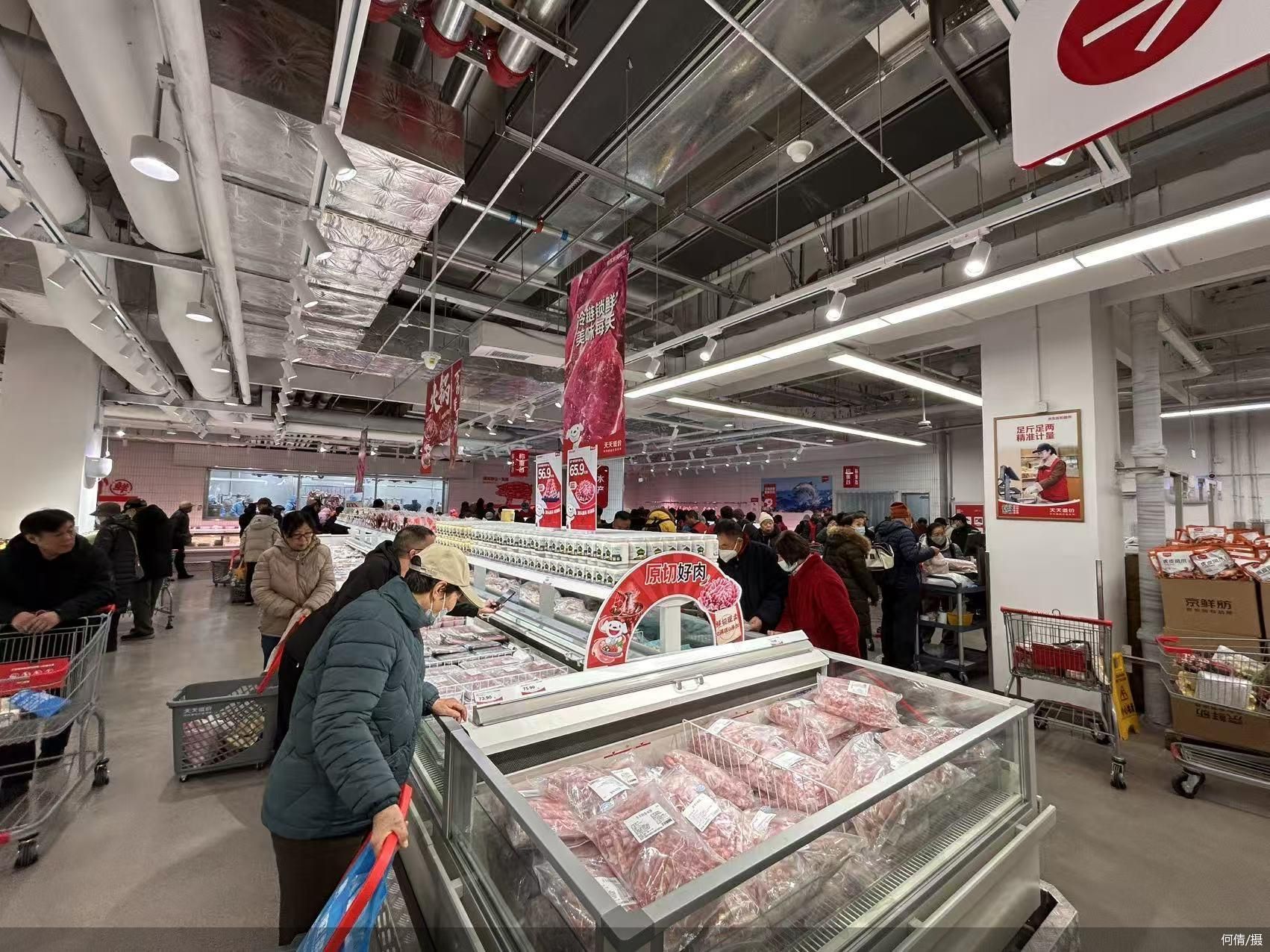
Core Viewpoint - The e-commerce industry is shifting from scale expansion to efficiency and sustainability as major players like JD.com, Meituan, and Alibaba compete in the "minute-level fulfillment" space, focusing on hard discounts and local life increments [1] Group 1: Competitive Landscape - JD.com opened its first discount supermarket in Beijing's Mentougou district, featuring over 5,000 SKUs and local specialties to attract consumers [3][6] - Meituan's Happy Monkey supermarket, located just 5 minutes away from JD's new store, is facing pressure as both companies compete for foot traffic in overlapping product categories [3][4] - Despite having smaller store sizes, Meituan is rapidly expanding its discount format, with plans for a third store opening soon [4][5] Group 2: Supply Chain and Logistics - JD.com emphasizes the importance of logistics infrastructure in its store locations, allowing for quick replenishment and fresh product availability [6][10] - The discount supermarkets are designed to cater to family consumers who prioritize price and quality, with a focus on essential goods [7][8] - Both JD.com and Meituan are adopting strategies that include self-owned brands and hard discount pricing to meet consumer demand for quality-price ratios [8][9] Group 3: Industry Trends - The discount format has become a hot trend among internet giants, with companies like JD.com and Meituan entering the market to capture offline growth opportunities [8][9] - There is a renewed interest in physical retail among internet companies, reminiscent of the "new retail" era, as they seek to optimize operational efficiency and resource collaboration [9] - The supply chain systems for e-commerce discount formats are expected to upgrade significantly in the coming year, with increased investment in self-owned brand development [9]


京东折扣超市北京首店开业,硬折扣赛道迎来变数
Bei Jing Shang Bao· 2025-12-17 15:28
Core Insights - The e-commerce industry is shifting from scale expansion to efficiency and sustainability as major players like JD, Meituan, and Alibaba compete in the "minute-level fulfillment" space [1] - The competition is intensifying as JD and Meituan launch discount supermarkets in Beijing, focusing on logistics efficiency and low pricing strategies to attract family and commuting customers [1][3] Group 1: Market Dynamics - JD opened its first discount supermarket in Beijing's Mentougou district, featuring over 5,000 SKUs and local specialties to cater to local consumers [3][5] - Meituan's Happy Monkey supermarket, which opened shortly before JD's, is facing declining foot traffic and is also competing in similar product categories [4][6] - Both companies are targeting the suburban market around Beijing, indicating a strong interest in expanding their presence in this area [5] Group 2: Supply Chain and Product Strategy - JD's discount supermarket emphasizes a large store size and comprehensive SKU coverage to attract family shoppers, while maintaining low prices on essential goods [6][9] - Meituan's strategy mirrors JD's, focusing on stable pricing for essential items and offering private label products to meet consumer quality demands [6][8] - Both companies are enhancing their supply chain capabilities, with JD leveraging local logistics to ensure quick replenishment of fresh products [5][9] Group 3: Competitive Landscape - The discount retail format has become a focal point for major internet companies, with JD, Meituan, and Hema (盒马) all vying for market share [7][8] - The competition is characterized by rapid store openings and a focus on integrating online and offline sales channels to drive growth in instant retail [8] - Industry experts predict that the supply chain systems for discount retail will undergo significant upgrades in the coming year, with increased investment in private label development [8]
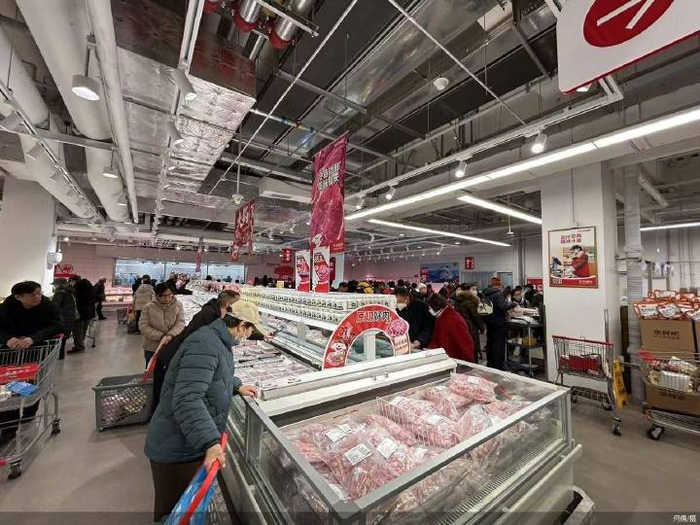
京东折扣超市北京首店开业!大厂为何都盯上五环外?
Bei Jing Shang Bao· 2025-12-17 14:54
Core Insights - Major companies like JD.com and Meituan are intensifying competition in the discount supermarket sector, particularly in the outskirts of Beijing, indicating a strong interest in this market segment [3][4][11] Group 1: Company Strategies - JD.com opened its first discount supermarket in Beijing's Mentougou district, featuring over 5,000 SKUs and a focus on local products to attract consumers [4][8] - Meituan's Happy Monkey supermarket is also expanding rapidly, with plans for multiple new locations in Beijing, indicating a strategy of quick replication and market penetration [6][11] - Both companies are leveraging their supply chain capabilities to ensure quick restocking and maintain product freshness, with JD.com claiming a one-hour turnaround for fresh produce [8][10] Group 2: Market Dynamics - The competition is characterized by a focus on low prices and a wide range of essential goods, appealing to price-sensitive consumers [10][11] - The discount supermarket format has become a key growth area for internet giants, as they seek to capture offline market share and adapt to changing consumer preferences [11][13] - The trend reflects a broader shift in the retail landscape, with companies aiming to enhance operational efficiency and resource collaboration while expanding their physical presence [13][14]
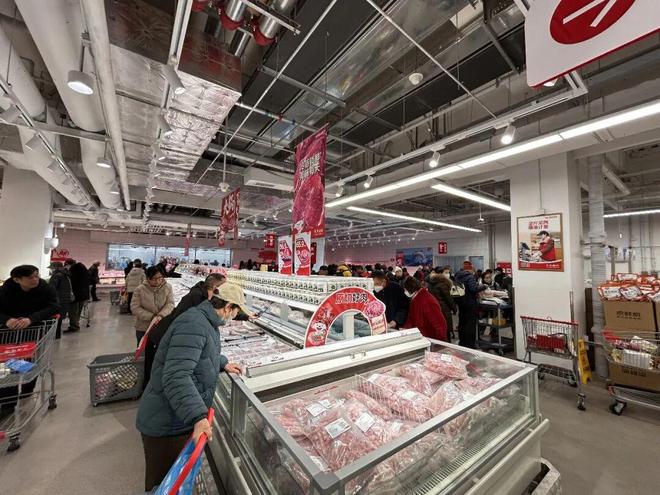
京东折扣超市北京首店开业 硬折扣赛道迎来变数
Bei Jing Shang Bao· 2025-12-17 14:50
Core Insights - The e-commerce industry is shifting from scale expansion to efficiency and sustainability as it enters a period of stock competition, with major players like JD, Meituan, and Alibaba competing in "minute-level fulfillment" and hard discount strategies [1] Group 1: Market Competition - JD opened its first discount supermarket in Beijing's Mentougou district, featuring over 5,000 SKUs and local specialties to attract consumers [3][5] - Meituan's Happy Monkey supermarket, which opened shortly before JD's, is facing declining foot traffic and is competing directly with JD in overlapping product categories [4][5] - Both companies are focusing on logistics efficiency and local market adaptation to capture family and commuting customer segments [5][6] Group 2: Supply Chain and Strategy - JD's discount supermarket strategy emphasizes a large store footprint and a wide range of products to attract family shoppers, while maintaining low prices on essential goods [6][7] - Meituan's Happy Monkey also employs a similar strategy, maintaining stable prices on essential items and leveraging local sourcing for fresh produce [6][7] - The competition in the discount retail space is intensifying as both companies aim to optimize supply chain capabilities and enhance operational efficiency [7][8] Group 3: Future Outlook - Experts predict that the discount retail sector will see upgrades in supply chain systems and increased investment in private label products in the coming year [8] - Both JD and Meituan are expected to accelerate the opening of discount stores and integrate online platforms to boost instant retail business growth [8]
财经观察:前11月消费市场有看点有新意
Ren Min Wang· 2025-12-17 05:26
Core Insights - The total retail sales of consumer goods in China increased by 4% year-on-year from January to November, outperforming last year's growth rate by 0.5 percentage points [1] - Service consumption has emerged as the main driver of growth, with service retail sales rising by 5.4% during the same period [1] - Policies such as trade-in programs have stimulated consumer demand, leading to significant sales increases in various sectors [2] Total Sales Performance - The retail sales of consumer goods reached a growth of 4% from January to November, with a 4.6% increase when excluding automotive products [1] - The growth rate for retail sales excluding automobiles is 0.9 percentage points higher than the previous year [1] Structural Changes - Service retail sales have become a core growth driver, with a 5.4% year-on-year increase and an increasing share of total retail sales [1] - Cultural and digital consumption has seen continuous optimization, with sports and leisure services experiencing double-digit growth [1] Policy Impact - Trade-in policies have positively influenced consumer demand, with retail sales in mobile communication devices and home appliances growing by 20.3% and 26.5%, respectively [2] - The sales revenue of new energy passenger vehicles increased by 19.1% during the same period [2] Demand Trends - Upgraded consumer demand has led to strong sales in cosmetics and gold and silver jewelry, with respective growth rates of 6.1% and 8.5% in November [2] - The elderly population's consumption needs have driven diverse growth in elder care services, with significant increases in related service consumption [2] New Consumption Dynamics - The rise in sports events has contributed to a noticeable "event economy," with sports exhibition services and retail of sports goods growing by 29.7% and 6.6%, respectively [3] - Instant retail, combining offline and online platforms, has shown strong growth, with online retail of physical goods increasing by 5.7% [3] Future Outlook - The ongoing implementation of consumer stimulation initiatives is expected to enhance consumer capacity and foster new consumption scenarios, indicating continued resilience and potential in the consumption market [3]
外卖三国杀狂烧614亿,顺丰同城闷声发财,净利大增139%
21世纪经济报道· 2025-12-17 04:30
Core Viewpoint - The intense competition in the instant retail sector, characterized by significant financial losses among major players like Meituan, Alibaba, and JD, has led to a unique opportunity for third-party delivery service providers like SF Express to achieve substantial profit growth amidst the turmoil [1][11]. Group 1: Financial Performance of Major Players - Meituan's Q3 revenue reached 954.88 billion, but its core local business segment suffered a drastic operating profit decline, resulting in a loss of 141 billion [6]. - Alibaba's Q3 instant retail revenue was 229 billion, a 60% year-on-year increase, but its net profit fell by 53% [9]. - JD's new businesses, including food delivery, saw a 214% year-on-year revenue growth, yet incurred a loss of 157.36 billion in Q3 [9]. - The combined sales and marketing expenses for Meituan, Alibaba, and JD increased by 614 billion in Q3 alone [9]. Group 2: Market Dynamics and Strategic Insights - The ongoing "burning money" competition is viewed as a necessary strategic investment by platforms to secure market share, with projections indicating the instant retail market could exceed 3 trillion by 2030 [10]. - Zhang Yi from iiMedia Consulting suggests that if instant retail can enhance efficiency and innovation, it aligns with broader economic growth objectives, although disordered competition may need regulation [2][10]. - Meituan's CEO Wang Xing emphasized the need for resource investment to maintain competitive advantages despite his opposition to price wars [9]. Group 3: SF Express's Performance and Market Position - SF Express's revenue for the first half of 2025 reached 102.36 billion, a 48.8% increase, with net profit growing by 120.4% [11][12]. - The company's unique position as a neutral platform allows it to benefit from the competition among major players, leading to a significant increase in order volumes [13]. - Analysts believe that SF Express's model, focusing on last-mile delivery, positions it well to capitalize on the ongoing demand despite potential future reductions in subsidies from major platforms [13][16]. Group 4: Regulatory Environment and Future Outlook - The introduction of new regulatory standards aims to curb chaotic competition in the food delivery market, promoting rational competition among platforms [16]. - Experts predict that competition intensity in instant retail will decrease and return to a more rational state in the coming year, although some covert competitive behaviors may persist [16].


暂停这项业务!美团宣布
Sou Hu Cai Jing· 2025-12-17 03:44
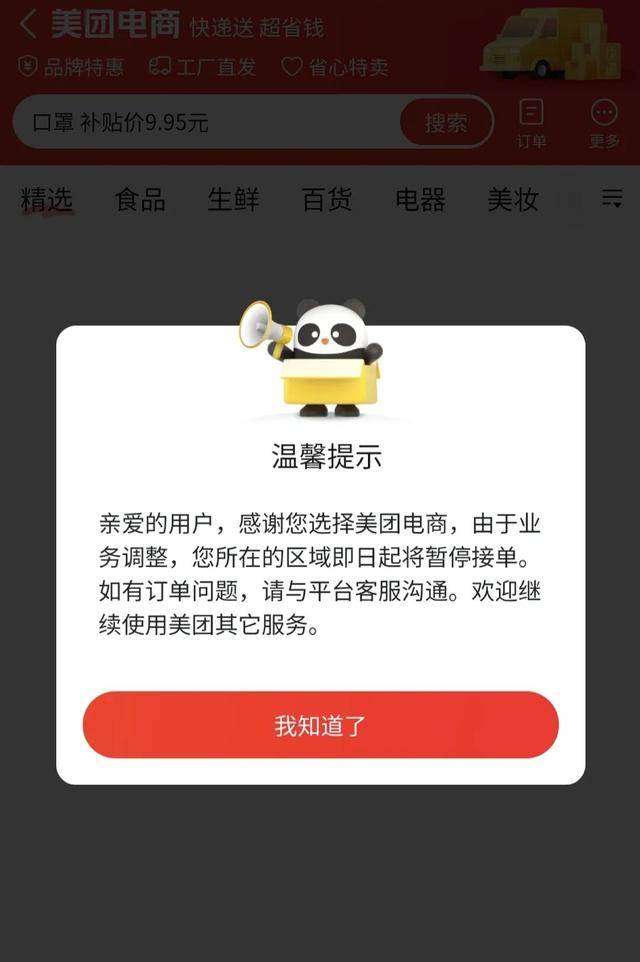
Group 1 - The core point of the article is that Meituan has decided to suspend its "Tuan Hao Huo" business to focus on exploring new retail formats in response to market changes [1][5]. - Tuan Hao Huo, launched in August 2020, was a B2C e-commerce initiative by Meituan that quickly gained traction by leveraging a "direct delivery from origin + low-price group buying" model, achieving over 100,000 daily orders and covering 18 product categories [3][5]. - Meituan's e-commerce strategy is shifting towards instant retail while downplaying traditional express e-commerce, as the latter struggles to meet the demands of instant retail users [5][6]. Group 2 - Instant retail is defined as a new retail model where consumers place orders on local platforms, and nearby stores deliver products within one hour, combining the advantages of traditional retail and online convenience [7]. - The growth of instant retail is reshaping the competitive landscape of the retail industry, with both comprehensive and vertical platforms increasing their investments in this area due to policy support and market demand [7][8]. - Instant retail enhances the operational radius of physical stores and increases order volume, contributing to a positive cycle of consumption and investment while promoting local industries [8].
外卖三国杀狂烧614亿,顺丰同城闷声发财,净利大增139%
2 1 Shi Ji Jing Ji Bao Dao· 2025-12-17 03:31
Group 1 - The core viewpoint of the article highlights the intense competition in the instant retail sector, particularly during the recent "Double Twelve" shopping event, where major players like Meituan, Alibaba, and JD.com are heavily investing in subsidies and marketing despite significant financial losses [2][11][12] - Meituan's third-quarter financial report reveals a drastic decline in operating profit, with a loss of approximately 141 billion yuan, attributed to increased spending on sales and marketing to compete in the market [4][11] - In contrast, SF Express has reported a significant increase in profits, with a 139% year-on-year growth in adjusted net profit, benefiting from the competitive landscape as a third-party delivery service provider [14][15] Group 2 - The article discusses the implications of the 600 billion yuan investment by internet giants in the instant retail sector, which has created unprecedented pressure on profit structures, particularly for Meituan, which saw a sharp decline in its core local business profits [4][11] - Analysts suggest that the instant retail market is expected to grow significantly, with projections indicating a market size exceeding 3 trillion yuan by 2030, leading companies to view short-term losses as necessary strategic investments [12][13] - Regulatory changes are anticipated to influence the competitive landscape, with new standards aimed at curbing irrational competition and promoting more sustainable practices among platforms [19]