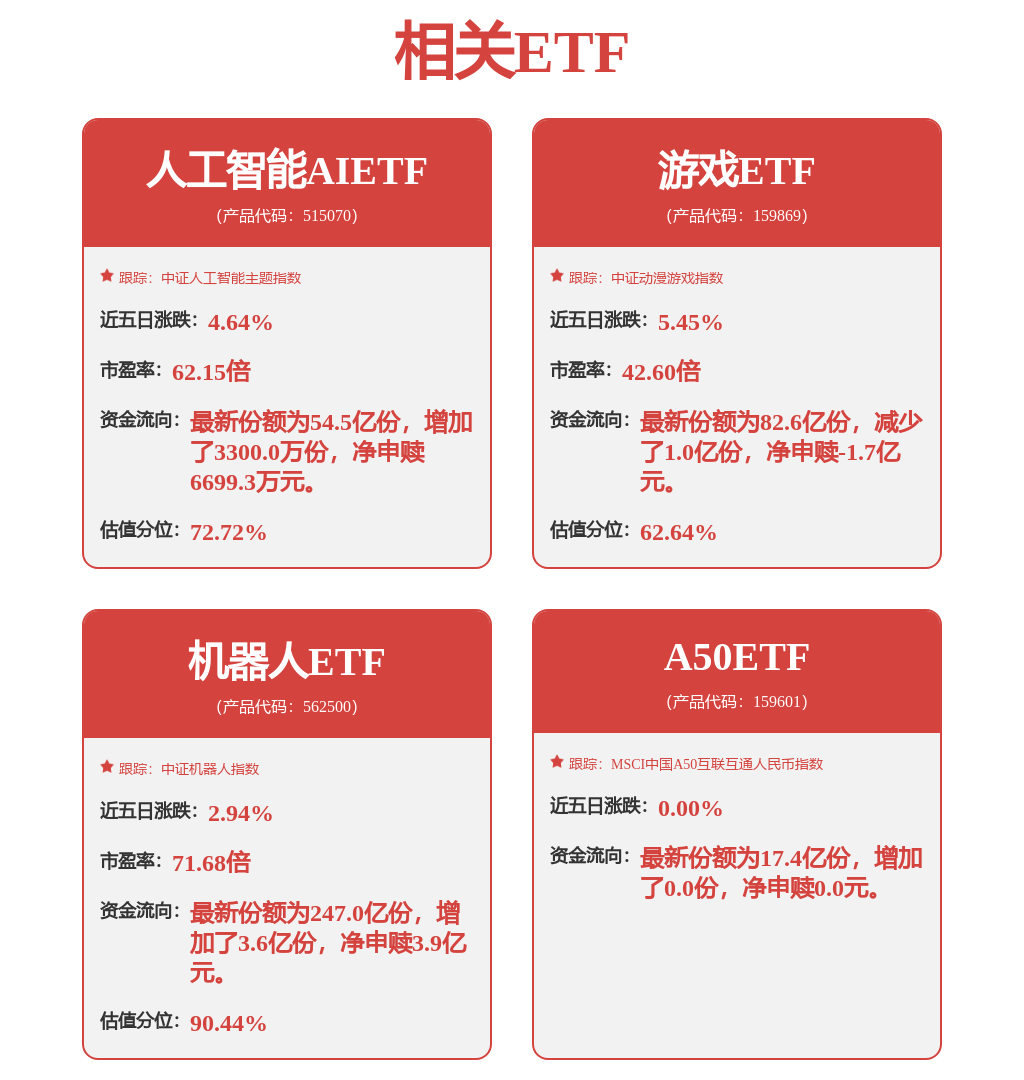
人形机器人

Search documents
央视春晚机器人表演醉拳空翻引爆网络
Xin Lang Cai Jing· 2026-02-18 15:24
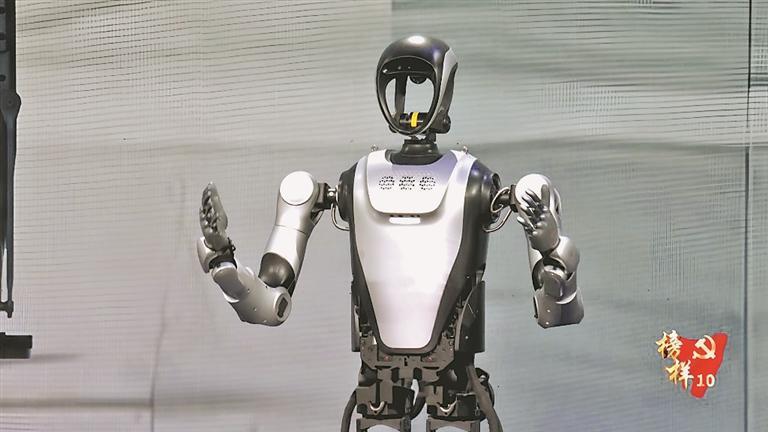
动态平衡与集群协同 机器人首次在快速奔跑中完成穿插变阵和武术动作,依托0.001秒级伺服响应系统及毫米级关节控制技 术,实现后空翻、720度回旋踢等高难度动作。例如,侧空翻落地时通过足底六维力传感器实时调整重 心,确保稳定性。 人机协同实战 86名8岁武术少年与1.32米高的机器人进行六合拳对打、棍术攻防,儿童演员需适应机器人百斤重量及 掌力(可踢断桌腿),通过动作捕捉与数千次排练解决安全与协调问题。 2026年央视春晚上,一群机器人以行云流水的醉拳、空翻和双节棍表演引爆全网热议,甚至因一个"假 摔"桥段让观众误以为故障,实则是编程设计的幽默互动。 一、技术突破:从"扭秧歌"到"真功夫" 宇树科技借春晚热度推进IPO,其机器人日租金涨至1.5万元,应用于景区导览、直播带货等场景。 2025年中国人形机器人占全球出货量80%,山东、河南等地春晚同步推出"科技+地域文化"机器人武术 秀。 争议与挑战 部分观点质疑表演依赖预设编程,工业巡检、救灾等场景落地仍需突破高维动作优化与触觉感知缺失等 技术瓶颈。 二、文化融合:科技复刻千年武魂 招式背后的文化符号 双节棍致敬李小龙,醉拳灵感源于成龙,巨型侠客袍机器人压轴彰显 ...



近30亿资金涌入,这个春节,人形机器人彻底爆了
凤凰网财经· 2026-02-18 11:08
Core Viewpoint - The Spring Festival Gala has become a significant cultural event in China, showcasing technological advancements, particularly in robotics, which have sparked a consumer and capital frenzy in the market [1][2][6]. Group 1: Robotics Market Surge - The 2026 Spring Festival Gala featured robots performing alongside celebrities, igniting public enthusiasm and leading to a surge in robot-related product sales [3][5]. - Within two hours of the gala's broadcast, searches for robots on an e-commerce platform increased by over 300%, with customer inquiries rising by 460% and order volumes up by 150% [7]. - The peak of consumer interest occurred at 10 PM on the night of the gala, with multiple robot models selling out quickly, including high-end models priced at nearly 630,000 yuan [8][10]. Group 2: Investment Trends - The gala's exposure has attracted significant investment, with nearly 3 billion yuan flowing into robotics ETFs since the beginning of February [24][25]. - Notable inflows into specific ETFs include 1.269 billion yuan into the Huaxia ETF, 952 million yuan into the E Fund ETF, and 311 million yuan into the Tianhong ETF [25]. - The robotics concept index has seen a 1.47% increase in February, with some stocks like Zhizhi New Materials soaring by 174.96% [25][27]. Group 3: Industry Challenges - Despite the short-term surge in stock prices, the growth is primarily driven by capital rather than fundamental improvements in company performance [28]. - Many companies in the robotics sector are still heavily investing in R&D and have not yet established stable profit models, indicating that the current market excitement may not be sustainable [28]. - The industry faces challenges related to technological bottlenecks and business model viability, with the potential for a significant breakthrough in mass production and profitability still requiring time [28].

美媒英媒报道了:西方还停留在中世纪?中国人形机器人闪耀全球
Sou Hu Cai Jing· 2026-02-18 07:45
Core Viewpoint - The rapid advancement of humanoid robot technology in China was showcased during the Spring Festival Gala, highlighting significant innovations and capabilities that have surpassed previous expectations [1][5][10]. Company Highlights - Yushutech presented their humanoid robots G1 and H2, performing complex martial arts moves, including the world's first continuous table-flipping parkour and multiple air flips, after extensive training on a simulation platform [3][10]. - Songyan Power collaborated with celebrity Cai Ming to create a skit featuring a robot, which required over 300 iterations of algorithms and 21 versions of dance training to enhance interaction and expression [3][10]. - Magic Atom's MagicBot Z1 executed a 360° stunt during the opening performance, marking it as the first humanoid robot to achieve this feat within its size category [3][10]. - Galaxy General's Galbot G1 demonstrated practical skills by performing tasks like cleaning up broken cups and handling food, showcasing its autonomous decision-making capabilities [3][10]. Industry Trends - International media attention has surged, with reports indicating that by 2025, approximately 13,000 humanoid robots will be shipped globally, with 90% expected to come from Chinese companies [5][7]. - Morgan Stanley predicts that humanoid robot sales in China will double by 2026, reaching 28,000 units, indicating a strong growth trajectory [5][7]. - The number of humanoid robot companies in China has exceeded 140, supported by a robust supply chain and a rich talent pool, facilitating large-scale production and application in various sectors [7][8]. - China's humanoid robot industry is becoming a market leader, driven by cost efficiency and production capabilities, with government support and a strong technical workforce fostering innovation [8][10].

春晚武BOT宇树同款机器人开卖,宇树王兴兴说今年出货量目标定在1–2万台
Xin Lang Cai Jing· 2026-02-18 06:59
Group 1 - The core product, the humanoid robot Yush G1, is now available for purchase at a price of 85,000 yuan, with 5 units already sold [1] - The CEO of Yush Technology, Wang Xingxing, has set a sales target of 10,000 to 20,000 units for this year, indicating a significant increase from last year's few thousand units [1] - The industry is viewed as entering a new era of mass production for humanoid robots, with expectations of global shipments reaching tens of thousands this year [1] Group 2 - The rapid technological advancements over the past year are seen as the driving force behind the market's growth, with continued breakthroughs expected to sustain high growth in the sector [1] - Conversely, if technological progress stalls, the industry's growth could face challenges [1]
从冷门赛道到技术高峰
Xin Lang Cai Jing· 2026-02-18 04:59
Core Viewpoint - The article highlights the journey of a young scientist, Leng Xiaokun, who has dedicated over a decade to developing humanoid robots, specifically the "Kua Fu" robot, which aims to walk, run, and jump like a human. This endeavor reflects a long-held dream of creating advanced robotics in China, emphasizing the importance of innovation and perseverance in the face of challenges [6][10]. Group 1: Background and Inspiration - Leng Xiaokun's interest in robotics began in his childhood, where he drew sketches of robot joints in his school desk [7]. - His early achievements included winning second place in a national robotics competition, which led to his admission to Harbin Institute of Technology, a leading institution in robotics research in China [7][8]. - The initial challenge faced by his team was the reliance on foreign robot hardware, prompting a shift towards developing their own humanoid robot hardware and software [8][9]. Group 2: Development Journey - In 2015, with support from Harbin Institute of Technology, Leng and his colleagues founded Leju Robotics, focusing on the independent development of humanoid robots [9]. - The team faced skepticism from investors and a cold market response, leading them to initially focus on the commercialization of smaller robots to generate revenue [9]. - After nearly three years of research and development, they achieved a breakthrough in modular joint technology, culminating in the launch of the "Kua Fu" robot in December 2023, which is capable of jumping and adapting to various terrains [9][10]. Group 3: Future Aspirations and Impact - The "Kua Fu" robot, named after a figure from Chinese mythology symbolizing relentless pursuit of goals, has begun to find applications in automotive workshops, large competitions, and educational settings [10]. - By 2025, the company plans to deliver thousands of units of the "Kua Fu" robot, reflecting confidence in the domestic industrial robotics market and its potential for growth [10]. - Leng Xiaokun emphasizes the importance of aligning technological aspirations with national development needs, believing that even previously overlooked sectors can become significant [10][11].
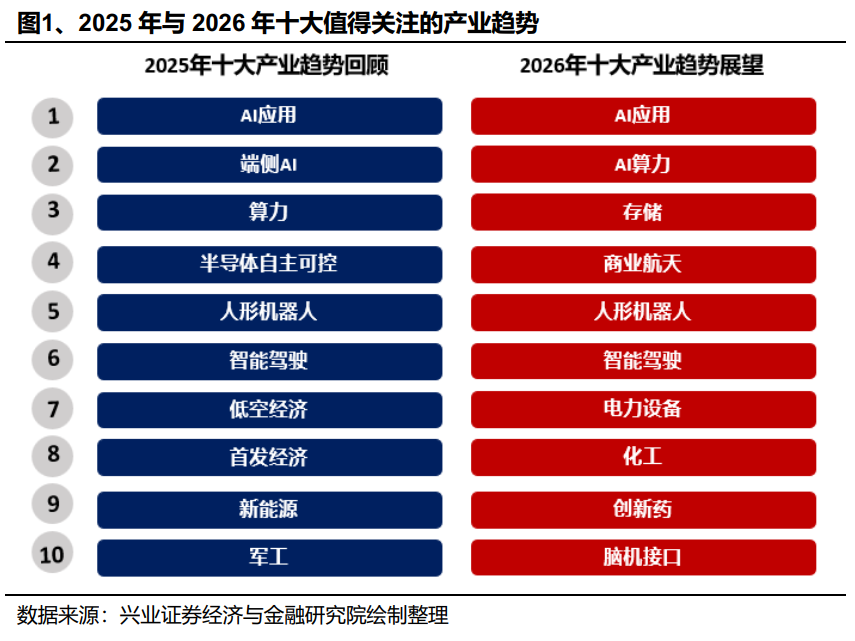
兴业证券:2026年值得关注的十大产业趋势
智通财经网· 2026-02-18 03:45
Group 1: AI Applications - The global AI competition is intensifying, with model iterations driving deeper application scenarios, and the focus is on whether significant capital expenditures by tech giants can lead to commercial applications [2][3] - The competitive landscape for AI applications is shifting from dominance by OpenAI to a more multipolar environment, with major players like Google and Meta integrating AI into their ecosystems [3] - In China, AI applications are experiencing a breakthrough, with major tech companies accelerating model iterations and application deployments, leading to a transformation from model landing to scenario monetization [5] Group 2: AI Computing Power - Overseas, major cloud service providers are maintaining high capital expenditures, with a projected increase of 67% in 2026, reflecting a strong demand for AI computing power [7][8] - In China, leading tech companies are increasing capital expenditures and accelerating the iteration of domestic large models, promoting the performance of domestic chips amid tightening supply from foreign sources [9] Group 3: Storage - The demand for storage is entering a new super cycle driven by AI training and inference needs, with AI servers consuming significantly more memory than traditional servers [11][16] - Supply constraints are expected to persist, leading to continued high prices for storage components, as major manufacturers shift production focus to advanced memory types [16] Group 4: Commercial Aerospace - Commercial aerospace is becoming a key battleground in US-China competition, with significant policy support and funding initiatives in both countries to accelerate industry development [19][21] - Domestic companies are achieving breakthroughs in satellite mass production and reusable rocket technologies, transitioning from technical validation to commercialization [22] Group 5: Humanoid Robots - Major overseas companies are ramping up production plans for humanoid robots, benefiting domestic component suppliers, with Tesla aiming for a production capacity of 500,000 units by 2026 [27][30] - Chinese manufacturers are leading in humanoid robot shipments, with significant contracts and production milestones achieved in 2025 [30] Group 6: Intelligent Driving - Domestic policies are expected to facilitate the commercialization of L3 autonomous driving in 2026, with several manufacturers preparing to launch L3 models [32][33] - Tesla's Full Self-Driving (FSD) technology is setting the direction for autonomous driving, with significant advancements in AI capabilities [35] Group 7: Energy Storage - The expansion of AI computing power in North America is driving electricity demand, with domestic power equipment expected to accelerate exports [37][40] - China's "14th Five-Year Plan" includes significant investments in the power grid and energy storage, creating a favorable environment for industry growth [40][43] Group 8: Chemicals - The chemical industry is undergoing a transformation driven by policies aimed at supply-side reform, with a focus on optimizing supply structures and reducing excess capacity [44][47] - New economic sectors are boosting demand for chemical materials, particularly in AI, renewable energy, and robotics, leading to a favorable outlook for new materials [47][48]


Optimus加速量产,“新T链”们,来了!
Robot猎场备忘录· 2026-02-18 03:37
Core Insights - The article discusses the upcoming release of Tesla's Optimus V3 and its implications for the T-chain, highlighting a shift in focus towards new core suppliers and the narrowing of investment opportunities in the sector [2][3]. T-chain Developments - The T-chain has seen a transition from an "expansion" phase to a "contraction" phase since November, with a clearer focus on core suppliers as new developments emerge [3]. - Key suppliers in the T-chain have made significant progress, particularly those that communicated with North American partners in January, indicating a more concentrated investment landscape [3][5]. North American Communication - Several core suppliers have entered the RFO (Request for Offer) stage, including structural components and specific components like harmonic reducers and hand screw suppliers, which are critical for Tesla's production [3][5]. Market Performance - The market performance in January was primarily driven by North American communication, with notable gains for certain suppliers, such as structural components and lightweight materials, continuing into February [5]. - Specific suppliers, like the structural component supplier (K), have seen significant interest, with orders reaching thousands of units and average selling prices (ASP) exceeding a thousand USD [5]. February Audit Highlights - February initiated a new round of audits, with key suppliers like force sensors and structural component suppliers receiving heightened attention from investors due to their recent advancements [5][6]. - The structural component supplier (C) has gained exclusive supply opportunities and increased ASPs following the audit, indicating strong market positioning [5][6]. Emerging Suppliers - New suppliers in the T-chain, such as those involved in thermal management and electric motors, are gaining traction, with some achieving record highs in February [5][6]. - The electric motor supplier (H) has officially entered Tesla's direct supply list, surpassing expectations in terms of product offerings and ASPs [5][6].

人形机器人狂奔2026:谁为盛宴买单?
3 6 Ke· 2026-02-18 03:29
Core Insights - The 2026 Spring Festival Gala showcased four domestic robot companies, marking a significant moment for the humanoid robot industry in China, highlighting their technological advancements and market positioning [2][3][5] Group 1: Industry Overview - The humanoid robot industry has transitioned from laboratory demonstrations to real-world applications and mass deliveries, with the Spring Festival Gala serving as a platform for companies to enhance their visibility and market presence [5][11] - The event is seen as a critical juncture for the industry, where companies aim to convert public recognition into commercial success, despite the high costs associated with participation [3][4] Group 2: Company Performances - Yushutech showcased its G1 and H2 humanoid robots in a martial arts performance, claiming multiple global firsts in their capabilities, including a maximum height of over 3 meters in aerial flips and a speed of 4m/s in group coordination [6][19] - Galaxy General highlighted its robot's interactive capabilities, demonstrating tasks such as walnut cracking and clothing folding, emphasizing the shift from pre-programmed actions to autonomous decision-making [8][9] - Songyan Power and Magic Atom aimed to leverage the gala for greater market positioning, with Songyan Power focusing on the commercial viability of its humanoid robots in various applications [9][10] Group 3: Market Response - Following the gala, JD.com reported a significant increase in robot-related searches and orders, with a 300% rise in search volume and a 150% increase in order volume within two hours of the event [11] - The immediate market response indicates a growing consumer interest in humanoid robots, although the industry is still in its early stages of development [11][12] Group 4: Commercialization Challenges - The industry faces challenges in balancing high marketing costs with core technology development, as companies seek to establish a foothold in a competitive market [12][20] - The commercialization of humanoid robots is still in its infancy, with significant barriers to mass production and real-world application [17][18] Group 5: Future Projections - The humanoid robot market is expected to see substantial growth, with Morgan Stanley predicting sales to reach 28,000 units by 2026, a 133% increase year-on-year [32] - IDC forecasts that the application scenarios for humanoid robots will triple by 2026, with a market size approaching $1.3 billion [33]
《2026年春节联欢晚会》海内外多项传播数据刷新纪录
Zhong Guo Xin Wen Wang· 2026-02-18 03:22
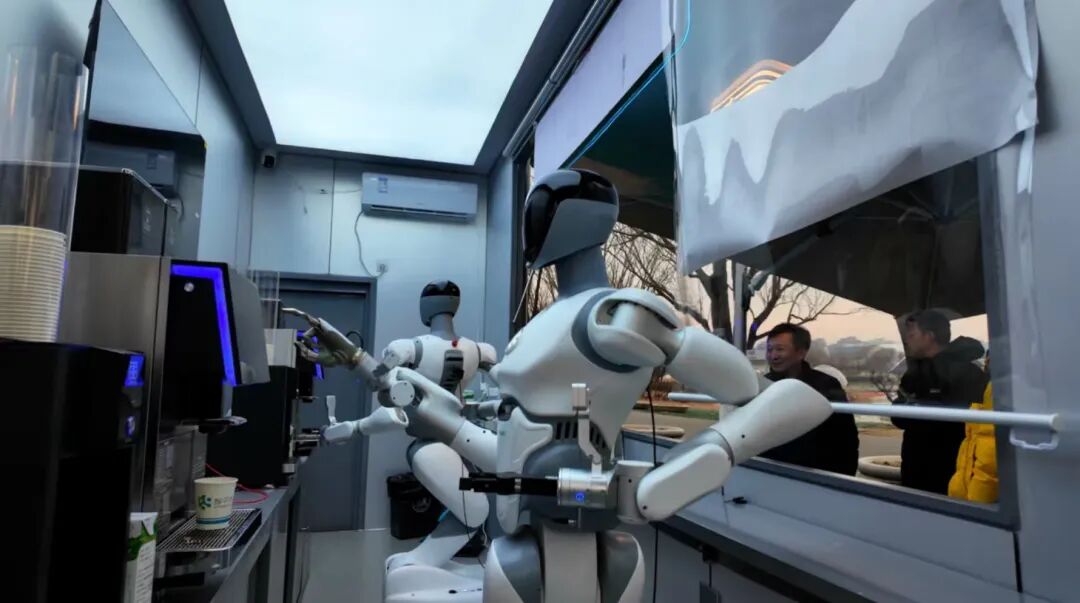
春晚网络热度持续走高,近2000个话题登上热搜热榜。截至2月17日13时,2026年总台春晚全网话题阅 读量达271.2亿。全网各大平台热搜涌现,共计登榜话题数达1939个。春晚全媒体渠道的用户中,年轻 用户占比增加,达到41.82%,同比提升1.35个百分点。新质生产力相关节目提及度进一步提升,关联 AI、人形机器人等新质生产力内容的关注占比20.99%,同比提升5.4倍。 春晚海外传播效果大幅提升。总台通过85种语言对外传播平台向全球直播和报道春晚。CGTN(中国国 际电视台)春晚相关报道全球阅读量达23.09亿次,视频观看量8.43亿次,分别较去年增长32.85%、 43.61%。总台联动全球近4000家媒体对春晚进行同步直播和报道,同比增长37.95%。总台主办的"春晚 序曲全球看春晚"线下活动在美国、俄罗斯、法国、德国、意大利、新西兰、巴西、埃及等多个国家举 办。全球98个国家、140座城市的4062块公共大屏直播和宣介总台春晚,覆盖国家数和屏幕数较去年分 别增长12.6%和15.8%。其中,春晚英、西、法、阿、俄五种语言宣传片首次同步亮相联合国日内瓦办 事处万国宫,将"骐骥驰骋"的新春祝福传递给全 ...
景林资产CEO高云程:买入并持有时代最优秀公司
Zhong Guo Ji Jin Bao· 2026-02-18 03:03
(原标题:景林资产CEO高云程:买入并持有时代最优秀公司) 各位《中国基金报》的朋友们,大家新年好,我谨代表景林资产在此祝福大家新春快乐、马到成功。 未来,景林既要坚守基本面投资的原则,也要不断迭代学习观察新的技术和商业模式,不急躁也不停滞,和大家一起迎接新的历史机遇。 在此辞旧迎新之际,祝愿大家新年快乐。 旧岁千功皆铸锦,新年万象再更新。春风满径开祥运,福曜临门纳吉辰。 恭祝大家商祺顺遂,财源广聚,岁安人和。 我们刚刚共同度过了一个难忘的蛇年,地缘政治问题复杂且反复,叠加人工智能新技术带来的科技革命,全球格局正在经历再平衡,中美在竞争 中共存的新时代已经到来。 基于实力来制定规则的新国际秩序时代,中国不可能再是规则的接受方。未来将更多地参与国际规则的协商制定,更多的中国企业成为跨国经营 公司是大势所趋。在这样的宏观背景下,我们观察到国际资金在回流中国资产,这个过程才刚开始。当然,现在这种新平衡和过去的全球化时代 是完全不同的,会明显地出现全球两个体系、两套供应链,这也明显增加了企业的经营成本。 在AI人工智能、新能源、智能驾驶、人型机器人等新经济发展的前沿领域,中美各自都在积极投资,相关公司在这个时代大浪潮 ...