Workflow
Robotaxi
icon
Search documents
冠通期货资讯早间报-20250508
Guan Tong Qi Huo· 2025-05-08 01:22
Report Investment Rating No relevant information provided. Core Viewpoints - The domestic commodity futures night session generally closed down, with most energy and chemical products, black series, and agricultural products falling, and most basic metals also declining [2][47]. - The international precious metal futures generally closed down, and international oil prices weakened, with concerns about oversupply dominating the oil price trend [2][47][49]. - A - share market is expected to continue the stabilization trend since early April, and there is no need to be pessimistic about the medium - term market [27]. Summary by Directory Overnight Night - Market Trends - Domestic commodity futures night session: Energy and chemical products mostly fell (e.g., glass down 2.96%, soda ash down 2.7%), black series all declined (e.g., coking coal down 2.57%), agricultural products mostly dropped (e.g., soybeans down 1.58%), and basic metals all fell (except for a 0.07% rise in Shanghai gold) [2][47]. - International precious metal futures: COMEX gold futures down 1.47% to $3372.60 per ounce, COMEX silver futures down 2.31% to $32.61 per ounce [2][47]. - International oil prices: U.S. oil main contract down 1.93% to $57.95 per barrel, Brent crude main contract down 1.91% to $60.96 per barrel [2][49]. - London basic metals: Most declined, except LME lead up 2.16% [3][49]. - Chicago Board of Trade (CBOT) agricultural products: All futures main contracts fell [3][49]. Important News Macroeconomic News - The central bank cut the deposit - reserve ratio by 0.5 percentage points, provided about 1 trillion yuan in long - term liquidity, and made multiple interest - rate cuts [6]. - Deputy Prime Minister He Lifeng will visit Switzerland from May 9 - 12 and hold talks with the U.S. side [7]. - The estimated wholesale sales of new energy passenger vehicles in April were 1.14 million, a 42% year - on - year increase [7][35]. - China's foreign exchange reserves at the end of April were $32816.62 billion, a $409.97 billion month - on - month increase [9]. - The Fed kept the benchmark interest rate unchanged at 4.25% - 4.50%, and traders still expected three interest rate cuts this year [9]. Energy and Chemical Futures - UAE's Fujairah Port's refined oil inventory rose 0.1% week - on - week, while middle distillates inventory dropped 20% [11]. - China's methanol port inventory increased slightly, with de - stocking in East China and inventory accumulation in South China [11]. - Some quotes of photovoltaic glass in the South China market were lowered, and the market may see a general decline [11]. - U.S. commercial crude inventory decreased by 2032000 barrels, and strategic petroleum reserve inventory increased by 580000 barrels [13][50]. - The national main port's imported coniferous log inventory slightly decreased [13]. Metal Futures - Alphamin Resources lowered its tin mine production guidance from 20000 tons to 17500 tons [15]. Black - Series Futures - The impact of production - restriction news on the Northeast region is limited [17]. - China's gold reserves increased by 70000 ounces at the end of April, the sixth consecutive month of increase [19][50]. - Guinea's government started the process to revoke EGA's mining license [19]. - The coal price at the Bohai Rim ports has dropped by 111 yuan/ton, and experts predict it may fall to 600 yuan/ton [20]. Agricultural Product Futures - Analysts predict the U.S. 2025/2026 soybean yield to be 4.338 billion bushels [22]. - China's oil - mill soybean - crushing volume is expected to rise, and domestic soybean meal and soybean oil inventories will gradually increase [22]. - India's sugar production decreased by 1.833 million tons in the 2024/2025 season as of April 30 [22]. - The predicted trading price of Malaysian palm oil futures from June to November is 3500 ringgit per ton [23]. - Brazil's May soybean export is expected to be 12.6 million tons [24]. Financial Markets Finance - A - shares opened higher but then fell back, with a turnover of 1.5 trillion yuan, and the military industry was strong [27]. - Hong Kong stocks opened high and closed low, with net southbound capital outflows [27]. - The current foreign - held A - share market value is about 3 trillion yuan, and the CSRC will support M&A [27]. - A - share new - account openings in April decreased but remained stable [28]. - CITIC Securities may prepare for the return of Chinese concept stocks [28]. - Shanghai Auntie's dark - market price rose over 62% [28]. - Pop Mart's director sold all shares, cashing out HK$2.267 billion [30]. - Geely will privatize ZEEKR [30]. - BeiGene's Q1 revenue increased by 50.2% [30]. - CATL's potential Hong Kong IPO price may be less than 10% lower than A - shares [30]. - Changan Automobile refuted the merger rumor [31]. Industry - Real - estate loans increased in Q1, and many places implemented the central bank's mortgage - interest - rate cut [32][33]. - Zhuhai introduced new real - estate policies [35]. - The 2025 World Robot Conference will be held in Beijing [35]. - Goldman Sachs predicts the growth of the Chinese Robotaxi market [35]. - Tesla China's April wholesale sales decreased by 6% year - on - year [35]. - The CBRC approved the establishment of Xingyin Financial Asset Investment Co., Ltd. [36]. Overseas - The U.S. and the EU are negotiating, and the EU may take counter - measures [37]. - U.S. drug imports increased by $20 billion in March [37]. - The Bank of Korea may cut interest rates in May [39]. - U.S. electronic product prices may rise due to tariffs [40]. - Brazil's central bank raised interest rates by 50 basis points [41]. International Stock Markets - U.S. stocks rose, with Disney and NVIDIA leading the gains, while Chinese concept stocks generally fell [42]. - European stocks fell [43]. - Asia - Pacific stocks showed mixed performance [43]. - Disney's Q2 revenue increased by 7%, and it raised its annual profit forecast [43]. - Novo Nordisk's Q1 revenue and profit increased, but it lowered its annual profit - growth forecast [45]. - BMW's Q1 sales were lower than expected, and it warned of U.S. tariff impacts [45]. - Uber's Q1 revenue increased by 14% but was lower than expected, while EPS exceeded expectations [45]. - ARM's Q4 adjusted EPS, revenue, and operating profit all exceeded expectations [46]. Commodities - Similar to the overnight market trends, domestic and international commodity futures generally showed a downward trend, with some exceptions in gold and lead [47][49]. - China's gold reserves increased, and U.S. crude - oil - related data changed [50]. - The price of Japanese rice continued to rise [50]. Bonds - The "technology board" of the bond market was launched, with nearly 100 institutions planning to issue over 300 billion yuan of innovation - related bonds [51]. - Domestic bond futures fell, and bond - yield trends were divided [53]. - The central bank conducted reverse - repurchase operations and adjusted the interest rate [53]. - There may be a $2 - trillion demand for U.S. Treasuries from digital assets [53]. - Japanese and U.S. and European bond yields showed different trends [54]. Foreign Exchange - China's foreign exchange reserves increased by 1.27% month - on - month in April [56]. - The on - shore RMB against the U.S. dollar declined, and the dollar index rose [57]. - Indonesia's central bank will maintain its presence in the foreign - exchange market [57].
F vs. TSLA: Which of These Auto Biggies is a Better Pick Amid Tariffs?
ZACKS· 2025-05-07 16:25
Industry Overview - The auto industry is facing significant challenges due to a 25% tariff on imported vehicles and another 25% duty on non-compliant auto parts, which could increase costs for automakers by tens of billions of dollars [1] - Demand for vehicles is expected to soften, and supply chain disruptions are likely to worsen, leading several automakers to cut back or pause their guidance [1] Case for Ford - Ford reported first-quarter 2025 earnings of $1 billion in EBIT, exceeding expectations, driven by cost-cutting and strong pricing in North America [3] - U.S. pickup sales reached their highest first-quarter levels in over 20 years, and the Model e division saw a 15% year-over-year increase in retail sales [4] - Ford is on track for $1 billion in net cost reductions this year, despite anticipating a $2.5 billion impact from new tariffs [5] - The company has paused full-year guidance due to tariff uncertainty but plans to provide updates in the second-quarter earnings call [6] - Ford's financial position is strong, with over $27 billion in cash and $45 billion in total liquidity, and it aims to return 40-50% of free cash flow to shareholders [7] Earnings Estimates for Ford - Zacks Consensus Estimate for Ford's current year EPS is $1.22, with a year-over-year growth estimate of -33.70% [9] Case for Tesla - Tesla is experiencing a decline in deliveries amid increased competition and missed earnings expectations in the first quarter of 2025 [10] - The company is implementing price cuts to stimulate sales, which is negatively impacting automotive margins [10] - Tesla's energy generation and storage segment is growing but is not yet large enough to offset pressures on vehicle sales [11] - The company held $37 billion in cash as of March 31, 2025, with a low debt-to-capital ratio of 7% [11] - Tesla is focusing on next-generation technologies, including robotaxi services and autonomous vehicles, but these projects face significant execution risks [12] Earnings Estimates for Tesla - Tesla's near-term outlook is uncertain, hinging on stabilizing its EV operations and progress on long-term innovations [13] Valuation Comparison - Tesla is trading at a forward sales multiple of 8.38X, significantly above the industry's 2.3 and its own median of 7.73X, while Ford has a forward sales multiple of 0.26X, below its 5-year average of 0.31 [16] Conclusion - Both Ford and Tesla are facing industry headwinds, but Ford appears to be in a better position due to its focus on cost reductions and commercial fleet strength [19] - Tesla is under pressure in its core EV business while pursuing ambitious long-term projects, making its stock vulnerable in the near term [20]
Uber vs. Lyft Earnings Preview: Robotaxi Ambitions in Focus
ZACKS· 2025-05-05 19:35
Core Insights - Uber and Lyft are set to report their first-quarter 2025 earnings, with Lyft generating nearly all its revenue from ridesharing and holding about 25% of the U.S. market, while Uber dominates with approximately 75% market share [1][9] Earnings Expectations - Analysts predict Lyft will report flat EPS with gross bookings growth between 10-14%, while Uber is expected to report earnings of $0.51 per share, recovering from a loss last quarter, with gross bookings growth between 17-21% [2] Market Reactions - The options market indicates an expected post-earnings move of ±7.8% for Uber and ±15.6% for Lyft, reflecting traders' anticipation of volatility [3] Competitive Landscape - Uber has shown significant price performance, with shares up 43% year-to-date, compared to Lyft's 0.5% gain, highlighting Uber's relative strength in the market [4] - Uber's diverse business model, including its successful Uber Eats delivery service, contrasts with Lyft's more singular focus on ridesharing [5] - Uber has established partnerships for autonomous ride-sharing with companies like Nvidia and Volkswagen, positioning itself strongly in the robotaxi sector [6] Robotaxi Developments - The growth of robotaxi services, exemplified by Waymo's 250,000 paid rides per week, raises questions about Uber and Lyft's adaptation to this trend [10][11] - Lyft has made some moves in the robotaxi space, including a partnership with Mobileye, but is perceived to be lagging behind Uber in this area [11] Profitability and Growth - Both companies have reached profitability in 2023 after years of losses, indicating a significant shift in their financial health [12] - Historically, Lyft and Uber have exceeded Wall Street expectations, with Lyft beating estimates for eight consecutive quarters and achieving an average surprise of 42.11% over the past four quarters [14] Technical Analysis - Uber's stock has shown strong relative price strength and is emerging from a bullish pattern, while Lyft's stock is approaching a pivotal technical zone, indicating potential for change depending on upcoming earnings [16][18] Conclusion - As Uber and Lyft prepare to release their earnings, key areas of focus will include future growth prospects, robotaxi strategies, and overall performance in the evolving ride-sharing industry, with Uber currently positioned as the market leader [20]
CEO Elon Musk Recently Gave Tesla Investors Some Great News. But the Stock Still Faces 3 Big Challenges.
The Motley Fool· 2025-05-01 13:05
Core Business Challenges - Tesla's stock has fallen approximately 30% this year, with first-quarter deliveries of around 337,000 being the lowest since 2022 [1] - Sales in Europe reportedly dropped nearly 50% year-over-year in January and February, despite overall EV sales in Europe growing by 28% during that period [3] - In China, Tesla's sales have also declined significantly, with BYD capturing over 30% market share and surpassing Tesla in annual revenue [4] New Initiatives - Tesla plans to begin production of a lower-cost model in June, although details on pricing remain unclear and the launch may be slower than initially expected [8] - The company is set to launch a new software system with unsupervised full self-driving capabilities and aims for a robotaxi launch in Austin as early as June [9] - Optimus robots are still in development, with significant production expected towards the end of the year, but they are not yet contributing to revenue [10] Valuation Concerns - Tesla is trading at 147 times forward earnings, indicating a valuation heavily reliant on future initiatives and the leadership of Elon Musk [12] - The increasing competition in the EV market raises concerns about whether Tesla's future initiatives will meet expectations, which could negatively impact its high valuation and stock price [13]
对话小马智行CEO彭军:预计2028年盈亏平衡,Robotaxi规模需达5万辆
Di Yi Cai Jing· 2025-04-30 09:29
Core Insights - The company predicts that it will achieve breakeven around 2028 with a vehicle scale of approximately 50,000 units [1] - The development of L4-level autonomous driving technology is seen as a long-term endeavor requiring collaboration across the industry [2] Group 1: Company Developments - The seventh-generation automotive-grade autonomous driving hardware and software system was launched, with overall costs reduced by 70% compared to the previous generation [1] - The company is collaborating with BAIC, GAC, and Toyota on mass production models, which are currently in trial production and expected to begin regular production in the second half of this year [2] - The partnership with automakers is characterized by a close collaborative model rather than a simple supplier relationship, focusing on joint research and development [2] Group 2: Industry Trends - The financing environment for autonomous driving companies has improved since mid-last year, with increased investment activity in specific segments like Robotaxi and low-speed heavy-duty vehicles [1] - The overall investment situation in the autonomous driving industry is better this year compared to last year, indicating a potential recovery from previous downturns [1] - The commercial progress of L4-level autonomous driving technology requires further accumulation and improvement, including legal regulations, user experience, cost reduction, and a complete industry chain [2]
Mobileye's Robotaxi Push Gains Speed With Uber And Lyft, But Analyst Cuts 2026 Forecast On Tariff-Led SuperVision Delays
Benzinga· 2025-04-25 19:55
Core Viewpoint - Mobileye Global Inc. reported strong first-quarter revenue growth of 83% year-on-year, reaching $438 million, surpassing analyst expectations, while adjusted EPS met consensus estimates [1][2]. Group 1: Financial Performance - First-quarter revenue increased by 83% year-on-year to $438 million, exceeding the analyst consensus estimate of $435.2 million [1]. - Adjusted EPS for the quarter was 8 cents, aligning with analyst consensus [1]. - FY25 earnings per share projected at 27 cents, while FY26 EPS estimate was lowered from 40 cents to 35 cents [5]. Group 2: Partnerships and Contracts - Strong design win momentum highlighted, including Mobileye's first Surround ADAS win and a significant ADAS contract with a Korean automaker [2]. - Progress noted in robotaxi partnerships with Uber and Lyft, with potential for meaningful contributions by 2027 [2]. - Lyft collaboration is advancing, with initial rollouts expected in Dallas by 2026, operated by Marubeni [3]. Group 3: Business Model and Forecast Adjustments - Partnerships will follow a business model involving a one-time upfront system fee and recurring licensing fees based on mileage, providing solid average selling prices and favorable margins [4]. - 2025 estimates remain mostly intact, with slight adjustments to gross margin and operating expenses; however, 2026 forecasts were reduced due to anticipated delays in SuperVision and CAV unit volumes [4]. - Porsche identified as the only driver of incremental SV volume in the near term [5].
金十整理:从自动驾驶到“火星梦”,马斯克的承诺兑现率如何?
news flash· 2025-04-23 12:20
⑤2025年1月:马斯克预计今年将在美国多个地区推出无监管FSD。4月,马斯克在财报电话会议上预 测,今年底前,完全自动驾驶系统将实现个人使用的无监督模式。 2. 经济型电动汽车 ①2020年9月:马斯克承诺将打造一款定价2.5万美元的电动车。 金十整理:从自动驾驶到"火星梦",马斯克的承诺兑现率如何? 1. 全自动驾驶(FSD) ①2013年:特斯拉早在2013年即提出开发自动驾驶系统Autopilot,次年2014年推出HW1.0。 ②2015年:马斯克称自动驾驶汽车将在三年内面世;2016年10月,马斯克宣称到2017年年底,特斯拉电 动车就能从洛杉矶开到纽约,其间不需要用手触摸方向盘。 ③2021年:特斯拉向监管部门表示年底前可能无法实现全自动驾驶。 ④2022年11月:FSD Beta向所有购买该选项的北美车主开放。2024年4月,特斯拉推送有监管的FSD版 本,去掉了beta测试版字样。 ②2021年:马斯克表示,2.5万美元的电动车将在2023年开始生产。此后2022年、2023年,马斯克多次 调整时间表。 ③2024年初:有报道称特斯拉已取消Model 2的开发计划,将专注于自动驾驶出租车。马 ...
特斯拉:被马斯克拖到阴沟里?又到考验信仰时刻了!
海豚投研· 2025-04-23 03:18
Core Viewpoint - Tesla's Q1 2025 earnings report appears disappointing at first glance, but it contains underlying improvements, particularly in vehicle sales margins and pricing stability [1][5]. Revenue Performance - Total revenue for the quarter was $19.34 billion, falling short of market expectations but slightly better than revised estimates of around $20 billion for automotive revenue [1][12]. - Automotive revenue reached $14.2 billion, with actual vehicle sales (excluding carbon credits) at $12.9 billion, slightly below the latest market expectations [12][15]. Vehicle Sales and Margins - The gross margin for vehicle sales, excluding carbon credits, was 12.5%, exceeding market expectations of 12.2% and reflecting a decline of 1.1 percentage points from the previous quarter [1][19]. - The average selling price per vehicle remained stable at $40,000, showing a slight increase from $39,800 in the previous quarter [2][21]. Future Sales Guidance - Tesla did not reiterate its previous guidance for positive year-over-year sales growth in 2025, but confirmed plans to launch the lower-cost Model 2.5 in the first half of 2025, alleviating market concerns about its cancellation [2][45]. Operating Profit and Costs - Operating profit for the quarter was $400 million, down nearly $1.2 billion from the previous quarter and below market expectations of $700 million, resulting in an operating margin of 2.1% [3][55]. - Increased operating expenses contributed to the decline in operating profit, with R&D expenses at $1.41 billion, exceeding market expectations [50][55]. Market Conditions and Risks - The market has lowered its 2025 sales expectations to 1.81 million units, with some analysts projecting even lower figures due to various regional challenges [7][47]. - In the U.S., potential cuts to the IRA subsidies could raise vehicle prices by approximately 12%, impacting demand [6][46]. - In Europe, recent policy changes regarding carbon emissions targets may create uncertainty for electric vehicle sales [6][46]. - In China, Tesla faces increasing competition and declining attractiveness of its models, particularly the Model Y Juniper [6][47].
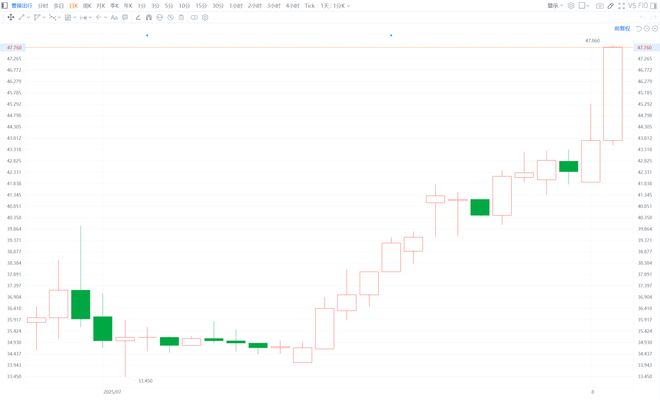
特斯拉:被马斯克拖到阴沟里?又到考验信仰时刻了!
海豚投研· 2025-04-23 03:18
Core Viewpoint - Tesla's Q1 2025 earnings report appears disappointing at first glance, but it contains underlying improvements, particularly in vehicle sales margins and pricing stability [3][7]. Revenue Performance - Total revenue for the quarter was $19.34 billion, which fell short of market expectations but was slightly below the revised estimates of around $20 billion from major banks [3][14]. - Automotive revenue reached $14.2 billion, with actual vehicle sales (excluding carbon credits) at $12.9 billion, slightly below the latest expectations of $13.1 billion [14][15]. Vehicle Sales Margins - The gross margin for vehicle sales (excluding carbon credits) was 12.5%, which, despite a 1.1 percentage point decline from the previous quarter, exceeded market expectations of 12.2% [3][20][25]. - The decline in margins was anticipated due to lower sales volumes and production halts related to the Model Y Juniper update, which raised per-unit costs to historical highs [7][20]. Vehicle Pricing Stability - The average selling price per vehicle remained stable at $40,000, showing a slight increase from $39,800 in the previous quarter [4][27]. - The stability in pricing was attributed to the high starting price of the Model Y Juniper, which offset promotional financing measures and negative impacts from changes in vehicle mix [4][29]. Future Sales Guidance - Tesla did not reiterate its previous guidance for positive year-over-year sales growth in 2025, indicating that further guidance will be provided in Q2 [4][51]. - The launch of the lower-cost Model 2.5 is still on track for production in the first half of 2025, alleviating market concerns about potential delays [4][51]. Operating Profit and Margin Trends - Operating profit for the quarter was only $400 million, a decline of nearly $1.2 billion from the previous quarter and below market expectations of $700 million [5][61]. - The operating margin fell to 2.1%, down 4 percentage points from the previous quarter, primarily due to lower-than-expected revenue and increased operating expenses [5][61]. Market Environment and Risks - The overall market environment for 2025 remains challenging, with significant risks in the U.S. related to potential cuts in IRA subsidies, which could increase vehicle prices by approximately 12% [8][52]. - In Europe, the recent easing of carbon emission targets may lead to uncertainty in electric vehicle sales, while in China, Tesla faces increasing competition from new entrants [8][52][53]. Sales Volume Expectations - Current market expectations for Tesla's 2025 sales have been lowered to 1.81 million units, reflecting a modest year-over-year growth of 1.3%, with some analysts projecting even lower figures around 1.7 million [9][51]. - The success of the Model 2.5 is critical for stabilizing sales volumes, with production expected to ramp up in June [9][53].
Tesla sales drop as carmaker warns ‘political sentiment' could impact future demand
The Guardian· 2025-04-22 20:40
Tesla saw a 9% drop in revenue year over year in the first quarter of 2025. The company brought in $19.3bn in revenue, well below Wall Street expectations of $21.45bn. The company reported an earnings per share of 27 cents, also well under investor expectations of 43 cents in earnings per share. Company sales plummeted in the first three months of the year. The company suffered a 13% drop in sales, making it the company's worst quarter since 2022. Tesla closed the quarter with 336,681 vehicles delivered. De ...