
交旅融合

Search documents
河北着力打造“近悦远来,主客共享”的美好生活新空间
Xin Lang Cai Jing· 2025-12-24 23:56
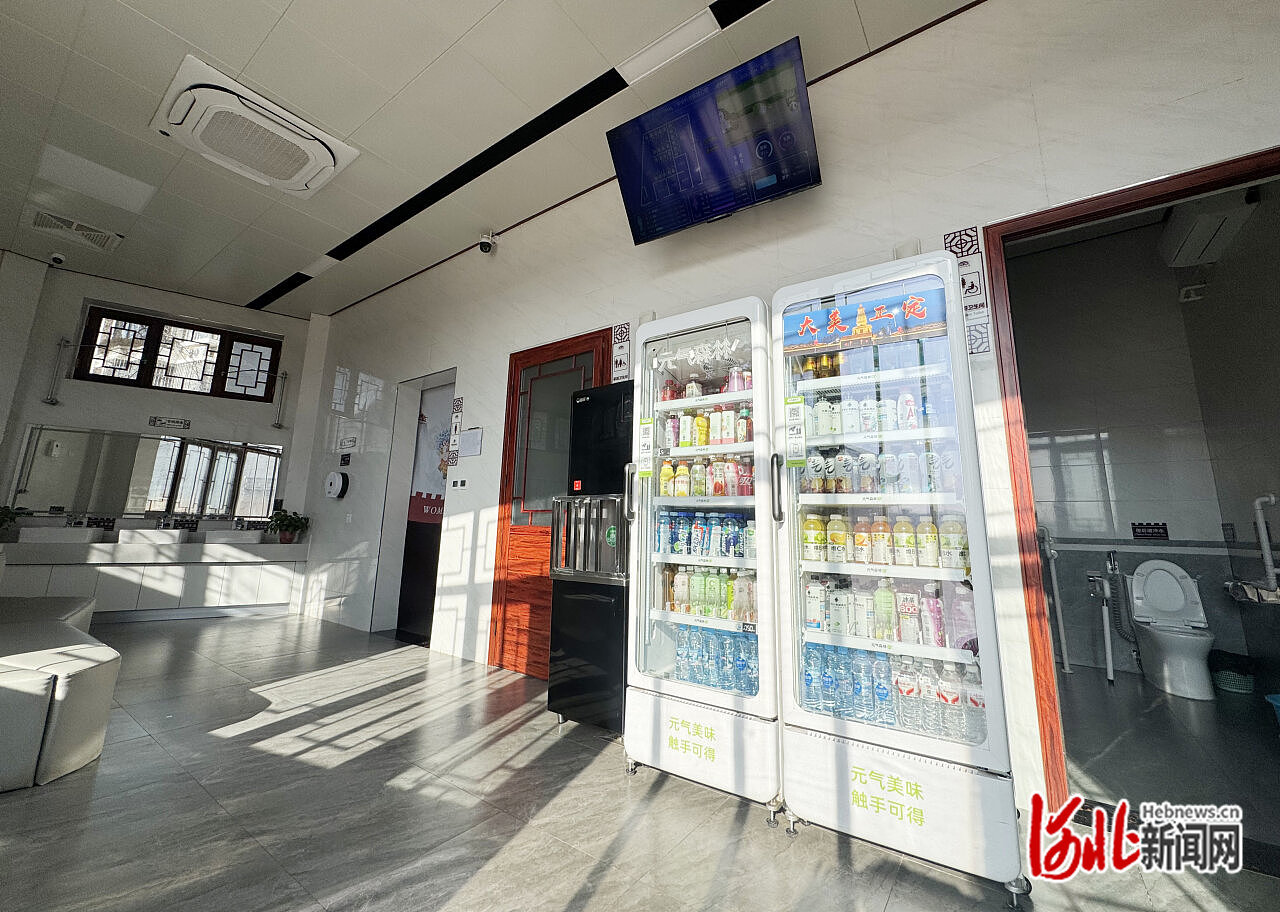
Core Viewpoint - Hebei province is focusing on enhancing tourism public services to create a new space for a beautiful life that is shared by both locals and visitors, emphasizing the importance of service quality in the tourism industry [1][3]. Group 1: Tourism Infrastructure Development - During the 14th Five-Year Plan period, Hebei is addressing shortcomings in tourism public services by improving transportation infrastructure and enhancing facilities for public convenience [3][4]. - By the end of the 14th Five-Year Plan, Hebei aims to establish 6,040 kilometers of tourism scenic roads, including notable routes like Zhangjiakou Grassland Tianlu and Chengde National Scenic Avenue [4]. - The integration of transportation and tourism is being promoted, with the development of scenic roads that enhance the travel experience and provide necessary amenities along the routes [3][5]. Group 2: Service Area Enhancements - Highway service areas are being transformed from mere rest stops into cultural and tourism destinations, with 64 service areas in Hebei adding tourism service functions [6][7]. - The first Great Wall cultural-themed service area has opened, and several service areas have been upgraded to AAA-level tourist attractions, enhancing the overall travel experience [6][7]. Group 3: Personalized Tourist Services - Hebei has established 54 self-driving RV camps, with the Huaxi Valley RV Camp being the highest-rated 5C camp in the province, catering to the growing demand for personalized travel experiences [7][8]. - The province has developed 50 tourism distribution centers and launched 166 tourist transport routes, including direct lines from Beijing to various attractions, to meet diverse tourist needs [8]. Group 4: Public Amenities Improvement - The "toilet revolution" in Hebei focuses on upgrading public restrooms to enhance visitor experience, with 1,300 new tourist toilets built during the 14th Five-Year Plan, bringing the total to 5,333 [9][10]. - Smart toilets equipped with real-time monitoring and additional amenities like baby care rooms and charging stations are being implemented to improve convenience for tourists [9][10].

“雄鹰线”定制公交上了全国典型
Su Zhou Ri Bao· 2025-12-24 22:23
Core Insights - The 2025 People's Transportation Conference held in Fuzhou announced the "Typical Cases of Integrated Transportation and Tourism Development" for 2025, highlighting the successful projects from Changshu City, including the "Aerial View of Changshu Low-altitude Tourism Project" and the "Eagle Line Customized Bus Route" as national benchmarks for innovation in transportation and tourism integration [1][2] Group 1: Eagle Line Customized Bus Route - The "Eagle Line Customized Bus Route" focuses on green connectivity, successfully activating new economic momentum for pedestrian tourism [1] - The route addresses the "last mile" travel challenges for high-speed rail tourists heading to the Eagle Line hiking starting point, providing direct access from Changshu Station [1] - The bus route spans 11 kilometers with only two stops, operating six times daily, and offers a tiered fare system of 1 yuan and 2 yuan per person, aligning with high-speed rail schedules [1] - From March to June and September to November, the route operated for 60 days, with 360 departures and peak daily ridership exceeding 120 passengers, boosting visitor numbers and reducing congestion at the Longdian Scenic Area [1] Group 2: Aerial View of Changshu Low-altitude Tourism Project - The "Aerial View of Changshu Low-altitude Tourism Project" aligns with the low-altitude economy trend, providing a new three-dimensional travel experience for visitors [2] - The project offers aerial views of key scenic spots like Yushan and Shanghu, enhancing the local tourism industry [2] - It features a low-altitude tourism center at the Hyatt Hotel by Kunshan Lake and a site at the Shajiabang Scenic Area, ensuring seamless connectivity between attractions and transportation [2] - In 2025, the project completed 64 aerial flights, serving 265 visitors and showcasing the charm of Changshu from a unique perspective [2] Group 3: Future Development and Strategy - Changshu City Transportation Bureau is committed to the "Transportation + Tourism" integration development concept, aligning with tourist travel needs and cultural tourism industry demands [2] - The bureau aims to create practical and innovative integrated transportation and tourism projects, providing a model for similar cities nationwide [2] - Future initiatives will focus on continuously innovating diverse integrated products to promote mutual empowerment and collaborative development of transportation and tourism industries [2]
“十四五”时期,交通固定资产投资达十八点八万亿元 国家综合立体交通网主骨架基本贯通
Ren Min Ri Bao· 2025-12-24 00:40
Core Insights - The overall operation of China's transportation economy has been stable and progressing, achieving annual targets successfully [2] - The focus for the upcoming "15th Five-Year Plan" includes enhancing transportation services to promote consumption and expand domestic demand [4][5] Investment and Economic Performance - Transportation fixed asset investment is expected to exceed 3.6 trillion yuan, maintaining a high level of operation [2] - The total volume of freight is projected to surpass 580 million tons, with a year-on-year growth of approximately 3.5% [2] - Port foreign trade container throughput has increased by about 9.6%, while international air freight has grown by 20% [2] - The total social cross-regional personnel flow is expected to exceed 66 billion person-times [2] Infrastructure Development - Over the past five years, the national comprehensive three-dimensional transportation network has been largely completed, connecting over 80% of county-level administrative regions [3] - Key urban agglomerations have achieved two-hour connectivity between major cities [3] - Significant infrastructure projects completed during the "14th Five-Year Plan" include the Shenzhen-Zhongshan Bridge and the Beijing-Harbin Expressway [7] Safety and Efficiency - The number of railway traffic accidents has decreased by 18.4% year-on-year, while accidents in the road and waterway sectors have dropped by 25.8% [2] - The modernization of transportation infrastructure is expected to enhance operational efficiency and safety [7] Consumer Services and Market Growth - The cruise passenger transport volume reached 1.265 million, a year-on-year increase of 27.8% [4] - The small and micro car rental market is projected to grow at an annual rate of 15% during the "15th Five-Year Plan" [4] - The development of self-driving tourism routes is anticipated to create new growth points in the integration of transportation and tourism [5] Equipment Upgrades - The transportation sector is accelerating the replacement of old equipment, with over 450 new locomotives introduced and 11.4 million old buses and batteries updated [8] - The focus on green and intelligent transportation equipment is expected to significantly enhance service capabilities [7][8]
【汉中】“陕南交通旅游山水画卷”交通强国建设试点任务通过验收
Shan Xi Ri Bao· 2025-12-24 00:35
Core Viewpoint - The "Southern Shaanxi Transportation and Tourism Landscape" project in Hanzhong City has successfully passed inspection by the Ministry of Transport, showcasing the integration of transportation and tourism in the region [1] Group 1: Project Overview - The project has been underway since September 2020, leveraging the ecological resources and cultural advantages of the Southern Shaanxi region [1] - Hanzhong City focused on six key tasks: improving tourism networks, building scenic corridors, enhancing service facilities, upgrading information services, creating passenger transport brands, and strengthening support capabilities [1] Group 2: Achievements and Recognition - The project has received 14 national and provincial honors, contributing to Hanzhong's development as a "comprehensive tourism city" and an "excellent travel destination" [1] - The initiative has explored a unique path for high-quality integration of transportation and tourism in the Qinba Mountain area [1] Group 3: Future Plans - The inspection results will serve as a new starting point for further deepening the outcomes of the transportation strong country construction pilot [1] - Plans include continuing to improve the transportation and tourism integration network, enriching cultural empowerment, and enhancing smart service levels [1]
淄博乡村路网优化提升工程完成率达111%
Da Zhong Ri Bao· 2025-12-23 03:13
Core Viewpoint - The rural road network optimization and enhancement project in Zibo City is a key initiative aimed at improving rural infrastructure, boosting local economies, and enhancing public services in rural areas [1] Group 1: Project Overview - The rural road network optimization project is one of Zibo City's top ten livelihood projects, focusing on early implementation, rapid progress, and tangible results [1] - As of now, Zibo City has completed 147 kilometers of rural and tourism road construction, exceeding the annual target by 11% [1] - The total length of rural roads in Zibo City has reached 10,356 kilometers, with a density of 195.9 kilometers per 100 square kilometers, creating a comprehensive and efficient rural transportation network [1] Group 2: Economic Impact - The upgraded rural roads have significantly improved the daily lives of villagers, facilitating easier access to schools and healthcare services [2] - The completion of the Qichang Great Wall Scenic Corridor has revitalized the local economy, with tourism revenue in the area increasing by over 50% to 15 million yuan since its opening [2] Group 3: Tourism Development - Zibo City has established a core development philosophy of "prosperity through roads," integrating transportation and tourism to enhance the local tourism brand [3] - The city has developed a comprehensive tourism traffic plan, including a 2,150-kilometer scenic road system and improvements to public transport services to support over 20 tourist attractions [3]
淄博|淄博乡村路网优化提升工程完成率达111%
Da Zhong Ri Bao· 2025-12-23 02:13
Core Insights - The rural road network optimization project in Zibo has exceeded its annual target, achieving a completion rate of 111% by constructing 147 kilometers of roads against a planned 132 kilometers for 2025 [2][3] - The total length of rural roads in Zibo has reached 10,356 kilometers, with a density of 195.9 kilometers per 100 square kilometers, establishing a comprehensive and efficient rural transportation infrastructure [2][3] Group 1: Project Overview - The rural road network optimization project is one of Zibo's top ten livelihood initiatives, aimed at enhancing rural connectivity and supporting local industries such as tourism and agriculture [2] - The project has successfully created a provincial-level demonstration city for "Four Good Rural Roads," with several counties achieving national demonstration status [2] Group 2: Economic Impact - Upgraded rural roads have significantly improved villagers' daily lives, facilitating easier access to schools and healthcare services [3] - The completion of the Qichang Great Wall Scenic Corridor has boosted local tourism, generating over 15 million yuan in tourism revenue, a 50% increase since its opening [3][4] Group 3: Development Strategy - Zibo has adopted a development philosophy centered on enhancing economic growth through improved road infrastructure, encapsulated in the slogan "prosper through roads, beautify through roads, and enrich through roads" [4] - The city has developed a comprehensive tourism traffic plan, including a 2,150-kilometer scenic road system and investments in public transport to enhance visitor experience [4]
京津两地往返旅行再添新线路
Xin Lang Cai Jing· 2025-12-21 11:27
Core Viewpoint - The introduction of the "Tianjin Travel Time Train" will enhance travel options between Beijing and Tianjin starting January 1, 2026, promoting cultural tourism and regional collaboration [1] Group 1: New Train Line Details - The "Tianjin Travel Time Train" will operate between Tianjin North Station and Beijing Station on weekends and holidays, aiming to provide a new travel experience for residents [1] - The train will feature systematic upgrades in spatial structure, cultural interpretation, and intangible cultural heritage interaction [1] - Tickets for the new route are available on the railway 12306 App and the "iTravel Tianjin" WeChat mini-program [1] Group 2: Train Features and Experience - The train is designed as a themed immersive cultural tourism train, integrating traditional culture, intangible heritage, and modern technology [1] - It consists of ten themed carriages, designed for performance and interaction, creating a continuous immersive experience during the journey [1] - Passengers will have the opportunity to engage with representatives of Tianjin's intangible cultural heritage through live demonstrations and interactive teaching [1] Group 3: Ticket Pricing and Promotions - Adult ticket prices are set at 160 yuan for standard, 210 yuan for package, and 285 yuan for VIP tickets, with an 8% discount available for a limited time in January 2026 [1] - Children's ticket prices are 96 yuan for standard, 126 yuan for package, and 171 yuan for VIP tickets [1] - Tickets can be purchased through the "iTravel Tianjin" WeChat mini-program or the railway 12306 App [1] Group 4: Impact on Regional Development - The new train line aims to enhance cultural tourism collaboration between Beijing and Tianjin, promoting the integration of travel and culture [1] - It is expected to boost regional consumption and elevate the cultural brand and travel experience of the cities involved [1]
渝湘复线高速公路全线建成通车
Xin Hua She· 2025-12-18 14:25
渝湘复线高速公路全线通车后,重庆中心城区前往酉阳的车程将较既有高速缩短约60分钟,缓解了 老渝湘高速的通行压力,同时将进一步完善区域高速公路网络,串联起东温泉、黎香湖、金佛山、仙女 山、乌江画廊、龚滩古镇、桃花源等沿线众多旅游景点,对推进交旅融合、促进沿线区域经济发展等具 有重要意义。(记者 赵佳乐) 记者从重庆市交通运输委员会了解到,12月18日,渝湘复线高速公路武隆至彭水段、武隆至道真段 (重庆段)正式建成通车,标志着渝湘复线高速公路实现全线建成通车。 据项目建设方重庆高速集团介绍,渝湘复线高速总里程280公里,由巴南至彭水段、彭水至酉阳 段、武隆至道真段(重庆段)3个项目段组成,途经重庆巴南、南川、武隆、彭水、酉阳5个区县,平均 桥隧比达80%,是重庆高速公路建设史上综合建设难度最高的项目之一。 ...
贵州:高速公路服务区特色服务助推文旅融合发展
Zhong Guo Xin Wen Wang· 2025-12-11 03:27
Core Insights - The Daluoshan Service Area in Guizhou has successfully integrated economic and social benefits since its opening on September 29, 2023, hosting over 360 activity groups and more than 10,000 visitors, while providing red culture education to over 340,000 people [1] - The service area serves as a significant cultural showcase, emphasizing the Long March history and promoting tourism and commercial innovation [1] - Guizhou is advancing a new "road economy" ecosystem by integrating tourism, commerce, and culture through its highway service areas, achieving over 400 million yuan in revenue during the 14th Five-Year Plan period [1] Group 1 - The Daluoshan Service Area is the first service area in Guizhou for travelers entering from Chongqing, featuring red cultural elements from historical events like the Zunyi Conference and the Battle of Laoshan [1] - The service area has created a new business model that maximizes commercial value while promoting regional tourism [1] - It offers basic services such as rest, dining, and fuel, alongside cultural exhibitions and creative product sales, making it popular among visitors [1] Group 2 - The Xijiang Service Area in Qiandongnan has transformed traditional service area functions into a comprehensive cultural and tourism hub, leveraging its unique location [2] - It employs a "service area + employment + industry" model, creating over 100 local jobs with an 80% local employment rate, thus supporting community development [2] - The service area has successfully attracted over 30,000 visitors annually to nearby villages, boosting local industries such as dining, lodging, and agricultural product sales [2] Group 3 - The Zhenan Service Area has partnered with local towns to promote regional agricultural products, achieving a revenue of 480,000 yuan, which accounts for 18% of the service area's total annual revenue [3] - The Wengkun Hot Spring Service Area has integrated Miao and Dong cultural elements, enhancing the travel experience and increasing visitor dwell time [3] - It effectively combines local cultural festivities and culinary offerings into the service area, promoting cultural exchange and enhancing operational efficiency [3]
“沿着高速游南沙”系列活动开启,携手广东三宝打造交旅融合新场景
Nan Fang Nong Cun Bao· 2025-12-10 14:34
Core Viewpoint - The event "Along the Highway to Explore Nansha" aims to promote the integration of transportation, culture, commerce, tourism, and sports resources in the Nansha District, leveraging its strategic location and transportation infrastructure to enhance regional development [2][4][60]. Group 1: Event Overview - The resource promotion conference and the series of activities were successfully held at the Wanquingsha service area on December 10 [2][11]. - The theme of the event was "Smooth Travel in the Bay Area, Fresh Look at Nansha," focusing on the integration of various resources to promote deep development in the Greater Bay Area [3][4]. Group 2: Collaborative Efforts - A memorandum of cooperation was signed between the Nansha District Cultural, Radio, Television, Tourism, and Sports Bureau and Guangzhou Transportation Investment Group, aiming to explore new ideas for "transportation + cultural tourism" integration [14][15]. - The event featured multiple promotional activities, including a video showcasing the unique advantages of the Nansha District's transportation infrastructure [17][18]. Group 3: Tourism and Cultural Promotion - Nansha has developed a diverse cultural tourism IP matrix, including attractions such as Nansha Tianhou Palace and Nansha Wetland Park, and has been recognized for its tourism potential [22][23]. - The event highlighted various upcoming cultural tourism activities and introduced new attractions, enhancing Nansha's cultural tourism influence [21][25]. Group 4: Local Products and Services - The event showcased local products from Guangdong Sanbao, emphasizing the quality and heritage of local agricultural products [42][45]. - Various local businesses participated, offering a range of services and products, including dining options and cultural experiences, to enhance visitor engagement [35][46]. Group 5: Future Development Plans - Guangzhou Transportation Investment Group plans to continue developing the "Along the Highway to Explore Nansha" brand, aiming to upgrade the Wanquingsha service area into a hub for transportation, culture, commerce, and tourism in the Greater Bay Area [58][60].
