人形机器人商业化

Search documents
北京发力人形机器人产业 政策扶持加速商业化落地
Zheng Quan Ri Bao Wang· 2025-11-25 11:01
对于人形机器人的商业化进程,业内也持乐观态度。开源证券研究所机械首席分析师孟鹏飞近日在研报 中表示:"我们认为2026年是国产人形机器人量产元年,当前呈现出技术突破提速、供应链逐步完善、 商业化初步试水的鲜明特征。看好头部整机资本化,以及开启大规模量产带来的整机制造、硬件供应 链、标准化(检测)等投资机会。" 中国信息通信研究院发布的《人形机器人产业发展研究报告》中提出,未来可考虑分三个阶段推动人形 机器人商业化落地。第一阶段,通过政策牵引,深入挖掘危险作业、极端环境等高价值的特种应用场 景,推动供需双方对接,定向开发一批产品并落地应用。第二阶段,加快探索工业制造、物流等制造业 相关的大规模应用场景,从"替代相对简单且重复性的劳动"开始,成熟一代应用一代,在迭代中加速技 术成熟、降低单体成本、提升整体性能,逐步提高对制造业场景的渗透率。第三阶段,加强人工智能与 人形机器人的融合创新,实现更高水平的具身智能,并推动人形机器人进入医院、学校、商场、餐厅等 服务业场景,最终走入千家万户。 相较于传统机器人,人形机器人具备显著优势,这也是业内对其未来商业化价值寄予厚望的关键因素。 北京清飞科技有限公司创始人兼CEO魏 ...

人形机器人_从全球 TMT 要点、小鹏动作、优必选订单可见行业持续崛起-Humanoid Robot_ Sector‘s continued ascent evident in Global TMT takeaways, Xpeng‘s move, UBTech‘s order wins
2025-11-25 01:19
Summary of Key Points from the Conference Call Industry Overview - The humanoid robot sector is experiencing significant growth, transitioning from hype to tangible industrial adoption, with a focus on execution, delivery, and ecosystem building [6][8] - Key players in the sector include UBTech, XPeng, Inovance, Leader Drive, Shuanghuan, and Yiheda Automation, all of which are actively involved in humanoid robot commercialization [2][6] Core Insights and Arguments - **UBTech's Performance**: - UBTech reported a new order of Rmb159 million for the Walker S series, bringing total orders to Rmb800 million year-to-date (YTD) [9][11] - The company is on track to exceed its annual shipment guidance of 500 units for 2025, with production capacity ramped up to 200-300 units per month [9][11] - The muted share price reaction (+1.5% next day) indicates a market focus on execution and delivery rather than just order wins [11] - **XPeng's Innovations**: - XPeng's next-gen humanoid robot, IRON, is designed for commercial and retail applications, with mass production targeted for the end of 2026 [10][11] - CEO He Xiaopeng anticipates the robotics market to reach US$20 trillion in 10-20 years, aiming for sales of over 1 million robots by 2030 [10][11] - **Inovance's Strategy**: - Inovance is focusing on dual strategies as a core component supplier and developer of AI solutions for industrial scenarios, merging its robotics teams into a single division [9][11] - The company remains optimistic about medium- to long-term market potential, although large-scale adoption is expected to take years [9][11] - **Leader Drive's Growth**: - Leader Drive reported a 70-80% year-over-year increase in shipments and a 50% increase in revenue, actively controlling prices to capture market share [9][11] - The company is a key supplier for several leading clients, including UBTech [9][11] - **Market Sentiment**: - The sector has seen profit-taking recently, with notable declines in stock prices for several companies, including UBTech (-14%) and Inovance (-12%) [13][14] - Despite this, YTD performance remains strong for leaders like UBTech (+108%) and Sanhua Intelligent-A (+74%) [13][14] Additional Important Insights - The upcoming IREX 2025 in Japan is expected to renew interest in the humanoid robot sector, particularly for Japanese companies [2] - The market is rewarding companies that demonstrate real-world results and operational performance, shifting focus from headline order wins to proof of commercialization [8][10] - Tesla remains a closely watched player in the sector, with its Optimus platform setting industry standards despite delays in the launch of Optimus 3 [10][12] Conclusion - The humanoid robot sector is poised for growth, driven by strong demand and innovative developments from key players. However, market volatility and profit-taking may present short-term challenges. The focus on execution and real-world applications will be critical for sustaining investor interest and achieving long-term success in this rapidly evolving industry.
产业链企业频频拿下大单 人形机器人规模化“上岗”
Zheng Quan Ri Bao Wang· 2025-11-06 12:58
Core Insights - The humanoid robot industry is experiencing a surge in large orders, indicating strong market confidence in the commercialization of humanoid robots [1][2][4] - Major companies like UBTECH, Zhiyuan Robotics, and Yushu Technology have secured significant contracts, while new entrants like XPeng and ByteDance are also entering the market [1][2][3] - The industry is transitioning from experimental products to commercially viable solutions, with a focus on mass production and standardization [4][5] Industry Developments - Seven humanoid robot companies have announced orders exceeding 100 million yuan or over 1,000 units, showcasing a robust demand [1] - UBTECH's Walker S2 humanoid robot has secured a contract worth 159 million yuan for a data collection project, adding to its total orders exceeding 800 million yuan for the year [2][5] - The supply chain for humanoid robots is experiencing increased activity, with manufacturers reporting a tripling of inquiries and doubling of actual orders [2][5] Market Trends - The humanoid robot market is expanding into various applications, including education, retail, security, and healthcare [4] - The cost of humanoid robots has significantly decreased, from several hundred thousand yuan five years ago to below 100,000 yuan today, making them more economically viable for commercial use [5][6] - The industry is moving towards modular and standardized manufacturing, which enhances production efficiency and reduces costs [5] Future Outlook - The Ministry of Industry and Information Technology plans to accelerate major national technology projects to support the humanoid robot sector [6] - Despite the positive developments, challenges remain in technology, cost, and regulatory aspects that need to be addressed for large-scale commercialization [6]
小鹏IRON因太逼真“被迫”自证,人形机器人商业化春天已至?
Mei Ri Jing Ji Xin Wen· 2025-11-06 11:06
Core Insights - The new generation of Xpeng's IRON robot has become a focal point of public discussion, showcasing advanced humanoid movements that sparked debates about its authenticity [1][2] - Xpeng's chairman, He Xiaopeng, addressed skepticism by revealing the robot's internal structure, effectively transforming a potential PR crisis into an opportunity for technical education [1] - The controversy highlights a paradox where the robot's technological sophistication leads to increased scrutiny, demonstrating that the more human-like the robot appears, the more it is subject to doubt [2] Technological Advancements - Xpeng has successfully transitioned from laboratory prototypes to practical products, with the IRON robot now performing sorting, handling, and quality inspection tasks in its factory [2] - The collaboration with Baosteel marks a significant step into industrial inspection scenarios, differentiating Xpeng from competitors who struggle to move beyond mere demonstrations [2] - The robot's design features 82 degrees of freedom and a precision gait error of just 2 millimeters, supported by three self-developed Turing chips providing 2250 TOPS of computing power, which is 15 times that of Tesla's Optimus [1] Cost Efficiency - Xpeng has managed to reduce the cost of high-end humanoid robots to below 500,000 yuan, approximately 40% lower than Tesla's expected costs, addressing the industry's long-standing issue of high costs and scalability [2] Market Strategy - The choice to focus on industrial applications rather than consumer markets aligns with the current maturity of the technology, allowing for the accumulation of critical data for future iterations [2] - Xpeng's plan for mass production by the end of 2026 is based on solid advancements in technology, cost, and application scenarios, indicating a viable path for commercialization [3] Industry Implications - The ongoing debate surrounding the IRON robot signifies a pivotal moment for the humanoid robotics industry, suggesting that commercialization is not a distant fantasy but a current reality [3] - As more companies enter the humanoid robotics field, technological iterations will accelerate, costs will decrease, and application scenarios will expand, marking a shift from technical showcases to practical implementations [3]

人形机器人进入家庭至少还要8—10年!业内重要预测
Zheng Quan Shi Bao· 2025-11-05 15:23
Group 1 - The core viewpoint is that humanoid robots are expected to take at least 8-10 years to enter household scenarios, with a focus on industrial applications in the near term [2][6]. - Experts predict that in the coming year, over 10,000 humanoid robots are expected to be delivered in the industrial sector, marking a significant milestone comparable to the early days of new energy vehicles [6]. - The ultimate goal of developing humanoid robots is to address practical problems in daily life and production, as long as the models can effectively solve these issues [6][5]. Group 2 - Safety and regulatory standards are critical challenges that need to be addressed before humanoid robots can be integrated into home environments [3][2]. - The initial deployment of humanoid robots is anticipated in industrial settings, with broader applications in commercial scenarios, such as hospitality, expected to follow in 3-5 years [2][5]. - The transition from technology development to practical application in various scenarios is seen as a key focus for the industry, with a need for scalable and replicable use cases [3][6].


人形机器人进入家庭至少还要8—10年!业内重要预测
证券时报· 2025-11-05 15:20
Core Viewpoint - The development and integration of humanoid robots into various sectors, particularly industrial and eventually household applications, is projected to take significant time, with experts estimating 8-10 years for household integration and a critical year for industrial applications in 2024 [2][3][9]. Group 1: Industry Predictions - Experts predict that humanoid robots will first be implemented in industrial settings, with expectations of over 10,000 units being delivered by companies in the coming year, marking a pivotal moment similar to the early days of the electric vehicle market [2][9]. - The transition from technology development to practical application in commercial settings is anticipated to occur within the next 3-5 years, particularly in standardized environments like logistics and service industries [7][9]. - The ultimate goal of humanoid robots is to address practical problems in daily life and production, with the focus on creating models that effectively solve these issues [9]. Group 2: Challenges and Considerations - The integration of humanoid robots into household environments will require addressing safety, legal, and regulatory standards, which are seen as more complex than the technological challenges [4][9]. - The industry is currently focused on finding replicable and scalable scenarios for humanoid robots to ensure successful deployment and acceptance in various sectors [4][6]. - The rapid advancement of technology, such as the development of AI models like GPT-5, is prompting a reevaluation of data research to explore new possibilities in the robotics field [9].
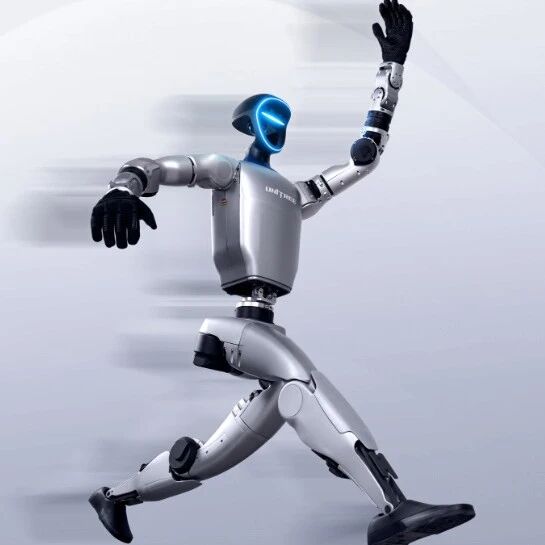
长城前AI Lab负责人杨继峰加盟优必选,主攻智慧物流
3 6 Ke· 2025-10-28 08:33
Core Insights - Yang Jifeng, former head of AI Lab at Great Wall Motors, has joined UBTECH as a technical partner and co-CEO of its logistics subsidiary UQI, leveraging his AI and mass production experience in the automotive industry for humanoid robot commercialization, particularly in smart logistics scenarios [1][3][4] Group 1: Background of Yang Jifeng - Yang Jifeng entered the autonomous driving field in 2014, holding significant positions at FAW-Volkswagen Audi, Shenzhen Yicheng Autonomous Driving, and the China Electric Vehicle Hundred People Association Innovation Center [3] - After joining Great Wall Motors in 2021, he served as Senior Director of the Intelligent Center, overseeing the implementation of smart cockpit and AI assistant products, and later led the establishment of Great Wall Motors AI Lab, focusing on AI model development [3][4] - He also served as CTO of Caresoft Global, managing a research team of over 2,000 and establishing R&D and data centers in multiple countries [3] Group 2: UBTECH and UQI's Strategic Focus - UQI, the smart logistics subsidiary of UBTECH, aims to efficiently and cost-effectively transform existing technology into stable and reliable commercial products, with a focus on B-end scenarios [3][4] - The logistics and "pan-logistics" sectors, including warehousing, sorting, and factory transportation, are viewed as promising application areas for humanoid robots, with UQI tasked with executing UBTECH's initiatives in this domain [3][4] Group 3: Technological Synergy - Humanoid robots in logistics require advanced capabilities in environmental perception, autonomous navigation, dynamic obstacle avoidance, and collaborative decision-making, aligning closely with Yang Jifeng's previous work in the "Coffee Intelligent Driving" project [4] - Yang Jifeng's experience in implementing complex AI projects in the automotive sector will support UQI in advancing its smart logistics initiatives [4] - The recruitment of executives with substantial mass production experience reflects a trend of convergence between the smart automotive and humanoid robot sectors, facilitating the application of automotive AI mass production experience to humanoid robots in logistics scenarios [4]


万亿机器人赛道:宇树和figure谁才能代表未来?
3 6 Ke· 2025-10-20 09:26
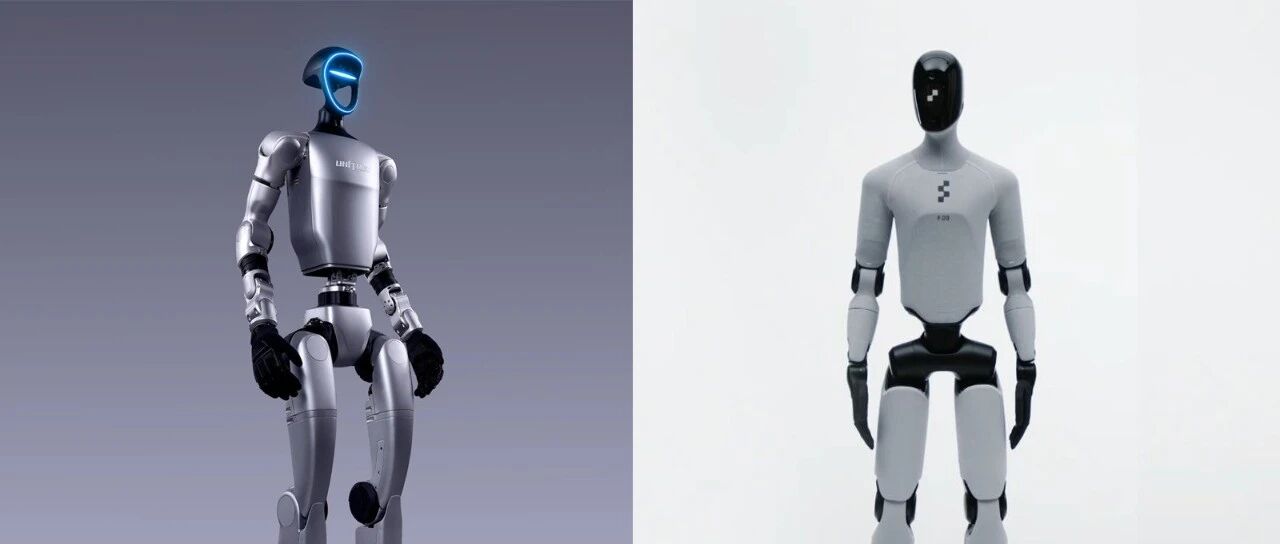
Core Viewpoint - The humanoid robot industry is entering a commercialization phase, with a shift in investment focus from general technology to practical application scenarios. Companies with production capabilities and self-sustaining business models are favored, while others struggle to secure funding and market presence [1][3][4]. Group 1: Industry Dynamics - This year marks a significant increase in orders for humanoid robot companies, with notable contracts such as UBTECH's Walker series securing nearly 500 million yuan in contracts, and ZhiYuan Robotics' G2 receiving several hundred million yuan in orders [3][4]. - YuShu Technology leads the industry with 25 public procurement projects this year, nearing its total for 2024, and has been recognized as a standard equipment provider in many projects [3][4]. - Despite YuShu's leadership, there are growing concerns about its technological advancements, particularly in AI and robotics, compared to competitors like Figure AI, which recently achieved a post-financing valuation of 39 billion USD [4][8]. Group 2: Competitive Landscape - Figure AI's third-generation humanoid robot, Figure 03, has been highlighted for its design and potential for mass production, boasting a production capacity of 100,000 units annually [8][9]. - The industry faces skepticism regarding the actual capabilities of humanoid robots, with many companies, including Figure, criticized for overpromising and underdelivering on their technological advancements [11][13]. - The market is characterized by a lack of standardized applications, making it difficult for humanoid robots to achieve widespread commercial viability [20][21]. Group 3: Research and Development - YuShu's R&D spending over the past three years totals approximately 350 million yuan, with a significant portion allocated to hardware rather than algorithm development, raising concerns about its competitive edge in AI [5][7]. - The company has introduced its own world model architecture, but it is seen as lagging behind current mainstream models, which may hinder its ability to lead the industry [7][8]. - The humanoid robot sector is still in the experimental phase, with many products not yet achieving stable operational status or generating significant commercial value [22][23].
宇树:老大难做,对手估值2700亿
首席商业评论· 2025-10-20 04:21
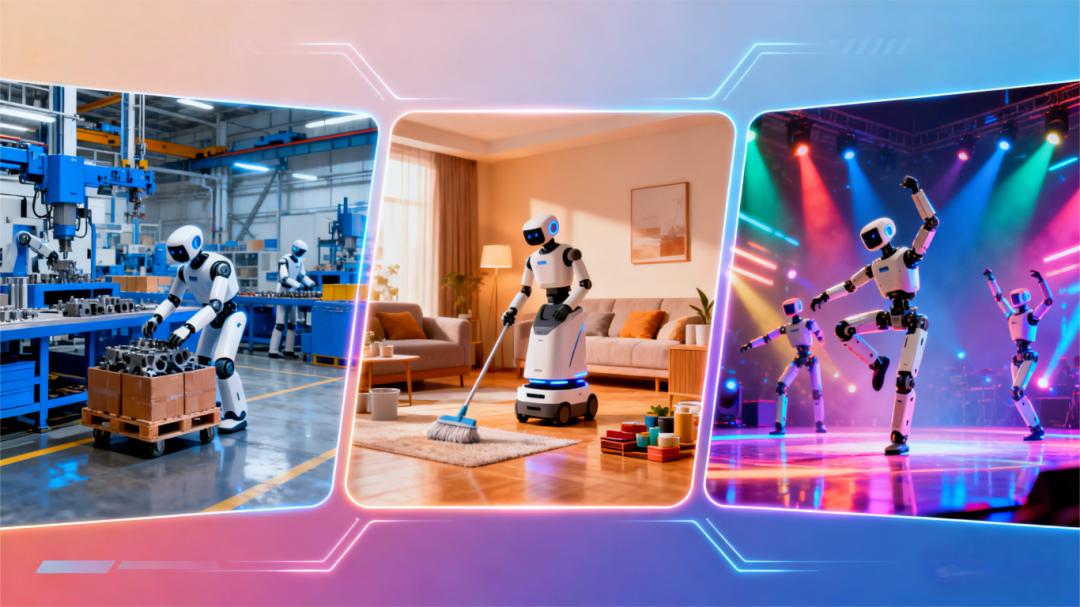
Core Viewpoint - The article discusses the current state of the humanoid robot industry, highlighting the commercialization efforts and challenges faced by leading companies like Yushu Technology, while contrasting it with competitors like Figure AI, which has achieved significant valuation and market presence [4][7][11]. Group 1: Market Dynamics - 2023 is seen as the year of commercialization for humanoid robots, with investors focusing on companies that can demonstrate mass production capabilities and self-sustainability [4]. - Many robot companies have secured substantial orders this year, with Yushu Technology leading in public procurement projects, having won 25 contracts so far, nearing its total for 2024 [6][7]. - The market is shifting from betting on general technologies to focusing on practical applications, with companies like Yushu and others actively pursuing orders and partnerships [4][6]. Group 2: Competitive Landscape - Yushu Technology is recognized as the industry leader, but faces increasing scrutiny regarding its technological advancements, particularly in AI and robotics capabilities [7][8]. - Competitors like Figure AI have achieved a post-financing valuation of approximately 270 billion RMB, raising questions about Yushu's relative valuation and market position [11]. - The article notes that while Yushu excels in hardware performance and cost control, it is perceived as conservative in AI model development, which could hinder its ability to maintain leadership in a rapidly evolving market [10][11]. Group 3: R&D Investment - Yushu's R&D spending over the past three years totals around 350 million RMB, with a significant portion allocated to hardware rather than algorithm development, raising concerns about its long-term competitiveness [8][10]. - In contrast, competitors like Zhiyuan Robotics have invested heavily in AI model development, spending approximately 400-500 million RMB annually [8]. - The article emphasizes the importance of continuous innovation in AI models, as the industry is rapidly advancing and requires substantial investment to keep pace [10][11]. Group 4: Industry Challenges - The humanoid robot industry is still in its early stages, with many companies relying on academic and government contracts, leading to questions about the sustainability of demand [19][22]. - The article highlights the challenges of standardizing humanoid robots for various applications, which complicates the business model and limits widespread adoption [17][21]. - There is a prevailing sentiment that the industry is experiencing a speculative bubble, with calls for more tangible results and applications to validate the market's potential [7][22].
人形机器人入厂经济账曝光?智元合伙人姚卯青:成本优化后服役两年可打平人力
Hua Xia Shi Bao· 2025-10-19 00:49
Core Insights - The lifecycle of humanoid robots is designed around a three-year metric, with the potential for cost parity with human labor after scaling production [1][8] - The company has become one of the leading humanoid robot manufacturers in China, recently announcing significant orders for its new industrial-grade interactive robot, ZhiYuan Spirit G2 [1][6] - The company aims for overseas revenue to account for over 30% of total income by next year, driven by higher labor costs and automation demand in developed markets [1][8] Product Development - The ZhiYuan Spirit G2 was launched as the latest iteration, showing significant improvements in hardware performance, control precision, and interactive intelligence compared to its predecessor, G1 [3][4] - The G2 robot features enhanced flexibility and efficiency, allowing it to perform tasks that previously required multiple robots with just one [3][4] - The G2 is a wheeled humanoid robot, chosen for its advantages in stable environments, while bipedal robots are reserved for more complex terrains [4][5] Commercialization Progress - The company has secured several multi-million yuan orders, including a framework order from Longqi Technology and a contract with Junsheng Electronics for automotive parts manufacturing [6][7] - The humanoid robot industry is entering a commercial phase, with multiple companies, including ZhiYuan, receiving substantial orders [6] - The company has seen a significant increase in delivery volume, achieving thousands of units delivered from January to September this year [6][7] Economic Viability - The cost of human labor in a factory setting can reach approximately 300,000 yuan over two years for a worker on a two-shift schedule, making the economic case for robots compelling [8][9] - The company anticipates that with optimized production costs, deploying a robot to replace multiple human workers will become economically viable [8][9] - The company is actively pursuing global expansion strategies, including establishing a distribution network and local partnerships for design and production [9]