债务化解

Search documents
变现520亿,王健林还在卖家当
商业洞察· 2025-07-26 07:56
Group 1 - Wang Jianlin has sold a 30% stake in Kuaiqian Financial for 240 million yuan, marking a significant divestment of his financial assets [2][6][22] - Kuaiqian Financial, a licensed payment institution, was once a core asset in Wang's financial portfolio, but its value has significantly decreased from an estimated 3 billion yuan to around 800 million yuan [13][24] - This sale is part of a broader trend where Wang has liquidated over 52 billion yuan in assets, including hotels and shopping malls, to address financial pressures [7][39] Group 2 - Wang Jianlin's divestment of Kuaiqian follows the sale of 100% of Wanda Hotel Management to Tongcheng Travel for 2.49 billion yuan, indicating a strategic retreat from the hospitality sector [28][34] - The hotel management business, which includes over 200 operating hotels, has been significantly downsized, with Wang now focusing on investment properties and overseas operations [36][41] - The financial strain is evident as Wang's company faces over 43.9 billion yuan in short-term debts, with only 15.1 billion yuan in cash available [44][45] Group 3 - Wang's aggressive asset liquidation strategy aims to maintain creditworthiness, as he has not publicly defaulted on debts despite ongoing financial challenges [45][46] - Legal issues persist, with former partners like Suning and Rongchuang pursuing claims against him, adding to the financial turmoil [48][50] - Control over remaining valuable assets, such as Zhuhai Wanda Commercial Management, is gradually being relinquished as external investors gain influence [52][53]


2025年上半年城投债市场追踪及市场关注:化存控增持续进行时,非标风险边际收敛,优质城投债持续稀缺
Zhong Cheng Xin Guo Ji· 2025-07-11 09:42
Group 1: Report Investment Rating - No information provided regarding the industry investment rating Group 2: Core Viewpoints - In H1 2025, the urban investment bond market continued the 2024 policy line, with short - term debt resolution showing results, "exiting the platform" and urban investment transformation accelerating. However, in the long run, urban investment financing channels are restricted, and liquidity pressure in some regions is not fully alleviated. It is expected that implicit debt resolution, "exiting key provinces" and "exiting the platform" will accelerate, and the industrial transformation of urban investment enterprises will further speed up, but attention should be paid to the risks during the transformation process [4] - The overall supply of urban investment bonds tightened in H1 2025, with a year - on - year decline in issuance and net financing. Yields fluctuated downward, and the difference in yields among different credit - rated bonds widened. The net financing of low - level and low - rated issuers remained weak, and the financing pressure on weak - quality urban investment enterprises persisted [3][4] Group 3: Summary of Each Section I. National Urban Investment Bond Overall Issuance Overview and Characteristics in H1 and Q2 2025 - **Issuance and Net Financing**: Under the "controlling increment and resolving stock" policy, the issuance policy remained strictly regulated. In H1 2025, 4,339 urban investment bonds were issued, with a total issuance of 2.808708 trillion yuan and a net financing of - 76.36 billion yuan. The total issuance decreased by 11.55% year - on - year, and net financing decreased by 149.16% year - on - year. The net financing turned negative, and the supply tightened. Monthly issuance showed a decline in April and May and a recovery in June [3][6] - **Yield and Cost**: Yields fluctuated downward, and the difference in yields among different credit - rated bonds widened. The issuance cost decreased significantly, and the number of cancelled issuances decreased since April. High - interest urban investment bonds were mainly in regions with negative public opinions and weak economic and fiscal strength. The issuance of ultra - long - term (10 - year and above) urban investment bonds increased year - on - year, mainly in developed provincial capitals, with AAA ratings and mainly medium - term notes and private placement bonds [3][8] - **Issuer Characteristics**: The issuance and net financing of all types of issuers decreased year - on - year. Low - level and low - rated issuers had weak net financing, especially district - level urban investment enterprises whose net financing gap continued to expand. In H1 2025, the net financing of AA - rated enterprises was the weakest, and the net financing of AA+ enterprises turned negative in Q2 [3][15] - **Regional Distribution**: Jiangsu, Shandong, and Zhejiang were the top three provinces in terms of issuance amount, but the net financing of Jiangsu and Zhejiang was negative. Key provinces' debt resolution advanced steadily, with a decline in issuance and a narrowing net financing gap, showing internal differentiation. Non - key provinces' net financing turned negative [4][18][19] - **New Issuance**: New issuances were mainly in regions with economic, fiscal, or industrial advantages. Key provinces had fewer new issuances. In H1 2025, 252 new bonds were issued, with a total amount of 203.225 billion yuan, mainly by AAA and AA+ enterprises [4][23] II. Concerns in the Current Urban Investment Bond Market - **Short - term Debt Resolution and Transformation**: In H1 2025, the market continued the 2024 policy line. Short - term debt resolution was effective, and urban investment transformation accelerated. However, fiscal pressure remained, and the effects of policies needed further observation [27][28] - **Differentiated Debt Resolution Progress**: The progress of debt resolution varied across regions. The "exiting the platform" process accelerated, and the non - standard risk and bill overdue events of urban investment enterprises decreased marginally. Key provinces advanced faster in debt resolution, and non - key provinces also made progress but faced challenges in reducing high - interest debts [32][33] - **Marketization Transformation Risks**: The transformation of urban investment enterprises was accelerating, but there was a risk of "false transformation", which could lead to capital recovery risks and drag on regional development. Attention should be paid to the reconstruction of government - enterprise relations and the debt burden caused by "heavy investment, light output" [34][37]
再向大股东借款超60亿,万科称“全力以赴化解到期债务”
Di Yi Cai Jing· 2025-07-03 10:24
Core Viewpoint - The article discusses the financial support provided by Shenzhen Metro Group (深铁集团) to Vanke (万科) through shareholder loans to help the company manage its debt obligations, highlighting the ongoing financial challenges faced by Vanke and the strategies it is employing to address them [2][3][4]. Group 1: Shareholder Loans - Shenzhen Metro Group has provided a total of over 21.8 billion yuan in shareholder loans to Vanke since 2025 [1]. - On July 3, Vanke announced that Shenzhen Metro Group would provide up to 6.249 billion yuan in loans to repay bond principal and interest [2]. - The interest rate for the new loan is set at 2.34%, with a maximum term of three years [2]. Group 2: Debt Management - Vanke has not yet repaid a previous loan of 890 million yuan, which has been extended until December 31 of this year [2]. - A separate loan of approximately 1.551 billion yuan, originally a credit loan, is now backed by a pledge of equity valued at up to 2.216 billion yuan, with a pledge rate of 70% [3]. - Vanke reported that it has completed 165 billion yuan in public debt repayments this year, but still faces significant repayment pressure with 21.76 billion yuan in bonds maturing or redeemable this year [3][4]. Group 3: Future Strategies - Vanke plans to manage its debt through accelerated sales, dynamic control of development pace, and maintaining positive operating cash flow [4]. - The company aims to leverage market conditions for asset sales and securitization to enhance liquidity [4]. - Vanke's management expressed confidence in overcoming challenges with support from various stakeholders and its own efforts [4].
城市24小时 | 举全区之力,这个沿海省份不只为“化债”
Mei Ri Jing Ji Xin Wen· 2025-06-26 16:08
Core Viewpoint - The meeting emphasized the importance of addressing debt issues in Liuzhou while focusing on high-quality economic development, aligning with national strategies and policies [1][2]. Debt Resolution and Economic Development - Liuzhou is tasked with resolving its debt issues while simultaneously promoting high-quality development, leveraging a package of support policies from the autonomous region [1][2]. - The city has a clear timeline for reducing non-standard debt by 50 billion yuan and 272 billion yuan by 2024, with a goal to eliminate non-standard debt by mid-2025 [2]. Industrial Focus and Challenges - Liuzhou, as the largest industrial city in Guangxi, contributes approximately one-sixth of the region's industrial output, with over 1,000 large-scale industrial enterprises [3]. - The city's GDP for 2024 is projected at 2,950.67 billion yuan, with a year-on-year growth of 1.5%, indicating a continuous decline compared to national and regional averages [3]. - The city faces challenges in industrial transformation and upgrading, particularly in integrating traditional industries with new information technologies [3]. Technological Innovation and Industry Development - The meeting highlighted the need for deep integration of technological and industrial innovation, aiming to transform traditional industries towards high-end, intelligent, and green development [3]. - Liuzhou has initiated measures to support the development of intelligent terminals and robotics, aiming to enhance the quality and quantity of strategic emerging industries [4].
广西全力支持柳州化债
news flash· 2025-06-26 03:06
Core Viewpoint - The Guangxi Zhuang Autonomous Region is committed to supporting Liuzhou in debt resolution and economic development, emphasizing the importance of addressing debt issues as a priority for the entire region [1] Group 1: Debt Resolution Initiatives - A comprehensive debt resolution plan for Liuzhou has been approved, along with an implementation plan to prevent and mitigate debt risks [1] - The meeting highlighted the need for collaboration among relevant departments and Liuzhou to ensure effective execution of the proposed measures [1] Group 2: Economic Development Focus - Liuzhou is recognized as a crucial industrial hub in Southwest China, and its high-quality development is essential for the overall progress of Guangxi [1] - The strategy includes strengthening traditional industries, promoting industrial transformation, and fostering the growth of emerging industries, particularly through the integration of artificial intelligence and manufacturing [1]
陈刚在柳州市主持召开自治区党委常委会扩大会议,专题研究柳州债务化解和经济社会发展工作
news flash· 2025-06-25 10:48
Core Viewpoint - The meeting held by the Secretary of the Autonomous Region Committee, Chen Gang, focused on addressing debt resolution and economic development in Liuzhou City, emphasizing the need for collaborative efforts to implement the proposed debt resolution plans [1] Group 1: Debt Resolution Plans - The meeting approved a comprehensive debt resolution plan to support Liuzhou City, which includes measures to mitigate and manage debt risks [1] - The implementation plan for preventing and resolving debt risks in Liuzhou City was also reviewed and approved, highlighting the importance of proactive measures [1] Group 2: Responsibilities and Collaboration - Relevant departments of the Autonomous Region and Liuzhou City are required to take initiative and fulfill their responsibilities in executing the debt resolution plans [1] - The meeting stressed the importance of a problem-oriented and goal-oriented approach to ensure effective implementation of the proposed measures [1]
八折收购VS展期降息 西咸空港新城高息非标债化解路径几何
Jing Ji Guan Cha Wang· 2025-06-13 06:35
Core Viewpoint - The Xi'an Xianyang New Airport New City Group is facing significant debt issues, including overdue payments and a lack of new bond issuances, which have raised concerns about its financial stability and ability to manage its obligations [1][3][4][5]. Debt Situation - The company has a total interest-bearing debt of 38.762 billion yuan, with a debt-to-asset ratio of 76.55% as of the end of 2024, indicating a high level of leverage [7]. - As of June 2025, the overdue balance of commercial acceptance bills has increased from 213 million yuan in March 2024 to 581 million yuan by December 2024, reflecting a worsening liquidity situation [3][4]. - The company has been unable to issue new public bonds since 2025, with a previously planned issuance of 800 million yuan being terminated [4][5]. Debt Resolution Efforts - The Xi'an Xianyang New Airport New City Group is actively working on issuing special bonds for land reserves and negotiating with banks to replace non-standard debts [2][9]. - A government-led plan aims to reduce interest rates on high-interest non-standard debts to below 5% and to maintain the current scale of non-standard business through extensions and renewals [10][11]. - The company is exploring options for discounted repayment of financing lease debts, with local asset management companies potentially buying back debts at an 80% discount [11][12]. Operational Challenges - The company faces challenges in recovering accounts receivable, particularly from land development and construction projects, which has contributed to its debt defaults [7][8]. - High vacancy rates in industrial projects within the development area have added to the financial pressure, as the company struggles with a lack of competitive business operations [8].
棒杰股份双主业受挫两年亏7.6亿 拟9566.8万易主推进债务化解
Chang Jiang Shang Bao· 2025-06-03 23:37
Core Viewpoint - The company, Bangjie Co., Ltd., is undergoing a change in control due to significant losses in its foray into the photovoltaic industry, leading to a restructuring aimed at improving profitability and addressing debt issues [1][5][8]. Group 1: Change of Control - Shanghai Qishuorui plans to acquire a 5.03% stake in Bangjie Co., Ltd. through the purchase of shares from existing shareholders, making it the controlling shareholder [2][3]. - The share transfer involves 23.1 million shares at a price of 4.18 yuan per share, representing a premium of approximately 5.8% over the previous closing price [3]. - The new controlling shareholder aims to optimize the company's business structure and seek new growth opportunities [1][8]. Group 2: Financial Performance - Bangjie Co., Ltd. has faced declining profitability since entering the photovoltaic sector, with cumulative losses of approximately 760 million yuan over 2023 and 2024 [1][6]. - The company reported revenues of 763 million yuan and 1.106 billion yuan for 2023 and 2024, respectively, but net profits were losses of 88.43 million yuan and 672 million yuan [6][8]. - The photovoltaic segment has been particularly challenging, with a revenue of 452 million yuan in 2024 but a negative gross margin of -32.93% [6][7]. Group 3: Operational Challenges - The subsidiary, Yangzhou Bangjie, reached peak production in April 2024 but subsequently reduced capacity utilization and decided to temporarily halt production due to market pressures [7]. - As of the first quarter of 2025, the photovoltaic business generated no revenue, prompting the need for a change in control to stabilize operations [8]. - The company has faced legal challenges, with ongoing litigation involving approximately 393 million yuan, which is significant compared to its net assets [8].

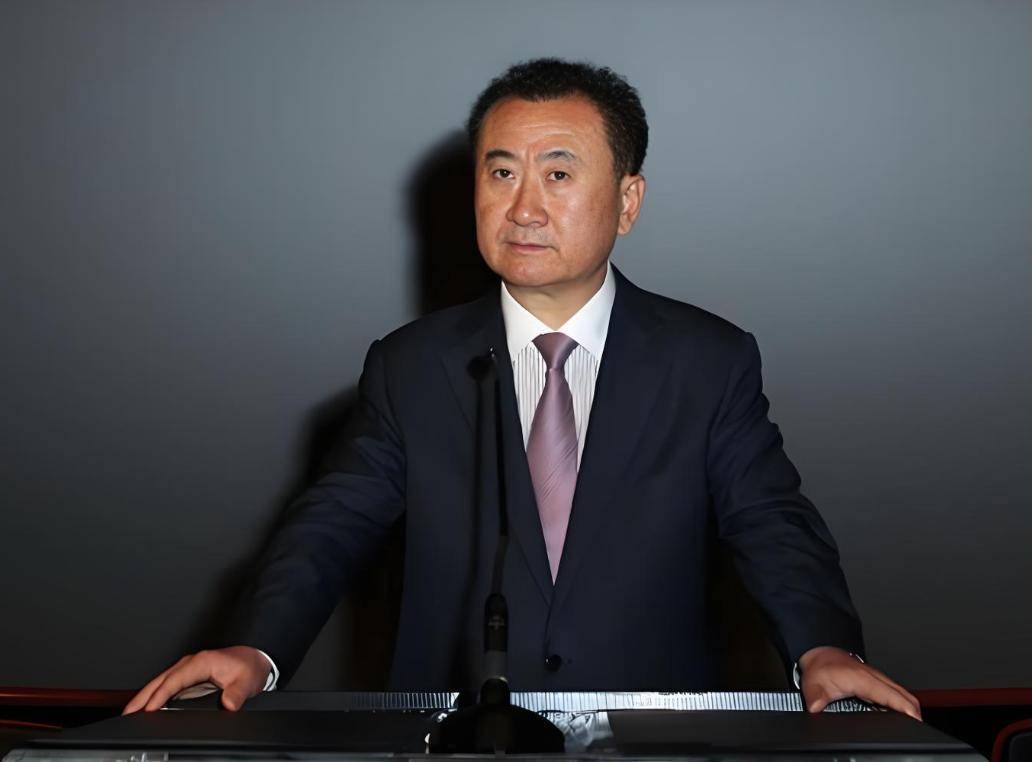
400亿债务压顶,王健林再卖48座万达广场
Sou Hu Cai Jing· 2025-05-26 11:02
先是抛售万达商旅、酒店,给融创和富力;后是抛售万达影业给腾讯;再后来,退无可退的老王,只能抛售自己的核心资产——万达广场。 今日,曝出消息,迫于债务压力,王健林再次出售48座万达广场,这是继2023年30座、2024年26座、今年初5座后,王健林第四次抛售核心资产还债。 三年不到,万达共计出售了100多座广场,债务压力可见一斑。 据了解,万达今年到期的债务约400亿元,但账上只有116亿现金,缺口较大,加之王健林本人的股权已被冻结,上市也遥遥无期,除了变卖广场,很难找到 其他的融资渠道。 值得注意的是,虽然王健林让出了广场的所有权,但保留了经营权,未来万达仍可通过物业管理,从这些广场上获得相应的收益。 从2017年暴雷以来,这位前首富的工作可能就剩下了"还债"二字,每次媒体曝出万达的消息均与此有关。 前段时间,王健林多次被路人拍到变瘦的照片,与2015年登上首富时的状态,判若两人。那时的他神采奕奕,在采访中贡献了"定个小目标,先赚它1个 亿"的名场面。从此,中文互联网上,经常用"1个小目标"代指1个亿。 时过境迁,如今,每年都在为还债发愁的老王,不知回想起当年的盛况会有何感想? 不过可喜的是,万达化债的情况, ...
又是富力!旗下豪华酒店打5.6折再次流拍
券商中国· 2025-05-14 23:22
Core Viewpoint - R&F Properties' Guangzhou R&F Airport Holiday Hotel failed to sell in its second auction despite a significant price reduction, indicating ongoing financial difficulties for the company [1][3][5]. Auction Results - The hotel was initially auctioned on April 22 with a starting price of 277 million yuan, which failed to attract bidders [3][4]. - In the second auction held from May 12 to 13, the starting price was reduced by approximately 55 million yuan to 222 million yuan, representing 56% of the assessed value of 396 million yuan, yet it still received no bids [1][3][4]. Financial Context - R&F Properties reported a total contract sales amount of 11.23 billion yuan in the previous year, with a sales area of approximately 838,100 square meters [7]. - The company's revenue for the reporting period was 17.70 billion yuan, a decline of 51.15% compared to 36.24 billion yuan in 2023 [7]. - The company recorded a loss attributable to shareholders of 17.71 billion yuan, which is an improvement from the 20.16 billion yuan loss in 2023 [7]. Debt and Legal Issues - R&F Properties has been designated as a dishonest executor, with 28 subsidiaries accumulating overdue interest-bearing debt principal of 5 million yuan or more within a single year, totaling approximately 13.61 billion yuan [7]. - The company is actively communicating with creditors to address concerns and is working on solutions to resolve overdue debts [7].