
医防融合

Search documents
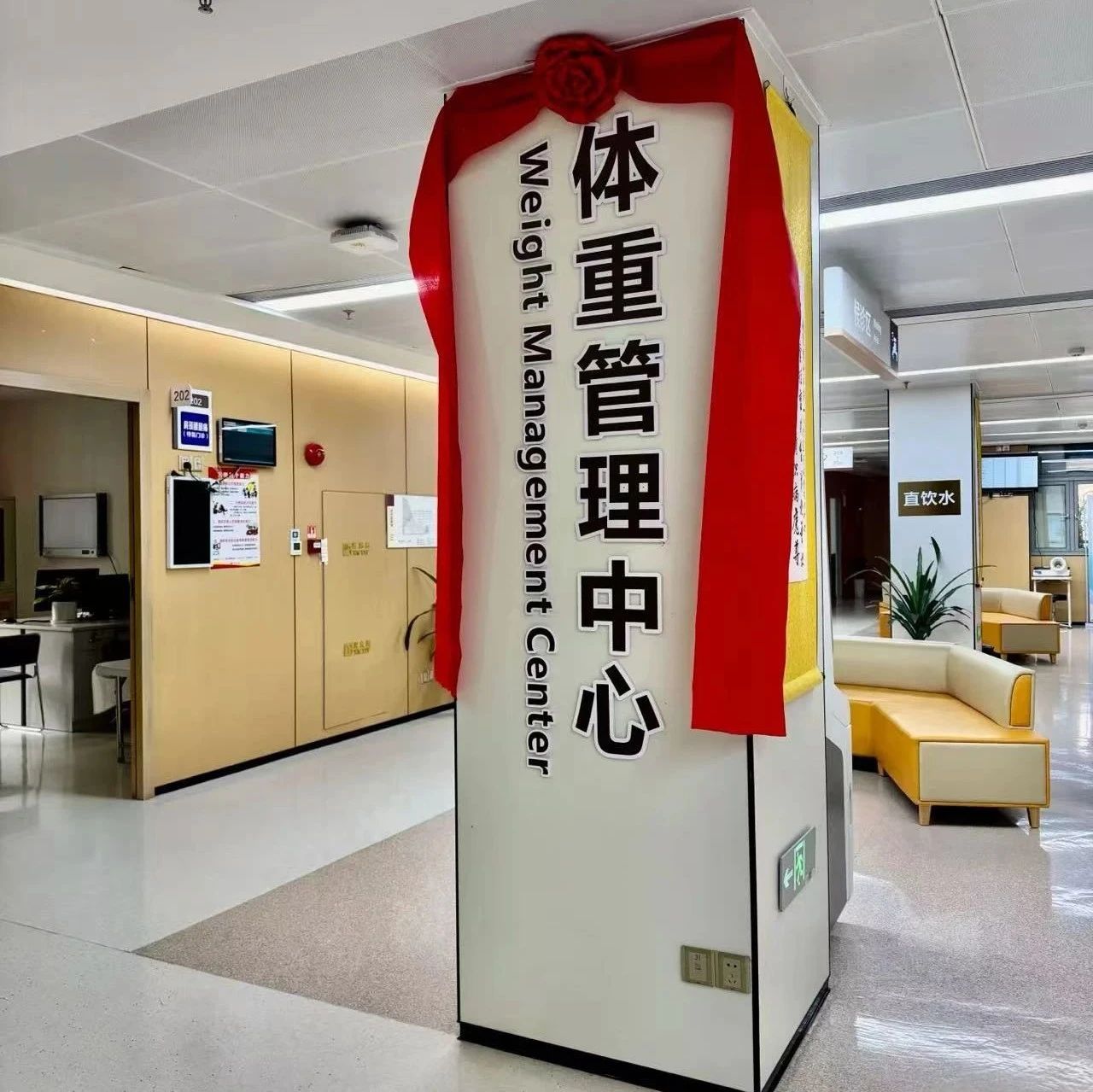
体重管理门诊重磅上线!两大部门联合发文推动门诊规范设立与运行
GLP1减重宝典· 2025-07-09 12:00
Core Viewpoint - The article emphasizes the importance of establishing and managing health weight management clinics in response to the "Healthy China 2030" strategy, aiming to provide high-quality weight management services to the public [5][6][8]. Group 1: Establishment and Management of Clinics - The article outlines the requirement for various hospitals, including tertiary general hospitals and children's hospitals, to set up health weight management clinics by June 2025, aiming for full coverage [5]. - Hospitals are encouraged to coordinate resources effectively and involve multiple specialties such as pediatrics, nutrition, and psychology in the management of weight-related issues [5][6]. Group 2: Service Optimization - It is recommended that hospitals enhance their promotional efforts and improve appointment systems to guide individuals with weight management needs to specialized clinics [6]. - A classification service principle is suggested, providing tailored weight management plans for specific groups such as the elderly, children, and pregnant women [6]. Group 3: Quality Improvement - Hospitals are urged to strengthen their professional workforce, clarify roles, and enhance training to improve the quality of weight management services [7]. - The establishment of a quality control system for weight management services is encouraged, along with the integration of technology for monitoring and health guidance [7]. Group 4: Policy Support - Local health departments are called to provide policy and technical support for the development of weight management clinics, ensuring effective internal management within hospitals [8]. - Public health education is emphasized to improve the community's understanding of weight management, fostering a supportive social environment [8].

破茧成蝶抗麻路——记山东省科学技术最高奖获得者张福仁
Qi Lu Wan Bao· 2025-06-27 15:50
Core Insights - The article highlights the significant contributions of Zhang Furun, a skin disease prevention expert, in transforming China from a recipient of leprosy technology to a technology-exporting nation, aiming to eliminate the harm caused by leprosy [1][7]. Group 1: Scientific Breakthroughs - Zhang Furun's team made a groundbreaking discovery in 2009 by identifying the risk gene for leprosy, which revealed a dual mechanism of "bacterial infection + immune genetic defects" [3][4]. - The team developed a risk prediction model that can accurately identify 1% of high-risk individuals using just a drop of blood, challenging the traditional World Health Organization approach of treating entire communities when one case is detected [4]. Group 2: Health System Innovations - A comprehensive prevention and treatment system was established in Shandong, consisting of 189 medical institutions, which allows for rapid response to new infections and significantly reduces the need for patients to travel long distances for treatment [6]. - The implementation of symptom monitoring and genetic screening has led to a drastic reduction in new leprosy cases and eliminated the death rate from adverse drug reactions [6]. Group 3: Global Impact and Knowledge Sharing - Since 2017, Zhang Furun's team has been involved in international projects, providing technical support in countries with high leprosy prevalence, such as India and Indonesia, and establishing precise prevention systems [7]. - The team has trained 67 participants from developing countries, enabling them to apply Chinese technology in their home countries [7].

10年间数量从3000余个增加到4.2万个 中医馆健康服务越来越便捷(健康焦点)
Ren Min Ri Bao· 2025-06-26 22:02
Core Insights - The number of traditional Chinese medicine (TCM) clinics in China has significantly increased from over 3,000 in 2015 to 42,000, indicating a substantial growth in community health services [1][2] - TCM clinics are evolving to provide a wider range of services, including modern diagnostic tools like CT scans, enhancing patient convenience and care quality [5][6] - The government has invested over 7 billion yuan in TCM clinic construction and service capability enhancement, reflecting a strong commitment to improving grassroots healthcare [2][9] Group 1: Expansion and Services - TCM clinics have expanded their physical space and service offerings, with some clinics now providing up to 19 types of TCM techniques [1][2] - Community health centers and township hospitals have achieved nearly 100% coverage of TCM services, indicating widespread accessibility [3][6] - New service models, such as family doctor teams, are being implemented to provide personalized health management and preventive care [6][8] Group 2: Training and Talent Development - Training programs like "West Learning Chinese" have been established to enhance the skills of healthcare professionals, with 136 participants trained in recent sessions [8][9] - The focus on mentorship and talent retention is evident, with initiatives to pair experienced practitioners with trainees to improve clinical skills [9] - Continuous investment in training and resources is crucial for the sustainable development of TCM clinics, ensuring a steady supply of qualified practitioners [9]
广东试点“疫苗处方” 把预防接种融入日常诊疗
Zhong Guo Xin Wen Wang· 2025-06-01 01:09
Core Insights - Guangdong province is piloting a "vaccine prescription" service, with Haizhu District being the first area to implement it fully, enhancing vaccination convenience and reducing the incidence of vaccine-preventable infectious diseases [1][2] Group 1: Vaccine Prescription Implementation - The "vaccine prescription" service has been operational for one month, leading to increased vaccination convenience for residents and a decrease in the incidence of vaccine-preventable diseases [1] - The service integrates vaccination into routine medical consultations, allowing clinical doctors to assess health status and vaccination history, providing tailored vaccine recommendations [1][2] Group 2: Coverage and Accessibility - Guangdong has 134 disease control centers and nearly 6,000 vaccination sites, administering approximately 60 million doses annually, with a focus on creating a "30-minute vaccination circle" for urban and rural coverage [1] - The initiative aims to make vaccination services more equitable and accessible, encouraging residents to receive vaccinations close to home [1] Group 3: Technological Integration and Future Plans - Haizhu District is accelerating information technology development, exploring new models such as "AI + vaccination assistant" to enhance service efficiency and experience [2] - The integration of multidisciplinary collaboration and data connectivity is being promoted in other districts, like Baiyun District, to create a closed-loop system for vaccination services [2]
狙击“沉默杀手”:近千万人口省会构筑结直肠癌防线
Jing Ji Guan Cha Wang· 2025-05-28 09:50
Core Insights - The latest cancer statistics report from the National Cancer Center indicates that colorectal cancer has risen to the second most prevalent malignant tumor in China, reflecting a significant shift in the disease spectrum [1][2]. Group 1: Disease Prevention and Control - The rapid increase in colorectal cancer cases highlights the complexity and urgency of disease prevention and control, which exceeds general public awareness [2]. - There is a pressing need to find an efficient, inclusive, and sustainable approach to disease prevention amidst a large population, limited quality medical resources, and a need for improved public health awareness [3]. Group 2: Innovative Practices - Harbin City has initiated a three-year free screening project for digestive system tumors and "four high" conditions, aiming to cover 2.4 million people, in collaboration with professional institutions like BGI [4][14]. - This project seeks to establish a comprehensive early risk prevention system for colorectal cancer and other major diseases through innovative practices and government-led initiatives [4][5]. Group 3: Early Detection Challenges - Colorectal cancer is often referred to as a "silent killer" due to its asymptomatic early stages, making early detection crucial for effective treatment [6]. - Public confusion regarding early symptoms often leads to delayed diagnosis, with traditional screening methods like colonoscopy facing challenges in patient compliance and resource availability [7]. Group 4: Non-Invasive Detection Technologies - New non-invasive molecular detection technologies, such as fecal DNA methylation testing, offer advantages in sensitivity, convenience, and public acceptance for early colorectal cancer detection [9][11]. - This technology can effectively identify high-risk individuals and improve the efficiency of subsequent colonoscopy screenings, aligning with the need for a tiered screening strategy [13]. Group 5: Economic and Public Health Benefits - A cost-effectiveness analysis of large-scale screening using fecal DNA methylation testing in Wuhan showed a cost-benefit ratio of 1:8.55, indicating significant social benefits from early detection [19]. - Early detection can drastically reduce treatment costs compared to late-stage colorectal cancer, highlighting the economic advantages of investing in preventive measures [19][20]. Group 6: Community Engagement and Follow-Up - The Harbin project emphasizes community engagement, with a structured follow-up process for residents who test positive, ensuring a "closed-loop" effect in health management [17]. - The initiative has received positive feedback from the community, demonstrating high participation rates and effective health promotion [16].
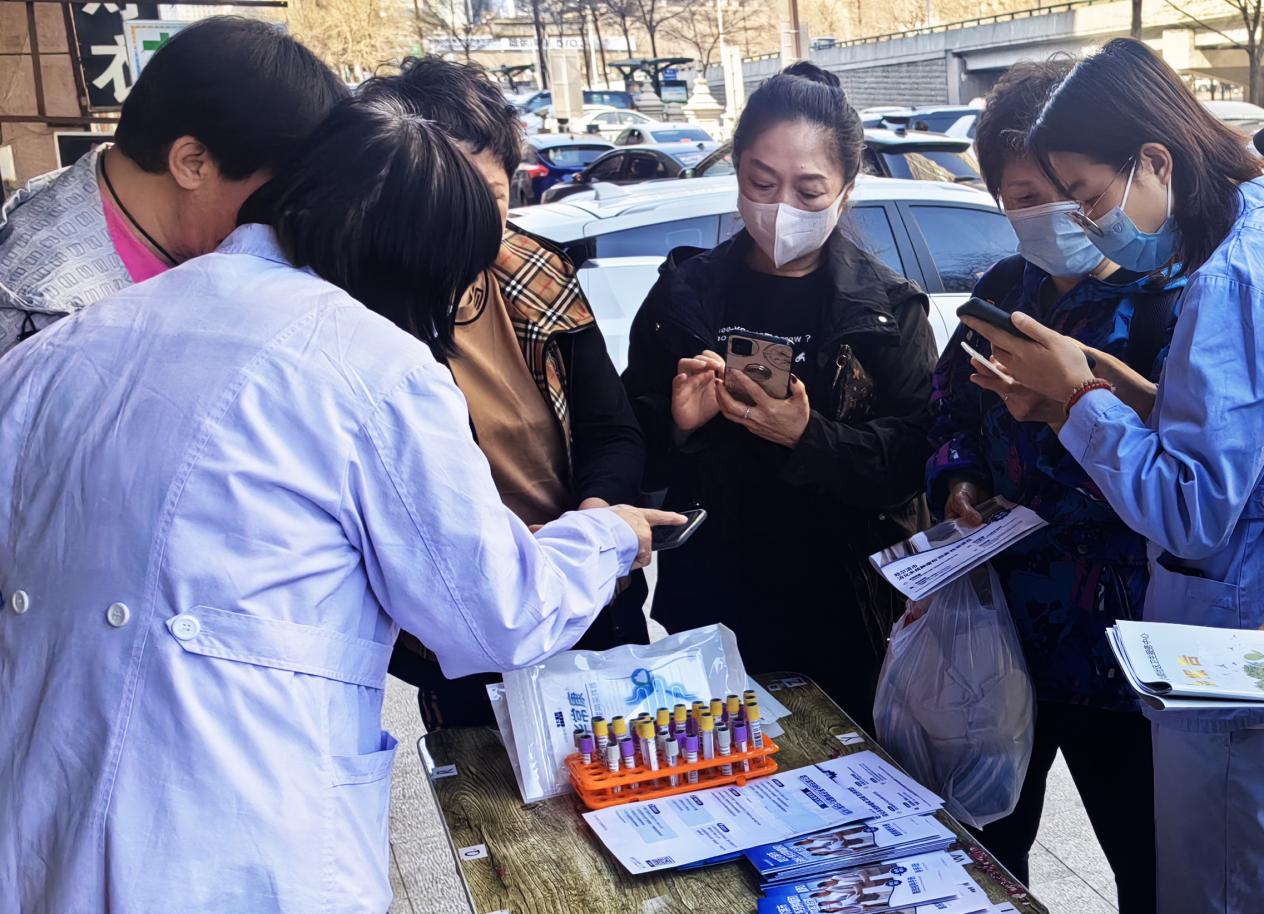
国际爱肤日丨警惕带状疱疹的“皮肤之殇”,转变观念,预防先行
Bei Ke Cai Jing· 2025-05-25 03:38
Core Viewpoint - The increasing prevalence of skin health issues among the elderly in China is evolving from a cosmetic concern to a significant public health crisis, particularly highlighted by the rising incidence of shingles [1][2]. Group 1: Skin Health Challenges - There are over 2,000 named skin diseases, making dermatology one of the most complex medical fields [2]. - The incidence of skin diseases in China is alarmingly high, with a prevalence rate of 40%-70%, leading to significant health-related quality of life losses [2]. - Shingles, a disease that significantly increases in incidence with age, affects about one-third of individuals in their lifetime, with approximately 600,000 new cases annually in China, of which 1.56 million are in individuals over 50 [2]. Group 2: Chronic Diseases and Shingles - Patients with chronic diseases such as diabetes and cardiovascular conditions have a 26%-41% higher risk of developing shingles compared to the general population [2][3]. - The presence of shingles can exacerbate existing chronic conditions and increase the risk of severe pain, leading to a higher likelihood of depression and anxiety among affected individuals [3]. Group 3: Awareness and Prevention - There is a significant gap in awareness and preventive measures regarding shingles among the elderly, with over 60% believing they are not at risk [4]. - A study indicates that 30% of patients delay treatment due to the misconception that they can endure the pain [4]. - Effective public health education is essential to shift the mindset from "enduring pain" to "proactive prevention," emphasizing the importance of vaccination and early intervention [4][5]. Group 4: Community Health Initiatives - Community health service centers are crucial in addressing these health trends, particularly in managing chronic diseases and their complications [3][5]. - New models of integrated medical and preventive care are being explored, such as the introduction of public health physician prescriptions to enhance preventive measures [5]. - Trust in healthcare providers, particularly family doctors, is vital for encouraging residents to engage in preventive health actions, including vaccinations [5].
广州引入粪便基因检测 具体实践健康中国“广州模式”
Zhong Guo Fa Zhan Wang· 2025-05-13 14:06
Core Viewpoint - The launch of the colorectal cancer gene screening project in Guangzhou represents a significant innovation in cancer prevention and control, emphasizing early screening and diagnosis through advanced technology and community engagement [1][2][3]. Group 1: Project Overview - The colorectal cancer gene screening project is jointly organized by the Guangzhou Health Commission and Huangpu District Health Bureau, focusing on high-precision screening and innovative mobilization models [1]. - The project aims to provide a comprehensive management approach from prevention to diagnosis and treatment, ensuring zero payment for residents [1][2]. - The introduction of fecal gene testing technology positions Guangzhou at the forefront of national colorectal cancer screening efforts [1][2]. Group 2: Implementation and Impact - Since the launch of the colorectal cancer prevention project in 2015, Guangzhou has conducted 817,100 initial screenings, identifying 129,100 high-risk individuals with an early diagnosis rate of 90.65% and a cancer early-stage diagnosis rate of 41.28% [3]. - The project integrates community health services and specialized hospitals to facilitate early screening and follow-up care, enhancing the overall effectiveness of cancer prevention [3][4]. Group 3: Community Engagement and Education - The project includes various community activities, such as health consultations and educational performances, to raise awareness about cancer prevention and promote early screening [2][5]. - The use of the "Changtian" WeChat mini-program for risk assessment has increased participation among younger residents, indicating a shift in engagement strategies [6]. Group 4: Future Directions and Innovations - The project is exploring new screening models, including family member screenings and regional early screening centers, to address challenges in community mobilization and participation [5][6]. - The establishment of a comprehensive service system for screening, diagnosis, and treatment aims to ensure quality and efficiency in cancer care [7].
周建平:多维发力 夯实公立医院高质量发展基础
Ren Min Wang· 2025-05-11 09:20
"此外,东莞市人民医院持续深化数字技术与医疗服务的融合创新,积极开展智慧医院建设,推动 医院高质量发展迈上新台阶。"周建平进一步介绍,医院聚焦"协作",构建了精准高效的智能诊疗体 系,引入AI影像辅助诊断技术,搭建微服务一体化电子病历系统,基于分布式架构实现专科病历模板 动态配置,建成覆盖省—市—县—乡的四级远程会诊平台;聚焦"体验",打造全周期数字健康生态,推 广互联网医院平台发展,开通在线复诊、处方流转、送药上门等闭环服务;聚焦"数据",建立数据驱动 的精益运营模式,形成标准化数据资产目录,全院资产逐步实现全覆盖的物联网化。"智能导诊助力患 者'找对专家',检查结果从'云端'查询……一系列便捷就诊的背后,是数据'跑起来'的力量。"他说。 "下一阶段我院将以'数字健康新生态'为导向,深度融合AI、数字孪生等前沿技术,不断提升医院 竞争力,改善患者就医体验,推动医疗行业发展。相信通过医院一系列战略部署,将为公立医院高质量 发展注入新动力,为健康中国建设贡献力量。"展望未来,周建平信心满满地说。 公立医院是我国医疗服务体系的主体,推进公立医院高质量发展,要以健全现代医院管理制度为目 标。《公立医院高质量发展促进 ...
GSK副总裁、中国总经理余慧明: GSK中国区战略升级的“底层逻辑”——医防融合,疫苗和药物的合力超越
21世纪经济报道· 2025-04-30 12:45
"不瞒你说,我等了很久,终于到达(接种)年龄标准了。"早上9点,余慧明在浦东的一家接 种 站 , 完 成 了 带 状 疱 疹 疫 苗 的 接 种 。 这 位 跨 国 药 企 中 国 区 的 掌 舵 人 , 和 所 有 普 通 上 班 族 一 样,"跟老板请了假来打针。" 另一方面,疫苗也是最具成本效益的疾病预防控制手段,疫苗的广泛使用可以减少昂贵的医 疗费用。美国的一项免疫接种成本效益研究显示,对免疫接种投资1美元,可以节省2至2 7美 元不等的医疗费用。 GSK副总裁、中国总经理余慧明 同理,对当下的GSK来说,那些发生在接种站里的"一线体验"亦举足轻重。 随 着 人 口 老 龄 化 加 速 、 慢 性 病 负 担 加 重 , " 防 患 于 未 然 " 的 健 康 理 念 正 在 重 构 医 疗 价 值 链 。 GSK 敏锐捕捉到这一趋势, 将"医防融合"上升至企业战略高度, 通过构建覆盖全生命周期 的"预防-治疗"一体化解决方案,扩展现代医疗服务的边界。 做这样的战略选择,可以说GSK是有章法,也有"本钱"的——" 在疫苗与药物领域的独特专 业优势,让GSK能够专注于探索治疗与预防之间的紧密联系。 "余 ...

无锡疾控专家:探索人工智能赋能流行病学调查监测及风险评估
Nan Fang Du Shi Bao· 2025-04-22 11:38
Core Viewpoint - The press conference highlighted the advancements in public health initiatives in Jiangsu Province, focusing on disease prevention and control, particularly in the context of infectious diseases and chronic illness management [1][2]. Group 1: Public Health Initiatives - The Jiangsu Province has implemented a comprehensive disease control system that emphasizes collaboration among multiple departments to provide scientific evidence for government decision-making [1]. - Key public health measures include free vaccinations for high-risk populations, such as pneumococcal and HPV vaccines, and the inclusion of varicella vaccine in local immunization plans, resulting in a significant decrease in varicella incidence among children [1]. Group 2: Disease Prevention Strategies - The public health strategy aims to prevent both infectious diseases and chronic conditions, ensuring that citizens remain healthy and experience fewer severe health issues [2]. - Successful examples of disease control include the management of imported infectious diseases like dengue and malaria through coordinated early warning systems and proactive patient engagement [2]. Group 3: Technological Integration - The integration of artificial intelligence in public health is transforming disease control efforts, such as using cancer screening platforms that provide risk assessments within 30 minutes [3]. - The initiative includes a case study where a high-risk individual received timely diagnosis and treatment through a streamlined process facilitated by government health policies and technology [3]. Group 4: Future Directions - The focus on fostering a new generation of public health professionals includes establishing incentive mechanisms and encouraging innovative approaches in disease control [3]. - The goal is to ensure that young professionals are well-rounded, capable of both in-depth laboratory work and effective community engagement [3].
