太空数据中心

Search documents
计算机周观点第33期:底层基础设施迭代加速,AI原生力量重塑软件产业格局
GUOTAI HAITONG SECURITIES· 2026-02-08 07:25
本周,SpaceX 确认与 xAI 合并,其 100 万颗卫星申请获受理;Claude Cowork 更新 11款插件,动摇传统 SaaS 软件核心护城河;质变科技发布记忆湖产品 MemoryLake。 投资要点: 计算机周观点第 33 期:底层基础设施迭 代加速,AI 原生力量重塑软件产业格局 | [姓名table_Authors] | 电话 | 邮箱 | 登记编号 | | --- | --- | --- | --- | | 杨林(分析师) | 021-23183969 | yanglin2@gtht.com | S0880525040027 | | 杨蒙(分析师) | 021-23185700 | yangmeng@gtht.com | S0880525040072 | | 钟明翰(研究助理) | 021-38031383 | zhongminghan@gtht.com | S0880124070047 | 本报告导读: 请务必阅读正文之后的免责条款部分 [Table_Report] 相关报告 计算机《未来产业之脑机接口:资本与政策赋 能,迎产业窗口期》2026.02.05 计算机《政策注入消费动能,看好 ...


计算机周观点第33期:底层基础设施迭代加速,AI原生力量重塑软件产业格局-20260208
GUOTAI HAITONG SECURITIES· 2026-02-08 06:23
计算机周观点第 33 期:底层基础设施迭 代加速,AI 原生力量重塑软件产业格局 | [姓名table_Authors] | 电话 | 邮箱 | 登记编号 | | --- | --- | --- | --- | | 杨林(分析师) | 021-23183969 | yanglin2@gtht.com | S0880525040027 | | 杨蒙(分析师) | 021-23185700 | yangmeng@gtht.com | S0880525040072 | | 钟明翰(研究助理) | 021-38031383 | zhongminghan@gtht.com | S0880124070047 | 本报告导读: 本周,SpaceX 确认与 xAI 合并,其 100 万颗卫星申请获受理;Claude Cowork 更新 11款插件,动摇传统 SaaS 软件核心护城河;质变科技发布记忆湖产品 MemoryLake。 投资要点: 请务必阅读正文之后的免责条款部分 [Table_Report] 相关报告 计算机《未来产业之脑机接口:资本与政策赋 能,迎产业窗口期》2026.02.05 计算机《政策注入消费动能,看好 ...
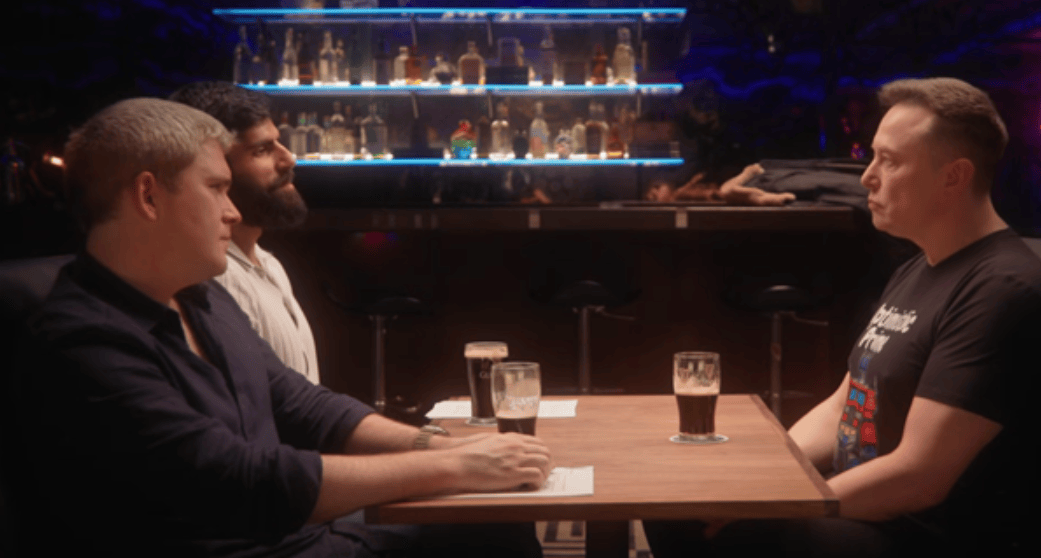
微醺的马斯克聊嗨了:盛赞中国、预言天上的 AI
程序员的那些事· 2026-02-08 01:36
Core Viewpoint - The discussion highlights Elon Musk's vision for space as the future hub for AI infrastructure, predicting that within 30 to 36 months, space will become the most economically attractive location for deploying artificial intelligence capabilities [4][17]. Group 1: Space as AI Infrastructure - Musk argues that the primary reason for establishing data centers in space is the efficiency of solar energy generation, which can be five times more effective in space compared to Earth [13][29]. - He predicts that in five years, the annual AI computing power launched and operated in space will exceed the cumulative total on Earth, potentially reaching 1 terawatt of power generation [37][59]. - The challenges of energy supply on Earth, including the slow pace of utility companies and the difficulties in scaling up power generation, make space a more viable option for large-scale AI operations [7][18]. Group 2: Energy and Chip Production - Musk emphasizes that the current bottleneck for AI deployment is energy supply, which is stagnant outside of China, while chip production is rapidly increasing [8][57]. - He notes that the average power consumption in the U.S. is about 500 gigawatts, and achieving 1 terawatt of power generation in space would require significant advancements in energy production and chip manufacturing [18][59]. - The manufacturing of solar panels for space is expected to be cheaper and easier due to the absence of weather-related constraints, which would reduce costs significantly [31][63]. Group 3: Challenges in Scaling Production - Musk highlights the difficulties in building power plants and the long lead times for turbine manufacturing, which can take years due to high demand and limited suppliers [25][34]. - He mentions that the production of chips is also constrained by existing semiconductor manufacturing capabilities, which are insufficient to meet future demands [49][56]. - The need for a new approach to chip manufacturing, potentially through unconventional methods, is crucial for achieving the required scale for AI operations [50][52]. Group 4: Competitive Landscape and Future Outlook - Musk warns that without breakthrough innovations in the U.S., China is poised to dominate the AI and manufacturing sectors due to its advanced capabilities and larger workforce [96][97]. - He believes that the future of companies will be dominated by those fully utilizing AI and robotics, which will outperform any human-involved enterprises [81][82]. - The discussion also touches on the potential for SpaceX to become a super-scale cloud service provider, with AI computing power surpassing all terrestrial capabilities [41][42].



微醺的马斯克聊嗨了:盛赞中国、预言天上的 AI
Sou Hu Cai Jing· 2026-02-07 10:29
Core Insights - Elon Musk discussed the future of AI infrastructure in space, emphasizing that within 30 to 36 months, space will become the preferred location for AI data centers due to energy efficiency and scalability [4][10][27] - Musk highlighted the challenges of energy supply on Earth, stating that the growth of chip production is outpacing energy production, which could hinder AI development [4][45] - He predicted that in five years, the annual AI computing power launched and operated in space will exceed the cumulative total on Earth, potentially reaching 1 terawatt of power [4][27][74] Group 1: Space as AI Infrastructure - Musk believes that space will be the most economically attractive place for deploying AI due to the efficiency of solar panels in space, which can generate five times the power compared to Earth [8][21] - The construction of data centers in space is seen as a solution to the energy supply issues faced on Earth, where building new power plants is slow and complicated [11][24] - Musk stated that the average power consumption in the U.S. is currently 0.5 terawatts, and achieving 1 terawatt for data centers would require significant infrastructure [11][27] Group 2: Challenges and Innovations - The manufacturing of solar panels for space is expected to be cheaper and easier due to the lack of weather-related constraints, which eliminates the need for robust structures [21][23] - Musk pointed out that the bottleneck in scaling AI infrastructure will shift from energy to chip production once space operations begin [45][46] - He mentioned that the current global chip production capacity is insufficient to meet future demands, necessitating the establishment of large-scale chip manufacturing facilities [38][39] Group 3: Competitive Landscape - Musk warned that without breakthrough innovations in the U.S., China could dominate the AI and manufacturing sectors due to its advanced capabilities and larger workforce [74][75] - He emphasized the importance of addressing energy constraints to maintain competitiveness in the global market [66][67] - The discussion highlighted the need for the U.S. to innovate rapidly to avoid falling behind in AI and robotics, particularly in the context of manufacturing and energy production [75][70]

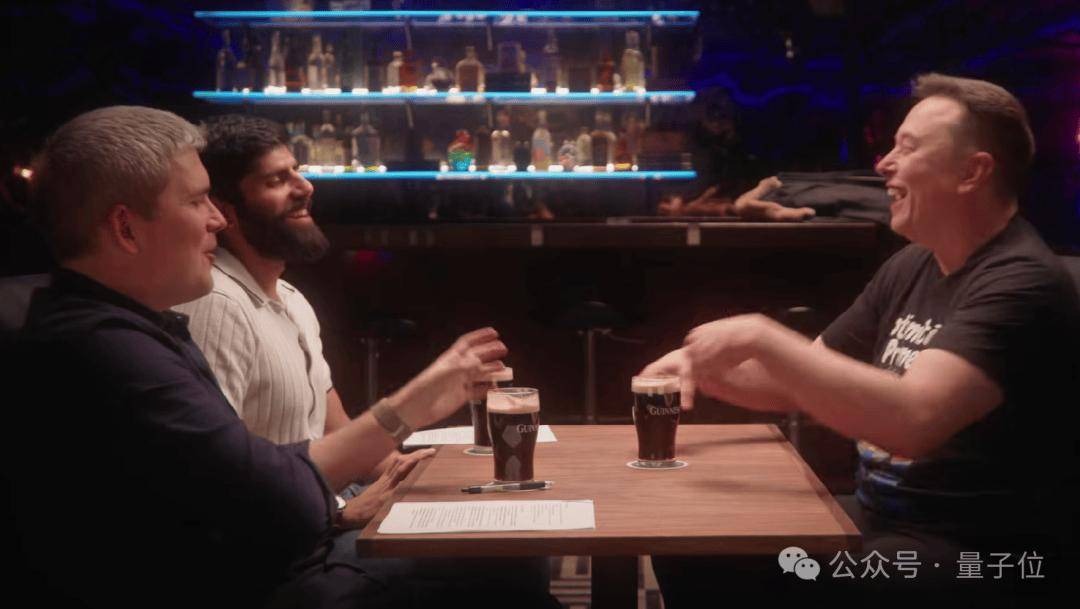
微醺的马斯克聊嗨了:盛赞中国、预言天上的AI
Sou Hu Cai Jing· 2026-02-06 13:55
Core Insights - Elon Musk discussed the future of AI infrastructure in space, emphasizing that space will become the preferred location for AI data centers due to energy supply issues on Earth. He predicts that within 30 to 36 months, space will be the most economically attractive place for deploying AI capabilities [4][10][12]. Group 1: Space and Energy - Musk highlighted that energy supply is a critical issue, with global electricity production stagnating outside of China, which is rapidly increasing its output. He believes that the energy needed for AI chip production will necessitate moving operations to space [4][12]. - The efficiency of solar panels in space is five times greater than on Earth, as they do not face atmospheric losses. This makes space a more cost-effective location for energy generation and AI deployment [9][21]. Group 2: AI and Computing Power - Musk predicts that in five years, the annual AI computing power launched and operated in space will exceed the cumulative total on Earth, potentially reaching 1 terawatt of power [28][50]. - He stated that companies entirely composed of AI and robots will outperform those with human involvement, suggesting a significant shift in business dynamics [59][67]. Group 3: Manufacturing and Supply Chain - Musk discussed the challenges of building power plants and the need for significant infrastructure to support AI data centers. He noted that the utility industry is slow-moving, complicating the scaling of energy production [12][26]. - He emphasized the importance of controlling the entire supply chain for solar panel production, from raw materials to finished products, especially for space applications [20][21]. Group 4: Competitive Landscape - Musk expressed concerns that without breakthrough innovations in the U.S., China could dominate the AI and manufacturing sectors due to its advanced capabilities and larger workforce [78][79]. - He pointed out that China's electricity production is projected to be three times that of the U.S., indicating a significant industrial capacity advantage [78].
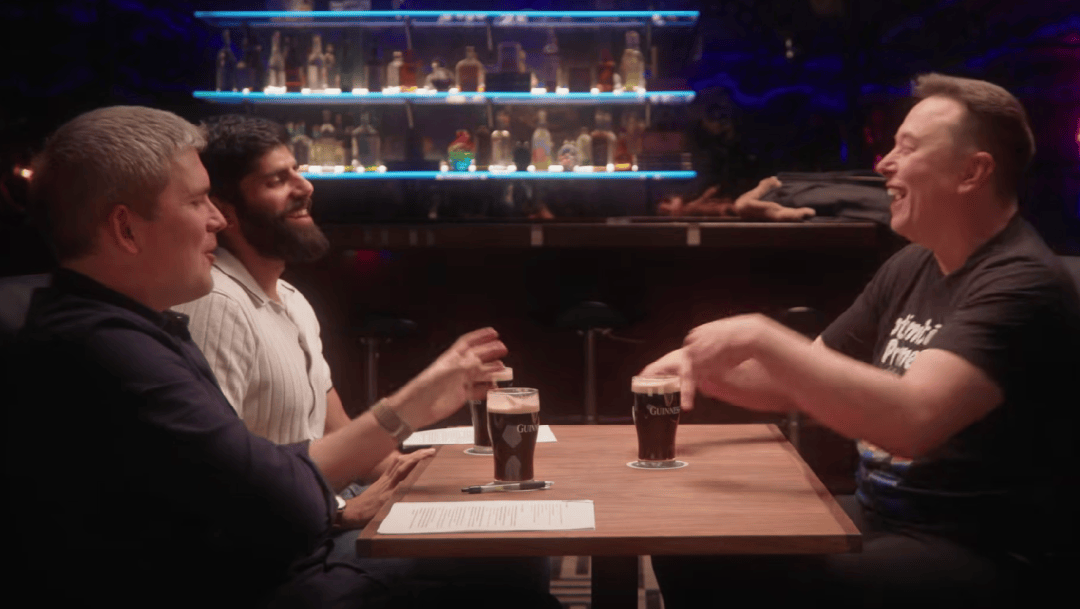
马斯克预言:最快30个月内,太空将成AI部署最便宜的地方丨封面智+
Sou Hu Cai Jing· 2026-02-06 13:24
未来,在哪里部署AI更便宜?世界首富埃隆马斯克认为是"太空"!当地时间2月5日,马斯克作客科技访 谈播客,对于近期引发热议的"太空数据中心"话题,马斯克给出了一个时间表,36个月内甚至30个月 内,太空会是部署AI最便宜的地方。封面新闻记者 曹铭轩 黄益辉 ...
微醺的马斯克聊嗨了:盛赞中国、预言天上的AI
量子位· 2026-02-06 12:00
Core Viewpoint - The discussion highlights Elon Musk's vision for the future of AI and space, emphasizing the potential of space as a hub for AI infrastructure and energy production, which could surpass Earth's capabilities within the next five years [5][36][96]. Group 1: Space as AI Infrastructure - Musk predicts that within 30 to 36 months, space will become the preferred location for AI infrastructure due to its advantages in energy efficiency and scalability [5][12][16]. - The anticipated annual AI computing power in space is expected to exceed the cumulative total on Earth within five years, with projections of reaching around 1 terawatt (TW) of power generation [36][58]. - Space solar panels are estimated to be five times more efficient than those on Earth, eliminating the need for batteries and significantly reducing costs [12][28][30]. Group 2: Energy Supply Challenges - Musk identifies energy supply as a critical issue, noting that while chip production is rapidly increasing, energy production is stagnating outside of China [6][7]. - The construction of data centers on Earth faces significant regulatory and logistical challenges, making space a more viable option for expansion [11][12][19]. - The average power consumption in the U.S. is around 500 gigawatts (GW), and Musk emphasizes the difficulty of scaling energy production to meet the demands of large data centers [17][58]. Group 3: Chip Production and Supply Chain - Musk discusses the need for large-scale chip manufacturing facilities, suggesting a project akin to "TeraFab" to meet future demands for AI chips [48]. - The current chip supply chain is constrained, with existing foundries unable to meet the anticipated demand, leading to potential bottlenecks in AI deployment [56][57]. - Musk expresses concerns about memory production, indicating that the path to producing sufficient memory for logic chips is less clear than that for logic chip manufacturing [52]. Group 4: Competitive Landscape and Innovation - Musk warns that without breakthrough innovations, the U.S. risks losing its competitive edge to China, which is rapidly advancing in manufacturing and energy production [96]. - The discussion touches on the importance of maintaining a skilled workforce and the challenges posed by China's larger population and manufacturing capabilities [92][95]. - Musk believes that the future of companies will increasingly rely on AI and robotics, which will outperform human-involved companies in efficiency and productivity [80].
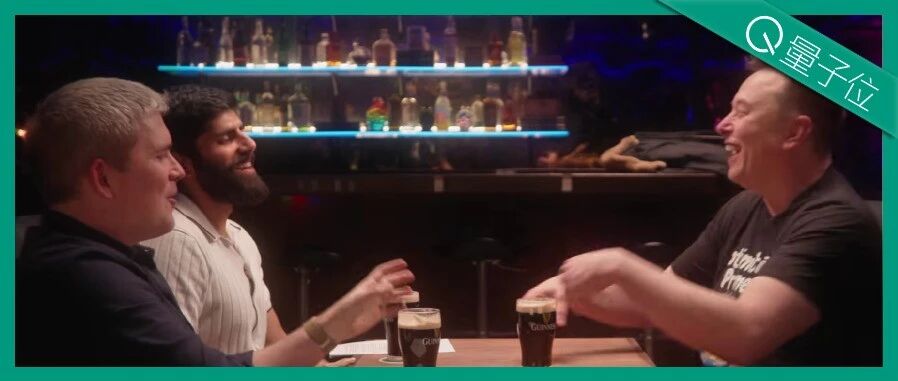
马斯克:3年内,太空会是部署AI最便宜的地方
Xin Lang Cai Jing· 2026-02-06 00:47
Core Viewpoint - Elon Musk predicts that within 36 months, space will become the cheapest place to deploy artificial intelligence, primarily due to the limitations of power supply on Earth compared to the exponential growth of chip production [1][7]. Group 1: Space Data Centers - Musk emphasizes that the core reason for moving data centers to space is the inability of power supply to keep up with the exponential growth of chip production, leading to a potential crisis where large clusters cannot be powered by the end of this year [1][7]. - He suggests that solar panels in space can generate power at approximately five times the efficiency of those on Earth, eliminating the need for costly battery systems to store energy for nighttime use [3][9]. - The deployment of solar panels in space is seen as more efficient and less bureaucratic than expanding solar farms on Earth, which face complex approval processes [1][7]. Group 2: Economic Viability - Musk asserts that deploying AI in space will be the most cost-effective option, with the transition expected to occur within 30 to 36 months [3][9]. - He highlights that the maintenance of GPUs sent to space can be managed by resolving initial faults on Earth before deployment, ensuring reliability after initial testing [3][9]. - The cost of solar panels sent to space is projected to be 5-10 times cheaper than their Earth counterparts due to the absence of weather-related constraints and the need for heavy support structures [10]. Group 3: Power Supply Challenges - Musk expresses concerns about the current bottlenecks in power generation, particularly regarding the availability of gas turbines and the high tariffs on imported solar panels in the U.S. [4][10]. - He notes that operating data centers consumes significant amounts of electricity, with cooling alone increasing power consumption by 40% in his Memphis data center [11]. - The need for approximately 1 gigawatt of power capacity is highlighted to support 330,000 GB300 servers, indicating the scale of energy requirements for data centers [11]. Group 4: Future Vision - Musk envisions that before AI can be deployed in space, energy supply is the primary limitation, while after deployment, the focus will shift to chip availability [12]. - He indicates that TeraFab may need to produce not only logic chips but also storage and packaging components to support its vision [12].
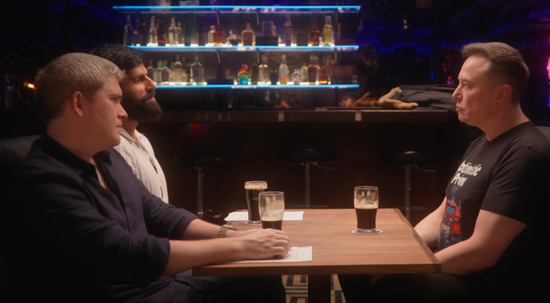
马斯克:3年内,太空会是部署AI最便宜的地方
财联社· 2026-02-06 00:44
Core Viewpoint - The article discusses Elon Musk's predictions regarding the future of AI deployment in space, emphasizing that space will become the most cost-effective location for artificial intelligence operations within the next 30 to 36 months [2][5]. Group 1: Space Data Centers - Musk argues that the primary reason for moving data centers to space is the mismatch between the exponential growth of chip production and the flat growth of power supply [2]. - He predicts that by the end of this year, there will be a critical point where large clusters of chips cannot be powered due to insufficient electricity [2]. - The deployment of solar panels in space is highlighted as more efficient, eliminating the need for additional battery systems and avoiding complex regulatory approvals for ground-based solar farms [2]. Group 2: Economic Viability of Space GPU - Musk states that solar panels in space can generate approximately five times the power compared to those on Earth, and there are no costs associated with battery systems for nighttime operation [4]. - He asserts that deploying AI in space will be the most economically attractive option, with significant cost advantages expected to emerge within 30 to 36 months [4][5]. - Maintenance of space-based GPUs is manageable, as initial faults can be resolved on Earth before deployment, ensuring reliability after a testing phase [4]. Group 3: Challenges in Power Supply - Musk expresses concerns about the inability to scale up co-located power generation due to supply chain issues, particularly with gas turbines and high tariffs on imported solar panels [5]. - He notes that the bottleneck in gas turbine production lies in the specialized manufacturing of turbine blades, which complicates scaling efforts [5]. - The cost of solar panels for space deployment is projected to be 5 to 10 times cheaper than terrestrial versions due to the absence of weather-related requirements [5]. Group 4: Energy Consumption in Data Centers - Musk highlights the significant energy consumption associated with operating data centers, which includes not only powering chips but also network hardware and cooling systems [6]. - He mentions that in his Memphis data center, cooling alone increases energy consumption by 40%, necessitating a power capacity of about 1 gigawatt to support 330,000 GB300 servers [6]. - Concerns are raised about the rising prices of memory chips, indicating that the path to acquiring sufficient memory for logic chips is more challenging than producing the chips themselves [6].
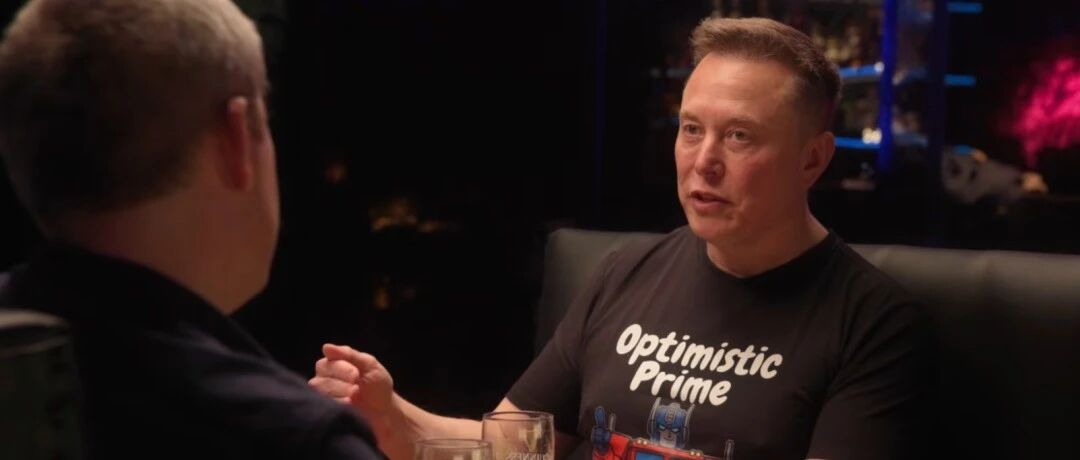
世界首富马斯克称36个月内太空会是部署AI的最便宜去处
Sou Hu Cai Jing· 2026-02-06 00:42
北京时间周五凌晨,马斯克作客知名科技访谈播客Dwarkesh Podcast的节目上线。作为全球资本市场热点话题的"太空GPU",又获得世界首富的重点 阐述。 顺着电力供应不足,马斯克也分享了数据中心为何不能大规模建设共址电力设备:燃气轮机买不到,美国的关税又令进口太阳能板过于昂贵。 马斯克介绍称:"燃气轮机的瓶颈在于涡轮里的导向叶片和叶轮叶片,因为如果你用的是燃气发电,这些涡轮叶片和导向叶片的铸造是一个高度专业 化的工艺。其他形式的发电方式其实都很难实现规模化扩张。太阳能在理论上可以放量,但目前美国对进口光伏征收的关税高得惊人,而本土产能 又少得可怜。" "记住我的话,36个月内太空会成为部署人工智能的最便宜去处" 对于近期引发热烈讨论的"太空数据中心"话题,马斯克开场就进行了多个维度的论述。 世界首富表示,把数据中心送上太空,核心原因是电力的增量跟不上芯片的产出。马斯克说道:"芯片产出几乎呈指数级增长,但电力产出是平的。 那么你要如何让这些芯片通电?靠魔法电源?魔法电力精灵吗?" 他也给出了一个相当惊悚的预言:人们会在今年年底左右达到无法为大型集群开机的地步。芯片会堆积如山,却没有足够的电力。 他也指出, ...