
战略石油储备

Search documents
原油日报:CPC码头有望在月底前重启-20260120
Hua Tai Qi Huo· 2026-01-20 05:36
Report Summary 1) Industry Investment Rating No information provided. 2) Core Viewpoints - CPC 3rd SPM is expected to restart by the end of the month, and the basis for the strength of European light oil is not solid [2]. - Oil prices will fluctuate in the short - term and a short - position allocation is recommended in the medium - term [3]. 3) Summary by Related Catalogs Market News and Important Data - On January 16 local time, the US is accelerating the expansion of Chevron's oil production license in Venezuela. Under the new arrangement, Chevron can pay the Venezuelan government in cash and sell all the crude oil it produces there [1]. - On January 16 local time, Venezuela announced the signing of a liquefied petroleum gas commercialization contract, marking the official start of its export of this energy resource [1]. - On January 17, as the exchange - rate shock caused by the US oil blockade on Venezuela eases, Venezuela is preparing to resume dollar sales to support its domestic currency. Banks are collecting bids, but no funds have been allocated yet [1]. - The US Energy Department is exploring a plan to exchange US medium - sour crude for Venezuelan heavy crude to replenish the strategic petroleum reserve [1]. Investment Logic - Recently, due to frequent attacks on Black Sea oil tankers and the adjustment of CPC crude loading plans, buyers are avoiding purchasing CPC crude, leading to a decline in CPC crude's discount and an increase in the discounts of North Sea and Azerbaijani light crude. However, the expected restart of CPC 3rd SPM by the end of the month weakens the basis for the strength of European light oil [2]. Strategy - Short - term: Oil prices will fluctuate within a range. Medium - term: A short - position allocation is recommended [3]. Risks - Downside risks: An agreement is reached in the Russia - Ukraine peace talks, and macro black - swan events occur [3]. - Upside risks: Supply of sanctioned oil (from Russia, Iran, and Venezuela) tightens, and large - scale supply disruptions occur due to Middle East conflicts [3].

“以油换油” 美国借委内瑞拉重油巧补美油储备
Ge Long Hui A P P· 2026-01-17 00:36
Core Viewpoint - The U.S. Department of Energy is exploring a plan to exchange medium-sulfur crude oil from the U.S. for heavy crude oil from Venezuela to replenish the Strategic Petroleum Reserve [1] Group 1: Exchange Mechanism - The Trump administration aims to transport Venezuelan crude oil to storage tanks at the offshore oil port in Louisiana, from where it will be sent to refineries [1] - Companies involved in the exchange will provide U.S. medium-sulfur crude oil that can be directly stored in the Strategic Reserve [1] - Historically, the government has utilized such exchange mechanisms to release and acquire oil during emergencies [1] Group 2: Context of Exchange - Oil refiners typically borrow from the Strategic Reserve during short-term supply disruptions, such as hurricanes, and are required to return the borrowed oil along with an additional quantity as a premium [1]
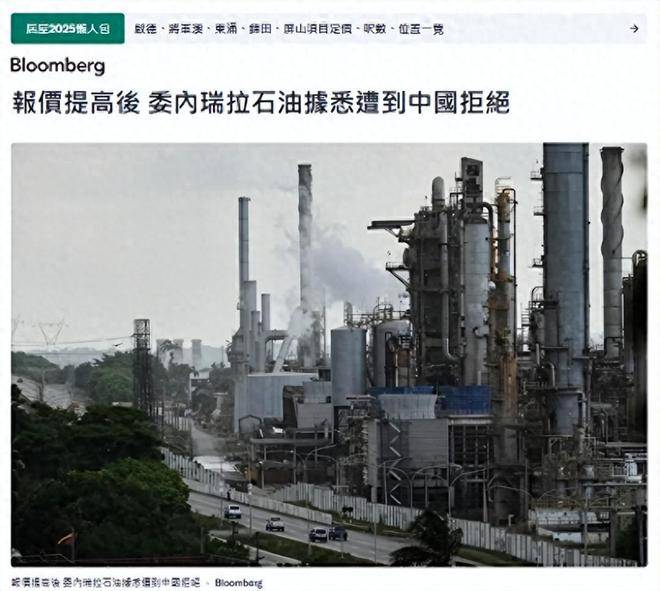
抢委内瑞拉5000万桶石油后,特朗普才发现:中国连一桶都不愿买了
Sou Hu Cai Jing· 2026-01-13 05:43
Core Viewpoint - The announcement by Trump regarding Venezuela's oil transfer to the U.S. was met with immediate rejection from Chinese buyers, highlighting the complexities of international oil trade and geopolitical tensions [1][5][20]. Group 1: U.S. Actions and Venezuela's Oil Situation - The U.S. has increased military pressure on Venezuela, leading to the interception of oil tankers and a significant drop in oil exports, from a daily production of 1.1 million barrels to an export of only 500,000 barrels [2]. - The U.S. government is negotiating with Venezuela's interim authorities to take control of the oil industry, prioritizing sales to the U.S. and cutting ties with China, Russia, and Iran [5][20]. - Trump's announcement of acquiring 30 to 50 million barrels of Venezuelan oil was intended to showcase U.S. control over the situation [5]. Group 2: China's Response and Market Dynamics - Chinese buyers rejected the Venezuelan oil offer, particularly after a price increase of $2, with the Chinese government firmly opposing U.S. intervention in sovereign resources [1][7][20]. - China's oil imports from Venezuela have drastically decreased, with only 3 shipments remaining in December 2025, down from 6 to 10 shipments per month [12]. - China has diversified its oil import channels, with imports from Saudi Arabia, Iran, and Russia, making Venezuelan oil less critical, accounting for less than 1% of total imports [14]. Group 3: Energy Security and Strategic Positioning - China has established a robust energy security framework, including legal provisions for strategic oil reserves, which supports its position as a rational market participant rather than a passive buyer [16][22]. - The refusal to purchase Venezuelan oil signals China's confidence and strength in the global energy market, emphasizing the need for stable and mutually beneficial partnerships [24][26]. - The ongoing geopolitical struggle reflects a shift in energy dynamics, where China is no longer seen as a weak player but as a significant force capable of making independent decisions [24][26].

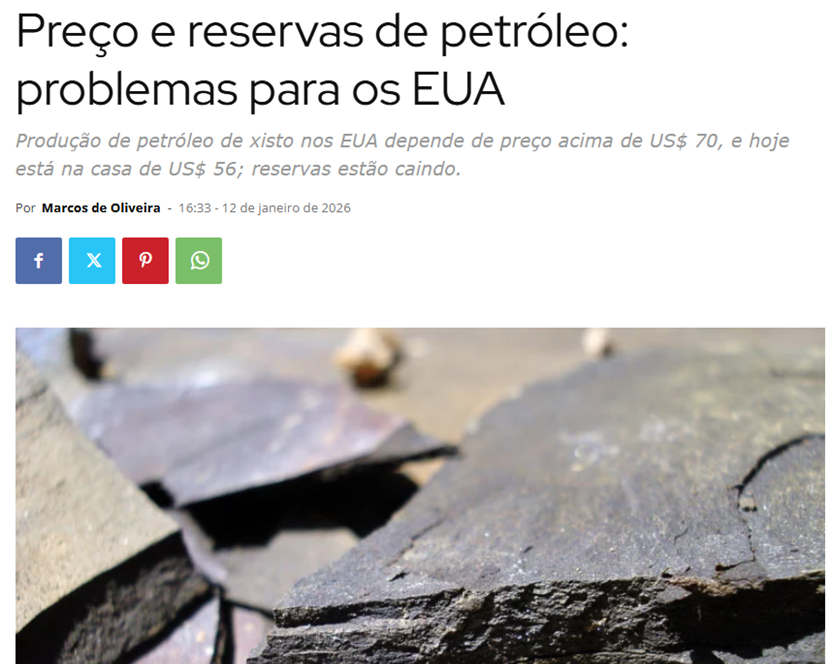
市场预期需求增加支撑油价上涨,外媒评价“对美国来说是个问题”
Huan Qiu Wang· 2026-01-13 01:08
Group 1 - The American Petroleum Institute (API) is collaborating with the government to fill the Strategic Petroleum Reserve, with market expectations of increased demand supporting rising oil prices [1] - As of January 13, the main contract for West Texas Intermediate (WTI) crude oil rose by 1.22% to $59.84 per barrel, while Brent crude oil increased by 1.41% to $64.23 per barrel [1] - The article from "Valor Econômico" highlights that gasoline and credit cards are two key drivers of U.S. economic growth, and despite being the largest oil producer globally, low WTI prices may not cover extraction costs, potentially leading to production delays or cuts [1] Group 2 - Despite being the largest oil producer, the U.S. does not have the highest oil reserves, which are currently declining [4] - According to the U.S. Energy Information Administration (EIA), proven reserves of crude oil and condensate in the U.S. decreased by 3.9% in 2023, from 483 billion barrels to 464 billion barrels [4] - Additionally, proven natural gas reserves in the U.S. have declined by 12.6% since 2020, marking the first annual decrease since that year [4]
全球油价躺平,中国却大量囤油,是不是有大事发生呢?
Sou Hu Cai Jing· 2025-11-16 15:52
Core Insights - China is significantly increasing its oil reserves, accounting for 90% of the global increase in oil inventory in the first half of the year, which has helped stabilize falling oil prices [1][3][5] - The strategy behind China's oil accumulation is rooted in a long-standing philosophy of preparedness and national security, rather than impulsive buying [1][7][27] Oil Import and Storage - By September 2025, China is projected to import over 11 million barrels of oil daily, with a substantial portion being stored rather than refined [3][5] - China's oil storage capacity has surpassed 2 billion barrels, with plans to build additional storage facilities, indicating a robust infrastructure for oil reserves [5][10] Market Strategy - China's oil purchasing strategy is calculated, taking advantage of lower prices during geopolitical tensions, such as the Russia-Ukraine conflict, to secure cheaper oil supplies [7][9] - The country has diversified its oil import sources, significantly increasing imports from Indonesia and Brazil, while also developing pipeline projects with Russia and Myanmar to mitigate supply risks [10][12] Financial and Economic Considerations - China is adjusting its foreign exchange reserves, reducing the proportion of USD and increasing gold holdings, while investing in oil as a more stable asset [12][27] - The transition to renewable energy is ongoing, with projections indicating that by 2025, electric vehicles will comprise 40% of the market, yet oil remains essential for industrial operations [25][27] National Security and Preparedness - China's oil reserves are part of a broader strategy to ensure national security, including food security and military readiness, reflecting a comprehensive approach to risk management [14][16][19] - The country is enhancing its military capabilities to protect its energy supply lines, ensuring that resources are secured against potential geopolitical disruptions [16][19] Conclusion - The accumulation of oil reserves is not merely an economic strategy but a reflection of China's commitment to maintaining stability and security for its population, positioning itself as a responsible global player in energy governance [27]
每天100万桶原油入库,中国突然按下加速键,在为大事做准备?
Sou Hu Cai Jing· 2025-11-10 06:34
Core Viewpoint - China is rapidly enhancing its energy security by significantly increasing its strategic oil reserves in response to complex global geopolitical dynamics [1][5][9] Domestic Perspective - China faces a high dependency on foreign oil, which poses challenges to industrial production, transportation stability, and public welfare [3] - Establishing sufficient oil reserves is crucial to mitigate risks from external factors that could lead to oil shortages or price volatility [3] - Analysts suggest that a sudden halt in Chinese oil purchases could lead to a rapid drop in international oil prices, highlighting China's significant influence on global oil price stability [3] Global Perspective - China's actions to increase oil reserves play a key role in stabilizing international oil prices amid geopolitical risks such as the Russia-Ukraine conflict [5] - As the world's largest oil importer, any change in China's procurement can cause significant market fluctuations, making its strategic reserves a stabilizing factor for global markets [5] - China is progressing towards a multi-layered oil reserve system, aiming to meet the International Energy Agency's recommendation of a 180-day supply, ensuring operational continuity even in case of external supply disruptions [5] External Influences - The uncertainty in global energy dynamics during the Trump administration has accelerated China's efforts to build its energy reserves [7] - U.S. sanctions on oil-producing countries and control over key maritime transport routes pose risks to China's oil supply, making robust reserves essential for national security [7] Long-term Strategic Perspective - Ample strategic oil reserves provide China with greater leverage in international negotiations and market stabilization efforts [9] - The development of a multi-dimensional reserve system, including critical minerals and food supplies, reflects China's comprehensive approach to resource security [9] - By securing key resources, China aims to maintain industrial continuity and economic resilience in the face of potential geopolitical conflicts and trade disruptions [9]

中国正在大量囤油,一度吞掉世界9成囤量,是有什么大事要发生?
Sou Hu Cai Jing· 2025-11-04 10:43
Core Viewpoint - China's recent actions in the crude oil market, characterized by significant daily imports, reflect a strategic approach rather than a reactionary measure, aimed at enhancing its strategic oil reserve system [1][3][5] Group 1: Strategic Oil Reserve System - China's daily crude oil imports have reached over 11 million barrels, with a substantial portion directed to strategic reserves rather than immediate consumption [3][5] - The country's oil reserve days have increased from 110 days to approximately 180 days, indicating a robust buffer against potential supply disruptions [3][5] - The strategic oil reserve initiative has been in place for over a decade, with the 180-day reserve level recognized internationally as a standard for energy security [5][6] Group 2: Economic and Geopolitical Context - China's high dependence on imported oil, at 71.9% for 2024, underscores the necessity of building reserves to mitigate risks associated with international supply chain disruptions [5][19] - The current geopolitical landscape, including tensions in the Middle East and the impact of the Ukraine conflict, has heightened the importance of energy security, prompting accelerated reserve accumulation [14][16][19] - The ability to influence international oil prices through large-scale imports demonstrates China's strategic advantage as the world's largest oil importer [10][12] Group 3: Long-term Planning and Market Dynamics - China's approach to oil reserves is characterized by a long-term planning strategy, focusing on maintaining a stable reserve level rather than reacting to short-term price fluctuations [8][21] - The anticipated decline in international oil prices in 2024 presents an opportunity for China to strategically accumulate reserves at lower costs, akin to bulk purchasing during sales [8][10] - The strategic reserve not only serves as a buffer against immediate supply issues but also positions China to adapt to future energy needs and potential market changes [19][21]
中国一口气吞下全球九成增量囤油,油价被稳住,中国在为哪场大考抢时间?
Sou Hu Cai Jing· 2025-11-03 18:39
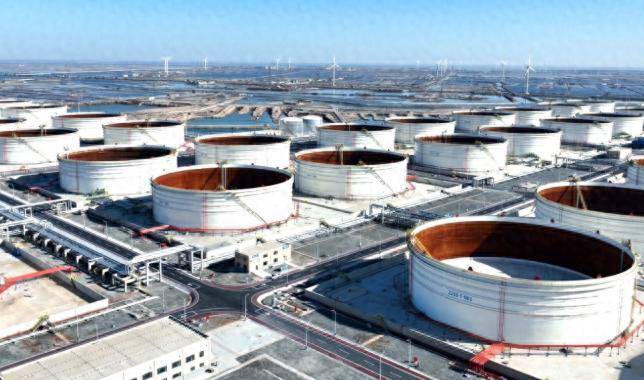
Core Viewpoint - China is accelerating its oil stockpiling, with average daily imports exceeding 11 million barrels in the first nine months, leading to a reserve duration of approximately 180 days, which has stabilized international oil prices around $65 per barrel [1][3][5] Group 1: Oil Import and Stockpiling Strategy - Since March, China's average daily oil stockpiling has reached about 1.4 million barrels, marking the highest speed in recent years [3] - By September, customs data showed that daily imports remained steady at over 11 million barrels, with approximately 1 to 1.2 million barrels going directly into storage rather than refineries [3][5] - China's strategic oil reserves are nearing 2 billion barrels, with a utilization rate of about 60%, and an additional 12.4 million barrels of capacity expected to be added by the end of the year [5][11] Group 2: Market Impact and Price Stability - The recent stockpiling has altered market dynamics, preventing oil prices from continuing to decline despite a drop to near five-year lows in October [5][9] - The International Energy Agency estimates a global daily supply surplus of about 3.7 million barrels for the current quarter, while OPEC and its allies plan a slight production increase [5][9] - Analysts suggest that if China were to halt its purchases, oil prices could drop to just above $50 per barrel, indicating the market's sensitivity to China's marginal demand [7] Group 3: Energy Security and Policy Implications - China's energy policy emphasizes the need for self-sufficiency, with the implementation of the Energy Law mandating stockpiling as a necessity rather than an option [9][11] - The current oil stockpiling strategy is seen as a hedge against currency fluctuations and supply disruptions, reinforcing the importance of oil as a safety net [9][11] - Comparisons with other countries highlight the strategic importance of oil reserves, with the U.S. facing slow progress in replenishing its emergency oil reserves [11][13] Group 4: Future Outlook and Energy Transition - The long-term energy structure in China is expected to see a decrease in coal, stability in oil and gas, and an increase in renewable energy, indicating a balanced approach to energy security and transition [13] - The ongoing stockpiling is not merely speculative but aims to provide certainty against potential global disruptions, with the focus on both capacity and pricing [13]
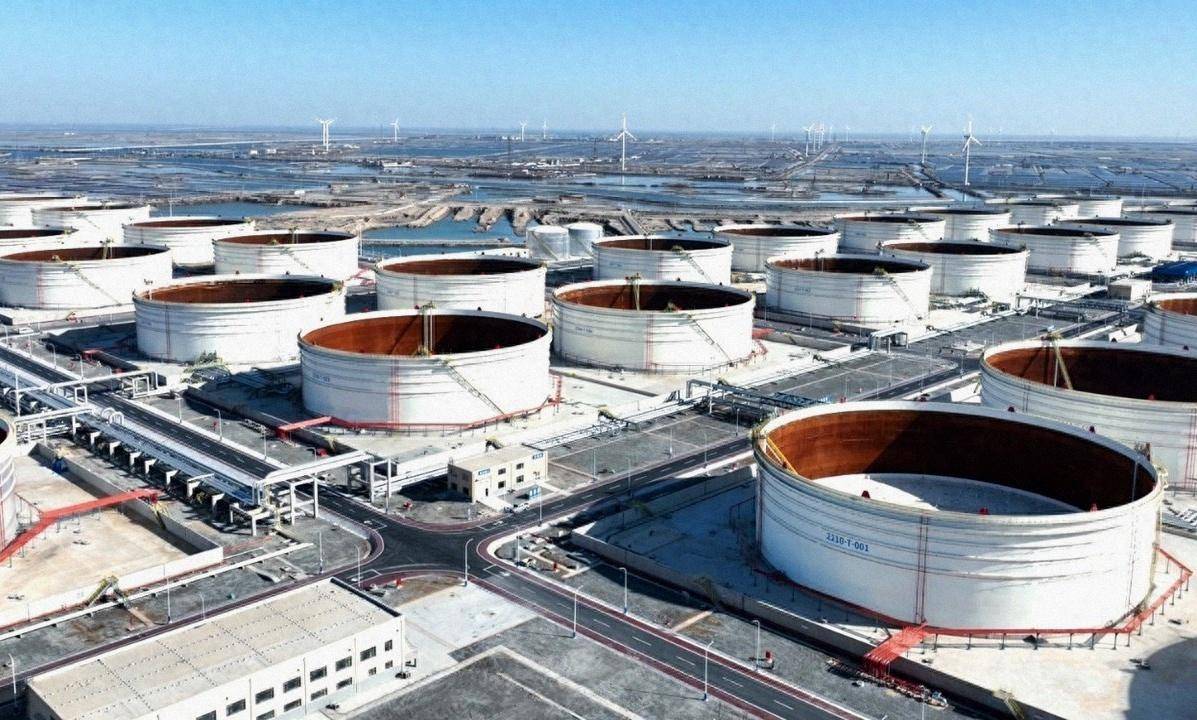
特朗普政府拟利用油价低位时机回补100万桶战略石油储备
Sou Hu Cai Jing· 2025-10-21 20:03
Core Insights - The Trump administration plans to purchase 1 million barrels of crude oil for the Strategic Petroleum Reserve (SPR) to replenish its dwindling stock amid falling oil prices [1] - The Department of Energy is expected to announce the procurement on Tuesday, seeking deliveries for December and January, funded by a $171 million allocation from a tax and spending bill signed by Trump [1] - WTI crude oil prices have dropped approximately 30% since mid-January, currently trading around $58 per barrel, nearing the lowest levels since 2021 [1] - The SPR has a maximum capacity of about 700 million barrels, with current reserves at approximately 408 million barrels, but the government has limited funds available for procurement [1]
保油价?以前靠沙特,现在靠中国
Hua Er Jie Jian Wen· 2025-10-02 04:36
Core Viewpoint - The article discusses China's emerging role as a stabilizer in the oil market, taking over from Saudi Arabia, particularly in light of recent OPEC+ decisions to increase production despite a cooling global demand for oil [1][3]. Group 1: China's Role in the Oil Market - China is significantly increasing its crude oil purchases to fill its strategic reserves, which absorbs surplus oil that does not enter global commercial inventories, thus not reflecting in international oil prices [2][3]. - As the largest oil buyer globally, China's actions are currently more effective in supporting oil prices than those of Saudi Arabia, which has historically been seen as the market stabilizer [4]. Group 2: Market Dynamics and Predictions - The traditional belief in the "Saudi put option," where Saudi Arabia would cut production to support prices, has weakened, especially after its recent decision to increase output despite global demand concerns [3][4]. - Analysts predict a severe oversupply in the global oil market from Q4 2023 to 2026, but as long as surplus oil continues to flow into China's strategic reserves, the impact on prices may be mitigated [4]. - A potential risk for the market is if China's willingness to stockpile oil diminishes, which could expose the hidden oversupply and lead to significant downward pressure on oil prices [4].