新能源汽车消费

Search documents
行情火热!国际投行“火上浇油”,称沪深300还有约17%空间——道达投资手记
Mei Ri Jing Ji Xin Wen· 2025-06-24 09:15
今天,A股三大指数集体走强,上证指数站上3400点关口。截至收盘,上证指数、深证成指分别上涨 1.15%、1.68%,创业板指数上涨2.30%。 自昨天小波段见底以来,上证指数才反弹两天,在时间上和上述三个小波段差距甚大。因此,达哥认 为,大盘的反弹行情还没有结束,同时整个反弹周期也还没有结束。 今天整个市场放量近3000亿元,这意味着上证指数还有冲刺3月高点的动能。 板块方面,保险、证券两大板块指数今天的涨幅分别为3.19%、2.60%,分别位居行业板块涨幅榜的第 二、第七位。银行板块继续走高,板块指数上涨0.68%。 综上,无论是反弹时间,还是上方空间,上证指数都还有空间,因此,继续按照轻指数、重板块个股的 思路来进行操作。 关于A股未来两年的行情,最近半年多以来,达哥从政策、资金、技术分析等角度分享得比较多,用四 个字总结就是:坚决看多。 沪深两市成交额达到14146亿元,较昨日大幅放量2920亿元。整个市场有4771只个股上涨,578只个股下 跌,个股涨跌幅的中位数为上涨1.89%。 上周末,市场对以伊冲突担心之时,达哥明确指出,不用忧虑,大盘至少会走出类似于2024年三四月份 的横盘震荡态势。从本周 ...
商务部:加强新能源在用车检测平台推广应用,扩大新能源二手车交易
news flash· 2025-06-24 07:48
金十数据6月24日讯,商务部办公厅发布组织开展2025年千县万镇新能源汽车消费季活动的通知。各地 要广泛动员社会力量参与新能源汽车消费季活动,支持独立第三方二手车信息查询平台提升运营质效, 加强新能源在用车检测平台推广应用,扩大新能源二手车交易。加快县乡地区新能源汽车停车场、充电 桩、售后服务站点、报废汽车回收服务网点等设施建设,便利群众交旧换新,解决日常用车后顾之忧; 积极探索依托现有加油站,打造一批集车辆销售维保、停车补能、餐饮住宿等功能于一体的乡镇汽车驿 站。 商务部:加强新能源在用车检测平台推广应用,扩大新能源二手车交易 ...
1-5月销量同比增长44% 新能源车靠啥“跑”出这个增速
Zhong Guo Chan Ye Jing Ji Xin Xi Wang· 2025-06-16 22:24
1-5月新能源汽车销量达560.8万辆,同比增长44% 新能源车靠啥"跑"出这个增速? 6月11日,中国汽车工业协会发布的数据显示,今年1-5月,汽车产销分别完成1282.6万辆和1274.8万 辆,同比分别增长12.7%和10.9%。其中,新能源汽车产销累计完成569.9万辆和560.8万辆,同比分别增 长45.2%和44%,新能源汽车新车销量达到汽车新车总销量的44%。 业内人士分析,今年以来,"两新"政策加力扩围,持续显效,叠加车企新品投放、多地车展促销等利好 因素,助力汽车市场消费活力加速释放。未来需从优化充电基建、丰富适配车型、创新灵活金融服务、 强化售后网络覆盖四方面发力,构建汽车消费需求持续释放的长效机制。 车市掀起消费热浪 今年4月,在北京顺义区工作的李华完成了一次重要的出行设备升级--将陪伴自己多年的燃油车,置换 成一辆国产纯电动SUV。提车后,李华对新能源汽车也有了不一样的认识。 李华告诉记者,为节约开支,他充分利用夜班时段在单位充电,电费为每千瓦时0.83元,以车辆百公里 耗电15千瓦时计算,每公里用电成本约为0.12元。相比此前燃油车每公里近1元的油耗支出,新能源车 为他节省了大量出行 ...


后补贴时代 车市还有哪些新动能
Zhong Guo Qi Che Bao Wang· 2025-06-13 01:11
Core Insights - The "old-for-new" vehicle replacement policy has significantly stimulated the automotive market, with over 10 million subsidy applications since its implementation, indicating strong consumer interest and market activity [2][3] - In the first four months of 2024, China's automotive sales reached 10.06 million units, a year-on-year increase of 10.8%, while new energy vehicle sales surged to 4.3 million units, marking a 46.3% growth [2] - The urgency among consumers to purchase vehicles is heightened by the impending expiration of full tax exemptions for new energy vehicles in 2026, prompting many to consider buying sooner rather than later [6][8] Policy Impact - The "old-for-new" policy has been pivotal in reversing negative growth trends in the automotive market, with over 6.8 million vehicles replaced under this initiative in 2024 alone [3][5] - The expansion of the policy to include vehicles meeting the National IV emission standards has broadened its impact, benefiting more consumers and stimulating demand [3][5] - The combination of subsidies and tax exemptions is expected to drive significant sales growth in the automotive sector, particularly for new energy vehicles, with projections suggesting sales could reach 17 million units by 2025 [6][8] Market Dynamics - The automotive market is experiencing a shift, with approximately 60% of vehicles replaced under the "old-for-new" policy being new energy vehicles, reflecting a growing consumer preference for greener options [4][5] - The anticipated withdrawal of subsidies and tax exemptions may lead to a demand surge in the short term, but could also result in a demand pullback in subsequent years as consumers rush to take advantage of current incentives [7][8] - The automotive industry is urged to develop long-term strategies to stabilize market demand and reduce reliance on temporary stimulus measures [11] Infrastructure and Consumer Behavior - The lack of adequate parking and charging infrastructure remains a significant barrier to consumer adoption of new energy vehicles, highlighting the need for improved urban planning and resource allocation [10] - Recent policy adjustments in major cities to ease vehicle purchase restrictions have sparked renewed consumer interest, indicating that regulatory changes can effectively stimulate market activity [10] - The industry is encouraged to explore new growth areas, such as the automotive aftermarket and battery recycling, to sustain long-term demand and market health [14]


丰台端午节购车嘉年华来了,近二十款热门车型集体亮相
Bei Jing Ri Bao Ke Hu Duan· 2025-05-31 06:10
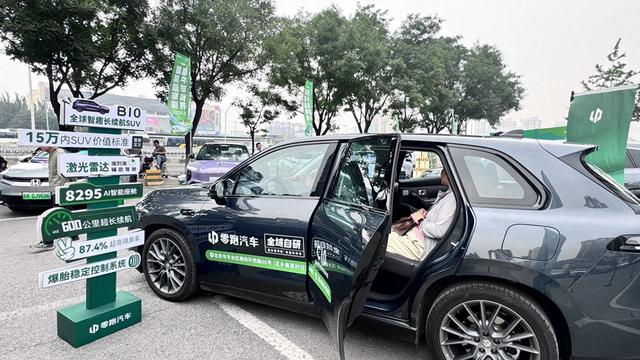
Group 1 - On May 26, Beijing released 133,000 new energy vehicle (NEV) quotas, followed by a NEV festival in Fengtai District featuring nearly twenty popular models [2] - The event showcased models such as BYD Han L EV, Leap C10, and GAC Toyota Zhizhi 3X, with customized purchasing plans and promotional activities including a lottery for discounts up to 5,000 yuan [2][3] - Fengtai District has over 60 regulated automotive sales enterprises, leading in retail sales of NEVs in Beijing, with the event targeting the mainstream NEV market priced between 100,000 to 300,000 yuan [2] Group 2 - Various financial incentives were offered by car manufacturers, including up to 5,000 yuan in financial subsidies and 3,680 yuan for home charging service packages for the Leap C10 [3] - BYD's Han L EV series offered "0 down payment/0 interest" financing along with a 2,980 yuan decoration gift package, significantly reducing initial payment burdens [3] - Fengtai District plans to establish a comprehensive ecosystem for NEVs, including two Huawei AITO Super Experience Centers, enhancing the consumer experience from vehicle display to after-sales service [3]
专家:新能源汽车市场仍处于高速发展阶段 Z世代消费者“心智之争”将成焦点
Zheng Quan Shi Bao Wang· 2025-05-14 07:53
Core Insights - The report released by the China Electric Vehicle Hundred Association and Lisi Strategic Consulting highlights that the global automotive market is entering a saturation phase, while the new energy vehicle (NEV) market in China continues to grow rapidly, with projected sales reaching 16.5 million units by 2025, a growth rate of 30% [1] - The report indicates a structural change in the NEV consumer market, with demand for vehicle upgrades becoming a core driver, and the market increasingly penetrating third-tier cities and below, focusing on the mass market priced between 100,000 to 150,000 yuan [1] - By 2030, it is expected that the penetration rate of new energy vehicles in China will exceed 70%, with domestic brands projected to capture over 65% of the market share [1] Market Dynamics - The report emphasizes that the new generation of consumers shows a stronger alignment with the electric and intelligent features of vehicles, leading to a more rational approach to car consumption, where practicality and functionality are prioritized over brand premium [1] - The Z generation, comprising approximately 250 million individuals with a consumption scale of about 5.97 trillion yuan, represents a significant potential in the automotive market, making it crucial for NEV companies to understand their consumption psychology and characteristics [1] Strategic Recommendations - Companies are advised to focus on technological leadership, scenario-based marketing, and appealing to younger consumers to establish differentiated advantages in the "mindset battle" [2] - Two key strategies suggested include creating new vehicle categories based on consumer preferences and accelerating international expansion to leverage global brand strength, which can enhance market presence in China [2] - The report posits that the NEV sector represents not only a technological revolution but also a cognitive revolution, urging companies to reconstruct competitive logic through category thinking, technology equality, and brand enhancement [2]
加快建设“市县乡”三级绿色交通网
Liao Ning Ri Bao· 2025-04-21 01:27
Group 1 - The central government has allocated 135 million yuan in financial support for the construction and operation of public charging and battery swapping facilities in five selected counties, which will help alleviate the "range anxiety" of electric vehicle users and promote consumption and investment in rural areas [1][2] - A total of eight counties in the province have been selected for this initiative, which aims to enhance the infrastructure for electric vehicles and improve the consumption potential in rural regions [1] - The collaborative application by counties with similar economic development levels is expected to maximize the effectiveness of the funding and facilitate shared project management, benefiting a larger user base [1] Group 2 - The pilot counties will explore new technologies and models for charging and battery swapping, such as vehicle-network interaction and energy storage, to accelerate the province's energy structure transformation [2] - The funding will prioritize the establishment of charging facilities at key locations such as postal service points, rural logistics nodes, and transportation hubs, aiming to create a comprehensive network that integrates transportation, energy, and consumption [2] - The provincial finance department plans to expedite project implementation and strengthen fund management to build a three-tier green transportation network across urban, county, and rural areas, contributing to the province's goal of becoming a clean energy stronghold [2]
商务部盛秋平:已有40多个新能源汽车重点外资项目在华落地
Bei Ke Cai Jing· 2025-03-29 10:35
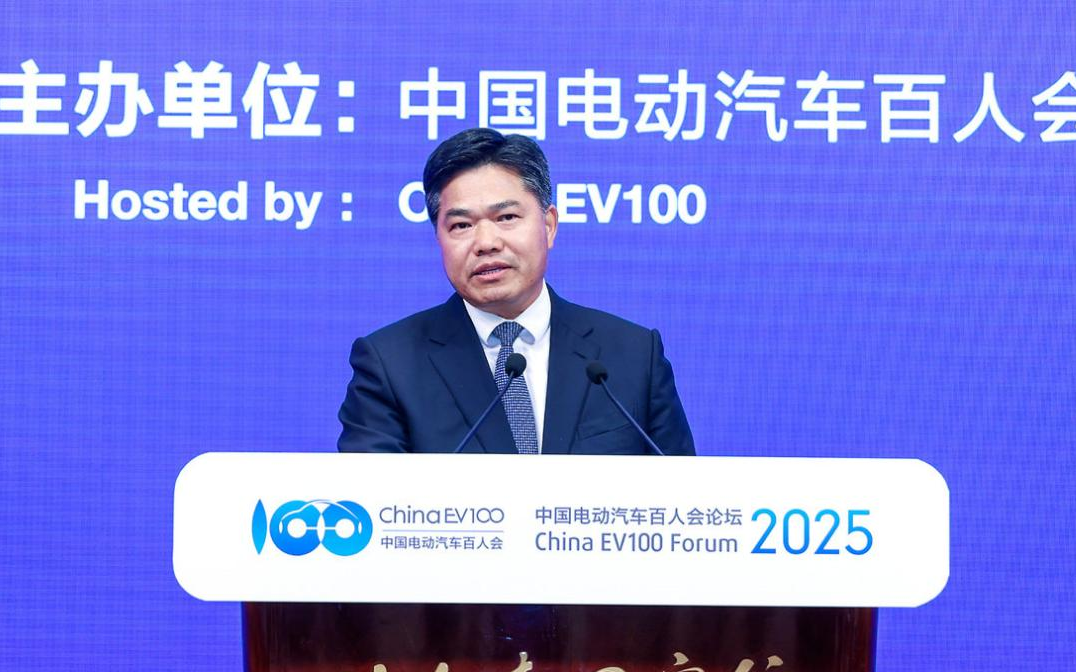
新京报贝壳财经讯(记者张冰)3月29日,商务部副部长盛秋平在中国电动汽车百人会论坛(2025)高层论坛上表示,以旧换新工作进展顺利,政策效应 持续释放。截至3月28日,2025年汽车以旧换新补贴申请已经超过176.9万份。商务部积极把外资引进来,持续优化营商环境,目前已有40多个新能源汽车 重点外资项目在华落地。 商务部副部长盛秋平。主办方供图 回顾2024年,盛秋平表示,在国内,商务部注重盘活存量、培育增量,统筹全链条各环节,促进新能源汽车消费。2024年全国汽车以旧换新超过680万 辆,其约400万辆是新能源汽车,全年零售的新能源乘用车中三分之一以上参与了汽车以旧换新;二手车交易量达到1961万辆,同比增长6.5%,其中新能 源汽车达到了113万辆,同比增长48%。 "面向国际,我们坚定不移扩大高水平对外开放,支持新能源汽车贸易投资合作健康发展。"盛秋平介绍,商务部推动新能源汽车量稳质升,服务全球绿 色转型;支持车企"走出去",深化中国品牌国际投资合作;并积极把外资引进来,持续优化营商环境,打造"投资中国"品牌,"去年商务部共举办了15场 外资企业圆桌会,深入了解外资车企在华投资问题诉求,协调解决22条外 ...