
新能源消纳

Search documents
【财经分析】国网4万亿元投资来袭 破解新能源消纳难题 哪些领域将受益?
Xin Hua Cai Jing· 2026-01-16 08:58
新华财经北京1月16日电(记者沈寅飞)固定资产投资预计将达4万亿元,其中包括风光新能源装机容量 年均新增2亿千瓦左右,推动非化石能源消费占比达到25%;加快特高压直流外送通道建设,跨区跨省 输电能力较"十四五"末提升超过30%……近日,一则关于国家电网公司"十五五"时期投资创历史新高的 消息引发了广泛关注。 据了解,国家电网这些投资包括"十五五"期间服务经营区风光新能源装机容量年均新增2亿千瓦左右, 推动非化石能源消费占比达到25%,电能占终端能源消费比重达到35%。此外,公司将优化抽蓄站点布 局,支持新型储能规模化发展,提高新能源运行支撑和并网消纳水平。服务零碳工厂和零碳园区建设, 满足3500万台充电设施接入需要,提高终端用能电气化水平。 此前,国网公司董事长张智刚表示,要充分发挥电网基础支撑和投资拉动作用,以更大的力度、更实的 举措助力扩内需、稳增长;加大电网投资力度,坚持电力发展适度超前,紧密对接国家重大战略,衔 接"两新""两重"建设,更加有效带动社会投资和产业链供应链发展。 业内人士指出,国网这笔投资将聚焦打造更智能、更绿色的电网体系,重点落在经营区域能源绿色转 型、做强电网平台、强化科技赋能方面 ...
国网压上4万亿,谁将真正受益?
Ge Long Hui· 2026-01-16 05:29
Core Viewpoint - The State Grid Corporation of China plans to invest approximately 4 trillion yuan in fixed assets during the 14th Five-Year Plan period, marking a historic record and indicating a significant acceleration in grid construction to address systemic issues in the energy sector [1][4]. Investment and Infrastructure - The 4 trillion yuan investment aims to address the long-term underestimation of systemic shortcomings in the power grid, particularly in accommodating the rapid expansion of renewable energy sources like wind and solar [1][5]. - The focus of investment is shifting from merely constructing high-voltage transmission lines to ensuring a comprehensive operational framework that stabilizes energy consumption in complex scenarios [1][2]. Complexity in Distribution Networks - The integration of distributed solar power, commercial storage, and electric vehicle charging facilities has led to unprecedented operational pressures on distribution networks, which were originally designed for unidirectional power supply [2]. - The need for large-scale upgrades in distribution networks is not just about capacity expansion but also about enhancing the system's ability to sense, adjust, and collaborate [2]. Changes in Industry Dynamics - Increased investment in the power grid will lead to higher equipment demand, but the competitive landscape is shifting towards the importance of equipment adaptability, operational efficiency, and long-term reliability rather than just cost [3]. - Local governments are evolving from mere resource providers to active participants in energy consumption and manufacturing, aiming to retain value within their regions through enhanced grid capabilities [3]. Market Reactions and Long-term Implications - The capital market's response to the 4 trillion yuan investment is expected to be slow, but it is likely to reshape long-term industry expectations, emphasizing stability and sustainability over immediate profitability [4]. - Companies that can deeply engage in grid construction, operation, and service are likely to see improved cash flow certainty and resilience against economic cycles, while those relying on one-time deliveries may face increased valuation pressures [4]. Execution Challenges - High-intensity investments come with elevated execution demands, including project timelines, supply chain stability, and inter-regional coordination, which could impact project outcomes [5]. - The investment reflects a belief that renewable energy will continue to grow significantly and that the power system must undergo a structural upgrade to manage increased complexity effectively [5].
新疆吐鲁番:新能源装机容量突破1000万千瓦大关
Zhong Guo Dian Li Bao· 2026-01-16 01:35
Core Insights - The integration of renewable energy sources in Turpan, Xinjiang, has reached a significant milestone with the successful grid connection of the first 200,000 kW photovoltaic project, pushing the total installed capacity of renewable energy in the region to 10.17 million kW, accounting for 75.7% of the total installed capacity [1][6] - Turpan's renewable energy capacity has increased over 20 times since the 18th National Congress, with a focus on building a 100 billion yuan green energy industry cluster during the 14th Five-Year Plan period [2] - The region has established a robust power grid infrastructure, including a 750 kV "Y" shaped network and a 220 kV transmission network, to support the efficient transmission of clean energy from 88 renewable energy stations [2][5] Group 1 - The successful integration of the first 200,000 kW photovoltaic project marks a significant step in Turpan's renewable energy development [1] - Turpan's renewable energy installed capacity has surpassed 10 million kW, making it the sixth renewable energy base in Xinjiang [1] - The region's renewable energy capacity has grown over 20 times since the 18th National Congress, with ongoing efforts to establish a 100 billion yuan green energy industry cluster [2] Group 2 - Turpan's power grid has been strengthened with an investment of 307 million yuan since 2024, completing 10 renewable energy transmission projects and extending new transmission lines by 192.6 kilometers [2] - The region has implemented a "one-stop service" for the entire process of renewable energy grid connection, enhancing efficiency in project management [3] - Turpan has built nine energy storage stations with a total capacity of 360,000 kW/710,000 kWh, significantly improving system regulation capabilities [5] Group 3 - The utilization rate of renewable energy in Turpan has increased from 61.17% in 2016 to over 90% in recent years, demonstrating effective management of renewable energy resources [5] - The region is positioned as a key hub for renewable energy development along the Silk Road, contributing to national energy security and low-carbon transition [6]
专线专用,绿电可直抵用户
Liao Ning Ri Bao· 2026-01-16 01:06
Core Viewpoint - The implementation of the "Liaoning Province Green Electricity Direct Connection Construction Implementation Plan (2025-2027)" aims to promote the integration of renewable energy production and consumption, facilitating cost reduction, carbon reduction, and sustainable development [1] Group 1: Green Electricity Direct Connection - Green electricity direct connection refers to the supply of renewable energy such as wind, solar, and biomass directly to a single electricity user without connecting to the public grid [1] - There are two types of direct connection: grid-connected and off-grid. Grid-connected systems allow for flexibility with "self-use and surplus electricity feeding into the grid," while off-grid systems operate independently but require higher technical standards [1] Group 2: Implementation Guidelines - The principle of "source determined by load" should be followed to scientifically determine the type and scale of renewable energy sources for green electricity direct connection [2] - For grid-connected green electricity direct connection, the annual self-use electricity from renewable energy should account for no less than 60% of the total available generation, and at least 30% of total electricity consumption, with a target of at least 35% before 2030 [2] - New renewable energy projects can apply for a model where "self-use is primary and surplus electricity is secondary," with the surplus electricity not exceeding 20% of the total available generation based on annual renewable energy consumption [2]
国家电网发布4万亿创纪录投资计划
第一财经· 2026-01-16 01:01
Core Viewpoint - The National Grid's fixed asset investment during the "14th Five-Year Plan" is expected to reach 4 trillion yuan, a 40% increase compared to the previous plan, marking a historical high in investment [3]. Investment Focus - The investment will focus on creating a smarter and greener grid system, emphasizing energy green transformation, strengthening the grid platform, and enhancing technological empowerment [4]. - Key investment directions include promoting renewable energy consumption and improving the reliability of cross-regional electricity transmission [4][5]. Energy Distribution Challenges - The uneven distribution of energy resources and load centers in China necessitates a long-term energy allocation pattern of "West-to-East Power Transmission" and "North-to-South Supply" [4]. - Data from the Power Industry Planning Research and Monitoring Center indicates that the utilization rates of photovoltaic power in Tibet, Gansu, and Qinghai are only 65.8%, 89.6%, and 83.5%, respectively, with wind power utilization in Tibet at 69.3% and abandonment rates exceeding 10% [4]. Grid Development Plans - The National Grid plans to establish a new grid platform during the "14th Five-Year Plan," enhancing the "West-to-East Power Transmission" network and increasing cross-regional transmission capacity by over 30% compared to the end of the previous plan [5][6]. - The investment strategy aims to ensure effective utilization of the 4 trillion yuan investment by controlling construction costs, optimizing resource allocation, and focusing on quality and efficiency [6]. Industry Benefits - Following the announcement of increased investment, the grid equipment sector saw significant stock price increases, with companies like Baobian Electric and TBEA rising over 8% [8]. - The continuous growth in investment during the "14th Five-Year Plan" has led to record-breaking investment amounts, with 2022 surpassing 500 billion yuan and projections for 2025 exceeding 650 billion yuan [8][9]. - The investment is expected to directly benefit related companies in the supply chain, with significant profit growth reported by companies like TBEA and China XD Electric [9]. Future Outlook - The National Grid's chairman emphasized the importance of leveraging grid infrastructure to stimulate domestic demand and stabilize growth, aligning with national strategic initiatives [10].

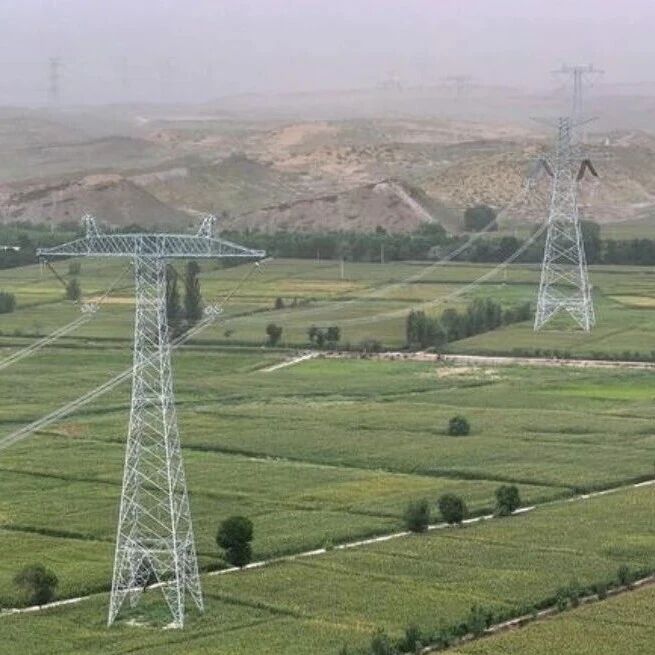
国家电网发布4万亿创纪录投资计划 重点方向明确
Di Yi Cai Jing· 2026-01-16 00:47
Core Viewpoint - The State Grid's fixed asset investment during the "14th Five-Year Plan" period is expected to reach 4 trillion yuan, a 40% increase compared to the "13th Five-Year Plan," marking a historical high in investment [1] Investment Focus - The investment will focus on creating a smarter and greener grid system, emphasizing energy green transformation, strengthening grid platforms, and enhancing technological empowerment [2] - Key investment directions include promoting renewable energy consumption and improving the reliability of cross-regional electricity transmission [2] - The investment aims to address the mismatch between rapid growth in renewable energy installations and the grid's capacity to absorb this energy, particularly in regions like Tibet, Gansu, and Qinghai [2] Infrastructure Development - The State Grid plans to accelerate the construction of distribution networks in urban, rural, and remote areas, exploring models for end-user supply and off-grid microgrids [3] - By 2030, the grid's resource optimization capacity is expected to significantly enhance, with the "West-to-East Power Transmission" scale exceeding 420 million kilowatts and new inter-provincial power exchange capacity of around 40 million kilowatts [3] Industry Impact - Following the announcement of increased investment, the electric grid equipment sector saw significant stock price increases, with companies like Baobian Electric and TBEA rising over 8% [4] - The continuous growth in investment during the "14th Five-Year Plan" has led to record-breaking investment figures, with 2022 seeing investments surpassing 500 billion yuan and projections for 2025 exceeding 650 billion yuan [4][5] - The investment surge is expected to catalyze orders and performance for companies in the supply chain, with notable profit growth reported by companies like TBEA and China XD Electric [5] Future Outlook - The approval and commencement of cross-regional transmission channels are anticipated to accelerate due to the pressure of renewable energy consumption, with a focus on high-voltage direct current (HVDC) projects [6] - The State Grid emphasizes the importance of leveraging its foundational support and investment to stimulate domestic demand and stabilize growth, aligning closely with national strategic initiatives [6]
构建适应绿色低碳转型市场机制
Zhong Guo Dian Li Bao· 2026-01-14 01:57
Core Viewpoint - The construction of a national unified electricity market is essential for optimizing electricity resource allocation and supporting energy transition, with a three-step plan proposed for its development by 2025, 2029, and 2035 [1] Group 1: Challenges in Electricity Market - The rapid increase in the share of renewable energy generation has led to significant challenges, including intensified pressure on renewable energy consumption, with projected growth rates of 16% for wind and 44% for solar power in 2024 [2] - The electricity trading mechanism needs improvement, as issues such as weak price correlation between medium- and long-term trading and spot markets, insufficient liquidity, and a lack of unified rules hinder market efficiency [2] - The environmental value of renewable energy is not adequately reflected, with the average trading price of green certificates falling below 0.6 cents per kilowatt-hour in 2024, indicating a lack of robust demand support [2] Group 2: Solutions for Market Improvement - To address the challenges, it is crucial to accelerate the construction of a national unified electricity market and develop a market mechanism that aligns with green and low-carbon transitions [3] - Enhancements to the renewable energy consumption responsibility mechanism are necessary, including stricter accountability for electricity consumers and clearer penalties for non-compliance [4] - The electricity trading mechanism should be adapted to better reflect the temporal and spatial value of renewable energy, allowing for more flexible trading arrangements and a broader range of auxiliary services [5] Group 3: Future Prospects - The establishment of a national unified electricity market is vital for breaking down inter-provincial barriers and optimizing resource allocation, which will enhance the electricity system's adaptability to high proportions of renewable energy [7] - This market will serve as a foundational infrastructure for fostering new productive forces in the energy sector and addressing international green trade barriers, thereby strengthening China's position in global climate governance [8] - The successful implementation of this market requires collaboration among government departments, grid companies, power generation groups, and electricity consumers, paving the way for a new energy system focused on non-fossil energy sources [9]
乌海“超级蓄电池”寒冬生产“不打烊”
Xin Lang Cai Jing· 2026-01-13 19:50
Core Insights - The construction of the Wuhai Pumped Storage Power Station, a key project by Inner Mongolia Electric Power Group, is progressing rapidly despite winter conditions, with a total investment of approximately 8.339 billion yuan and a total installed capacity of 1.2 million kilowatts [1][2] Group 1: Project Overview - The Wuhai Pumped Storage Power Station is designed to have an annual power generation capacity of about 2.008 billion kilowatt-hours and features six major functions including peak shaving, frequency regulation, and energy storage [1] - The project is expected to significantly enhance the integration and utilization of renewable energy resources in the Inner Mongolia region, particularly for large-scale wind and solar power [1] Group 2: Construction Progress - As of January 12, the underground powerhouse has entered the concrete construction and electromechanical equipment installation phase, with the first unit's spiral casing already installed and pressure testing completed [2] - The water conveyance system, crucial for the operation of the power station, has completed the excavation of the intake system, and pressure steel pipe installation is underway [2] Group 3: Environmental Impact - Upon completion, the power station is projected to consume approximately 2.677 billion kilowatt-hours of renewable energy annually, which is expected to reduce standard coal consumption by about 358,600 tons and decrease carbon dioxide emissions by approximately 850,500 tons [3]
从“能源基地”到“绿能高地” 内蒙古深入推进能源革命
Xin Hua Cai Jing· 2026-01-12 06:57
Core Viewpoint - Inner Mongolia plays a crucial strategic role in national energy supply, contributing approximately one-sixth of the total energy production and one-third of the cross-regional energy transmission in China. The region is transitioning from a fossil fuel-based energy hub to a clean energy powerhouse under the guidance of the "Four Revolutions, One Cooperation" energy security strategy, supporting high-quality economic development and national energy security [1]. Group 1: Renewable Energy Development - Inner Mongolia's renewable energy capacity has seen significant growth, with installed capacity projected to reach over 170 million kilowatts by 2025, including wind power capacity exceeding 100 million kilowatts, marking a historic milestone [2]. - The region's renewable energy installed capacity surpassed that of thermal power for the first time, achieving 135 million kilowatts in 2024, a year ahead of schedule [2]. - Inner Mongolia has been designated as a key area for national renewable energy projects, receiving strong support from government policies and funding, which have accelerated the development of its renewable energy sector [2]. Group 2: Industrial Chain Development - Inner Mongolia is establishing a complete industrial chain for renewable energy equipment manufacturing, focusing on wind, solar, hydrogen, and storage technologies, which enhances the optimization and upgrading of the supply chain [3]. - The region's wind power equipment manufacturing industry has developed a comprehensive supply chain, with production capabilities including 91.53 million kilowatts of wind turbine main units and 6,450 sets of blades [3]. - The rapid establishment of a solar component factory in Hohhot exemplifies the growing completeness of Inner Mongolia's photovoltaic industry chain, with an expected annual supply capacity of 70 million kilowatts by 2025 [4]. Group 3: Energy Consumption and Utilization - Inner Mongolia aims to enhance the consumption and utilization of renewable energy by increasing power transmission, promoting local consumption, and improving regulatory capabilities [6]. - The region plans to generate 270 billion kilowatt-hours of renewable energy by 2025, with 90 billion kilowatt-hours earmarked for external transmission, reflecting a growth of over 40% [6]. - Innovative policies are being implemented to facilitate local consumption of renewable energy, including the development of integrated energy systems and the promotion of green hydrogen applications [6][7]. Group 4: Energy System Stability - Inner Mongolia is developing pumped storage power stations and new energy storage projects to enhance the stability of its power system, with a target of over 17 million kilowatts of new energy storage capacity by the end of 2025 [7]. - The region is focusing on constructing a modern energy industry system to ensure a stable energy supply and support the large-scale development and utilization of renewable energy [7].
AI基建浪潮点燃绿电需求,绿电ETF(562550)冲击三连阳,上海电力领涨
Mei Ri Jing Ji Xin Wen· 2026-01-07 06:57
Core Viewpoint - The A-share market experienced a collective pullback on January 7, but the power sector showed resilience, with significant gains in related stocks and ETFs [1]. Group 1: Market Performance - The green energy ETF (562550) rose by 0.36%, while the power grid equipment ETF (159326) increased by 1.78% [1]. - Notable power stocks such as Shanghai Electric surged over 4%, with Inner Mongolia Huadian, Guiguan Electric, Jingneng Electric, and China Nuclear Power also seeing gains [1]. Group 2: Policy Developments - Relevant authorities issued guidelines to promote the consumption and regulation of renewable energy, aiming for a reasonable consumption of 200 million kilowatts of renewable energy annually by 2030 [1]. - The guidelines reinforce the "14th Five-Year Plan" goals for large-scale development of renewable energy and serve as a foundational policy to reshape the focus on renewable energy consumption and regulation [1]. Group 3: Demand Dynamics - The explosion of AI-driven computing power is reshaping the data center industry and is becoming a critical variable in the evolution of global energy consumption patterns, presenting unprecedented challenges and innovative opportunities for power infrastructure [1]. Group 4: Investment Outlook - Huatai Securities noted that the construction of a national unified electricity market is accelerating, with expected grid investments during the "14th Five-Year Plan" period to exceed 4 trillion yuan, a significant increase from 2.8 trillion yuan during the "13th Five-Year Plan" [1]. - The construction of the main grid is essential for achieving interconnection of the national grid framework and remains a key focus area for development [1].
