
汇率干预

Search documents
小心日本飞出黑天鹅!日财务大臣发最强警告 日本恐随时采取汇市大胆行动
Sou Hu Cai Jing· 2025-12-23 03:40
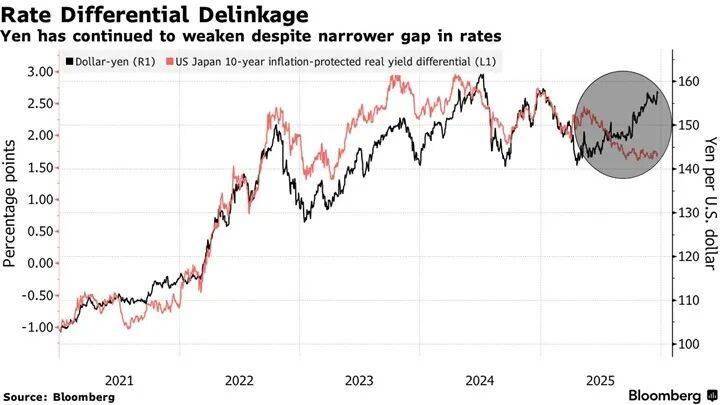
Core Viewpoint - Japan's Finance Minister Satsuki Katayama indicated that Japan has "ample room for action" to address currency fluctuations not aligned with fundamentals, marking her strongest warning to speculators to date [1][3]. Group 1: Currency Intervention - Katayama's comments suggest potential direct intervention in the currency market, especially after the recent depreciation of the yen despite the Bank of Japan's interest rate hike [1][2]. - The Japanese Ministry of Finance previously intervened in the foreign exchange market, spending approximately $100 billion to support the yen when it approached 160 yen per dollar [4]. - Katayama emphasized that the strategy for intervention will vary based on circumstances, indicating flexibility in response to market conditions [6]. Group 2: Economic Context - The Japanese government, under Prime Minister Sanae Takaichi, is focused on promoting stronger economic growth, which may exacerbate the country's fiscal challenges in the short term [1]. - The joint statement with the U.S. suggests that Japan may act without further consultation with the U.S. if necessary, indicating a level of autonomy in its currency policy [3]. Group 3: Market Reactions - Following Katayama's remarks, the yen strengthened, trading at approximately 156.75 yen per dollar in early Tokyo trading [1]. - The Bank of Japan's Governor Kazuo Ueda's comments post-decision led to further yen depreciation, as market participants were disappointed by the lack of stronger signals for additional rate hikes [2].

刚刚!日本,救市了!
Zhong Guo Ji Jin Bao· 2025-12-22 14:18
Core Viewpoint - The Japanese government signals a potential intervention in the foreign exchange market to stabilize the yen, which has been experiencing volatility not aligned with economic fundamentals [1][3]. Group 1: Government Actions and Statements - Japanese Finance Minister Shunichi Suzuki warns of decisive action against speculative movements in the yen's exchange rate, indicating that the recent depreciation does not reflect the country's economic fundamentals [1]. - The joint statement with the U.S. Treasury suggests that Japan has received tacit approval from Washington to intervene in the currency market without further consultation if necessary [3]. - The Finance Ministry previously intervened in the market, spending approximately $100 billion to support the yen when it traded around 160 yen per dollar [5]. Group 2: Economic Policies and Budget - The Japanese government is expected to announce an aggressive budget for the upcoming fiscal year, potentially exceeding a record 120 trillion yen (approximately $760 billion), up from an initial budget of 115 trillion yen [6]. - The recent supplementary budget of 18.3 trillion yen is the largest since the easing of pandemic restrictions, aimed at various expenditures including price relief and security enhancements [6]. - Concerns over public finances have led to a rise in the 10-year government bond yield to 2.1%, the highest in 27 years, although the Finance Minister believes this deterioration in fiscal indicators is temporary [6].
刚刚!日本,救市了!
中国基金报· 2025-12-22 14:12
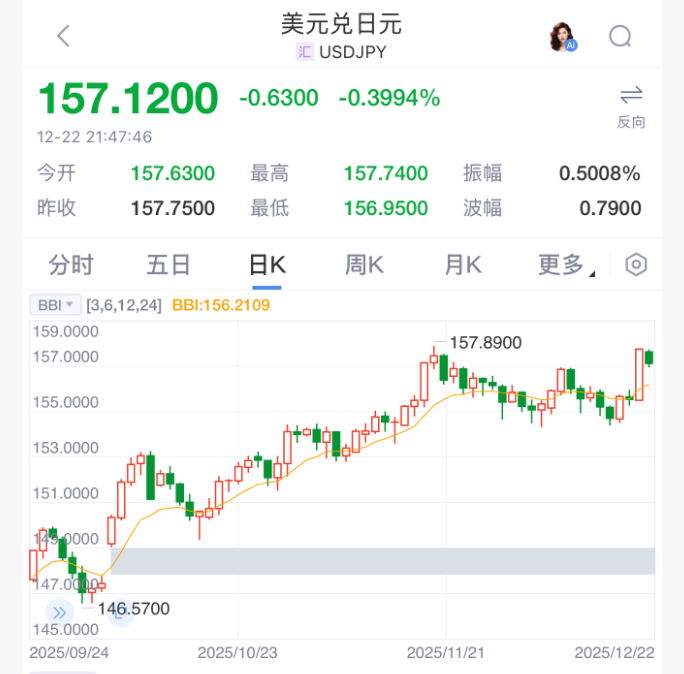
Core Viewpoint - The Japanese government has signaled a potential intervention in the foreign exchange market to stabilize the yen, which has been experiencing volatility not aligned with economic fundamentals [2][4]. Group 1: Government Actions and Statements - Japanese Finance Minister Kato Saki has indicated that the government has "ample room" to take decisive action against speculative currency movements, particularly following the recent rapid depreciation of the yen [2]. - The joint statement with the U.S. Treasury emphasizes that while market forces should determine exchange rates, there is still room for intervention during periods of excessive volatility [4]. - Kato's comments suggest that Japan has received tacit approval from Washington to act without further consultation if necessary [4][5]. Group 2: Economic Context and Budget Plans - The Japanese government is expected to expand its budget significantly, with projections for the new fiscal year starting in April to exceed a record 120 trillion yen (approximately 760 billion USD), up from an initial budget of 115 trillion yen [7][8]. - The recent supplementary budget approved by the government, amounting to 18.3 trillion yen, is the largest since the easing of pandemic restrictions and includes various expenditures from price relief to security enhancements [8]. - Concerns over public finances have led to a rise in the 10-year Japanese government bond yield to 2.1%, the highest in 27 years, although Kato believes this is a temporary situation [9]. Group 3: Market Reactions - Following Kato's statements, the yen experienced a short-term increase in value against the dollar, indicating market sensitivity to government interventions [5]. - The current exchange rate for USD/JPY is approximately 157.09, reflecting a decrease of 0.4184% [6].

货币战争紧急出手!韩国要打一场韩元保卫战?
Zhong Guo Ji Jin Bao· 2025-12-14 22:21
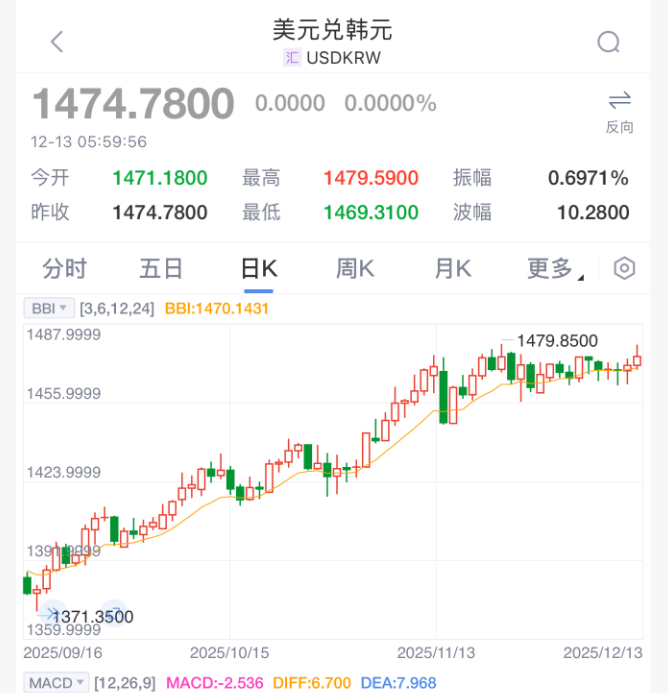
Core Viewpoint - The South Korean government is taking urgent measures to address the depreciation of the Korean won against the US dollar, which has reached its highest monthly level since the financial crisis, prompting concerns about inflation and purchasing power [2][5]. Group 1: Government Response - An emergency meeting was convened on December 14, involving various government departments, including the Ministry of Health and Welfare and the Ministry of Trade, Industry and Energy, to discuss the financial and foreign exchange market trends [2][4]. - The average exchange rate of the won against the dollar has surpassed 1470 won, marking a significant depreciation, with the rate dropping to 1479 won during night trading on December 12 [2][5]. Group 2: Economic Implications - Concerns have been raised by policymakers regarding the potential inflationary pressures and the impact on consumer purchasing power due to the weakening won [5][6]. - The Bank of Korea has maintained interest rates, resulting in a 2% interest rate differential with the US, the highest level since 1999, which may contribute to the won's depreciation [5][6]. Group 3: Market Reactions - Analysts suggest that if the won approaches the psychologically significant level of 1500 won per dollar, the government may increase intervention efforts [6]. - The National Pension Service (NPS), as the largest institutional investor in South Korea, has begun selling dollars to support the won, with plans to become more active if the exchange rate reaches the 1480 to 1500 won range [6][7].
日本财务大臣、央行:警告日元贬值或干预,关注12月加息信号
Sou Hu Cai Jing· 2025-11-30 10:06
Core Viewpoint - The Japanese Finance Minister, Shunichi Suzuki, stated that the recent depreciation of the yen is not driven by fundamental factors, indicating potential intervention in the foreign exchange market to address excessive volatility and speculative movements [1] Group 1: Currency Market Dynamics - The yen has experienced significant depreciation recently, which has raised concerns in the foreign exchange market [1] - The Finance Minister emphasized the need to monitor and potentially intervene in the currency market to stabilize the yen [1] Group 2: Central Bank Insights - Market participants are closely watching the upcoming speech from the Bank of Japan Governor, Kazuo Ueda, for any signals regarding a possible interest rate hike in the December meeting [1] - The statement aligns with the joint declaration made in September by Japan and the U.S., which asserted that exchange rates should be determined by market forces [1]
日元会再次跌至160的历史低位吗?
3 6 Ke· 2025-11-29 05:00
Group 1 - The core concern is the accelerated depreciation of the Japanese yen, which is now driven by fiscal deterioration rather than a strong US dollar, prompting heightened vigilance from the Japanese government and the Bank of Japan [1][4] - The yen's exchange rate against the dollar has approached historical lows, with the rate nearing 158 yen per dollar, raising concerns about inflation driven by rising import prices [1][3] - The current situation contrasts sharply with a similar depreciation observed in late 2024, where the government and central bank did not intervene, leading to a subsequent appreciation of the yen [1][3] Group 2 - The Bank of Japan's response to the yen's depreciation is notably more cautious this time, with Governor Ueda emphasizing the stability of import price increases compared to previous years [3][4] - Despite the yen's depreciation, there are no signs of overheating in domestic prices, which remain in a negative growth trend, indicating a complex economic landscape [4][5] - The current depreciation is attributed to the fiscal policies of the Kishida administration, which has raised concerns about potential consumer price increases and economic stagnation [4][5] Group 3 - The upcoming mid-December monetary policy meetings between Japan and the US are seen as critical in determining the future trajectory of the yen, with market sentiment and potential interventions being closely monitored [5]

日元会再次跌至160的历史低位吗?
日经中文网· 2025-11-29 00:33
Core Viewpoint - The Japanese yen is experiencing accelerated depreciation, raising concerns from the government and the Bank of Japan, primarily due to fiscal deterioration rather than a strong US dollar [2][8]. Group 1: Current Situation of Yen Depreciation - The yen's exchange rate against the US dollar is nearing historical lows, with rates approaching 158 yen per dollar, indicating significant depreciation pressure as the year-end approaches [2]. - The current depreciation is contrasted with a similar situation a year ago, where the yen also depreciated but without intervention from the government or the Bank of Japan [4]. Group 2: Government and Central Bank Response - The Bank of Japan, under Governor Kazuo Ueda, has expressed strong vigilance regarding the yen's depreciation, emphasizing the stability of import prices compared to previous years [6][8]. - The government has indicated a willingness to intervene in the currency market if the yen continues to depreciate rapidly, reflecting a shift in their stance compared to the previous year [9]. Group 3: Economic Implications - The current depreciation is pushing up import prices, which in turn is affecting domestic consumer prices, a situation that the government aims to avoid to prevent economic stagnation [8]. - Unlike last year, where the depreciation was primarily driven by a strong dollar, the current situation is attributed to the government's aggressive fiscal policies, raising concerns about potential inflation [8][10].

亚洲货币普遍走强,印度卢比逆势大跌成2025年“差等生”
Zhi Tong Cai Jing· 2025-11-27 11:41
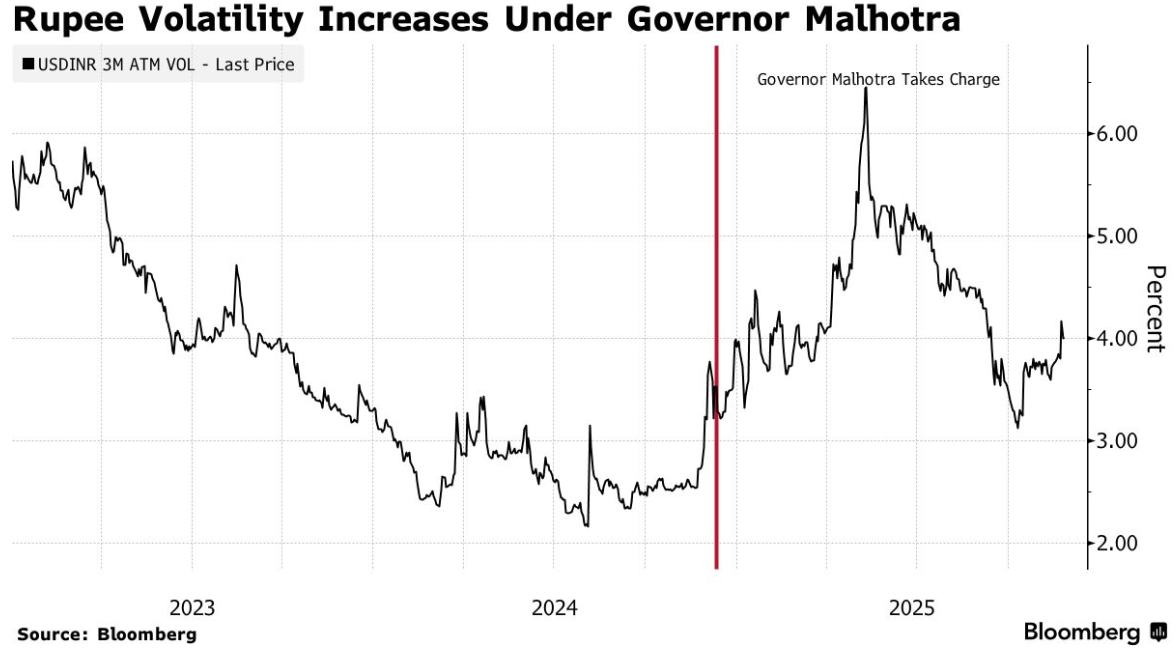
Core Viewpoint - The Indian Rupee is projected to be the worst-performing currency in Asia by 2025, potentially experiencing its largest annual decline since 2022 due to various economic pressures [1][2]. Group 1: Currency Performance - The Indian Rupee has been under significant pressure, with a notable drop to 89.4812 Rupees per Dollar on November 21, indicating a possible cessation of intervention by the Reserve Bank of India (RBI) [2][5]. - The Rupee's decline began in January, with a brief recovery in March and April, peaking at 83.7538 Rupees per Dollar in early May, driven by optimism regarding trade agreements with the U.S. [4]. - The currency faced severe depreciation after the announcement of higher tariffs by the U.S. in July, leading to a record monthly decline since 2022 [4][10]. Group 2: Economic Factors - The primary reasons for the Rupee's weakness include increased tariffs on Indian exports by the U.S. and significant capital outflows from the Indian stock market, with foreign investors withdrawing nearly $16.3 billion in 2023 [2][4]. - The RBI has sold over $30 billion in foreign exchange assets since late July to stabilize the Rupee, but the currency continues to face downward pressure [2][9]. - The ongoing trade deficit and the need for foreign exchange to cover imports further weaken the Rupee, contrasting with other Asian currencies that maintain trade surpluses [11]. Group 3: RBI's Intervention Strategy - The RBI has historically intervened to stabilize the Rupee, primarily through the sale of foreign reserves, but has adopted a less interventionist approach under new leadership [6][10]. - The RBI's current foreign exchange reserves stand at approximately $693 billion, sufficient to cover about 11 months of imports [6]. - The IMF has classified India's exchange rate regime as "crawling peg," indicating a shift towards gradual adjustments rather than aggressive interventions [6]. Group 4: Implications of Rupee Weakness - A weaker Rupee enhances the competitiveness of Indian exports, potentially offsetting the impact of tariffs as India seeks to expand its market through trade agreements [12]. - The depreciation of the Rupee benefits Indian expatriates by increasing the value of remittances, projected to reach a record $137 billion in 2024 [12]. - Conversely, the weaker currency raises the cost of imports, particularly for essential goods like oil and fertilizers, which India heavily relies on [12].
日本财务相:“当然可以考虑”干预日元贬值
日经中文网· 2025-11-21 02:33
Group 1 - The Japanese Finance Minister, Katayama, expressed concerns about the recent depreciation of the yen, describing it as "very one-sided and rapid," which raises worries [2][4] - Katayama indicated that appropriate measures will be considered based on the situation, emphasizing that currency intervention is certainly an option to address excessive volatility in the foreign exchange market [2][4] - The joint statement from September highlighted that currency intervention is regarded as an appropriate response to excessive fluctuations or disorderly depreciation/appreciation [4] Group 2 - Katayama stressed the importance of exchange rates reflecting economic fundamentals and maintaining stable fluctuations [4]
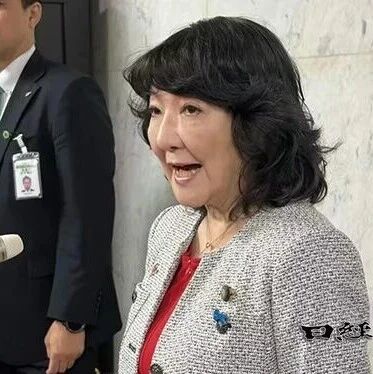
日本财务大臣片山皋月:近期外汇单边走势出现快速波动 汇率干预是可行的选项
Di Yi Cai Jing· 2025-11-20 23:55
Core Viewpoint - The Japanese Finance Minister, Shunichi Suzuki, has indicated that there has been a rapid fluctuation in the one-sided movement of the foreign exchange market, and appropriate actions will be taken based on the US-Japan foreign exchange agreement. Currency intervention is considered a viable option [1] Group 1 - The observation of rapid fluctuations in the foreign exchange market has raised concerns [1] - The Japanese government is prepared to take action in response to these fluctuations [1] - Currency intervention is being considered as a potential measure to stabilize the market [1]