
科技创新与产业创新深度融合

Search documents
双创融合孕育新质 耐心资本深耕未来 2025科创投资大会在安徽合肥举行
Sou Hu Cai Jing· 2025-12-06 15:05
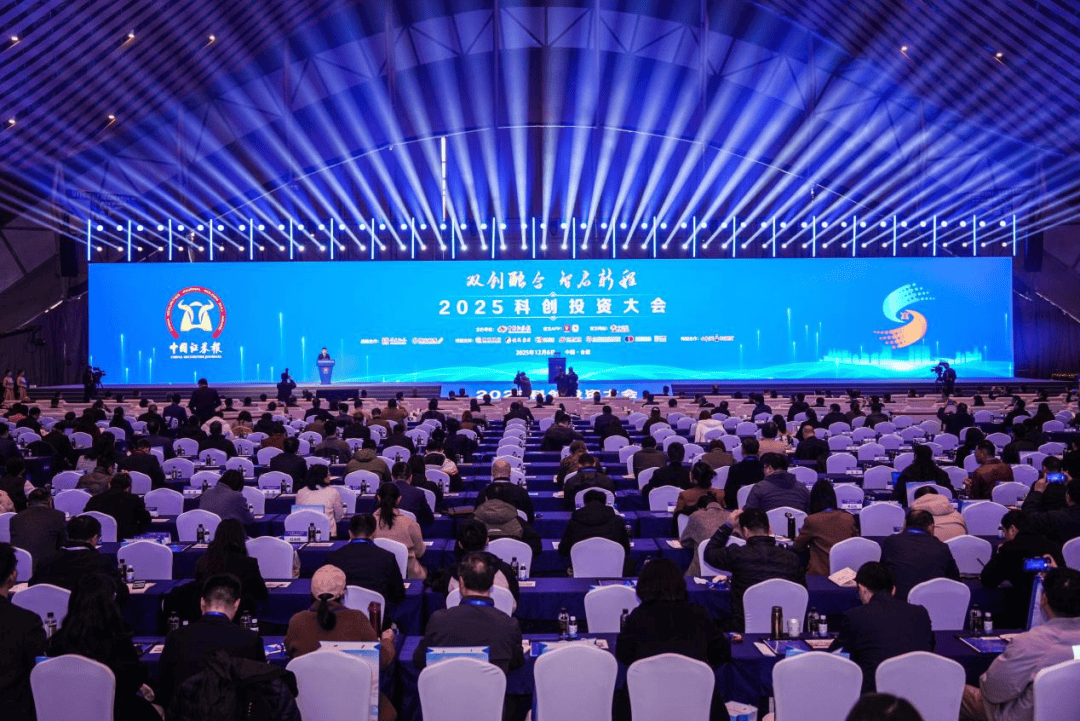
12月6日,由中国证券报主办的"双创融合 智启新程——2025科创投资大会"在安徽合肥举行。时值"十四五"决胜收官与"十五五"谋篇关键节点,近千位来 自政、产、投、研等领域代表齐聚江淮,共同探讨以耐心资本培育未来产业、以科技创新与产业创新深度融合驱动高质量发展的实践路径,为推动"科技 —产业—金融"良性循环凝聚智慧、汇聚合力。 2025科创投资大会在安徽合肥举行 科技创新与产业创新深度融合,呼唤资本更好发挥好纽带作用。新华社副总编辑任卫东致辞表示,私募股权、创投机构要以"科技"为引擎,引导资本投 向"最先一公里";以"金融"为活水,浇灌企业茁壮成长;以"融合"为路径,构建共创共赢的科创生态。新华社将充分发挥旗下中国证券报等媒体的专业优 势,讲好时代故事,做中国科创力量的"记录者"与"展示者",为科创投资、双创融合营造积极的舆论氛围。 战略引领 耐心资本育未来 "十五五"规划建议清晰擘画了未来五年国家现代化建设与产业体系构建的战略蓝图,也为资本市场赋能科技创新、培育新质生产力指明了战略方向。 在主题演讲中,国务院发展研究中心原党组书记马建堂重点解读了"十五五"规划建议的三条主线:坚持高质量发展,为基本实现社会主 ...

“复制”长三角,东北机会来了?
3 6 Ke· 2025-12-04 12:04
Core Viewpoint - The recent "14th Five-Year Plan" proposals from the northeastern provinces of China signal a strategic shift towards regional economic restructuring, particularly emphasizing the establishment of influential regional science and technology innovation centers and the "Harbin-Changchun-Shenyang Industrial Innovation Corridor" [1][4]. Group 1: Innovation Corridor Development - The concept of "innovation corridors" is gaining traction, with over ten existing across China, including the well-established Yangtze River Delta G60 corridor, which has inspired similar initiatives nationwide [1]. - The northeastern region has historically struggled with technology transfer and innovation, often referred to as having a "thick base but thin transformation," indicating a need for a more integrated approach to innovation [1][5]. - The Harbin-Changchun-Shenyang corridor aims to integrate research resources, industry chains, and talent flow, potentially transforming the region into a science and technology innovation hub in Northeast Asia [4][10]. Group 2: Collaborative Efforts and Challenges - There is a growing consensus on the need for collaborative efforts among the three northeastern provinces to overcome issues of homogeneous competition and lack of synergy in industrial development [3][5]. - The region's automotive industry exemplifies both the potential for collaboration and the challenges faced, as major automotive parts companies are absent from the northeast despite the region's automotive strengths [3]. - Experts emphasize the importance of breaking the "each city for itself" mentality to facilitate resource optimization and enhance regional innovation capabilities [3][5]. Group 3: Strategic Focus on Industry - The Harbin-Changchun-Shenyang corridor distinguishes itself by prioritizing industrial integration alongside technological innovation, aiming to create a comprehensive innovation ecosystem that spans from basic research to industrial application [12][13]. - The corridor's strategy includes focusing on sectors where the northeast has existing strengths, such as new materials, intelligent manufacturing, and biomedicine, to foster differentiated innovation [15][16]. - The initiative is expected to attract talent and create new economic opportunities, addressing the region's talent outflow and enhancing its competitive edge [16].
特稿|中国创新为什么行——国际学界关注中国科研发展之道
Xin Hua She· 2025-12-02 11:29
Group 1 - China's research and innovation capabilities have significantly improved, with the country ranking first in various global research metrics, including research output and innovation clusters [1][3] - The city of Nanjing, along with five other Chinese cities, has entered the top ten global research cities, marking a notable achievement for China in the international research landscape [1][2] - The World Intellectual Property Organization reports that China has 26 of the world's top 100 technology innovation clusters, leading globally, with the "Shenzhen-Hong Kong-Guangzhou" cluster ranking first [2][3] Group 2 - China's sustained investment in research and development has led to a rapid increase in research output, with funding growing nearly sixfold from 2007 to 2023, surpassing the European Union and nearing the United States [3][4] - The number of STEM graduates in China reached 3.6 million in 2020, contributing to a large pool of research talent, which is crucial for the country's scientific advancement [5][6] - Chinese researchers are increasingly taking leadership roles in international scientific collaborations, with a significant number of awards for high-impact research being granted to Chinese scientists [6]
坚持开门问策 凝聚智慧力量 科学谋划我市“十五五”经济社会发展
Chang Jiang Ri Bao· 2025-11-28 03:28
Core Viewpoint - The meeting focused on the development of Wuhan's "14th Five-Year Plan," emphasizing the importance of expert contributions to shape a comprehensive development blueprint for the city [1][2]. Group 1: Expert Contributions - Experts provided suggestions on various themes including urban-rural integration, regional coordinated development, and the establishment of a modern industrial system [2]. - The discussions highlighted the need for strategic research on issues such as ecological environment protection and modern governance in mega cities [3]. Group 2: Development Opportunities and Challenges - The "14th Five-Year" period is seen as a critical time for Wuhan to solidify its modernization efforts and address challenges while leveraging significant opportunities [3]. - The city is currently in a favorable development phase characterized by rising status and expanded positioning, although it faces several challenges [3]. Group 3: Role of Experts and Institutions - Wuhan's numerous universities and research institutions are viewed as valuable assets, and there is a call for enhanced mechanisms to involve experts in decision-making processes [3]. - The government is encouraged to leverage the expertise of scholars to contribute to major tasks and policies affecting Wuhan's development [3].
盛阅春主持召开专家座谈会 坚持开门问策 凝聚智慧力量 科学谋划我市“十五五”经济社会发展
Chang Jiang Ri Bao· 2025-11-28 00:41
Core Viewpoint - The meeting focused on gathering expert opinions to develop the "15th Five-Year Plan" for Wuhan, emphasizing the importance of collaboration and strategic planning for the city's future development [1][2][3]. Group 1: Expert Contributions - Experts provided suggestions on various themes including urban-rural integration, regional coordinated development, building a national economic center, modern industrial system construction, enhancing urban functionality, and exploring the contemporary value of Yangtze culture [2]. - The feedback from experts was noted for its relevance to current development trends and local realities, showcasing a high level of theoretical insight and practical applicability [2]. Group 2: Strategic Importance of the "15th Five-Year Plan" - The "15th Five-Year Plan" period is identified as a critical phase for achieving socialist modernization and for Wuhan to establish itself as a modern metropolis [3]. - Wuhan is currently in a prime development phase characterized by rising status, expanded positioning, and overlapping opportunities, although it also faces several challenges [3]. Group 3: Role of Experts and Institutions - The city possesses numerous influential experts and scholars from universities and research institutions, which are considered valuable assets for urban development [3]. - There is a call for local governments to leverage expert knowledge effectively, encouraging their involvement in decision-making processes related to significant urban development tasks and policies [3].
“湘”当能“械” 体制创新驱动湘潭医疗器械产业蝶变
Zhong Guo Zheng Quan Bao· 2025-11-24 00:48
Core Insights - Hunan Xiangtan is transforming from a traditional Chinese medicine distribution center to a leading hub for medical device innovation in China, with a projected total output value exceeding 13 billion yuan by 2024 [1] Group 1: Industry Development - The Hunan Medical Device Industrial Park has been recognized as a national benchmark for medical device industrial parks for two consecutive years, showcasing successful integration of technological and industrial innovation [1] - The park has established a unique "4+N" service system that integrates government support with market efficiency, addressing common industry challenges such as slow approval processes and intellectual property conversion [2] Group 2: Approval Process Innovation - The establishment of the Hunan Provincial Drug Supervision Administration's Xiangtan branch has significantly improved the efficiency of product registration, allowing companies to obtain necessary certifications much faster than the industry average [2] - For instance, Hunan Deps Medical Technology Co., Ltd. received its registration certificate in just one month, compared to the typical six months for medical device production licenses [2] Group 3: Corporate Innovation - The Hunan Medical Device Industrial Park has developed a comprehensive industrial ecosystem that supports companies through all stages, from concept validation to clinical trials and logistics [3] - Companies like Huaxin Medical are gaining a foothold in the global market, with their products being exported to over 160 countries and regions, achieving a leading market share in disposable bronchoscopes [3] Group 4: Ecosystem and Cluster Development - The industrial park has nurtured a diverse ecosystem, with 55 national high-tech enterprises and 6 national specialized "little giant" companies, creating a robust industrial cluster [4] - By October 2025, the park has attracted over 290 enterprises, with more than 95% coming from regions with developed medical device industries, including notable companies like Huaxi Biological and Dian Diagnostics [4] Group 5: Future Growth Potential - The Hunan Medical Device Industrial Park aims to further enhance its development momentum through reform and innovation, with expectations to achieve an annual output value of 20 billion yuan, tax revenue of 1 billion yuan, and create 8,000 jobs by the end of the 14th Five-Year Plan [5]
体制创新驱动 湘潭医疗器械产业蝶变
Zhong Guo Zheng Quan Bao· 2025-11-23 22:59
Core Insights - Hunan Xiangtan is transforming from a traditional Chinese medicine distribution center to a leading hub for medical device innovation in China, with a projected total output value exceeding 13 billion yuan by 2024 [1][5] Group 1: Industry Development - The Hunan Medical Device Industrial Park has been recognized as a national benchmark for medical device industrial parks for two consecutive years, showcasing successful integration of technological and industrial innovation [1][5] - The park has established a unique "4+N" service system that integrates government support with market effectiveness, addressing common industry challenges such as slow approval processes and intellectual property conversion [2] Group 2: Approval Process Innovation - The establishment of the Hunan Provincial Drug Supervision Administration's Xiangtan branch has significantly improved the efficiency of product registration and approval, allowing companies to bring products to market faster [2] - Companies like Hunan Depus Medical Technology Co., Ltd. have experienced expedited approval processes, receiving registration certificates in as little as one month compared to the typical six months [2] Group 3: Corporate Innovation - The Hunan Medical Device Industrial Park focuses on meeting corporate needs, creating a comprehensive industrial ecosystem that includes concept validation, clinical trials, and logistics [3] - Companies such as Huaxin Medical are gaining a foothold in the global market, with their products being exported to over 160 countries and achieving a leading market share in disposable bronchoscopes [3] Group 4: Ecosystem Development - The industrial park has cultivated a diverse ecosystem with 55 national high-tech enterprises and 6 national specialized "little giant" companies, fostering a collaborative environment for innovation [4] - By October 2025, the park is expected to attract over 290 enterprises, with a focus on medical devices, consumables, in vitro diagnostics, and medical software [4] Group 5: Future Outlook - The Hunan Medical Device Industrial Park aims to further enhance its development through reform and innovation, targeting an annual output value of 20 billion yuan, tax revenue of 1 billion yuan, and the creation of 8,000 jobs by the end of the 14th Five-Year Plan [5]
专访中国社科院经济研究所原所长黄群慧:既要重视AI赋能千行百业,也要考量对就业的替代效应和带来的收入极化
Mei Ri Jing Ji Xin Wen· 2025-11-23 15:49
Core Viewpoint - The "15th Five-Year Plan" emphasizes the construction of a modern industrial system, reflecting a strategic shift in response to current domestic and international conditions, with a focus on both supply-side and demand-side policies [2][3][4]. Group 1: Modern Industrial System - The prioritization of "building a modern industrial system" signifies a need for new growth drivers, as traditional industries currently account for about 80% of the economy, with potential for significant market expansion through transformation [3][4]. - The modern industrial system is crucial for supporting the transformation of traditional industries and fostering new growth dynamics, highlighting the interdependence between technological innovation and industrial development [3][5]. Group 2: Policy Resource Allocation - The government should balance investments in traditional industries with those in strategic emerging and future industries, recognizing that traditional industries are essential for overall economic transformation [6][7]. - Different investment mechanisms are required for traditional, strategic emerging, and future industries, emphasizing the need for tailored policies to avoid pitfalls in resource allocation [8]. Group 3: Future Industries - The selection of six key future industries—quantum technology, biomanufacturing, hydrogen energy, nuclear fusion, brain-computer interfaces, and sixth-generation mobile communications—reflects a strategic focus on original innovation, market potential, and national security [9][10]. - The potential for these industries to achieve commercial viability within five years remains uncertain, with various factors influencing their market readiness and scalability [11][12]. Group 4: High-Tech Industry Growth - The goal of "doubling" the scale of high-tech industries over the next decade indicates a significant push for structural upgrades and the development of new high-tech sectors [14][15]. - Achieving breakthroughs in key areas like integrated circuits and industrial mother machines is critical for overcoming technological bottlenecks and enhancing national competitiveness [16]. Group 5: Artificial Intelligence Integration - The repeated emphasis on "artificial intelligence" in the plan indicates its role as a core driver for modern industrialization, aiming to empower various sectors of the economy [17][18]. - The social implications of AI, including its impact on employment and income distribution, must be considered in policy-making to ensure inclusive growth and address potential ethical concerns [18][19].
展望“十五五” | 专访黄群慧:既要重视AI赋能千行百业,也要考量其对就业的替代效应和带来的收入极化
Mei Ri Jing Ji Xin Wen· 2025-11-20 07:04
Core Viewpoint - The "15th Five-Year Plan" emphasizes the construction of a modern industrial system, reflecting a strategic shift in China's economic development focus, particularly in response to current domestic and international challenges [2][3][4]. Group 1: Modern Industrial System - The prioritization of "building a modern industrial system" signifies a shift towards strengthening the real economy, which is essential for sustainable growth and resilience against external shocks [4][7]. - The plan aims to transform traditional industries, which currently account for about 80% of the economy, into new growth drivers, potentially creating a market worth trillions [4][8]. - The integration of technological innovation with industrial development is crucial, as it ensures that breakthroughs in technology can be effectively applied within the industrial framework [3][8]. Group 2: Future Industries - The plan outlines six key future industries: quantum technology, biomanufacturing, hydrogen energy, nuclear fusion, brain-computer interfaces, and sixth-generation mobile communications, chosen for their potential to drive economic growth and strategic importance [11][19]. - These industries are expected to contribute significantly to China's high-tech sector, with the goal of achieving a "doubling" of high-tech industries over the next decade [18][19]. - The selection of these industries considers their original innovation potential, market prospects, and alignment with national security needs [11][19]. Group 3: Policy and Investment Strategies - The government is advised to adopt a differentiated approach to funding and policy support for traditional, strategic emerging, and future industries, ensuring that resources are allocated effectively without neglecting any sector [9][10]. - The establishment of a guiding fund for future industries is recommended to attract private investment while managing risks associated with high uncertainty in these sectors [22][23]. - The focus on nurturing "unicorn" and "gazelle" companies is essential for fostering innovation and ensuring a dynamic ecosystem that supports both large enterprises and startups [24][23]. Group 4: Technological Innovation and Social Impact - The plan highlights the importance of integrating social considerations into technological innovation, particularly regarding the impact of artificial intelligence on employment and income distribution [31][37]. - A balanced approach is necessary to ensure that technological advancements do not exacerbate social inequalities, aligning with the broader goals of shared prosperity and sustainable development [37][38]. - The governance of artificial intelligence must evolve through interdisciplinary collaboration to address its societal implications effectively [38].

学习贯彻党的二十届四中全会精神湘江科学城(长沙)互动宣讲活动举行
Chang Sha Wan Bao· 2025-11-19 02:34
Core Points - The event focused on the implementation of the spirit of the 20th Central Committee of the Communist Party of China, emphasizing its significance for future economic and social development [1][2] - The discussion highlighted the importance of integrating the spirit of the 20th Central Committee with practical work to guide actions and promote high-quality development in the region [3][4] Group 1: Theoretical Insights - The presentation by Li Chunqiu emphasized five key questions regarding the importance of the 20th Central Committee meeting and its implications for the "14th Five-Year Plan" and "15th Five-Year Plan" periods [2] - The meeting's theme was described as significant, with rich content and profound implications, urging participants to integrate the learning of the meeting's spirit with Xi Jinping's thoughts on socialism with Chinese characteristics for a new era [2][3] Group 2: Practical Applications - Participants expressed a commitment to internalizing the meeting's spirit and applying it to their work, aiming to contribute positively to the construction of Chinese-style modernization [3][4] - Li Chunqiu discussed strategies for attracting and retaining young talent in Hunan, emphasizing the importance of creating a friendly environment for young people to settle in the province [5][6] Group 3: Innovation and Development - The discussion included the need for a comprehensive approach to support technology-driven startups, addressing challenges in financing and operational support [5][6] - Li Chunqiu highlighted the integration of technological innovation with industrial innovation as a critical requirement for developing new productive forces and achieving the goals set by the 20th Central Committee [7]