移动支付

Search documents
东信和平涨2.10%,成交额3.28亿元,主力资金净流入280.14万元
Xin Lang Zheng Quan· 2025-12-29 05:18
Core Viewpoint - Dongxin Peace has shown a significant increase in stock price and trading activity, indicating strong market interest and potential growth opportunities in the telecommunications sector [1][2]. Company Performance - Dongxin Peace's stock price increased by 114.58% year-to-date, with a recent trading price of 21.90 CNY per share and a market capitalization of 12.711 billion CNY [1]. - The company has experienced a net inflow of main funds amounting to 2.8014 million CNY, with significant buying and selling activities recorded [1]. - For the period from January to September 2025, Dongxin Peace reported a revenue of 961 million CNY, a year-on-year decrease of 9.77%, and a net profit attributable to shareholders of 112 million CNY, down 5.45% year-on-year [2]. Shareholder Information - As of September 30, 2025, the number of shareholders increased to 94,500, with an average of 6,135 shares held per shareholder, reflecting a decrease of 7.54% [2]. - The company has distributed a total of 541 million CNY in dividends since its A-share listing, with 227 million CNY distributed over the past three years [3]. Institutional Holdings - As of September 30, 2025, Hong Kong Central Clearing Limited is the third-largest circulating shareholder, holding 9.3409 million shares, an increase of 3.8622 million shares from the previous period [3]. - Huabao Zhongzheng Financial Technology Theme ETF ranks as the fourth-largest circulating shareholder, with 5.7646 million shares, an increase of 2.7659 million shares [3].

天阳科技涨2.02%,成交额2.30亿元,主力资金净流入1288.27万元
Xin Lang Zheng Quan· 2025-12-29 05:06
Core Viewpoint - Tianyang Technology's stock has shown a significant increase in trading activity and price performance, indicating potential investor interest and market confidence in the company's future prospects [1][2]. Group 1: Stock Performance - As of December 29, Tianyang Technology's stock price rose by 2.02% to 20.24 CNY per share, with a trading volume of 230 million CNY and a turnover rate of 2.72%, resulting in a total market capitalization of 9.88 billion CNY [1]. - Year-to-date, Tianyang Technology's stock has increased by 28.92%, with a 3.69% rise over the last five trading days, a 1.50% increase over the last 20 days, and an 11.03% decline over the last 60 days [1]. - The company has appeared on the "Dragon and Tiger List" three times this year, with the most recent appearance on June 16, where it recorded a net buy of 231 million CNY [1]. Group 2: Financial Performance - For the period from January to September 2025, Tianyang Technology reported a revenue of 1.516 billion CNY, reflecting a year-on-year growth of 8.11%, while the net profit attributable to shareholders decreased by 32.25% to 57.77 million CNY [2]. - Cumulative cash dividends since the company's A-share listing amount to 110 million CNY, with 42.78 million CNY distributed over the past three years [3]. Group 3: Shareholder Information - As of September 30, 2025, the number of shareholders for Tianyang Technology was 49,500, a decrease of 24.01% from the previous period, while the average number of circulating shares per shareholder increased by 36.27% to 8,526 shares [2]. - Among the top ten circulating shareholders, Huabao Zhongzheng Financial Technology Theme ETF holds 6.4686 million shares, an increase of 3.2689 million shares compared to the previous period [3].
大学生又开始用现金了?透露出什么信号?部分学生讲出了“内情”
Xin Lang Cai Jing· 2025-12-27 12:25
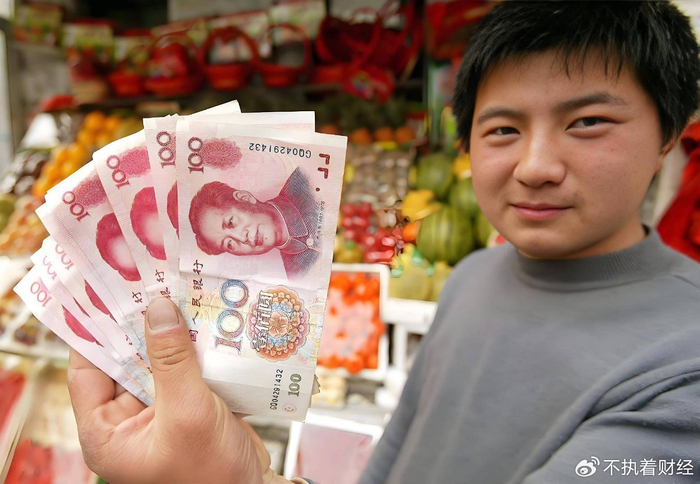
Core Insights - The use of cash among university students is increasing, with approximately 42% of students reporting frequent cash usage, up from 26.4% in 2022 [1][2] - Cash payments are particularly prevalent in specific settings, such as campus canteens and convenience stores, where the cash payment rate can reach 57% [1] Group 1: Reasons for Increased Cash Usage - Cash helps students control their spending, as they can physically see the amount of cash they have left, which encourages them to manage their expenses better [4][6] - In certain situations, cash is necessary due to limitations of mobile payment methods, such as poor network signals or device malfunctions, making cash a reliable backup [7][9] - Privacy concerns drive students to prefer cash payments, as mobile payment platforms can track personal spending habits and potentially expose sensitive information [10][12] - Cash payments are seen as a safeguard against various forms of financial fraud, with students opting for cash to avoid the risks associated with sharing bank details online [13][15] Group 2: Future Outlook - The trend indicates that while cash usage is rising among university students, mobile payments will not disappear but will coexist with cash payments in daily transactions [15]

中科金财涨2.02%,成交额2.98亿元,主力资金净流入521.72万元
Xin Lang Zheng Quan· 2025-12-26 02:55
Group 1 - Zhongke Jincai's stock price increased by 2.02% to 28.28 CNY per share, with a trading volume of 298 million CNY and a market capitalization of 9.617 billion CNY [1] - The company has seen a year-to-date stock price increase of 54.37%, with a recent 5-day increase of 4.82% and a 20-day increase of 3.74%, but a 60-day decline of 13.30% [1] - Zhongke Jincai has appeared on the "龙虎榜" (a stock trading list) 9 times this year, with the most recent appearance on August 19, where it recorded a net buy of -102 million CNY [1] Group 2 - Zhongke Jincai, established on December 10, 2003, and listed on February 28, 2012, specializes in application software development, technical services, and related computer information system integration services [2] - The company's revenue composition includes 50.81% from data center comprehensive services, 31.66% from financial technology comprehensive services, 14.01% from artificial intelligence comprehensive services, and 3.52% from other services [2] - As of September 30, 2025, Zhongke Jincai reported a revenue of 544 million CNY, a year-on-year increase of 1.99%, but a net profit attributable to shareholders of -112 million CNY, a decrease of 42.83% year-on-year [2] Group 3 - Since its A-share listing, Zhongke Jincai has distributed a total of 60.4578 million CNY in dividends, with no dividends paid in the last three years [3] - As of September 30, 2025, the top ten circulating shareholders include Huabao Zhongzheng Financial Technology Theme ETF as the second-largest shareholder, increasing its holdings by 2.7005 million shares [3] - New shareholders include Guangfa Industry Select Three-Year Holding Mixed A and Bosera Financial Technology ETF, among others, indicating a shift in institutional holdings [3]

卫宁健康:蚂蚁集团为公司第四大股东,双方在多领域持续合作
Sou Hu Cai Jing· 2025-12-24 04:18
Group 1 - The core viewpoint of the article is that Weining Health has a strategic partnership with Ant Group, which has been in place since June 2018, and this partnership is focused on integrating advanced technologies in the healthcare sector [1] - Ant Group, through its wholly-owned subsidiary Shanghai Yunxin, holds approximately 4.23% of Weining Health's shares as of September 30, 2025, making it the fourth largest shareholder [1] - The collaboration aims to leverage Ant Group's capabilities in big data, artificial intelligence, biometrics, blockchain, and mobile payments alongside Weining Health's strengths in medical information technology to promote the development of "Internet + Healthcare" [1] Group 2 - Weining Health has engaged in a series of cooperative efforts with Ant Group in various fields since the signing of the framework cooperation agreement, which is not limited to a single product [1] - For detailed information on the specific cooperation and progress, stakeholders are encouraged to refer to the company's regular reports, public accounts, and interactive platforms [1]

飞天诚信跌2.02%,成交额3746.76万元,主力资金净流入5.77万元
Xin Lang Cai Jing· 2025-12-23 02:39
Core Viewpoint - Feitian Technologies has experienced a decline in stock price and trading volume, reflecting market challenges and investor sentiment towards the company [1] Group 1: Stock Performance - As of December 23, Feitian Technologies' stock price decreased by 2.02%, trading at 15.97 CNY per share with a market capitalization of 6.676 billion CNY [1] - Year-to-date, the stock has dropped by 4.94%, with a 2.38% decline over the last five trading days, 7.21% over the last 20 days, and 10.93% over the last 60 days [1] Group 2: Financial Performance - For the period from January to September 2025, Feitian Technologies reported a revenue of 520 million CNY, representing a year-on-year growth of 3.10% [2] - The net profit attributable to shareholders for the same period was 10.38 million CNY, showing a significant increase of 146.05% compared to the previous year [2] Group 3: Shareholder Information - As of November 28, the number of shareholders for Feitian Technologies was 41,900, a decrease of 4.71% from the previous period [2] - The average number of tradable shares per shareholder increased by 4.95% to 5,979 shares [2] - The company has distributed a total of 223 million CNY in dividends since its A-share listing, with no dividends paid in the last three years [3] Group 4: Institutional Holdings - As of September 30, 2025, the fifth largest circulating shareholder is Huabao Zhongzheng Financial Technology Theme ETF, holding 3.5635 million shares, an increase of 1.6593 million shares from the previous period [3] - Hong Kong Central Clearing Limited is a new ninth largest circulating shareholder, holding 1.0808 million shares [3]

不得拒收现金!2026年2月起新规施行
21世纪经济报道· 2025-12-20 05:34
Core Viewpoint - The new regulation issued by the People's Bank of China, along with the National Development and Reform Commission and the Financial Regulatory Bureau, aims to protect the legal status of the Renminbi and prevent the refusal of cash payments, effective from February 1, 2026 [1][4]. Summary by Sections Regulation Overview - The regulation consists of 19 articles focusing on prominent issues in cash payment services, establishing targeted norms [2]. Payment Choice Protection - A key highlight is the guarantee of payment choice, mandating that all service providers must accept cash payments unless in legally defined special circumstances. This includes high-frequency consumption scenarios such as supermarkets, restaurants, and schools, which can no longer refuse cash under the pretext of only accepting mobile payments [3]. Special Circumstances and Financial Services - For special scenarios like unattended services and card management, the regulation requires self-service devices to accommodate cash payments in cases of mobile payment failures. Additionally, locations using card systems must provide convenient cash recharge and refund services without charging conversion fees [3]. Consumer Rights and Complaints Mechanism - The regulation enhances consumer rights by allowing the public to file complaints with local branches of the People's Bank of China if they encounter cash refusal or discriminatory practices. Relevant authorities will investigate and publicly disclose penalties [4]. Response to Current Issues - The regulation addresses the growing issue of cash refusal, particularly as mobile payments become more prevalent. Instances of cash refusal have caused significant inconvenience for specific groups, such as the elderly, who may not be familiar with digital payment methods [4]. Public Feedback in Regulation Development - During the drafting process, the regulatory bodies received 25 valid feedback submissions, most of which were incorporated into the final regulation. Key public concerns included clarifying terms like "without justifiable reason" and detailing requirements for cash acceptance in essential sectors like dining and transportation [5].
金一文化涨2.00%,成交额8076.85万元,主力资金净流出349.79万元
Xin Lang Cai Jing· 2025-12-19 05:30
Group 1 - The core viewpoint of the news is that Jin Yi Culture's stock has shown fluctuations in price and trading volume, with a current market value of 8.138 billion yuan and a year-to-date price increase of 14.18% [1] - As of December 19, the stock price of Jin Yi Culture is 3.06 yuan per share, with a trading volume of 80.7685 million yuan and a turnover rate of 1.01% [1] - The company has experienced a net outflow of main funds amounting to 3.4979 million yuan, with significant buying and selling activities recorded [1] Group 2 - Jin Yi Culture, established on November 26, 2007, and listed on January 27, 2014, specializes in the research, design, and sales of precious metal crafts and jewelry [2] - The company's revenue composition includes 29.90% from the jewelry industry, 20.10% from software and IT services, and various other segments [2] - As of December 10, the number of shareholders is 73,000, a decrease of 2.19%, with an average of 36,421 circulating shares per person, an increase of 2.24% [2] Group 3 - Jin Yi Culture has distributed a total of 121 million yuan in dividends since its A-share listing, with no dividends paid in the last three years [3] - As of September 30, 2025, Hong Kong Central Clearing Limited is the eighth largest circulating shareholder, holding 28.156 million shares as a new shareholder [3]

东信和平跌2.01%,成交额3.03亿元,主力资金净流出3308.00万元
Xin Lang Cai Jing· 2025-12-18 06:17
Core Viewpoint - Dongxin Peace's stock price has shown significant volatility, with a year-to-date increase of 100.67%, but recent declines in the short term indicate potential market concerns [1][2]. Company Overview - Dongxin Peace Technology Co., Ltd. is located in Zhuhai, Guangdong Province, established on October 20, 1998, and listed on July 13, 2004. The company specializes in the production and sale of mobile communication smart cards, contactless smart cards, and related application systems [1]. - The main business revenue composition includes smart card products (71.47%), digital security and platform services (27.05%), and other supplementary services (1.48%) [1]. Financial Performance - For the period from January to September 2025, Dongxin Peace reported operating revenue of 961 million yuan, a year-on-year decrease of 9.77%, and a net profit attributable to shareholders of 112 million yuan, down 5.45% year-on-year [2]. - The company has distributed a total of 541 million yuan in dividends since its A-share listing, with 227 million yuan distributed over the past three years [3]. Shareholder Information - As of September 30, 2025, the number of shareholders for Dongxin Peace was 94,500, an increase of 8.16% from the previous period, with an average of 6,135 circulating shares per person, a decrease of 7.54% [2]. - The top ten circulating shareholders include Hong Kong Central Clearing Limited as the third-largest shareholder, holding 9.34 million shares, an increase of 3.86 million shares from the previous period [3].
中国支付清算协会,最新发声!
券商中国· 2025-12-18 03:47
Core Viewpoint - The China Payment and Clearing Association has issued an initiative to promote the healthy and standardized development of the mobile payment market, emphasizing fair competition and consumer protection [1][2]. Group 1: Four Aspects of the Initiative - Encourage payment innovation by urging market participants to increase investment in innovation while complying with laws and regulations, optimizing mobile payment products and services to better meet consumer and merchant needs [3]. - Maintain fair competition by adhering to the Anti-Unfair Competition Law and promoting equal cooperation among market participants, avoiding practices that restrict the display of other legitimate payment products [3]. - Promote interoperability by encouraging market participants to engage in barcode payment interoperability and to open up acceptance networks and various scenarios, contributing to a unified domestic market [3]. - Strengthen risk prevention by utilizing technologies such as big data and artificial intelligence to enhance risk management and prevent illegal transactions [4]. Group 2: Development of Electronic Payment Regulation - The electronic payment sector in China has seen significant growth, with regulatory policies continuously optimized to support market operation, meet public needs, and assist the real economy [5]. - A comprehensive regulatory framework for electronic payment has been established, covering service providers, accounts, payment tools, and central bank payment systems [5]. - The regulatory system focuses on external audits, internal controls, and risk management, including anti-money laundering, data protection, and operational risk management [6].