线上线下融合

Search documents
趋势研判!2026年中国跆拳道培训行业政策汇总、产业链、市场现状、竞争格局及发展趋势分析:行业市场规模增长,线上线下融合是未来发展的重要方向[图]
Chan Ye Xin Xi Wang· 2026-01-22 00:55
Core Insights - The taekwondo training industry is experiencing rapid growth globally, particularly in China, driven by increased health awareness and rising living standards [1][4][6] - The market size of China's taekwondo training industry is projected to grow from 3.27 billion yuan in 2016 to 12 billion yuan by 2024 [1][7] Industry Overview - Taekwondo training focuses on a systematic teaching approach that includes technical skills, physical fitness, practical application, and theoretical knowledge [3] - The core components of taekwondo training encompass technique training, physical conditioning, practical combat, and theoretical education [3] Market Dynamics - The Chinese government has implemented various policies to promote sports education, ensuring quality and safety standards in taekwondo training [4][6] - The rise in disposable income among residents is enhancing their spending capacity on sports education, particularly in the youth training sector [6] Competitive Landscape - The taekwondo training industry features a diverse competitive landscape, with large institutions dominating due to their brand influence and resources, while smaller entities focus on niche markets [7][8] - Key players in the industry include Yunnan Tiger Martial Arts Development Co., Ltd., Changsha Juying Taekwondo Club Co., Ltd., and Beijing Chen Zhong Taekwondo Technology Development Co., Ltd. [2][8] Development Trends - The industry is moving towards standardized teaching systems and diversified course offerings, integrating cultural elements and psychological training [10] - The integration of online and offline teaching methods is becoming a significant trend, allowing for extended learning opportunities and broader reach [11] - The pace of branding and chain development is accelerating, leading to increased market concentration as larger brands acquire smaller, quality dojos [12][13]



非凡领越点评报告:Clarks线上线下齐发力,新CEO上任大有可为
ZHESHANG SECURITIES· 2026-01-21 12:24
Investment Rating - The investment rating for the company is "Buy" [7] Core Insights - The company is recognized as an excellent international brand operator, with a promising future as it rebounds from a low point. It operates notable brands including Clarks, Bossini, and Testoni, and has established a joint venture to manage the outdoor brand Haglöfs in Greater China. For the first half of 2025, the company reported a revenue of HK$48.1 billion (down 5.7% year-on-year) and a net profit of HK$1.8 billion (up 60.9% year-on-year) [1][4] - Clarks, a 200-year-old global footwear brand, holds a market share of 14.6% in the UK (ranked first) and 1.8% in the US (ranked eighth). The brand's revenue for the first half of 2025 was HK$41.5 billion (down 5.3% year-on-year), accounting for 85.7% of total revenue, with a gross margin of 48.7% (up 0.1 percentage points) [2] - The company is actively expanding its online sales network, with a 9.7% year-on-year increase in online revenue to HK$6.3 billion for the first half of 2025, representing 15.2% of total revenue [3] - The newly appointed co-CEO, Victor Herrero, has extensive management experience and has successfully led the company to profitability, with a 60.9% year-on-year increase in net profit for the first half of 2025 [4] - The company is also focusing on the outdoor segment by enhancing its presence with the high-end outdoor brand Haglöfs, planning to open over 20 stores in Greater China by 2025 [5] - Profit forecasts indicate a positive outlook, with expected net profits of HK$2.1 billion, HK$5.1 billion, and HK$5.7 billion for 2025, 2026, and 2027 respectively, reflecting significant growth [6] Financial Summary - For the first half of 2025, the company reported a revenue of HK$48.1 billion and a net profit of HK$1.8 billion, with projections for 2025-2027 indicating a recovery and growth trajectory [1][6] - The estimated revenue for 2025 is HK$10,466 million, with a projected net profit of HK$208.2 million, marking a significant turnaround from a loss in 2024 [11]
2025年中国化妆品交易额突破1.1万亿元 国货品牌竞争力持续领跑
Zheng Quan Ri Bao Wang· 2026-01-21 11:41
Core Insights - The 2025 China Cosmetics Industry Data Release Conference highlighted the industry's significant growth and transformation, emphasizing the importance of high-quality development amidst global economic uncertainties [1][2] Group 1: Market Overview - By 2025, the Chinese cosmetics market is projected to reach a record high of 1.1 trillion yuan (approximately 1104.25 billion yuan), with a year-on-year growth of 2.83% [1] - Domestic brands continue to lead in competitiveness, increasing their market share to 57.37% [1] - Online sales are expected to reach 721.77 billion yuan, growing by 4.45% and accounting for 65.36% of total sales, while offline sales remain stable at 382.47 billion yuan [1] Group 2: Industry Trends - The market concentration is increasing, with over 60% of the top 500 brands experiencing positive growth, while only 26% of brands ranked below 500 show growth [2] - The industry is transitioning from total expansion to structural optimization, focusing on depth competition rather than breadth [2] - The number of eliminated brands reached 26,900, indicating a rationalization of competition within the industry [2] Group 3: Innovation and Development - The conference featured discussions on the integration of AI and other technologies in the cosmetics industry, highlighting innovative practices that drive brand growth [3] - Media's role in promoting high-quality development in the beauty industry was also emphasized, showcasing innovative pathways for industry growth [2][3]


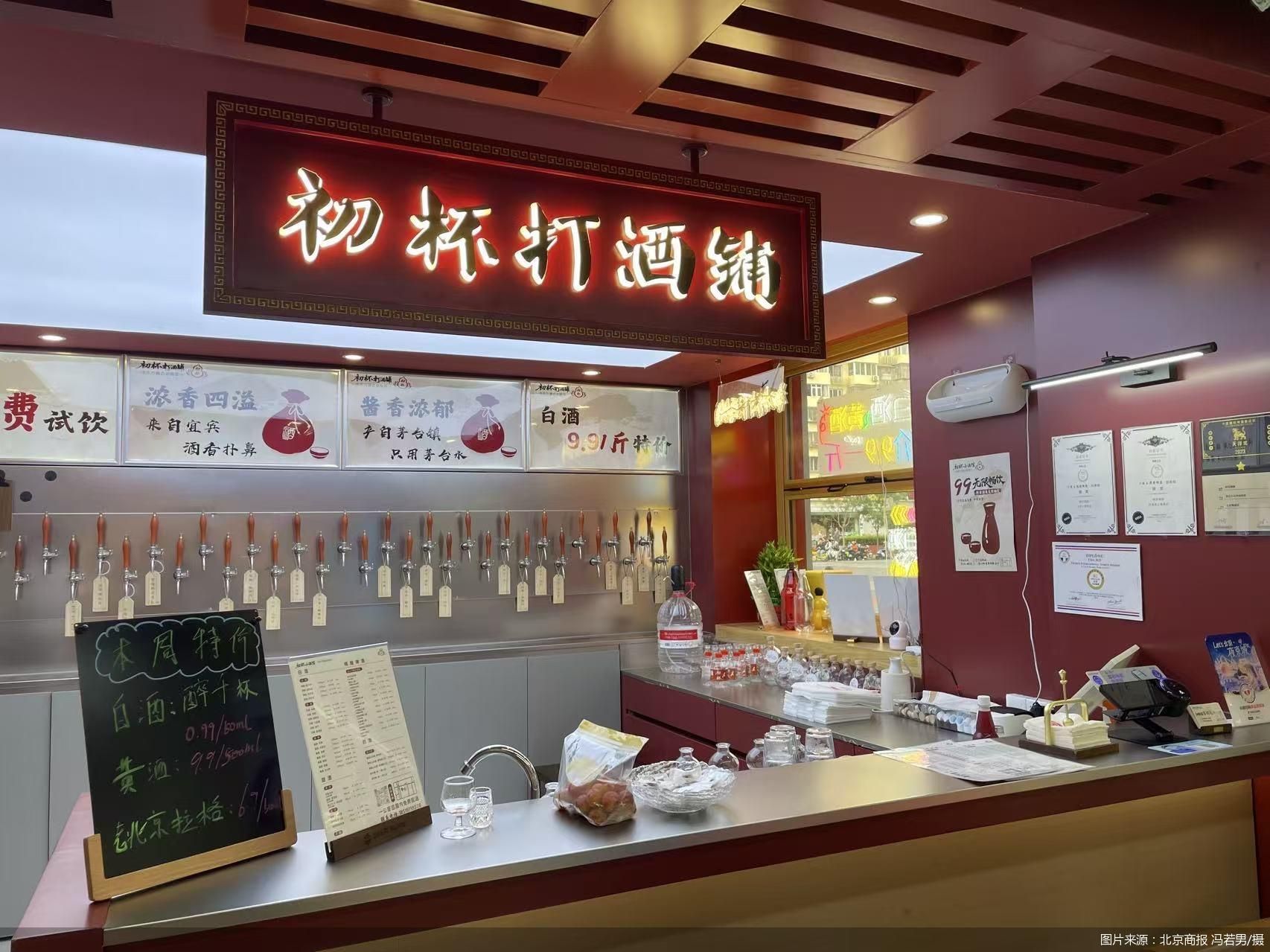
小酒馆赛道洗牌在即 同质化与供应链难题下的破局之路
Bei Jing Shang Bao· 2026-01-21 10:39
Core Insights - The rise of a new social business model centered around "micro-drunk" experiences in small taverns is emerging as a significant segment within the liquor market, potentially reaching a trillion-level market size [1] - Challenges such as product homogenization, supply chain integrity, and standardization are hindering the industry's transition from "internet celebrity" to sustainable growth [1] - The ability to integrate exceptional offline experiences, efficient online fulfillment, and unique cultural content will determine which businesses can attract young consumers and succeed in the competitive landscape [1] Scene Innovation - Different players in the small tavern sector in Beijing are interpreting "scene" differentiation in unique ways, leading to various business models [3] - The "day coffee night liquor" model exemplifies a mixed business approach that meets consumer demands for diverse social spaces and complex taste experiences [3] - Craft beer bars are creating dedicated spaces for consumers, becoming identity hubs, while some taverns are adopting decentralized user co-creation mechanisms to deepen consumer engagement [4] Community and Cost-Effectiveness - Community-focused taverns are primarily located in residential areas, emphasizing local consumer bases within a three-kilometer radius [4] - The pricing strategy of taverns like "Chub" offers a wide range of alcoholic beverages at competitive prices, enhancing accessibility for consumers [4] - High conversion rates are reported, with 90% of trial visitors making purchases and a 60% repurchase rate, indicating strong market traction [5] Emotional and Rational Consumption - The shift in young consumers' drinking culture from "drunk or nothing" to a pursuit of "micro-drunk" experiences reflects a desire for personal enjoyment rather than social conformity [8] - The emotional transformation in consumption is driving a change in consumer values, with a focus on atmosphere, experience, and cost-effectiveness [8] - Younger consumers are less sensitive to brand premiums and more focused on the quality of the beverage itself, favoring flexible purchasing options [8] Market Dynamics and Competition - The small tavern sector is entering a phase of homogenization, with many establishments lacking unique branding and consumer loyalty [9] - Future competition will hinge on scene innovation, product development towards lower alcohol content and health-oriented options, and cultural integration that resonates with younger consumers [9] - Supply chain strength and quality control are critical for sustaining small taverns, with a need for specialized management in alcohol selection and storage [10] Online and Offline Integration - The future of small taverns will see a blurring of lines between offline experiences and online convenience, with a shift towards online retail as a primary sales channel [11] - The rise of small community beer shops and craft convenience stores is expected due to lower investment thresholds and flexible locations [11] - Establishing brand barriers through deep content and local culture will be essential for small taverns to thrive in a competitive market [12]
2025年中国化妆品市场交易额突破1.1万亿元 同比增长2.83%
Di Yi Cai Jing· 2026-01-20 14:05
据中国香料香精化妆品工业协会消息,2025中国化妆品产业数据发布会1月20日在上海举办。在发布会 上,2025年度中国化妆品产业的关键数据与发展趋势重磅发布。数据显示,2025年中国化妆品市场规模 再创新高,全渠道交易额突破1.1万亿元,达11042.45亿元,同比增长2.83%。国货品牌竞争力持续领 跑,市场份额提升至57.37%。渠道格局深度调整,线上渠道交易额7217.73 亿元,同比增长4.45%,占 比65.36%;线下渠道交易额3824.72亿元,同比基本持平,"线上为主"的单极扩张时代结束,线上线下 融合共生的新格局加速形成。 ...
仓储会员店专家交流
2026-01-20 01:50
Summary of Key Points from the Conference Call Company Overview - The conference call focuses on **Sam's Club** in China, discussing its growth strategies, market dynamics, and operational changes. Core Insights and Arguments - **Expansion Strategy**: Sam's Club is optimizing its store layout by closing some locations while benefiting from consumer upgrades and the growing demand for differentiated products. The company anticipates a GMV growth rate close to **40%** by **2026**, indicating strong growth momentum [1][2]. - **Market Opportunity**: The closure of **40%** of Walmart's traditional stores in China has created space for Sam's Club to expand. The company plans to open **200** new stores by **2040**, focusing on third and fourth-tier cities to enhance brand influence [2][4][5]. - **Online Sales Growth**: Online sales are projected to reach nearly **50%** by **2025**, supported by a large-scale cloud warehouse system that enables delivery within **40 minutes**. This shift is complemented by a hybrid model where online orders peak from Monday to Thursday, while weekends focus on in-store experiences [1][6][7]. - **Management Changes**: In **2025**, key management changes occurred, including the retirement of a veteran leader and the appointment of a new executive focused on online expansion. This restructuring is expected to lead to new operational strategies in **2026** [7][8]. Additional Important Content - **Product Selection Process**: Sam's Club has adjusted its product selection process to involve more member participation, with a new selection ratio of **50%** member suggestions, **30%** self-selected items, and **20%** from brand partners. This change aims to enhance customer engagement and product quality [8][9]. - **Supplier Relationships**: The number of suppliers has increased from **1,200** to over **1,500**, with a focus on local brands. This strategy aims to improve product offerings and ensure quality standards are met [11][12]. - **Private Label Development**: The share of private label SKUs has risen to **33%**, contributing **45%** of total GMV. The company plans to continue expanding its private label offerings while maintaining a cap of **35%** on SKU share [3][14]. - **Membership Growth**: Membership renewal numbers are projected to grow from **5.47 million** in **2024** to **7.12 million** by **2026**, with new stores attracting significant new members [15][16]. - **Profitability Metrics**: Preliminary estimates for **2025** indicate a gross margin of **22.8%** and a net profit of approximately **9.3 billion**. This represents a decline from the previous year's gross margin of nearly **24%** due to tariff adjustments [18][19]. Conclusion - Sam's Club is strategically positioned for growth in the Chinese market through a combination of store expansion, enhanced online sales, and a focus on product quality and member engagement. The management changes and adjustments in operational strategies are expected to further solidify its market presence and profitability.

药店即时零售业务该守还是该走?
Xin Lang Cai Jing· 2026-01-15 00:53
Core Viewpoint - Yangtianhe Pharmacy has announced the termination of its cooperation with certain O2O platforms, highlighting the challenges faced by retail pharmacies in the current O2O business environment [2][4]. Group 1: Company Actions - Yangtianhe's decision to withdraw from O2O platforms was publicly announced by its regional manager and later confirmed by the vice president, specifically targeting the JD O2O platform [2]. - The company emphasizes that it does not oppose innovation or the e-commerce model but is against the monopolistic rules set by platforms [2][3]. - Yangtianhe currently operates over 4,000 stores across 19 provinces in China, with its franchise model at the core of its business [2]. Group 2: Industry Challenges - Retail pharmacies are experiencing a loss of operational autonomy due to high commission rates and competitive pressures from O2O platforms [3][4]. - The average commission rate charged by platforms can reach 15%, which is higher than the maximum VAT rate for retail pharmacies, significantly squeezing profit margins [3][4]. - Delivery costs for O2O services are often higher than traditional B2C models, further impacting profitability for pharmacies [3][4]. Group 3: Market Trends - The O2O pharmaceutical market in China reached 29.1 billion yuan in August 2025, with a year-on-year growth of 29.6%, indicating a strong market demand despite challenges [4]. - Some industry experts believe that the O2O model will continue to thrive due to changing consumer habits and the integration of online medical insurance payment systems [4][5]. - The trend suggests that O2O business will increasingly concentrate among leading companies, creating a "stronger stronger" market dynamic [6]. Group 4: Recommendations for Improvement - Experts suggest that e-commerce platforms should lower commission rates and improve transparency in their fee structures to support retail pharmacies [8][9]. - Retail pharmacies are encouraged to enhance their operational capabilities, including maintaining a diverse product inventory and optimizing store layouts to meet consumer demand [9][10]. - The future of retail pharmacies may involve more specialized operations focusing on O2O, private traffic management, and regional distribution services [10].
“蓝盒子”大卖场转型之路在何方
Qi Lu Wan Bao· 2026-01-12 21:52
Group 1 - IKEA China is undergoing a transformation, announcing the closure of seven offline stores starting February 2, 2026, after 28 years of rapid expansion in the Chinese market [2][3] - The closures include locations in Shanghai, Guangzhou, and Tianjin, with prior notifications of temporary closures at some stores [3] - Despite the closures, the Jinan store continues to see regular customer traffic, indicating that not all locations are equally affected [3] Group 2 - The furniture industry in China is facing significant challenges, with a reported 22.7% year-on-year decline in total profits for major furniture manufacturers, leading to increased operational pressures [6] - IKEA's parent company, Ingka Group, reported a 5.5% decline in revenue and a 46.5% drop in net profit for the 2024 fiscal year, despite a 3% increase in product sales and customer numbers in the 2025 fiscal year [6] - Changing consumer behavior is noted, with a shift from leisurely shopping in large stores to more purposeful online research and shopping, impacting foot traffic in traditional retail environments [6] Group 3 - The closures are part of IKEA's strategy to pivot from large-scale expansion to focused development, planning to open over ten small-format stores and enhance its online presence [7] - The adjustment reflects structural changes in consumer habits and the rise of e-commerce brands, which are capturing significant market share, particularly among younger consumers [8] - IKEA's online business accounted for 25.7% of its operations in China for the 2025 fiscal year, indicating a need for further development in this area [8]

宜家中国一次性关闭7家门店,20年来罕见
商业洞察· 2026-01-12 09:26
Core Viewpoint - IKEA is not exiting the Chinese market but is undergoing a significant structural adjustment, closing seven stores while focusing on smaller, urban stores and enhancing online presence [4][9]. Group 1: Store Closures and Adjustments - IKEA will close seven stores in China by February 2, 2026, including major locations like Shanghai Baoshan, which was once the largest IKEA in Asia [4]. - The closures are part of a broader strategy to shift from large-scale expansion to targeted development, with plans to open over ten smaller stores in key markets like Beijing and Shenzhen [9][20]. Group 2: Market Trends and Consumer Behavior - The retail landscape, particularly in the home goods sector, is evolving, with IKEA adapting by opening smaller stores that focus on consultation and experience rather than large warehouse-style outlets [20]. - Changes in consumer behavior, such as reduced frequency of visits to large stores due to the rise of online shopping and instant retail, have prompted IKEA to rethink its business model [14][20]. Group 3: Competitive Landscape - IKEA faces increasing competition from local brands that offer better price-performance ratios, necessitating a shift in strategy to maintain market share [24]. - The company has been reducing prices in response to competition from local brands like GenShuMuYu and LinShiJiaJu, indicating a need to enhance supply chain efficiency [24]. Group 4: Future Challenges - Despite the strategic shift, IKEA's response speed to changes in the Chinese market has been criticized as slow, which may hinder its competitiveness [27][28]. - The challenge lies in maintaining the brand's experiential essence while transitioning to smaller formats and online channels, as the immersive "showroom" experience is difficult to replicate in smaller stores [29][32].

宜家中国一次性关闭7家门店,20年来罕见
首席商业评论· 2026-01-10 04:11
Core Viewpoint - IKEA is closing seven stores in China by February 2, 2026, marking a rare occurrence in its over 20-year history in the country, but it is not exiting the market entirely; rather, it is undergoing a structural adjustment to focus on key markets like Beijing and Shenzhen [2][6]. Group 1: Store Closures and Adjustments - The seven stores being closed include locations in Shanghai, Guangzhou, Tianjin, Nantong, Xuzhou, Ningbo, and Harbin, with the Shanghai Baoshan store previously being the largest IKEA in Asia [2]. - IKEA China is shifting from large-scale expansion to targeted development, planning to open over ten smaller stores in the next two years, including new locations in Dongguan and Beijing [6][13]. Group 2: Market Challenges - The decline in the real estate market, reduced marriage rates among young people in major cities, and the rise of online shopping have decreased foot traffic to large stores, making the previous "big box" model less efficient [10][12]. - The heavy asset model of owning land and building stores has limited flexibility during market downturns, leading to the closure of underperforming locations [10][12]. Group 3: Future Strategy - IKEA is transitioning to smaller urban stores and enhancing its online presence, integrating various online platforms for a seamless shopping experience [13][15]. - The company is also focusing on improving price competitiveness against local brands by optimizing supply chain efficiency and reducing prices [15]. Group 4: Consumer Experience and Brand Identity - While IKEA's price reductions are a response to competition, the brand's strength lies in providing a unique shopping experience, which may be challenging to replicate in smaller stores and online formats [20][22]. - The need to maintain brand identity while adapting to a smaller store format is a significant challenge for IKEA moving forward [20][22].