
自由贸易协定

Search documents
欧洲委员会表示 仍准备实施与南方共同市场贸易协定
Xin Lang Cai Jing· 2026-01-23 08:32
Core Viewpoint - The European Union (EU) is willing to temporarily implement a comprehensive free trade agreement with the South American Mercosur, despite the European Parliament's decision to submit the agreement for judicial review, which delays the approval process [1][5]. Group 1: Agreement Implementation - EU Commission President Ursula von der Leyen stated that the EU is ready to initiate the agreement as soon as at least one country in Mercosur completes its approval [1][4]. - The EU Commission has the legal authority to advance the temporary implementation of the agreement, as noted by the President of the EU Council, Antonio Costa [1][4]. Group 2: Trade Agreement Details - The agreement aims to gradually eliminate tariffs on over 90% of goods, including Argentine beef and German cars, creating one of the largest free trade zones globally, benefiting over 700 million consumers with lower shopping costs [2][5]. - The agreement has broad support from South American livestock countries and the European industrial sector [2][5]. Group 3: Political Context and Reactions - The approval process of the agreement is considered nearly certain in South America, with key members including Argentina and Brazil, while Bolivia may join in the future [3][6]. - France, as a major agricultural producer in the EU, seeks stronger protective measures for its farmers and has been pushing to delay the agreement's implementation [2][5]. - German Chancellor Friedrich Merz expressed regret over the European Parliament's decision to delay the vote and urged the EU to proceed with the temporary implementation of the agreement [2][5].
欧盟委员会表示尽管欧洲议会投票决定推迟 仍准备推进南方共同市场贸易协定的落实
Xin Lang Cai Jing· 2026-01-23 08:08
Core Viewpoint - The European Union (EU) is willing to implement a comprehensive free trade agreement with the South American Mercosur countries on a temporary basis, despite the European Parliament's decision to delay the approval process for legal review [1][5]. Group 1: EU's Position and Actions - EU Commission President Ursula von der Leyen stated that the EU is ready to take action as soon as at least one Mercosur member country completes the approval process [1][5]. - The EU Council President Costa mentioned that the EU Commission has the authority to advance the temporary implementation of the agreement [1][5]. - The decision to delay the approval process by the European Parliament was made by a narrow margin, which has temporarily halted the approval until a ruling from the European Court is received [1][6]. Group 2: Trade Agreement Details - The agreement aims to gradually eliminate tariffs on over 90% of goods, including Argentine beef and German cars, and is expected to create one of the largest free trade zones globally, benefiting over 700 million consumers [2][6]. - The agreement is part of Brussels' strategy to reduce historical trade dependence on the United States and expand external trade relations, especially in light of tensions during Trump's presidency [2][6]. - Support for the agreement is strong among South American agricultural countries and the European industrial sector [2][6]. Group 3: Opposition and Regional Support - France, as a major agricultural producer in Europe, seeks stronger protections for its farmers and has been advocating for a delay in the agreement's implementation [2][6]. - German Chancellor Merz expressed regret over the postponement of the vote and urged for the temporary implementation of the agreement [3][6]. - The Mercosur region broadly supports the agreement, with its final approval appearing to be a foregone conclusion [4][6].
谈了二十年屡次受阻,同受美压力互相靠拢,欧盟印度抱团取暖将签“世纪协定”
Huan Qiu Shi Bao· 2026-01-22 22:42
【环球时报记者 苑基荣 环球时报驻德国特约记者 青木】面对美国贸易政策反复带来的压力,欧盟将目 光投向印度。据彭博社21日报道,欧盟委员会主席冯德莱恩当地时间周二在达沃斯世界经济论坛上表 示,欧盟与印度即将达成一项"历史性"贸易协定,预计将在冯德莱恩下周访问印度时宣布。由于美国政 府围绕格陵兰岛发出多次威胁,欧洲议会21日决定暂缓批准欧美贸易协议,而印度方面也并未就高达 50%的关税税率与美国达成共识,双方均面临来自美国的贸易压力,让此次的贸易协定备受关注,"有 人称之为所有协定之母。"冯德莱恩直言。尽管印欧双方都对这份协定寄予厚望,但农业、钢铁等领域 仍存在矛盾点,双方能在多大程度上达成共识有待观察。 " 印度历史上规模最大的贸易协定 " ? "这份自由贸易协定将创造一个拥有20亿消费者的市场,占全球GDP近1/4。"冯德莱恩在演讲中提到, 她将和欧洲理事会主席科斯塔于25日起访问新德里,并于27日举行欧盟-印度峰会,贸易协定可能在这 一活动上宣布。 欧盟外交与安全政策高级代表卡拉斯当地时间周三在欧洲议会发言时表示,印度对欧洲的经济韧性正变 得"不可或缺"。她提到,在基于规则的国际秩序因战争、胁迫和经济碎片 ...
【环球财经】马来西亚2025年贸易总额、进出口额均创新高
Xin Hua Cai Jing· 2026-01-22 02:54
Group 1 - Malaysia's total trade is projected to exceed 3 trillion ringgit in 2025, marking a historical high amid rising global trade uncertainties, with a year-on-year growth of 6.3% [1] - Exports for 2025 are expected to surpass 1 trillion ringgit for the fifth consecutive year, reaching 1.607 trillion ringgit, a 6.5% increase, while imports will grow by 6.2% to 1.455 trillion ringgit [1] - Malaysia has achieved a trade surplus for the 28th consecutive year since 1998, with manufactured goods, particularly electrical and electronic products, driving export growth [1] Group 2 - The Malaysian Ministry of Finance forecasts a trade growth of 3.3% in 2026, with exports increasing by 2.8% and imports by 3.9%, supported by resilient domestic demand and ongoing investment activities [2] - The report emphasizes that higher utilization of free trade agreements will be key to expanding Malaysian products into diverse markets, aiding export growth [2] - Expanding market access to emerging markets is expected to create more opportunities for Malaysian exporters, reducing reliance on traditional markets [2]
南方共同市场与欧盟正式签署自由贸易协定
Xin Lang Cai Jing· 2026-01-18 22:34
Core Points - The Southern Common Market (Mercosur) and the European Union officially signed a free trade agreement in Asunción, Paraguay, marking a significant step towards creating one of the world's largest free trade zones [1] - The combined market of Mercosur and the EU has over 700 million people, with a total GDP accounting for approximately 25% of the global GDP [1] - The agreement will eliminate tariffs on over 90% of goods traded between the two regions and establish common rules for trade in industrial and agricultural products, investment, and regulatory standards [1] - This will facilitate the entry of European products such as automobiles, machinery, and wine, as well as Mercosur products like meat, sugar, rice, honey, and soybeans into each other's markets [1]
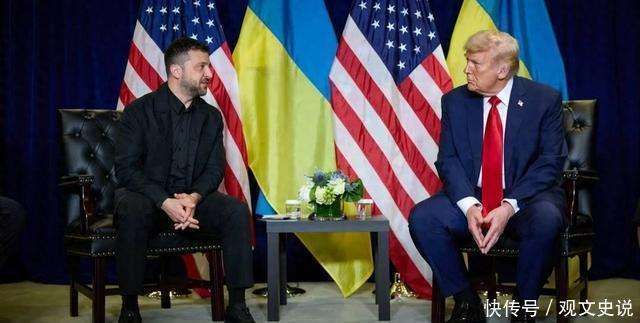
经济翻身!泽连斯基密会流出零关税密约,这是彻底倒向美国?
Sou Hu Cai Jing· 2026-01-18 05:37
近日,乌克兰总统泽连斯基公开表示,政府正积极推进与美国签署一项自由贸易协定,这被视为国家在 战后经济重建及长远发展中极为重要的战略布局之一。这一消息一经公布,立即引起国际舆论的高度关 注,被广泛解读为乌克兰深化与西方经济联系、寻求战略稳定支持的关键举措。 泽连斯基在接受彭博 社电话采访时透露,这份正在讨论的自贸协定计划对美国商品实行零关税,并拟在乌克兰部分工业区率 先试点实施。总统指出,这一安排将赋予乌克兰相较周边国家显著的经济竞争优势,预计能够成为吸引 国际投资、推动产业升级的一张重要王牌。他还强调,协定的具体条款需要与美国总统特朗普直接磋商 确认,而这种深度的经济合作,也将为乌克兰提供一层额外的经济安全屏障。 乌克兰如何在多方利益交织的复杂环境中把握平衡,利用经济合作拓展发展空间,将是对其外交智慧与 治理能力的一次重大考验。目前,这些讨论仍处于初期阶段,具体条款、实施路径及时间表尚未明确。 然而,这一举措已清晰地向外界传递出乌克兰力图通过经济合作巩固安全、以发展促进稳定的整体战略 思路。随着局势不断演进,这项自贸倡议的推进过程,将成为观察乌克兰重建路径及对外关系走向的重 要窗口。 分析人士指出,推动与美国 ...

欧盟-南共市自贸协定正式签署,欧盟内部仍存分歧
Xin Lang Cai Jing· 2026-01-17 23:55
当地时间1月17日,欧盟-南方共同市场(南共市)自由贸易协定在巴拉圭首都亚松森正式签署。阿根廷 总统、巴拉圭总统、乌拉圭总统、巴西外交部长、欧盟委员会主席、欧洲理事会主席出席仪式。 1月9日,欧盟成员国代表投票通过欧盟-南共市自由贸易协定,这一决定宣告双方长达多年的谈判画上 了句号,为该协定的正式铺平了道路。 目前,该协定全面生效还需要得到欧洲议会的批准。欧洲议会稍早前公布的文件显示,欧洲议会将于19 日就针对欧盟委员会的不信任动议进行辩论,并于22日进行表决,矛头指向欧盟-南共市自贸协定。文 件认为欧盟委员会主席未能倾听公民意见,未能应对欧盟面临的紧迫挑战,包括农业和农村地区衰落、 粮食安全恶化以及透明度不足。欧盟委员会屡次越权行事,直接损害欧洲农业和农民利益。(央视新 闻) ...
欧盟-南共市自贸协定正式签署
Mei Ri Jing Ji Xin Wen· 2026-01-17 22:51
每经AI快讯,当地时间1月17日,欧盟-南方共同市场(南共市)自由贸易协定在巴拉圭首都亚松森正式 签署。阿根廷总统、巴拉圭总统、乌拉圭总统、巴西外交部长、欧盟委员会主席、欧洲理事会主席出席 仪式。1月9日,欧盟成员国代表投票通过欧盟-南共市自由贸易协定,这一决定宣告双方长达多年的谈 判画上了句号,为该协定的正式铺平了道路。目前,该协定全面生效还需要得到欧洲议会的批准。(央 视新闻) ...
南共市自贸协定正式签署 欧盟内部仍存分歧
Xin Lang Cai Jing· 2026-01-17 17:42
当地时间1月17日,欧盟-南方共同市场(南共市)自由贸易协定在巴拉圭首都亚松森正式签署。阿根廷总 统、巴拉圭总统、乌拉圭总统、巴西外交部长、欧盟委员会主席、欧洲理事会主席出席仪式。 1月9日,欧盟成员国代表投票通过欧盟-南共市自由贸易协定,这一决定宣告双方长达多年的谈判画上了句 号,为该协定的正式铺平了道路。 目前,该协定全面生效还需要得到欧洲议会的批准。欧洲议会稍早前公布的文件显示,欧洲议会将于19日 就针对欧盟委员会的不信任动议进行辩论,并于22日进行表决,矛头指向欧盟—南共市自贸协定。文件认 为欧盟委员会主席未能倾听公民意见,未能应对欧盟面临的紧迫挑战,包括农业和农村地区衰落、粮食安 全恶化以及透明度不足。欧盟委员会屡次越权行事,直接损害欧洲农业和农民利益。(总台记者 刘婵娟) ©2026中央广播电视总台版权所有。未经许可,请勿转载使用。 ...
欧盟-南共市自贸协定正式签署 欧盟内部仍存分歧
Jing Ji Guan Cha Wang· 2026-01-17 17:14
目前,该协定全面生效还需要得到欧洲议会的批准。欧洲议会稍早前公布的文件显示,欧洲议会将于19 日就针对欧盟委员会的不信任动议进行辩论,并于22日进行表决,矛头指向欧盟—南共市自贸协定。文 件认为欧盟委员会主席未能倾听公民意见,未能应对欧盟面临的紧迫挑战,包括农业和农村地区衰落、 粮食安全恶化以及透明度不足。欧盟委员会屡次越权行事,直接损害欧洲农业和农民利益。 1月9日,欧盟成员国代表投票通过欧盟-南共市自由贸易协定,这一决定宣告双方长达多年的谈判画上 了句号,为该协定的正式铺平了道路。 经济观察网据央视新闻客户端消息,当地时间1月17日,欧盟-南方共同市场(南共市)自由贸易协定在巴 拉圭首都亚松森正式签署。阿根廷总统、巴拉圭总统、乌拉圭总统、巴西外交部长、欧盟委员会主席、 欧洲理事会主席出席仪式。 ...