
融合化

Search documents
李毅中:准确把握“高端化”,防止中低端产业盲目退出
Feng Huang Wang Cai Jing· 2025-12-29 06:13
Group 1 - The 10th China Manufacturing Power Conference was successfully held in Beijing, focusing on the theme "Entity as the Root, Moving Towards New Directions" and discussing the high-quality development path of China's manufacturing industry during the 14th and 15th Five-Year Plans [1] - The conference emphasized the importance of transitioning to a modern industrial system supported by advanced manufacturing, highlighting the need for intelligent, green, and integrated approaches in industrialization [3] - The concept of "integration" was introduced, stressing the blurring lines between secondary and tertiary industries, and the necessity for multi-modal integration paths to enhance the modern industrial system [3] Group 2 - The importance of accurately understanding the connotation of "high-end" was highlighted, with a focus on technological innovation to optimize industrial and product structures, while ensuring the stability of supply chains and employment [4] - The need to integrate into global value chains, supply chains, and industrial chains was emphasized, advocating for a balanced approach to high-end industry development without blindly eliminating mid-to-low-end industries [4] - The goal for the 15th Five-Year Plan period is to achieve qualitative improvements and reasonable quantitative growth in the economy, addressing diverse economic and social needs [4]

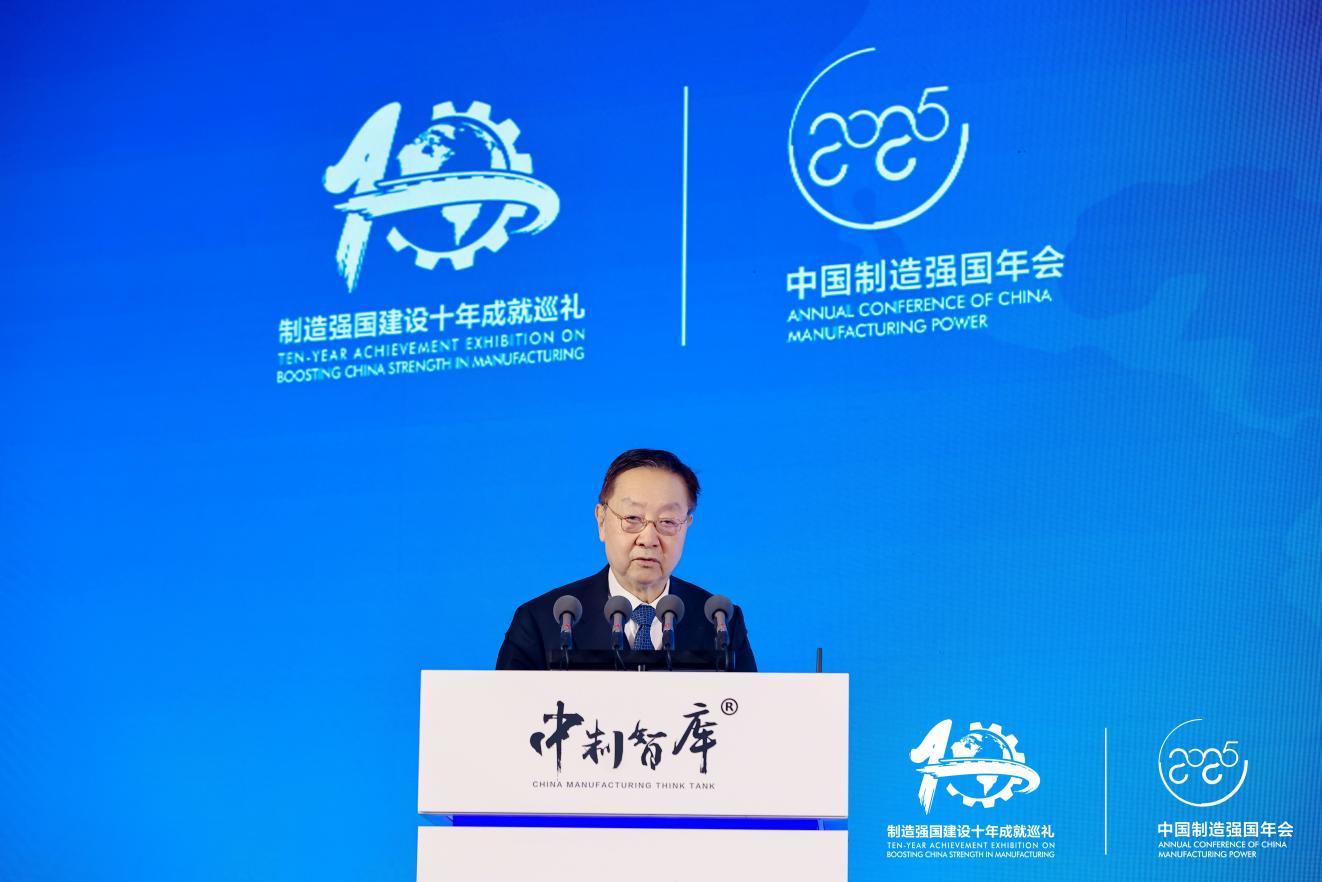
实体为根 向新而行丨第十届中国制造强国年会成功在京召开
Xin Lang Cai Jing· 2025-12-29 05:23
Core Viewpoint - The 10th China Manufacturing Power Conference emphasizes the importance of strengthening the foundation of the real economy and developing new quality productivity during the "14th Five-Year" and "15th Five-Year" planning periods, marking a critical juncture in the "China Manufacturing 2025" action plan [1][34]. Group 1: Authority and Themes - The conference gathered over 400 guests from government, industry, academia, and research to discuss the high-quality development path of China's manufacturing industry during the "15th Five-Year" period [1][34]. - The event was hosted by Dr. Xin Wang, a member of the "15th Five-Year" planning expert group from the Ministry of Industry and Information Technology [3][36]. - The conference adhered to a philosophy of high-end, professional, market-oriented, refined, and effective organization, aiming to consolidate manufacturing power and empower the real economy [4][37]. Group 2: Key Presentations - Minister Li Yizhong discussed the paths to new industrialization, emphasizing the need for "intelligent," "green," and "integrated" approaches to build a modern industrial system [6][39]. - Minister Su Bo highlighted that China has reached a manufacturing power development index of 128.85, indicating a shift from low-end to mid-high-end manufacturing, with a goal to reach a medium level among global manufacturing powers by 2035 [9][42]. - Minister Liu Lihua outlined four focus areas for the "15th Five-Year" period: solidifying industrial foundations, accelerating technological self-reliance, fostering new quality productivity, and formulating the next decade's manufacturing action plan [12][45]. Group 3: Innovations and Initiatives - Minister Cao Jianlin emphasized the importance of high-end equipment manufacturing as a key component of industrial strength, advocating for a collaborative approach to develop competitive high-end equipment industries [14][47]. - The conference introduced the "Innovation Development Index for Small and Medium Enterprises" to evaluate and support local industrial clusters, aiming to enhance their growth and innovation capabilities [21][54]. - The "Invisible Champion" program was launched to promote stories of successful manufacturing enterprises, aiming to instill national pride and foster a sense of patriotism among youth [28][61]. Group 4: Future Directions - The conference marked a decade of progress in China's manufacturing strategy, reflecting on achievements and setting the stage for future developments in the manufacturing sector [32][65]. - The ongoing transition from investment-driven to innovation-driven growth, and from a manufacturing power to a consumption power, is crucial for China's economic future [52][51].
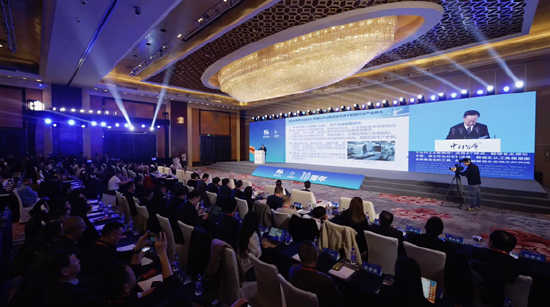
李毅中谈新型工业化实践路径:以“智能化、绿色化、融合化”构建现代化产业体系
Xin Lang Cai Jing· 2025-12-29 03:28
Core Viewpoint - The 10th China Manufacturing Power Conference emphasizes the theme "Entity as the Root, Moving Towards the New" and discusses the importance of advancing industrialization through smart, green, and integrated approaches [1][5]. Group 1: Smart Manufacturing - The concept of "smart manufacturing" involves advancing the application of artificial intelligence (AI) to drive technological breakthroughs and implement the "AI+" initiative, which empowers research and innovation as well as production transformation [3][7]. Group 2: Green Transformation - "Green transformation" focuses on strengthening low-carbon transitions to ensure that the industrial sector meets the carbon peak target by 2030 and steadily progresses towards carbon neutrality [3][7]. Group 3: Integrated Development - The term "integration" refers to the blurring boundaries between secondary and tertiary industries, as well as between manufacturing and services. It highlights the need for multi-modal integration paths, including the fusion of technology and industry, and deep collaboration between academia and industry [3][7]. Group 4: High-End Development - Understanding the connotation of "high-end" is crucial. It involves leveraging technological innovation to optimize and adjust industrial and product structures, phasing out outdated practices while enhancing quality and efficiency to move towards high-end manufacturing [4][8]. - The strategy includes integrating into global value chains, supply chains, and industrial chains, ensuring that the manufacturing sector adapts to global market practices while maintaining stability in the supply chain and employment [4][8].
“辽超”将全新升级
Xin Lang Cai Jing· 2025-12-25 20:25
Core Viewpoint - The third edition of the Liaoning Province Urban Football League ("Liaoning Super League") is set to undergo significant upgrades, with a focus on new schedules and initiatives to inject vitality into the provincial football event [1] Group 1: Event Structure and Goals - The 2026 Liaoning Super League will be co-hosted by the Liaoning Provincial Sports Bureau and local municipal governments, with a goal of creating a comprehensive football competition system across the province [1] - The league aims to achieve three main objectives: systematic development, brand establishment, and integration [1] - The tournament will cover all 14 prefecture-level cities in Liaoning, featuring a single round-robin format in the regular season, with the top eight teams advancing to knockout rounds to compete for the championship [1] Group 2: Brand Development and Economic Impact - The Liaoning Super League is moving towards becoming a "Liaoning Football Festival," focusing on new models that integrate "football + culture and tourism" and "football + economy" [1] - The event is expected to drive urban consumption and showcase the unique vitality of cities in Liaoning [1] - The comprehensive upgrade of the Liaoning Super League is seen as a crucial step in promoting the popularity and improvement of football, as well as injecting new momentum into the overall revitalization of Liaoning [1]
中国黄金行业汇聚三亚,共商可持续发展新路径
Huan Qiu Wang Zi Xun· 2025-12-25 05:42
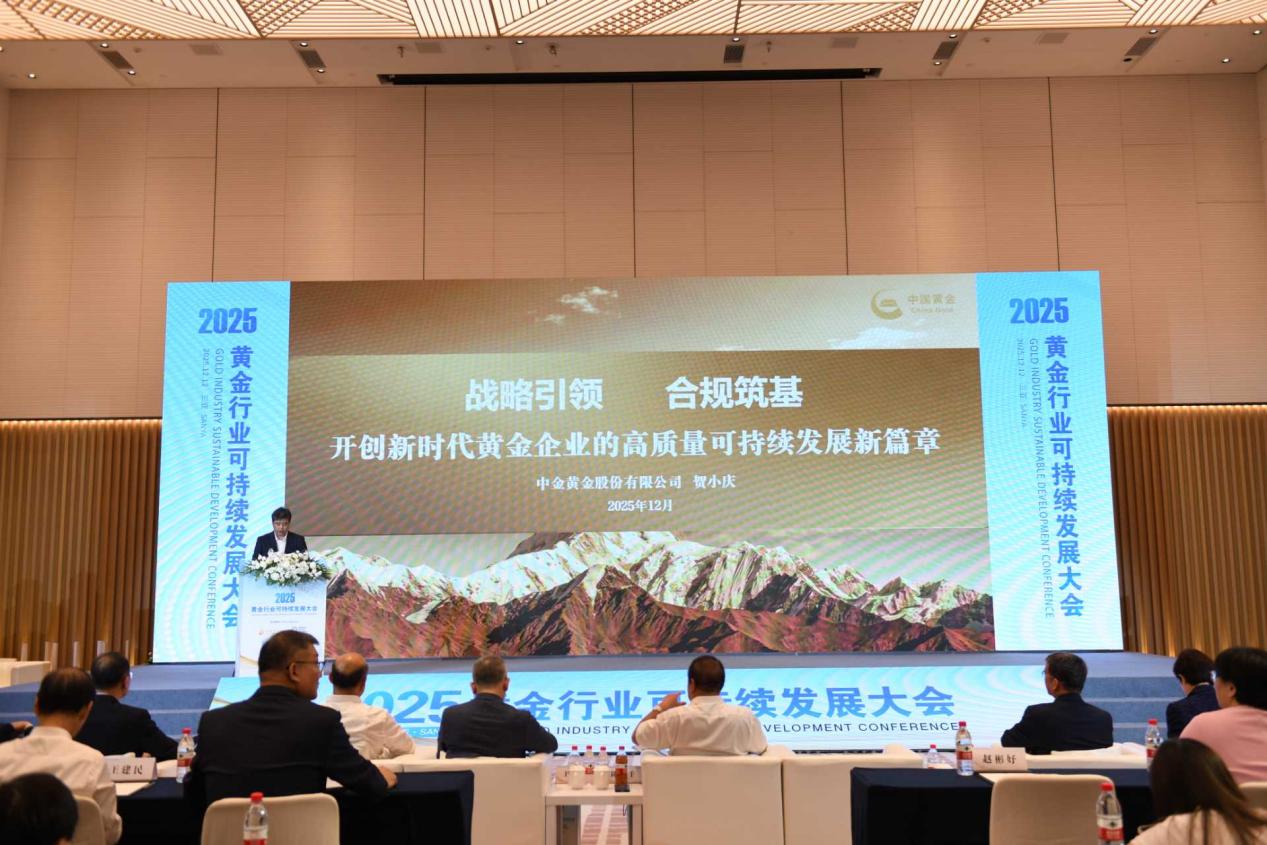
来源:环球网 【环球网消费报道 记者 刘晓旭】南海之滨,椰风轻拂。2025年12月12日,一场关乎黄金产业未来的思想盛宴在三亚拉开帷幕。由世界黄金协会与中国黄金 协会联合主办的"2025黄金行业可持续发展大会"在此隆重举行。在全球ESG浪潮奔涌与"双碳"目标深入推进的时代背景下,本次大会汇聚国内外行业领袖、 顶尖学者与资深媒体,共同探讨黄金行业可持续增长的新路径,共建负责任的黄金产业生态,推动整个产业链向善而行。 大会伊始,主持人世界黄金协会中国区CEO王立新便点明了会议的深远意义。他提到,2025年是挑战与机遇并存的关键之年,可持续发展已从行业共识上升 为全球行动,这一议题正深刻重塑着全球黄金产业的格局。 在随后的主旨演讲环节,中国黄金、山东黄金、紫金矿业、山东招金四大黄金巨头的领军人物联袂登场,奉献了一场关于战略、实践与未来的深度对话,为 中国黄金产业的可持续发展之路提供了清晰的路线图和生动的实践样本。 作为行业的压舱石和领航者,四大黄金集团从各自企业的实践出发,系统阐述了对可持续发展的深刻理解与战略布局,展现了新时代中国黄金企业的责任与 担当。 0:00 战略引领,合规筑基:中金黄金的"新篇章"之道 中 ...



渤海证券崔健:推动证券行业高质量发展 奋力谱写“十五五”新篇章
Zheng Quan Ri Bao Wang· 2025-12-24 10:12
Group 1 - The core theme of the "14th Five-Year Plan" is to promote high-quality development, focusing on building a modern industrial system, accelerating high-level technological self-reliance, and constructing a financial powerhouse [1] - The shift in industrial development during the "15th Five-Year Plan" will emphasize "intelligent, green, and integrated" approaches, moving away from the previous focus on "high-end" manufacturing [2] - The integration of innovation chains, industrial chains, capital chains, and talent chains is crucial for transforming technological achievements into productive forces, marking a transition from upgrading individual industries to systemic collaboration and integration [2] Group 2 - The securities industry is tasked with serving the construction of a financial powerhouse, enhancing the inclusiveness and adaptability of capital markets to support new industries, new business formats, and new technologies [3] - Future capital market reforms will focus on coordinating investment and financing functions, emphasizing the need for long-term capital market stability and the development of direct financing tools like equity and bonds [3] - Securities firms are encouraged to utilize diverse financing tools such as mergers and acquisitions and technology innovation bonds to enhance their service efficiency for new productive forces [3]
冬日“蚝”鲜!乳山抱团打造百亿蓝色名片
Qi Lu Wan Bao· 2025-12-23 10:46
Core Insights - The event "Winter Solstice Lushun Oyster Tasting" marks the transformation of Lushun oysters from a bulk commodity to a branded product, reflecting a significant shift in the local agricultural industry from production to branding and sales [2][3] Group 1: Brand Development - The introduction of liquid color-changing anti-counterfeiting technology in 2021 has significantly improved brand protection, increasing the proportion of genuine Lushun oyster products in online searches from 30% to over 90% [3] - The average price of Lushun oysters has risen by 20% to 30% due to the transition from bulk selling to individual sales [3] Group 2: Industry Growth - The investment of 270 million yuan by Shandong Lighthouse Jellyfish Marine Technology Co., Ltd. has led to the development of a full industry chain encompassing breeding, processing, sales, and research [4] - The company achieved online sales leadership within three months by investing 20 million yuan in brand promotion [4] Group 3: Technological Advancements - Scientific assessments of oyster farming capacity have led to improved management practices, optimizing breeding layouts and addressing quality issues [5][6] - The introduction of high-temperature resistant oyster varieties has improved survival rates during summer, contributing to a more sustainable farming approach [6] Group 4: E-commerce Transformation - The collaboration with top influencers has enabled significant sales growth, with daily sales reaching 200,000 jin, showcasing the impact of e-commerce on the oyster market [7] - The nutritional value of Lushun oysters has been highlighted, with high protein and zinc content, promoting them as a health food [7] Group 5: Community and Sustainability - The establishment of a 140-acre oyster industry integration development demonstration zone has unified management and created over 500 new jobs, increasing average annual income for local villagers by over 30,000 yuan [8] - The project has facilitated the sharing of brand benefits among local farmers, enhancing resilience against market risks [8] Group 6: Future Outlook - The brand value of Lushun oysters reached 19.385 billion yuan in 2023, indicating a successful transformation into a multifaceted industry that supports local economies and rural revitalization [9] - The focus on quality and health, combined with technological and market forces, is essential for sustaining the growth and longevity of the oyster industry [9]
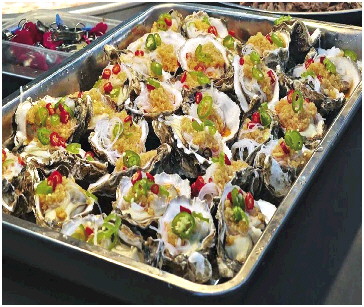
冬至“蚝”事,乳山如何打造百亿“蓝色名片”?
Qi Lu Wan Bao· 2025-12-21 13:44
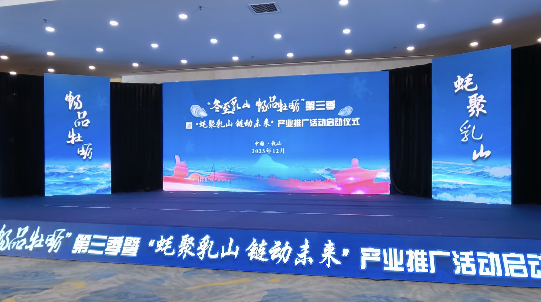
Core Insights - The event "Winter Solstice Lushun Oyster Tasting" marks the third season of promoting Lushun oysters, highlighting the transformation of the local oyster industry from raw material sales to branded products and value-added offerings [1][3]. Industry Transformation - Lushun oysters have evolved from being sold in bulk to being branded products with anti-counterfeiting measures, reflecting a significant shift in the local agricultural industry [3]. - The introduction of liquid color-changing anti-counterfeiting technology in 2021 has improved product authenticity, increasing the proportion of genuine products sold online from 30% to over 90% [4][6]. - The average price of Lushun oysters has risen by 20% to 30% due to brand protection efforts, which have attracted quality enterprises to invest in the region [6]. Technological Advancements - Scientific research and development have played a crucial role in enhancing oyster quality and production efficiency, with local universities contributing to breeding and health monitoring [9][11]. - The introduction of new oyster varieties and health management practices has improved survival rates and overall quality, reducing annual losses in the industry by approximately 200 to 300 million yuan [12]. Sales and Marketing Innovations - E-commerce and live streaming have revolutionized the sales process, allowing Lushun oysters to reach a broader market and increasing production standards [13]. - The nutritional benefits of Lushun oysters have been emphasized, with high protein and zinc content being highlighted by health experts [13]. Collaborative Development - A demonstration area for integrated oyster industry development has been established, promoting collective management and benefiting local communities through job creation and income generation [14]. - The project has attracted investments from local villagers and social capital, fostering a cooperative model that enhances brand value and mitigates market risks [14]. Future Outlook - The brand value of Lushun oysters reached 19.385 billion yuan in 2023, showcasing the potential for further growth through innovation and market integration [15]. - The industry is positioned as a model for high-quality rural development, emphasizing the importance of maintaining quality and health standards while leveraging technology and market forces [15].
城市制造业高质量发展研究报告(2025年)
中国信通院· 2025-12-19 08:43
Group 1: Manufacturing Industry Development Overview - The manufacturing industry in China is transitioning to a high-quality development phase, emphasizing innovation and efficiency over mere expansion[8] - Major cities are identified as key innovation hubs, contributing significantly to technological advancements and industrial upgrades[9] - The average labor productivity of industrial enterprises in strong manufacturing cities increased by 21.7% compared to the previous year, with total profits accounting for 47.3% of the national total[10] Group 2: Regional Distribution and Characteristics - The distribution of strong manufacturing cities remains stable, with 36 in the eastern region, 10 in the central region, and only 2 each in the northeastern and western regions[26] - Strong manufacturing cities collectively completed an export total of 14.3 trillion yuan, representing 59.6% of the national total[11] - The number of national-level manufacturing innovation centers in strong manufacturing cities accounts for 69.7% of the national total, indicating a concentration of innovation resources[10] Group 3: Challenges and Opportunities - Despite achievements, challenges include widening development gaps, low efficiency in technology transfer, and structural contradictions in foreign trade[11] - The shift towards smart, green, and integrated manufacturing is seen as a new direction for industrial upgrades, expanding growth opportunities in urban areas[18] - The report highlights the need for cities to enhance their manufacturing capabilities and foster a collaborative ecosystem among enterprises, academia, and research institutions[11]
年产能最高30万吨!珠江啤酒中山产能扩建升级项目顺利投产
Nan Fang Du Shi Bao· 2025-12-18 13:41
Core Viewpoint - The production launch of the capacity expansion and upgrade project of Zhongshan Zhujiang Beer is a significant step towards enhancing production capacity, technological advancement, and green low-carbon levels, contributing to the high-quality development of the beer industry in Guangdong [1][2][8]. Group 1: Project Overview - The project involves a total investment of 932 million yuan, adding 300,000 tons of brewing capacity and a new can production line with a capacity of 72,000 cans per hour [1]. - The project aims to integrate smart manufacturing and green technology, enhancing the overall production efficiency and sustainability of Zhujiang Beer [2][3]. Group 2: Technological Innovations - The project incorporates approximately 40 advanced technologies and equipment, including intelligent integrated systems and automated storage solutions, to improve production processes from brewing to logistics [2][4]. - A digital management platform will facilitate one-stop digital management, including order issuance, data collection, and intelligent analysis [3][4]. Group 3: Economic Impact - The project is expected to generate an additional annual output value of over 800 million yuan, reinforcing the foundation of the real economy in Zhongshan [5]. - Zhujiang Beer has maintained a high-quality growth trajectory, achieving beer sales of 1.2035 million tons and revenue of 5.073 billion yuan in the first three quarters, with net profit increasing by 17.05% year-on-year [6]. Group 4: Consumer Engagement and Market Strategy - The project enhances consumer experience by providing fresher products and expanding the "beer+" model, which integrates various sectors such as sports, music, and food [7]. - Zhujiang Beer has established over 500 experience stores nationwide, creating a consumer service network that promotes active consumption [7]. Group 5: Strategic Alignment - The project aligns with the "14th Five-Year Plan" for optimizing the industrial structure and enhancing the manufacturing capabilities of Zhujiang Beer, contributing to the broader goals of Guangdong's economic development [6][8].
