轻资产

Search documents
美凯龙(601828):25Q3扣非亏损收窄,经营性现金流逐季向好
Guotou Securities· 2025-11-07 04:35
Investment Rating - The investment rating for the company is "Accumulate-A" with a 12-month target price of 3.35 yuan, while the current stock price is 2.77 yuan [6]. Core Insights - The company reported a narrowing of non-recurring losses in Q3 2025, with operating cash flow improving quarter by quarter. For the first three quarters of 2025, the company achieved a revenue of 4.969 billion yuan, a year-on-year decline of 18.62%, and a net profit attributable to shareholders of -3.143 billion yuan [1][11]. - The revenue decline in Q3 2025 was 13.24% year-on-year, with a net profit of -1.243 billion yuan and a non-recurring net profit of -356 million yuan. The decline was attributed to weakened demand in the home retail market and a temporary drop in rental income [1][2]. Summary by Sections Revenue and Profitability - The company’s self-operated and leasing segments saw a revenue decline of 5.8 billion yuan year-on-year, while other segments collectively decreased by 5.6 billion yuan [2]. - The gross profit margin for the first three quarters of 2025 was 61.89%, an increase of 2.47 percentage points year-on-year, and for Q3 2025, it was 62.69%, up 6.07 percentage points [4]. Business Development - The company is accelerating its business model upgrade, with positive developments in new business areas such as appliances, automotive, home design, and lifestyle sectors, contributing to a stabilization in mall occupancy rates, which increased from 83.0% at the end of 2024 to 84.7% by the end of Q3 2025 [3]. - The company has expanded its smart appliance stores to over 150 locations across 115 core cities, and its automotive business has reached a total operating area of 260,000 square meters, covering 44 cities with over 30 partner brands [3]. Financial Forecast - The company is expected to achieve revenues of 6.915 billion yuan, 7.732 billion yuan, and 8.223 billion yuan for 2025, 2026, and 2027 respectively, with year-on-year growth rates of -11.59%, 11.82%, and 6.34% [11]. - The net profit forecast for 2025 is -804 million yuan, with a projected PE ratio of -14.9X, and for 2026, the net profit is expected to be 125 million yuan with a PE ratio of 96.3X [11].
珠免集团加速“退房” 拟转让格力房产
Zheng Quan Shi Bao· 2025-10-21 17:24
Group 1 - The core point of the article is that Zhuhai免税集团 is accelerating its exit from the real estate sector by transferring 100% equity of Zhuhai Gree Real Estate Co., Ltd. to Zhuhai Toujie Holdings Co., Ltd., which is expected to constitute a major asset restructuring [1][2] - The transaction will be conducted in cash and does not involve issuing shares, with the actual controller of the buyer being the Zhuhai State-owned Assets Supervision and Administration Commission [1] - The company has initiated a strategic transformation to focus on duty-free business and the broader consumption industry, having already divested five real estate subsidiaries and acquired a 51% stake in Zhuhai免税企业集团有限公司 [1][2] Group 2 - The restructuring aims to accelerate the completion of the company's commitment to exit the real estate business, with the Zhuhai Municipal Government's State-owned Assets Supervision and Administration Commission having provided preliminary approval for the transaction [2] - The company anticipates that the transaction will lower its asset-liability ratio, optimize its asset structure, and enhance operational efficiency [2] - In the first half of the year following the restructuring, the company reported a revenue of 1.74 billion yuan, a year-on-year decrease of 45.62%, and a net profit attributable to shareholders of -274 million yuan, although the duty-free business segment generated a revenue of 1.131 billion yuan and a net profit of 391 million yuan [3]

旭辉境外重组前置工作启动,授权发行强制可转债,重塑资本结构
Zhi Tong Cai Jing· 2025-10-16 01:33
Core Viewpoint - CIFI Holdings Group has announced a comprehensive overseas debt restructuring plan aimed at significantly reducing its debt and optimizing its capital structure, with key measures including the issuance of mandatory convertible bonds (MCB) and a 10-year equity incentive plan for its team [1][2]. Group 1: Debt Restructuring Details - The company will issue approximately $6.7 billion in new instruments and pay about $9.5 million in cash, while existing overseas debt totaling around $8.1 billion will be canceled [1]. - The restructuring will involve the conversion of over $500 million in loans from the major shareholder into equity, demonstrating strong support from the major shareholder [2]. - The mandatory convertible bonds will have an initial conversion price of HKD 1.6 per share, representing a 7-fold premium over the current stock price, with three conversion mechanisms outlined [2]. Group 2: Equity Incentive Plan - A 10-year equity incentive plan will be introduced to stabilize and motivate the team during the post-restructuring recovery phase, linking performance metrics closely to the plan [2]. - The plan aims to ensure the major shareholder maintains control over the company post-restructuring, preventing excessive dilution of equity and stabilizing corporate governance [2]. Group 3: Strategic Direction - The restructuring aligns with the chairman's vision of a "new development model" focusing on a "light asset, low debt, high quality" approach, emphasizing core business areas such as rental income, self-operated development, and real estate asset management [3]. - The company aims to emulate successful models like those of Blackstone and Tishman Speyer, with a goal to regain stability within three years [3]. - The resilience and execution capability of the CIFI team during industry downturns, along with the major shareholder's involvement in the restructuring, are seen as foundational for the company's recovery [3].
旭辉(00884)境外重组前置工作启动,授权发行强制可转债,重塑资本结构
智通财经网· 2025-10-16 01:33
Core Viewpoint - CIFI Holdings Group has announced a comprehensive overseas debt restructuring plan aimed at significantly reducing its debt and optimizing its capital structure through the issuance of Mandatory Convertible Bonds (MCB) and other measures [1][2]. Debt Restructuring Details - The company will cancel approximately $8.1 billion in overseas debt, which includes $6.8 billion in unpaid principal and $1.3 billion in accrued unpaid interest [1]. - A total of approximately $6.7 billion in new instruments will be issued, with about $4.1 billion in MCBs and the remaining $2.6 billion through various forms of notes or loans [1][2]. - The initial conversion price for the MCBs is set at HKD 1.6 per share, representing a 7-fold premium over the current stock price [2]. Conversion Mechanism - The MCBs will have three conversion mechanisms: voluntary conversion, phased mandatory conversion over four years, and automatic conversion if the stock price exceeds HKD 5.0 for 90 consecutive trading days [2]. - The major shareholder, the Lin family, will convert over HKD 500 million in loans into equity, demonstrating strong support for the company [2]. Equity Incentive Plan - A ten-year equity incentive plan will be introduced to stabilize and motivate the team during the post-restructuring recovery phase, linking performance metrics closely to the plan [2]. - This plan aims to ensure the major shareholder maintains control and prevents excessive dilution of equity, thereby stabilizing the corporate governance structure [2]. Strategic Development Model - The restructuring aligns with the company's new development model, focusing on a "light asset, low debt, high quality" approach, emphasizing rental income, self-operated development, and real estate asset management [3]. - The company aims to emulate models from firms like Blackstone and Iron Mountain, with a goal to recover within three years [3]. Operational Resilience - The company has demonstrated strong resilience and execution capabilities during industry downturns, with active participation from major shareholders in the restructuring process [3]. - The completion of the domestic restructuring voting indicates that the groundwork for the overseas debt restructuring has effectively commenced, positioning the company to be among the first private real estate firms to complete comprehensive debt restructuring [3].
旭辉拟于10月31日召开特别股东会,审议就境外重组采取的公司行动
Ge Long Hui· 2025-10-16 01:19
Core Viewpoint - CIFI Holdings Group (0884.HK) announced a detailed overseas debt restructuring plan, which includes issuing Mandatory Convertible Bonds (MCB) to significantly reduce debt and optimize its capital structure [1][2] Debt Restructuring Details - The company will cancel approximately $8.1 billion in overseas debt, consisting of $6.8 billion in unpaid principal and $1.3 billion in accrued unpaid interest, effective on the restructuring date [1] - CIFI will issue approximately $6.7 billion in new instruments and pay about $9.5 million in cash, with around $4.1 billion in MCBs and the remaining $2.6 billion through short, medium, and long-term notes or loans [1] Mandatory Convertible Bonds (MCB) Structure - The initial conversion price for the MCB is set at HKD 1.6 per share, representing a 7-fold premium over the current stock price [2] - The conversion mechanism includes voluntary conversion, phased mandatory conversion over four years, and trigger-based conversion if the stock price exceeds HKD 5.0 for 90 consecutive trading days [2] Shareholder Support and Equity Incentive Plan - The major shareholder, the Lin family, will convert over HKD 500 million in loans into equity, demonstrating strong support for the company [2] - A ten-year equity incentive plan will be introduced to stabilize and motivate the team post-restructuring, linking performance metrics to the plan [2] Strategic Development Model - The restructuring aligns with the company's new development model focusing on "light assets, low debt, and high quality," targeting core business areas such as rental income, self-operated development, and real estate asset management [3] - The company aims to recover within three years, with strong resilience and execution demonstrated by the team during industry downturns [3]
中国品质奥莱年销售额1800亿元
Bei Jing Shang Bao· 2025-09-25 16:53
Core Insights - The report indicates a significant growth in the outlet industry in China, with projected sales of 180 billion yuan and a 12.5% increase in foot traffic from July 2024 to June 2025 [1][2] Group 1: Industry Performance - The sales revenue for 205 quality outlets is expected to reach 180 billion yuan, reflecting an 8.9% year-on-year growth, with nearly 900 million visitors, marking a 12.5% increase [1] - Six major outlet chains contributed 110 billion yuan in sales, accounting for 61.1% of the national total, with Sandship Outlet leading at 23.8 billion yuan [1] - From Q3 2024 to Q2 2025, the sales growth rate for 100 operational outlet projects increased from 3.8% to 12.8%, while foot traffic growth rose from 6.2% to 16.3% [1] Group 2: Target Demographics and Consumer Behavior - The average transaction value in outlets is projected to be 988 yuan, showcasing a "low frequency, high ticket" characteristic, with over 80% of Gen Z consumers obtaining discount information through social media [2] - Residents in third and fourth-tier cities, benefiting from a disposable income growth rate exceeding 8%, are becoming a new growth engine for the outlet industry, with nearly half of new outlets targeting lower-tier markets [2] Group 3: Marketing Strategies and Financial Support - The industry is adopting an omnichannel marketing approach, utilizing events like concerts and cultural exhibitions to enhance customer engagement [2] - In 2024, China UnionPay and several banks will invest over 55 million yuan in discounts, facilitating nearly 500 million yuan in direct transactions through the "Outlet+" smart platform [2] Group 4: Industry Trends and Challenges - The outlet industry is transitioning from "scale expansion" to "quality enhancement," with light assets and consumer infrastructure REITs becoming attractive to capital [3] - The rise of digital outlets is evident, with a 40% year-on-year increase in coupon orders on platforms like Douyin [3] - However, the planning of multiple outlets within the same commercial area in some regions is leading to disorderly competition [3]
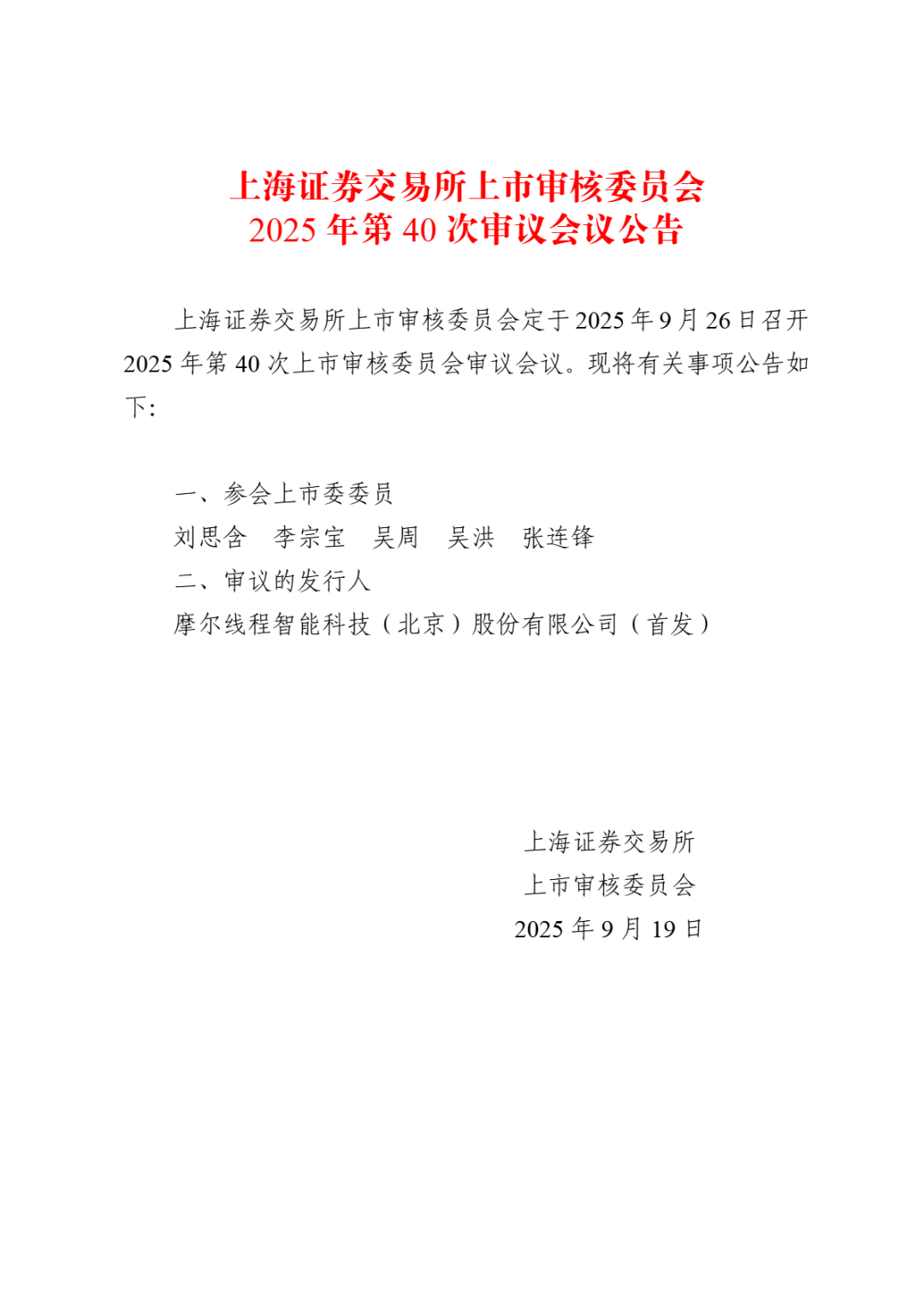
摩尔线程科创板IPO将于9月26日上会,相关核心标的梳理!
Sou Hu Cai Jing· 2025-09-19 12:59
Group 1 - The core viewpoint of the article highlights the significant investment opportunities presented by the upcoming IPOs of three major technology companies: Moer Thread, Muxi Integration, and Unisoc, driven by policy incentives and industry chain collaboration [1][3] - The recent guidelines issued by the Shenzhen Stock Exchange redefine the core thresholds for technology companies to go public, aligning with the characteristics of "high R&D, low asset" typical of sectors like semiconductors, AI, and communications [3][6] - Moer Thread, as a leading domestic GPU chip designer, is positioned to break the overseas monopoly and is expected to raise over 10 billion yuan in its IPO, potentially becoming the largest technology IPO on the STAR Market this year [3][4] Group 2 - Moer Thread's core value lies in its comprehensive GPU computing capabilities and rapid commercialization, which not only promotes its own technology but also creates direct investment opportunities for related stocks through equity appreciation and collaborative orders [4][7] - Muxi Integration focuses on high-performance GPU development, with its associated stocks benefiting from market recognition as "shadow stocks" due to their technological or business ties [4][5] - Unisoc is one of the few companies globally that masters 5G baseband chip technology, with its associated stocks gaining market attention due to the synergy within the "Unisoc system" [5][9] Group 3 - The investment opportunities are bolstered by the policy incentives from the Shenzhen Stock Exchange, which have opened a green channel for technology companies to go public, accelerating the realization of their technological advancements [8] - The technology scarcity in GPU computing and 5G communication chips presents significant potential for domestic alternatives, with the three companies expected to become benchmark stocks in the technology sector post-IPO [8] - Related stocks are expected to benefit from equity appreciation for shareholding companies and order or technical collaboration for cooperative companies, sharing in the growth dividends [8]

创投管理费改革步入深水区 中小GP加速向“轻资产、重绩效”转型
Zheng Quan Shi Bao· 2025-09-17 19:03
Core Viewpoint - The venture capital (VC) industry in China is undergoing significant changes in management fee structures, with a general decline in fee rates and a shift towards performance-based assessments, compelling fund managers to enhance their investment capabilities [1][2][5] Management Fee Trends - Management fees are decreasing, with many funds now charging between 1% and 1.5%, making it difficult to secure the traditional 2% fee [1] - Government and state-owned limited partners (LPs) are implementing stricter payment models, including annual performance evaluations that can lead to fee reductions if targets are not met [2] - New regulations specify that management fees should be based on actual contributions or investments, with some regions capping fees at 2% of actual investments per year [2] Operational Adjustments - The reduction in management fee income is forcing VC firms, especially smaller general partners (GPs), to adopt cost-cutting measures and streamline operations [3] - Many firms are reducing fixed costs by downsizing office spaces and outsourcing non-core functions to lower labor costs [3] - Investment strategies are also being adjusted to save on travel expenses, with remote evaluations becoming more common before on-site due diligence [3] Focus on Investment Capability - GPs are actively seeking to improve their investment skills and resource integration to attract more funding from LPs [4] - There is a growing expectation for GPs to identify potential projects even before the fund is officially established, with some funds completing project evaluations prior to securing capital [4] - The stability of core teams and the ability to maintain a robust project pipeline are critical for GPs to meet performance standards and ensure compliance with LP expectations [4][5] Long-term Industry Implications - The tightening of management fee structures is seen as a long-term shift that encourages GPs to focus on core business activities, such as identifying quality projects and enhancing post-investment management [5] - This transformation presents both challenges and opportunities for smaller GPs, as the emphasis shifts from fundraising capabilities to investment performance [5]
创投管理费改革步入深水区中小GP加速向“轻资产、重绩效”转型
Zheng Quan Shi Bao· 2025-09-17 18:08
Core Viewpoint - The management fee reform in the domestic venture capital (VC) industry is entering a "deep water zone," characterized by a general decline in fee rates and a shift towards performance-based fee structures, compelling fund managers to enhance their investment capabilities [1][2][3]. Group 1: Management Fee Trends - Management fees are generally decreasing, with new funds now charging between 1% and 1.5%, making it difficult to secure the traditional 2% fee, especially for funds backed by government guidance [1][2]. - Government and state-owned limited partners (LPs) are implementing stricter management fee payment models, introducing annual performance evaluations that can lead to fee reductions if targets are not met [2][3]. - Recent policies emphasize that management fees should be based on actual contributions or investments, with some regions capping fees at 2% of actual investments per year [2][3]. Group 2: Operational Adjustments - The reduction in management fee income is forcing VC firms, particularly smaller general partners (GPs), to adopt "cost-cutting" measures, leading to a consensus on "lightweight" operations [3][4]. - GPs are reducing fixed costs by streamlining organizational structures, downsizing office spaces, and outsourcing non-core functions to lower labor costs [3][4]. - Investment strategies are also adapting to a "lightweight" approach, with some firms opting for remote due diligence to save travel expenses and sharing resources among GPs to maintain project sourcing capabilities [3][4]. Group 3: Focus on Investment Capability - GPs are actively exploring ways to enhance their investment capabilities and resource integration, as merely cutting costs is not a sustainable long-term strategy [4][5]. - The industry is witnessing a shift where GPs are required to identify potential projects even before fund establishment, with LPs demanding project readiness at various stages [4][5]. - Stability within the core team and project reserve capabilities are becoming critical for GPs to meet investment and return requirements, ensuring compliance with management fee evaluations [5][6]. Group 4: Long-term Industry Implications - The tightening of management fee mechanisms is seen as a long-term shift that encourages GPs to focus on core business activities, such as identifying quality projects and enhancing post-investment management [5][6]. - This transformation presents both challenges and opportunities for smaller GPs, as the emphasis shifts from fundraising capabilities to investment performance [5][6].
54岁“通信老兵”卖旧手机年入13亿,被雷军投资,即将IPO
3 6 Ke· 2025-09-11 23:55
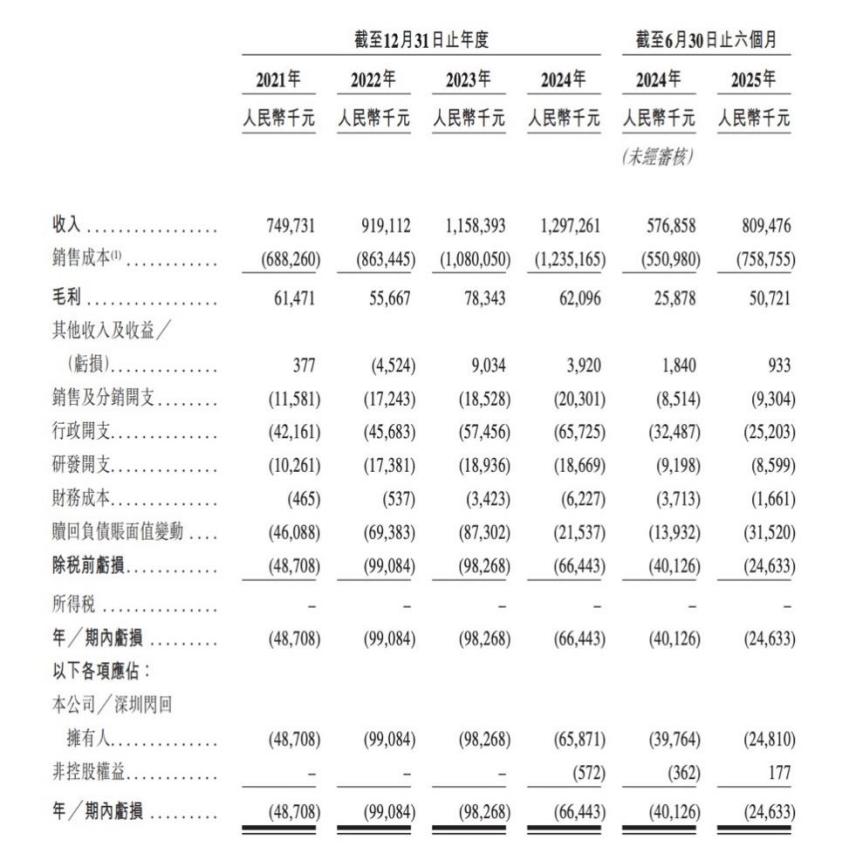
Core Viewpoint - The article discusses the financial performance and business model of Flashback Technology, a company involved in the second-hand mobile phone recycling market, highlighting its rapid revenue growth but ongoing losses and challenges in achieving profitability [2][4][26]. Financial Performance - Flashback Technology's revenue is projected to grow from 750 million RMB in 2021 to 1.297 billion RMB in 2024, with a significant increase of over 40% year-on-year in the first half of 2025, reaching 809 million RMB [2][3]. - Despite revenue growth, the company has reported losses from 48.7 million RMB in 2021 to 66.4 million RMB in 2024, indicating a failure to achieve profitability [2][3]. - The gross margin has declined from 8.2% in 2021 to 4.8% in 2024, with a slight recovery to 6.3% in the first half of 2025 [4]. Business Model - Flashback Technology operates primarily in a B2B model, partnering with over 75,000 offline retail stores of mobile brands and telecom operators for its recycling services [6][7]. - The company utilizes a SaaS system for the assessment, pricing, and recycling of old phones, selling the recycled devices through its online platform "Flashback Youpin" via real-time auctions to small and medium-sized mobile merchants [8][9]. - The average inventory turnover days for Flashback Technology is 6.5 days, significantly lower than the industry average of 10-15 days, indicating operational efficiency [9]. Market Position - In the second-hand mobile phone recycling market, Flashback Technology holds approximately 1.3% market share, ranking third behind competitors with 8.2% and 8.1% market shares [21][24]. - The overall market for second-hand electronic products in China is growing, with a compound annual growth rate of 28.2% from 2020 to 2024, suggesting potential for further expansion [19]. Challenges and Strategic Direction - Flashback Technology faces pressure from a redemption agreement with investors, requiring an IPO by the end of 2025 to avoid a repayment obligation of nearly 800 million RMB [5]. - The company has been pressured to increase recycling prices due to competition from brands launching their own recycling platforms, which has negatively impacted its gross margin [13][16]. - To address profitability challenges, Flashback Technology plans to enhance its online platform, increase marketing efforts, and explore international markets, particularly in Southeast Asia [24][26].