
AI战略

Search documents
滴灌通暂停港交所上市计划 同时启动3.0投资计划
Xin Lang Cai Jing· 2025-12-19 08:57
公司表示,上市路演期间投资者反馈积极,故将优先针对3.0模式启动私募基金程序,并同步铺开AI战 略:部署投资算法引擎、数字获客引擎及新一代资金清分引擎,以提升资产筛选与资金效率。 来源:观点地产网 观点网讯:12月19日,滴灌通发布致股东信,决定暂时搁置原计划的"公募基金"滴灌投资(MIFC)上 市申请程序,全面启动因上市筹备而推迟的3.0投资计划。 免责声明:本文内容与数据由观点根据公开信息整理,不构成投资建议,使用前请核实。 ...
小鹏汽车-W高开近3% 预计明年一季度量产具备L4级能力的第二代VLA
Zhi Tong Cai Jing· 2025-12-19 01:32
Core Viewpoint - Xiaopeng Motors has received an L3 autonomous driving road test license in Guangzhou, marking a significant step in its autonomous driving capabilities and strategy towards becoming a global AI automotive company [1] Group 1: Autonomous Driving Developments - Xiaopeng Motors has initiated regular L3 road testing in Guangzhou, utilizing the license for conditional autonomous driving on high-speed intelligent connected vehicle testing roads [1] - The company is advancing its self-developed Turing chip and cloud-based large model, entering the second generation VLA phase of intelligent driving [1] - Xiaopeng Motors plans to mass-produce its second-generation VLA with L4 capabilities by Q1 2026 and aims to launch an L4-capable Robotaxi model in 2026 [1] Group 2: Strategic Shift and Future Vision - The company has fully transitioned to an AI strategy, positioning itself as a global AI automotive technology enterprise [1] - Xiaopeng Motors is developing a "trinity" embodied intelligence ecosystem that includes AI vehicles, AI robots, and flying cars [1] - The cumulative order volume for its flying car, referred to as the "land aircraft carrier," has reached 7,000 units, with a manufacturing base capable of an annual production capacity of 10,000 units now completed [1]
研报掘金丨国盛证券:维持行动教育“买入”评级,回购彰显信心,关注AI战略推进
Ge Long Hui A P P· 2025-12-18 06:25
Core Viewpoint - The company demonstrates confidence through a share buyback plan aimed at implementing an employee stock ownership plan or equity incentives, reflecting recognition of its future development and value [1] Group 1: Share Buyback and Confidence - The company plans to repurchase shares to enhance its long-term incentive mechanism, indicating strong confidence in future growth [1] - Key stakeholders, including directors, executives, controlling shareholders, and shareholders with over 5% ownership, have no clear plans to reduce their holdings in the next 3 to 6 months [1] Group 2: AI Strategy and Future Growth - The year 2025 is projected to be a breakthrough year for the company's AI strategy, transitioning from effective education 3.0 to effective education 4.0, which integrates AI education [1] - The company aims to enhance collaboration across technology, organization, products, and customers over the next three years [1] Group 3: Financial Performance and Projections - In Q3 2025, the company’s performance is expected to return to positive growth, with the "effective education + AI education" strategy accelerating the expansion of major clients [1] - The company is optimistic about its long-term position as a leader in effective corporate training, with projected net profits for 2025, 2026, and 2027 at 300 million, 330 million, and 370 million yuan respectively, reflecting year-on-year growth of 11.7%, 10.3%, and 10.3% [1]

余承东接任华为终端公司董事长 孟晚舟、徐直军等卸任董事
Zhong Guo Jing Ying Bao· 2025-12-16 07:04
Core Insights - Huawei Terminal Co., Ltd. has undergone significant management changes, with Yu Chengdong officially taking over as chairman, succeeding Guo Ping, indicating a strategic shift towards enhancing decision-making efficiency in the terminal business and focusing on AI strategy implementation [1] Management Changes - The management team adjustments include several key appointments: Wei Chengmin becomes the executive director and vice chairman, He Gang is newly appointed as a director and manager, Ren Yafei takes on the role of supervisor, and Yang Bo is appointed as a director and financial head [1] - Zhao Minglu has stepped down as the legal representative and also vacated the managerial position [1] Company Background - Huawei Terminal Co., Ltd. was established in November 2012 with a registered capital of 606 million RMB, and by 2024, it is expected to have 9,677 insured employees [1] - The core business of the company encompasses the development, production, and sales of communication and electronic products, fully owned by Huawei Terminal (Shenzhen) Co., Ltd. [1]
余承东出任华为终端公司董事长 孟晚舟等人卸任董事
Sou Hu Cai Jing· 2025-12-16 03:44
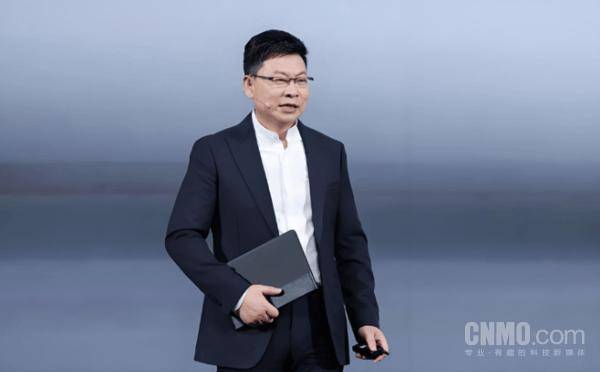
余承东 孟晚舟 【CNMO科技消息】近日,天眼查最新的工商信息显示,华为技术有限公司旗下的核心业务公司——华 为终端有限公司完成了一系列高级管理人员变更。本次变动中,华为常务董事、终端BG董事长余承东 接替郭平,出任华为终端有限公司董事长。同时,孟晚舟、徐直军等人卸任公司董事职务。 公开资料显示,华为终端有限公司成立于2012年11月,注册资本6.06亿人民币,由华为终端(深圳)有 限公司全资持股。该公司是华为面向消费者的产品研发、销售与服务体系中的重要法律实体。 CNMO注意到,余承东的职务近期处于持续调整与聚焦之中。2025年4月,华为官网信息显示,余承东 已卸任智能汽车解决方案BU(车BU)董事长一职,其微博认证也同步变更为"华为常务董事、终端BG 董事长"。此后在10月,华为官网更新管理层信息,余承东在原有职务基础上,增任了"产品投资委员会 主任"。有分析指出,此次调整意味着华为将AI置于未来十年发展的核心地位,余承东的权责扩展标志 着华为AI战略进入资源整合与攻坚落地阶段。如今接任华为终端有限公司董事长,意味着其工作重心 进一步聚焦于终端业务的整体发展。 此次卸任华为终端有限公司董事的孟晚舟,其职务 ...

三万店“野心”背后,百胜中国如何重塑增长逻辑?
Sou Hu Cai Jing· 2025-12-09 03:32
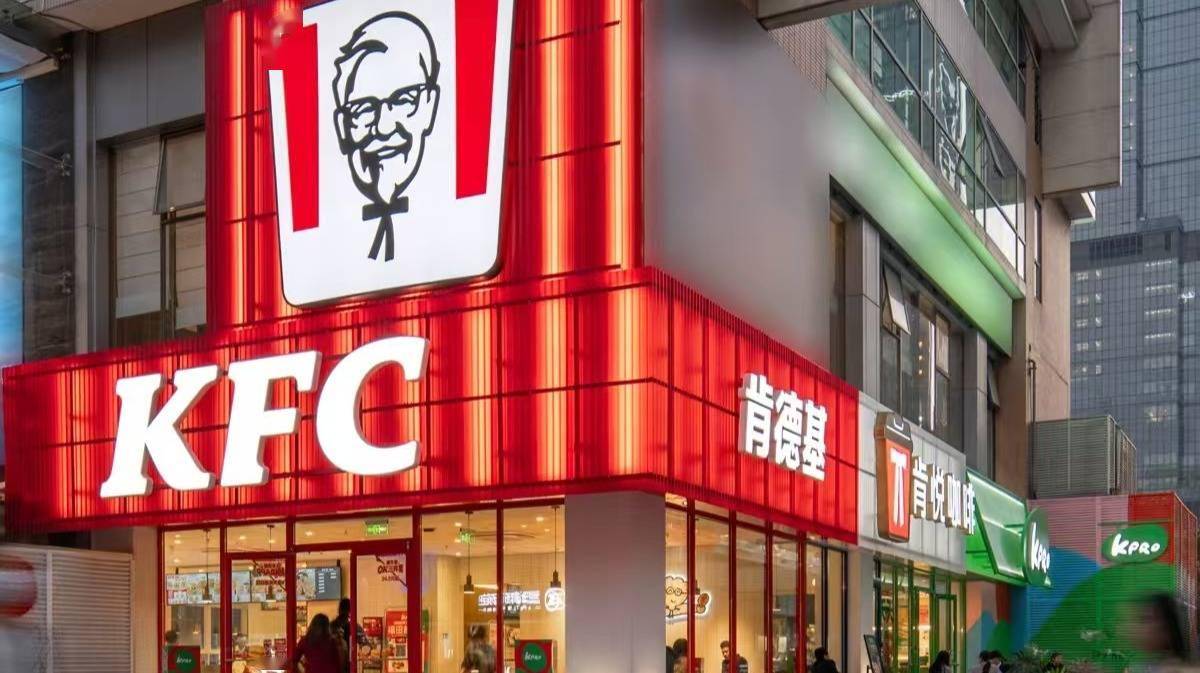
Core Insights - Yum China plans to rapidly expand its store count from 10,000 to 20,000 in less than a decade, aiming for 30,000 by 2030, significantly accelerating its growth trajectory established over the past 33 years [2] - KFC aims to exceed 17,000 stores by 2028 and become the first restaurant brand in China to achieve an operating profit of 10 billion yuan, while Pizza Hut targets over 6,000 stores by 2028 and aims to double its operating profit by 2029 compared to 2024 [2] - The company is also expanding its coffee and light meal brands, with KFC Coffee projected to surpass 5,000 stores by 2029 and KPRO already opening over 100 locations in just one year [2] Expansion Strategy - The "Bamboo Forest Effect" describes Yum China's diverse brand portfolio, supported by a robust supply chain, digitalization, and membership systems developed over nearly 40 years in the Chinese market [3] - The company faces challenges in balancing scale, innovation, and profitability, especially as competitors adjust their strategies in a saturated market [3][4] - Yum China's CEO emphasizes the importance of focusing on internal strengths and adapting to market conditions rather than solely emphasizing localization [4] Digital Transformation - Yum China is integrating AI technology across its operations, from smart ordering to quality control, although challenges remain in unifying different technological platforms [7][8] - The company acknowledges that employee trust in AI will take time to develop, and human decision-making remains crucial in the restaurant management process [8] Financial Performance - Despite rapid expansion, Yum China maintains a strong investment return cycle, with KFC's return period around two years and Pizza Hut's reduced to 2-3 years [9] - The company has consistently added over 1,000 new stores annually, with same-store sales showing positive growth for two consecutive quarters [9] Business Model Innovation - Yum China is focusing on its main brands while incubating new modules and store formats, leveraging KFC's extensive network and infrastructure [11] - The "Shoulder-to-Shoulder" model allows KFC to share space and resources with new brands like KFC Coffee, optimizing costs and enhancing operational efficiency [13] - The company is adopting flexible rental agreements, with 70% of new store leases based on revenue sharing rather than fixed rents, allowing for better adaptability to market conditions [15] Organizational Adaptability - Yum China is learning to balance the advantages of a large corporation with the agility of smaller businesses, aiming to create a resilient and efficient growth model [16] - The company recognizes the importance of maintaining human elements in decision-making processes, even as it embraces technological advancements [16]
三万店“野心”背后,百胜中国如何重塑增长逻辑?
虎嗅APP· 2025-12-08 13:48
Core Viewpoint - Yum China is aggressively expanding its store network, aiming to reach 30,000 stores by 2030, significantly accelerating its growth compared to the past 33 years when it opened 10,000 stores [4][5]. Expansion Plans - KFC plans to exceed 17,000 stores by 2028 and aims to become the first restaurant brand in China to achieve an operating profit of 10 billion [4]. - Pizza Hut targets over 6,000 stores by 2028 and aims to double its operating profit by 2029 compared to 2024 [4]. - New brands like K Coffee and KPRO are also expanding rapidly, with K Coffee expected to surpass 5,000 stores by 2029 [4][5]. "Bamboo Forest Effect" - The "Bamboo Forest Effect" refers to the diverse growth of various brands under Yum China, supported by a robust supply chain, digitalization, and membership systems developed over nearly 40 years in the Chinese market [5][6]. Challenges and Strategies - The company faces challenges from local brands and market saturation, with management emphasizing the importance of maintaining scale while being agile [6][9]. - Yum China's CEO highlighted the need to "do well" and adapt to market demands without overly focusing on localization [6]. Digital Transformation and AI - Yum China is integrating AI across its operations, from smart ordering to quality control, although challenges remain in unifying different technological platforms [11][12]. - The company acknowledges that while AI can enhance operations, human factors and trust in AI are crucial for successful implementation [12]. Financial Performance - Despite rapid expansion, Yum China has maintained a net new store growth of over 1,000 stores annually, with KFC's investment return period remaining around 2 years and Pizza Hut's reduced to 2-3 years [13][14]. - The company’s growth forecasts do not rely on macroeconomic improvements, indicating resilience in its business model [13]. New Business Models - Yum China is focusing on its main brands while incubating new modules and store types, leveraging KFC's infrastructure for new concepts like K Coffee and KPRO [14][16]. - The company is adopting flexible rental agreements for new stores, with 70% of new leases based on revenue sharing rather than fixed rents [18]. Conclusion - Yum China is navigating a transformative phase, balancing scale with agility, and leveraging technology while maintaining a human-centric approach to management and decision-making [20].


破局者周跃峰,解锁“不可能”的华为云新局
半导体行业观察· 2025-11-30 04:53
Core Insights - Huawei has made significant adjustments to its cloud business management team, appointing Zhang Ping'an as chairman and Zhou Yuefeng as CEO of Huawei Cloud [1][3] - The company has high expectations for its cloud business and is reallocating resources to overcome challenges and seize opportunities in the AI era [3] Group 1: Leadership Changes - Zhou Yuefeng is the focal point of this personnel adjustment, known for his ability to turn "impossible" situations into successes [3] - His past achievements include revitalizing the small cell industry and transforming the data storage business into a continuously growing sector recognized by Gartner [3] Group 2: Strategic Focus - Huawei has established the Pacific Command to leverage the advantages of storage and computing, aiming for strategic breakthroughs [3] - The company is concentrating on core technology research and development to enhance its cloud business and tackle industry challenges [3]
百度启动近几年来最大规模裁员
Sou Hu Cai Jing· 2025-11-26 15:15
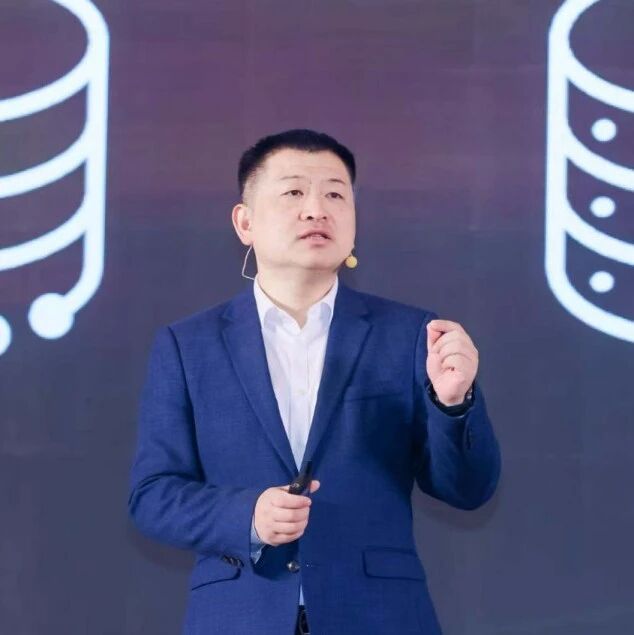
Core Insights - Baidu is undergoing a new round of layoffs, focusing on employees with less than one year of service, older employees, and those with low performance ratings or no promotions in the last two years [1][3] - The compensation package for laid-off employees is reportedly higher than the industry average, with new employees receiving N+1.5 and older employees receiving N+3 to N+3.5, including year-end bonuses [1][3] - The scale of layoffs is unprecedented since 2018, with a total reduction of nearly 10,000 employees over four years, including significant cuts in R&D personnel [3][4] Layoff Details - The layoffs are part of a broader trend of workforce reduction at Baidu, which has been ongoing since 2021, with 4,200 employees cut in 2022, 1,500 in 2023, and an estimated 3,900 in 2024 [3][4] - The Mobile Ecosystem Group (MEG) is particularly affected, with some departments seeing a reduction of 20%-30% [3][4] - The layoffs follow Baidu's Q3 financial report, which showed a net loss of 11.2 billion yuan, driven by a decline in traditional advertising revenue [5] Business Impact - Baidu's traditional advertising business has seen a continuous decline, with revenues dropping to 15.3 billion yuan, a year-on-year decrease of 18% [5] - Despite AI-related business contributing nearly 10 billion yuan, it is insufficient to offset the losses from the advertising sector [5] - The company is shifting its strategy towards AI, establishing new research departments to enhance its competitive edge in the AI landscape [5]

富贵鸟品牌当前运营方称公司运营正常;知乎今年三季度营收约6.6亿元丨消费早参
Mei Ri Jing Ji Xin Wen· 2025-11-25 23:40
Group 1 - The current operator of the "Fugui Niao" brand, Fujian Niao (Xiamen) Technology Group Co., Ltd., confirmed that the brand is operating normally and addressed rumors of its cancellation [1] - The brand and related intellectual property were legally acquired through a judicial auction in 2019, ensuring the brand's continuity under a new operating entity [1] - The revival of an old brand requires maintaining quality and transparent operations to rebuild trust and reputation [1] Group 2 - Youyou Food announced plans to use 70 million yuan of its own funds for cash management, investing in broker certificates [2] - This investment is part of a broader strategy to utilize up to 1.2 billion yuan for cash management over a 12-month period following shareholder approval [2] - The investment in broker certificates is a common practice for listed companies to enhance the efficiency of idle funds while ensuring alignment with core business development [2] Group 3 - Two Mian Zhen plans to invest 68.85 million yuan to expand its oral care product production base in Jiangsu Province [3] - The project aims to increase production capacity and optimize production layout, including the addition of a hotel slipper production line [3] - The expansion is intended to meet the growing demand in the market while also diversifying product applications [3] Group 4 - Zhihu reported third-quarter revenue of 659 million yuan, with a non-GAAP operating loss narrowing by 16.3% year-on-year [4] - The paid reading business contributed 386 million yuan, accounting for 58.5% of total revenue, while marketing services generated 189 million yuan [4] - The average monthly subscription membership reached 14.3 million, reflecting an 8.1% quarter-on-quarter growth, indicating a solid foundation for future growth [4]


