气候变化

Search documents
穿越不确定性迷雾 国际货币政策协调机制如何更进一步
Jin Rong Shi Bao· 2025-08-08 07:59
Core Viewpoint - The article discusses the urgent need for global monetary policy coordination in the context of rising inflation, high debt, and increasing international trade frictions, which are reshaping global supply chains and economic growth dynamics [1][2]. Group 1: Challenges in Global Monetary Policy - Significant differences in macroeconomic conditions among countries lead to a "self-serving" approach to monetary policy, complicating unified macroeconomic management [2]. - The spillover effects of major economies' monetary policies are increasingly impacting global economic patterns, with potential for rapid transmission during financial crises [2][3]. - The uncertainty surrounding U.S. tariff policies exacerbates existing tensions and complicates global economic stability, affecting confidence in the U.S. dollar and U.S. Treasury securities [3]. Group 2: The Role of International Organizations - There is a pressing need for international organizations to enhance their coordination roles in global monetary policy, particularly in light of geopolitical tensions and environmental challenges [5][6]. - The G20, IMF, and BIS are identified as key platforms for fostering macroeconomic dialogue and policy coordination, although there are limitations in their current frameworks [7][8]. - Suggestions include establishing a dedicated monetary policy department within the G20 to better address systemic risks and improve the effectiveness of global policy coordination [8]. Group 3: Future Directions - The article emphasizes the importance of incorporating various factors, such as geopolitical conflicts and climate change, into central bank policy considerations to address emerging challenges [6]. - It advocates for a shift in monetary policy frameworks in developing countries to better manage risks associated with climate change and other uncertainties [6]. - Strengthening communication and collaboration among nations is seen as essential for stabilizing the global economy despite existing challenges [7].


日本水稻面临极端高温,米价要再创新高了?
Hua Er Jie Jian Wen· 2025-08-08 07:37
Core Viewpoint - Japan is facing a significant rice supply shortage and price surge due to a record heatwave and minimal rainfall, impacting the country's main staple crop [1][2] Group 1: Weather Impact on Rice Production - Major rice-producing regions in Japan experienced the lowest rainfall in nearly 80 years in July, followed by extreme heat in August, with temperatures exceeding 40 degrees Celsius [1] - The extreme weather conditions are occurring just before the rice harvest season, creating uncertainty around production levels [1] - The summer heat has already led to a 50% increase in rice prices compared to the previous year, with official data showing rice prices in June and May rising by 100.2% and 101.7% year-on-year, respectively [2] Group 2: Government Response and Agricultural Outlook - In response to the potential for another poor harvest, the Japanese government is encouraging farmers to expand planting beyond traditional yield limits and has formed a special task force to assist with irrigation [3] - Experts have differing views on the final rice yield; some predict a decline due to extreme weather, while others believe that increased planting area may mitigate some of the adverse effects [3] - The Japanese Ministry of Agriculture has stated that the exact production figures will only be known after the autumn harvest, with risks potentially spreading to other regions depending on future weather conditions [3] Group 3: Unique Market Conditions - Japan's rice crisis contrasts sharply with global markets, where favorable weather in major rice-producing countries has led to a decline in rice prices, easing food inflation for billions [4] - Japan maintains strict import controls on rice, allowing only 770,000 tons of duty-free rice annually, with tariffs on excess imports reaching 341 yen per kilogram (approximately $2.30), limiting the ability to stabilize domestic prices through imports [4] - Climate change poses a long-term challenge, with extreme heat events becoming more frequent, prompting Japan to explore adaptive measures such as rice cultivation in previously unsuitable regions like Hokkaido [4][5]
产品、投资、服务齐发力:上半年绿色保险发展提速
Jin Rong Shi Bao· 2025-08-08 07:04
Core Viewpoint - Green finance is becoming a key driver for high-quality economic and social development in response to climate change and low-carbon transition, with the insurance industry playing a significant role in promoting the achievement of "dual carbon" goals [1] Policy Support - A series of policy measures have been introduced to guide the insurance industry in developing green finance, including the implementation plan for high-quality development of green finance in the banking and insurance sectors issued in January [2] - In May, the Central Committee and the State Council released opinions on improving the market-oriented allocation system for resource and environmental factors, emphasizing the development of green insurance products and services [2] Local Initiatives - Various local departments have launched green finance work plans tailored to regional characteristics, such as the action plans released by the People's Bank of China in Guangdong to support green low-carbon development [3] Product Innovation - Insurance institutions have increased innovation in green insurance products, expanding coverage and enhancing functionality in response to policy encouragement and market demand [4] - Notable examples include specialized insurance products for renewable energy projects, such as the first property insurance for the energy storage industry in Yunnan [4] Carbon Reduction Insurance - The first carbon loss insurance for distributed photovoltaic projects was launched in Hubei, allowing local communities to monetize carbon reduction achievements while providing compensation for losses due to natural disasters [5] Climate Change Response - The insurance industry is increasingly prioritizing climate change in strategic management, with many companies integrating climate policies into their operational practices [6][7] - The demand for weather index insurance is growing across various sectors, with over a hundred products already available nationwide [7] Financial Support for Green Industries - Insurance funds are highly compatible with the funding needs of green industries, with major insurance institutions increasing support for low-carbon and energy transition sectors [8] - As of March 2025, the scale of green investments by China Life Asset Management exceeded 450 billion yuan [8] Future Development Suggestions - Industry experts recommend enhancing investment in risk assessment technologies, promoting green insurance awareness, and strengthening talent development within insurance institutions [9]
法国“76年来最严重山火”仍在燃烧 上千人紧急撤离
Xin Hua She· 2025-08-07 14:39
Group 1 - The wildfires in France's Aude department are the largest in 76 years, with over 16,000 hectares burned, resulting in 1 death and 13 injuries, including 11 firefighters [1] - More than 2,100 firefighters and several aircraft are involved in firefighting efforts, with the fire still not under control despite a slight decrease in temperature and wind speed [1] - Approximately 3,000 homes remain at risk from the wildfires, and over 1,000 residents have been evacuated [1] Group 2 - The recent wildfires in Aude are linked to low rainfall and a decrease in vineyards, which traditionally help to slow the spread of fires [2] - A new wave of high temperatures is expected to hit southern France, increasing the risk of wildfires [2] - Since the beginning of summer, around 9,000 wildfires have been reported in France, primarily along the Mediterranean coast [2]
受气候影响 大堡礁硬珊瑚覆盖率大幅下降
Yang Shi Xin Wen Ke Hu Duan· 2025-08-07 07:29
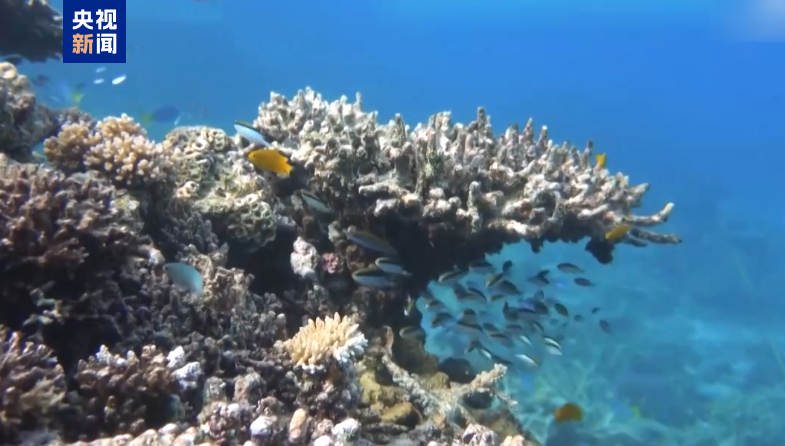
Core Viewpoint - The Australian Institute of Marine Science reported a significant decline in hard coral cover on the Great Barrier Reef due to climate change and other factors, with an average decrease of approximately 14% to 30% in 2025 compared to 2024, and some reefs experiencing declines of over 70% [2] Summary by Relevant Categories Climate Impact - The primary cause of the decline in hard coral cover is attributed to the heatwave during the summer of the Southern Hemisphere in 2024 [2] Coral Reef Overview - The Great Barrier Reef, located off the northeast coast of Australia, spans over 2,000 kilometers and is the largest coral reef system in the world, recognized as one of the most complex natural ecosystems on Earth [2]
从陕西到河南,农民忙着抗旱
Hu Xiu· 2025-08-07 01:31
Core Viewpoint - The article discusses the severe impact of climate change on agriculture in China, highlighting the increasing frequency of extreme weather events such as droughts and floods, which are forcing farmers to adapt their practices and face rising costs [7][45][46]. Group 1: Current Agricultural Challenges - Farmers in regions like Henan and Shaanxi are experiencing prolonged droughts, leading to increased irrigation costs and reduced crop yields [4][5][24]. - The article notes that the average number of high-temperature days in Zhoukou, Henan, has increased to 23 days in 2023, compared to the historical average of 19 days [39]. - Farmers are facing significant financial pressure, with irrigation costs for crops like corn and kiwi fruit rising sharply due to the need for more frequent watering [20][29]. Group 2: Adaptation Strategies - Some farmers are adjusting their planting strategies by investing in drought-resistant seeds and irrigation infrastructure, despite the increased costs [6][33]. - The article mentions that farmers are increasingly using modern irrigation techniques, such as drip irrigation, to improve efficiency and reduce water usage [33][49]. - There is a growing trend among farmers to abandon traditional crops in favor of more resilient varieties that can withstand extreme weather conditions [40][47]. Group 3: Long-term Implications - Experts predict that climate change will continue to alter agricultural practices in China, with suitable planting areas for crops like wheat moving northward [8][47]. - The Chinese government is initiating new agricultural climate zoning efforts to adapt to changing weather patterns and improve crop resilience [10][48]. - The construction of high-standard farmland is seen as a crucial measure to mitigate the impacts of climate change on agriculture [49][50].
大堡礁珊瑚减少幅度之大创监测39年来纪录
Xin Hua Wang· 2025-08-07 00:43
Core Insights - The latest annual monitoring report from the Australian Institute of Marine Science indicates that coral cover in two of the three regions of the Great Barrier Reef has decreased to the highest level recorded in 39 years of monitoring, raising concerns about the impact of global warming on coral recovery [1][3] Group 1: Coral Coverage and Monitoring - The monitoring results from August 2024 to May 2025 show that coral cover in the northern, southern, and central regions of the Great Barrier Reef has decreased by approximately 25%, nearly 33%, and about 14% respectively compared to the previous monitoring period, with the northern and southern regions experiencing the highest loss since monitoring began [3][5] - The report highlights that the main reasons for the significant coral loss are climate change-induced high temperatures leading to widespread coral bleaching, as well as an increase in cyclones and the population of crown-of-thorns starfish [3][5] Group 2: Historical Context and Trends - Prior to the 1990s, widespread coral bleaching was rare, but it has become more frequent with global warming, first occurring in the Great Barrier Reef in 1998, followed by subsequent events in 2002, 2016, 2017, and again in 2020, 2022, 2024, and 2025 [3][5] - The intervals between bleaching events are shortening, and the time for coral recovery is decreasing, indicating that the ecosystem is under significant stress [5] Group 3: Recommendations and Future Outlook - Researchers emphasize that the fundamental solution to protect the Great Barrier Reef's coral lies in reducing greenhouse gas emissions [5] - The Great Barrier Reef, which spans over 2,000 kilometers, is the largest coral reef system in the world and one of the most complex natural ecosystems on Earth [5]

从陕西到河南,农民忙着抗旱
经济观察报· 2025-08-06 13:47
Core Viewpoint - Climate change is fundamentally altering agricultural practices in China, necessitating adjustments in crop selection and planting schedules to adapt to new weather patterns [1][3][30]. Group 1: Impact of Climate Change on Agriculture - The suitable regions for wheat cultivation are gradually shifting northward, requiring changes in sowing times for winter wheat and the introduction of flood-resistant rice varieties in northeastern China [1][3][30]. - Farmers are facing increased costs due to prolonged droughts and extreme weather, leading to higher irrigation expenses and reduced crop yields [2][3][20]. - The frequency of extreme weather events has increased, with a notable rise in high-temperature days and drought conditions affecting crop production across various regions [26][30]. Group 2: Adaptation Strategies - Farmers are beginning to adopt new planting strategies, such as using drought-resistant seeds and investing in irrigation infrastructure to cope with changing climate conditions [3][22][31]. - The Chinese government is initiating a nationwide agricultural climate zoning project to redefine crop planting areas based on current climate conditions [4][30]. - High-standard farmland construction is being promoted as a key method to mitigate the impacts of climate change, enhancing irrigation efficiency and reducing the risk of crop failure [32][31]. Group 3: Economic Implications for Farmers - The financial burden on farmers is increasing due to higher irrigation costs and reduced crop yields, leading some to reconsider their agricultural practices or exit farming altogether [2][27][28]. - In regions like Henan and Shaanxi, farmers report significant drops in income due to adverse weather conditions, with some expecting a 30% decrease in yields compared to previous years [12][20][27]. - The rising costs of labor and inputs for crop production are pushing farmers to shift from high-maintenance crops to more resilient options like wheat and corn [27][28].
气候变了,中国农民重新学习种地
Jing Ji Guan Cha Wang· 2025-08-06 12:39
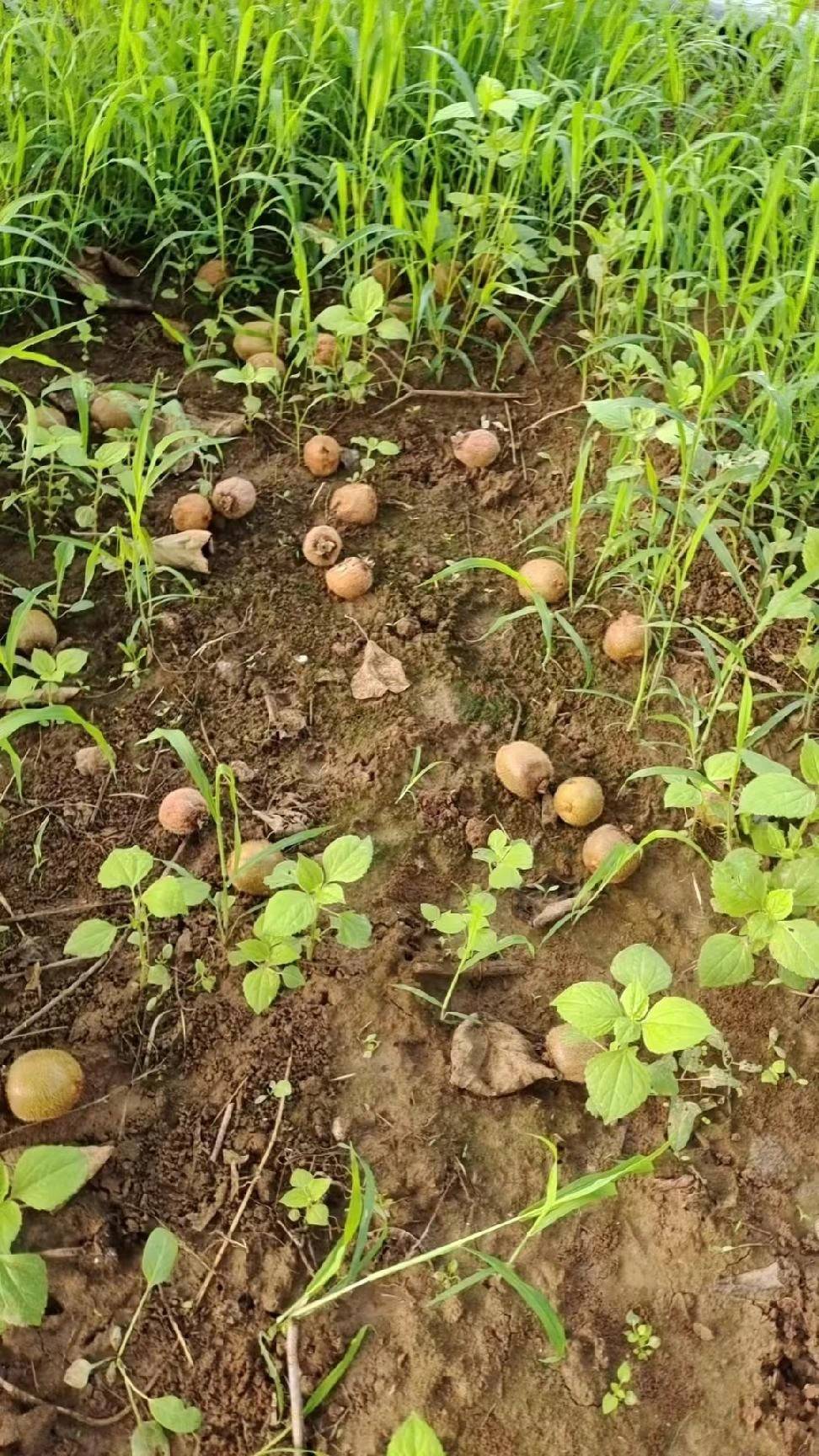
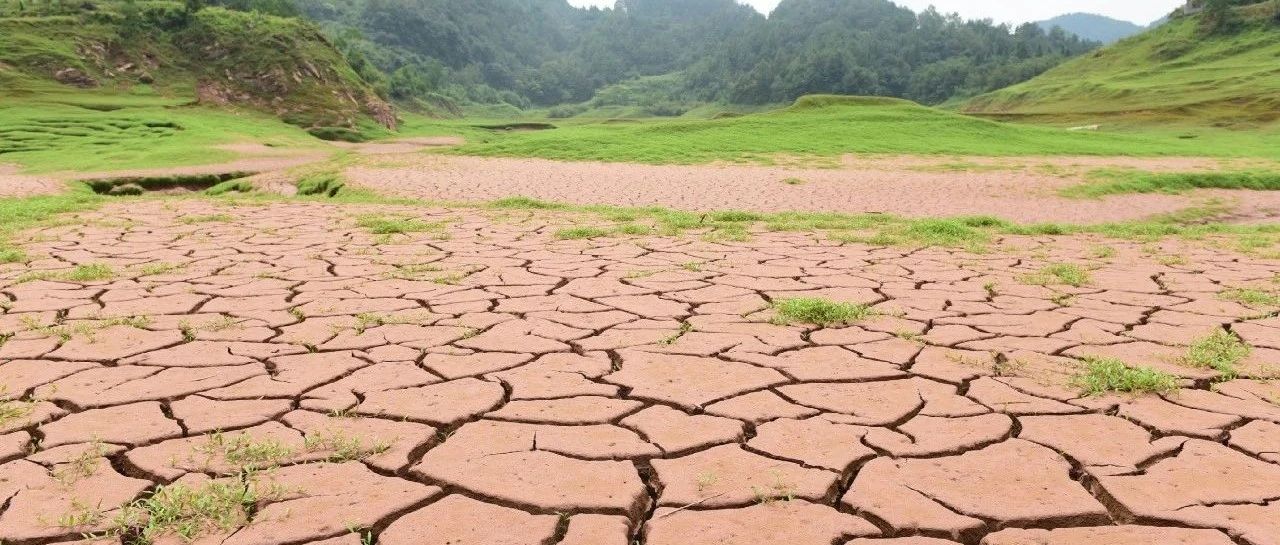
2025年7月29日,河南省驻马店市汝南县气温达到37℃(摄氏度),当地农民张全整夜没合眼。 这一夜,张全只重复一件事情——给自家二三十亩的庄稼地浇水。每块地大概两三亩,浇完一块地就得 挪动水管再浇下一块。第二天早上八点,他趁浇水的间隙赶紧回家匆匆扒了几口饭,又立刻返回田里继 续忙碌。 根据河南气象局监测数据,河南大部地区高温闷热天气持续至8月5日,而在此前的35天里,仅出现三天 下小雨的天气。驻马店是本次河南干旱最严重的地区之一,很多支流河道只剩下薄薄一层水,部分河床 已裸露在外,水井也近乎干枯。渴了数月的玉米无法依靠自己的根系获得水分,正逐渐萎靡。 张全算了一笔账:一天一夜连续浇水,仅油费就需要花100多元,加上化肥、种子等前期投入,这二三 十亩地一季的浇水成本预计有七八千元。对靠田吃饭的他来说,压力又重了几分。可如果不浇水,玉米 棒子就结得小且缺粒严重,这样的玉米很难卖出去。 这不是张全一个人的烦恼。今年夏季,河南、陕西、甘肃以及苏皖北部、山东等地经历了长时间的高温 少雨天气,旱情严峻。与此同时,北京、河北、内蒙古等地却降水偏多,甚至引发洪涝。 异常的天气让农民面临一系列的挑战:河南周口、驻马店持续干旱 ...
气象学者魏科:我们已经身处危机时代,而不是在讨论一个遥远的未来
Jing Ji Guan Cha Wang· 2025-08-06 12:12
Group 1: Climate Change and Extreme Weather - Extreme weather events have become a norm, with global warming leading to more severe droughts and floods in specific regions [3][6][7] - The frequency of extreme weather events has significantly increased, with a notable rise in climate-related disasters over the past two decades [4][5] - China is particularly vulnerable to climate change due to its vast territory and complex geography, experiencing a higher rate of warming and natural disasters compared to the global average [5][6] Group 2: Agricultural Impact - Extreme weather is adversely affecting major grain-producing areas in China, with high temperatures and heavy rainfall impacting crop growth and increasing irrigation costs [3][13] - The growth of winter wheat is particularly sensitive to low-temperature periods, and insufficient cold weather can severely affect yields [13] - High temperatures can lead to increased water requirements for crops, further raising costs for farmers [13][15] Group 3: Preparedness and Response - Current preparations for climate change impacts are inadequate, with a significant gap between global carbon emissions and climate goals [9][10] - There is a need for a substantial increase in efforts to transition to renewable energy and improve agricultural infrastructure to adapt to extreme weather [10][16] - Agricultural companies must optimize crop varieties to withstand changing climate conditions, such as developing heat-resistant strains [15] Group 4: Economic Implications - Extreme weather events are likely to cause fluctuations in agricultural product prices, with "weather-related price hikes" becoming more common [17] - The impact of extreme weather on agriculture may necessitate new financial tools for insurance, including adjustments to disaster insurance designs [19] - Other industries, such as renewable energy and urban planning, will also need to adapt to the challenges posed by extreme weather [19][20]