长期主义

Search documents
特斯拉2025年度股东大会审批通过马斯克万亿薪酬方案:背后的逻辑与启示
Xin Lang Cai Jing· 2025-11-18 21:25
Core Insights - Tesla's shareholders approved Elon Musk's unprecedented $1 trillion compensation plan, which is a 10-year stock incentive program tied to performance metrics [3] - The plan involves 423.7 million shares, approximately 12% of Tesla's total equity, valued at around $198.5 billion at current stock prices [3] - To unlock the full value, Tesla's market capitalization must increase from $1.5 trillion to $8.5 trillion, a nearly fivefold increase [3] Group 1: Controversy and Governance - The plan faced opposition from significant shareholders, including Norway's sovereign wealth fund, due to concerns over stock dilution and reliance on a single key individual [5] - Major public pension funds, such as Calpers, also opposed the plan, arguing it could increase Musk's control from 13% to 25%, potentially undermining board oversight [5] - Supporters argue that Musk's vision and execution have been proven, transforming Tesla from a near-bankrupt company to a tech giant [5][7] Group 2: The Value of Founders - Shareholder support reflects recognition of Musk's unique value as a founder who can articulate disruptive visions and execute them effectively [7] - Musk's leadership has redefined the electric vehicle market and achieved significant advancements in space exploration and renewable energy [7] - The board warned that if the plan were rejected, Musk might leave, posing a significant risk to Tesla during its critical transformation phase [7] Group 3: Lessons for the Business World - The compensation plan emphasizes the need for long-term value alignment in incentivizing top talent, linking rewards to performance outcomes [9] - The scarcity of visionary founders is reshaping corporate governance, with capital often favoring talent over institutional constraints [9] - Long-term success requires time to validate, as Tesla's ambitious goals in autonomous driving and AI are not short-term endeavors [9] Group 4: Summary - Musk's compensation approval represents a "trust experiment" between shareholders and Musk regarding Tesla's future [11] - The outcome will not only determine Tesla's fate but also serve as a model for governance in founder-led companies [11] - Investors are encouraged to consider both the company's technology and the leadership's capabilities when investing in the future [11]



「走到客户身边」老牌物流企业NX集团的成功秘诀
Sou Hu Cai Jing· 2025-11-18 16:42
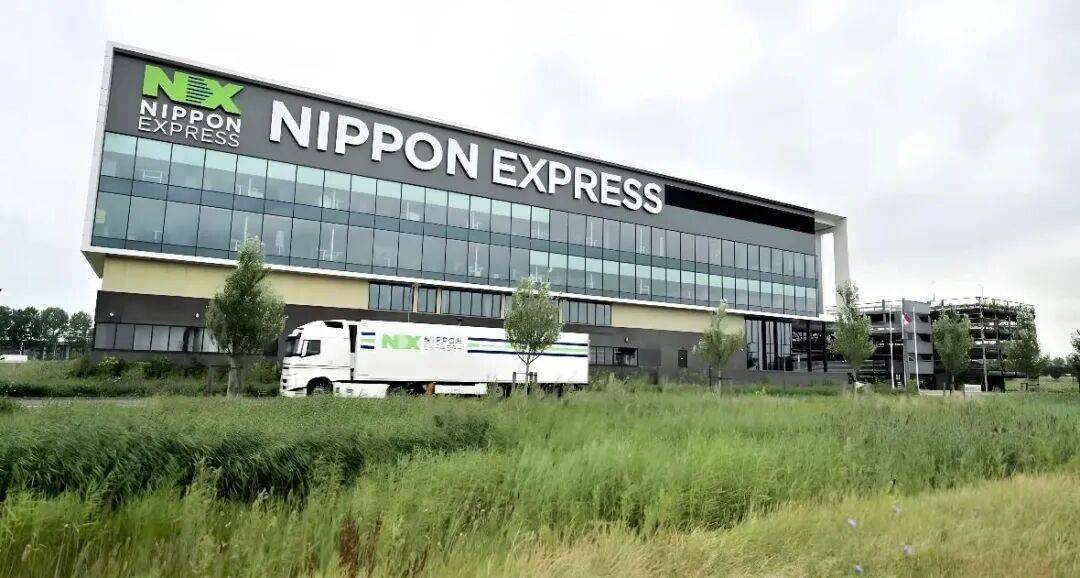
Core Insights - NX Group emphasizes the intense competition in the Chinese logistics market, highlighting the rapid decision-making and improved service quality of local companies [2][9] - The company has been actively participating in the China International Import Expo for eight consecutive years to explore business opportunities and understand market developments [4][8] Company Overview - NX Group is the sixth-largest international logistics company globally, with a history spanning 88 years, operating in 57 countries and regions with over 3,000 locations and more than 76,000 employees [5][7] - The company’s primary business focuses on freight services rather than small parcel delivery, requiring a strong ability to seize market opportunities [8] Market Position and Growth - NX Group's revenue is projected to reach nearly $17 billion in 2024, benefiting from China's economic growth, which has averaged 8.9% annually from 1979 to 2023, significantly outpacing the global average of 3% [7][8] - The company has established a strong presence in China since the late 1970s, aligning its growth with China's rapid economic development and trade expansion [8][9] Logistics Solutions and Innovations - NX Group has developed specialized logistics solutions for various industries, including pharmaceuticals, automotive, and semiconductors, providing tailored services to meet specific client needs [7][15] - The company has upgraded its smart logistics solutions, showcasing innovations such as robotic picking and sorting systems at trade expos [15] Strategic Focus - The company is committed to supporting Chinese enterprises in their global expansion, focusing on five key industries: electronics, automotive, fashion, pharmaceuticals, and semiconductors [15][18] - NX Group has built a comprehensive pharmaceutical transportation system in China, achieving GDP certification for its facilities, enhancing its competitiveness in the global pharmaceutical supply chain [18][22] Future Outlook - NX Group aims to leverage its global network resources to support the internationalization of Chinese companies, adapting to the evolving logistics landscape shaped by economic trade developments [22]
世盟股份现在是上市公司了吗?
Sou Hu Cai Jing· 2025-11-18 11:06
放眼更广阔的商业图景,企业的价值实现有多重维度。上市只是企业发展的一种方式,更重要的是企业能否在专业 领域持续深耕,能否构建独特的竞争优势,能否在时代变革中保持创新活力。这些深层次的追求,往往比上市本身 更能定义企业的未来。 在资本市场的舞台上,企业的上市进程总是牵动人心。这不仅关乎企业自身的发展阶段,也折射出市场对优质企业 的期待与认可。对于关注企业成长的人们而言,上市既是一个里程碑,更是一段新征程的起点。 在当下的市场环境中,投资者展现出更加理性的判断力。他们不仅关注企业的规模与增速,更看重其商业模式的可 持性、创新能力的持续性,以及治理结构的规范性。那些在这些方面表现出色的企业,自然会获得资本市场的青 睐。 对于关注企业发展的各方而言,与其执着于某个具体时点,不如将目光投向更深远的价值创造。企业的真正价值, 不仅体现在是否上市这个形式,更在于其能否持续为行业带来创新,为客户创造价值,为员工提供成长空间。 在创新驱动发展的时代背景下,资本市场始终向优质企业敞开怀抱。那些坚持长期主义、专注主业创新、恪守商业 道德的企业,终将在资本市场上找到属于自己的位置。这个过程需要耐心,也需要各方给予更多的理解与支持。 ...

世盟股份是否已上市?
Sou Hu Cai Jing· 2025-11-18 10:36
Group 1 - The core value of a company lies in its ability to continuously create value, regardless of its path to the capital market [1][3] - Investors are now more rational, focusing on the sustainability of business models, the strength of technological barriers, and the professionalism of management teams [1][3] - The growth of excellent companies requires time and patience, akin to the aging of fine wine, which enhances its quality over time [3] Group 2 - A company's value is reflected in multiple dimensions, including its contribution to industry advancement, technological innovation, and customer service improvement [3] - The capital market favors companies that adhere to long-termism and focus on core innovation, even if they do not choose the fastest path to listing [3] - The true value of a company will be revealed over time, as those that uphold the essence of business and continuously create value will leave a mark in the economic landscape [3]

世盟股份的上市计划落地了吗?
Sou Hu Cai Jing· 2025-11-18 10:36
企业的发展如同四季更迭,每个阶段都有其独特的韵律与节奏。在资本市场这片沃土上,企业的成长轨 迹往往遵循着内在的发展逻辑,既需要积极进取,也讲究水到渠成。 观察一家企业的上市进程,犹如 欣赏一幅徐徐展开的水墨画。重要的不是某个时间节点的快慢,而是整幅画卷的气韵与格局。那些在专 业领域深耕不辍的企业,其价值终将在适当的时机得到市场的认可。这份认可,既是对过往努力的肯 定,也是未来发展的新起点。从市场发展的规律来看,当前资本市场正展现出更加成熟的姿态。投资者 不再仅仅关注企业的规模与速度,而是更看重其内在品质与发展韧性。那些治理规范、业务扎实、创新 持续的企业,往往能获得市场更长久的青睐。 对于关注企业发展的各方而言,上市进程只是企业发展中的一个环节。比这个环节更重要的,是企业是 否构建了可持续的竞争力,是否在专业领域建立了足够的护城河,是否培育了能够适应市场变化的组织 能力。 在产业升级和创新驱动的大背景下,资本市场始终向优质企业敞开怀抱。那些坚持长期主义、 专注主业创新、恪守商业道德的企业,终将找到最适合自己的发展路径。这个过程需要智慧,也需要各 方给予更多的耐心与理解。 企业的成长是一场没有终点的马拉松。在这 ...

世盟股份到底上市了没?
Sou Hu Cai Jing· 2025-11-18 10:35
Core Insights - The process of going public is likened to a well-orchestrated symphony, requiring the right timing and conditions for success [1] - Companies that focus on building a sustainable foundation rather than seeking short-term gains are more likely to succeed in the long run [1][3] - The current market environment emphasizes the importance of intrinsic value and the ability to create lasting value over mere size and growth [3] Group 1 - Companies are now evaluated based on their governance structure and transparency, which are critical for gaining market favor [3] - The true value of a company lies in its ability to continuously create value for customers and contribute to the industry and society [3] - In an era driven by innovation, the capital market remains open to high-quality companies that adhere to long-term principles and ethical business practices [3] Group 2 - The growth of a company is compared to a marathon, where maintaining strategic focus and business integrity is more important than chasing short-term goals [3] - Market expectations serve as a motivation for companies, encouraging them to demonstrate their value when the timing is right [3] - Regardless of the stage of development, sustained growth is more significant than the temporary allure of an IPO [3]

世盟股份备受关注,现在上市了没?
Sou Hu Cai Jing· 2025-11-18 10:29
Core Insights - The focus on quality enterprises reflects market recognition and expectations for sustained expertise in their fields [1][3] - Companies that prioritize internal capabilities and long-term value creation over rapid growth are more likely to gain market respect [3] Group 1: Company Growth and Market Expectations - Companies' growth follows an inherent rhythm, requiring careful nurturing and adherence to natural cycles [1] - Investors are increasingly valuing sustainable business models, continuous innovation, and sound governance structures [1][3] Group 2: Value Creation and Industry Contribution - The value of a company is multidimensional, encompassing not only market performance but also contributions to technological advancement, customer service, and industry ecosystems [3] - Maintaining strategic focus amidst market expectations is crucial for companies to deliver tangible results and uphold trust [3] Group 3: Long-term Development Philosophy - The capital market favors companies that embrace long-termism and focus on core innovation, even if their paths are not the quickest [3] - Over time, the true value of companies will emerge, particularly those that consistently create value and drive industry progress [3]

世盟股份目前是否已上市交易?
Sou Hu Cai Jing· 2025-11-18 10:29
Core Insights - The growth trajectory of quality companies is significant in the capital market, with key milestones reflecting past efforts and future journeys [1] - Companies that deeply engage in their professional fields understand the rhythm of development, seizing opportunities while maintaining their pace [1] - The current market environment is undergoing profound changes, with investors increasingly focusing on core competitive advantages, sustainable business models, and continuous innovation capabilities [1] Value Dimensions - A company's value is reflected in multiple dimensions, including its market performance, technological advancements, customer value enhancement, and contributions to the industry ecosystem [3] - In an era driven by innovation, companies that adhere to long-termism and focus on their core business are favored by the capital market [3] - Patience and foresight are crucial for stakeholders, as the growth of excellent companies requires time and market refinement [3] Long-term Value Creation - The true value of a company will shine through time, with those that continuously create value and drive industry progress leaving a unique mark in economic development [3] - Companies that earn market respect and contribute to industry advancement will be recognized not only by the market but also by the era [3]

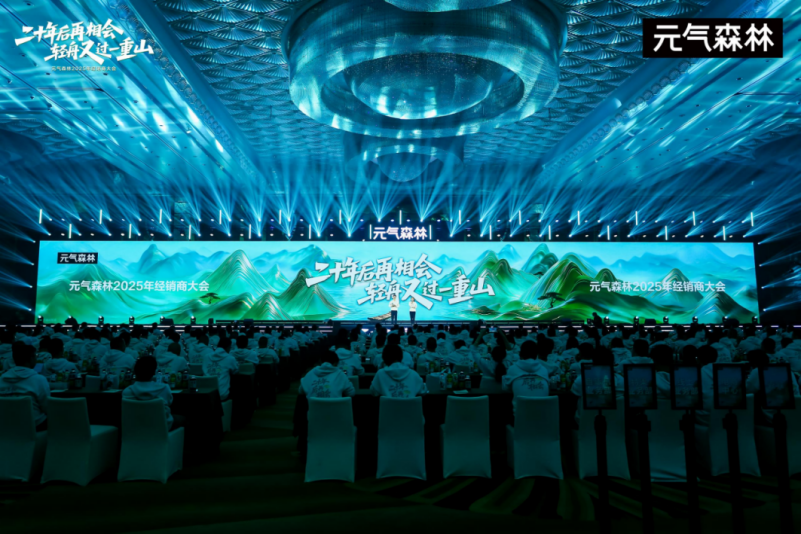
元气森林连续三年双位数增长领跑饮品赛道
Jing Ji Guan Cha Wang· 2025-11-18 06:34
Core Insights - The core message of the articles highlights the impressive growth of Yuanqi Forest, which has achieved a fourfold increase in growth compared to the fast-moving consumer goods (FMCG) industry average, with a 128% year-on-year increase in vitamin water and significant growth in other product lines [1][8] Group 1: Company Growth and Strategy - Yuanqi Forest has experienced double-digit growth for three consecutive years, achieving an overall growth rate of 4 times the industry average in 2025 [1] - The company has diversified beyond its initial reliance on sparkling water, developing a mature product matrix that includes various beverage categories [3] - Founder Tang Binsen emphasizes a product philosophy of "slow is fast," focusing on quality and user experience to navigate market cycles [1][3] Group 2: Product Development Principles - The company adheres to six principles that guide its product development, including adding beneficial ingredients, reducing unhealthy components, and ensuring a close-to-homemade taste [6] - Decisions that may seem slow, such as reducing sugar content and refining product flavors, have become foundational to consumer trust and brand growth [6] Group 3: Channel Empowerment and Market Strategy - Yuanqi Forest's marketing strategy includes a commitment to solidify market foundations, stabilize pricing, protect customer interests, and enhance customer profits [6] - The brand has implemented a digital system for precise market control and efficient terminal services, creating a positive feedback loop between market feedback and product optimization [6] Group 4: Success Stories from Distributors - Distributors have witnessed significant growth in product acceptance, with examples of long-term partnerships leading to profitability despite initial losses [7] - The demand for low-sugar, healthy beverages is increasing, aligning with Yuanqi Forest's product characteristics and market trends [7] Group 5: Product Innovation and Future Outlook - The company employs a meticulous approach to product development, utilizing advanced techniques to maintain flavor while reducing sugar [8] - Looking ahead to 2026, Yuanqi Forest plans to continue innovating across flavors, packaging, and specifications, aiming to enhance its product matrix and penetrate various lifestyle scenarios [8]
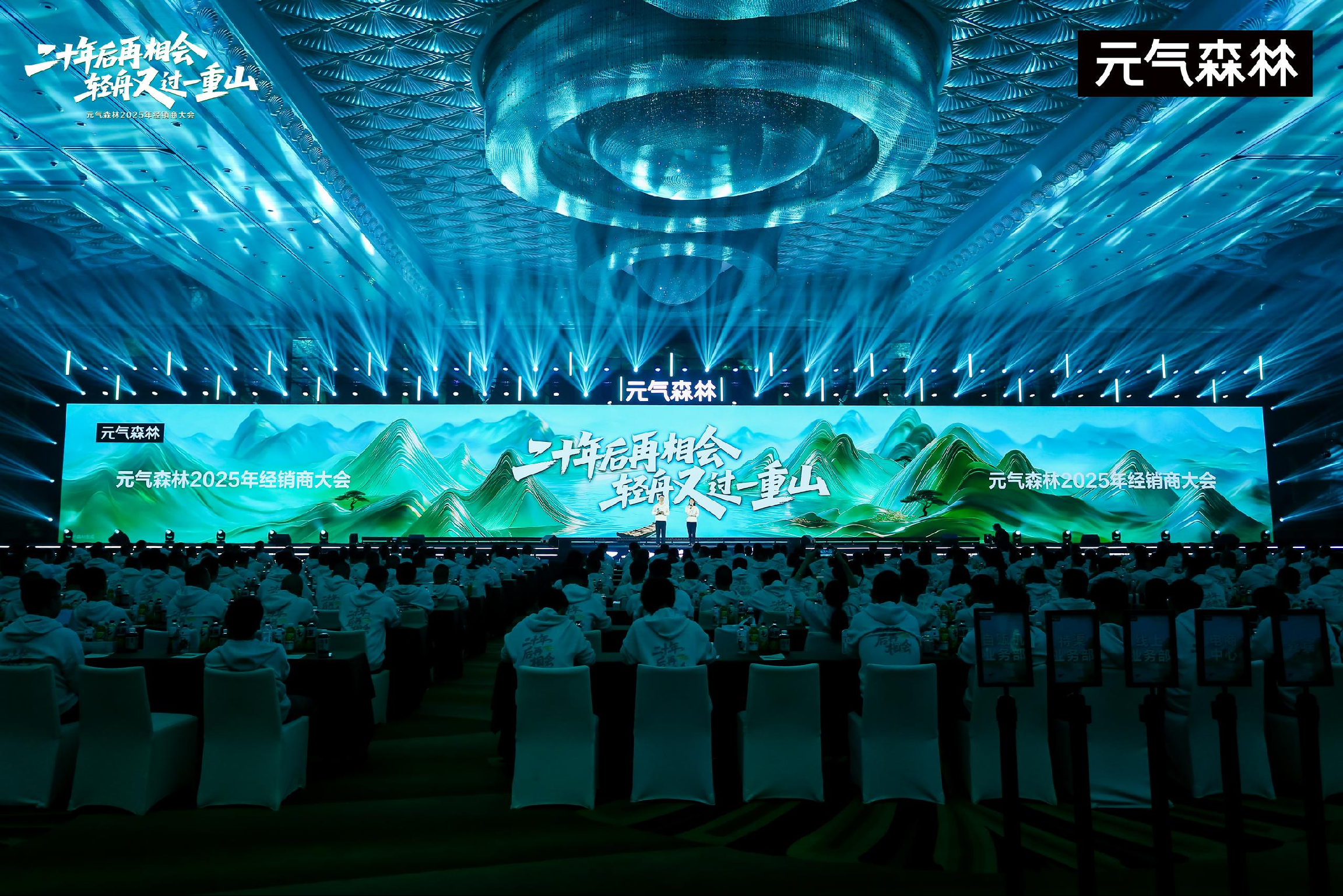
元气森林2025年再续双位数增长 以好产品坚守长期主义赛道
Di Yi Cai Jing· 2025-11-18 06:27
Core Insights - In 2025, Yuanqi Forest achieved a remarkable performance with a 26% year-on-year growth, maintaining double-digit growth for three consecutive years, significantly outpacing the fast-moving consumer goods (FMCG) industry average growth rate of 4.8% [1] - The company's success is attributed to its diverse product categories, including sparkling water, electrolyte water, vitamin water, traditional Chinese health drinks, and reduced-sugar tea, which align with the rising health consciousness among consumers [1] Group 1: Strategic Focus - Yuanqi Forest emphasizes a "slow is fast" approach, focusing on product quality and long-term vision, which has been a fundamental principle behind its continuous growth [3] - The founder, Tang Binsen, advocates for a product philosophy that prioritizes meaningful ingredients and a careful, family-like approach to product development [3] Group 2: Product Innovation - The company is transitioning from a "single hit" product strategy to a "full product matrix," maintaining its commitment to innovation across various aspects, including concepts, processes, and systems [4] - Yuanqi Forest defines "good products" not only by taste but also by functionality and health benefits, leading to differentiated innovation [4] - The company has invested in extensive iterations and technological advancements to enhance its sparkling water offerings, while its Alien electrolyte water has established a strong presence in the functional beverage market [4][5] Group 3: Channel Empowerment - Yuanqi Forest has outlined a clear strategic direction for channel development, focusing on four core commitments to strengthen market foundations and enhance customer profitability [8] - The company is leveraging digital management systems to optimize market control and product offerings based on consumer preferences [8] Group 4: Market Feedback - Distributors have observed significant market potential for products like Alien electrolyte water and iced tea, which resonate well with health-conscious consumers [9] - The brand's growth and product acceptance have instilled confidence among distributors, leading to increased market share and loyalty [10] Group 5: Global Expansion - Since 2019, Yuanqi Forest has actively promoted its products internationally, now available in over 40 countries, gaining recognition and popularity among global consumers [11] - The brand's commitment to quality and innovation has positioned it as a symbol of Chinese brand strength on the international stage [11]