
产业升级

Search documents
2025年中国固定资产投资表现与结构特征分析
Sou Hu Cai Jing· 2026-01-20 09:03
值得关注的是,高技术产业成为投资亮点,信息服务业投资激增28.4%,航空、航天器及设备制造业投资也实现16.9%的增长。这些数据充分体现 了科技创新在推动经济增长中的重要作用,也为未来发展注入了新的动能。 从月度数据来看,12月份固定资产投资(不含农户)环比下降1.13%,反映出年末投资活动存在一定的季节性波动。这种现象可能与资金结算、 项目收尾等因素有关,也反映出当前经济环境下投资决策的谨慎态度。 综合来看,2025年中国固定资产投资呈现出"总量承压、结构优化"的特点。传统领域面临深度调整,而新兴领域则表现出强劲的发展势头。这种 结构性分化为政策制定者提供了重要参考,未来需进一步关注传统与新兴之间的平衡,以推动投资结构的持续优化。 从主要投资领域来看,基础设施投资同比下降2.2%,反映出公共项目推进节奏有所放缓;而制造业投资则实现0.6%的增长,显示出产业升级的持 续动力。相比之下,房地产开发投资大幅下滑17.2%,成为影响整体投资的重要因素。与此同时,商品房市场同样承压,新建商品房销售面积减 少8.7%,销售额下降12.6%。 从三次产业的角度看,第一产业投资增长2.3%,第二产业投资增长2.5%,第三产 ...


闪德资讯存储市场洞察报告 2025年4月
闪德资讯· 2026-01-20 08:45
Investment Rating - The report indicates a cautious outlook for the storage industry due to tariff impacts and market uncertainties, suggesting a "Hold" rating for investments in this sector [7][20][36]. Core Insights - Tariffs have become a dominant variable affecting the entire storage industry chain, with the U.S. imposing tariffs as high as 125%, impacting prices of DRAM modules and SSDs [7]. - Major manufacturers like Micron and SK Hynix are adjusting strategies by raising prices and shifting focus towards high-end products such as HBM and DDR5, anticipating a significant increase in HBM demand [7][36]. - The market is experiencing short-term price volatility due to tariffs and supply-demand tensions, with SSD and DRAM prices fluctuating as demand remains uncertain [7][36]. - The rise of AI applications is driving demand for high-performance memory, despite an overall weak smartphone market [7][36]. - Various semiconductor policies are being implemented across the U.S., South Korea, and China, affecting the industry's operational landscape [7]. Summary by Sections Macroeconomic Overview - In April, China's manufacturing PMI index was at 49%, indicating a decline in manufacturing activity, while the U.S. PMI was at 48.7%, reflecting ongoing contraction in the manufacturing sector [8][9][11]. Upstream Market Dynamics - Morgan Stanley predicts a three-phase impact from tariffs on the storage industry, with the first phase leading to price increases due to stockpiling [20][22]. - The current phase is characterized by short-term price increases that are not sustainable, with economic recession risks looming [20][22]. - Major manufacturers are reducing production of older process technologies, focusing on advanced products to enhance profitability [26][30]. Passive Components - Major passive component manufacturers are raising prices due to strong demand and rising costs, with expectations of double-digit percentage increases [38]. Module Manufacturer Dynamics - Companies like Nanya and Adata are seeing revenue growth driven by AI applications, with expectations of improving DRAM contract prices in the upcoming quarters [39][40]. - The overall market is experiencing a price increase trend as supply-demand dynamics stabilize [43]. Domestic Spot Market - The storage market in April was characterized by tariffs, price increases, stockpiling, and a cautious market outlook, with significant fluctuations in SSD and DRAM prices [49][51]. - The market is expected to stabilize once tariff policies are fully established, allowing for a return to normal supply-demand dynamics [66].


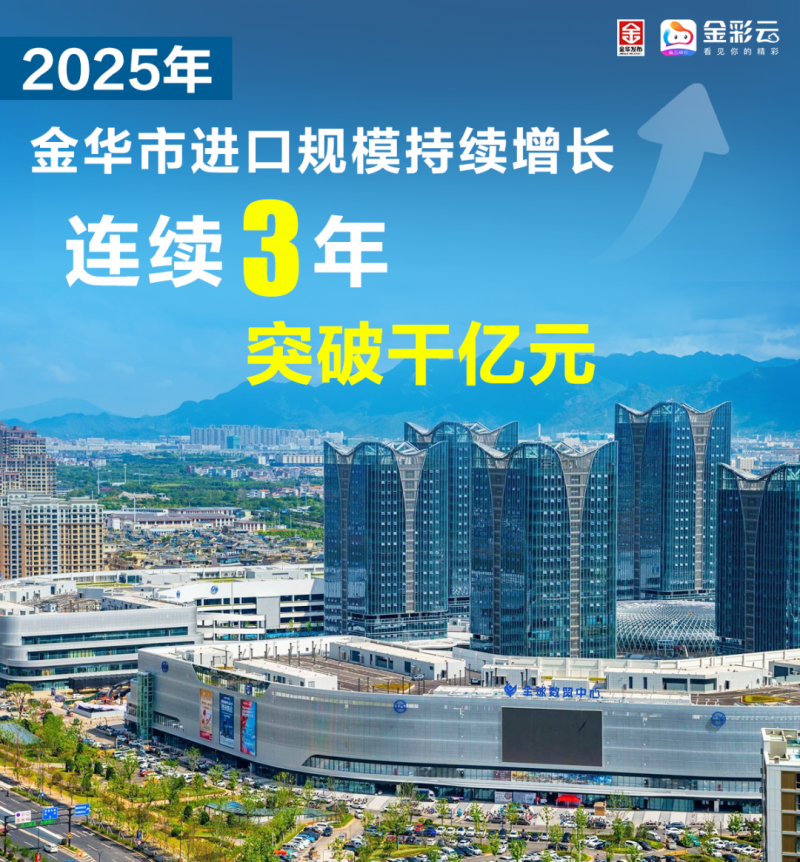
浙江金华跻身“外贸万亿之城”
Zhong Guo Fa Zhan Wang· 2026-01-20 08:37
Core Insights - In 2025, Jinhua achieved a total foreign trade import and export value of 1.05 trillion yuan, marking a 19.5% year-on-year growth and becoming the eighth city in China to surpass the 1 trillion yuan foreign trade threshold [1] Group 1: Export Performance - Jinhua's exports reached 921.29 billion yuan in 2025, with a year-on-year growth of 19.4%, leading the province in both growth rate and contribution [1] - Private enterprises are the backbone of Jinhua's foreign trade, with 21,000 out of 22,000 import and export enterprises being private, accounting for 98.3% of the city's total exports [3] - The city has over 60,000 active cross-border e-commerce sellers, with 54,000 overseas merchants operating in 131 countries and regions [3] Group 2: Market Diversification - Jinhua maintains trade relations with 233 countries and regions, with exports exceeding 1 billion yuan to over 100 countries [4] - Exports to emerging markets in Africa, Latin America, the Middle East, and ASEAN achieved double-digit growth, collectively accounting for 54.2% of total exports [4] - Yiwu, a city within Jinhua, played a significant role, achieving exports of 730.7 billion yuan, a 24.1% increase [4] Group 3: Trade Facilitation and Infrastructure - Jinhua is enhancing its open economy by deepening international trade reforms and establishing a China-Europe freight train hub [5] - The city exported 599.17 billion yuan through market procurement trade, representing 70.7% of the national total for this trade type [5] - The Zhejiang China-Europe freight train has opened 26 routes, covering over 50 countries and 160 cities, with 3,005 trains operated in the year, a 14.7% increase [5] Group 4: Industrial Upgrading - Jinhua is optimizing its industrial structure, enhancing the international competitiveness of traditional industries like textiles and hardware [6] - The export of electric vehicles surged by 99.6%, while high-end products like photovoltaic components and smart equipment are being exported to over 30 countries [6] - The continuous increase in product added value is helping "Jinhua manufacturing" move towards the mid-to-high end of the global value chain [6]
广东外贸韧性突围:连续领跑40年,高技术产品出口破万亿元
2 1 Shi Ji Jing Ji Bao Dao· 2026-01-20 08:28
Core Insights - Guangdong's foreign trade is projected to reach 9.49 trillion yuan in 2025, marking a 4.4% year-on-year growth, maintaining its position as the largest in the country for 40 consecutive years, contributing 24.1% to national foreign trade growth [1][2] Group 1: Trade Performance - In 2025, Guangdong's exports are expected to be 6.03 trillion yuan, growing by 2.5%, while imports are projected at 3.46 trillion yuan, increasing by 7.8% [1] - The province's foreign trade showed resilience, with quarterly import and export values rising, achieving historical highs [1] - High-tech product exports surpassed 1 trillion yuan for the first time, growing by 15%, indicating a shift towards more innovative products [6] Group 2: Market Structure and Diversification - Guangdong is diversifying its trade markets, with imports and exports to ASEAN, Hong Kong, and the EU each exceeding 1 trillion yuan, reflecting growth rates of 5.8%, 12.5%, and 8.4% respectively [3] - Emerging markets such as Central Asia, Africa, and the Middle East are becoming new engines for trade growth, with trade with Belt and Road countries reaching 3.66 trillion yuan, a 5% increase [3] Group 3: Product Structure Optimization - The export of mechanical and electrical products reached 4.15 trillion yuan, accounting for 68.7% of total exports, showcasing the strength of the electronic industry cluster [4] - Notable growth in exports of drones (40.9%), 3D printers (37.1%), and electric vehicles (21.3%) highlights the trend towards high-end, intelligent, and green products [4] Group 4: New Trade Models and Platforms - The bonded logistics sector saw a 9.1% increase in trade, reaching 1.93 trillion yuan, with its share of total trade surpassing 20% for the first time [4] - Cross-border e-commerce exports grew by 9.8 times, driven by favorable policies for overseas warehouses [4] Group 5: Industrial Strength and Resilience - Guangdong's high-tech product exports are led by key products such as lithium batteries and medical devices, with a total export value of 1.14 trillion yuan, growing by 15% [6] - The province's manufacturing system is characterized by specialization and rapid market response, enhancing product value and competitiveness [7] Group 6: Role of Private Enterprises - The number of enterprises engaged in import and export activities in Guangdong reached 172,000, a 17.6% increase, with private enterprises accounting for 63.9% of the province's total foreign trade [7][8] - Private enterprises are noted for their adaptability and responsiveness to market changes, contributing significantly to the resilience of Guangdong's foreign trade [8]
望岳谈|全球贸易承压,山东外贸何以突破3.53万亿
Sou Hu Cai Jing· 2026-01-20 07:08
Core Insights - Shandong's foreign trade achieved a total import and export value of 3.53 trillion yuan in 2025, marking a year-on-year growth of 4.5%, contributing 9.1% to the national foreign trade growth [2] Group 1: Export Performance - Shandong's export of electromechanical products surpassed 1 trillion yuan for the first time in 2025, with 105 electromechanical products ranking first in national exports [3] - Key products such as diesel trucks, containers, concrete mixers, and shuttleless looms accounted for over 10% of the global export value in their categories, highlighting Shandong's emergence as a significant manufacturing hub [3] - The annual growth rate of electromechanical product exports during the 14th Five-Year Plan period is projected at 13.6%, with certain categories like ships and electric vehicles exceeding 30% [3] Group 2: Market Diversification - Shandong engaged in trade with over 250 countries and regions, with nine foreign trade markets exceeding 100 billion yuan in scale [5] - The province's exports to countries involved in the Belt and Road Initiative accounted for 64.1% of total imports and 57.3% of total exports, indicating a strategic focus on diversified markets [5][7] - Exports to Africa represented 58.5% of Shandong's automotive exports, showcasing the province's growing influence in emerging markets [5] Group 3: Business Environment and Growth - The number of foreign trade enterprises in Shandong reached 80,500 in 2025, reflecting a year-on-year increase of 9.7% [8] - Private enterprises contributed 92.9% of market entities and 76.3% of export values, playing a crucial role in stabilizing foreign trade [8] - Shandong's government implemented various measures to optimize the business environment, addressing over 3,100 enterprise requests with a high resolution rate of 99.7% [10]

化工龙头ETF(516220)涨超1.3%,市场关注行业供需与周期走向
Mei Ri Jing Ji Xin Wen· 2026-01-20 06:26
Core Viewpoint - The chemical industry is expected to experience a cyclical recovery and industrial upgrade by 2026, driven by domestic growth policies and a shift in the Federal Reserve's interest rate strategy [1] Group 1: Industry Outlook - The chemical sector has been operating in a bottom range for three years, with a continuous decline in the growth rate of ongoing projects and new capacity nearing its end [1] - The "15th Five-Year Plan" is anticipated to stimulate domestic growth policies, leading to a moderate recovery in traditional chemical demand [1] - The "anti-involution" trend is expected to accelerate the cyclical turning point, benefiting core chemical assets with global competitive advantages through profit and valuation recovery [1] Group 2: Market Dynamics - The pesticide market is transitioning from "de-stocking" to "capacity reduction," with leading companies becoming stronger [1] - The development of innovative pharmaceuticals is seen as a necessary path for upgrading the domestic pesticide industry [1] - Trade barriers are shifting from threats to opportunities, particularly for chemical manufacturing sectors like tires, which are expected to benefit from a new wave of overseas expansion [1] Group 3: Emerging Opportunities - Global carbon reduction policies and the ongoing prosperity of the AI industry are creating new high-growth demands [1] - The development of new materials and technologies is providing favorable conditions for the upgrade of the chemical materials industry [1] Group 4: Investment Vehicle - The chemical leader ETF (516220) tracks the sub-index of the chemical industry (000813), which covers listed companies in chemical raw materials, fertilizers, agricultural chemicals, and specialty chemicals [1] - This index is characterized by high industry concentration and specialization, making it suitable for investors focusing on specific segments of the chemical industry [1]
近十万亿元!广东外贸又是全国第一
Nan Fang Du Shi Bao· 2026-01-20 06:18
Core Insights - Guangdong's foreign trade reached a record high of 9.49 trillion yuan in 2025, marking a 4.4% year-on-year increase, maintaining its position as the leading province in China for 40 consecutive years [1] - The province contributed 24.1% to the national foreign trade growth, with imports at 3.46 trillion yuan (up 7.8%) and exports at 6.03 trillion yuan (up 2.5%) [1] Trade Performance - Trade with major partners such as ASEAN, Hong Kong, and the EU exceeded 1 trillion yuan, with respective growth rates of 5.8%, 12.5%, and 8.4% [2] - Emerging markets like Central Asia, Africa, and the Middle East saw higher growth rates, at 23.6%, 10.7%, and 8.5% respectively [2] - Trade with Belt and Road countries reached 3.66 trillion yuan, accounting for 38.5% of total trade [2] Export Dynamics - The export structure is shifting towards high-end, intelligent, and green products, with mechanical and electrical products reaching 4.15 trillion yuan (up 7.3%) [2] - Notable growth in exports of drones (40.9%), 3D printers (37.1%), and industrial robots (33.9%) [2] Import Trends - Imports of integrated circuits surged to 1.3 trillion yuan (up 15.5%), making up 37.5% of total imports [3] - Significant increases in imports of semiconductor manufacturing equipment (33.2% growth) and computers and components (19.3% growth) [3] Business Activity - The number of enterprises engaged in import and export activities in Guangdong reached 172,000, a 17.6% increase, with private enterprises accounting for 63.9% of total trade [4] - "Specialized, refined, distinctive, and innovative" SMEs showed a robust growth rate of 29.1% in trade [4] Customs Innovations - Customs introduced measures to enhance trade efficiency, including 24/7 customs clearance and innovative regulatory models [5] - These initiatives resulted in a tax reduction of 49.62 billion yuan for import and export enterprises [5] Regional Collaboration - Trade with ASEAN reached a historic high, with Guangzhou's trade with ASEAN growing by 28% [6] - Shenzhen's high-tech product exports reached 1.4 trillion yuan, accounting for nearly 60% of the province's total [7] Future Outlook - Despite external uncertainties, Guangdong's trade fundamentals remain strong, with a complete industrial system and accelerating new industries [8] - The province is poised to continue driving high-quality development in foreign trade during the 14th Five-Year Plan period [8]
SHEIN的“人才引擎”,如何激活服装产业升级新动能?
Ge Long Hui· 2026-01-20 05:24
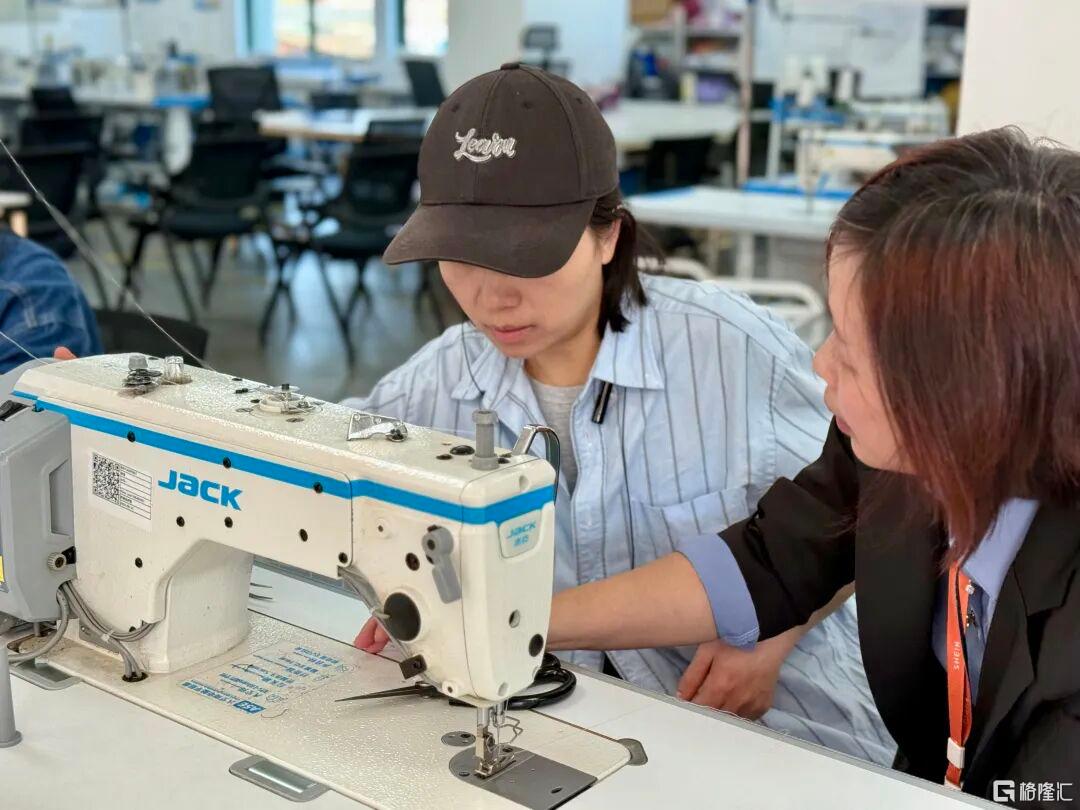
Core Viewpoint - The textile and apparel industry in China is facing structural talent shortages, which hinder its transformation towards digitalization and sustainability. SHEIN is addressing this issue through comprehensive training programs aimed at various employment groups, thereby enhancing the industry's talent pool and overall competitiveness [1][3]. Group 1: Talent Development Initiatives - SHEIN has launched a free employment support skills training program targeting key employment groups, including unemployed graduates and flexible workers, focusing on two roles: sewing workers and garment pattern makers [1][13]. - The company has established a three-dimensional training system that integrates suppliers, educational institutions, and social groups, embedding talent development into its core industry empowerment strategy [1][3]. - In 2025, SHEIN conducted nearly 600 supplier empowerment training sessions, covering approximately 37,000 suppliers and certifying skills in six job categories [6]. Group 2: Training Methodologies - SHEIN employs a "full-cycle training + on-site teaching" approach to address industry pain points, significantly reducing defect rates among suppliers by 50% within a month after training [4][6]. - The company has developed a four-part integration mechanism for industry needs, professional capability modeling, curriculum restructuring, and joint assessments with educational institutions, ensuring that training aligns with real industry demands [9]. - SHEIN's training programs are designed based on real business scenarios, allowing students to gain practical skills that are directly applicable in the workforce [9][13]. Group 3: Employment Support and Community Impact - The "zero-based" skills training program not only equips participants with practical sewing skills but also enhances their employability, creating a complete cycle from job demand to skills training and employment services [13][15]. - SHEIN's initiatives have resulted in a dual benefit of addressing employment challenges for key groups while simultaneously building a reservoir of skilled talent for the apparel industry [15]. - The company has invested in community support programs, such as funding for workers' families and providing after-school care for employees' children, which enhances employee retention and morale [18]. Group 4: Industry Collaboration and Ecosystem Development - SHEIN's talent development is integrated into its broader "4+1" industry empowerment system, which includes investments in technology, factory upgrades, and community services, promoting sustainable development in the textile and apparel sector [16]. - The company has committed to investing 500 million yuan over five years for supplier empowerment, which includes both physical and human capital investments [16]. - SHEIN's training and support initiatives have created significant employment opportunities, impacting over one million jobs across various sectors, including trade, manufacturing, and logistics [19].
2026答案秀·思想者春晚| 姚洋:十五五规划中,为什么要把这两项放在首要位置?
Xin Lang Cai Jing· 2026-01-20 04:32
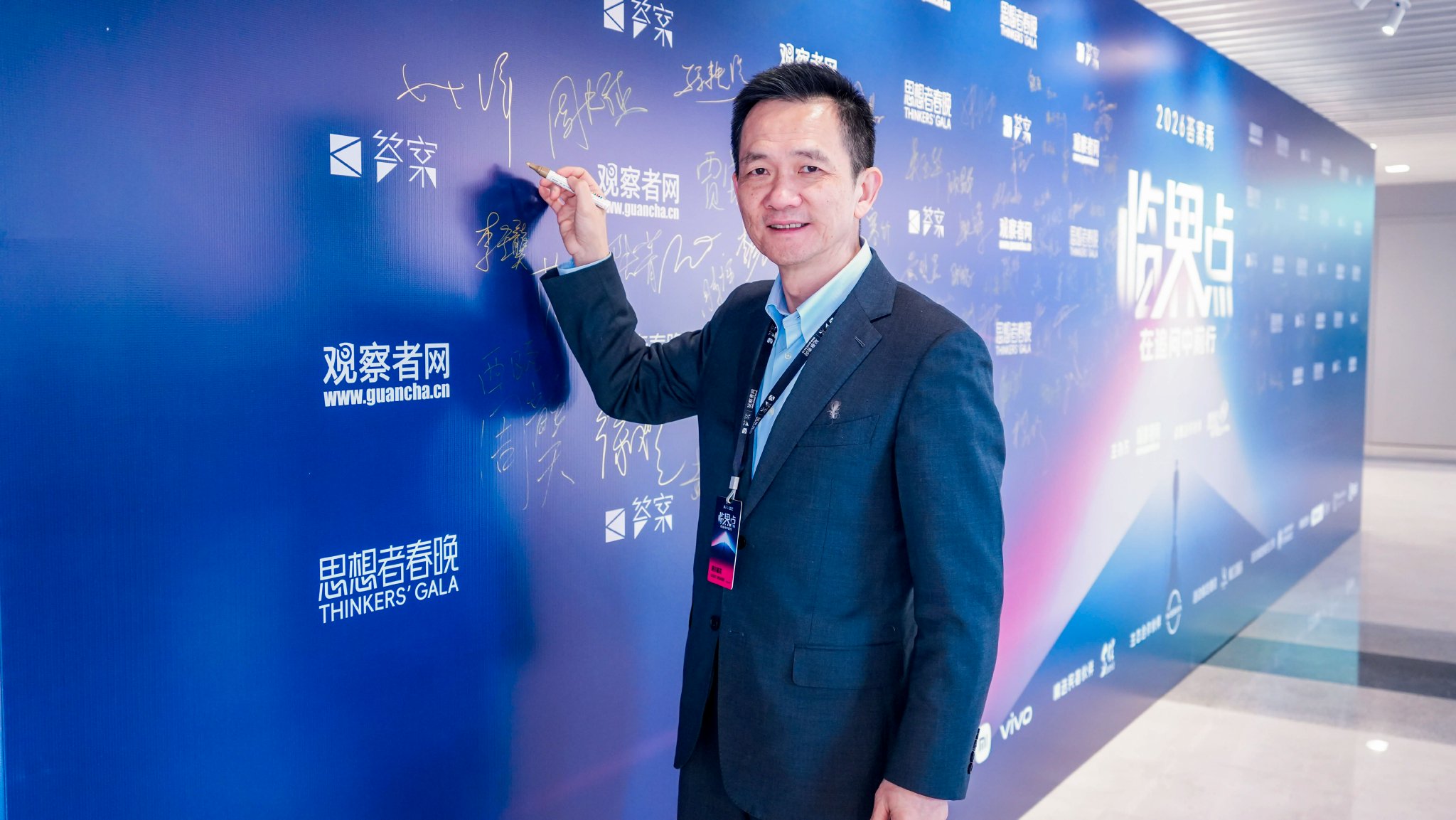
Core Viewpoint - The "14th Five-Year Plan" has re-emerged as a central document for defining China's economic direction, emphasizing manufacturing upgrades and technological innovation as key supports for high-quality development [1][2]. Group 1: Manufacturing Investment - The first priority of the "15th Five-Year Plan" is to continue investing in manufacturing to create a more complete industrial system [2][4]. - Manufacturing's contribution to GDP is currently around 25%, with employment in manufacturing accounting for approximately 15%-17% of total non-agricultural employment, both of which are expected to decline [4]. - Investment in manufacturing will focus on improving efficiency and addressing shortcomings, particularly through the application of AI and automation [4]. Group 2: Technological Innovation - The second priority is to invest in new productive forces, emphasizing original innovation and technological self-reliance [2][5]. - China's R&D expenditure as a percentage of GDP has reached 2.7%, which is significantly higher than many comparable countries [5][7]. - Chinese R&D investment is approximately three times that of Japan and has reached about 50%-60% of the U.S. level in nominal terms, with purchasing power parity suggesting it could be as high as 70%-80% [7]. Group 3: Domestic Demand and Economic Stability - The "15th Five-Year Plan" acknowledges the need to address insufficient domestic demand, primarily due to declining real estate values and heavy local government debt [15][16]. - Central policies are being implemented to stabilize the real estate market and enhance local government spending, which together account for about 50% of total demand [16]. - Increasing social security, particularly in rural areas, is seen as crucial for boosting domestic demand, as lower-income individuals tend to have a higher marginal propensity to consume [16].
中国中免:拟3.95亿美元收购DFS大中华区旅游零售业务相关股权及资产
Xin Lang Cai Jing· 2026-01-20 03:56
Core Viewpoint - China Duty Free Group Co., Ltd. (China Duty Free, 601888.SH, 01880.HK) announced the acquisition of DFS Group's travel retail business in Greater China for up to $395 million in cash, which includes 100% equity of DFS Cotai Limitada and related assets [1][2]. Group 1: Acquisition Details - The acquisition involves the purchase of equity and assets from DFS Venture Singapore and DFS Group Limited, including two stores in Hong Kong and Macau, as well as intangible assets like brand ownership and membership systems [1][2]. - Post-transaction, DFS Cotai Limitada will be fully owned by China Duty Free, enhancing its presence in the travel retail market [2]. Group 2: Strategic Partnerships - China Duty Free signed a share subscription agreement with Delphine SAS and Shoppers Holdings HK, planning to issue up to 7,330,100 and 4,637,400 H shares respectively at a price of HKD 77.21 per share [3]. - A strategic cooperation memorandum was also signed with LVMH to explore collaboration in retail sectors, aiming for mutual benefits in product sales, store openings, and brand promotion [3]. Group 3: Market Impact and Future Prospects - The acquisition is expected to strengthen China Duty Free's market position in Hong Kong and Macau, facilitating the export of domestic brands and enhancing the quality of retail experiences for tourists [4]. - The company anticipates that this transaction will lead to industry upgrades, improved service levels, and increased core competitiveness, aligning with its long-term development strategy [4]. - As of January 19, the stock prices of China Duty Free rose significantly, with A-shares up 5.62% and H-shares up 6.65% [4][5].
