
东数西算

Search documents
科净源(301372.SZ)净利飙升137.45%:乘政策东风加速突围,水治理迈入”技术红利期“
Ge Long Hui· 2025-10-11 06:34
Group 1 - The core viewpoint of the articles highlights the systematic and refined upgrade of water environment governance in China, supported by national policies and strategic frameworks [1][2] - The "Four Water Co-Governance" framework emphasizes the integration of flood disaster prevention, water resource conservation, ecological protection, and environmental governance, establishing long-term policy support for the water governance industry [1][2] - The "Beautiful Rivers and Lakes Protection and Construction Action Plan (2025-2027)" sets specific targets for water quality improvement and ecological restoration, driving demand for decentralized wastewater treatment equipment [1][2] Group 2 - The water governance industry is increasingly becoming a focal point for capital investment, with companies like KJY (科净源) positioned to benefit from policy dividends due to their alignment with national strategies [2][5] - KJY reported a significant performance recovery in the first half of 2025, achieving revenue of approximately 149 million yuan, a year-on-year increase of 24.3%, and a net profit of approximately 12.83 million yuan, a year-on-year increase of 137.45% [3][5] - The company's operational efficiency improved through effective cost control, with sales and management expenses decreasing by 22.46% and 19.53% respectively, while shifting focus to high-value projects [3][5] Group 3 - KJY has signed over 200 projects related to data center circulation water systems and zero-emission projects, solidifying its leading position in high-end industrial water treatment [4][5] - The company has successfully provided customized water treatment solutions for major cloud computing firms, demonstrating its technical capabilities in high-end industrial scenarios [4][5] - KJY's continuous technological innovation has led to the development of multiple proprietary technologies, with 127 patents granted, enhancing its competitive edge in the water governance sector [6][7] Group 4 - The company’s core technologies, such as rapid biological nitrogen removal and spore transfer phosphorus removal, have reached international advanced levels, effectively addressing traditional process limitations [6][7] - The improvement in gross margin for water treatment products and services indicates the positive impact of technological upgrades on cost efficiency [7] - KJY has received multiple accolades, reinforcing its leading position in the domestic water environment governance field [7][8] Group 5 - The company is well-positioned to leverage the favorable policy environment and market demand, entering an upward cycle of internal operational improvement and external opportunities [5][8] - KJY's mature business model and global expansion strategy are expected to drive sustainable profit growth in the water governance industry [5][8]
投身国际物流、智慧农业、人工智能等领域干事创业—— “拼”在发展一线的新疆青年(追梦人)
Ren Min Ri Bao· 2025-10-11 00:46
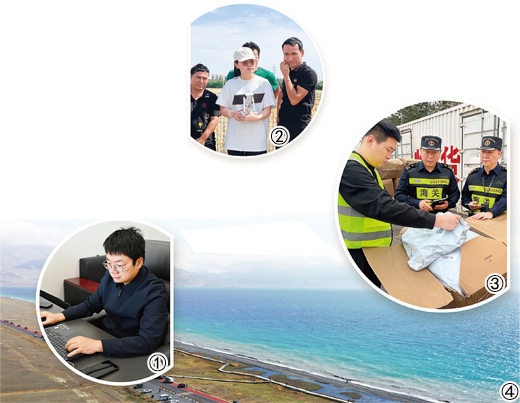
Core Insights - The development of the Silk Road Economic Belt is accelerating, showcasing a new image of openness and confidence in Xinjiang's modernization [1] Group 1: Economic Development - Xinjiang is becoming a new hub for Chinese goods to reach the world, with significant growth in air cargo operations, particularly at Urumqi Tianshan International Airport, which saw a 715% year-on-year increase in cargo capacity [3] - The introduction of bonded aviation fuel at Urumqi has reduced costs by approximately 13% per ton, enhancing the competitiveness of air freight [2][3] Group 2: Youth Engagement in Trade - Young professionals like Yao Huiming are seizing opportunities in foreign trade, transitioning from road to air freight, and managing logistics with precision [2][4] - The workforce in foreign trade is predominantly composed of individuals born in the 1980s and 1990s, reflecting a shift in work and lifestyle preferences among younger generations [4] Group 3: Agricultural Innovation - Agricultural practices in Xinjiang are evolving, with researchers like Ma Yiru applying scientific knowledge to reduce farming costs by about 25% through precise fertilization techniques [5][6] - The establishment of companies focused on smart agriculture is gaining traction, with a younger workforce driving innovation in agricultural technology [6][7] Group 4: Energy and Computing Development - Hami is positioning itself as a key player in the "East Data West Computing" initiative, leveraging its abundant energy resources to support the development of computing power [7][8] - The successful launch of advanced computing clusters in Hami marks a significant milestone in the region's technological advancement, with collaborations with cities like Chongqing to meet growing computing demands [8]

“拼”在发展一线的新疆青年(追梦人)
Ren Min Ri Bao· 2025-10-10 22:10
Group 1: Economic Development in Xinjiang - Xinjiang is rapidly advancing the construction of the Silk Road Economic Belt, showcasing a new image of openness and confidence in socialist modernization [2] - The region is becoming a hub for international trade, with significant growth in air cargo operations, particularly through Urumqi Tianshan International Airport, which has seen a 715% year-on-year increase in cargo capacity [4] - The introduction of bonded aviation fuel at Urumqi Airport has reduced fuel costs by approximately 13%, enhancing logistics efficiency [4] Group 2: Young Entrepreneurs and Innovation - Young professionals like Yao Huiming and Ma Yiru are seizing opportunities in foreign trade and smart agriculture, respectively, contributing to the region's economic dynamism [3][5] - Ma Yiru's initiatives in precision fertilization have led to a 25% reduction in farming costs for local farmers, demonstrating the application of academic research in practical agriculture [6] - The agricultural sector is increasingly attracting young talent, with a focus on smart agriculture and technology integration [7] Group 3: Development of Computing Power - The Hami region is positioning itself as a key player in the national "East Data West Computing" initiative, leveraging its abundant energy resources for the development of computing power [8] - The establishment of a computing power network has been facilitated by overcoming challenges related to data transmission and construction in harsh weather conditions [9] - Collaborations with cities like Chongqing are underway to provide computing power support, indicating a growing inter-regional partnership [9]

数据中心建设推升变压器需求
Zheng Quan Ri Bao· 2025-10-10 16:10
Core Insights - The rapid penetration of digital technologies such as AI models and cloud computing has accelerated the layout of large data centers by tech giants, making stable power supply crucial for computational efficiency [1] - Transformer companies, particularly TBEA Co., Ltd., are experiencing a significant increase in orders for data center transformers due to rising power demands [1][2] Industry Overview - Data centers require two types of transformers: 110kV/220kV power transformers and 10kV distribution transformers, which convert high voltage to medium and then to low voltage suitable for servers [2] - Transformers for data centers must meet three key requirements: high reliability, low loss, and intelligent monitoring, with a focus on maintaining low failure rates and achieving national energy efficiency standards [2] Company Developments - TBEA has been actively responding to investor inquiries, highlighting its provision of energy-efficient transformers and a comprehensive product system including cables and energy storage units for data centers [2] - Jiangsu Yangdian Technology Co., Ltd. aims to increase its sales proportion from data center applications, while Igor Electric Co., Ltd. is focusing on expanding its transformer product range for data centers and plans to release production capacity by mid-2025 [3] Market Trends - The transformer industry is witnessing three major technological trends: energy efficiency, smart technology, and miniaturization, with a projected market growth rate of over 20% annually for data center transformers in the next 3 to 5 years [4] - The market size for data center transformers is expected to exceed 12 billion yuan by 2026, driven by leading companies leveraging their technological and production advantages [4]

广脉科技20251009
2025-10-09 14:47
广脉科技 20251009 广脉科技的基本情况和主营业务是什么? 广脉科技成立于 2012 年,并于 2021 年 11 月在北交所上市,是杭州首家在北 交所上市的公司。公司的主营业务主要围绕运营商展开,涵盖 5G 新基建、政 企客户的 ICT 行业应用、高铁信息化业务以及算力服务、算力集成及运营服务。 此外,公司还涉及资产运营,通过自建资产以服务方式提供给客户,并分期确 认收入。近年来,公司在算力服务及高铁信息化业务板块发展迅速,这两大板 块是公司未来发展的重点。 广脉科技与中国移动浙江创新研究院合作的智能教学服务平台项目具体情况如 何? 浙江移动创新研究院的人工智能教学服务平台项目主要面向高等教育,为高校 提供人工智能教学服务平台,以满足高校产学研实训方面对人工智能教学的需 广脉科技未来将重点发展产品业务,目标是实现产品和服务各占 50%的 业务规模格局,并计划推出更多铁路智能化产品。高铁公网及 5G 改造 每年市场空间约百亿,公司争取未来达到 10%以上的市占率。 广脉科技承接的 5G 新基建项目主要包括室分、传输和综合接入等类型, 重点区域为浙江、上海、湖北等地。预计收入保持平稳小幅增长,今年 上半年 ...
粤港澳大湾区单体容量最大调频调峰独立储能电站投运
中关村储能产业技术联盟· 2025-10-09 10:07
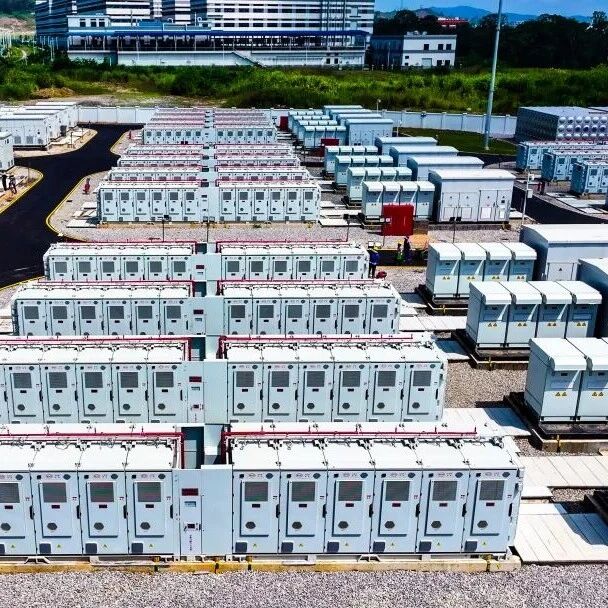
Core Viewpoint - The operation of the largest grid-side independent energy storage power station in the Guangdong-Hong Kong-Macao Greater Bay Area marks a significant step towards building a trillion-level new energy storage industry cluster in Guangdong Province [3][4]. Project Overview - The project is located in Qujiang District, Shaoguan City, Guangdong Province, covering approximately 48.99 acres and consists of 70 sets of lithium iron phosphate battery units, with a single capacity of 6 megawatt-hours per unit, making it the largest of its kind in the Greater Bay Area [4]. - It is the first independent energy storage power station in Shaoguan City and has been included in the key project list for Guangdong Province by 2025 [4]. Technical Specifications - The project includes a 208 megawatt/416 megawatt-hour electrochemical energy storage system and a 12-kilometer transmission line, along with a 220 kV booster station [8]. - Once operational, the station can store up to 416,000 kilowatt-hours of electricity at full load, delivering approximately 298 million kilowatt-hours of electricity annually, which can meet the electricity needs of nearly 140,000 households and reduce carbon dioxide emissions by about 208,000 tons each year [8]. Grid Regulation and Support - The energy storage station will effectively smooth out fluctuations in wind and solar energy generation, alleviating the pressure on regional grid frequency regulation and peak shaving [8]. - It supports the national "East Data West Computing" project by providing stable power to the Guangdong Shaoguan data center cluster, promoting the integration of green energy and the digital economy in the Greater Bay Area [11].

储能行业爆发前夜:政策市场双轮驱动,万亿赛道蓄势待发
3 6 Ke· 2025-10-08 23:58
Core Insights - The Chinese energy storage industry is experiencing unprecedented growth, with a target of 180 million kilowatts of installed capacity and 250 billion yuan in direct investment by 2025 [1] - The release of the "Document 136" in February 2025 marks the end of the mandatory energy storage era, allowing independent energy storage to emerge as a significant player in the electricity market [2] Policy Breakthrough - The "Document 136" fundamentally alters the growth rules for energy storage by eliminating the requirement for energy storage as a precondition for renewable energy projects [3] - This policy shift has triggered a surge in energy storage installations, with a 210% year-on-year increase in domestic energy storage bidding from March to May 2025 [3][4] - The long-term impact of this policy is a transition from energy storage being a regulatory obligation to a profitable business choice for companies [3] Demand Explosion - Global energy storage installations reached 86 GW in the first nine months of 2025, a 92% increase year-on-year, driven by both domestic and international markets [5] - The user-side energy storage market is thriving, with significant profit opportunities in regions with high price differentials, such as Guangdong and Jiangsu [5][6] - Data centers have emerged as a new demand driver, with a 280% year-on-year increase in energy storage installations, accounting for 38.5% of total new capacity [7] Technological Breakthroughs - The cost of domestic energy storage systems has decreased by 55% from 1.8 yuan/Wh to approximately 0.8 yuan/Wh between 2020 and 2025, while efficiency has improved from 85% to 92% [9] - Lithium batteries remain the dominant technology, comprising 82% of global energy storage installations, with significant advancements in cost and efficiency [9][10] - Emerging technologies, such as all-vanadium flow batteries and sodium-ion batteries, are being developed to address the limitations of lithium batteries in long-duration storage [9] Market Dynamics - The "Matthew Effect" is becoming more pronounced in the energy storage industry, with leading companies experiencing revenue growth exceeding 100%, while smaller firms lag behind [11] - The market share of leading companies in the system integration sector has increased, with significant revenue growth reported by major players like Sungrow and CATL [12] - The shift towards service-oriented business models is extending the value of energy storage beyond hardware to long-term service contracts [12] Conclusion - The rise of the energy storage sector is driven by a combination of policy restructuring and improvements in industry fundamentals, indicating a long-term growth trajectory rather than a short-term trend [13] - Energy storage is positioned as a necessary component of the global energy transition, with ongoing technological advancements and market adaptations enhancing its competitiveness [13]


储能行业爆发前夜:政策市场双轮驱动,并非短期的“概念炒作”
Ge Long Hui A P P· 2025-10-08 23:43
Core Insights - The Chinese energy storage industry is experiencing unprecedented growth, driven by the introduction of the "New Energy Storage Scale Construction Special Action Plan" with a target of 180 million kilowatts and an anticipated direct investment of 250 billion yuan [1][3] - The cumulative installed capacity of new energy storage surpassed 100 GW by June 2025, marking a 32-fold increase compared to the end of the 13th Five-Year Plan, with a year-on-year growth of 68% in newly installed capacity in the first half of 2025 [1][3] - The industry is transitioning from a "mandatory storage" model to independent storage, with independent storage now accounting for over half of the installed capacity, transforming from an "accessory" to a "key player" in the electricity market [1][3] Policy Breakthrough - The "136 Document" released in February 2025 fundamentally altered the growth rules for energy storage, ending the administrative mandatory storage model and allowing for market-driven pricing [3][4] - The document promotes a phased approach, ensuring revenue for existing projects while pushing new projects towards competitive pricing, thereby enhancing companies' self-sustainability [3] - The policy has triggered a surge in installations, with domestic energy storage bidding volumes reaching 19.2 GWh from March to May 2025, a 210% increase year-on-year [3] Demand Explosion - Global energy storage installations reached 86 GW in the first nine months of 2025, a 92% increase year-on-year, with domestic installations contributing 41 GW and international installations 45 GW [5] - The user-side energy storage market is thriving, with significant profit opportunities due to price differences exceeding 1.2 yuan per kWh in provinces like Guangdong and Jiangsu, leading to a 230% increase in newly installed user-side storage [5][6] - Data centers emerged as a new demand driver, with a 280% year-on-year increase in newly installed storage capacity, accounting for 38.5% of total new installations [6] Technological Breakthroughs - The cost of domestic energy storage systems decreased from 1.8 yuan/Wh to approximately 0.8 yuan/Wh between 2020 and 2025, a 55% reduction, while efficiency improved from 85% to 92% [8][9] - Lithium batteries remain the dominant technology, comprising 82% of global energy storage installations, with significant advancements in cost and efficiency [8] - Alternative technologies are emerging to address the limitations of lithium batteries, including vanadium flow batteries and sodium-ion batteries, which are being tested in various applications [9] Market Dynamics - The "Matthew Effect" is becoming more pronounced in the energy storage industry, with leading companies experiencing revenue growth exceeding 100%, while smaller firms lag behind [10][11] - The upstream segment shows stable costs and scale advantages, while the midstream sector is becoming the value center of the industry [10] - Major companies like Sungrow and CATL are solidifying their market positions, with significant revenue growth in their energy storage businesses [11] Conclusion - The rise of the energy storage sector is not merely a short-term trend but a result of policy restructuring and improvements in the industry fundamentals [12] - The shift from policy dependency to value creation indicates a long-term growth potential for the sector, with a focus on quality enhancement rather than just scale expansion [12][13] - The energy storage market is expected to grow significantly, driven by technological advancements and increasing demand from data centers, positioning it as a critical component of the global energy transition [13][14]
青海因地制宜加快建设现代化产业体系
Yang Shi Wang· 2025-10-08 12:50
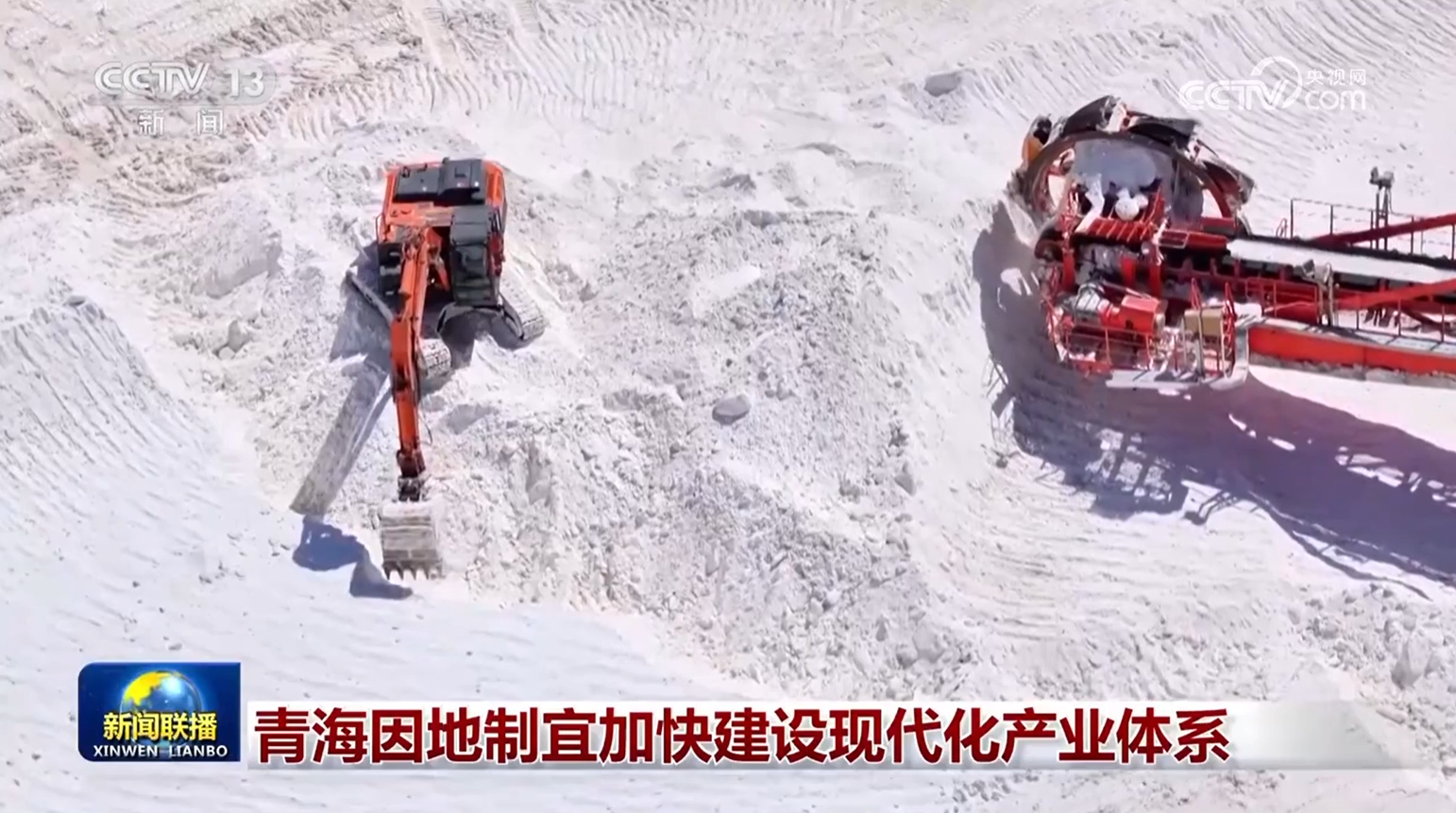
Group 1 - The core viewpoint is that during the "14th Five-Year Plan" period, Qinghai is focusing on developing a modern industrial system with local characteristics, achieving high-quality development [1] Group 2 - In the Qaidam Basin, the Chaka Salt Lake is the largest potash fertilizer production base in China, with Qinghai accelerating the construction of a world-class salt lake industry base, forming five major industrial clusters: potassium, sodium, magnesium, lithium, and chlorine, with potash fertilizer production accounting for 77% of the national total [3] Group 3 - During the "14th Five-Year Plan" period, Qinghai's clean energy and new energy installed capacity reached 94% and 72% respectively, actively integrating into the national "East Data West Computing" strategy and the construction of an "integrated computing power network," with 19,000 standard racks and a computing power scale of 17,000 P established by August this year [5] Group 4 - As one of the five major pastoral areas in China, Qinghai has significant advantages in green and organic agriculture, with a strong focus on developing cool-season vegetables and cold-water fish industries, establishing major platforms such as the national-level plateau cool-season vegetable industrial park and the Longyangxia salmon industry technology park, leading to an increase in the export of Qinghai's specialty agricultural and livestock products [7]
储能行业爆发前夜:政策市场双轮驱动,万亿赛道蓄势待发!
Ge Long Hui A P P· 2025-10-08 07:29
Group 1 - The core viewpoint of the article highlights the unprecedented growth and transformation of China's energy storage industry, driven by significant policy changes and market dynamics [1][12]. - The introduction of the "136 Document" in February 2025 marks the end of mandatory energy storage requirements, allowing the industry to evolve from a policy-dependent model to a market-driven one [2][3]. - The energy storage capacity in China is projected to reach 100GW by June 2025, a staggering increase from the end of the 13th Five-Year Plan, with a 68% year-on-year growth in new installations in the first half of 2025 [1][4]. Group 2 - The demand for energy storage is being driven by multiple factors, including the rapid growth of data centers, which saw a 280% increase in new installations in the first nine months of 2025 [6][4]. - The energy storage market is experiencing a shift towards multiple revenue models, with projects increasingly capable of providing auxiliary services beyond just peak shaving [5][4]. - The cost of energy storage systems has significantly decreased, with prices dropping from 1.8 yuan/Wh to approximately 0.8 yuan/Wh between 2020 and 2025, while efficiency has improved from 85% to 92% [7][8]. Group 3 - The competitive landscape is becoming more pronounced, with leading companies like Sungrow and CATL showing revenue growth rates exceeding 100%, while smaller firms lag behind [11][10]. - The upstream segment of the supply chain is characterized by stable costs and scale advantages, with lithium iron phosphate cathode material prices stabilizing at 45,000 yuan/ton [9]. - The market for energy storage systems is expected to grow significantly, with global installed capacity projected to reach 1,200GW by 2030, representing a 380% increase from 2025 [6][12]. Group 4 - The article emphasizes that the rise of the energy storage sector is not a short-term trend but a necessary component of global energy transition, driven by the increasing reliance on renewable energy sources [13][12]. - The integration of AI and advanced technologies is enhancing the operational efficiency and profitability of energy storage systems, with customized solutions emerging for specific applications like data centers [8][7]. - The overall market dynamics suggest a shift from policy reliance to value creation, indicating a long-term growth trajectory for the energy storage industry [12][13].
