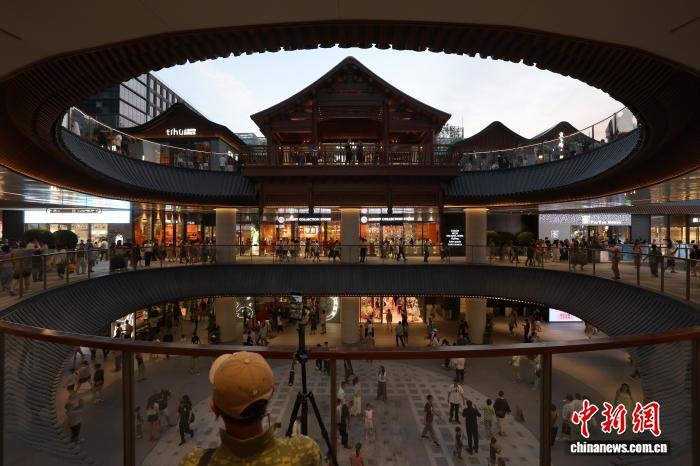
一刻钟便民生活圈

Search documents
商务部流通发展司负责人谈2025年1—9月我国批发和零售业发展情况
Shang Wu Bu Wang Zhan· 2025-10-27 07:04
Core Insights - The Ministry of Commerce has implemented measures to enhance the modern commercial circulation system, leading to a high-quality development of the wholesale and retail sectors in China [1] - From January to September, the added value of the wholesale and retail industry reached 10.5 trillion yuan, with a year-on-year growth of 5.6%, accounting for 10.3% of GDP [1] Wholesale Sector - In the wholesale sector, the profit of key monitored commodity markets increased by 8.2% year-on-year from January to September [1] - Profits in the industrial consumer goods and production materials markets grew by 17.9% and 6.4% respectively [1] Retail Sector - The retail sales of goods amounted to 32.5 trillion yuan from January to September, reflecting a year-on-year increase of 4.6% [1] - Various retail formats, including convenience stores, specialty stores, supermarkets, and brand stores, showed growth rates of 6.4%, 4.8%, 4.4%, 1.5%, and 0.9% respectively [1] - Emerging retail formats such as warehouse membership stores and unmanned stores maintained double-digit growth [1] Urban and Rural Market Development - Urban commercial activities showed steady improvement, with foot traffic and sales in monitored pedestrian streets increasing by 4.3% and 4.4% year-on-year [2] - The rural retail sales of consumer goods reached 4.9 trillion yuan, with a year-on-year growth of 4.6%, outpacing urban growth by 0.2 percentage points [2] - The rural e-commerce sector thrived, with online retail sales in rural areas growing by 7.7% and agricultural product online sales increasing by 9.6% [2] Consumer Trends - The "trade-in" policy has led to significant consumer engagement, with over 76 million consumers participating in the trade-in of 12 categories of home appliances, resulting in over 126 million units sold [3] - Retail sales of home appliances and audio-visual equipment from key retail units grew by 25.3% year-on-year, while communication equipment sales increased by 20.5% [3] - Traditional brands have revitalized, with events promoting "old brands" generating direct sales of 3.8 billion yuan and boosting online and offline sales to 16.9 billion yuan [3]
客流消费稳定增长 今年1—9月我国批发和零售业发展总体向好
Yang Shi Xin Wen Ke Hu Duan· 2025-10-27 06:04
Core Insights - The Ministry of Commerce has implemented measures to enhance the modern commercial circulation system, leading to a high-quality development of the wholesale and retail sectors in China [1] - From January to September, the added value of the wholesale and retail industry reached 10.5 trillion yuan, with a year-on-year growth of 5.6%, accounting for 10.3% of GDP [1] Group 1: Wholesale and Retail Performance - The wholesale sector saw a profit increase of 8.2% year-on-year, with industrial consumer goods and production materials profits growing by 17.9% and 6.4% respectively [1] - Retail sales reached 32.5 trillion yuan, with a year-on-year growth of 4.6%, and various retail formats such as convenience stores and supermarkets also showed positive growth [1] Group 2: Urban and Rural Market Development - Urban commercial activity is stable, with foot traffic and sales in monitored pedestrian streets increasing by 4.3% and 4.4% respectively [2] - Rural retail sales reached 4.9 trillion yuan, growing by 4.6%, which is 0.2 percentage points higher than urban growth [2] - Rural e-commerce is thriving, with online retail sales in rural areas increasing by 7.7% and agricultural product online sales growing by 9.6% [2] Group 3: Consumer Trends and Innovations - The "trade-in" policy has led to significant consumer engagement, with over 76 million consumers participating in the program, resulting in the purchase of over 126 million home appliances and 88 million digital products [3] - Retail sales of home appliances and audio-visual equipment increased by 25.3%, while communication equipment sales grew by 20.5% year-on-year [3] - Traditional brands are revitalizing, with events generating 38 billion yuan in direct sales and a 23% increase in dining transactions for time-honored brands [3]
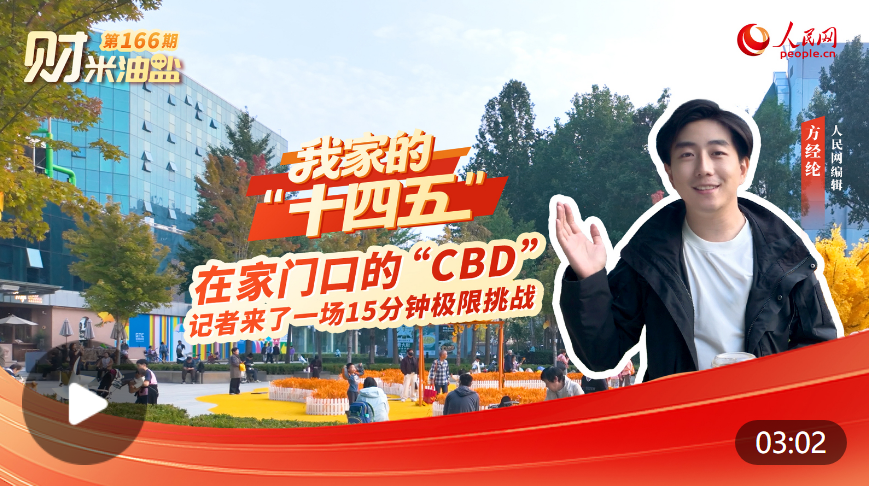
财米油盐丨在家门口,来一场15分钟极限挑战
Ren Min Wang· 2025-10-21 12:37
Core Insights - The "15-minute convenience living circle" has become a standard in many urban communities, allowing residents to complete essential daily tasks within a short walking distance [2][3] - As of July 2023, 6,255 convenience living circles have been established across 210 pilot areas, serving approximately 129 million residents [2] - The initiative is part of a broader urban renewal strategy, including the renovation of old residential areas and the enhancement of community services [3] Group 1 - The "15-minute convenience living circle" initiative started in 2021, focusing on optimizing community facility layouts based on local needs [2] - The initiative has led to the establishment of 150.3 million commercial outlets in various sectors, including elderly care and retail [2] - The program aims to improve both the "hard environment" and "soft services" in communities through urban renewal projects [3] Group 2 - By September 2023, 300,000 old residential areas have begun renovation, adding 79,600 community service facilities and 4 million parking spaces [3] - A new plan was issued in September 2023 to expand and upgrade the convenience living circles, focusing on the needs of the elderly and children [3] - By 2030, the goal is to establish 100 pilot cities for the convenience living circle, with a target of achieving over 90% resident satisfaction [3]

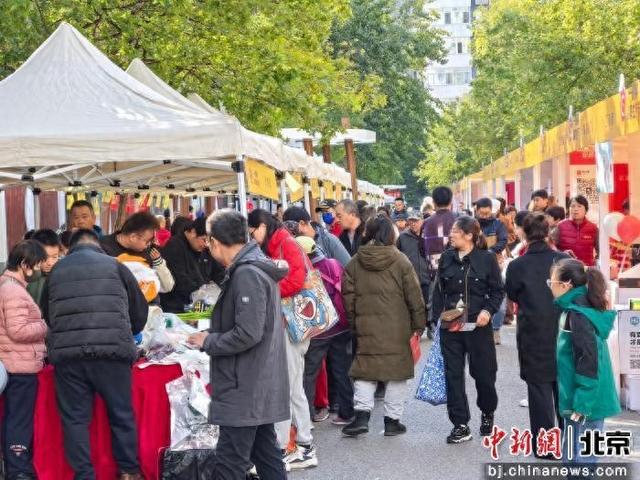
一刻钟品质生活节走进北京海淀中关村
Zhong Guo Xin Wen Wang· 2025-10-20 07:25
Core Insights - The "2025 One-Quarter Hour Quality Life Festival" was held in Beijing's Haidian District, focusing on enhancing local residents' quality of life through various services and activities [1][3]. Group 1: Event Overview - The festival took place from October 18 to October 19, featuring a theme of "One-Quarter Hour to Renew Your Home" [3]. - It included five main segments: smart housekeeping, elderly care, maternity and infant care, cleaning and organization, and emerging housekeeping services [3]. Group 2: Service Offerings - Over twenty well-known service platforms and companies participated, showcasing a range of home service solutions [3]. - Notable offerings included smart cleaning experiences from JD Home Services, integrated appliance maintenance services from Suning, convenient home service packages from Meituan, and personalized postpartum recovery services from Jiahe Yutai [3]. Group 3: Employment Opportunities - A dedicated recruitment area was established, providing various job opportunities in housekeeping and life services, such as housekeepers, supermarket stock clerks, and appliance repair technicians [3]. - The recruitment event facilitated direct communication between job seekers and employers, effectively addressing labor shortages in the service sector [3]. Group 4: Community Engagement - A flea market was organized to promote green living, where children exchanged or sold unused toys and household items, fostering community interaction and environmental awareness [4][5]. - The event also included a clothing recycling initiative by China Postal Savings Bank, promoting resource recycling and modern home living concepts [5]. Group 5: Resident Participation - The festival attracted a large number of residents, creating a vibrant atmosphere and allowing them to access comprehensive service information conveniently [6]. - The positive response from residents highlighted the effectiveness of the "One-Quarter Hour Quality Life Festival" in enhancing community engagement and service innovation [6].

人民至上,民生愿景变成幸福实景——江苏“十四五”经济社会发展综述之六
Xin Hua Ri Bao· 2025-10-19 23:09
Group 1: Employment and Economic Development - Jiangsu province is actively creating job opportunities, targeting the recruitment of over 235 million positions this year, with a focus on digital economy, low-altitude economy, and event economy sectors [2][3] - The province has successfully maintained an average annual urban employment increase of over 1.3 million over the past five years, accounting for more than 10% of the national total [3] - The per capita disposable income of residents in Jiangsu has increased from 47,498 yuan in 2021 to 55,415 yuan in 2024, with a year-on-year growth of 5.2% in the first half of this year [3] Group 2: Social Security and Welfare - Jiangsu has continuously improved the basic pension standard for urban and rural residents, ensuring that 11.97 million elderly insured residents received the new pension benefits by the end of September this year [4][5] - The province allocates over 75% of its public finances to the welfare sector annually, aiming to meet the people's aspirations for a better life [4] Group 3: Healthcare and Community Services - Jiangsu has established 458 standardized regional elderly care service centers with over 97,100 beds, focusing on professional care services for the elderly [5][6] - The province has implemented a "1+9+N" model for healthcare, enhancing the integration of medical resources and improving service accessibility for residents [9][10] - The "15-minute healthcare service circle" has achieved full coverage in towns and streets, ensuring that residents have easy access to healthcare services [10]
我家的十四五 财米油盐丨在家门口的“CBD”,记者来了一场15分钟极限挑战
Ren Min Wang· 2025-10-19 02:05
Core Insights - The article highlights the progress and impact of the "15-minute convenience living circle" initiative in China, showcasing how it enhances daily life for residents and reflects the effectiveness of national macro policies [1][2]. Group 1: Convenience Living Circle Development - The "15-minute convenience living circle" has become a standard feature in many urban communities, allowing residents to complete essential daily tasks within a 15-minute walk [1]. - As of July 2023, 6,255 convenience living circles have been established across 210 pilot areas, serving 129 million residents and involving 1.503 million commercial outlets [1][2]. Group 2: Urban Renewal and Community Services - The Chinese government has initiated urban renewal projects, including the renovation of old residential areas, resulting in the construction of 79,600 community service facilities and the addition of 4 million parking spaces [2]. - By September 2023, 300,000 old residential areas have begun renovation, enhancing both the "hard environment" and "soft services" in communities [2]. Group 3: Future Plans and Goals - A new initiative aims to expand and upgrade the convenience living circles by 2030, with plans to establish 100 pilot cities and create 500 "Silver Street" and "Children's Paradise" areas [2]. - The goal is to achieve over 90% resident satisfaction and a 30% chain store rate in upgraded convenience living circles [2].
“十四五”里的幸福清单丨用“卡路里”打开“十四五”这五年
Yang Shi Xin Wen Ke Hu Duan· 2025-10-15 07:52
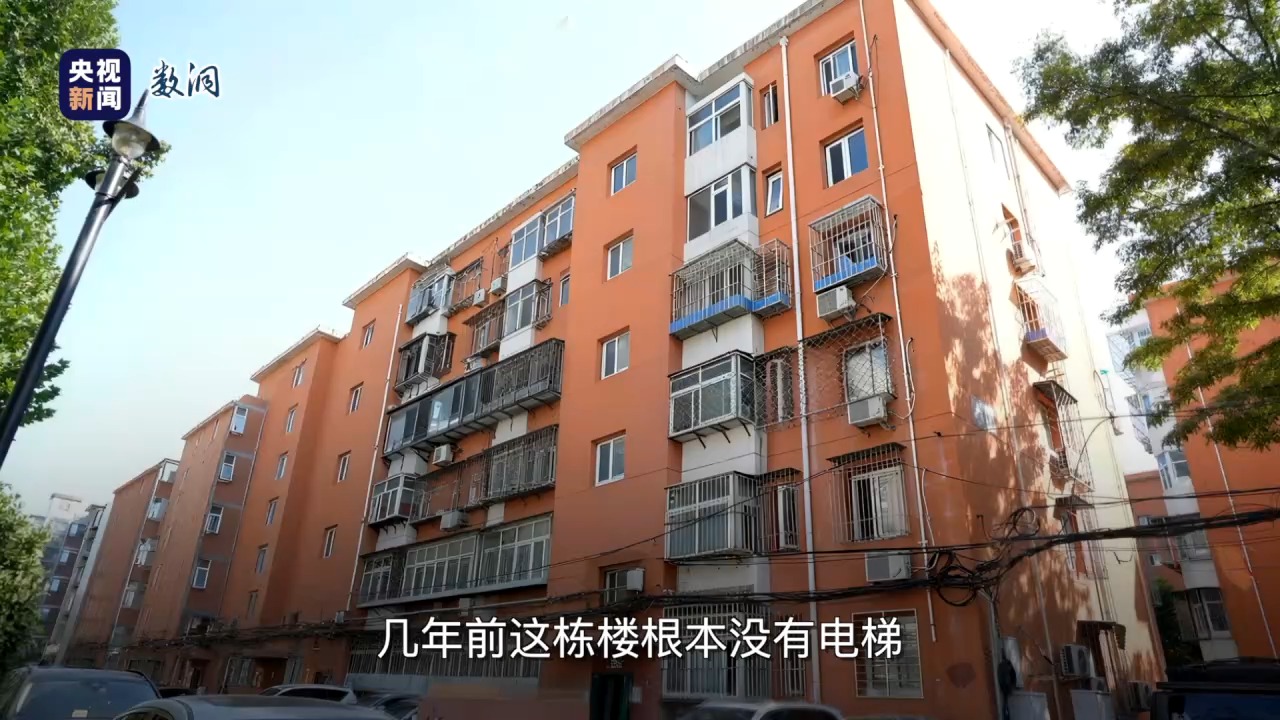
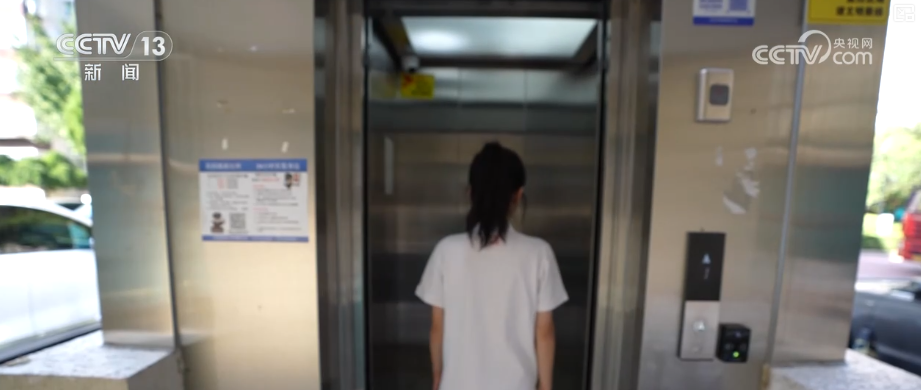
Core Insights - The article discusses the impact of the "14th Five-Year Plan" on daily calorie consumption and urban living, highlighting how urban infrastructure improvements are facilitating healthier lifestyles [1][18]. Urban Infrastructure Development - The installation of 129,000 elevators across the country is part of the urban renewal initiative, aimed at improving accessibility for the elderly and families with young children [5]. - The plan includes the construction of 25,000 kilometers of new urban greenways and over 1,500 sports parks, promoting active transportation and outdoor activities [9]. Active Lifestyle Promotion - Over 12 million shared bicycles have been deployed nationwide, with data showing that more than one-third of users ride at least four times a week, contributing to increased physical activity [11]. - The average weekly cycling distance per person is 2.5 kilometers, which can burn approximately 125 calories, equating to the energy of 22 cream cakes annually [11]. Community Convenience - The establishment of over 6,000 "15-minute convenience living circles" aims to enhance community services, allowing residents to access essential services within a short walking distance [16]. - This initiative focuses on saving time and energy for residents, enabling them to spend more quality time with family and engage in leisure activities [16]. Overall Impact - The "14th Five-Year Plan" is not only about economic growth but also emphasizes improving the quality of life through urban planning and infrastructure, ultimately leading to a healthier and more sustainable lifestyle [20].
多视角透视这本“热量账单”看“十四五”蓝图 | 改变悄然发生↓
Yang Shi Wang· 2025-10-15 03:28
Core Insights - The "14th Five-Year Plan" has significantly impacted daily life in China, influencing aspects such as urban infrastructure and public health through initiatives aimed at improving accessibility and promoting physical activity [1][20]. Group 1: Urban Infrastructure Improvements - Over the past five years, 129,000 elevators have been installed in old buildings, addressing the mobility challenges faced by the elderly and parents with strollers [6]. - The plan includes the construction of 25,000 kilometers of new urban greenways and over 1,500 sports parks, enhancing the urban landscape and promoting outdoor activities [10]. Group 2: Promotion of Physical Activity - The introduction of shared bicycles has led to over 12 million bikes being deployed nationwide, with more than one-third of users riding at least four times a week, contributing to increased physical activity [12]. - On average, users cycle 2.5 kilometers weekly, which can burn approximately 125 kilocalories, equating to the energy of 22 cream cakes annually [13]. Group 3: Community Services and Accessibility - The establishment of over 6,000 "15-minute convenience living circles" aims to provide essential services within a short walking distance, enhancing community accessibility and reducing the need for long commutes [18]. - This initiative allows residents to save time and energy, enabling them to focus on family and personal interests rather than long-distance errands [16].
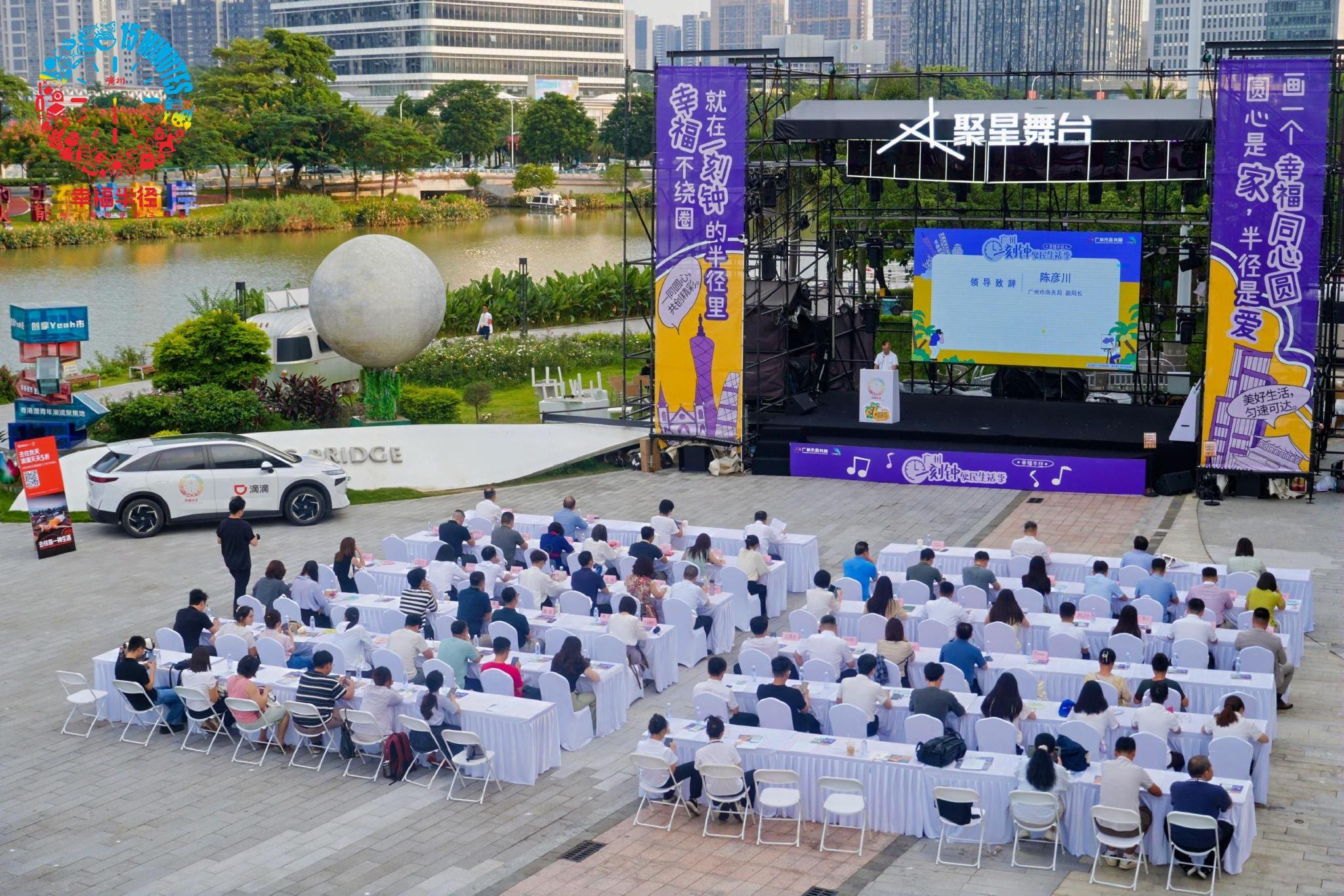
广州启动一刻钟便民生活季 首创“幸福半径同心圆”四个一共建模式
Zhong Guo Jin Rong Xin Xi Wang· 2025-10-14 12:16
Core Viewpoint - The "Guangzhou One-Quarter Hour Convenient Living Circle" initiative aims to enhance residents' convenience and happiness through the establishment of a comprehensive service network, focusing on core community needs and leveraging various stakeholders for effective implementation [1][2]. Group 1: Initiative Overview - The initiative is guided by the Guangdong Provincial Department of Commerce and aims to create a high-quality living environment by summarizing past efforts and mobilizing future actions [1][2]. - Guangzhou is recognized as the first city in the province to implement the "One-Quarter Hour Convenient Living Circle" and has established a service network across 21 pilot areas and 87 communities [2][4]. Group 2: Achievements and Impact - The initiative has led to the establishment of over 15,000 commercial outlets within the 15-minute service radius, benefiting approximately 1 million residents and creating over 110,000 jobs [4][5]. - Guangzhou ranks first among five international consumption center cities in the "China Urban Convenience Store Development Index" for 2024 [4]. Group 3: Policy and Planning - The city has released the "Guangzhou Urban One-Quarter Hour Convenient Living Circle Construction Special Plan (2023-2030)" and guidelines, focusing on defining living circle boundaries and enhancing service quality [5][6]. - The plan emphasizes a human-centered approach, integrating local characteristics and community needs into the development of the living circle [5]. Group 4: Community Engagement and Services - The initiative includes a "Community Co-Building Salon" to gather feedback from residents and experts, fostering dialogue on community needs and construction concepts [8]. - Various enterprises, including Meituan and UnionPay, are actively participating in the initiative, providing innovative community services and platforms to enhance local living experiences [6][11]. Group 5: Consumer Benefits and Activities - The initiative incorporates multiple consumer benefits, such as government-issued consumption vouchers and subsidies for vehicle purchases, enhancing the overall local living experience [14]. - Over 150 themed community service activities will be launched across 11 districts, covering various aspects of daily life, including food, shopping, and entertainment [14][15].
城区面貌焕新提质 北京西城以城市更新提升综合承载力
Zhong Guo Xin Wen Wang· 2025-10-14 06:49
Core Points - Beijing's Xicheng District is undergoing systematic and large-scale urban renewal to enhance its overall carrying capacity [1][2] - The district has completed significant infrastructure improvements, including the renovation of 84 roads and the removal of 153 kilometers of guardrails [2] - Xicheng has transformed 148 old residential communities, covering an area of 2.68 million square meters, and has implemented various renewal models [2][3] Urban Environment Enhancement - The district features 238 boutique streets, 878 beautiful streets, and 150 tree-lined slow-moving roads, contributing to a refined urban environment [3] - PM2.5 average concentration has improved by 33.8% compared to the end of the 13th Five-Year Plan, with water quality compliance rates at 100% [3] Economic Development - Xicheng is upgrading traditional commercial areas like Xidan and Dashilar while fostering new business districts such as Financial Street [6] - The district has introduced 328 "first stores" and established 53 "ten-minute convenient living circles" covering 263 communities [6] Cultural Heritage Promotion - The district has completed 21 tasks related to the application for World Heritage status for the central axis and has released 20 projects for the revitalization of cultural relics [7] - Cultural events such as the "Haitang Poetry Festival" have attracted international participation, showcasing the district's rich cultural heritage [7]