
城市内涵式发展

Search documents
人民时评:读懂城市发展的“中国视角”
Ren Min Ri Bao· 2025-11-04 06:45
Core Viewpoint - The recent World Cities Day highlighted the importance of sustainable urban development, showcasing various initiatives and practices from China and around the world, emphasizing the theme of "cities making life better" [1] Group 1: Ideology - The concept of "People's City built by the people, for the people" establishes a new path for urban modernization in China, focusing on public spaces and community needs [2] - Cities like Shanghai prioritize resources for the public, addressing practical issues such as housing for delivery workers and enhancing public spaces [2] - Urban planning across China is increasingly centered on the actual needs of the people, ensuring livable and workable environments through collaborative governance [2] Group 2: Practice - The shift towards intrinsic development opens new avenues for building modern, people-centered cities, with examples from Chongqing, Fuzhou, and Nanjing demonstrating effective urban management and ecological restoration [3] - The transition from large-scale expansion to quality improvement in urban development necessitates a focus on innovation, livability, beauty, resilience, civilization, and intelligence [3] - The emphasis on people-oriented, efficient, and coordinated urban development is crucial for enhancing the quality of urban life [3] Group 3: Impact - The "15-minute community life circle" concept, first proposed in Shanghai, has gained international traction, influencing urban planning in cities like Paris and Milan [4] - China's approach to sustainable urban development has resonated globally, with initiatives like the Shanghai Award and the Shanghai Index gaining recognition and application in various countries [4] - The commitment to shared governance and community well-being reflects a historical continuity in the pursuit of ideal urban living, contributing to global urban civilization [4]

读懂城市发展的“中国视角”
Ren Min Ri Bao· 2025-11-04 02:54
Core Viewpoint - The article emphasizes the importance of high-quality urban development in China, advocating for a shift from superficial improvements to a deeper, more inclusive approach that prioritizes the needs of the people and sustainable practices. Group 1: Ideological Perspective - The concept of "People's City built by the People, for the People" establishes a new path for urban modernization in China, focusing on public spaces and community needs rather than commercial interests [2] - Various cities in China, such as Beijing and Guangzhou, are implementing urban planning that prioritizes the actual needs of the populace, enhancing livability and community engagement [2] Group 2: Practical Perspective - The shift towards intrinsic development is opening new avenues for building modern urban environments, with examples from cities like Chongqing and Fuzhou showcasing data-driven management and cultural preservation [3] - The focus is on transitioning from extensive growth to qualitative improvements, emphasizing innovation, livability, and resilience in urban development [3] Group 3: Impact Perspective - China's "15-minute community life circle" initiative has gained international recognition, influencing urban planning concepts in cities like Paris and Milan, demonstrating China's role in global urban sustainability [4] - The Shanghai Award and related initiatives highlight China's contributions to international urban development, showcasing a commitment to shared global responsibilities [4]
社区花园中的城市“存量账”
Ren Min Ri Bao· 2025-10-29 05:44
Core Insights - The article discusses the effective utilization of idle spaces in communities through the construction of community gardens, highlighting the collaborative efforts of residents and local authorities in Beijing and Shanghai [1][2][3][4] Group 1: Community Garden Initiatives - Beijing's Huacai Community micro-garden was developed through on-site assessments and discussions with residents, leading to significant improvements in the community environment [1] - Shanghai's Xujiahui Street features an "air community garden" inspired by local school children, showcasing innovative designs that enhance community engagement [1] Group 2: Urban Development Strategies - The focus is on transforming existing urban spaces rather than pursuing large-scale expansions, emphasizing quality improvement and resource optimization [1][2] - Chengdu's Southwest Street community created a neighborhood reception area to meet the needs of elderly residents, demonstrating the importance of addressing community demands in urban planning [2] Group 3: Sustainable Management of Community Resources - The management of community facilities post-construction is crucial, with examples from Qingdao where a sports park was created under a bridge, incorporating revenue-generating projects for sustainability [3] - Cities are encouraged to adopt personalized and diversified operational strategies to enhance public facility management and ensure effective resource utilization [3] Group 4: Community Participation in Urban Planning - Engaging residents in the planning process is essential, as seen in Chongqing's Jiulongpo District, where community discussions led to clearer renovation plans [4] - The article emphasizes the need for innovative mechanisms to foster community involvement and consensus in urban development, aligning with national policies aimed at activating urban resource potential [4]
上海向存量要功能,向集约要空间,向更新要效益 以人民为中心,书写城市发展新篇章
Ren Min Ri Bao· 2025-10-26 22:20
Group 1 - The concept of "People's City" was first proposed by General Secretary Xi Jinping in November 2019, emphasizing that cities should be built by and for the people [1] - Shanghai has integrated the "People's City" construction into global sustainable urban development discussions, collaborating closely with UN-Habitat to create international platforms and awards [1] - The city is exploring new urban management models that align with its characteristics as a large metropolis, focusing on community engagement and public space utilization [1] Group 2 - Shanghai has achieved the milestone of its 1000th park, the West Bank Natural Art Park, which incorporates youth feedback and aims to create a "park city" [2] - The city is focusing on intensive development strategies, including community micro-renovations and large-scale updates to commercial buildings, enhancing public spaces [2] - By the end of September, Shanghai has constructed and supplied a total of 600,000 units of affordable rental housing, with a focus on creating a multi-level housing system for youth [2]
奋勇争先,决战决胜“十四五”|走出一条中国特色城市现代化新路子
Ren Min Ri Bao· 2025-10-17 04:02
Core Points - The construction of modern urban areas is emphasized as a key aspect of modernization and improving people's quality of life, with a focus on innovation, livability, beauty, resilience, civilization, and intelligence [1] - The transformation of old industrial parks into entrepreneurial communities reflects the essence of modern urban development, highlighting the importance of green and low-carbon initiatives [2] - The establishment of a comprehensive housing security system in China has significantly improved living conditions for over 170 million people, with extensive community service facilities being added [3] - Urban development is characterized by the cultivation of new growth drivers and the enhancement of historical and cultural preservation, with cities showcasing diverse strengths [4] - Coordinated urban planning and governance have led to substantial investments and infrastructure improvements, particularly in major urban centers [5] - The integration of community participation in urban governance is crucial for addressing urban challenges and promoting high-quality urban development [7] Summary by Sections Urban Modernization Goals - The central government has set clear goals for modern urban development, focusing on a unique Chinese path to urban modernization [1] Transformation of Industrial Areas - The rejuvenation of the high-tech park in Hangzhou illustrates the shift towards innovative industries and sustainable practices [2] Housing and Community Services - China has built the world's largest urban housing security system, benefiting millions and enhancing community facilities [3] New Growth Drivers and Cultural Preservation - Cities are leveraging their unique resources for innovation and cultural heritage, contributing to overall urban strength [4] Urban Planning and Investment - Significant investments in urban infrastructure are evident, particularly in Beijing and Xiong'an New Area, showcasing effective urban governance [5] Community Engagement in Urban Governance - The use of community feedback mechanisms is essential for effective urban management and development [7]
解锁“国际滨”内涵式发展“新公式”
Hang Zhou Ri Bao· 2025-10-17 02:22
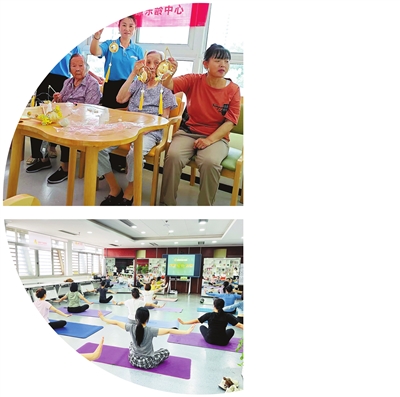
Core Insights - The article discusses the development of "International Binjiang" as a vibrant urban area that integrates work and life, emphasizing a service ecosystem that caters to the needs of residents and businesses [4][6][10]. Group 1: Urban Development and Services - "International Binjiang" showcases a youthful demographic with an average resident age of 33.5 years, highlighting its dynamic and innovative character [4]. - The area is implementing a "work circle equals life circle" service model, focusing on the integration of production, living, and ecological layouts to enhance urban livability [5][6]. - The community has established a comprehensive service system that includes housing assistance, psychological support, and educational services for employees and their families [7][8]. Group 2: Community Initiatives - The "Torch Industrial Community" has developed a rental service that matches employees with housing options, achieving a 100% response rate to rental inquiries and an 85% success rate in matching tenants [6]. - A new "short-term elderly care" service was launched, providing affordable accommodation and care for seniors, which has been positively received by families needing temporary support [8]. - The "Star Light Community" has transformed a space into a free marriage service venue, promoting social interactions among young professionals and enhancing community engagement [9]. Group 3: Social Welfare and Integration - The community has initiated a project to support families seeking medical care, providing temporary housing and comprehensive services to ease their experience [10]. - The integration of professional social work and volunteer services is being emphasized to address fragmented community needs and enhance service delivery [6][7]. - The local government is focused on creating a warm and welcoming environment, fostering a sense of belonging among residents, particularly for those from outside the region [10][11].

赵一德赵刚会见世界城地组织主席范赞能联合国工发组织总干事代表法图·海达拉一行
Shan Xi Ri Bao· 2025-10-16 23:13
Core Points - The meeting held in Xi'an on October 16 involved key figures from the Shaanxi provincial government and representatives from the World Organization of Cities and the United Nations Industrial Development Organization [1][2] - Shaanxi's strategic location as the eastern starting point of the ancient Silk Road is emphasized, highlighting its role as an important base for China's westward opening [1] - The provincial government aims to deepen cooperation with the two organizations in areas such as urban governance, technological innovation, industrial upgrading, and talent cultivation [1] - The World Organization of Cities expressed interest in expanding cooperation with Shaanxi to establish exchange mechanisms with more global cities [1] - The UNIDO representative highlighted the potential for collaboration in clean energy and artificial intelligence to promote sustainable development [1] Summary by Categories Economic Development - Shaanxi is positioned as a key player in the Belt and Road Initiative, enhancing its regional advantages [1] - The province's rich educational and scientific resources are noted as a foundation for future cooperation [1] International Cooperation - The meeting aims to leverage the visit to strengthen ties with the World Organization of Cities and UNIDO [1] - There is a focus on sharing development experiences and establishing new cooperation growth points [1] Sustainable Development - Emphasis on projects related to clean energy and artificial intelligence to drive green and low-carbon development [1]
住建部发声!事关房地产市场
Zhong Guo Zheng Quan Bao· 2025-10-11 04:39
Core Insights - The current phase of urbanization in China is shifting from rapid growth to stable development, focusing on improving existing urban infrastructure rather than large-scale expansion [1] - The Ministry of Housing and Urban-Rural Development (MOHURD) aims to implement the "14th Five-Year Plan" effectively and is preparing for the "15th Five-Year Plan" to enhance urban living conditions and promote modern city development [1] Summary by Sections Housing Market Performance - During the "14th Five-Year Plan," approximately 5 billion square meters of new residential properties were sold nationwide [2] - The transaction volume of second-hand housing has surpassed that of new homes in 15 provinces, regions, and municipalities [2] - Over 7 million units of sold but undelivered housing have been successfully delivered [3] Urban Development Initiatives - More than 240,000 old urban communities have been renovated, benefiting over 110 million residents [4] - The MOHURD has implemented 2,387 urban village renovation projects, providing over 2.3 million units of resettlement housing [4] - A total of 840,000 kilometers of underground pipelines have been upgraded, enhancing urban safety and resilience [4] Financing and Policy Support - The national "white list" project loan approval amount has exceeded 7 trillion yuan, facilitating financing for housing projects [5][6] - The MOHURD has introduced various supportive measures for homebuyers, including lowering down payment ratios and interest rates, as well as tax incentives for property transactions [2][6] Future Planning - The MOHURD is actively preparing the "15th Five-Year Plan" for housing development, focusing on aligning housing supply with population changes and optimizing land and financial resource allocation [7] - The ministry aims to establish a new model for real estate development that promotes high-quality growth and a balanced supply-demand structure [7]
全省城市工作会议召开
Da Zhong Ri Bao· 2025-09-19 01:00
Core Points - The provincial urban work conference was held in Jinan, emphasizing the need to enhance urban development quality and competitiveness in line with Xi Jinping's directives [2][3] - The conference outlined a vision for modern urban development, focusing on innovation, livability, beauty, resilience, civilization, and smart city initiatives [3] Group 1: Urban Development Strategy - The meeting highlighted the importance of constructing a modern urban system and improving urban planning to enhance the radiating capacity of the Jinan-Qingdao area [3] - It emphasized the need for coordinated development among urban clusters, metropolitan areas, and the integration of urban and rural areas [3] Group 2: Focus Areas for Urban Improvement - The conference called for innovation in urban construction, promoting technological innovation and industrial upgrades [3] - It stressed the importance of creating livable cities by improving living conditions and public services [3] - The need for beautiful cities was highlighted, focusing on carbon reduction, pollution control, and increasing green spaces [3] - Resilience in urban development was emphasized, including enhancing disaster prevention capabilities and public safety management [3] - The preservation of historical and cultural heritage to shape unique urban characteristics was also discussed [3] - The establishment of a smart city governance system and strengthening grassroots governance units were identified as key areas for improvement [3]
推进城市内涵式发展
Ren Min Ri Bao· 2025-09-19 00:58
Core Insights - Urbanization is a crucial driver for high-quality development and modernization in China, emphasizing the need for an orderly and gradual approach to urbanization that aligns with economic and social development laws [1][2][3] Group 1: Urban Development Principles - The concept of "people-centered" urban development is essential, focusing on meeting the actual needs of the populace rather than merely prioritizing land and real estate development [2][3] - Urban development should transition from extensive expansion to intensive cultivation, ensuring coordinated economic, social, and environmental growth within scientifically defined development boundaries [1][3] Group 2: Quality and Efficiency in Urbanization - Urban development must prioritize quality and efficiency, moving away from mere scale expansion to sustainable practices that enhance resource utilization and ecological balance [3][4] - Emphasis on cultivating high-end and emerging industries is necessary to boost economic competitiveness while improving cultural, educational, and technological capabilities [3][4] Group 3: Innovation as a Development Driver - A shift from "factor-driven" to "innovation-driven" development is critical, necessitating reforms that foster a conducive environment for technological innovation and new business models [4][5] - Encouraging collaboration between enterprises, educational institutions, and research organizations is vital for translating scientific achievements into practical applications [4][5] Group 4: Unique Urban Identity - Each city should leverage its unique natural endowments, historical culture, and industrial foundations to avoid homogenization and enhance its distinctiveness [5] - Urban planning and development should respect local characteristics and heritage, promoting cultural tourism and preserving historical resources to enrich urban identity and economic vitality [5]
