
犒赏经济

Search documents
今天,A股有一个微妙变化,和两个“不变”
Mei Ri Jing Ji Xin Wen· 2025-12-18 08:15
Market Overview - On December 18, the three major indices showed mixed results, with the Shanghai Composite Index rising by 0.16%, while the Shenzhen Component Index fell by 1.29% and the ChiNext Index dropped by 2.17% [13][14] - The market saw nearly 2,900 stocks rise, with a total trading volume of 1.66 trillion yuan, a decrease of 155.7 billion yuan from the previous trading day [14][15] Sector Performance - The pharmaceutical commercial, banking, and retail sectors led the gains, while battery and power grid equipment sectors experienced declines [14][25] - The micro-cap stock index rose by 1.79%, marking its largest single-day gain this month, and has increased by 75.94% year-to-date [18][27] Investment Trends - The concept of "reward economy" emerged, where consumers purchase non-essential goods or services to alleviate stress, indicating a shift in consumer behavior [25][26] - The new consumption sector is expected to evolve towards sustainable business models and profitability, with a focus on health, practicality, and emotional consumption [26][27] Regulatory Changes - The National Healthcare Security Administration and the Ministry of Human Resources and Social Security announced an adjustment to the national medical insurance drug list, adding 114 new drugs, including 50 innovative drugs, effective January 1, 2026 [27][28] Commercial Aerospace Activity - The commercial aerospace sector remains active, with the Long March 12A reusable rocket scheduled for its first launch in December 2025, reflecting a shift towards cost-effective manufacturing and increased launch frequency [28]

今天A股有一个微妙变化 和两个“不变”!各热点间仍以轮动为主
Mei Ri Jing Ji Xin Wen· 2025-12-18 08:02
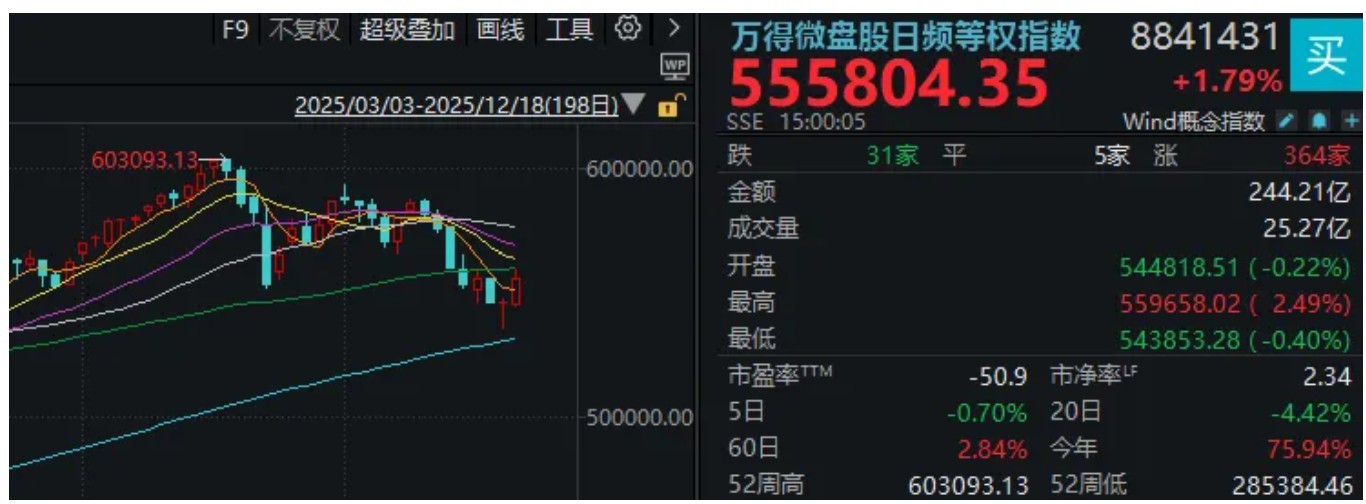
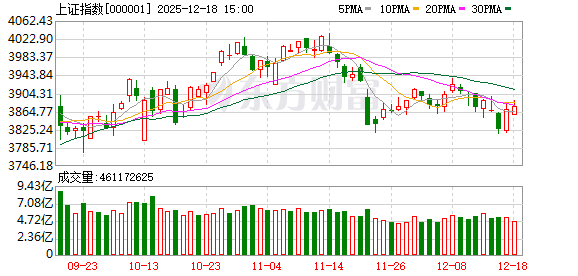
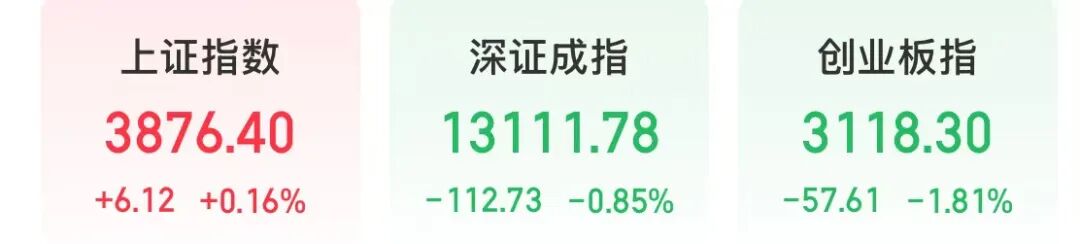
板块方面,医药商业、银行、零售等板块涨幅居前,电池、电网设备等板块跌幅居前。 全市场近2900只个股上涨。沪深两市成交额1.66万亿元,较上一个交易日缩量1557亿。 今天盘中,一度有近4000只股票上涨,三大指数却依旧涨跌不一。 12月18日,三大指数涨跌不一,沪指低开回升,创业板指低开低走跌超2%。截至收盘,沪指涨0.16%,深 成指跌1.29%,创业板指跌2.17%。 不难发现,是那些"非权重"的个股,或者说小微盘股走强了。 数据显示,昨日"金针探底"的微盘股指数,今天收涨1.79%,录得本月最大单日涨幅。中证2000指数盘中 也"一阳穿多线",不过午后回落较多。 | F9 不复权 超级叠加 画线 工具 ③ | | 万得微盘股日频等权指数 | 8841431 | | | --- | --- | --- | --- | --- | | 2025/03/03-2025/12/18(198日)▼ | | 3804 35 | +1.79% | | | | SSE 15:00:05 | | | Wind概念指数 / ● + | | 600000.00 | | 31家 平 | | 5家 涨 364家 | | | | ...
学习时报:何为“犒赏经济”
财联社· 2025-12-18 06:20
Core Viewpoint - The rise of the "Reward Economy" among young consumers in China reflects a shift in consumption patterns, driven by the desire for self-care and emotional fulfillment, as the economy transitions from high-speed growth to high-quality development [1][2][3] Group 1: Definition and Characteristics of the "Reward Economy" - The "Reward Economy" refers to consumers purchasing non-essential goods or experiences to gain immediate pleasure and psychological relief in response to work and life pressures [1] - Unlike the traditional "lipstick effect," which is a reaction to economic downturns, the "Reward Economy" showcases a proactive approach where consumers prioritize emotional value over mere functionality [2] - This consumption behavior indicates a significant shift in consumer decision-making, where emotional and psychological needs are increasingly prioritized alongside basic necessities [2][3] Group 2: Psychological and Social Drivers - The "Reward Economy" is supported by psychological resilience, where self-rewarding behaviors help individuals cope with stress and enhance mental well-being [3] - A notable increase in emotional and self-actualization needs, as per Maslow's hierarchy, drives consumers to seek products that provide emotional significance beyond their functional use [3] Group 3: Impact on Industry and Market Dynamics - The "Reward Economy" is reshaping consumer behavior and placing higher demands on supply-side industries, prompting innovation and the development of unique, high-quality products and services [4] - It encourages cross-industry integration, where traditional sectors like manufacturing and services merge to create new business models that enhance emotional value [4] - Cultural consumption is significantly boosted, particularly in areas like creative cultural products, which fosters the development of traditional culture through innovative transformation [4] Group 4: Regulatory and Market Considerations - The government is encouraged to promote rational consumption and prevent the pitfalls of consumerism associated with the "Reward Economy," ensuring that it serves broader human development goals [5] - Market regulation is essential to address issues like product quality and deceptive marketing practices, ensuring a trustworthy environment for consumers [5] - Companies are urged to enhance their supply capabilities and focus on delivering high-quality, emotionally resonant products, moving beyond superficial marketing tactics [5]

A股新概念来了!犒赏经济概念多股涨停,投资机会几何?
Zhong Guo Zheng Quan Bao· 2025-12-18 06:03
今天上午,大消费上涨,影视院线、IP经济、啤酒等板块涨幅居前。 最近《疯狂动物城2》和《阿凡达3》两部影片引发市场关注。据灯塔专业版实时数据,截至12月17日17时15分,影片《疯狂动物城2》票房突破36亿元。12 月19日,《阿凡达3》将正式上映,猫眼专业版数据显示,截至12月17日18:10,《阿凡达3》点映及预售总票房已破6500万元。 《疯狂动物城2》的银幕热潮,正席卷潮玩市场。目前已有多家品牌与《疯狂动物城2》达成联名合作,合作领域涵盖潮玩、餐饮、服饰、珠宝、日用品等多 个赛道。其中,合作企业包括泡泡玛特、名创优品、52TOYS、瑞幸、李宁、老凤祥等知名品牌。 A股新概念又来了——犒赏经济。 12月17日,《学习时报》发表文章《何为"犒赏经济"》,所谓"犒赏经济",是指消费者在面对工作生活压力或特定的心理需求时,通过购买价格在承受范围 内的非必需品或体验服务,以获取即时性愉悦感、自我确认感和心理疗愈的一种经济活动。 今天上午,犒赏经济概念上涨,广博股份、奥佳华、瑞贝卡、德艺文创等多股涨停。 大消费上涨 东兴证券表示,2025年新消费投资情绪经历了从高涨到谨慎的过程。2026年,对于新消费领域的投资将 ...

狂掀涨停潮!A股新概念来了!
天天基金网· 2025-12-18 05:26
Core Viewpoint - The article introduces the concept of "Reward Economy," which refers to consumers purchasing non-essential goods or experiential services within their financial means to achieve immediate pleasure, self-affirmation, and psychological healing in response to work and life pressures [2] Group 1: Reward Economy - The concept of "Reward Economy" has led to a surge in stock prices for companies like Guangbo Co., Aojiahua, Ruibeika, and Deyi Culture, with several stocks hitting the daily limit [2] - The Shanghai Composite Index rose by 0.16%, while the Shenzhen Component Index and the ChiNext Index fell by 0.85% and 1.81%, respectively, indicating mixed market reactions [2] Group 2: Consumer Sector Performance - The consumer sector saw significant gains, particularly in film and television, IP economy, and beer industries, with these sectors leading in percentage increases [4] - Specific stocks such as Deyi Culture and Guangbo Co. experienced notable price increases of 20.05% and 10.04%, respectively, reflecting strong investor interest [5] Group 3: Film Industry Impact - The release of "Zootopia 2" has generated considerable market attention, with its box office surpassing 3.6 billion yuan, while "Avatar 3" is set to release soon, with pre-sales already exceeding 65 million yuan [6] - Collaborations between various brands and "Zootopia 2" span multiple sectors, including toys, dining, apparel, and jewelry, indicating a broad impact on consumer spending [6] Group 4: Pharmaceutical Sector Activity - The pharmaceutical sector showed active performance, with significant gains in medical commerce, family doctor services, and dental care, highlighted by stocks like Huaren Health and Shuyupingmin [8] - Huaren Health's stock surged by 20% to 21.84 yuan, while Shuyupingmin increased by 11.18% to 16.71 yuan, showcasing strong investor confidence in the sector [9] Group 5: Innovations in Healthcare - Ant Group announced an upgrade to its AI health application, now named "Ant Aifu," focusing on comprehensive health management services [10] - Baidu's "Wenxin Health Steward" was also upgraded, positioning itself as a 24-hour family doctor service, indicating a trend towards AI-driven healthcare solutions [10] Group 6: Trends in Pharmaceutical Industry - The Chinese pharmaceutical industry is experiencing strong innovation and international collaboration, with significant partnerships like the one between Yaoyou Pharmaceutical and Pfizer, valued at over 2 billion USD [11] - Recommendations for investment focus on companies involved in major business development transactions and those with robust R&D pipelines, indicating a shift towards high-quality growth in the sector [11]

多股涨停!A股新概念来了
Zhong Guo Zheng Quan Bao· 2025-12-18 04:36
Group 1: Reward Economy - The concept of "Reward Economy" refers to consumers purchasing non-essential goods or experiential services within their financial means to gain immediate pleasure, self-affirmation, and psychological healing in response to work and life pressures [1] - Stocks related to the Reward Economy, such as Guangbo Co., Aojiahua, Ruibeka, and Deyi Culture, saw significant price increases, with some reaching the daily limit [1] Group 2: Consumer Sector Performance - The consumer sector showed strong performance, particularly in areas like film exhibition, IP economy, and beer, with notable gains [2] - The film "Zootopia 2" has surpassed 3.6 billion yuan in box office revenue, while "Avatar 3" has already generated over 65 million yuan in pre-sales and screenings [3] Group 3: Collaboration and Market Trends - The success of "Zootopia 2" has led to collaborations across various sectors, including toys, dining, apparel, jewelry, and daily necessities, involving brands like Pop Mart and Luckin Coffee [4] - The new consumption investment sentiment is expected to shift from short-term narratives to sustainable business models and profitability, with a focus on health, new practicality, and emotional consumption [4] Group 4: Pharmaceutical Sector Activity - The pharmaceutical sector is experiencing active performance, with significant gains in medical commerce, family doctor services, and dental care [5] - Notable stocks include Shangyu Pimin and Yingte Group, both achieving substantial price increases [6] Group 5: Innovations in Healthcare - Ant Group has upgraded its AI health application to "Ant Aifu," focusing on comprehensive health management for users [7] - Baidu has launched the "Wenxin Health Steward," an AI-driven family health service, enhancing its healthcare offerings [7] Group 6: International Collaboration in Pharmaceuticals - The Chinese pharmaceutical industry is witnessing strong innovation and international collaboration, highlighted by a strategic partnership between Yaoyou Pharmaceutical and Pfizer worth over 2 billion USD [8] - The industry is moving towards internationalization and technological upgrades, with a focus on major business development transactions and companies with robust R&D pipelines [8]
美国消费永远增长的神话即将破灭?普华永道发出警告
Mei Ri Jing Ji Xin Wen· 2025-09-03 16:16
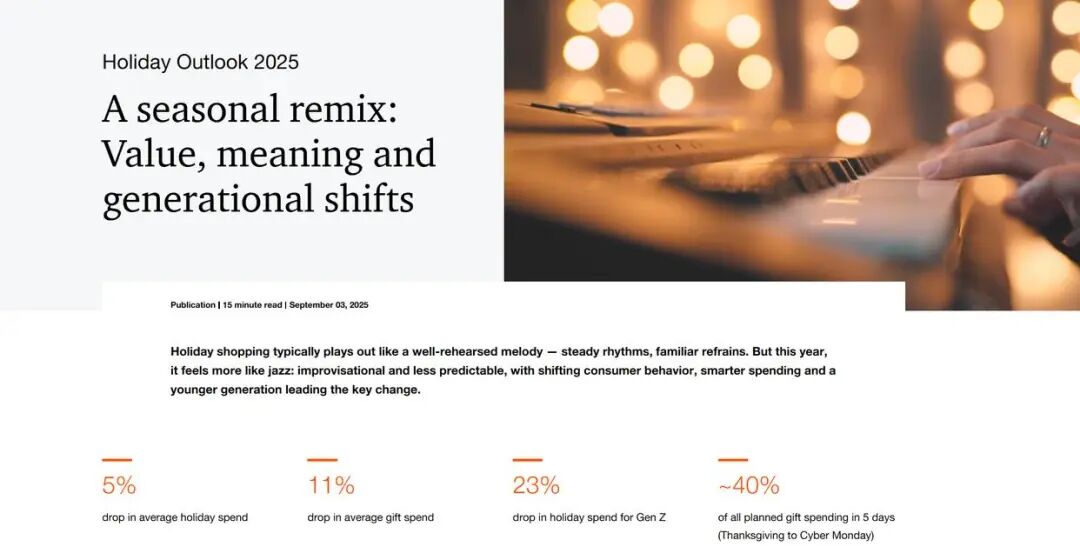
Core Insights - The PwC report indicates that U.S. consumers expect their holiday spending to decrease by an average of 5% compared to 2024, marking the first significant decline since 2020 [2][3] - Over 80% of U.S. consumers anticipate cutting back on spending in the next six months due to factors such as new tariffs, rising prices, and increased living costs [2] - The report highlights a notable trend among Generation Z (under 27 years old), who expect a 23% reduction in spending compared to the previous year, contrasting sharply with a 37% increase in 2024 [2] Consumer Behavior Trends - Ali Furman from PwC notes that Generation Z is particularly sensitive to value and cost transparency, viewing alternative products not as downgrades but as smart shopping choices [6] - This generation prioritizes experiences over material goods, often choosing to spend on concert tickets, hotel stays, and flights rather than new items, which reflects the pressures of rising experience costs [6] - The emerging trend of "reward economy" is seen as an upgrade from the "lipstick economy," focusing on emotional value and consumer differentiation, but it may lead to increased spending without proper financial planning [6] Financial Indicators - The Philadelphia Federal Reserve reports that the proportion of Americans only making minimum credit card payments is nearing historical highs [7] - TransUnion's research shows a shift from high-interest credit card debt to personal loans, with personal loan issuance increasing by 18% year-over-year, reaching a record balance of $257 billion [7] - The University of Michigan's consumer sentiment index fell to 58.6 in August, driven by pessimism regarding the current economic situation, breaking a four-month growth streak [7]
美国为何开始流行“犒赏经济”
Sou Hu Cai Jing· 2025-08-30 23:21
Core Concept - The article discusses the emergence of a new economic phenomenon termed "reward economy," which reflects the spending habits of young American professionals seeking emotional relief from work-related stress [1][2][3]. Group 1: Definition and Characteristics - The "reward economy" is described as a consumption-driven economic model where individuals indulge in small luxuries to alleviate stress, contrasting with the "lipstick economy," which is more about affordable indulgences during economic downturns [2]. - This economic model is characterized by immediate gratification, where consumers prioritize emotional value over cost-effectiveness, leading to increased spending on experiences like concerts rather than saving for larger purchases [3]. Group 2: Demographics and Behavior - The primary participants in the reward economy are young middle-class Americans facing significant work pressures, such as tech workers and graduate students, who struggle to maintain a balanced lifestyle despite having decent incomes [2][3]. - Examples of consumer behavior include individuals spending on flowers, gaming funds, and indulgent meals as a form of self-reward, highlighting a trend towards seeking immediate pleasure as a coping mechanism for stress [3]. Group 3: Market Trends and Business Implications - A significant portion of consumers (67%) plan to engage in shopping during major sales events, with 45% intending to treat themselves, indicating a shift in consumer behavior towards self-rewarding purchases [4]. - Businesses are adapting their marketing strategies to cater to this emotional consumer demand, offering personalized products and services, such as limited edition beauty products and customized travel experiences [4]. Group 4: Economic Indicators and Concerns - The rise of the reward economy is linked to broader economic trends, with experts suggesting that its growth may correlate with credit card default rates, providing insights into the economic pressures faced by consumers [5]. - Current data indicates that credit card default rates in the U.S. have reached a 14-year high, particularly among high-income groups, suggesting that while the reward economy thrives, underlying financial stress persists [5][6].