
产教融合

Search documents
人工智能重塑技工教育新图景——全国百所院校无锡共话产教融合新路径
Yang Zi Wan Bao Wang· 2025-10-27 13:51
Core Viewpoint - The forum focused on the theme of "Pathways and Directions for Industry-Education Integration in the Context of Artificial Intelligence," highlighting the opportunities and challenges faced by vocational education in the AI era [1][2]. Group 1: Forum Highlights - The forum was hosted by Wu Jing, a member of the Expert Committee of the China Vocational Association, emphasizing the need for deeper integration of industry and education as a strategic move for the future [2]. - Shao Weijun, Vice President of the China Vocational Association, stressed the importance of addressing the national mission of "Strengthening Education and Skills for the Country" through collective efforts [2]. Group 2: Institutional Contributions - Zhang Wenhua, Vice President of Wuxi Technician College, reviewed the institution's 70-year history, highlighting its commitment to national development and the cultivation of high-quality technical talent, with a graduate employment rate exceeding 98% [3]. - The college aims to focus on cultivating composite talents and building a modern vocational college that is nationally leading and regionally strong [3]. Group 3: Practical Innovations - Representatives from six vocational colleges shared their unique practices, such as AI-enabled teacher training and the integration of AI in traditional manufacturing sectors [4]. - Notably, the Hubei Folk Craft Technician College showcased its "AI + Intangible Cultural Heritage" model, merging traditional crafts with modern technology to create a new educational paradigm [4]. Group 4: Future Outlook - The forum facilitated deep discussions on the role of small and medium enterprises in industry-education integration and the cultivation of digital skills in specific industries [5]. - Participants agreed that the forum served as a platform for sharing experiences and building consensus, aiming to enhance vocational education in the context of AI [5][6].
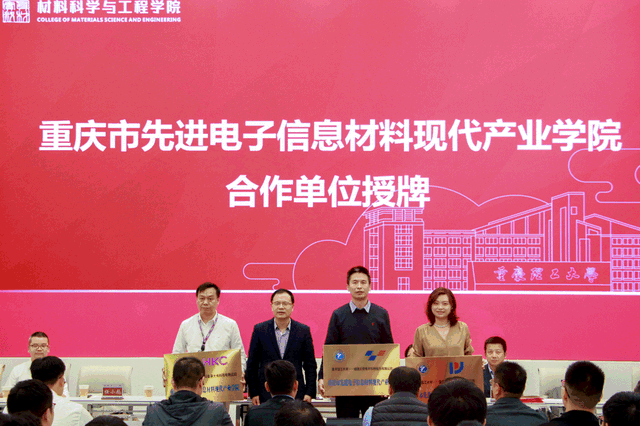
重庆理工大学:校企携手,共育电子信息材料领域卓越人才
Huan Qiu Wang· 2025-10-27 10:21
Group 1 - The establishment of the Electronic Information Materials Excellence Talent Training Class at Chongqing University of Technology is a key initiative to align with national strategies and the industrial system of Chongqing, enhancing the new engineering education framework [1][3] - The program aims to cultivate students with solid theoretical knowledge, practical skills, innovative spirit, and international vision, contributing to overcoming critical technological challenges in the field [3][5] - Core partner companies, including Fujian Torch Electronic Technology Co., Ltd. and Chongqing Pingwei Industrial Co., Ltd., will deeply engage in talent cultivation by providing practical platforms and R&D projects [5] Group 2 - The training class is built upon the advantages of the Advanced Electronic Information Materials Modern Industry College and the Materials Science discipline at Chongqing University of Technology, featuring a new "2.5+1.5" innovative practical training system [5] - The program emphasizes school-enterprise collaboration, introducing real projects from companies and implementing a dual-mentor system to enhance students' abilities to solve complex engineering problems [5]


技工教育趋热,广西在发力
Guang Xi Ri Bao· 2025-10-27 01:13
Core Insights - The transformation of vocational education in Guangxi is reshaping the destinies of youth, with a focus on technical skills and practical training [1][2][5] - The increasing popularity of technical education is driven by changing societal perceptions and the demand for skilled labor in various industries [3][4][6] Group 1: Educational Transformation - The establishment of a modern technical worker training system in Guangxi aims to deepen the integration of industry and education, enhancing the quality of technical education [2][5] - Technical education is experiencing a significant transformation, with rising enrollment numbers and improved student quality, as evidenced by Guangxi Industrial Technician College completing its enrollment target ahead of schedule [3][4] Group 2: Industry Demand and Employment - The demand for skilled labor is increasing due to the development of modern industrial systems in Guangxi, with over 60% of graduates entering the real economy and major engineering projects [5][6] - Graduates from technical schools are receiving higher starting salaries compared to five years ago, reflecting the growing recognition of their skills in the job market [6] Group 3: Curriculum and Training Approaches - Technical schools are adapting their curricula to align with industry needs, implementing innovative training models such as "integrated learning" and partnerships with companies [7][8] - The introduction of new programs in artificial intelligence and smart vehicle technology demonstrates the responsiveness of technical education to emerging industry trends [7][8] Group 4: Policy Support and Future Directions - Recent policies from the Guangxi government, including the "14th Five-Year Plan" for technical education, are providing a supportive framework for the growth of vocational training [5][10] - The establishment of new technical schools and the expansion of existing ones indicate a commitment to enhancing the technical education system and meeting the growing demand for skilled workers [8][11]
企业里来了“科技副总”
Xin Lang Cai Jing· 2025-10-27 00:24
Core Viewpoint - The collaboration between universities and enterprises, exemplified by the role of "Technology Vice Presidents," is driving innovation and addressing technical challenges in various industries, particularly in the development of specialized products like drone lubricants [1][4][9]. Group 1: Role of Technology Vice Presidents - The "Technology Vice President" role is designed to bridge the gap between academic research and industry needs, facilitating the transfer of knowledge and technology [1][3]. - This initiative has led to the appointment of high-level technology innovation talents from universities to assist key enterprises in sectors such as low-altitude economy, artificial intelligence, and new materials [2][6]. - The collaboration has resulted in significant advancements, such as the development of China's first two-stroke oil specifically for drones, which addresses unique operational challenges [4][5]. Group 2: Impact on Enterprises - Enterprises like 欧陆宝 have experienced accelerated innovation and product development, exemplified by the rapid creation of specialized lubricants that outperform existing standards [4][5]. - The initiative has also led to the establishment of production lines and partnerships with drone manufacturers, indicating a strong market potential for new products [5][7]. - The "Technology Vice Presidents" have provided critical support in overcoming technical barriers, enhancing the overall research and development capabilities of the companies involved [6][7]. Group 3: Broader Implications for the Region - The program aims to create a sustainable ecosystem for talent development and retention, ensuring that high-level professionals are effectively integrated into local industries [8][10]. - The initiative has facilitated the establishment of joint laboratories and internship bases, promoting a continuous cycle of talent cultivation and innovation [6][7]. - Local government support includes financial incentives and resources to enhance the collaboration between academia and industry, fostering a conducive environment for technological advancement [8][10].
前瞻“十五五”:我国职业教育发展五大趋势
Zhong Guo Qing Nian Bao· 2025-10-26 22:42
Group 1 - The core viewpoint emphasizes the importance of vocational education in supporting China's modernization goals and adapting to the evolving economic landscape, particularly in the context of the 14th and 15th Five-Year Plans [1][2][3] - The vocational education system has become the largest in the world, with over 70% of new skilled talents being trained through this system, significantly contributing to the manufacturing sector and the overall economy [1][3] - The focus is shifting from quantity to quality in vocational education, aiming to enhance the educational ecosystem and align with national strategic needs, particularly in advanced manufacturing and emerging industries [2][4] Group 2 - The strategic task of cultivating high-skilled talents has been elevated, with a clear directive from national leadership to innovate vocational education and increase the output of skilled workers [3][4] - Current statistics indicate that vocational schools produce over 10 million graduates annually, with a significant portion entering key industries, highlighting the critical role of vocational education in workforce development [3][5] - The educational structure is undergoing transformation, with a need to adjust professional categories to better meet the demands of high-end industries and technological advancements [5][6] Group 3 - The integration of education and industry (产教融合) is becoming increasingly important, with a focus on creating a symbiotic relationship between vocational institutions and enterprises to enhance talent development [7] - The digital transformation of vocational education is reshaping the educational landscape, promoting innovative teaching methods and addressing challenges such as resource shortages [8] - The trend of "going global" in vocational education is gaining momentum, with efforts to expand China's vocational training services internationally, particularly in alignment with the Belt and Road Initiative [9]
江苏科技大学举行科技创新与产业创新融合发展大会
Xin Hua Ri Bao· 2025-10-26 21:02
Core Insights - Jiangsu University of Science and Technology held a conference on the integration of technological and industrial innovation on its 92nd anniversary, showcasing significant achievements in this area [1] Group 1: Achievements and Developments - The conference unveiled several provincial key disciplines, technology centers, key laboratories, and industry-university joint laboratories [1] - The "China-Zambia Sericulture Technology Cooperation Center" was officially established, and the "Ship Inspection Training and Technical Exchange Center" was inaugurated, indicating progress in international cooperation and industry-education integration [1] - A series of strategic cooperation agreements were signed between the university and Jiangsu Salt Industry Group, various municipal governments, and enterprises [1] Group 2: Strategic Goals and Vision - The university aims to create an open and collaborative platform to gather wisdom from various sectors to empower industrial upgrades and promote high-quality economic development [1] - The university has developed a closed-loop ecosystem consisting of an "innovation chain - industry chain - talent chain - capital chain" to deepen organized research and industry-education integration [1] - The establishment of overseas talent recruitment stations aims to further consolidate innovative development forces [1]
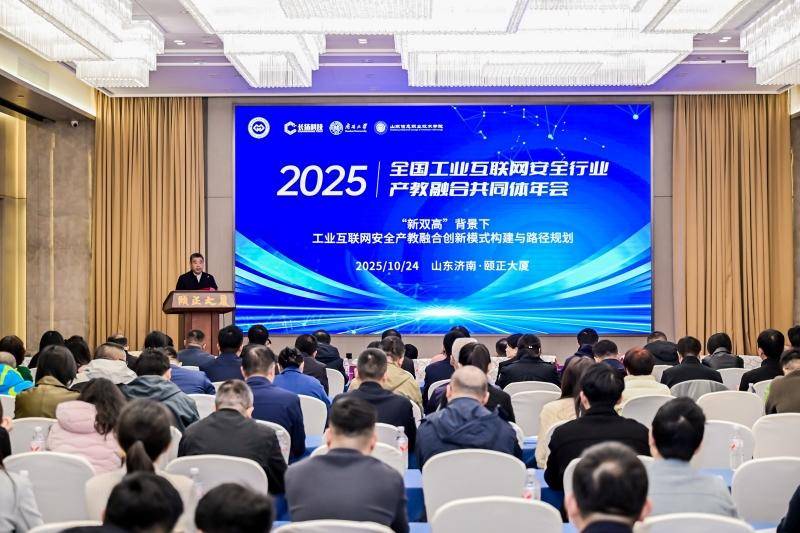
2025年全国工业互联网安全行业产教融合共同体年会举行
Sou Hu Cai Jing· 2025-10-26 10:53
Core Insights - The conference focused on the theme of constructing and planning innovative models for the integration of industry and education in the context of the "New Dual High" background in the industrial internet security sector [1] Group 1: Conference Overview - The event was attended by over a hundred representatives from industry organizations, educational institutions, research organizations, and upstream and downstream enterprises in the industrial internet security sector [1] - The conference analyzed future development visions, summarized the achievements of the community, and planned the next phase of work [3] - New vice-chair units and directors of seven specialized committees were awarded, and outstanding construction achievements of the community were recognized [3] Group 2: Strategic Collaborations - A strategic cooperation signing ceremony was held, with five groups reaching agreements to collaborate deeply in talent cultivation, training base construction, and technical breakthroughs [3] - The signing parties expressed their commitment to resource sharing, complementary advantages, and win-win development [3] Group 3: Educational Contributions - Reports were presented on topics such as "Cybersecurity Talent Cultivation and Innovation under Generative Artificial Intelligence" and "Exploration and Reflection on the Integration of Water Conservancy Cybersecurity Talent" [5][6] - Shandong Information Vocational Technology College, as the leading unit of the community, has optimized its professional system around information security, artificial intelligence, and industrial internet [6] - Over the past two years, the college has developed one national-level course and four provincial-level courses, and established a high-level security education base that integrates teaching, training, research, and competitions [6] Group 4: Achievements and Recognition - The college has hosted over 2,000 training sessions and multiple teacher training programs, and has built the first on-campus innovation center for regional cybersecurity integration in collaboration with various organizations [6] - Students have won eight national-level awards and 105 provincial and industry competition awards, achieving a 100% employment rate and a 92.3% rate of employment in related fields [6] Group 5: Future Directions - The conference provided a platform for high-quality development in the national industrial internet security sector, with member units committed to deepening practical cooperation [7] - The focus will be on addressing key challenges through technological innovation, co-building standards, and implementing new measures to enhance national cybersecurity [7]
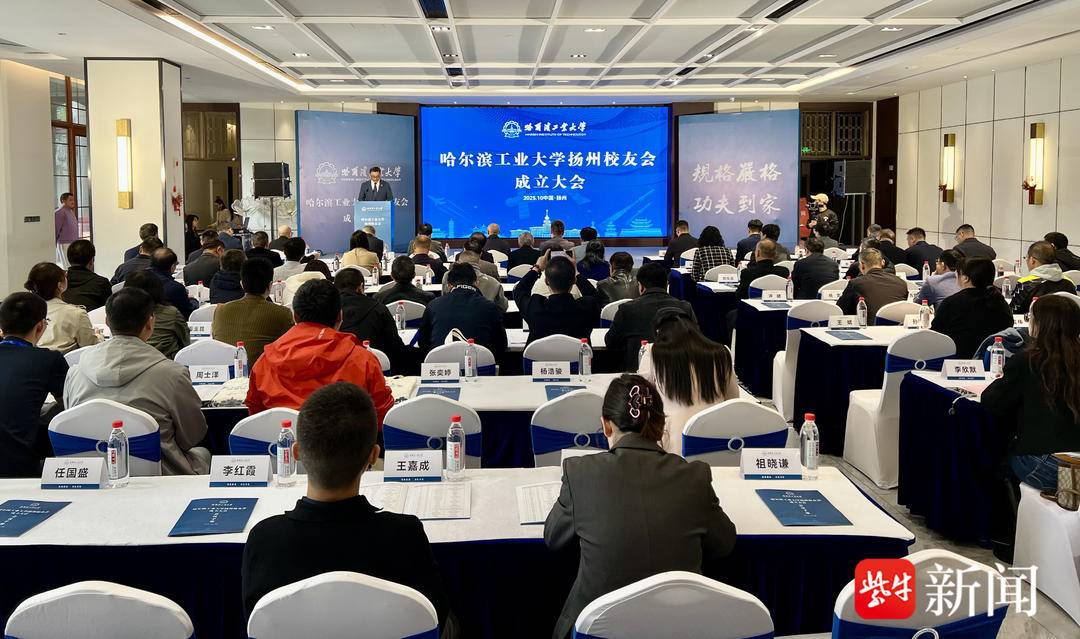
助力“科创名城”产业升级,贡献“工程师摇篮”智慧,哈尔滨工业大学扬州校友会成立
Yang Zi Wan Bao Wang· 2025-10-26 10:19
Group 1 - The Harbin Institute of Technology Yangzhou Alumni Association was established on October 26, with participation from local government officials and the chairman of Yangzhou Hengtong Group [1][3] - The association aims to serve as a bridge between the university and its alumni, facilitating communication and resource integration to support alumni's career development and address their practical needs [5][7] - Three innovation bases were established: the Harbin Institute of Technology Yangzhou Alumni Association Entrepreneurship Incubation Base, the Hengtong Fangdian Research and Study Base, and the Huafu Lithium Battery Science and Technology Innovation Base, which will serve as local support for alumni [9] Group 2 - The Harbin Institute of Technology is a key national university established in 1920, with multiple campuses and 35 colleges [3] - The first president of the Yangzhou Alumni Association, Ji Junjie, emphasized the importance of the association in promoting the university's achievements and alumni needs, guided by the school's motto of "strict standards and thorough work" [7] - The association plans to regularly conduct alumni networking events, industry discussions, and community volunteer services to foster a vibrant alumni community in Yangzhou [7]
中外职业教育人士齐聚保定:探索产教融合 共育未来匠才
Zhong Guo Xin Wen Wang· 2025-10-25 12:23
Core Insights - The conference focused on the theme of "Deepening Industry-Education Integration and Promoting International Cooperation" to explore new paths for high-quality development in vocational education [1][2] Group 1: Industry-Education Integration - The Baoding vocational education model emphasizes "characteristic foundation and international empowerment," receiving positive feedback from attendees [1] - Baoding showcased six characteristic industry colleges, including traditional Chinese medicine and textiles, and signed over ten projects, including the "Sino-German (Baoding) Automotive Production Technology Integration Training Center" [1] - Longhua Automobile's collaboration with local vocational schools integrates real production scenarios into teaching, with engineers acting as "industry mentors" [2] Group 2: Skills Development and Employment - The partnership has led to the development of 12 specialized courses, achieving a 1:1 match between teaching content and job requirements, significantly reducing training time for new employees [2] - The employment rate for graduates in automotive majors has risen to 92% due to this deep collaboration [2] - Lichong Group's establishment of a "Digital Skills Talent Training Base" addresses the shortage of skilled workers amid its digital transformation [4] Group 3: Regional Development and Innovation - Baoding is recognized as a regional center in the Beijing-Tianjin-Hebei world-class city cluster, innovating in vocational education through "characteristic foundation and international empowerment" [6] - The city has transformed its donkey meat industry college into a cultural tourism and skills training hub, promoting local specialties [6] - The integration of vocational education with regional development strategies is seen as essential for finding breakthroughs in educational reform [6]


全国绿色发展大会在京举行,发布两项文件
Bei Ke Cai Jing· 2025-10-25 03:48
Core Insights - The National Green Development Conference was successfully held on October 23 in Beijing Economic-Technological Development Area, focusing on green low-carbon development practices and the integration of industry and education [1] - The conference was organized by the National Green Development Industry-Education Integration Community, with participation from government departments, research institutions, and industry representatives [1] - Two significant documents were released during the conference: the "National Carbon Coordination Development Path White Paper (2025)" and the "Guidelines for Social Responsibility of Small and Medium-sized Enterprises in China" [1]