
区域协调发展

Search documents
黑龙江—浙江园区合作交流会召开
Sou Hu Cai Jing· 2025-06-01 01:12
Group 1 - The cooperation between Heilongjiang and Zhejiang showcases the complementary advantages in resources and industrial strengths, with Heilongjiang being a major agricultural base and Zhejiang leading in digital economy innovation [1] - The collaboration is a response to the strategic initiatives of "Northeast Revitalization" and "Common Prosperity," emphasizing regional coordinated development [1] - In 2024, Zhejiang enterprises signed 103 new projects in Heilongjiang with a total contract value of 24.481 billion yuan and actual funds in place amounting to 5.824 billion yuan, indicating significant potential for resource flow between the two regions [1] Group 2 - There is vast cooperation potential in areas such as grain supply and industrial chain collaboration, with Zhejiang enterprises benefiting from stable grain sources and Heilongjiang enhancing agricultural product value through Zhejiang's technology [2] - A strategic cooperation framework agreement was signed between the Zhejiang Development Zone Research Association and the Heilongjiang Development Zone Association, marking a shift from intention to practical implementation of projects [2] - The Heilongjiang Zhejiang Chamber of Commerce has 450 member enterprises in Heilongjiang, with cumulative investments of approximately 300 billion yuan, facilitating collaborations in sectors like agricultural processing and intelligent manufacturing [2] Group 3 - The "flying economy" and "reverse flying economy" models proposed by Liu Xueliang highlight the innovative cooperation approach, allowing cross-regional park construction and resource-market integration [3] - The partnership between Heilongjiang and Zhejiang demonstrates that resource differences can be opportunities for mutual benefit, fostering deeper integration of industrial chains [3] - Future projects are expected to emerge as the collaboration between the agricultural strengths of Heilongjiang and the market vitality of Zhejiang continues to develop [3]
入选省级中心镇 临浦何以“突围”?
Hang Zhou Ri Bao· 2025-05-30 03:39
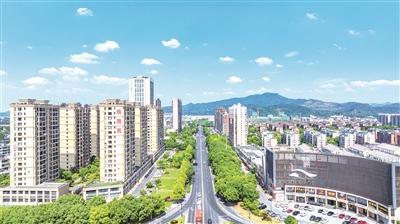
Core Viewpoint - The inclusion of Linpu Town in the second batch of provincial-level central towns in Zhejiang Province signals a strategic shift towards urban-rural integration and reducing the "three major gaps" in development [2][5]. Group 1: Strategic Intent - The new round of provincial-level central town construction is driven by the "Ten Million Project," focusing on urban-rural integration and reducing disparities [2]. - Linpu Town serves as a key node in the development axis of "County Town - Central Town - Key Villages," facilitating regional coordination and serving as a platform for industrial transfer and public service extension [2][3]. Group 2: Development Plans - Linpu plans to implement a three-year cultivation cycle from 2025 to 2027, with 21 key projects identified and a total planned investment of approximately 70.92 billion yuan [5]. - The focus is on three major initiatives: enhancing industrial agglomeration, promoting urban-rural integration, and strengthening hub services [5][6][7]. Group 3: Industrial Agglomeration - Linpu is restructuring its industrial layout through spatial reconfiguration, with projects like the Lian Dong U Valley and specialized industrial parks underway [5]. - The collaboration with neighboring towns to apply for provincial-level high-tech zones aims to boost industrial development through collective efforts [5]. Group 4: Urban-Rural Integration - Linpu is innovating service scenarios to attract and retain young talent, including affordable housing and community services [6]. - Initiatives like the "Lin Future" partner program and community-based government services are designed to enhance the living experience for young residents [6][8]. Group 5: Hub Services - Linpu's commercial hub, including the Chaorenhui shopping center, attracts significant foot traffic, with an annual average of 950,000 visitors [7]. - The establishment of a comprehensive public service layout, including a government service center and healthcare facilities, positions Linpu as a regional service center [8][9].

相得益彰,下好区域协调发展“一盘棋”(高质量发展故事汇·第7期)
Ren Min Ri Bao· 2025-05-29 22:21
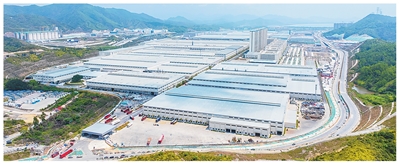
Core Viewpoint - The article emphasizes the importance of promoting regional coordinated development in China as a means to address the imbalance in economic growth and to achieve high-quality development and common prosperity. Group 1: Importance of Regional Coordinated Development - Promoting regional coordinated development is a crucial approach to solving the contradiction between the growing needs of the people for a better life and the unbalanced and insufficient development [6][7][8] - The essence of modern economic development requires openness, division of labor, and cooperation, necessitating consideration of both equalization and differentiation in regional development [6][7] - Regional coordinated development is essential for enhancing national comprehensive strength and responding to complex external environments [8][9] Group 2: Strategies for Regional Development - The article outlines several major regional strategies, including the coordinated development of Beijing-Tianjin-Hebei, the Yangtze River Economic Belt, the Guangdong-Hong Kong-Macao Greater Bay Area, and the integration of the Yangtze River Delta [8][9][10] - It highlights the need for effective collaboration between different regions to leverage comparative advantages and promote resource allocation [10][11] Group 3: Case Studies of Regional Development - The Deep-Shan Special Cooperation Zone has transformed from an economic underdeveloped area into a modern coastal new district, with GDP growth from 3.895 billion to 24.215 billion from 2018 to 2024 [20][21] - The Ningxia region is leveraging its natural advantages to develop a digital economy, with a focus on data centers and cross-regional cooperation, enhancing high-quality development [21][22] Group 4: Government and Enterprise Relations - The article discusses the relationship between government and enterprises, emphasizing the need for government to create a conducive environment for innovation while enterprises should focus on market competition and innovation [11][12]
一见·从习主席致信的博览会,透视中国经济的共赢与共进
Ren Min Ri Bao· 2025-05-26 07:46
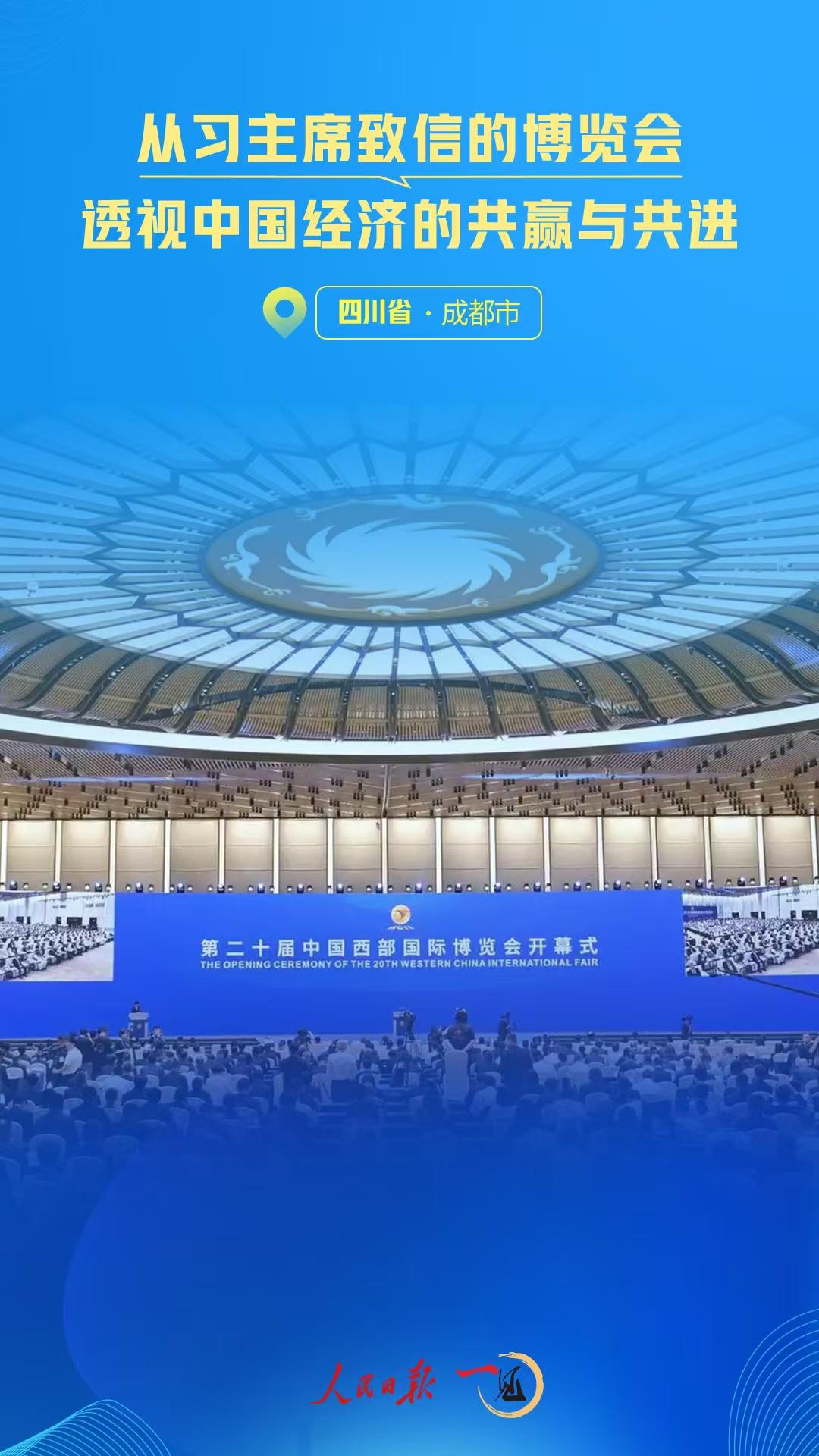
Core Viewpoint - The 20th China Western International Expo (West Expo) emphasizes the importance of "win-win" and "joint progress" in fostering opportunities and cooperation among nations [1][6]. Group 1: Event Overview - The West Expo has attracted over 100 countries and regions, with more than 12,100 participations, 68,000 enterprises, and 580,000 attendees over 25 years, resulting in over 13,000 investment cooperation projects signed [4]. - The theme of the current West Expo is "Deepening Reform to Increase Momentum and Expanding Opening Up to Promote Development," showcasing the development potential, market vitality, and investment attractiveness of China's western region [6]. Group 2: Strategic Importance of Western China - The western region of China, covering over 70% of the national territory and housing nearly 30% of the population, is a crucial strategic area for national development and ecological security [4]. - The region plays a significant role in national reform and development, particularly in initiatives like the Belt and Road Initiative and the construction of the Chengdu-Chongqing economic circle [4][6]. Group 3: Future Development and Opportunities - The western region is positioned as a new growth pole and a source of new momentum for high-quality development, as highlighted by President Xi Jinping during his visit to Sichuan [5]. - The West Expo serves as an effective platform for countries to share in the development opportunities of western China, promoting a shared vision of growth and cooperation [6][9].
先见之明与自知之明(人民论坛)
Ren Min Ri Bao· 2025-05-22 22:02
Group 1 - The article highlights two successful development stories in China: the transformation of Hangzhou into a technology hub and the economic shift in Jinping County, Guizhou, from timber to feather production, showcasing the importance of strategic foresight and self-awareness in urban and industrial development [1][2]. - Strategic foresight is emphasized as the ability to recognize trends and opportunities early, which has led to significant advancements in cities like Shanghai and Sanming, Fujian, through proactive policies and reforms [1][2]. - Self-awareness is crucial for development, as it involves understanding local resources and capabilities, which can lead to successful initiatives like the production of pool tables in Yushan County and the utilization of cold resources in Heihe City [2]. Group 2 - The article warns against the pitfalls of ignoring local conditions, as seen in cases where cultural industries were pursued without adequate talent, resulting in empty creative parks and incomplete projects [3]. - It stresses the need for a comprehensive understanding of the national development landscape, advocating for strategic positioning and practical tactics to achieve modernization goals [3]. - The potential for diverse development paths is highlighted, suggesting that with foresight and self-awareness, regions can create unique advantages and contribute to a vibrant national economy [3].
“黄金三角”出圈记①丨郑开共融20年 “同城化CP”的破界之路
He Nan Ri Bao· 2025-05-21 23:33
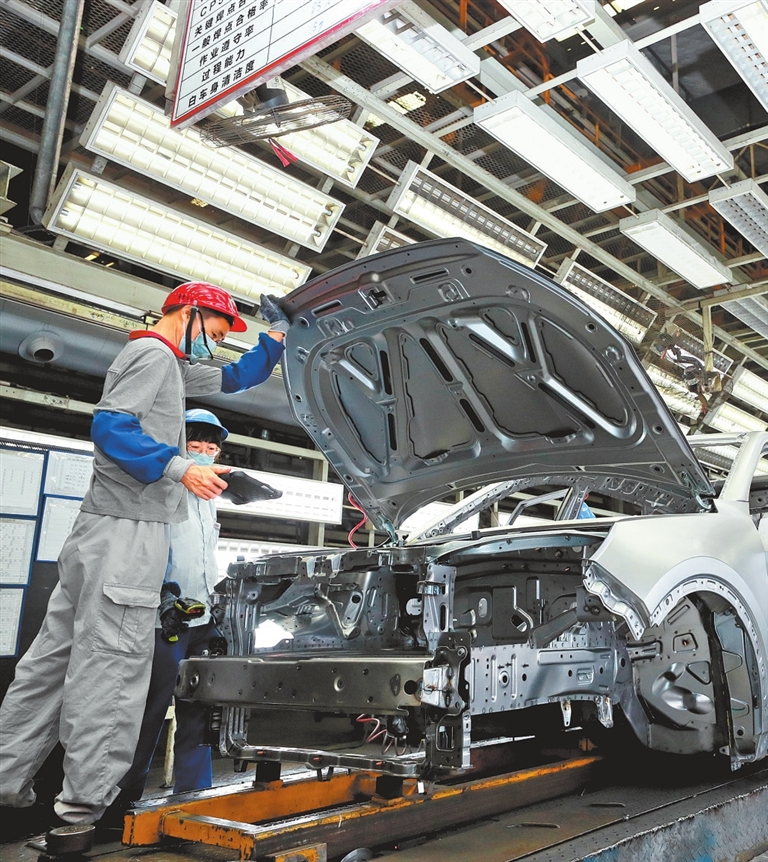
Core Viewpoint - The development of urban agglomerations, particularly the Zhengzhou urban agglomeration, is crucial for economic growth and regional coordination in China, as emphasized by Xi Jinping [1][2]. Group 1: Urban Development and Planning - The Zhengzhou urban agglomeration has been recognized as the 10th urban agglomeration by the National Development and Reform Commission, highlighting its importance in the new development pattern and national market integration [1]. - The "Zhengzhou Urban Agglomeration Development Plan" aims to enhance the integration of Zhengzhou and Kaifeng, establishing a "Golden Triangle" for high-quality development [1][2]. - The establishment of the Zhongmu New District is a strategic move to facilitate deeper integration between Zhengzhou and Kaifeng, with a planned investment of 69 billion yuan in 390 policy projects [6]. Group 2: Economic Growth and Collaboration - The GDP of Zhengzhou and Kaifeng combined has increased from 206.76 billion yuan in 2005 to 1,729.32 billion yuan in 2024, with their contribution to the provincial GDP rising from 19.5% to 27.2% [6][12]. - The collaboration between Zhengzhou and Kaifeng has evolved from a "dual city" model to a "same city" model, enhancing regional competitiveness and optimizing the development pattern [4][5]. Group 3: Transportation and Infrastructure - The Zhengkai intercity railway has significantly improved connectivity, reducing travel time between Zhengzhou and Kaifeng to as little as 25 minutes, integrating the two cities into a "half-hour living circle" [8][11]. - A comprehensive transportation network has been established, including over 10 modern transportation routes, facilitating efficient movement and resource allocation between the two cities [9]. Group 4: Industry and Innovation - The Zhengkai automotive industry cluster has attracted over 10 well-known car manufacturers and hundreds of parts suppliers, contributing to a significant increase in production capacity [12][13]. - Collaborative efforts in innovation and technology have been strengthened, with joint projects between Zhengzhou and Kaifeng enhancing the efficiency of research and development [13][14]. Group 5: Cultural and Tourism Development - The Zhengkai region is developing a rich cultural and tourism landscape, connecting modern urban experiences with historical sites, thereby enhancing the overall attractiveness of the area [15]. Group 6: Future Directions - Continuous efforts are needed to deepen the integration of public services and infrastructure, with recommendations for a structured approach similar to the Shanghai Hongqiao Business District model [18].
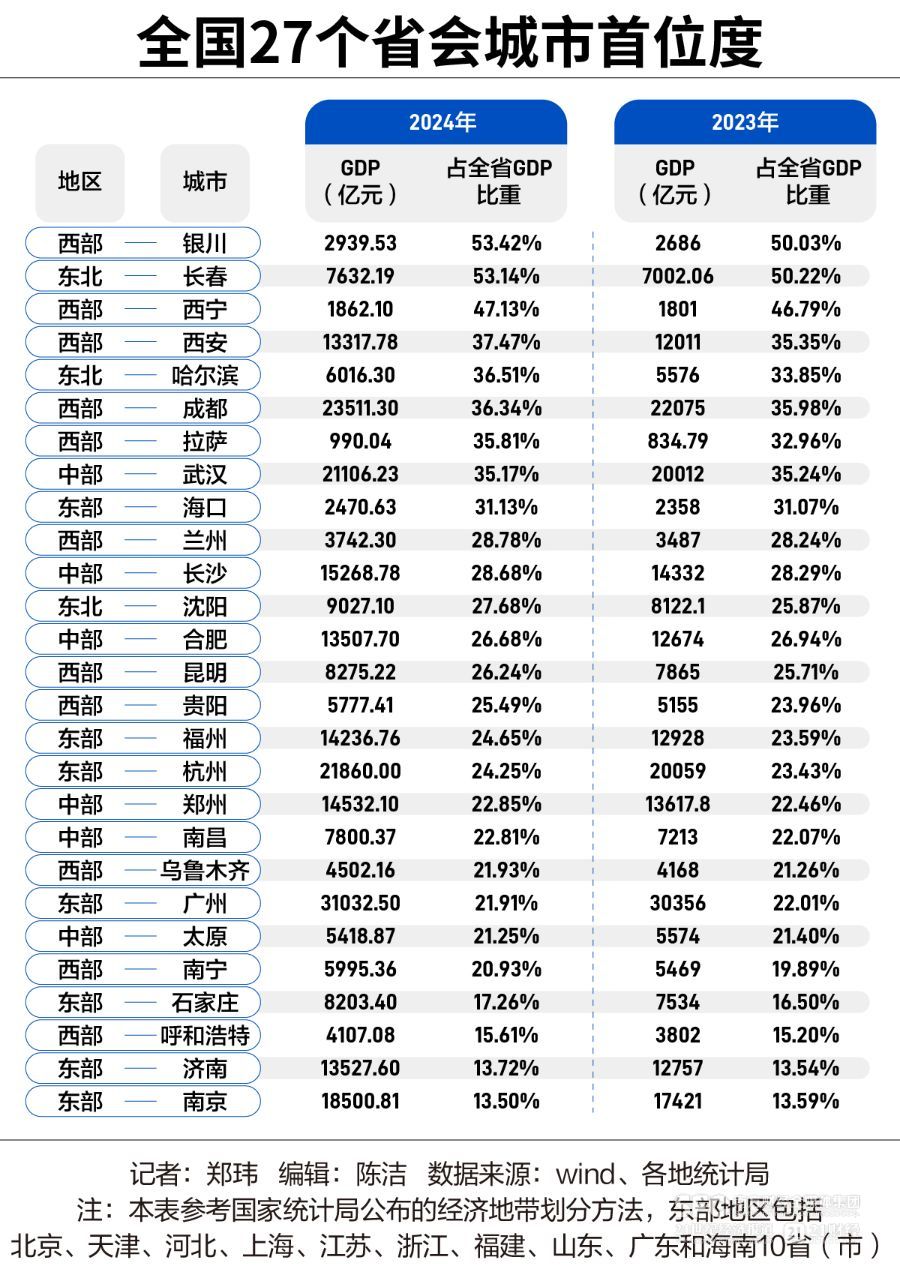
南京、济南弱省会何解?东部首位度:从“一城独大”到多中心开花
2 1 Shi Ji Jing Ji Bao Dao· 2025-05-21 13:16
Core Insights - The economic primacy of provincial capitals in Eastern China is declining, with cities like Haikou showing significant growth in GDP share relative to their provinces [1][5][6] - The shift towards a "dual-star" or "multi-center" urban development model is evident, as population and capital are no longer concentrated solely in provincial capitals [6][8][10] Economic Performance of Provincial Capitals - In 2024, Haikou's GDP reached 2470.63 billion yuan, accounting for 31.13% of Hainan's total GDP, ranking it among the top 10 provincial capitals nationally [5][6] - Other Eastern provincial capitals like Fuzhou, Hangzhou, and Guangzhou have GDP shares ranging from 20% to 30%, while cities like Jinan, Nanjing, and Shijiazhuang are below 20% [5][6] Urban Development Trends - The Eastern provinces are transitioning from a single-pole to a multi-pole development strategy, with cities like Guangzhou and Shenzhen exemplifying this trend [6][8] - In the Yangtze River Delta, cities such as Nanjing and Suzhou are emerging as significant economic centers alongside Shanghai, indicating a move towards a multi-center urban structure [7][8] Government Initiatives - The 2025 government work report emphasizes regional coordinated development and urbanization, aiming to cultivate new growth poles [2][8] - Specific strategies are being implemented in provinces like Zhejiang, where distinct roles and industrial focuses are assigned to cities like Hangzhou and Ningbo [9][10] Collaborative Development Models - Provinces are exploring new models to facilitate resource flow and collaborative development among cities of varying sizes [10][11] - For instance, Guangdong is implementing initiatives to address regional imbalances through resource redistribution and support for rural development [11]
新疆产业链白皮书建筑篇:战略引领,产业腾飞
Shenwan Hongyuan Securities· 2025-05-21 08:42
Investment Rating - The report maintains a positive outlook on the investment potential in Xinjiang, indicating a "Look Favorably" rating for the region's industrial chain, particularly in construction [2]. Core Insights - Xinjiang's unique regional advantages and strategic position are highlighted, serving as a crucial land passage connecting China with Central Asia, South Asia, West Asia, and Europe [3][12]. - The central government has outlined a blueprint for Xinjiang's development, emphasizing the construction of "ten major industrial clusters" to enhance economic growth and resource utilization [4][15]. - Xinjiang's fiscal stability is noted, with comprehensive financial resources increasing from 582.73 billion yuan in 2021 to 687.71 billion yuan in 2023, supported by significant central government subsidies [20][22]. - The report anticipates a robust growth trajectory for fixed asset investment in Xinjiang, projecting a scale of 2.09 to 2.48 trillion yuan by 2030, with infrastructure investments estimated between 732.8 billion and 991.8 billion yuan [29][32]. Summary by Sections 1. Strategic Importance and Development Potential - Xinjiang's geographical location is pivotal for national connectivity and economic integration, with significant strategic implications for national development [12][15]. - The region is set to accelerate the formation of a modern industrial system supported by eight major industrial clusters, evolving into ten by 2024 [4][15]. 2. Fiscal Stability and Investment Growth - The financial structure of Xinjiang's government is stable, with a year-on-year increase in comprehensive financial resources and a notable rise in central government subsidies [20][22]. - Fixed asset investment in Xinjiang is projected to grow at a compound annual growth rate (CAGR) of 10.1% from 2019 to 2024, indicating a strong investment environment [20][29]. 3. Modern Industrial Clusters and Key Projects - Xinjiang is actively promoting key project investments, with total investment in major projects expected to rise from 1.68 trillion yuan in 2020 to 3.7 trillion yuan by 2024, reflecting a CAGR of 21.8% [35][39]. - The region's focus on infrastructure and industrial cluster development is expected to yield significant economic benefits, with major projects like the "Fourth Channel for Power Transmission" and the Hami Energy Integration Innovation Base set to commence [39][42].



放大“苏南研发、苏北生产”共赢效应
Xin Hua Ri Bao· 2025-05-18 20:13
Group 1 - The core viewpoint emphasizes the importance of integrating the strengths of southern and northern Jiangsu to foster regional coordinated development, leveraging advanced management, industrial foundations, and talent in the south with natural resources and lower labor costs in the north [2][3] - A cultural enterprise has established a complete cultural and creative product industry chain, with a development layout of "R&D and design in Suzhou, production in northern Jiangsu," resulting in a 30% annual sales growth and balanced domestic and international market sales [1] - The collaboration between southern and northern Jiangsu has led to significant progress in industrial chain synergy, with a mature cooperation mechanism and accelerated resource allocation efficiency, providing a solid foundation for more industries to adopt the "southern R&D, northern production" model [2][3] Group 2 - The establishment of cross-administrative cooperation mechanisms is crucial for advancing regional integration and creating favorable conditions for the efficient flow and gathering of various resources [3] - The example of the photovoltaic industry illustrates successful collaboration between cities in southern and northern Jiangsu, enhancing industrial concentration and resource sharing [2] - The development of joint parks and platforms is essential for promoting project cooperation and information exchange among enterprises, further facilitating the dual integration of the southern and northern industrial chains [3]
铁路投资增长,为经济发展注入新动能
Zhong Guo Chan Ye Jing Ji Xin Xi Wang· 2025-05-18 00:40
Core Insights - The railway fixed asset investment in China reached 194.7 billion yuan from January to April this year, marking a year-on-year increase of 5.3%, indicating steady progress in transportation infrastructure and sustained economic vitality [1][2] Investment Growth - The continuous growth in railway construction investment reflects China's steadfast strategy for economic growth amidst complex international conditions and domestic challenges [1] - The investment has a multiplier effect, stimulating upstream and downstream industries such as steel, cement, and machinery manufacturing, creating a positive cycle of "investment-production-consumption" [1] Regional Development - Railway construction plays a crucial role in achieving regional coordinated development, with specific projects like the Chengdu-Dazhou-Wanzhou high-speed railway and the completion of the Tianfu Station in Chengdu enhancing connectivity and resource allocation [1] - These projects are transforming previously underdeveloped areas into growth hubs, showcasing the advantages of China's centralized governance in executing large-scale initiatives [1] Public Benefits - The development of new railways and optimization of existing lines provide tangible benefits to the public, enhancing travel options and reducing time costs for various activities such as family visits, tourism, and business [2] - The ongoing efforts by the China National Railway Group to advance railway planning and construction are expected to further improve the overall efficiency of the modern railway network [2]