
产教融合

Search documents
与光同行,共赴西安欧亚学院建校30周年庆典现场!
Huan Qiu Wang· 2025-10-20 00:47
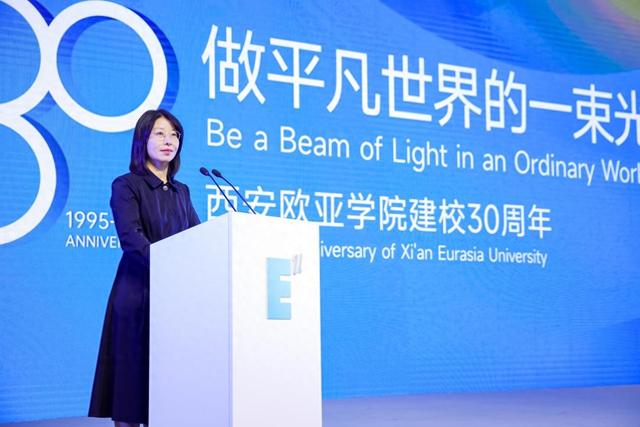
来源:环球网 30年,是时间的印记 它见证了一所大学探索的勇气与坚守的力量 也是梦想的回声 凝结教育初心,生长出一条属于欧亚的创新之路 10月18日,千余位嘉宾、校友与师生 齐聚西安欧亚学院 在多维活动单元中 共同见证欧亚建校30年的荣光与新程 点亮属于你我的"光之庆典" 光的起源,揭开庆典序幕 大会开幕前,西安欧亚学院建校30周年主题宣传片《做平凡世界的一束光》上映。从最初种下的一粒教 育种子,到如今的沙沙生长,这份属于欧亚人的骄傲与感动,让掌声在场内久久回荡。 上午9时,西安欧亚学院建校30周年庆祝大会正式拉开帷幕,副校长张乐芳主持大会。 辉光启幕,映照而立风华 西安欧亚学院党委书记赵国华为本次30周年校庆典礼致开幕词。他表示:"我谨代表学校向各级领导、 各界朋友、全体师生员工及广大校友致以诚挚感谢和热烈欢迎!三十年来,学校始终坚定贯彻党的教育 方针,深刻把握教育的政治属性、人民属性和战略属性,以立德树人为根本任务,推动价值塑造、知识 传授与能力培养'三位一体'深度融合,将'学生满意、员工信赖、同行尊重、社会认可、政府放心'的办 学目标转化为实效,探索民办高等教育'特色鲜明、质量过硬、贡献突出'的发展路径 ...

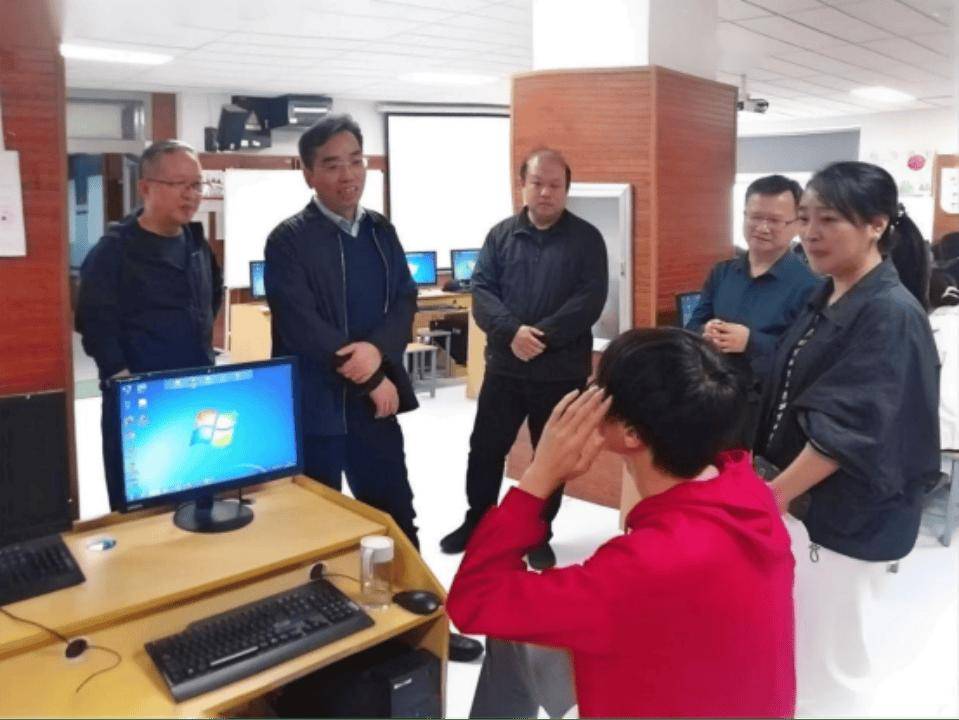
郑州财税金融职业学院校长李晓东调研校企合作实训课堂一线
Sou Hu Cai Jing· 2025-10-18 17:54
Core Insights - The collaboration between Zhengzhou Finance and Taxation Vocational College and Yisaino aims to enhance the integration of industry and education, particularly in the field of cross-border e-commerce [1][3]. Group 1: Educational Collaboration - The research team, led by the college president, conducted an on-site investigation of the cross-border e-commerce course, focusing on the teaching methods and content [1][3]. - The course utilizes real business resources from Yisaino, adopting an innovative teaching model that combines "enterprise project embedding + mentor guidance" to improve students' practical skills [3]. Group 2: Student Engagement and Development - The college emphasizes the importance of integrating real business projects and processes into the entire talent cultivation process to enhance practical application of knowledge [3]. - Students are encouraged to view the classroom as a "testing ground" for entrepreneurship, sharing experiences gained from practical applications back into the classroom [3]. Group 3: Institutional Goals - The partnership with Yisaino is part of the college's strategy to deepen industry-education integration and cultivate skilled technical talents to support the development of Zhengzhou as a national central city and the cross-border e-commerce pilot zone in Henan [3].
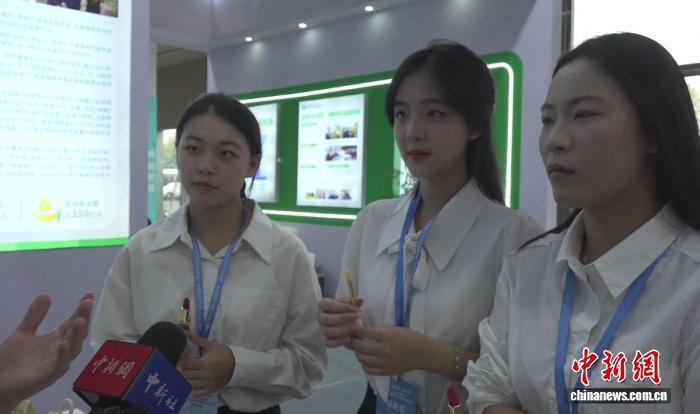
看“Z世代”玩转“国潮养生”:“中药+”口红和草本鸡尾酒了解一下
Zhong Guo Xin Wen Wang· 2025-10-18 08:22
Core Insights - The 56th National Medicinal Materials and Pharmaceuticals Trade Fair in Jiangxi Zhangshu showcases innovative "Traditional Chinese Medicine +" products, attracting attention from the younger generation [1][3] - Student teams from medical colleges are developing cosmetics like lipsticks and balms using traditional Chinese medicinal ingredients, merging health benefits with modern aesthetics [3][5] - The event highlights a cultural shift towards integrating traditional Chinese medicine with contemporary lifestyle products, making wellness more accessible and appealing to younger consumers [5] Group 1: Product Innovations - A variety of products featuring traditional Chinese medicinal ingredients, such as herbal lipsticks and snacks, are being showcased, appealing to both health-conscious consumers and beauty enthusiasts [1][3] - The use of ingredients like Ze Xie and Jiang Xiang Ruo in lipsticks demonstrates a blend of traditional medicine with modern beauty standards [3] - "Ready-to-eat" medicinal snacks challenge the perception of traditional medicine being unpalatable, promoting a more enjoyable approach to health [3] Group 2: Cultural Integration - The event features a blend of traditional cultural activities and modern technology, including AI consultations and digital health assessments, promoting a deeper integration of traditional Chinese medicine with modern practices [5] - The introduction of herbal cocktails by young bar owners illustrates a creative fusion of traditional ingredients with contemporary drinking culture, aiming to attract a younger audience [5] - The use of immersive experiences, such as light shows and holographic projections, enhances the appeal of traditional Chinese medicine to the Z generation, revitalizing its image [5]
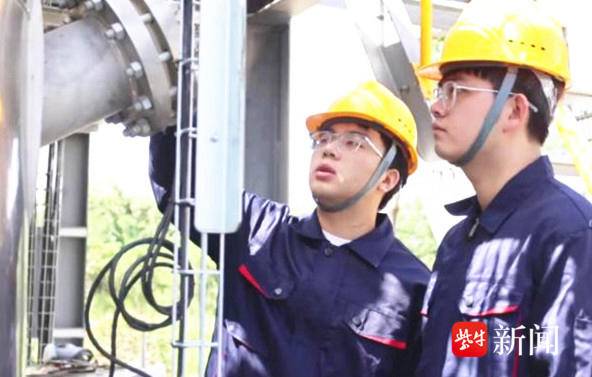
攻克20微米杂质滤除难题,这个“全国金奖”项目硬核守护“中国油壶”
Yang Zi Wan Bao Wang· 2025-10-18 07:06
Core Insights - The "Guoyou Zhidu" project, developed by Yangzhou Industrial Vocational Technical College, won the gold medal in the vocational education track at the National Finals of the China International College Students Innovation and Entrepreneurship Competition 2025, held on October 15 in Zhengzhou University [1] - This project focuses on innovative equipment technology for the refining process of domestic rapeseed oil, addressing the challenge of effectively filtering out impurities sized 20-50 microns, thereby significantly improving oil purity and reducing processing costs [1][3] - The project has been validated in enterprises and has received positive feedback, providing crucial technical support for enhancing the rapeseed oil industry and ensuring national edible oil security [1] Project Development - The project leader emphasized the importance of not allowing foreign low-priced soybean imports to disrupt the domestic rapeseed oil market, reflecting a proactive approach to industry challenges [3] - The team faced numerous technical challenges, including balancing the strength and porosity of refining membrane materials and precise control of oil viscosity, which required extensive practical exploration in both workshops and fields [3] - The project team innovatively proposed a design concept of "separation of stirring and adsorption functions," leading to the successful development of the "Guoyou Zhidu" intelligent refining module [3][5] Achievements and Goals - The project has applied for five patents and has successfully implemented its results in a thousand-ton domestic rapeseed oil production line at Maian De Group, with oil quality passing authoritative testing [5] - The team aims to become the leading brand in China's rapeseed oil refining equipment, ensuring that consumers can trust domestic oil products [5] - The project reflects the long-term commitment of the school to integrate industry and education, providing a fertile ground for projects with strong industrial backgrounds and practical significance [7]
北京发布十条措施支持青年人才创新创业
Zhong Guo Xin Wen Wang· 2025-10-18 02:14
Core Points - Beijing has introduced ten measures to support youth talent in innovation and entrepreneurship, aiming to enhance housing security, entrepreneurial space, and government services for young people [1][2] Group 1: Housing Support - The measures include the collection of youth apartments, increasing housing support for young talents, and implementing pilot programs for youth apartments with plans to gradually expand coverage [1] - Beijing aims to provide around 30,000 youth talent apartments that are conveniently located and well-equipped, offering rent reductions or subsidies [1] Group 2: Entrepreneurial Support - The initiative plans to activate idle space resources in technology parks, business buildings, and old factory buildings, providing approximately 3 million square meters of office space for youth startups at low or no cost [1] - A focus on creating a more cost-effective, comprehensive, professional, and open public service platform for young entrepreneurs is emphasized [1] Group 3: Talent Development - Beijing will establish training bases in key sectors such as artificial intelligence, biomedicine, and robotics to facilitate practical training for young talents [2] - The plan includes assigning 3,000 dedicated service managers to youth startups, offering one-on-one policy consultation and government service assistance [2]

我省首个中职智能制造(无人机)产业学院揭牌
Hai Nan Ri Bao· 2025-10-18 01:41
Core Viewpoint - The establishment of the "Intelligent Manufacturing (Drone) Industry College" marks a significant step in integrating vocational education with industry needs in Hainan, focusing on the development of the low-altitude economy [1] Group 1: Industry Development - The industry college is the first of its kind in Hainan's vocational schools, aimed at implementing the Ministry of Education's initiative to deepen the integration of education and industry [1] - The college will serve as a model for high-quality development in vocational education across the province, potentially replicable in other regions [1] Group 2: Educational Approach - The college is a collaboration between Hainan Mechanical and Electrical Engineering School, Xike Communication Technology Equipment (Heyuan) Co., Ltd., and Hainan Hongji Industrial Co., Ltd. [1] - It will promote a system that integrates job training, coursework, competitions, and certification, transforming real industry practices into educational content [1] - The program aims to facilitate the growth of students from "ordinary assembly line workers to skilled technicians in advanced intelligent manufacturing" [1]
职业院校就业发展研讨会在烟台举行,共同探讨职校就业新方向
Qi Lu Wan Bao Wang· 2025-10-17 15:27
齐鲁晚报·齐鲁壹点 李楠楠 会议同期还举办了职业院校就业发展大会展览活动,包括"职引未来"丛书入选案例展、"AI+就业"设备 和图书展、山东城市服务职业学院建校60周年办学成果展等特色活动。 山东省教育厅二级巡视员管恩文在致辞中指出,做好职业院校毕业生就业工作,关系到广大青年学生的 成长成才和人生价值的实现,关系到职业教育的社会认可度和吸引力,更直接关乎国家技能型社会的构 建和现代化强国宏伟目标的实现。近年来,山东省教育系统锚定"走在前、挑大梁"的目标,深入实施就 业优先战略,加大政策支持力度,着力破解结构性就业矛盾,深化就业体制机制改革,取得了显著成 效。 本次会议聚焦职业院校就业发展主题,搭建了兼具学术研究与实践探索的高层次交流平台,汇聚了来自 教育主管部门、高等院校、科研机构、行业企业的权威专家,共同探讨职业教育与就业工作的融合路径 与发展方向,意义深远。 在主旨报告环节,教育部高校毕业生就业研究院执行副院长林伟聚焦"数智化智库建设",解读如何用技 术赋能就业服务;高校毕业生就业协会驻会副会长许世杰则以"产教融合载体支撑"为主题,剖析助力高 质量就业的关键路径,为参会者提供前沿思路。 10月16日下午, ...
在创新中成长 在奋斗中出彩
Ren Min Ri Bao· 2025-10-16 22:20
Core Insights - The China International College Students Innovation Competition (2025) concluded with Tsinghua University's project winning the championship, showcasing an AI architecture inspired by the brain's "layered-circulation" mechanism, excelling in reasoning depth and data pattern recognition [1][2] Group 1: Competition Overview - The competition, initiated in April 2023, involved 619 million projects from 5,673 schools across 161 countries and regions, with a total of 2.443 million participants [1] - The finals took place from October 13 to 15 at Zhengzhou University, highlighting the event's significance in fostering innovation among students [1] Group 2: Project Highlights - Harbin Institute of Technology's team presented a modular satellite project aimed at reducing operational costs for low-orbit satellite constellations, with some technologies already validated in satellites [2] - Lanzhou University of Technology's project focused on cultural heritage preservation, addressing instability issues in earth relics through extensive field trials [2] - A project from Fuzhou University developed a six-axis test vehicle that improved vehicle transfer efficiency by 66.7%, receiving positive feedback from Xiamen Jinlong United Automotive Industry Co., Ltd [2][3] Group 3: Industry Engagement - The competition emphasized collaboration between education and industry, with 3,104 companies submitting 6,976 challenges, attracting 2355 universities and 963,000 participants [3] - During the event, 17 online and 3 offline resource matching activities were held, resulting in investment intentions totaling approximately 9 billion yuan [3] Group 4: International Collaboration - The competition served as a platform for youth innovation exchange, enhancing friendships between Chinese and foreign students, exemplified by a project from Tajikistan National University collaborating with Northwest A&F University [4] - The event expanded its international influence by hosting seven regional competitions in Europe and Africa, along with the World College Students Innovation Conference [4]
中国国际大学生创新大赛(2025)总决赛举行 在创新中成长 在奋斗中出彩
Ren Min Ri Bao· 2025-10-16 22:07
Core Points - The China International College Students Innovation Competition (2025) concluded with Tsinghua University winning the championship for their AI project based on a "layered-circulation" brain mechanism, showcasing significant advancements in reasoning depth and data pattern recognition [1] - The competition attracted participation from 5673 schools across 161 countries and regions, with a total of 619 million projects and 24.43 million participants [1] - The event served as a platform for innovation and collaboration, connecting students with investors and entrepreneurial institutions, enhancing their skills and capabilities [2] Group 1 - The competition emphasized the integration of industry and education, with 3104 companies submitting 6976 challenges, leading to participation from 2355 universities and 248,000 projects [3] - A total of 17 online and 3 offline resource matching activities were conducted during the competition, resulting in investment intentions amounting to approximately 9 billion [3] - The event also facilitated international exchanges, with regional competitions held in Europe and Africa, enhancing its global influence [4] Group 2 - The competition featured innovative projects addressing real-world problems, such as a modular satellite system aimed at reducing operational costs for low-orbit satellite constellations [2] - Projects like the "Cultural Heritage Protection" initiative and the development of assistive technology for visually impaired individuals demonstrated the social value of student innovations [2] - The competition culminated in the World University Student Innovation Conference, where reports on global student innovation indices and educational innovation were released [4]
探索产教融合与人才培养新路径
Xin Hua Ri Bao· 2025-10-16 21:04
□ 刘琪 高质量人才是技术进步、科技创新、社会发展的重要助推力,是驱动新质生产力发展的核心要素。习近 平总书记在全国教育大会上指出,要"构建职普融通、产教融合的职业教育体系,大力培养大国工匠、 能工巧匠、高技能人才"。应用型高校深化产教融合需紧扣产业变革趋势,创新育人模式、优化育人路 径、完善保障体系,构建多方协同的生态体系。 模式创新:构建多维融合的育人体系。一是强化学科专业群与产业链深度对接。应用型高校需打破传统 学科壁垒,围绕区域主导产业和新兴产业需求动态调整专业布局。例如聚焦智能制造产业,构建新能源 新材料、人工智能等专业群,通过"专业群—产业链"双向机制,实现人才培养与产业需求衔接。实 施"头部企业"工程,高校与行业龙头企业共建人工智能研究院等平台,将企业技术攻关需求转化为高校 科研课题,形成"企业出题、校企共答"的协同创新模式。二是完善校企双主体协同育人机制。推行"企 业出题、校企共答、市场阅卷"的培养机制,强化企业在人才培养全流程中的参与度。通过成立独立法 人实体的产业学院,实现"专业办学+企业经营"的深度融合,让学生完成"入学即入职、毕业即就业"的 能力进阶。此外,依托数字技术重构实践教学体系 ...