
数字化转型

Search documents
庆安以“四维”突破驱动生产运行新跃迁
Xin Lang Cai Jing· 2026-01-27 04:22
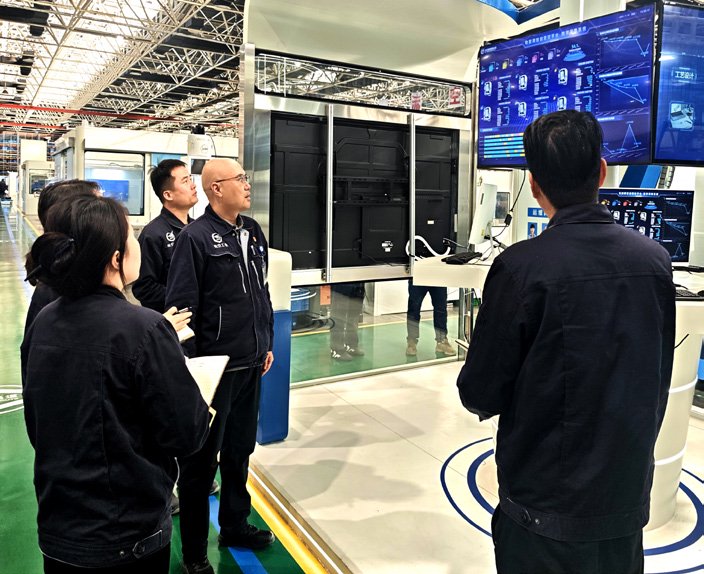
强化数字赋能驱动生产管控新飞跃 (来源:中国航空报) 吴阳 张莉 "十四五"以来,面对航空发展新形势、新机遇,航空工业庆安聚焦价值创造,以数字化转型为契机,以 流程变革为突破口,积极开展管理创新,实现了生产运行在变革、数字、精益、绿色四个维度的系统性 突破,推动生产管理能力不断提升。 变革计划管理构筑专业能力提效率 生产管理对标世界一流,构建适应庆安发展的集成计划体系,形成要货预测、S&OP计划、主生产计 划、采购计划等多层级计划管理方法,明确各层级计划间衔接逻辑,确定各层级计划的场景、对象、频 次及展望期,同时编制各层计划流程、指南、规范等相关流程。瞄准庆安战略、经营目标,深入挖掘客 户潜在需求,形成"订单+预测+内部需求"的要货预测。通过计划的层层分解传递,将客户需求转化为 清晰、全面、具体的执行作业行为,实现计划的全面性和协同性,有效提高生产效率。 通过平台整合多元数据,深挖数字化平台潜力。完成工装计划管理系统上线应用,全面优化生产准备工 装计划管控、工装故障、工装设计无纸化、电子信息流转。开发公司级驾驶舱看板、部门级驾驶舱看 板,使数据展示实时化,形成"保障+组建+主战"合成型数字化转型新模式。管理实 ...

企业数据备份和恢复软件行业分析:市场规模及增长趋势(by QYResearch)
Sou Hu Cai Jing· 2026-01-27 04:15
企业数据备份和恢复软件是一种为企业提供数据保护、备份、恢复与灾难恢复解决方案的软件系统。它 通过定期或实时备份企业重要的文件、数据库、虚拟机、应用数据等,确保在数据丢失、硬件故障、网 络攻击或自然灾害等突发事件后,能够迅速恢复业务的连续性与数据完整性。企业级备份系统支持多种 存储方式,如本地、远程、云端和混合云模式,并集成了自动化恢复功能,以最小化系统停机时间。此 类软件还提供高级别的安全功能,包括加密、防勒索软件保护、自动合规检查等,帮助企业满足法规和 行业标准要求。2025年全球企业数据备份和恢复软件毛利率约60%-80%。 Veeam,Veritas Technologies,Commvault,Acronis,Kaseya(Unitrends),Datto,Netapp,Code42等 是全球数据备份和恢复软件市场的主要开发商。 前10名在2025年占据了全球市场的55%。美国是最大 的地区,占全球市场的约43%,而欧洲和中国分别约为25.7%,6.7%。在当前数字化转型浪潮下,数据 已成为企业最核心的资产之一,数据备份和恢复软件的重要性持续提升。随着企业业务系统、云应用与 边缘计算环境的快速扩展,数 ...

迈瑞医疗:公司的供应链驾驶舱整合了各个环节的数据,打破信息孤岛
Zheng Quan Ri Bao Wang· 2026-01-27 03:47
Core Viewpoint - Digital transformation is a core driving force for the company's development, enhancing collaboration across the entire business chain from suppliers to clients [1] Group 1: Digital Transformation and Supply Chain Management - The company has achieved full-link operation support for its supply chain business through digital construction, improving operational analysis, cash flow management, and compliance processes [1] - The supply chain cockpit integrates data from various stages, breaking down information silos to ensure compliance and quality in every step from material supply to delivery [1] Group 2: Focus on Digital Infrastructure - In 2024, the company will strengthen digital construction at headquarters and production bases, as well as system integration with overseas factories and warehouses [1] - The newly established production base in Dangshan has achieved full coverage of digital supply chain systems and completed system connectivity with the Nanjing production base for production collaboration [1] Group 3: International Expansion and Efficiency - The digital system at the Wuhan production base is operational, supporting high-value medical consumables business [1] - The company has initiated localized construction of the digital system at its European production base, enhancing regional finished product delivery capabilities through efficient integration with domestic and European warehouse systems [1] Group 4: Data Management and Future Development - The company continues to expand the coverage and depth of its information systems, building platforms for digital integrated product development, digital supply chain, digital services, and global marketing management [1] - The company is advancing its digital process, improving data asset management, and conducting data and information audits to support ongoing digital transformation [1]

用人工智能激活制造业企业“数字大脑”
Ren Min Ri Bao· 2026-01-27 03:47
AI赋能,让系统从数据记录变为懂行专家。数据是企业的重要资产,而脱离业务逻辑的数据,则丧失 了创造价值的能力。引入AI技术,关键在于赋予系统理解能力。系统真正"读懂"业务后,不仅能处理结 构化报表,更能深度解析工艺文档、维修日志等非结构化数据,让隐性经验变得更可执行。 AI驱动,让管理从事后"救火"变为事前干预。AI技术的应用,可将管理介入的时间点大幅前移,通过对 历史数据与实时状态的综合研判,并结合对市场舆情、一线反馈等非结构化信息的分析,进行趋势预测 与风险预警。无论是库存的智能调控,还是生产排程的动态优化,AI技术的运用都能使运营效率实现 质变。 数字技术与实体经济的深度融合,是制造业高质量发展的必由之路。然而在数字化转型浪潮中,不少企 业的服务器里虽囤积了大量数据,关键决策却仍依靠经验驱动。 破解这一难题,关键在于打破传统路径依赖,利用人工智能这一引擎,推动软件服务从单纯的工具支撑 向深度的智能驱动转型,让数据"说话"、真正"活"起来。 以价值为本,推动软件服务商完成从"贩卖功能"向"交付结果"的服务升级。制造业企业引进软件服务是 为了解决实际管理痛点,这倒逼软件服务商摒弃单纯的卖产品思维,利用AI技 ...
耐克(NKE.US)启动新一轮自动化变革,美国配送中心裁员775人以“精简”供应链
智通财经网· 2026-01-27 03:35
Core Viewpoint - Nike plans to cut 775 jobs at its distribution centers to streamline supply chain operations and accelerate automation efforts [1] Group 1: Job Cuts and Strategic Goals - The layoffs are aimed at reducing complexity and enhancing flexibility in the U.S. distribution business [1] - Nike's CEO Elliott Hill has set a goal to return the company to long-term profitable growth [1] - This job cut is part of Hill's "Win Now" transformation strategy, following previous layoffs and organizational adjustments [1] Group 2: Financial Context and Market Challenges - Nike is facing a complex market environment, with weak sales in Greater China and competition eroding market share in core categories [2] - The company's gross margin has been declining, necessitating a more competitive cost structure to support long-term growth targets [2] - The shift towards automation is seen as a response to the industry's trend of increasing reliance on technology to replace labor [2] Group 3: Stock Performance and Analyst Ratings - Since early 2026, Nike's stock price has increased by 2.1% [2] - Wall Street analysts generally give the stock a "buy" rating, while Seeking Alpha analysts are more cautious, recommending a "hold" [2]

端牢能源饭碗 勇担时代使命 ——中国石油“十四五”时期高质量发展纪实
Zhong Guo Hua Gong Bao· 2026-01-27 03:07
我国首口万米科探井——中国石油深地塔科1井 五载回眸,中国石油的每一步前行,皆标注着坚实足迹;每一次突破,皆凝聚着实干力量。立足做 强做优做大国有企业和国有资本,中国石油经营业绩实现历史性跃升,主营业务向好向优,新质生产力 蓬勃生长,治理效能不断增强,油气产量连续保持稳定增长,"炼化生精材"产业格局初步建成,新能源 业务达成"清洁替代"阶段性目标……中国石油以实干笃行,向党、国家和人民交出一份能源报国的优异 答卷,为国民经济发展和美丽中国建设注入强劲的石油动能。 习近平总书记指出,能源保障和安全事关国计民生,是须臾不可忽视的"国之大者"。作为我国最大 的油气生产供应企业,中国石油天然气集团有限公司(下称中国石油)坚持以习近平新时代中国特色社 会主义思想为指引,深入贯彻党的二十大和二十届历次全会精神,牢记重大嘱托,当好标杆旗帜,以实 施"四大攻坚工程"为抓手,全力稳增长、提效益、抓改革、勇创新、防风险、强党建,如期达成阶段性 战略目标,整体基本实现高质量发展,实现"十四五"圆满收官。 广东石化鸟瞰图 夯实"供"的基础 在端牢能源饭碗中实干担当 中国石油始终把保障国家能源安全作为首要责任,多措并举全力增产保供,有 ...


优然牧业涨超5% 完成先旧后新配售近3亿股份 净筹款项用于先进技术赋能等
Zhi Tong Cai Jing· 2026-01-27 02:43
Core Viewpoint - YouRan Agriculture (09858) experienced a stock price increase of over 5%, closing at HKD 4.58 with a trading volume of HKD 45.49 million following the completion of a share placement and subscription agreement [1] Group 1: Share Placement Details - On January 26, YouRan Agriculture announced the completion of a share placement, successfully placing a total of 299.25 million shares at a price of HKD 3.92 per share to no less than six subscribers [1] - The net proceeds from the placement are approximately HKD 1.158 billion [1] Group 2: Fund Utilization - After the completion of the placement and subscription, the estimated net proceeds are expected to be around HKD 2.33 billion [1] - Approximately 35% of the proceeds will be allocated to advanced technology empowerment and digital transformation to enhance operational efficiency [1] - About 55% will be used to repay interest-bearing debts and optimize the capital structure, providing flexibility for potential acquisitions or investment opportunities [1] - Approximately 10% will be allocated to replenish working capital and for general corporate purposes [1]
瘦身 补位 提质 银行网点转型进入深水区
Jin Rong Shi Bao· 2026-01-27 02:03
Core Insights - The banking sector is undergoing a significant structural transformation in physical branch networks due to the rise of fintech and increasing industry competition [1][2][3] Group 1: Branch Network Reduction - In 2025, over 11,000 bank branches were approved for closure, with nearly 8,000 being commercial bank branches, marking a substantial increase from 2,483 closures in 2024 [2][3] - The closure of inefficient branches is driven by the deep penetration of digital transformation and the need for banks to adapt their operational strategies [2][3] - The exit of branches includes 2,211 rural credit cooperative branches, with significant reductions in village banks and rural cooperative banks, indicating a trend towards optimizing branch networks [3] Group 2: New Branch Openings - In 2025, 8,548 new bank branches were established, surpassing the number of branches that closed, indicating a shift towards quality over quantity in branch networks [4] - The focus has shifted from expansion to structural optimization, with state-owned banks emphasizing the enhancement of branch coverage in rural areas to align with rural revitalization and inclusive finance strategies [4][5] Group 3: Value Creation and Service Enhancement - The transformation of bank branches aims to redefine their roles, moving from mere transaction processing to value creation through enhanced services [6][7] - Banks are increasingly focusing on creating specialized branches that cater to specific sectors such as technology finance, green finance, and elder finance, thereby improving service capabilities [6] - Initiatives like the establishment of green low-carbon branches by banks highlight the industry's commitment to sustainability and innovation in service delivery [6]
瘦身 补位 提质
Jin Rong Shi Bao· 2026-01-27 01:15
Core Insights - The banking sector is undergoing a significant structural transformation in physical branch networks due to the rise of fintech and increasing industry competition [1][2] - In 2025, over 11,000 bank branches were approved for closure, while more than 8,400 new branches were established, indicating a shift from "scale expansion" to "value enhancement" [1][4] Group 1: Branch Closures - The trend of branch closures has intensified, with over 11,000 branches permitted to cease operations in 2025, a significant increase from 2,483 in 2024 [2][3] - Nearly 8,000 of the closed branches were commercial bank branches, marking a record high for branch closures in recent years [2][3] - The closures are primarily driven by the deep penetration of digital transformation and the need for banks to adapt their operational strategies [2][3] Group 2: New Branch Openings - In 2025, a total of 8,548 new bank branches were established, surpassing the number of branches that closed [4][5] - The focus has shifted towards optimizing branch locations, particularly in rural and county areas, aligning with national strategies for rural revitalization and inclusive finance [4][5] Group 3: Efficiency and Value Creation - The restructuring of bank branches aims to enhance operational efficiency and reduce costs by closing underperforming branches [3][6] - Banks are increasingly positioning physical branches as complementary to online channels, emphasizing the need for integration and resource consolidation [6] - Many banks are developing specialized branches focusing on technology, green finance, and other targeted services to improve service capabilities [6]
数字化转型重塑金融服务新范式
Jin Rong Shi Bao· 2026-01-27 01:15
Core Viewpoint - The banking industry is undergoing a significant digital transformation driven by the integration of artificial intelligence (AI) technology, which is reshaping financial services and enhancing operational efficiency [1][2]. Group 1: Digital Transformation and AI Integration - AI technology is penetrating the financial sector at an unprecedented speed and depth, fundamentally reshaping the operational logic and development paradigms of finance [2]. - By 2026, banking institutions are expected to strengthen their AI capabilities, expand application scenarios, and shift their thinking to embrace digital transformation [2]. - The integration of AI in finance is seen as both a technological and developmental challenge, presenting opportunities for efficiency and resilience while also introducing new uncertainties and risks [2][5]. Group 2: AI as a Driving Force for Change - AI is becoming a key engine for transformation in the banking sector, fundamentally changing the value creation logic within financial services [4]. - Banks are focusing on collaborative labor between employees and AI to enhance productivity and respond quickly to market demands through agile innovation mechanisms [4]. Group 3: Risk Management and Governance - Establishing a comprehensive AI risk prevention system is essential for the stable development of the banking industry, requiring effective governance throughout the AI lifecycle [6]. - Effective AI risk management must be integrated into the strategic, cultural, and organizational frameworks of banking institutions [6]. Group 4: Empowering High-Quality Business Development - The ultimate goal of digital transformation in banking is to translate technological capabilities into tangible benefits for the real economy [7]. - Banks are leveraging data and AI to cultivate new productive forces, enhancing core business areas such as credit, marketing, and risk management to achieve high-quality development [7]. - The future of digital transformation in banking will focus on converting technology into real customer and commercial value [7].
