新型储能

Search documents
【转|太平洋新能源深度】云南省清洁能源深度(一):资源赋能水电大省,国际清洁能源枢纽
远峰电子· 2025-08-06 11:09
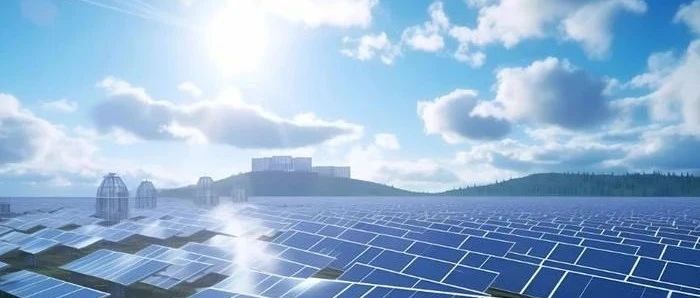
Group 1 - Yunnan Province has abundant natural resources, with a total water resource of 2,141 billion cubic meters, ranking third in the country, and a cumulative hydropower installed capacity of 83.6 GW as of the end of 2024, showing a steady increase of 2.17 GW year-on-year [3][13][27] - The province's solar energy resources are also rich, with a cumulative photovoltaic installed capacity of 39.158 GW by the end of 2024, and significant additions of 14.12 GW and 14.95 GW in 2023 and 2024 respectively [13][27][34] - The development of new energy storage projects and pumped storage projects is actively promoted, with four pumped storage power stations approved, totaling approximately 5.9 GW of installed capacity [18][19][22] Group 2 - Yunnan is a key province for the "West-East Power Transmission" project, with a total power transmission of over 1,600 billion kilowatt-hours in 2024, marking a historical high and a year-on-year growth of about 19% [27][30] - The province is building a cross-border power interconnection system, with 14 cross-border power transmission channels established, connecting with neighboring countries such as Vietnam and Laos [30][34] - The integration of hydropower, wind power, and solar power is being promoted to enhance energy consumption capacity, with the potential to develop approximately 55 million kilowatts of new energy resources in the Lancang River basin [22][27] Group 3 - The company has seen steady growth in hydropower installed capacity, with projections for revenue and net profit to increase from 2025 to 2027, reaching 264.98 billion yuan and 88.96 billion yuan respectively [41][43] - The low-carbon manufacturing advantages in Yunnan are significant, with the carbon footprint of solar products being lower than the national average by 54% in raw material acquisition and 63% in polysilicon production [43][46] - The company is focusing on silicon wafer production, with plans for a capacity of 75 GW, benefiting from the high proportion of clean energy generation in Yunnan [46][48]


国网、南网、华能、华电、国电投、中能建、中电建等央企部署下半年工作重点
中关村储能产业技术联盟· 2025-08-06 09:29
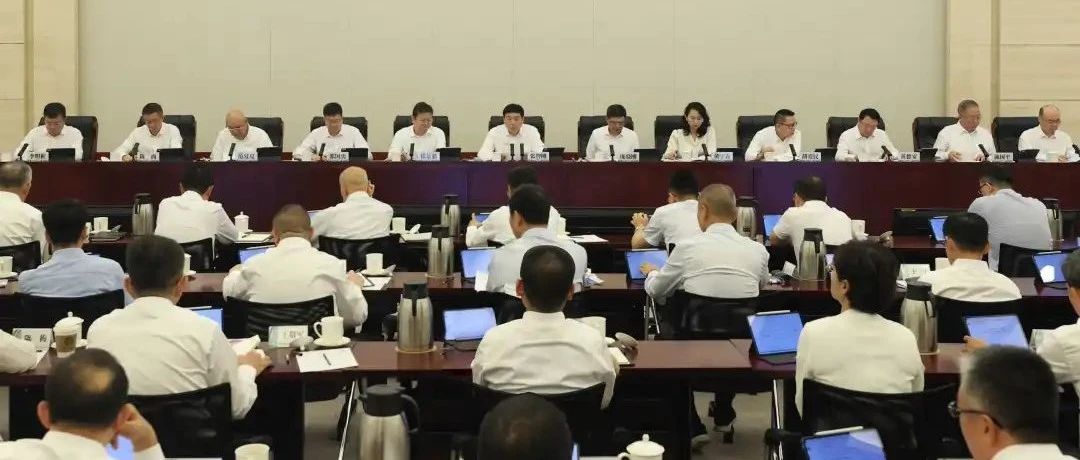
Core Viewpoint - The central enterprises in the power and energy sector are focusing on new energy development, innovative storage solutions, improving electricity market mechanisms, and expanding overseas business in the second half of 2025, driven by the "dual carbon" goals [2]. Group 1: National Grid Corporation - The National Grid aims to strengthen safety production, ensure reliable electricity supply during peak summer demand, and enhance strategic research for its "14th Five-Year Plan" [3]. - The company plans to increase investment in the grid, improve supply capacity, and support the integration of renewable energy [3]. - Emphasis will be placed on market competition and technological innovation to foster new growth points [3]. Group 2: Southern Power Grid - The Southern Power Grid is prioritizing the construction of a new energy system and enhancing the integration of renewable energy [5][6]. - The company will focus on digital transformation to improve operational efficiency and smart grid capabilities [5]. - Continuous reform of the electricity market and strengthening regional market connections are also key objectives [7]. Group 3: Huaneng Group - Huaneng Group is committed to high-quality development of renewable energy, with a current installed capacity of 110 million kilowatts and over 54% from clean energy [8]. - The company plans to accelerate the development of large-scale renewable energy bases [8]. Group 4: Huadian Group - Huadian Group aims to expand effective investment and accelerate the production of key projects, including an 8 million kilowatt project in Xinjiang [9]. - The focus will be on increasing clean energy development and enhancing production capabilities [9]. Group 5: State Energy Group - The State Energy Group is enhancing its technology innovation system, focusing on clean coal utilization and renewable energy technologies [10]. - The company is also promoting the construction of digital intelligence systems and expanding its renewable energy capacity [10]. Group 6: Datang Group - Datang Group emphasizes safety production and energy supply for the capital, while accelerating green and low-carbon transformation [11]. - The company aims to integrate technological innovation with industrial development [11]. Group 7: State Power Investment Corporation - The State Power Investment Corporation is focused on expanding effective investments in renewable resources and major projects [12]. - The company aims to achieve breakthroughs in national technology projects and promote the integration of industry and innovation [12]. Group 8: China General Nuclear Power Group - China General Nuclear Power Group is prioritizing the high-quality completion of its "14th Five-Year Plan" [15]. Group 9: China Energy Engineering Group - China Energy Engineering Group is focusing on high-quality completion of its "14th Five-Year Plan" evaluation and planning for the "15th Five-Year Plan" [16]. Group 10: China Power Construction Group - China Power Construction Group is committed to completing annual targets and enhancing management levels while expanding market share [17].





山东德州150MW/300MWh储能系统交流侧设备招标
中关村储能产业技术联盟· 2025-08-05 14:03
Core Viewpoint - The article discusses the procurement project for the AC side equipment of a 150MW/300MWh smart shared energy storage power station in Lingcheng District, Dezhou City, Shandong Province, initiated by Nengjian Times New Energy Technology Co., Ltd. [2][3] Inquiry Conditions - The project has been approved by relevant authorities, with funding sourced from the company's own resources, and is now open for public inquiry [3]. Inquiry Scope - The procurement includes the purchase of AC side equipment such as the converter boost integrated machine and EMS for the energy storage power station [4]. Bidder Qualification Requirements - Bidders must be legally registered independent entities in China with the ability to assume civil responsibilities [5] - Bidders should not have been ordered to cease operations or be in bankruptcy in the last three years [5] - Bidders must not be listed as dishonest executors or have significant contract violations in the past [5] - Bidders need to demonstrate good financial status with sufficient liquidity, providing audited financial statements for the last three years [5] - Bidders must have experience supplying AC side boost integrated machines for energy storage stations of at least 500MW in the last three years, including at least one project of 100MW or more [5] - Bidders must possess independent R&D and production capabilities for PCS, supported by relevant certifications and reports [5][6] Inquiry Document Acquisition - The inquiry documents can be downloaded from the China Energy Construction electronic procurement platform from August 4, 2025, to August 10, 2025 [8]. Bid Submission - The deadline for bid submission is August 10, 2025, and submissions must be encrypted and uploaded via the electronic procurement platform [9]. Opening Time and Location - The bid opening will occur online on August 10, 2025, via the electronic procurement platform [9]. Other Announcement Content - The announcement will be published on the China Inquiry Bidding Public Service Platform and the electronic procurement platform [10]. Supervision Department - The project will be supervised by the Comprehensive Management Department of Nengjian Times New Energy Technology Co., Ltd. [15]. Contact Information - The contact details for the bidding company are provided, including address, contact person, phone number, and email [16].
突发!云南叫停磷酸铁锂储能电站!
鑫椤锂电· 2025-08-05 08:05
Core Viewpoint - The recent announcement from Yunnan Province's Energy Bureau indicates a shift in policy direction, signaling a slowdown in lithium battery energy storage development while promoting long-duration storage technologies like all-vanadium flow and compressed air storage [2][5]. Summary by Sections Energy Storage Development - As of June 2025, Yunnan Province plans to have 4.987 million kilowatts of new energy storage capacity, primarily using lithium iron phosphate technology, which is currently the dominant technology across the country [1]. - The rapid development of independent energy storage has created new opportunities for lithium battery storage following the halt of mandatory storage policies [1][5]. Market Dynamics - The "Document 136" issued by the National Energy Administration in February 2023 halted mandatory storage policies, which were crucial for the rapid growth of the energy storage market in previous years [5]. - Despite the halt, independent storage is experiencing significant growth, with a projected increase in new installations in 2025, where independent/shared storage projects are expected to account for over half of the new installations [5]. Technological Landscape - By the end of 2024, the cumulative installed capacity of new energy storage projects in China is expected to reach 73.76 GW/168 GWh, with over 90% being electrochemical storage [4]. - Lithium iron phosphate batteries are favored due to their high safety, long cycle life, low cost, and high energy density, with costs dropping to around 0.3 yuan/Wh [4]. Industry Challenges - The announcement from Yunnan Province may significantly compress the development space for lithium iron phosphate storage if adopted by other provinces, potentially impacting the overall growth of this technology [5].

万里扬:已开始启动首批机器人关节精密传动产品项目
Ju Chao Zi Xun· 2025-08-05 02:40
Core Viewpoint - The company has initiated the development of its first batch of robotic joint precision transmission products, involving six products for two clients [2] Group 1: Company Developments - The company has established Zhejiang Wanliyang Robot Technology Co., Ltd. to focus on the R&D and industrialization of robotic joint precision transmission products [2] - The product platform planning has been preliminarily completed, including categories such as harmonic reducers, planetary reducers, brushless motors, and controllers [2] - Standardization and platform design have been achieved for various product categories, including platform models, diameters, gear ratios, and controller types [2] Group 2: Business Segments - The company's business includes automotive parts and new energy storage [2] - The automotive parts segment focuses on the R&D, production, and sales of automotive transmission and drive system products, covering passenger vehicles, commercial vehicles, and new energy vehicles [2] - The company is also developing non-road transmission/drive system products, including electric drive systems for construction machinery and various tractor systems [2] - The company is expanding its export business for components such as gears, shafts, housings, aluminum die-cast parts, cast iron parts, and forgings [2] - The new energy storage business encompasses power generation side storage power stations, grid-side independent storage power stations, user-side storage power stations, and electricity trading [2]

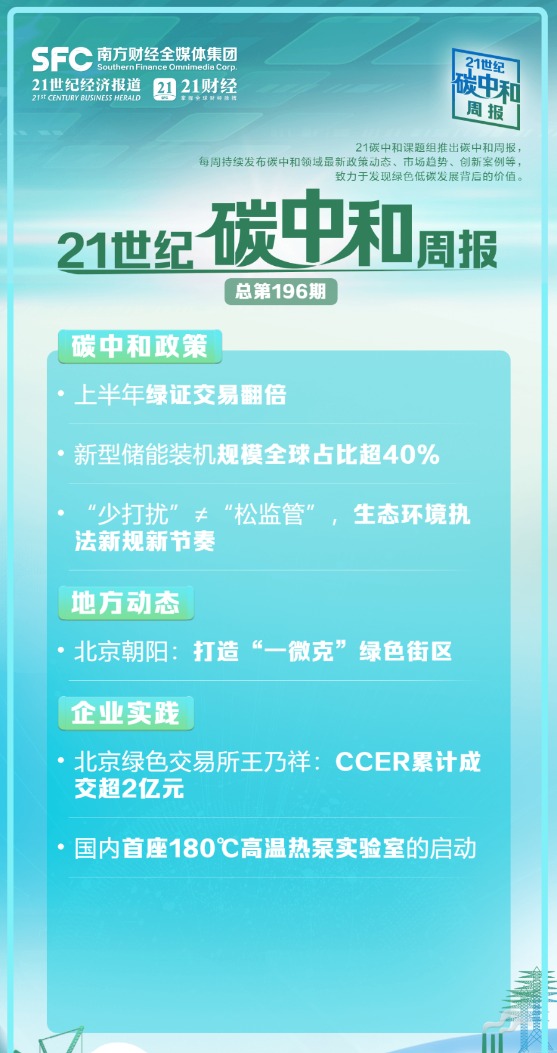
上半年绿证交易翻倍;新型储能装机全球占比超40%丨碳中和周报
2 1 Shi Ji Jing Ji Bao Dao· 2025-08-04 14:15
Carbon Neutrality Policy - In the first half of the year, the trading volume of green certificates doubled, with a total of 1.371 billion green certificates issued, of which 958 million were tradable, a year-on-year increase of 149% [3] - The trading scale also doubled, with 348 million green certificates traded, a year-on-year increase of 118%, including 242 million in standalone trades and 107 million corresponding to green electricity trades [3] - The average price of green certificates has gradually returned to a reasonable level, with the average price in June reaching 6.5 yuan per certificate, a 4.4-fold increase from the lowest price this year [3] New Energy Storage - By the end of 2024, the installed capacity of new energy storage in China reached 73.76 million kilowatts, accounting for over 40% of the global total installed capacity [4] - The report on new energy storage development outlines the progress and future outlook for the industry, emphasizing the need for a balanced approach to scale and efficiency [5] Environmental Regulation - The Ministry of Ecology and Environment issued a notification to standardize environmental inspections, aiming to reduce the burden on enterprises while ensuring effective regulatory oversight [6] - The notification emphasizes a planned approach to inspections, aiming to avoid redundant checks and streamline the process for businesses [6] Local Developments - Beijing's Chaoyang District is creating "One Microgram" green blocks, with the first batch of demonstration blocks featuring advanced energy-efficient technologies [7] - The "light-storage-direct-flexible" technology implemented in the Sanlitun Taikoo Li project allows for 100% self-consumption of solar energy, improving energy efficiency by 5%-10% [7] Corporate Practices - The Beijing Green Exchange reported a cumulative transaction volume of 2.398985 million tons of greenhouse gas voluntary reduction credits, with a total transaction value of approximately 202.55 million yuan [8] - The establishment of China's first 180°C high-temperature heat pump laboratory by Nuotong Technology fills a gap in the ultra-high temperature heat pump system research field, supporting industry standards and innovation [9]
万里扬(002434) - 002434万里扬投资者关系管理信息20250804
2025-08-04 09:32
Group 1: Automotive Components Business - The company focuses on the research, production, and sales of automotive transmission and drive system products, covering passenger vehicles, commercial vehicles, and new energy vehicles [1] - The company is actively developing non-road transmission/drive system products, including electric drive systems for construction machinery and high-power tractors [2] - The company has expanded its international market, increasing direct exports of CVT products and developing electric vehicle (EV) reducers [2] Group 2: Commercial Vehicle Transmission Business - The light truck transmission business is steadily developing existing manual transmission products while actively developing electric products, covering P2 and PS hybrid systems [2] - The heavy truck transmission business includes AMT automatic transmissions and pure electric drive systems, with related products gradually entering mass production [2] Group 3: Non-Road Transmission/Drive Systems - The company is focusing on the development of electric drive systems for construction machinery and high-power tractors, with new product research and customer development progressing simultaneously [2] Group 4: New Energy Storage Business - The company has operational independent energy storage power stations in Zhaoqing and Yiwu, with installed capacities of 100MW/200MWh and 100MW/200MWh, respectively [3] - Additional energy storage projects are under construction in Guangdong and Zhejiang, which will further increase revenue from the energy storage business [3] Group 5: Robotics Components Business - The company established Zhejiang Wanyiyang Robotics Technology Co., Ltd. to focus on the research and industrialization of precision transmission products for robots [4] - Initial product platform planning has been completed, including standardization and platform design for various types of products [4]
首个省级容量电价机制出台
中关村储能产业技术联盟· 2025-08-03 15:35
Core Viewpoint - Gansu Province has introduced a capacity pricing mechanism for power generation, marking the first provincial-level independent capacity pricing policy in China, aimed at supporting the transformation of coal power and promoting the orderly development of new energy storage [2][3]. Group 1: Capacity Pricing Mechanism - The capacity price for coal power units and new energy storage on the grid side is set at 330 yuan per kilowatt per year, with a two-year implementation period [2]. - The mechanism includes full capacity compensation for coal power, increasing the fixed cost recovery ratio from 30% to 100%, and incorporates various energy sources like hydropower, wind, and solar into the compensation framework [3][4]. - The introduction of a capacity pricing mechanism is expected to stabilize investment returns and promote the development of energy storage, especially in the context of high penetration of renewable energy [3][4]. Group 2: Flexibility and Resource Demand - Gansu's energy resources are abundant, but the high proportion of renewable energy requires flexible adjustment resources to ensure reliable power supply during peak demand [3]. - The new pricing mechanism aims to decouple capacity pricing from energy pricing, providing a clearer boundary between energy, auxiliary services, and capacity pricing [3][4]. Group 3: Impact on Users and Market Dynamics - The capacity pricing mechanism is designed to have a minimal impact on downstream electricity costs for industrial and commercial users, as the overall electricity price is expected to decrease due to the introduction of this mechanism [6][7]. - The capacity fee will be allocated based on the monthly electricity consumption of all industrial and commercial users, with the State Grid Gansu Electric Power Company responsible for monthly calculations [5][6]. Group 4: Future Market Developments - The capacity pricing mechanism is seen as a transitional measure, with plans to establish a capacity market in the long term, allowing for better resource allocation and price discovery [8][9]. - The mechanism will encourage the participation of diverse resources in the capacity market, with a focus on effective capacity assessment and fair compensation [9][10].

宁德25H1业绩同比+33%,欣旺达递交H股上市申请书
ZHONGTAI SECURITIES· 2025-08-03 09:17
Investment Rating - The report maintains an "Overweight" rating for the industry [5] Core Views - The lithium battery sector is expected to enter a 2-3 year upward cycle, with potential improvements in performance and valuation [7] - The report recommends companies such as CATL and EVE Energy, and suggests focusing on solid-state battery technology [7] - The energy storage segment is seeing growth, with companies like XINWANDA planning to list on the Hong Kong Stock Exchange [7][26] Summary by Sections Lithium Battery Sector - CATL reported a revenue of 178.9 billion RMB in the first half of 2025, a year-on-year increase of 7.3%, with a net profit of 30.5 billion RMB, up 33% [13] - The company’s production capacity reached 345 GWh, with a utilization rate of nearly 90% [13] - Solid-state battery commercialization is complex, with expectations for small-scale production by 2027 [14] Energy Storage - XINWANDA submitted an application for H-share listing, with a sales volume of 3.3 GWh in Q1 2025 [26] - The revenue from energy storage systems is projected to grow significantly, with a forecasted increase from 1.11 billion RMB in 2023 to 1.89 billion RMB in 2024 [26][27] - The gross margin for energy storage systems is expected to rise from 19% in 2023 to 20.4% in 2024 [27] Power Equipment - Investment in key energy projects exceeded 1.5 trillion RMB in the first half of the year, a year-on-year increase of 21.6% [32] - The report highlights the rapid growth in renewable energy investments, particularly in distributed solar and onshore wind projects [33] Electric Vehicle Sales - In July, electric vehicle sales in major European countries reached 84,000 units, a year-on-year increase of 42% [18] - Domestic electric vehicle sales show mixed results, with companies like NIO and XPeng reporting varying growth rates [20][24]


三一海工50t级储能正面吊下线
Zheng Quan Ri Bao Wang· 2025-08-03 08:48
Core Insights - SANY Group has developed the world's first 50-ton energy storage front crane, addressing industry lifting challenges and enhancing energy storage capabilities [1][2] Group 1: Product Features - The energy storage front crane is specifically designed for lifting ISO 20/40-foot energy storage cabinets, maximizing storage capacity by allowing stacking up to 6 layers high [1] - The crane's maximum lifting capacity is 50 tons, ensuring efficient transportation and installation of energy storage cabinets [1] - It utilizes advanced electric control pumps to optimize energy usage, significantly reducing energy waste [1] Group 2: Energy Efficiency - The crane features a high-pressure hydraulic system that reduces pressure loss by 50%, further lowering operational energy consumption [1] - It includes an energy recovery function that can recover over 65% of potential energy during descent, allowing for significant energy savings [1] - The single box energy consumption is only 1.8 kWh per box, with a configuration of a 512 kWh battery box that supports both charging and battery swapping, enabling over 7 hours of continuous operation [2]