
京津冀协同发展

Search documents
“十四五”时期北京GDP预计超5万亿元!经济增量等于“新增一个海淀区”
券商中国· 2025-09-15 15:13
Core Viewpoint - Beijing's economic development during the "14th Five-Year Plan" has achieved significant progress, with high-value patents and economic growth exceeding expectations, indicating a solid step towards high-quality development [1][2]. Economic Growth and Structure - Beijing's GDP is expected to exceed 5 trillion yuan, with an economic increment of approximately 1.4 trillion yuan over five years, equivalent to the total economic output of Haidian District [2]. - By 2024, the per capita GDP of Beijing is projected to reach $32,000, with labor productivity at 444,000 yuan per person, leading among all provinces and cities in China [2]. Industry and Demand Dynamics - The average annual GDP growth rate for Beijing from 2021 to 2024 is projected at 5.2%, supported by strong industrial foundations and demand [3]. - The information service industry has become the largest pillar of Beijing's economy, with its added value surpassing 1 trillion yuan [3]. - The financial sector's asset scale exceeds 220 trillion yuan, accounting for about half of the national total [3]. Investment Trends - The proportion of high-tech industry investment in Beijing has increased from 9.5% in 2020 to 22.6% in 2024, marking a historical high [4]. Technological Innovation - Beijing aims to become an international technology innovation center, with R&D investment intensity maintained at around 6%, ranking among the top global innovation cities [5]. - The city has launched 158 large models in artificial intelligence, accounting for about 30% of the national total, and has seen significant applications of innovative robotic products [5]. Collaborative Development - The economic total of the Beijing-Tianjin-Hebei region is expected to reach 11.5 trillion yuan by 2024, with all three areas' GDP growth rates exceeding the national average [7]. - The output of technology contracts from Beijing to Tianjin and Hebei has reached 230.87 billion yuan during the "14th Five-Year Plan," nearly double that of the previous five years [8].

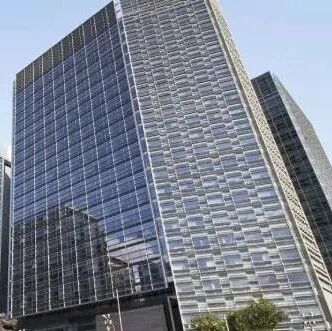
北京市级机关搬迁基本完成!
Zhong Guo Ji Jin Bao· 2025-09-15 13:54
Group 1 - The "14th Five-Year Plan" has shown significant achievements in Beijing's economic and social development, with a focus on collaborative growth among the Beijing-Tianjin-Hebei region [1] - The relocation of municipal agencies in Beijing is nearly complete, enhancing the functionality and quality of the urban framework [2] - The reduction of non-capital functions has led to a cumulative decrease of 150 square kilometers in urban construction land and the exit of over 3,000 general manufacturing enterprises, optimizing economic structure and spatial layout [2] Group 2 - The development of the new "wings" of Beijing supports the construction of Xiong'an New Area, with all "three schools and one hospital" projects operational and over 4,000 enterprises from Beijing established in Xiong'an [2] - The modern capital metropolitan area is thriving, with a transportation circle of 1 to 1.5 hours established among major cities in the region, allowing for direct medical insurance reimbursement and comprehensive "one-card" access [2] - The technology contract transaction amount from Beijing to Tianjin and Hebei has increased from over 7 billion yuan in 2013 to over 84 billion yuan in 2024, with an annual growth rate of 25% [2]
北京市级机关搬迁基本完成!
中国基金报· 2025-09-15 13:07
Group 1 - The core viewpoint of the article highlights the significant achievements in Beijing's economic and social development as it concludes the "14th Five-Year Plan," emphasizing the collaborative efforts of the Beijing-Tianjin-Hebei region [2] - During the "14th Five-Year" period, Beijing has effectively reduced non-capital functions, with a cumulative reduction of 150 square kilometers in urban construction land and the exit of over 3,000 general manufacturing enterprises, optimizing economic structure and spatial layout [2] - The development of the Beijing urban sub-center has progressed from orderly expansion to a comprehensive enhancement of functional quality, with the relocation of municipal agencies nearly completed [2] Group 2 - The modern capital metropolitan area is thriving, with a transportation circle of 1 to 1.5 hours established among major cities in the Beijing-Tianjin-Hebei region, allowing for direct medical insurance reimbursement and the realization of a "one card for all" system [3] - The efficiency and proportion of regional technology transfer have continuously improved, with the value of technology contracts from Beijing to Tianjin and Hebei increasing from over 7 billion yuan in 2013 to over 84 billion yuan in 2024, representing an annual growth rate of 25% [3] - The industrial collaboration has transitioned from a "blueprint" to a "real scene," with GDP growth rates in the three regions expected to exceed the national average in 2024, further demonstrating their role as a driving force for high-quality development [3]
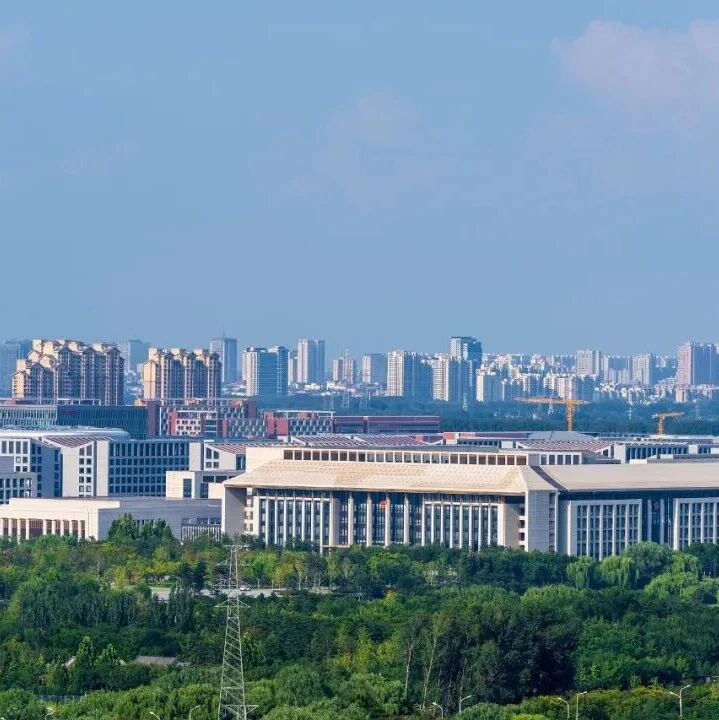
“十四五”时期北京GDP预计跨过5万亿!经济增量等于“新增一个海淀区”
Zheng Quan Shi Bao Wang· 2025-09-15 12:27
Core Insights - Beijing's economic development has made significant progress during the "14th Five-Year Plan" period, with GDP expected to exceed 5 trillion yuan and an economic increment of approximately 1.4 trillion yuan, equivalent to the total economic output of a district like Haidian [1][2] - The city has focused on high-quality development, with a strong emphasis on technological and industrial innovation, aiming to enhance its economic vitality and opportunities [1][2] Economic Growth - The average annual GDP growth rate for Beijing from 2021 to 2024 is projected at 5.2%, indicating a recovery trend despite various challenges [2] - The information service industry has become the largest pillar of Beijing's economy, with its added value surpassing 1 trillion yuan [2][4] Investment Trends - Investment in high-tech industries has increased significantly, with the proportion rising from 9.5% in 2020 to 22.6% in 2024, marking a historical high [3] - The city is directing investments towards future development, urban governance, and improving quality of life [3] Technological Innovation - Beijing aims to establish itself as an international technology innovation center, with R&D investment intensity maintained at around 6%, ranking among the top global innovation cities [4] - The city has launched 158 large models in artificial intelligence, accounting for about 30% of the national total, and has seen a significant increase in the application of robotic products [4][5] Regional Collaboration - The collaboration among Beijing, Tianjin, and Hebei has led to a combined economic total of 11.5 trillion yuan by 2024, with all three regions' GDP growth rates exceeding the national average [6][7] - The "Beijing R&D, Tianjin-Hebei manufacturing" model is evolving, with technology contract transactions reaching 230.87 billion yuan during the "14th Five-Year Plan" period, nearly double that of the previous five years [7]
北京平原新城综合承载能力持续提升 五年间新增企业超40万家
Zhong Guo Xin Wen Wang· 2025-09-15 11:56
Group 1 - The core viewpoint is that Beijing's Plain New City is a crucial part of promoting the coordinated development of the Beijing-Tianjin-Hebei region and building a modern capital metropolitan area, with over 400,000 new enterprises established since the beginning of the 14th Five-Year Plan [1][3] - The economic scale of the Plain New City is approaching 1 trillion RMB, with the resident population exceeding 30% of the city's total, making it a hotspot for young entrepreneurs and business investments [3] - Various districts in Beijing have clarified their development positioning, with Shunyi focusing on the airport economy, Daxing on collaborative development, and other districts emphasizing technology and cultural integration [3] Group 2 - The construction progress of the Plain New City includes the upcoming trial operation of the 18th subway line and plans for the second phase of the 19th line, indicating significant infrastructure development [3] - The establishment of the Tsinghua National Key Laboratory and the International Pharmaceutical Innovation Park is accelerating, enhancing the capacity for industrial space and high-quality technological innovation [3]
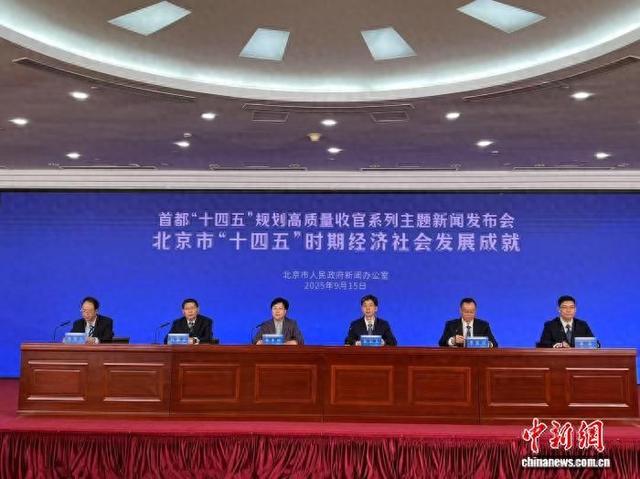
“十四五”以来北京输出津冀技术合同成交额达2308.7亿元
Zhong Guo Xin Wen Wang· 2025-09-15 09:16
Core Points - Since the beginning of the 14th Five-Year Plan, the technology contract transaction amount from Beijing to the Tianjin-Hebei region has reached 230.87 billion RMB, nearly double the total amount during the 13th Five-Year Plan [1] Group 1 - The industrial collaboration model of "Beijing R&D, Tianjin-Hebei manufacturing" is maturing, with the integration of innovation and industrial chains becoming a tangible support for coordinated development [1] - The shift from mere transfer and acceptance of industries to collaborative industrial chain cooperation is evident, with the scale of industrial clusters continuously expanding, resulting in seven national-level advanced manufacturing clusters [1] Group 2 - Notable projects include the relocation of China Star Network to Xiong'an New Area, the upcoming operation of headquarters projects by Huaneng and Sinochem, and the commencement of construction for four university campuses in Xiong'an [1] - The Xiong'an Zhongguancun Science Park has attracted over 200 high-tech enterprises within just two years, creating an innovative "small climate" [1] Group 3 - The Tianjin Binhai-Zhongguancun Science Park has registered over 6,000 enterprises, indicating increasing integration between the two cities [1]
北京晒“十四五”成绩单,五年经济增量增出了一个万亿海淀
Xin Jing Bao· 2025-09-15 08:27
Core Viewpoint - The "14th Five-Year Plan" in Beijing has shown significant progress in various economic and social development indicators, with a total economic increment of approximately 1.4 trillion yuan over the past five years, alongside improvements in labor productivity and service trade [1][7]. Economic Growth - The projected GDP growth during the "14th Five-Year Plan" period is expected to surpass 5 trillion yuan, with an economic increment of about 1.4 trillion yuan, equivalent to the total economic output of a district like Haidian [7]. - The average annual GDP growth rate from 2021 to 2024 is 5.2%, achieved despite various challenges [7]. Innovation Development - Beijing has established itself as a leading international technology innovation center, with 145 national key laboratories, accounting for nearly 30% of the total in the country [8]. - The city has registered 158 large models in artificial intelligence, representing about 30% of the national total, and has a significant presence in the commercial aerospace sector [8]. Urban Development - The construction of the "Two Wings" initiative is nearly complete, with significant urban infrastructure improvements, including the establishment of cultural landmarks and enhanced public services [6]. - The urban transportation network has improved, with a 1 to 1.5-hour travel radius established among major cities in the Beijing-Tianjin-Hebei region [6]. Social Welfare - Over the past five years, Beijing has added more than 150,000 new primary and secondary school places, achieving a coverage rate of 70% for group-based schooling [13]. - The city has established 2,666 elderly meal service points, ensuring that over 4.5 million elderly residents can access nearby dining options [13]. Environmental Improvement - The average PM2.5 concentration in Beijing has decreased to 30.5 micrograms per cubic meter, a 65.9% reduction since 2013 [11]. - The city has developed over 300 kilometers of scenic corridors and achieved over 90% coverage of park green space within a 500-meter radius [11]. Reform and Market Development - The Beijing International Big Data Exchange has recorded nearly 10 billion yuan in transactions, reflecting the city's commitment to economic reform and market development [9]. - The city has implemented over 140 breakthrough policies to enhance its status as a comprehensive demonstration zone for service industry expansion and free trade [10].
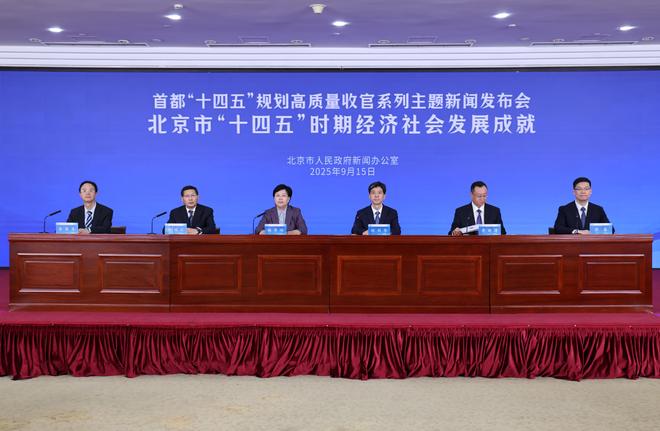
北京:市级机关搬迁基本完成
财联社· 2025-09-15 06:14
Core Viewpoint - The article highlights the significant achievements of Beijing's economic and social development during the "14th Five-Year Plan" period, emphasizing collaborative efforts with the surrounding regions and the optimization of urban functions and structures [1][2]. Group 1: Economic Development - Beijing has successfully reduced urban construction land by 150 square kilometers and eliminated over 3,000 general manufacturing enterprises, optimizing economic structure and spatial layout through a "reduction" strategy [1]. - The output of technology contracts from Beijing to Tianjin and Hebei has increased from over 7 billion yuan in 2013 to over 84 billion yuan in 2024, with an average annual growth rate of 25% [2]. Group 2: Urban Infrastructure and Cultural Development - The development of the Beijing urban sub-center has progressed from establishing a city framework to enhancing functional quality, with the relocation of municipal agencies nearly completed [1]. - New cultural landmarks such as the Beijing Art Center, Urban Library, and Grand Canal Museum have emerged, while Universal Studios has become a new cultural tourism icon for Beijing [1]. Group 3: Regional Collaboration - A transportation network allowing for 1 to 1.5-hour travel between major cities in the Beijing-Tianjin-Hebei region has been established, facilitating direct medical insurance reimbursement and the implementation of a unified transportation card [2]. - The industrial collaboration has evolved from a "blueprint" to a "real-world" scenario, with all three regions expected to exceed the national average GDP growth rate in 2024 [2].
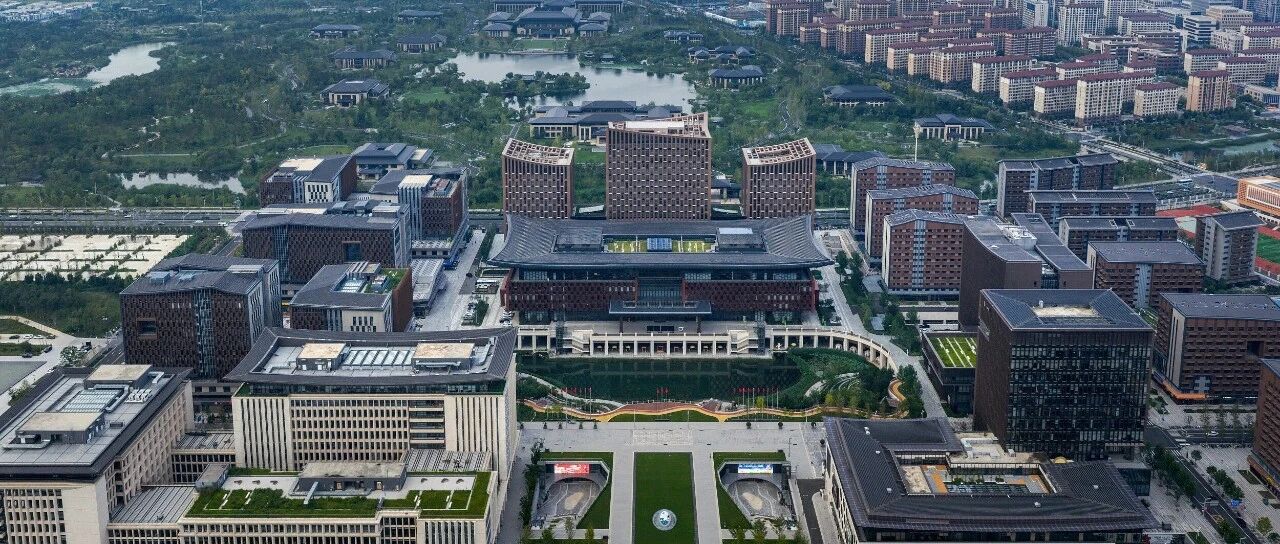
北京:预计超过5000000000000!
Bei Jing Qing Nian Bao· 2025-09-15 05:38
Core Viewpoint - The news highlights the achievements of Beijing during the "14th Five-Year Plan" period, emphasizing economic growth, urban development, and improvements in public services and infrastructure. Economic Development - Beijing's GDP is expected to exceed 5 trillion, with an economic increment of approximately 1.4 trillion, equivalent to the economic total of a district like Haidian [7] - The average annual GDP growth rate from 2021 to 2024 is projected at 5.2%, achieved amidst various challenges [7] - The total number of business entities in Beijing reached 2.686 million, with an average annual growth rate of 6.2% over the past five years [10] Urban and Infrastructure Development - Over 3,000 general manufacturing enterprises have exited Beijing, contributing to the optimization of economic structure and spatial layout [3] - The city has added 95 new subway stations and 152 kilometers of operational rail transit, enhancing public transportation efficiency [13] - The urban area has seen a reduction of 150 square kilometers in construction land, supporting the coordinated development of the Beijing-Tianjin-Hebei region [3][6] Technological Innovation - Beijing has registered 158 large models in AI, accounting for about 30% of the national total, with leading models like Doubao and Kimi ranking among the best globally [9] - The city has maintained a research and development investment intensity of around 6%, positioning itself among the top global innovation cities [8] Social Welfare and Public Services - More than 150,000 new primary and secondary school places have been created, with a 70% coverage rate for group-based schooling [12] - The city has established a unified online appointment system for medical services, improving healthcare accessibility [12] - Over 2,600 community-based elderly care dining points have been developed, addressing the needs of over 4.5 million elderly residents [12] Regional Cooperation and Open Economy - Beijing has implemented over 140 breakthrough policies to promote high-level opening up, with foreign trade exceeding 3.6 trillion for three consecutive years [11] - The city has attracted more than 8,000 new foreign enterprises and expanded its comprehensive bonded zones from 1 to 4 [11]
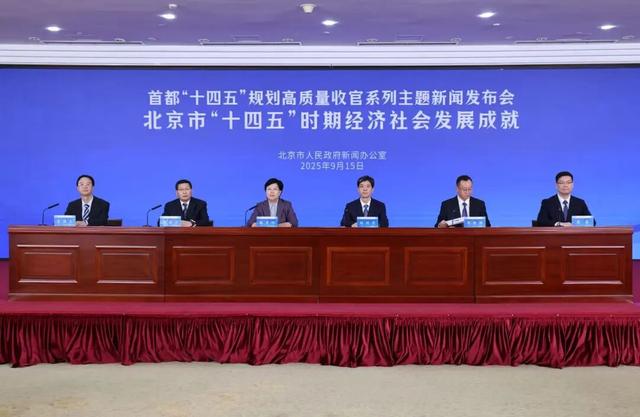
“十四五”成就|18号线年底具备开通试运营条件 19号线二期等计划开工建设
Bei Jing Qing Nian Bao· 2025-09-15 05:38
Group 1 - The "14th Five-Year Plan" achievements showcase the development of the Pingyuan New Town, which plays a crucial role in the coordinated development of the Beijing-Tianjin-Hebei region and the construction of a modern capital metropolitan area [1] - Over 400,000 new enterprises have been established in the Pingyuan New Town since the beginning of the "14th Five-Year Plan," significantly enhancing regional competitiveness and attractiveness [1] - The economic total of the Pingyuan New Town is approaching 1 trillion yuan, with the resident population exceeding 30% of the city's total [1] Group 2 - The city has implemented tailored high-quality development plans for each district within the Pingyuan New Town, focusing on industrial development, livability, resource allocation, and mechanism guarantees [1] - Key infrastructure projects are being advanced, including the 18th subway line, which is expected to be ready for trial operation by the end of the year, and the planned construction of the second phase of the 19th subway line [1] - The establishment of high-quality educational and medical resources is progressing, with new campuses for several universities and the opening of multiple hospitals [1] Group 3 - The construction of the Tsinghua National Key Laboratory and the International Pharmaceutical Innovation Park is accelerating, enhancing the capacity for high-quality technological innovation [1] - A total of over 50,000 quality primary and secondary school placements are being promoted to strengthen public service resource allocation [1] - The "park + enterprise" model for technology achievement transformation is beginning to take shape, with 14 national key laboratories set to be established in the area [1]