乡村振兴战略

Search documents
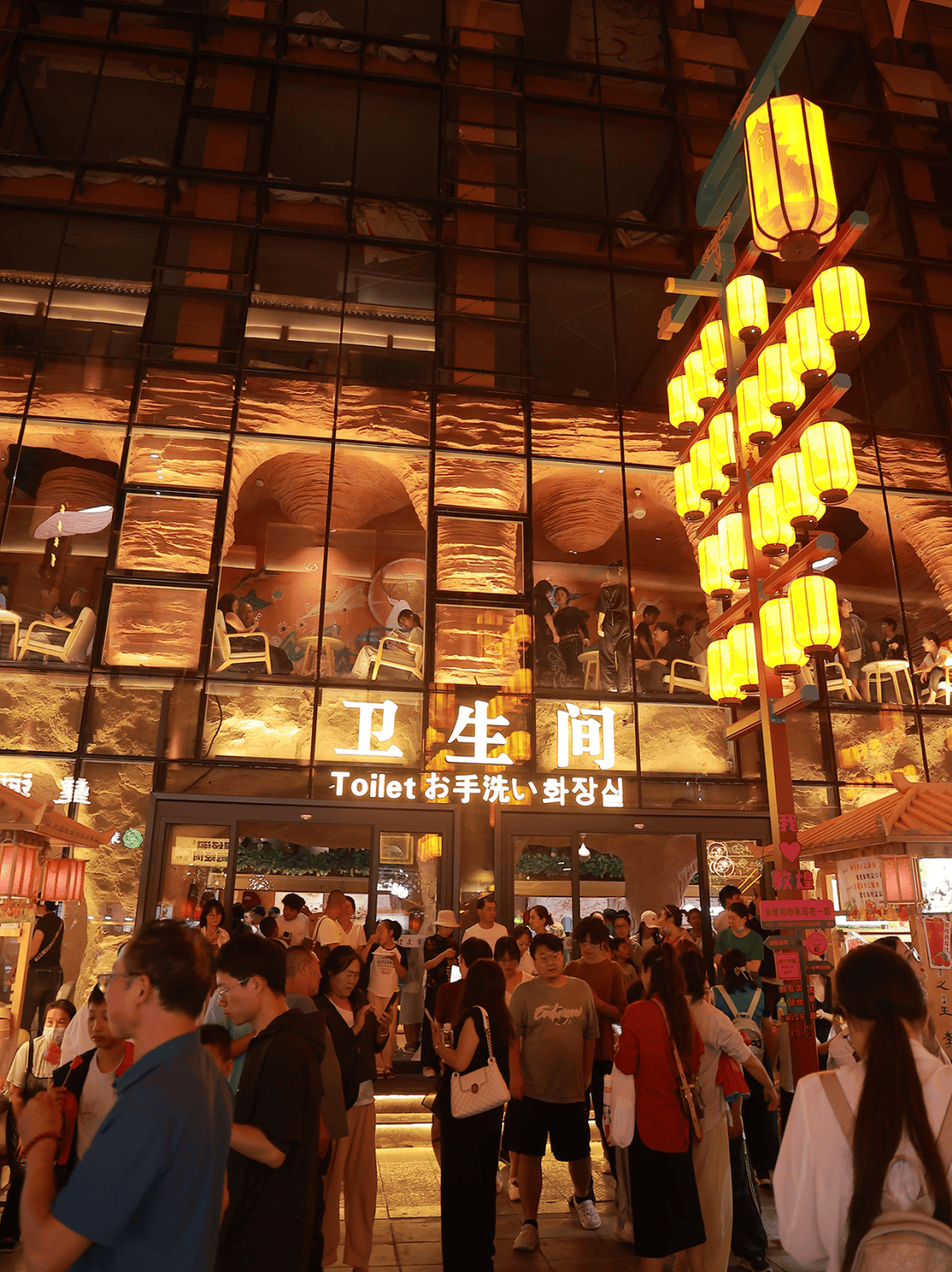
越来越多农村居民出去旅游了
第一财经· 2025-10-22 10:12
2025.10. 22 本文字数:1327,阅读时长大约3分钟 作者 | 第一财经 林靖 近年来,农村居民出游潜力不断释放,成为我国旅游业发展的重要增长点。 文化和旅游部公布的2025年前三季度国内旅游市场数据显示,根据国内居民出游抽样调查统计结 果,2025年前三季度,国内居民出游人次49.98亿,比上年同期增加7.61亿,同比增长18.0%。其 中,城镇居民国内出游人次37.89亿,同比增长15.9%;农村居民国内出游人次12.09亿,同比增长 25.0%。 国家统计局的数据显示,前三季度,全国居民人均可支配收入32509元,比上年同期名义增长 5.1%,扣除价格因素,实际增长5.2%。分城乡看,城镇居民人均可支配收入42991元,比上年同 期名义增长4.4%,扣除价格因素,实际增长4.5%;农村居民人均可支配收入17686元,比上年同 期名义增长5.7%,扣除价格因素,实际增长6.0%。农村居民收入名义增速和实际增速分别快于城 镇居民1.3和1.5个百分点,城乡居民人均可支配收入之比由上年同期的2.46降至2.43。 农村居民的收入增加,消费力增强,为他们出游创造了基础。农村的消费理念也在不断升级。实际 ...


越来越多农村居民出去旅游了,前三季度农村居民出游人次增长25%
Di Yi Cai Jing· 2025-10-22 08:56
Core Insights - The consumption concept in rural areas is continuously upgrading, leading to increased travel and spending among rural residents [1] Group 1: Travel Trends - Rural residents' travel potential is being increasingly realized, becoming a significant growth point for China's tourism industry [2] - In the first three quarters of 2025, domestic travel among rural residents reached 1.209 billion trips, a year-on-year increase of 25.0%, significantly outpacing urban residents' growth of 15.9% [2] - Total domestic travel expenditure for rural residents was 0.80 trillion yuan, reflecting a 24.0% year-on-year increase, compared to urban residents' growth of 9.3% [2] Group 2: Income and Spending - The per capita disposable income for rural residents was 17,686 yuan, with a nominal growth of 5.7% and a real growth of 6.0%, surpassing urban residents' growth rates [3] - The income disparity between urban and rural residents has decreased, with the ratio of disposable income dropping from 2.46 to 2.43 [3] - Increased income among rural residents has enhanced their purchasing power, facilitating greater participation in travel and other consumption activities [3] Group 3: Infrastructure and Accessibility - Improvements in infrastructure and the increasing prevalence of automobiles in rural areas have made travel more convenient for rural residents [4] - The affordability of cars, including second-hand options, has led to a significant number of rural families owning vehicles, which encourages local travel [4] - The rise of small-town tourism, characterized by lower overall costs, is attracting more rural residents to travel, contributing to the overall expansion of tourism consumption [4]
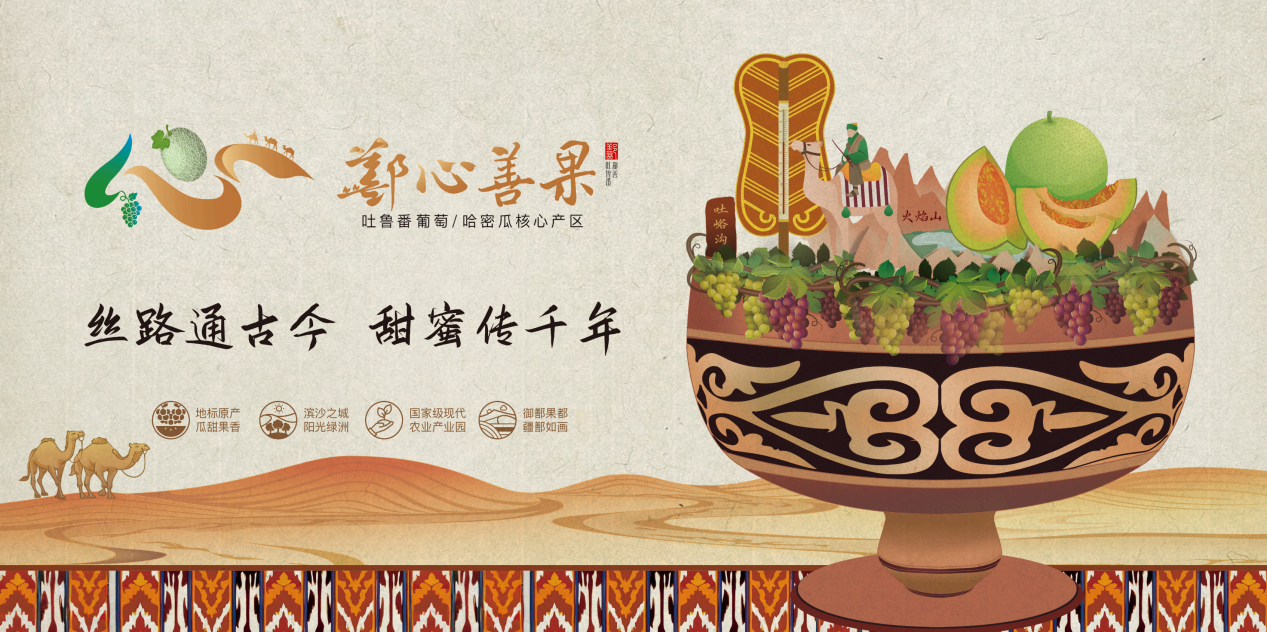
“鄯心善果”亮相农交会,鄯善打造甜蜜产业新标杆
Jiang Nan Shi Bao· 2025-10-20 06:43
Core Viewpoint - The "Shanxin Good Fruit" agricultural regional public brand was promoted during the 22nd China International Agricultural Products Trade Fair, highlighting the unique agricultural resources and advantages of Shanshan County in Xinjiang [1][2]. Group 1: Agricultural Brand Promotion - The promotion event was organized by the China Rural Magazine and the China Agricultural Products Market Association in Tianjin [1]. - The Deputy County Head of Shanshan County, Ahmat Aimaiti, provided a detailed introduction to the "Shanxin Good Fruit" brand [2]. Group 2: Geographic and Climatic Advantages - Shanshan County is located at the southern foot of the Tianshan Mountains, adjacent to the Kumtag Desert, characterized by a unique desert climate and rich agricultural resources [2]. - The region benefits from over 3,000 hours of annual sunlight and pure mineral-rich snowmelt water from the Tianshan Mountains, which supports the development of its distinctive fruit industry [2]. Group 3: Agricultural Production and Specialties - The modern agricultural industrial park in Shanshan County has been included in the national-level project list for 2024, focusing on the cultivation of grapes and Hami melons [2]. - Shanshan County has a grape planting area of 336,500 acres, with a production of 840,000 tons, accounting for over 85% of the county's total crop area [5]. - The county is home to 550 grape varieties, making it one of the most concentrated regions for grape varieties in China and worldwide [5]. Group 4: Historical Significance and Product Quality - Hami melons have been cultivated in Shanshan County for over 2,000 years, with historical significance dating back to the Qing Dynasty when they were presented as tribute to Emperor Kangxi [5]. - The region is a major production area for early and late-season Hami melons, with stable planting areas exceeding 100,000 acres, contributing to over 80% of the total early and mid-season Hami melon production in Xinjiang [5].
江苏全域土地综合整治多重效益显现——“一子落”带动“满盘活”
Xin Hua Ri Bao· 2025-10-18 23:31
Core Insights - The article emphasizes the importance of comprehensive land remediation as a platform for implementing rural revitalization strategies and advancing the "Ten Thousand Projects" initiative, which optimizes land use and promotes urban-rural integration [1][2]. Group 1: Progress and Achievements - Jiangsu Province has made significant progress in comprehensive land remediation, with 41 township projects and two county-level pilot projects in Suzhou, achieving over 70% completion [3]. - The province has completed the remediation of 499,400 acres of farmland and established 206,500 acres of high-standard farmland, while also reducing construction land by 7,600 acres [3]. - A total of 605 inefficient industrial enterprises have been eliminated, and ecological restoration efforts have covered 46,700 acres, showcasing multiple benefits from these initiatives [3]. Group 2: Case Study - Huangqiao Street - Huangqiao Street in Suzhou serves as a model for land remediation, transitioning from a mixed industrial area to a hub for headquarters economy and smart manufacturing, increasing the average tax revenue per acre from 128,000 yuan to 1,000,000 yuan [2]. - The area has improved its spatial layout significantly, with a floor area ratio increase from 0.7 to 2.5, demonstrating effective urban-rural integration [2]. Group 3: Tailored Approaches - Jiangsu Province encourages localized strategies for land remediation, resulting in diverse models such as modern efficient agriculture in Yancheng and cultural heritage protection in Kunshan [4]. - The province's approach has led to enhanced agricultural productivity, with some areas reporting an increase of nearly 200 jin per acre in grain yield [4]. - The ongoing projects are expected to provide replicable experiences for high-quality rural development across the country, contributing to a more livable and workable rural landscape [4].
培育文明乡风 持续推进乡村振兴战略
Yang Shi Wang· 2025-10-17 00:12
Core Viewpoint - Cultivating a civilized rural ethos is an inherent requirement for promoting comprehensive rural revitalization and is an urgent need to meet the new demands of farmers for spiritual and cultural life [1] Group 1 - The State Council Information Office held a press conference on the 16th to introduce relevant situations regarding rural revitalization strategies [1] - Various regions and sectors have focused on advancing the rural revitalization strategy and deepening the transformation of customs [1] - The spiritual and cultural life of the vast number of farmers has become increasingly enriched [1]
奋勇争先,决战决胜“十四五”|开创城乡融合发展新局面
Ren Min Ri Bao· 2025-10-13 06:48
Core Points - The article highlights the transformation of rural areas in China, particularly focusing on the integration of urban and rural development as a key strategy for modernization [2][3] - It emphasizes the importance of rural revitalization and the need for balanced development between urban and rural areas to achieve high-quality economic growth and common prosperity [3][4] Group 1: Urban-Rural Integration - The transformation of Tao Yuan Village in Haining, Zhejiang Province, showcases the successful integration of urban conveniences into rural life, attracting both tourists and returning young entrepreneurs [1][2] - The article discusses the role of county-level cities as vital components in promoting new urbanization and rural revitalization, with a focus on economic opportunities in these areas [3][4] Group 2: Economic Development - In Feixi County, the development of various industries, including cultural tourism and new energy vehicles, demonstrates the potential for significant economic growth in rural areas, with the cultural tourism sector expected to generate over 6.5 million yuan in collective income [4] - The article notes that Feixi County has attracted nearly 200 enterprises in the new energy vehicle sector, contributing to an output value exceeding 200 billion yuan [4] Group 3: Social Policies and Infrastructure - The article outlines the ongoing reforms aimed at integrating agricultural workers into urban life, including improvements in housing, education, and healthcare access for migrant workers [5] - It highlights the progress in rural infrastructure, such as the establishment of efficient water supply systems and the increase in sanitation facilities, with rural tap water coverage reaching 94% [6]
奋勇争先,决战决胜“十四五”|开创城乡融合发展新局面
Ren Min Ri Bao· 2025-10-13 01:26
Core Viewpoint - The transformation of Taoyuan Village reflects the profound changes in urban-rural relations in China, showcasing the successful implementation of rural revitalization strategies and urban-rural integration [2][3] Group 1: Urban-Rural Integration - Urban-rural integration is a necessary requirement for Chinese modernization, addressing the imbalance in development and promoting high-quality economic and social growth [3] - The strategy emphasizes the importance of planning and resource allocation that considers both urban and rural areas as a cohesive unit [3] - The development of new urbanization centered around county towns is crucial for achieving comprehensive rural revitalization and improving the quality of life for residents [3] Group 2: Economic Opportunities in Counties - Counties with a GDP exceeding 100 billion yuan are emerging as significant economic hubs, showcasing diverse local economies and opportunities for growth [4] - The integration of industries such as new energy vehicles and biomedicine in counties is contributing to substantial economic output, with the new energy vehicle sector alone generating over 200 billion yuan [4] Group 3: Improvement of Living Standards - Policies aimed at improving the living conditions of migrant workers in cities are being implemented, including reforms in the household registration system and enhanced access to public services [5] - The urbanization rate is projected to reach 67% by the end of 2024, with a high percentage of migrant workers' children able to access public education [5] - Infrastructure improvements in rural areas are evident, with significant increases in access to clean water and sanitation facilities, enhancing the quality of life for rural residents [6]
礼赞祖国76周年|平安融易持续扎根小微,助力实体经济发展
Sou Hu Cai Jing· 2025-10-11 08:52
Core Viewpoint - The article emphasizes the importance of small and micro enterprises in driving employment and economic circulation in China, highlighting the innovative "AI+O2O" model adopted by Ping An Rongyi to empower these businesses and enhance financial services [1][10]. Group 1: Service Model Transformation - Ping An Rongyi has shifted from a passive "sitting merchant" model to an active "walking merchant" approach, establishing a comprehensive O2O service network that combines online and offline resources [2][10]. - A specialized team of senior client managers is deployed to key regions and industries, providing face-to-face, full lifecycle financing advisory services to small and micro clients [2][5]. Group 2: Financial Empowerment in Agriculture - The company integrates financial services into the entire agricultural supply chain, going beyond mere financing to include product procurement and online sales platform development, thereby enhancing farmers' tangible benefits [6][7]. - The "Three Rural Protection Plan" combines financial support with marketing and product upgrades, helping 480,000 agricultural micro-enterprise owners secure over 60 billion yuan in funding by June 2025 [7][8]. Group 3: Technological Integration - Ping An Rongyi leverages advanced technologies like AI and big data to enhance service efficiency and customer experience, creating a unique "human + enterprise" intelligent risk control model [8][9]. - The AI-driven loan application process has been streamlined to require minimal input, with 95% of small micro clients receiving funds within 1.3 hours, addressing their urgent financial needs [9][10]. Group 4: Commitment to Sustainable Development - The company aims to build a resilient and warm "AI+O2O" service ecosystem, supporting small and micro enterprises through economic cycles and contributing to high-quality development in China [10].
兴业银行济南分行助力千亿级屠宰产业集群腾飞
Zhong Guo Jin Rong Xin Xi Wang· 2025-09-26 07:58
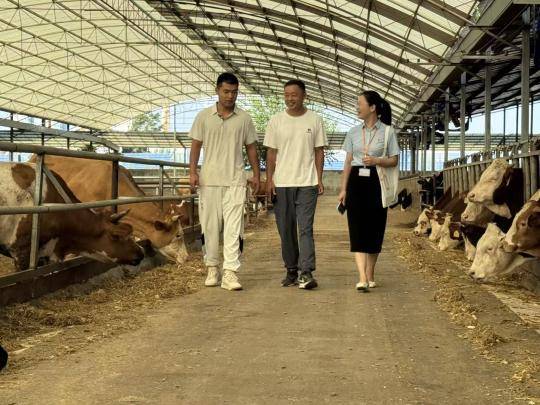
Core Viewpoint - Shandong Province's Linyi City has developed a trillion-level slaughter industry cluster, focusing on leading products such as pigs, chickens, and ducks, with Yinan County as the core area [1] Group 1: Industry Development - Linyi City processes 700 million ducks, 400 million chickens, and 4 million pigs annually, establishing a significant slaughter industry [1] - The local slaughter industry has received substantial financial support, with a loan balance of 420 million yuan from the Industrial Bank Jinan Branch by the end of June [1] Group 2: Financial Support - In the first half of 2025, the Industrial Bank Jinan Branch provided 68 million yuan in credit to the slaughter industry in Yinan County, aiding in technological upgrades and capacity optimization [1] - The bank's customized financial service solutions effectively address funding bottlenecks for enterprises in equipment iteration and capacity enhancement [1] Group 3: Strategic Initiatives - The bank actively aligns with local industry needs, promoting the slaughter industry towards deep processing, green development, and branding [1] - The financial support contributes to the implementation of rural revitalization strategies and enhances the value chain of the industry [1]

从渠道下沉到价值下沉,小牧卫浴引领县乡镇市场品牌革命
Sou Hu Cai Jing· 2025-09-22 09:40
Core Viewpoint - The construction of a unified national market is a significant national strategy aimed at addressing key issues and promoting quality products while resisting low-quality competition [1][5]. Industry Overview - The Chinese bathroom market is valued at approximately 200 billion yuan, with towns and rural areas accounting for 58% of this market [5]. - The lower-tier markets have been dominated by regional brands and numerous inferior products, which total around 86 billion yuan [5]. - Consumers in these areas have a demand for high-quality bathroom products but face challenges due to limited purchasing channels and poor service [5]. Company Strategy - Xiaomu Bathroom, a brand under Jiumu Group, is actively targeting the rural market as part of its "Rural Revitalization, Beautiful China" initiative [6][12]. - The brand emphasizes quality, aesthetics, and smart features, aiming to cater to the younger generation's evolving consumption preferences [8][21]. - Xiaomu plans to establish a comprehensive channel network in lower-tier markets, covering various retail formats and collaborating with local stores [14][16]. Market Positioning - Xiaomu's brand value has surpassed 18.2 billion yuan, making it one of the top choices for young consumers in the bathroom sector [8]. - The company aims to penetrate the market with high-cost performance products, particularly targeting the younger demographic in rural areas [18][21]. - The strategy focuses on both short-term sales growth and long-term brand establishment in lower-tier markets [18][21]. Competitive Landscape - The bathroom industry has seen many brands attempt to penetrate lower-tier markets, but few have succeeded due to the need for reliable service and quality products [19]. - Xiaomu's approach to enhancing service capabilities alongside product quality is seen as crucial for success in these markets [19][21]. - The company's efforts are expected to drive quality upgrades in the bathroom product sector and promote a more standardized industry development [19][21].