卫浴产品

Search documents
松下参展AWE2026,演绎“怡居生态先行者”新范式
Cai Jing Wang· 2026-03-13 00:00
Group 1: Core Themes - Panasonic showcased its commitment to creating an immersive smart living experience at the 2026 AWE, emphasizing the integration of space aesthetics and health living concepts [1] - The company aims to redefine the boundaries between home appliances and home decor through its flagship Himalayan series, which combines natural elements with modern industrial aesthetics [2] - The Panasonic Xtra series targets young consumers with innovative features and emotional design, addressing their specific needs and preferences [3] Group 2: Product Innovations - Panasonic's kitchen ecosystem focuses on the formula "good rice = 50% good rice + 20% good water + 30% good pot," highlighting the importance of quality ingredients and cookware in meal preparation [4] - The new Norwegian Sea 600 series refrigerator is designed for optimal seafood storage, featuring independent cooling cycles and ultra-low temperature rapid cooling technology [5] - The ALPHA G5 washing machine introduces a unique "4-in-1" design, providing a comprehensive laundry solution that caters to various fabric care needs [5] Group 3: Health and Personal Care - The beauty and personal care section emphasizes health and refined experiences, with products like the L690U shaver and EH-NC80 hair dryer designed for optimal performance and user satisfaction [6][7] - The hair dryer utilizes advanced technology to provide deep nourishment while drying hair quickly, showcasing Panasonic's focus on quality personal care [7] Group 4: Smart Technology Integration - Panasonic integrates cutting-edge technology into everyday life, offering products like a cleaning robot that features hot water cleaning and an automatic water supply station for convenience [8] - The company also presented a range of products, including air conditioning, residential equipment, and bathroom products, to demonstrate its comprehensive ecosystem for smart living [8] Group 5: Marketing and Engagement Strategies - Panasonic created a multi-dimensional interactive experience during the exhibition, combining online and offline activities to engage audiences and promote its products [9] - The company aims to lead the home appliance industry by providing innovative solutions and enhancing the quality of life for families through localized innovations [9]
厦门瑞尔特卫浴科技股份有限公司 2025年度业绩预告
Zhong Guo Zheng Quan Bao - Zhong Zheng Wang· 2026-01-27 23:37
Group 1 - The company expects a positive net profit for the fiscal year 2025, but anticipates a decline of over 50% compared to the previous year [2] - The performance forecast period is from January 1, 2025, to December 31, 2025 [1] - The company has communicated with its accounting firm regarding the performance forecast, and there are no discrepancies between the company and the accounting firm [2] Group 2 - The main reasons for the performance decline include uncertainty in international trade policies and intense competition in the home and bathroom industry, leading to insufficient market demand and a decrease in product prices [3] - The company has invested in brand enhancement and channel development, as well as maintained stable R&D investment, which has significantly impacted profitability despite declining revenue [3] - The company aims to adjust its business structure to stabilize revenue, increase market share of core products, and focus on technological innovation and quality [3]

惠达卫浴(603385.SH):2025年预亏1.8亿元至2.16亿元
Ge Long Hui A P P· 2026-01-22 08:41
Core Viewpoint - Huida Sanitary Ware (603385.SH) is expected to report a significant loss for the fiscal year 2025, with projected net profit attributable to shareholders ranging from -216 million to -180 million yuan, indicating a decline compared to the previous year [1] Financial Performance - The company anticipates a net profit attributable to shareholders, excluding non-recurring gains and losses, to be between -285 million and -238 million yuan for the fiscal year 2025 [1]

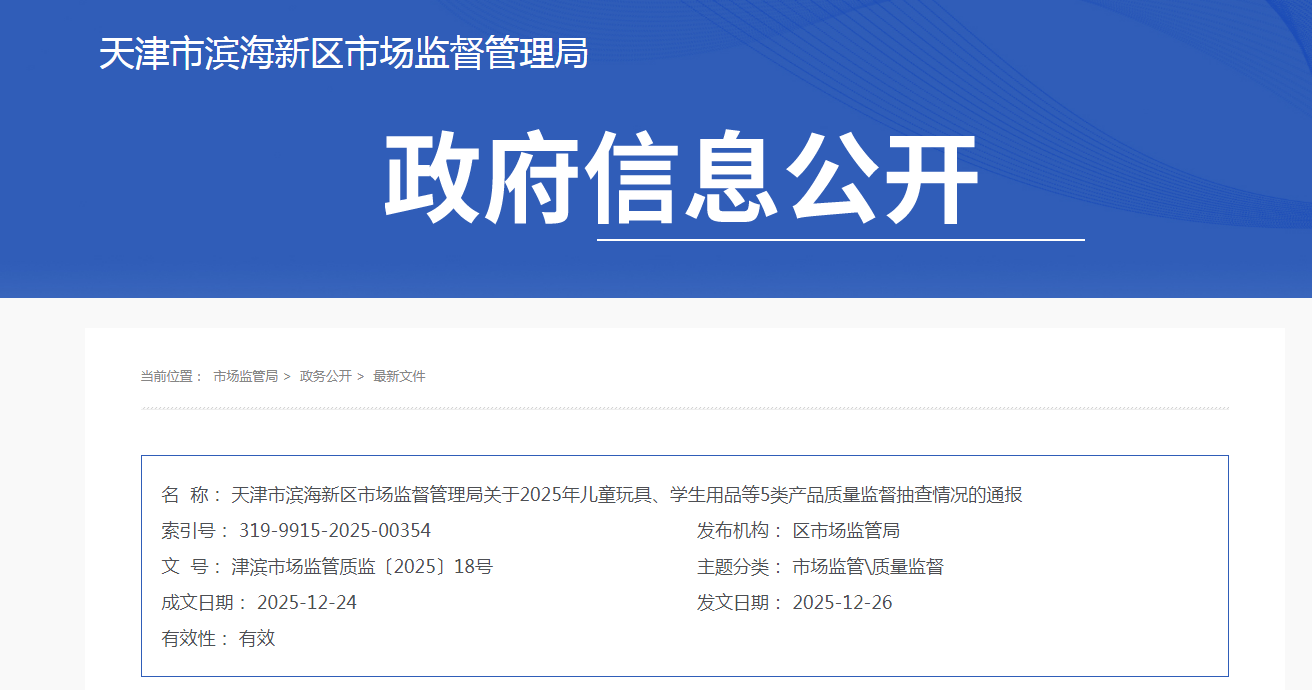
天津市滨海新区市场监督管理局通报2025年儿童玩具、学生用品等5类产品质量监督抽查情况
Zhong Guo Zhi Liang Xin Wen Wang· 2026-01-20 06:19
Summary of Key Points Core Viewpoint The quality supervision and random inspection conducted by the Tianjin Binhai New Area Market Supervision Administration in 2025 revealed that all 50 batches of products, including children's toys and student supplies, passed the quality standards without any non-conformities. Group 1: Inspection Overview - The inspection covered five categories of products: children's toys, student supplies, basketballs, table tennis balls, and bathroom products [2]. - A total of 50 batches of products were sampled, and no non-conforming products were found [2]. Group 2: Detailed Inspection Results - **Children's Toys**: 36 batches from 16 sales enterprises were inspected, focusing on materials, small parts, specific toy shapes, dimensions, strength, and flammability, with all passing [2][3]. - **Student Supplies**: 9 batches from 5 sales enterprises were inspected, emphasizing safety of pen caps, edges, and limits on certain harmful substances, with all passing [2][3]. - **Basketballs**: 1 batch from 1 sales enterprise was inspected, focusing on quality, circumference, air retention, and rebound height, with all passing [3]. - **Table Tennis Balls**: 1 batch from 1 sales enterprise was inspected, focusing on weight, bounce, roundness, and hardness, with all passing [3]. - **Bathroom Products**: 3 batches from 2 sales enterprises were inspected, focusing on various performance metrics such as flushing efficiency and safety features, with all passing [3].

惠达卫浴股份有限公司2025年度业绩预亏的提示性公告
Shang Hai Zheng Quan Bao· 2026-01-12 18:14
Core Viewpoint - The company, Huida Sanitary Ware Co., Ltd., is expected to report a net loss for the fiscal year 2025 due to various adverse factors affecting product demand and profitability [1]. Financial Performance - For the period from January to September 2025, the total profit amounted to 15,906,216.85 yuan, while the net profit attributable to shareholders was 15,240,505.09 yuan [1]. - The net profit attributable to shareholders, excluding non-recurring gains and losses, was reported as -47,348,371.08 yuan [1]. - The company anticipates a negative net profit for the entire fiscal year 2025 [1]. Strategic Adjustments - The company is undergoing strategic business adjustments in response to the competitive landscape and future development trends, which has led to an increase in asset impairment losses [1].
惠达卫浴:预计2025年度归母净利润为负值
Ge Long Hui· 2026-01-12 08:23
Core Viewpoint - The company, Huida Sanitary Ware (603385.SH), is experiencing a decline in product revenue and gross margin due to international geopolitical conflicts, industry cyclical fluctuations, and changes in market conditions, leading to strategic business adjustments and increased asset impairment losses [1] Financial Performance - For the period from January to September 2025, the company's total profit was 15.9062 million yuan, with a net profit attributable to shareholders of the listed company at 15.2405 million yuan [1] - The net profit attributable to shareholders after deducting non-recurring gains and losses was -47.3484 million yuan, indicating significant financial challenges [1] - The company anticipates a negative net profit for the fiscal year 2025, based on preliminary calculations by the finance department [1]
惠达卫浴(603385.SH):预计2025年度归母净利润为负值
Ge Long Hui A P P· 2026-01-12 08:21
Core Viewpoint - The company, Huida Sanitary Ware (603385.SH), is experiencing a decline in product revenue and gross margin due to international geopolitical conflicts, industry cycle fluctuations, and changes in market conditions, leading to strategic business adjustments and increased asset impairment losses [1] Financial Performance - For the period from January to September 2025, the company's total profit was 15.9062 million yuan, with a net profit attributable to shareholders of 15.2405 million yuan [1] - The net profit attributable to shareholders after deducting non-recurring gains and losses was -47.3484 million yuan, indicating significant financial challenges [1] - The company anticipates a negative net profit for the fiscal year 2025 based on preliminary financial assessments [1]
惠达卫浴:预计2025年度净利润为负值
Xin Lang Cai Jing· 2026-01-12 08:13
Core Viewpoint - The company expects a negative net profit for the fiscal year 2025 due to various adverse factors affecting its performance [1] Financial Performance - From January to September 2025, the company's total profit amounted to 15.9062 million yuan, while the net profit attributable to shareholders was 15.2405 million yuan [1] - The net profit attributable to shareholders, excluding non-recurring gains and losses, was -47.3484 million yuan [1] Market Conditions - The company's product demand at the end-user level fell short of expectations due to international geopolitical conflicts, industry cycle fluctuations, and changes in the market environment [1] - There has been a decline in product revenue and gross margin as a result of these adverse market conditions [1] Strategic Adjustments - The company is undertaking strategic business adjustments in response to the competitive landscape and future development trends within the industry [1] - As part of these adjustments, the company has increased provisions for asset impairment losses [1]
出海秘器——义乌老板娘的全球市场故事
Shang Hai Zheng Quan Bao· 2025-12-23 19:06
Core Insights - The article highlights the resilience and adaptability of business owners in Yiwu, particularly female entrepreneurs, as they navigate the changing global trade landscape and seek new growth opportunities. Group 1: Business Adaptation and Growth Strategies - Yiwu business owners are diversifying their product offerings and markets in response to global trade challenges, with examples including the introduction of domestic cultural products and the use of AI for market analysis and customer engagement [4][7][9]. - Entrepreneurs like Nie Ziqin are shifting focus from seasonal products to year-round offerings, aiming to create a "second growth curve" by developing more culturally resonant products for both domestic and international markets [4][5]. - The use of AI technology is becoming integral to business strategies, enabling companies to tailor their marketing and product offerings to specific regional preferences, thus enhancing their competitiveness in international markets [8][11]. Group 2: Market Performance and Economic Indicators - Yiwu's total import and export value reached 701.19 billion yuan from January to October 2025, marking a 25.2% year-on-year increase, with exports alone accounting for 615.06 billion yuan, up 24.4% [10]. - The growth in imports was also notable, with a 31.1% increase, indicating a robust trading environment and the potential for further expansion in international markets [10][11]. - The presence of 75,000 merchants in Yiwu International Trade City underscores the strong foundation of the local economy, driven by the entrepreneurial spirit and innovative approaches of business owners [11].
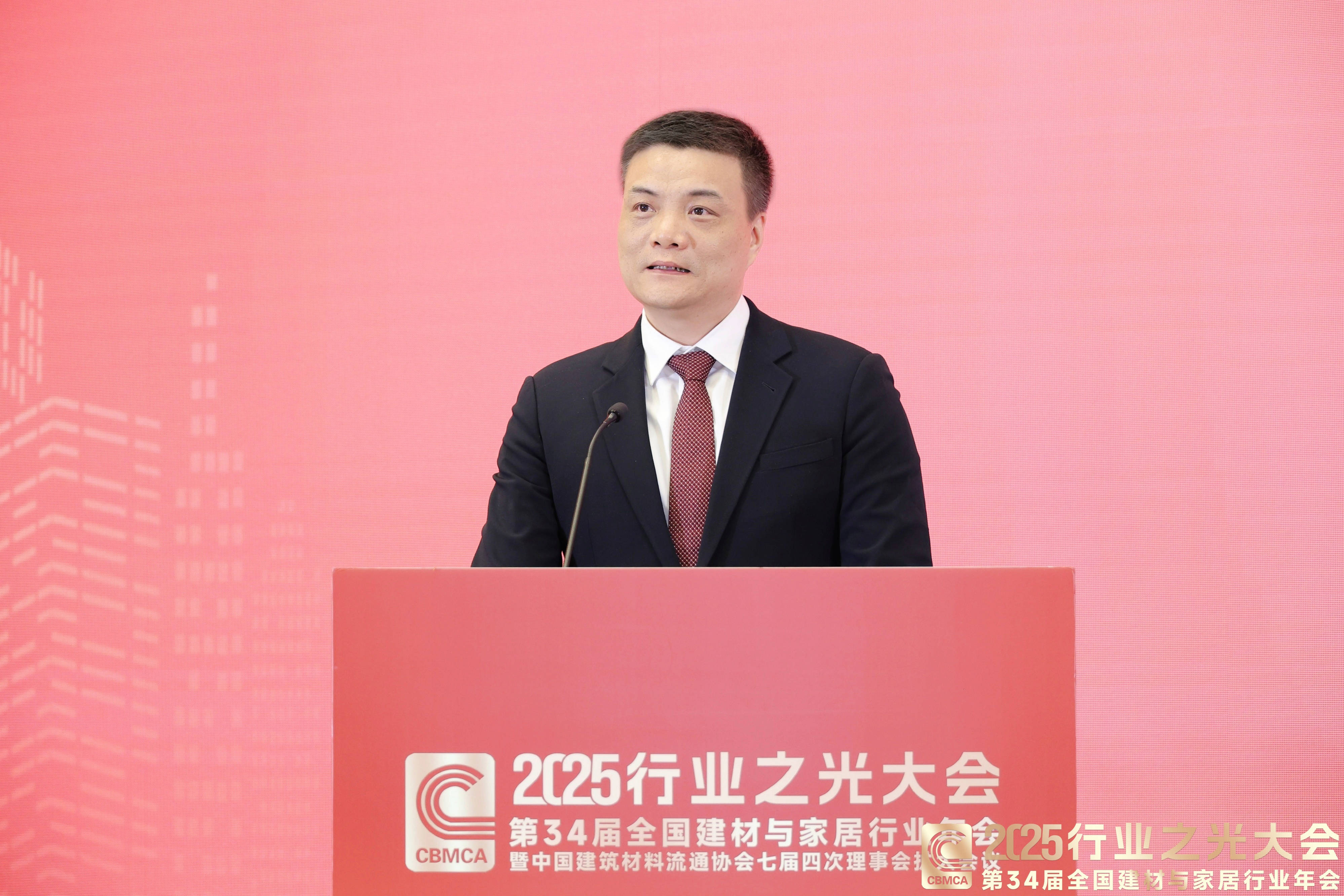
恒洁卫浴董事长谢伟藩:以创新与协同推动价值竞争,共同点亮“行业之光”
Sou Hu Cai Jing· 2025-12-10 07:26
Core Viewpoint - The "2025 Industry Light Conference" aims to unite the building materials and home furnishing industry to address challenges and seize opportunities for high-quality development [1] Group 1: Industry Trends and Policies - Current national policies provide a solid foundation for the high-quality development of the building materials and home furnishing industry, with initiatives from the Ministry of Commerce and the Ministry of Housing and Urban-Rural Development stimulating demand for smart and green consumption [3] - The industry is transitioning from being mere material providers to "builders of a better life," with a focus on enhancing living quality through bathroom spaces [3] Group 2: Company Initiatives and Innovations - The company, represented by Hengjie Group, is actively responding to policy and market changes by integrating product innovation with scene applications, launching systematic solutions, and initiating a nationwide renovation campaign [3] - Hengjie Group emphasizes the importance of value competition, urging the industry to invest resources in user experience and to break through internal competition through technology, standards, and services [3] Group 3: Industry Collaboration and Future Vision - Three key initiatives were proposed: continuous innovation in products, technology, and services to support the construction of "good houses"; enhancing collaboration across the entire industry chain to improve overall competitiveness; and adhering to long-term and user-oriented principles to provide real value to consumers [3] - The company expresses a desire to collaborate with industry peers and media to promote positive energy and sustainable development within the building materials and home furnishing sector [3]