创新驱动发展战略

Search documents
加快建设科技强区 因地制宜 培育和发展新质生产力
Xin Lang Cai Jing· 2026-01-13 19:51
(来源:内蒙古日报) □本报记者 白莲 自治区党委十一届十次全会审议通过的《内蒙古自治区党委关于制定国民经济和社会发展第十五个五年 规划的建议》,对加快高水平科技自立自强、因地制宜发展新质生产力作出专章部署,凸显了科技创新 在引领新质生产力发展、构建现代化产业体系中的重要作用。自治区党委十一届十一次全会暨全区经济 工作会议立足新起点、擘画新蓝图,为内蒙古发展明确了主攻方向、指出了实践路径。就如何贯彻落实 好两次全会精神,记者采访了自治区科技厅党组书记、厅长张文韬。 转自:内蒙古日报 因地制宜 培育和发展新质生产力 二是着力推动科产融合发展,积极培育新质生产力。加大企业梯度培育力度,支持科技型中小企业、高 新技术企业和专精特新"小巨人"企业发展,培育更多科技领军企业。加强企业主导的产学研深度融合, 引导企业加大研发投入力度、设立研发机构,支持企业参与重大平台建设、承担重大科研任务、转化应 用重大科技成果,支持企业联合高校、科研院所组建创新联合体,围绕技术突破、场景验证、产业应用 开展有组织科研,让科技创新更好嵌入产业发展全链条。推进"蒙科聚"平台升级版建设,完善自治区技 术要素市场体系,布局建设一批概念验证、中 ...
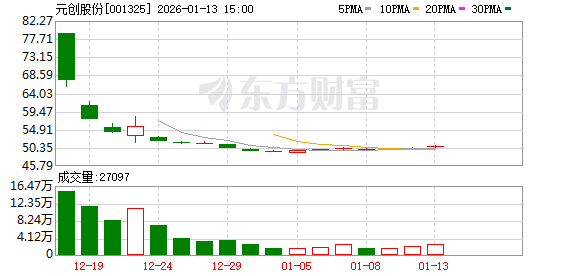
元创股份:公司将坚持创新驱动发展战略
Zheng Quan Ri Bao· 2026-01-13 11:13
(文章来源:证券日报) 证券日报网讯 1月13日,元创股份在互动平台回答投资者提问时表示,公司将坚持创新驱动发展战略, 以市场为导向,积极布局多元化应用领域,不断提升核心竞争力,努力创造更大价值。 ...

创新体系能级实现历史性跨越
Xin Lang Cai Jing· 2026-01-09 22:52
创新综合实力系统性跃升 全域创新格局成形成势 嘉兴坚定不移实施创新驱动发展战略,推动创新从"点的突破"迈向"系统能力"的整体提升,创新综合实 力稳居全省第一方阵。全市先后3次捧得全省科技创新最高荣誉"科技创新鼎",创新指数持续保持全省 第二位;2023年成功入选全国创新驱动示范市建设试点,创新工作纳入国家战略布局;2024年又成功创 建全国首批、浙江唯一的制造业新型技术改造试点城市,为传统产业转型升级赋予新抓手。 昨天,嘉兴市"十四五"时期高水平创新型城市建设成就新闻发布会召开。市科技局相关负责人介绍发展 成果,市委组织部、市经济和信息化局、市教育局相关负责人一起答记者问。5年来,嘉兴聚焦一体化 推进教育科技人才发展、科技创新与产业创新深度融合"两篇大文章",深入实施"315"科技创新体系建 设工程,在平台搭建、企业培育、人才集聚等领域创下多个"全国首批""全省第一",创新体系能级实现 历史性跨越。 ■记者 俞艳婷 通讯员 王肖童 (来源:嘉兴日报) 转自:嘉兴日报 嘉兴构建起"高等教育筑高峰、职业教育强基础、产教融合促协同"的特色发展路径。市委教育工委专职 副书记、市教育局党组副书记金剑辉介绍,"十四五"期 ...
海思科与AirNexis签署HSK39004项目授权许可协议
Bei Jing Shang Bao· 2026-01-09 13:08
北京商报讯(记者 丁宁)1月9日晚间,海思科(002653)发布公告称,公司与美国AirNexis Therapeutics, Inc.(曾用名DragonwellBiosciences, Inc.,以下简称"AirNexis")签订独占许可协议,授予 AirNexis在除中国大陆、香港特别行政区、澳门特别行政区及台湾地区以外的全球范围内开发、生产和 商业化HSK39004的独家权利。AirNexis将向海思科支付1.08亿美元首付款(含4000万美元现金及等值约 6800万美元的AirNexis公司19.9%股权)及最高9.55亿美元的额外里程碑付款、特许权使用费。AirNexis 如果就HSK39004达成再许可交易,海思科还有权获得再许可收入分成。 海思科表示,本次协议的签署,将进一步推动HSK39004在全球范围内的开发与商业化进程。此举与公 司坚持国际化、创新驱动的整体发展战略高度契合,是公司深化全球布局、加速创新成果转化的重要一 步。该协议的签订预计将对公司未来业绩产生积极影响,有利于提升公司的盈利能力。 ...

筑牢新质生产力发展的基础性战略性支撑
Jing Ji Ri Bao· 2026-01-05 22:49
党的二十届四中全会审议通过的"十五五"规划建议,围绕"加快高水平科技自立自强,引领发展新质生 产力"作出专章部署,对"一体推进教育科技人才发展"提出一系列明确要求。2025年中央经济工作会议 强调,"因地制宜发展新质生产力""制定一体推进教育科技人才发展方案"。当前和今后一个时期,如何 统筹推进教育科技人才一体发展,筑牢新质生产力发展的基础性、战略性支撑,是亟待回答好的理论和 实践课题。 (文章来源:经济日报) 强化协同融合。支持鼓励高等院校、科研机构与龙头企业组成创新联合体,以开展合作办学、共建联合 实验室以及研发中心等方式,打造教育科技人才一体化发展的协同创新生态系统。充分利用"揭榜挂 帅""赛马制"等机制,通过跨部门、跨系统、跨层级的组织协调方式,将技术路线决定权、科研经费支 配权、资源调度权合理有序下放,充分激发创新主体的积极性和创造力。建立动态的学科调整机制,强 化基础学科、新兴学科、交叉学科建设和拔尖人才培养,深化新工科、新医科、新农科、新文科建设, 强化科技教育和人文教育协同。拓宽教育、科技等领域的人才流通渠道,建设"青年科技人才—科技领 军人才—战略科学家"的"金字塔型"人才梯队,完善协同育人 ...
习近平主席新年贺词为促进全球共同发展传递信心与希望
Xin Hua She· 2026-01-02 01:24
Core Viewpoint - President Xi Jinping's New Year address emphasizes China's commitment to modernization and global cooperation, aiming to inspire confidence and hope for shared development among nations [1]. Group 1: Achievements and Development - The address reflects on the achievements during the "14th Five-Year Plan" and sets the tone for continued progress in the "15th Five-Year Plan," showcasing China's determination to embrace the world and create a better life for all [1]. - China's development is characterized by both speed and warmth, with significant improvements in the quality of life for its citizens, as highlighted by the increasing sense of happiness and security among the populace [2]. - The address underscores the importance of people's well-being in China's modernization process, emphasizing unity and collective effort in achieving national goals [2][3]. Group 2: Innovation and Technology - China is recognized as one of the fastest-growing economies in terms of innovation, driven by substantial investments in education, research, and technology [4]. - The country has made significant breakthroughs in artificial intelligence, 5G, and aerospace technology, positioning itself as a key player in global technological advancement [5]. - The successful launch of the Tianwen-2 mission demonstrates China's growing capabilities in complex space exploration, enhancing international collaboration in this field [5]. Group 3: Global Engagement and Cooperation - China's commitment to openness and cooperation is evident through its hosting of international summits and initiatives aimed at addressing global challenges, such as climate change [7]. - The establishment of the Hainan Free Trade Port is seen as a strategic move to strengthen economic ties with countries, particularly in Central Asia, reflecting China's proactive approach to international trade [7]. - The emphasis on sustainable development and ecological preservation aligns with global governance initiatives, showcasing China's role as a stabilizing force in an uncertain world [8][9].
陈刚会见北京语言大学校长段鹏
Xin Lang Cai Jing· 2025-12-31 00:22
Group 1 - The core viewpoint of the article emphasizes the collaboration between Guangxi and Beijing Language University to enhance education, technology, and talent development, particularly in the context of artificial intelligence and ASEAN cooperation [1][2] - Guangxi is positioned as a "bridgehead" for China's opening up to ASEAN, focusing on high-quality development through strategies like "Science and Education Prosperity" and "Talent Strengthening" [1] - Beijing Language University aims to leverage its strengths in language and culture to support Guangxi's development, proposing initiatives such as the establishment of a "Global South Center" and a "World Sinology Center (Guangxi)" [2] Group 2 - The meeting highlighted the importance of aligning educational and technological resources with local development needs, indicating a strategic partnership between the university and Guangxi [2] - Both parties expressed optimism about the potential for cooperation, with a focus on producing more graduates who can contribute to Guangxi's economic growth [2]
由黑到白、由粗到细!昔日“卖炭翁”用了啥“魔法”?
Jing Ji Ri Bao· 2025-12-30 07:17
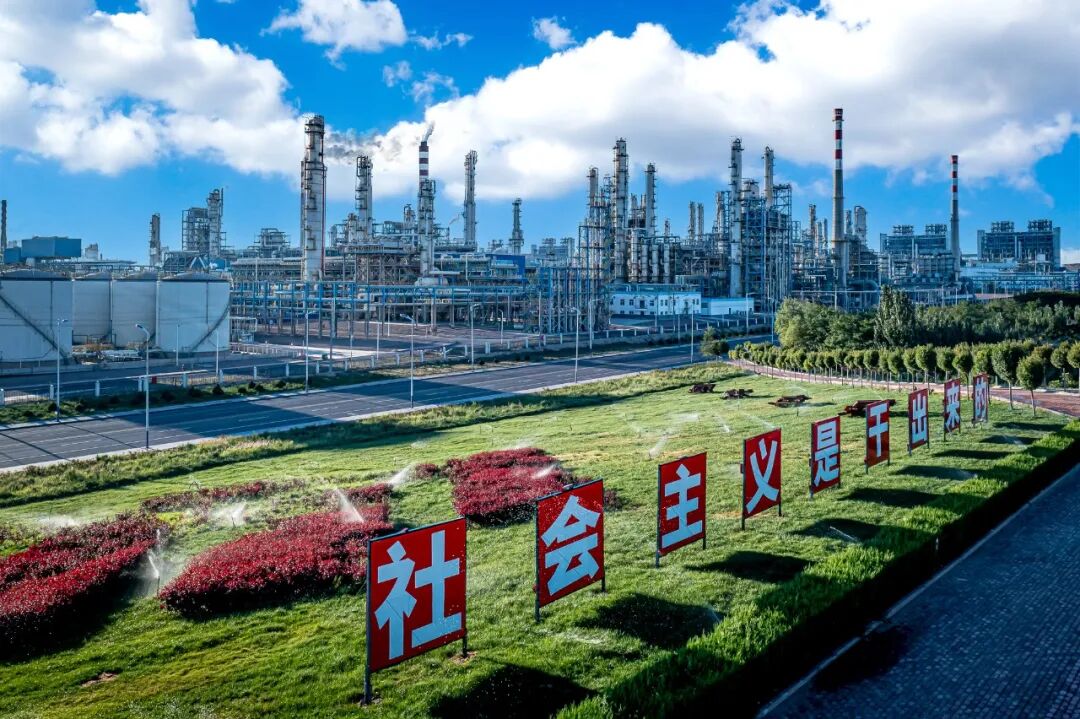
黄河东岸、毛乌素沙地西缘,一片规模宏大的现代化工业新城拔地而起,与远方的贺兰山遥遥相望。 走进宁东能源化工基地,巨型装置高耸林立、粗壮管道纵横交织,宛如钢铁森林。入夜时分,当璀璨灯光接连亮起,座座工厂流光溢彩,一幅立体的经济 热力图呈现眼前。 在这里,习近平总书记发出"社会主义是干出来的"伟大号召。这一振聋发聩的时代强音,激励亿万中国人民向着伟大复兴中国梦奋勇前进,更在宁东人耳 边时时回响,给宁东的发展增添了无穷动力。 国家能源集团宁夏煤业公司400万吨/年煤制油项目俯瞰图。(资料图片) 宁东人牢记总书记嘱托,立足中国式现代化新时代新征程,干字当头、踔厉奋进,紧抓新一轮科技革命和产业变革的历史机遇,因地制宜发展新质生产 力,加快构筑以先进煤化工为骨干的现代化产业体系,向新而行、向绿拓展、向优发展、向改革要效益,在高质量发展的道路上阔步前行。 实干筑基 因煤而建,因煤而兴。 走进宁东基地"科创宁东"展厅,一块黝黑发亮的"太西煤"跃入眼帘,十分醒目。这是宁东煤田的主力品种,也是一块"历史化石",在不同时期、以不同形 态见证着宁东基地的发展。 煤炭是我国能源消费中占比过半的当家品种,储量主要集中在中西部地区,其中又 ...
传达学习习近平总书记重要指示 学习贯彻省委和市委经济工作会议精神
Zheng Zhou Ri Bao· 2025-12-30 00:48
Group 1 - The meeting emphasized the importance of implementing Xi Jinping's thoughts on moral education for minors, focusing on creating a collaborative education mechanism among schools, families, and society to foster a healthy environment for minors' growth [1] - The meeting conveyed the spirit of the provincial and municipal economic work conferences, stressing the need to align actions with the economic deployment of the provincial and municipal governments, aiming for high-quality economic development [1] - Plans for the upcoming year’s economic work were discussed, with a focus on early arrangements and initiatives to achieve a strong start in the first quarter, alongside measures to enhance consumer confidence during the holiday season [1] Group 2 - The meeting reviewed the "Three-Year Action Plan for Urban Renewal in Zhengzhou," highlighting the need to improve urban functions, enhance living environments, and revitalize underutilized resources while preserving historical and ecological integrity [2] - The meeting also discussed measures to further support technological innovation, emphasizing the implementation of an innovation-driven development strategy to establish Zhengzhou as a strong city for science and technology [2] Group 3 - Other matters discussed included the protection of historical buildings and the development of museum initiatives [3]
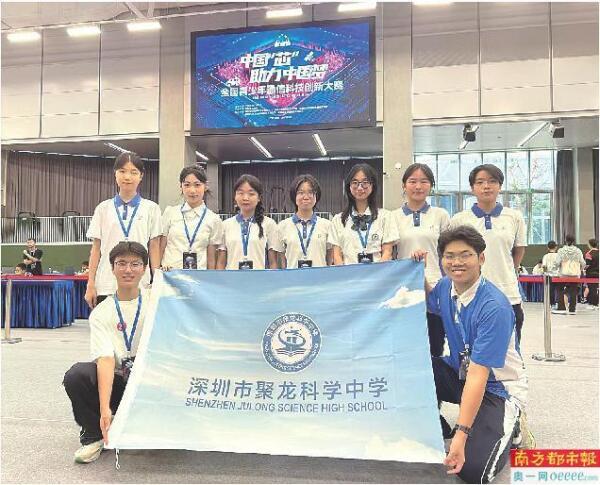
AI赋能全链条育人的“聚龙样本”
Nan Fang Du Shi Bao· 2025-12-29 23:14
Core Insights - The article highlights the achievements of Julong Science Middle School in Shenzhen, which has been recognized as a pioneer in artificial intelligence education, contributing significantly to the national innovation-driven development strategy and the construction of Shenzhen as a demonstration education hub [2] Group 1: AI Education Ecosystem - Julong Science Middle School has established a comprehensive AI education ecosystem that integrates personalized learning, intelligent assessment, classroom innovation, and school governance, referred to as the "Julong Model" [2] - The school has built a hardware environment for AI classroom analysis, including 16 laboratories and 4 AI innovation labs, facilitating data collection and monitoring for teaching optimization [2] Group 2: Teaching and Research Innovations - The introduction of the "Ruiyun" smart evidence-based classroom platform has created a closed-loop research process, enabling teachers to transition from experience-based to evidence-based teaching [3] - The school has developed a complete practical chain for innovation, offering courses in robotics, AI applications, and 3D printing, with over 200 science and technology activities conducted annually, engaging more than 1,500 students [3] Group 3: Teaching Methodology Transformation - Julong Science Middle School has implemented a full-process AI-enabled teaching research activity, capturing classroom behavior and interaction data to help teachers optimize their teaching strategies [4] - Students have successfully applied AI technology in various projects, winning multiple national and provincial awards, demonstrating the effectiveness of AI integration in education [4] Group 4: Impact and Recognition - The school has received over 1,000 honors at various levels, with 30% being innovation-related awards, establishing itself as a benchmark for regional science and technology education [5] - Administrative efficiency has improved by 60% due to intelligent school management, with a student satisfaction rate exceeding 95%, showcasing the dual enhancement of educational quality and governance effectiveness [5] Group 5: Collaborative Development - Julong Science Middle School actively collaborates with universities to promote AI education research and has shared its successful practices through online joint research and training, reaching over 20 provinces [5] - The school has developed a replicable AI education implementation path that contributes to high-quality educational development and equity in the region, highlighting the value of AI in educational reform [5]