
历史修正主义

Search documents
新华社:什么样的“毒土”,长什么样的“毒苗”
财联社· 2025-11-15 12:30
Core Viewpoint - The article discusses the provocative remarks made by Japanese Prime Minister Sanae Takaichi regarding Taiwan, highlighting the historical and political context that shapes her stance, which is seen as a reflection of Japan's toxic political soil [2][3][4][5]. Group 1: Historical Context - Takaichi's rise in politics is linked to a historical revisionism that denies Japan's wartime atrocities, such as the Nanjing Massacre, and shows a lack of sensitivity towards China's historical grievances [2][3]. - The article emphasizes that Takaichi's views on Taiwan are influenced by a distorted understanding of Japan's colonial history in Taiwan, indicating a troubling colonial mindset [3]. Group 2: Political Alliances - Takaichi has established connections with pro-independence forces in Taiwan, leveraging her position to support these groups, which is seen as a strategic move to strengthen Japan's influence in the region [3]. - The formation of a cross-party alliance in Japan that supports pro-Taiwan policies is highlighted, indicating a shift in Japan's political landscape towards a more aggressive stance on Taiwan [3]. Group 3: Military Policies - Takaichi's administration is characterized by a push for militarization, including significant increases in military spending and a reevaluation of Japan's nuclear policy, which raises concerns about regional security dynamics [3][4]. - The article notes that Takaichi's government is considering changes to Japan's "three non-nuclear principles," reflecting a desire to enhance military capabilities and align more closely with U.S. defense strategies [3]. Group 4: Misconceptions about China - The article critiques the Japanese political elite's misunderstanding of China, suggesting that their rhetoric around "China threat" is politically motivated and ignores the historical context of Sino-Japanese relations [4]. - Takaichi's alignment with hardline views on China is seen as a continuation of a trend among Japanese politicians who misjudge the geopolitical landscape, potentially leading to increased tensions [4].


俄官员批评日本对俄言论自相矛盾
Xin Hua She· 2025-11-14 01:49
绍伊古强调,俄日关系要实现正常化可能需要数年时间,只有日方从根本上重新考虑对俄态度并拿 出实际行动才可能实现。 新华社莫斯科11月13日电 俄罗斯联邦安全会议秘书绍伊古13日对俄新社表示,日本首相高市早苗 奉行历史修正主义政策,日方发表大量反俄言论,这与其声称的对俄关系正常化意图互相矛盾。 绍伊古说,日本新政府正竭力讨好美国,甚至不惜牺牲本国利益。他认为,亚太地区某些国家不能 被称为美国盟友,因为同盟关系意味着平等互动,而他们现在只是一种附庸关系。 俄罗斯外交部11日晚宣布,无限期禁止30名日本公民入境,此举是对日本持续对俄制裁的回应。 ...
石破茂发表战后80年“个人见解”,专家解读:需要政治勇气,但也有局限性
Huan Qiu Shi Bao· 2025-10-10 22:35
Core Viewpoint - The outgoing Japanese Prime Minister Shigeru Ishiba expressed his personal insights on Japan's historical recognition and the reasons behind its wartime actions, emphasizing the need for humility and reflection on past lessons [1][3]. Group 1: Historical Analysis - Ishiba stated that previous prime ministers' talks on historical recognition have not sufficiently addressed why Japan failed to avoid war, focusing instead on the domestic political system's inability to prevent it [3]. - He identified issues within Japan's constitution, government, parliament, media, and information analysis mechanisms that contributed to the war, noting a lack of integration between political and military leadership [3]. - Ishiba called for politicians to resist populism and uphold dignity and responsibility, advocating for a balance of power between government, parliament, and media to prevent erroneous judgments [3]. Group 2: Political Reactions - Despite Ishiba's personal insights, there was significant opposition within the Liberal Democratic Party (LDP), with party president Sanae Takaichi stating that the existing 70-year statement on history is sufficient [4]. - The internal divisions within the LDP reflect deeper fractures in Japan regarding historical recognition and the ongoing struggle between different political ideologies [4]. - Ishiba's insights are seen as a critique of the current rise of historical revisionism in Japan and a subtle warning to the right-wing conservative factions represented by Takaichi [4]. Group 3: Limitations of the Insights - Ishiba's remarks on historical recognition were noted to avoid directly addressing Japan's wartime responsibilities, which some analysts view as a significant limitation [5]. - Critics pointed out that while Ishiba's insights offer a direction for rethinking Japan's past, they fail to confront the nature of Japan's aggression and the need for sincere apologies to affected nations [5].

日中关系学会副会长川村范行告诉《环球时报》:日本历史认知鸿沟产生,有两大根源
Huan Qiu Shi Bao· 2025-09-17 22:49
Core Viewpoint - The significant differences in historical perception between China and Japan stem from wartime news censorship and post-war educational direction, leading to a "cognitive gap" [1] Group 1: Historical Context - During the war, Japanese citizens were largely unaware of the true nature of the conflict due to strict military control over news reporting, resulting in a lack of understanding of events such as the Nanjing Massacre [1] - Post-war education in Japan mentions the invasion of China but fails to provide a deep understanding of the tragic realities, leading to a predominant narrative of Japan as a "victim" rather than an "aggressor" [1] Group 2: Media Representation - Japanese media coverage of wartime events remains imbalanced, focusing primarily on the experiences of atomic bomb victims and post-war reconstruction, while neglecting the suffering of countries like China [2] - There is a call for Japanese media to objectively present the full scope of the war, ensuring that both the experiences of victims and the actions of the aggressor are acknowledged [2] Group 3: Future Implications - The 80th anniversary of the victory in the Chinese People's Anti-Japanese War serves as a reminder to remember history and cherish peace, highlighting China's commitment to historical justice and the construction of a community with a shared future for mankind [2] - A public research meeting organized by the East China Japan-China Relations Society aims to encourage more Japanese citizens to confront history and reflect on the war [2]
缺席九三阅兵的欧洲,已失去国际格局中“另一极”的地位
Hu Xiu· 2025-09-03 01:04
Group 1 - The Japanese government has urged countries in Europe and Asia to be cautious and avoid attending the large-scale event organized by Beijing to commemorate the 80th anniversary of the victory in the Anti-Japanese War and the World Anti-Fascist War [1] - Japan's concerns stem from historical tensions, particularly the memory of the 2015 military parade in Beijing, where South Korean President Park Geun-hye stood alongside Russian President Putin, which has left a lasting impact on Japan [2][3] - Japan perceives that the upcoming commemorative event will excessively focus on historical grievances and aims to expand China's narrative on history internationally, which Tokyo finds troubling [4][26] Group 2 - The commemoration of the victory in the Anti-Japanese War and the World Anti-Fascist War serves to remind the world of the historical sacrifices made for peace and to be vigilant against the resurgence of extreme forces in certain countries [15][34] - The absence of Western countries at the Beijing military parade is seen as a reflection of differing historical narratives and geopolitical considerations, rather than solely Japan's influence [18][26] - The event highlights the emerging geopolitical landscape, with a diverse representation of countries attending, indicating a shift in international relations [25][41]
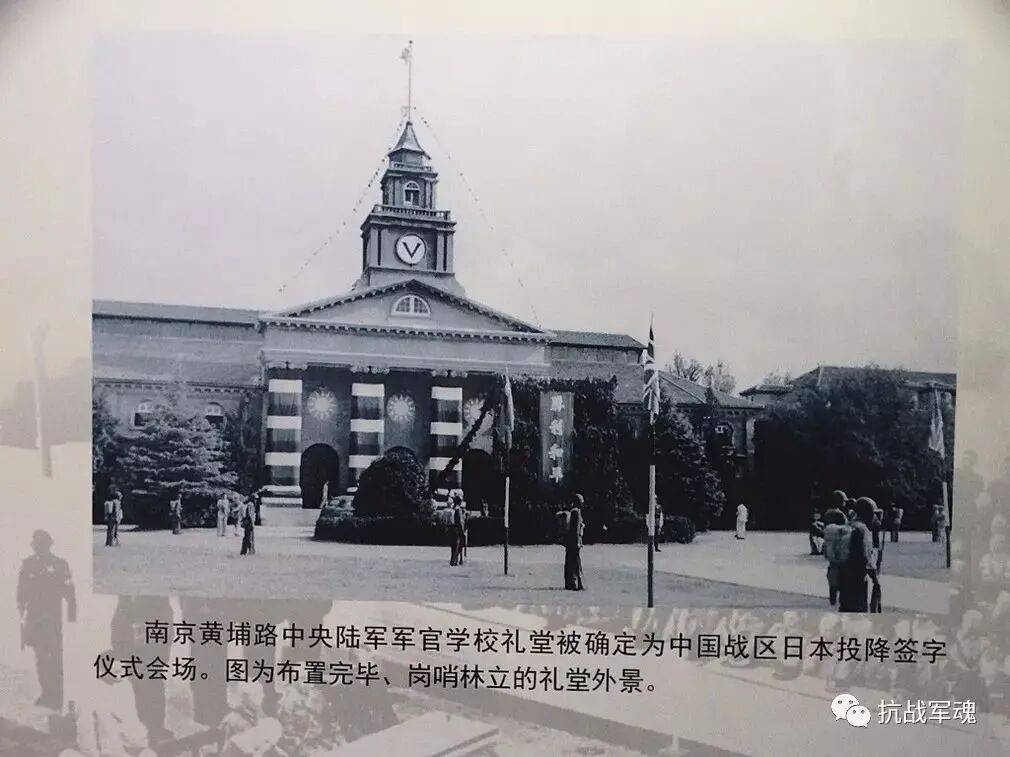
【环时深度】特殊历史节点,日德军事走近引更多审视
Huan Qiu Shi Bao· 2025-08-31 23:02
Core Points - The article discusses the increasing military cooperation between Japan and Germany, highlighting recent strategic dialogues and agreements aimed at enhancing security collaboration [1][3][4]. Group 1: Military Cooperation Developments - Japan and Germany have been strengthening their military ties, with significant events including the signing of the Intelligence Protection Agreement in March 2021, allowing for the exchange of confidential security information [3][5]. - The first "2+2" meeting between the foreign and defense ministers of both countries took place in April 2021, marking a significant step in their defense collaboration [3]. - In November 2021, the German frigate "Bavaria" conducted joint training exercises with the Japan Maritime Self-Defense Force, the first such event in approximately 20 years [3][4]. Group 2: Recent High-Level Visits and Agreements - In 2022, high-ranking German officials, including the Chancellor and Foreign Minister, visited Japan, indicating a commitment to deepening bilateral relations [4]. - In March 2023, the German Defense Minister visited Tokyo, resulting in an agreement to enhance cooperation in defense equipment and technology [4]. - The signing of the Mutual Logistics Support Agreement in January 2024 aims to facilitate logistical support for joint training exercises, further solidifying defense collaboration [4]. Group 3: Historical Context and Geopolitical Implications - The article notes that the current military cooperation is influenced by historical experiences and the evolving international landscape, particularly in light of the 80th anniversary of the end of World War II [1][10]. - Analysts suggest that both countries are seeking to redefine their post-war identities and enhance their military capabilities in response to perceived threats from China and Russia [10][11]. - The shift in Germany's foreign policy towards a more active role in the Indo-Pacific region is seen as a catalyst for closer ties with Japan, as both nations aim to navigate uncertainties in U.S. strategic commitments [6][10].
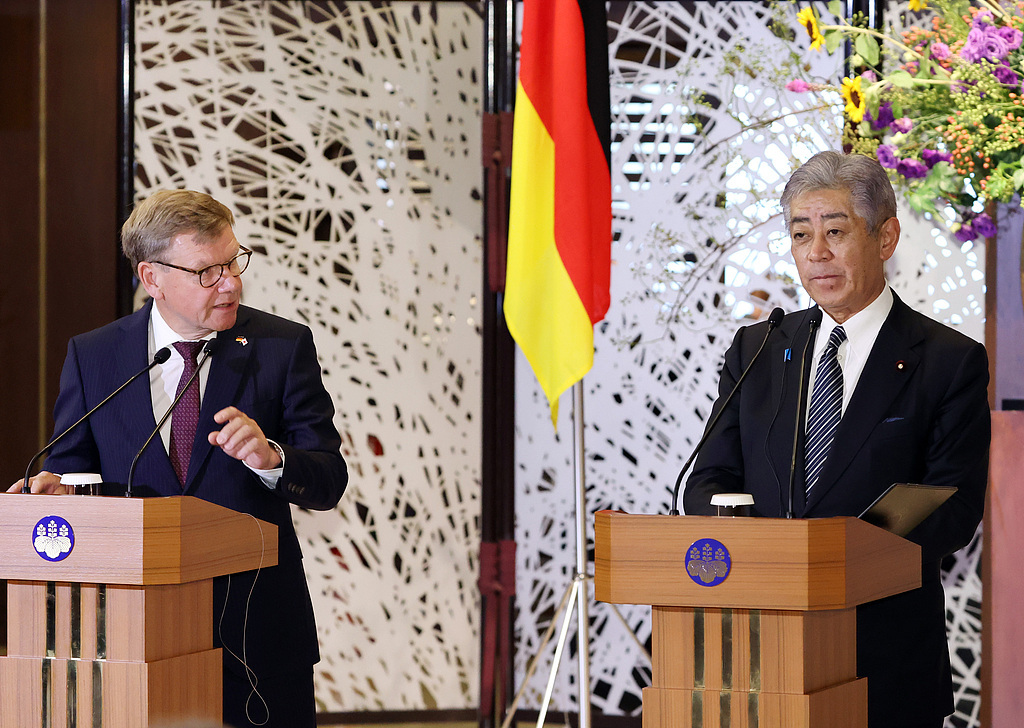
(抗战胜利80周年)日本学者呼吁以青年交流推动和平记忆构建
Zhong Guo Xin Wen Wang· 2025-08-24 02:23
Core Viewpoint - The overall understanding of Japan's wartime history has shown a trend of "basic existence but increasing differentiation" over the past decades, with a call for youth exchanges to promote the construction of peace memory [1][3]. Group 1: Historical Understanding - There has been an increase in channels for the Japanese public to access information about World War II, but the decline of war witnesses and the rise of historical revisionism have led to more visible denial and glorification of war in various political and social fields [2][3]. - The issue is not a lack of access to historical knowledge in Japan, but rather a reluctance to learn or a superficial understanding, particularly in compulsory and general education where textbooks and classroom narratives tend to obscure or even glorify the invasion history [2][3]. Group 2: Youth Engagement and Dialogue - There is cautious optimism regarding the prospects of civil exchanges between China and Japan, as more young Japanese are accessing Chinese information through online videos and social media, providing new channels to bypass stereotypes and build mutual trust [4]. - Social dialogue about invasion history should not be limited to binary debates of "acknowledgment or denial," but should clarify facts and legal principles, emphasizing the importance of youth exchanges and experience sharing to promote the joint construction of regional peace memory [4].
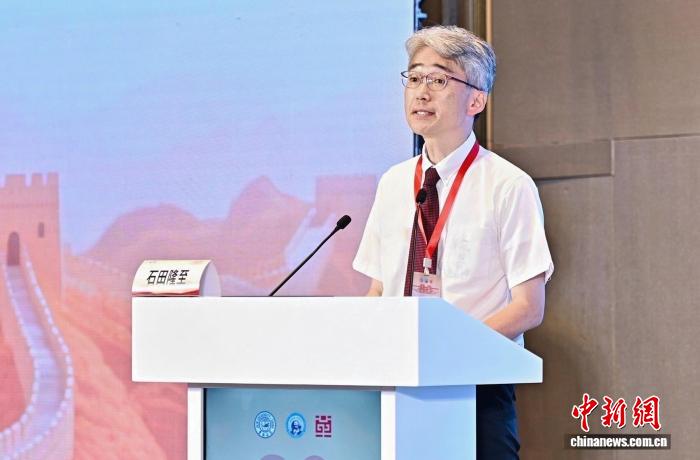
汲取历史智慧 共筑和平未来(寰宇平)
Ren Min Ri Bao· 2025-08-21 22:13
Core Viewpoint - The article emphasizes China's role as a defender of the correct historical perspective of World War II, a maintainer of the current international order, and a true practitioner of multilateralism, especially as the 80th anniversary of the victory in the war approaches [1][6]. Group 1: Historical Context - The victory in World War II led to the establishment of the United Nations, which is seen as a central embodiment of the war's outcomes, ensuring overall peace and promoting global development [2]. - The article highlights the sacrifices made by China during the war, with over 35 million military and civilian casualties, marking its significant contribution to the ultimate victory against fascism [1][3]. Group 2: Current Challenges - There is a rising trend in Japan to deny its wartime aggression, including actions such as enshrining war criminals and altering history textbooks, which deeply offends the feelings of victimized nations [3]. - The article warns against the resurgence of historical nihilism and revisionism, which threaten the foundation of the post-war international order and pose a real danger to global peace [2][3]. Group 3: Future Directions - The article advocates for dialogue and cooperation over confrontation to achieve lasting peace, emphasizing that expanding military alliances and encroaching on other nations' security will lead to insecurity for all [5]. - It calls for the international community to learn from historical lessons and uphold the authority of the United Nations, maintaining a rules-based international order [5][6].
【环时深度】“审查”博物馆,白宫要争历史叙事控制权
Huan Qiu Shi Bao· 2025-08-19 22:43
Core Viewpoint - The U.S. government plans to review the Smithsonian Institution's museums and exhibitions to align them with President Trump's interpretation of American history, aiming to counter what they term "leftist historical revisionism" [1][2][3] Group 1: Government Actions - The Trump administration has initiated a comprehensive review of the Smithsonian Institution's museums to ensure they celebrate "American exceptionalism" and eliminate "divisive or partisan narratives" [2][3] - An executive order titled "Restoring the Truth and Reason of American History" was signed by Trump, aiming to cut funding for projects that undermine shared American values or promote racial division [3][5] - The administration is also reviewing public monuments to ensure they do not contain inappropriate depictions of Americans, emphasizing the celebration of American achievements [5][6] Group 2: Cultural Impact - The establishment of the "American Heroes National Garden" is a key project for the 250th anniversary of American independence, featuring 250 statues of "American heroes" [6] - The administration's actions are seen as part of a broader cultural war, with critics arguing that it represents an attempt to "whitewash" history [8][10] - The narrative control over American history is viewed as a means to distinguish "true Americans" from those perceived as threats to the American political system [9][10] Group 3: Academic Response - Historians have expressed concerns that the government's actions lack input from qualified historians, with appointments made based on ideological alignment rather than expertise [13][14] - Some historians are actively countering the government's narrative by creating educational content that reflects a more nuanced view of American history [14] - The debate over how history is presented in museums and educational institutions is intensifying, with calls for a more inclusive and truthful representation of America's past [12][14]
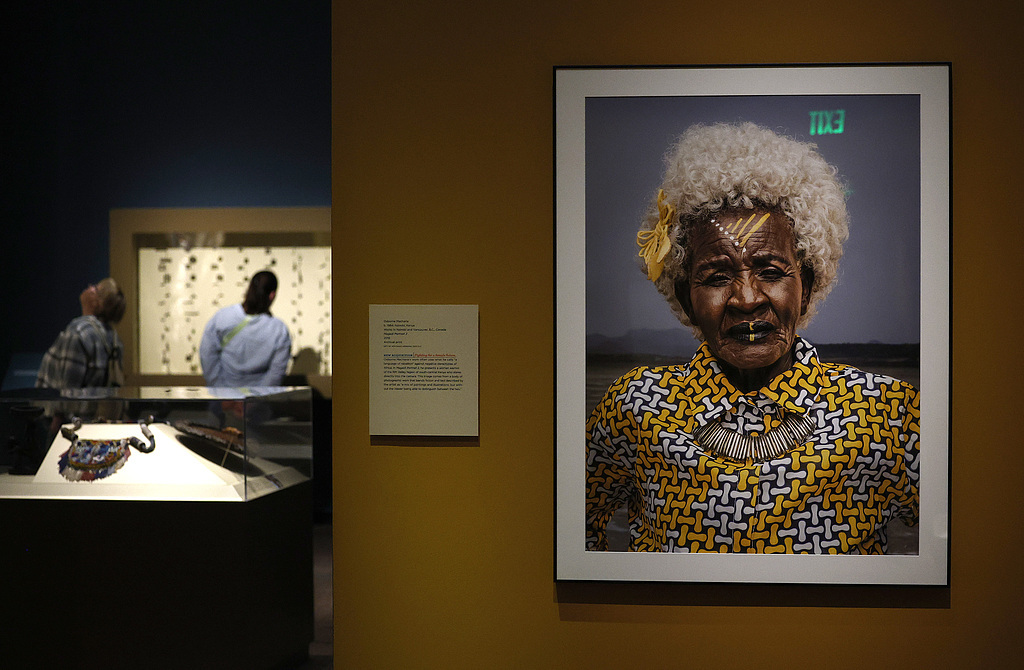
《南京照相馆》外国观众:世界需要铭记南京大屠杀及所有为和平牺牲者
Huan Qiu Shi Bao· 2025-08-18 22:56
Core Viewpoint - The film "Nanjing Photo Studio" has sparked significant discussion, focusing on the historical atrocities committed by the Japanese army during the Nanjing Massacre in 1937, and has resonated with international audiences who reflect on their own historical contexts [1][2][3] Group 1: Audience Reactions - Foreign viewers expressed deep emotional responses to the film, with one audience member describing the depiction of violence against civilians as shocking and incomprehensible [1] - Another viewer related the film to their own country's experiences of Japanese invasion, highlighting a shared sense of anger and empathy [1] - A third viewer emphasized the personal connection to the victims portrayed in the film, transforming abstract numbers into relatable individuals [1] Group 2: Historical Awareness - The audience members noted significant differences in historical education regarding Japanese wartime actions, with South Korea emphasizing this history in schools, while Western countries provide limited coverage [2] - Despite these educational disparities, the film's themes of moral struggle and the pursuit of truth resonate universally, appealing to international viewers [2] Group 3: Contemporary Relevance - The film is seen as a crucial reminder of historical truths in the face of rising historical revisionism, with viewers acknowledging China's efforts to preserve and share evidence of wartime atrocities [3] - The narrative encourages younger generations to remember the sacrifices made for peace, emphasizing the importance of confronting historical realities [3] - The film is being released in multiple countries, continuing the dialogue on history, memory, and humanity, reinforcing the need to face the past to truly value peace [3]