可回收火箭技术

Search documents
晚报 | 12月17日主题前瞻
Xuan Gu Bao· 2025-12-16 14:50
Group 1: Commercial Aerospace - Yu Shi Space, the only team in China using the "stainless steel rocket + capture arm recovery" scheme, has completed the ground verification test for the first full-size "chopstick" capture arm, marking the delivery of China's first full-size prototype comparable to SpaceX's Starship recovery model. The AS-1 rocket aims to reduce launch costs to 20,000 yuan per kilogram (down to 10,000 yuan per kilogram after recovery), which is only 1/6 of traditional rocket costs [1] - The breakthrough in China's reusable rocket technology is seen as a significant cost revolution and technological upgrade within the aerospace industry, as well as a crucial support for national strategic security, high-end manufacturing upgrades, and the reshaping of the global competitive landscape [1] Group 2: Large Models - China Telecom Research Institute, in collaboration with partners including Huawei and Mu Xi, has successfully completed the industry's first cross-architecture large model inference technology verification, achieving a core goal of "one framework code, three-chip transparent migration" [2] - This technology reduces the adaptation cycle of large model operators from "weekly" to "daily" and achieves 90% performance of the native operator library, addressing the multi-architecture adaptation challenge and providing business decision support [2] Group 3: Tungsten Prices - Tungsten concentrate prices have surpassed 400,000 yuan, up 190.2% since the beginning of the year, while APT prices have exceeded 600,000 yuan, up 189.1%, and tungsten powder prices are nearing 1,000 yuan, up 202.3% [3] - The market is experiencing a tense atmosphere due to supply concerns, driven by production halts and a reluctance to sell, leading to increased demand for limited stock [3] Group 4: Storage Market - An internal analysis document from SK Hynix reveals a severe imbalance in the storage market, predicting that DRAM supply shortages will persist until 2028, with demand for DDR memory expected to grow by 20.7%, significantly outpacing supply growth [4] - The domestic semiconductor equipment and materials companies are expected to benefit from the dual drivers of AI storage demand and supply chain autonomy, leading to a virtuous cycle of technological breakthroughs and market expansion [4] Group 5: Hydrogen Energy - The world's largest integrated green hydrogen and ammonia project, the China Energy Construction Songyuan Hydrogen Energy Industrial Park, has officially commenced production, with a planned capacity of 3 million kilowatts of renewable energy generation and 80,000 tons of green ammonia and methanol [5] - The first phase of the project will produce 45,000 tons of green hydrogen and 200,000 tons of green ammonia and methanol annually, significantly reducing crude oil consumption and carbon emissions [5] Group 6: Pork Import Duties - The Ministry of Commerce has announced the final ruling on anti-dumping investigations against imported pork and pork by-products from the EU, determining that such imports are being dumped and will impose anti-dumping duties starting December 17, 2025 [6] - The decision is influenced by the current difficulties faced by the domestic industry and strong calls for protection [6]

二级火箭已完成总装总测,「宇石空间」完成超亿元Pre-A轮融资,年内累计融资近3亿元|36氪首发
3 6 Ke· 2025-12-15 10:45
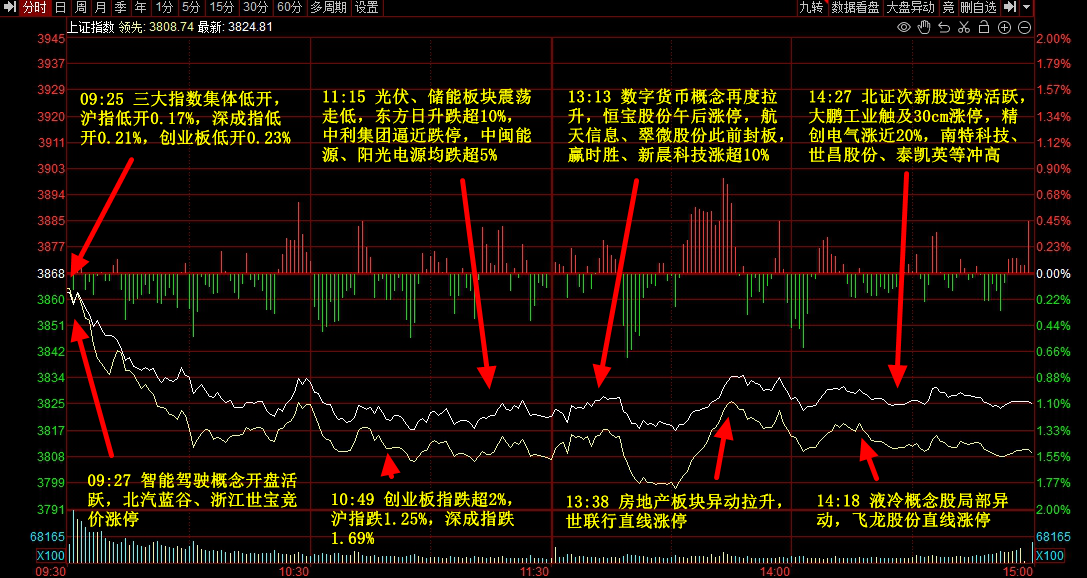
文 | 刘婧琼 编辑 | 阿至 封面来源 | 企业提供 36 氪获悉,火箭研发与制造商 北京宇石空间航天科技有限公司(下简称"宇石空间") 宣布完成超亿元 Pre-A 轮融资,本轮融资由基石资本领投,兴湘资 本、拓丰创投跟投,老股东银盈资本等继续追加投资, 所筹资金将用于首飞火箭的研发与株洲生产基地的建设。 宇石空间株洲火箭研制基地效果图 其中,宇石空间可复用不锈钢液体运载火箭研制基地已落户湖南株洲并开始建设。据介绍,该基地分为两期,总占地面积约5.4万平方米,总投资约15亿 元,达产后具备年产8发火箭的生产能力,预计年产值达20亿元,全面覆盖AS-1号火箭的生产和总装工作。根据规划,株洲火箭研制基地一期将于明年Q2 交付使用。 作为国内最早使用不锈钢箭体的团队,宇石空间从零开始自主培育了不锈钢箭体的供应链体系,目前已掌握不锈钢原材料生产、工艺工装等全流程。对比 传统铝合金箭体,不锈钢箭体的成本和生产效率均有明显优势。据联创朱新文介绍,目前宇石空间自研的不锈钢箭体成本仅为铝合金箭体的十分之一,同 时生产效率提升了数倍,最快出货时间只需一个月。在创始团队的规划中,秉承着开放的心态,除满足自身需求外,宇石空间未来 ...
太空算力+可回收火箭,商业航天主线叙事继续!卫星ETF(159206)走强,近五日资金流入超5.5亿元!
Sou Hu Cai Jing· 2025-12-12 02:48
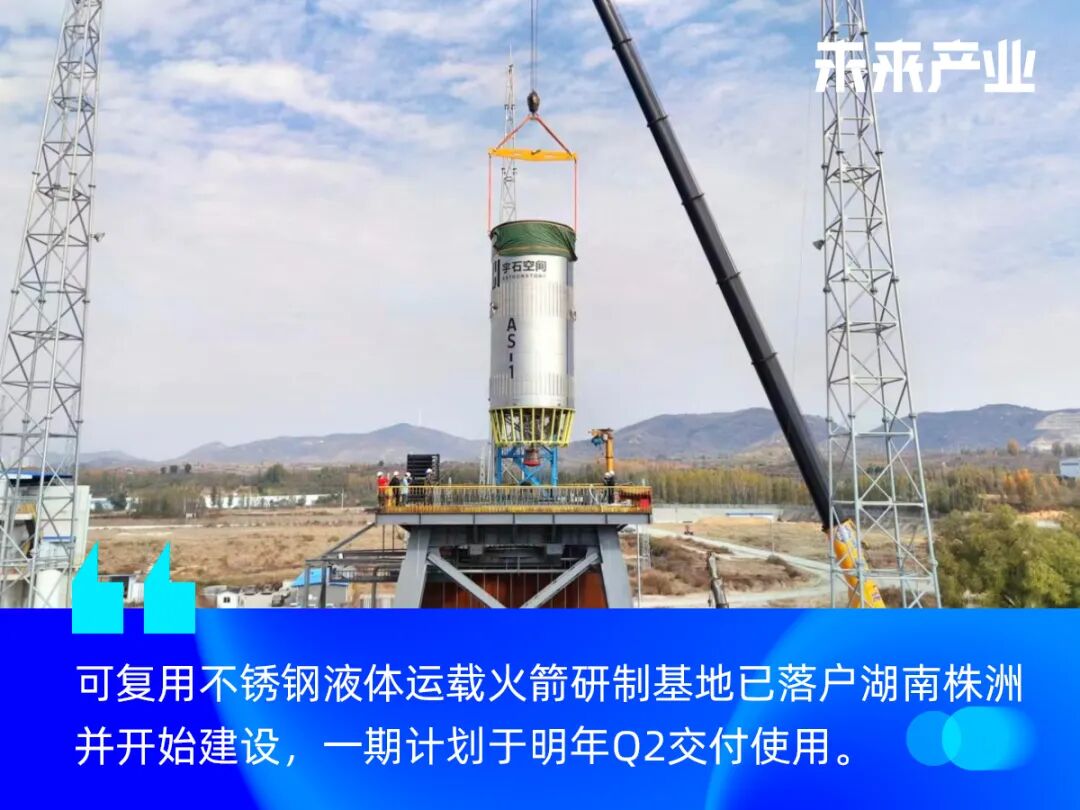
Group 1 - The Satellite ETF (159206) has seen a 2.18% increase, marking its seventh consecutive rise, with significant gains in constituent stocks such as Qianzhao Optoelectronics (300102) up 8.24%, and Shaanxi Huada (301517) up 7.91% [3] - Over the past five trading days, the Satellite ETF has experienced net inflows on four occasions, totaling 551 million yuan, with an average daily net inflow of 110 million yuan [3] - The Long March 12甲 rocket, developed by the 8th Academy of Aerospace, is set for a test at the Jiuquan launch base, which, if successful, will make China the second country globally to possess reusable rocket technology, significantly reducing commercial space transportation costs [3] Group 2 - Space computing technology, which deploys data centers and computational capabilities in orbit, is gaining commercial value, with projects already underway and a methodological foundation established [4] - The Satellite ETF (159206) focuses on commercial aerospace and satellite communications, expected to thrive under the "Aerospace Power" backdrop, and is the first of its kind in the market [4] - The Satellite ETF was established on March 6, 2025, prior to similar products, and tracks the National Certificate Commercial Satellite Communication Industry Index [4]
国防ETF(512670)逆市涨近1%,火箭与卫星端未来有望共振
Xin Lang Cai Jing· 2025-12-10 02:48
Core Insights - The establishment of the Commercial Space Administration by the National Space Administration and the release of the high-quality development action plan for commercial space are significant catalysts for the industry, covering various aspects such as rockets, satellites, emerging industry layouts, and financial support [1] Rocket Sector - China's large-capacity reusable private rockets are accelerating development, with multiple new models expected to make their maiden flights soon, which will effectively supplement commercial space launches [1] - Rapid advancements in reusable technology are anticipated to significantly lower launch costs, while the construction of launch sites is accelerating, with new facilities in Hainan and the Dongfeng Commercial Space Innovation Experimental Zone expected to greatly increase launch frequency [1] - The current bottleneck in low Earth orbit satellite launches due to insufficient launch capacity is expected to be alleviated by these positive developments in rockets and launch sites [1] Satellite Sector - In the communication satellite constellation, StarNet has accelerated its network deployment since the end of July, with a new generation of satellite technology architecture being confirmed, leading to large-scale network deployment soon [1] - In the computing satellite constellation, advancements will enable days-to-days computing, addressing previous low data utilization issues, with major players like Google and Starlink beginning to establish their presence, and China is expected to plan accordingly [1] Defense Sector - The recent launches of rockets such as Zhuque-3, Long March 12A, and Tianlong-3 are indicative of ongoing catalysts in the commercial space sector [2] - The defense ETF closely tracks the CSI Defense Index, which includes listed companies under the top ten military industrial groups and those providing weaponry to the national armed forces, reflecting the overall performance of defense industry listed companies [2] - As of November 28, 2025, the top ten weighted stocks in the CSI Defense Index account for 44.06% of the index, including companies like AVIC Shenyang Aircraft Corporation and AVIC Aero-Engine [2]
政策资本同频共振,可回收火箭与卫星应用成商业航天关键 | 前瞻十五五㉗
Xin Lang Cai Jing· 2025-12-08 04:24
Core Insights - The commercial aerospace industry in China is experiencing a surge in activity, particularly following the successful maiden flight of the Zhuque-3 rocket, which has heightened market enthusiasm [1] - The Chinese government is set to implement significant policies by 2025 to support the commercial aerospace sector, focusing on regulatory frameworks, industry development, and capital support [1] - The establishment of a dedicated Commercial Aerospace Department by the National Space Administration signifies a commitment to high-quality development in the sector [1] Group 1: Policy and Regulatory Developments - The "14th Five-Year Plan" emphasizes the acceleration of building a strong aerospace nation and the development of strategic emerging industry clusters, including aerospace [1] - The National Space Administration has released an action plan for promoting high-quality and safe development in commercial aerospace from 2025 to 2027, aiming for significant advancements in the sector [1][7] Group 2: Industry Growth and Key Players - The construction of low Earth orbit satellite internet is identified as a priority for the commercial aerospace sector during the "14th Five-Year Plan" period, with companies like Blue Arrow Aerospace, Tianbing Technology, and others leading the charge [3] - Companies are focusing on developing reusable rocket technology, which is seen as essential for future projects like "10,000 satellites in orbit" and commercial manned flights [3] Group 3: Financing and Investment Landscape - Recent changes in financing for the commercial aerospace industry have been significant, with the China Securities Regulatory Commission introducing policies to support the listing of unprofitable companies in the Sci-Tech Innovation Board [5][6] - At least eight commercial aerospace companies are currently in the IPO process, reflecting strong market interest and optimism regarding the sector's future [6] Group 4: Strategic Recommendations - Industry leaders suggest that the government should streamline launch approval processes and encourage companies to build their own launch facilities to address current bottlenecks in rocket capacity [4] - There is a call for collaboration among different companies to leverage diverse technological innovations and create a cohesive strategy to enhance competitiveness in the international market [7]
空天一体,临点已至
GOLDEN SUN SECURITIES· 2025-12-07 08:39
Investment Rating - The report maintains an "Increase" rating for the industry, indicating a positive outlook for investment opportunities [5]. Core Insights - The commercial aerospace industry is approaching a critical point for closing the loop, with expectations for rapid growth. The core component of this industry is satellites, and the launch speed is primarily determined by launch costs. The key bottleneck lies in reusable rocket technology. A breakthrough in this technology will significantly accelerate the launch speed of low-orbit satellites in China. Coupled with the ongoing development of the AI industry, the construction of space computing power is becoming a trend, leading to a substantial opening of the commercial aerospace application market [1][9]. - The Chinese government has placed significant emphasis on the development of commercial aerospace, with supportive policies emerging frequently. The industry has been included in government work reports for two consecutive years, highlighting its importance as a new growth engine [12][14]. - The successful launch of the Zhuque-3 rocket marks a significant milestone in China's reusable rocket technology, which is expected to progress from stage 1 to stage 10. This development is crucial for the industry to reach a volume production critical point [16][15]. Summary by Sections Commercial Aerospace Industry Development - The commercial aerospace industry is nearing a critical point for closing the loop, with expectations for rapid growth driven by advancements in reusable rocket technology and the increasing demand for space computing power [1][9]. - The Chinese government has prioritized commercial aerospace in its development plans, with multiple supportive policies and initiatives aimed at fostering industry growth [12][13]. Reusable Rocket Technology - The Zhuque-3 rocket's successful launch demonstrates the potential for reusable rocket technology in China, with future goals to reduce launch costs to approximately 20,000 RMB per kilogram [16][15]. - The report draws parallels with SpaceX's Falcon 9, which has achieved significant cost reductions through reusable technology, suggesting that similar advancements in China could lead to a sustained decrease in launch costs [17][18]. Space Computing Power - The report highlights the increasing trend of deploying computing power in space, with companies like Starcloud leading initiatives to establish space-based data centers. This shift is expected to alleviate the growing demands on terrestrial data centers [19][20]. - The anticipated advancements in rocket technology and the establishment of space computing infrastructure are expected to create a robust ecosystem for commercial aerospace applications [30][31].



朱雀三首飞入轨成功,看好商业航天新起点
2025-12-04 02:21
Summary of the Conference Call on Commercial Aerospace Industry Industry Overview - The conference call focused on the commercial aerospace industry, particularly the successful launch of the Zhuque-3 rocket, which marks a significant milestone in China's commercial space sector [1][2]. Key Points and Arguments - **Zhuque-3 Launch Success**: The successful launch of Zhuque-3 validated its technical route and overall plan, indicating significant progress in China's reusable rocket technology, although it still lags behind international companies like SpaceX [1][2]. - **Cost Reduction through Reusable Technology**: Reusable rocket technology is crucial for reducing launch costs. SpaceX's Falcon 9 has significantly lowered costs from $30 million to $15 million per launch through first-stage and fairing reuse. Domestic company Blue Arrow also shows potential for cost reduction through first-stage reuse [1][5]. - **IPO Implications for Blue Arrow**: The successful launch of Zhuque-3 is a major positive for Blue Arrow's IPO process, which is expected to enhance its valuation, currently estimated at 20 billion RMB [1][5]. - **Market Demand and Supply Chain Dynamics**: The domestic low-orbit satellite internet constellation faces a "many satellites, few rockets" situation. If companies like Blue Arrow can meet downstream order demands, it will greatly benefit the entire supply chain and accelerate order flow [1][5]. - **Development Stage of Commercial Aerospace**: The commercial aerospace industry is entering a new development phase, transitioning from 1 to 10, with significant growth expected by 2026 [1][5]. Comparisons with International Companies - **Learning from SpaceX**: The domestic commercial aerospace sector is seen as a follower, but it can learn from SpaceX's journey, which involved multiple failures before achieving success. Continuous policy support is essential for the growth of the commercial aerospace sector [3][8]. - **Current Launch Progress**: As of October 2025, SpaceX has launched over 10,000 satellites, while Chinese companies have launched significantly fewer, indicating a substantial gap in launch progress [7]. Policy Impact - **Government Support**: The Chinese government has increasingly encouraged private capital participation in space infrastructure since 2014-2015. Recent policies have elevated the strategic importance of the aerospace industry, indicating a strong commitment to developing a robust commercial space sector [8]. Market Applications - **Unique Applications of Low-Orbit Satellite Communication**: Despite the advanced ground communication networks in China, low-orbit satellite communication has unique applications in remote areas, emergency response, and military operations, highlighting its potential in various sectors [9]. Future Market Outlook - **Market Performance and Expectations**: The commercial aerospace sector has experienced two waves of market activity in 2025, driven by successful rocket launches and space computing developments. The Zhuque-3 launch is seen as the beginning of a new market trend, with several upcoming rocket launches expected to further stimulate the industry [10]. Investment Opportunities - **Recommended Investment Targets**: The following companies are highlighted as potential investment opportunities: - **Constellation Positioning**: Zhenray Technology, Chengchang Technology, and Shanghai Hantong - **Core Suppliers in Rocket Segment**: Chaojie Co., Sruy New Materials, and Highhua Technology - **3D Printing in Rocket Engines**: Yinbang Co., which has a stake in Wuxi Feircon - **Energy Systems for Satellite Platforms**: Shanghai Port and Gigabit Optoelectronics - **Satellite Testing**: Hualaiwo Broadcasting Measurement and Xite Testing - **Space Computing**: Shobede Co. and Putian Technology [11][12].
朱雀三号可复用火箭首飞成功入轨 民营航天大胆尝试迈入新阶段
2 1 Shi Ji Jing Ji Bao Dao· 2025-12-03 23:05
朱雀三号火箭是世界上首款入轨的采用液氧甲烷组合的不锈钢运载火箭,而朱雀三号发射任务,被业界 认为是中国商业航天向可重复使用火箭技术迈出的重要一步。公开信息显示,国内仍在准备和研制中的 可复用火箭还有"长征十二号甲""双曲线三号"等。 12月3日早盘,A股商业航天概念板块再度活跃,中环海陆涨超10%,上海瀚讯、招标股份双双涨停, 顺灏股份大涨9.99%,上海沪工、陕西华达、航天发展、航天智装等也纷纷上涨。 进入11月下旬以来,随着国家商业航天司设立、相关行动计划出台以及产业侧密集消息催化下,商业航 天概念已异军突起,成为资本市场一大主线。产业突破叠加政策红利,万亿赛道加速成型 朱雀三号首飞,不仅是单一企业的技术验证,更是中国商业航天从"单点突破"向"体系化能力"跨越缩 影。 蓝箭航天相关人士告诉记者,为满足火箭发射"航班化"运营的需求,上游供应链必须在材料、工艺、自 动化程度上全面升级,同时极度注重成本控制,未来将会形成一个"火箭降本—需求放量—产业链升 级"的正向循环。 "更重要的是,在国家战略指引下,商业航天公司能够通过技术创新和市场机制,走出一条低成本、高 效率的可持续发展路径。这不仅是蓝箭的成功,更是为 ...
朱雀三号入轨成功回收失败!航天探索没有坦途,失败也是宝贵财富
Mei Ri Jing Ji Xin Wen· 2025-12-03 13:05
Core Viewpoint - The successful launch of the Zhuque-3 rocket by Blue Arrow Aerospace marks a significant step in China's commercial space industry, despite the failure of the recovery test, highlighting the importance of patience and perseverance in developing reusable rocket technology [1][6]. Group 1: Rocket Development and Technology - Zhuque-3 is designed as a large payload, low-cost, reusable rocket using liquid oxygen and methane, featuring the domestically developed Tianque engine and a nine-engine parallel power system [1][3]. - The rocket's stainless steel structure significantly reduces manufacturing costs and production time, showcasing innovative engineering in the commercial space sector [1][3]. - The development timeline of Zhuque-3, from its introduction to the recent test flight, is only two years, indicating a rapid pace of innovation in a highly competitive market [3][4]. Group 2: Market Dynamics and Competition - The global commercial space market reached several hundred billion dollars by 2025, characterized by a "winner-takes-all" dynamic, where lower launch costs and safety are critical for securing contracts [4]. - SpaceX has established a significant lead in the market, making it essential for competitors like Blue Arrow Aerospace to quickly catch up to gain market share [4][6]. - The Zhuque-3 team must engage in rigorous analysis and technical improvements following the test flight to prepare for future launches, emphasizing the need for continuous development in the industry [4][6]. Group 3: Learning from Failures - The journey of space exploration is fraught with challenges, and the failure to recover Zhuque-3 is part of the iterative process of testing and improvement, similar to the early struggles of SpaceX [6]. - The mission provided valuable data on the rocket's performance, which is crucial for future development and the goal of achieving reliable recovery and reuse [6]. - The experiences of Blue Arrow Aerospace, SpaceX, and Blue Origin underline the importance of resilience, hard work, and the willingness to learn from failures in advancing space technology [6].
10万亿产业规模!朱雀三号背后中国商业航天的星辰大海
Hua Er Jie Jian Wen· 2025-12-03 12:53
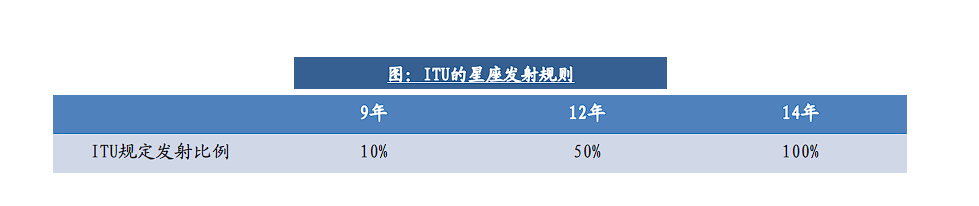
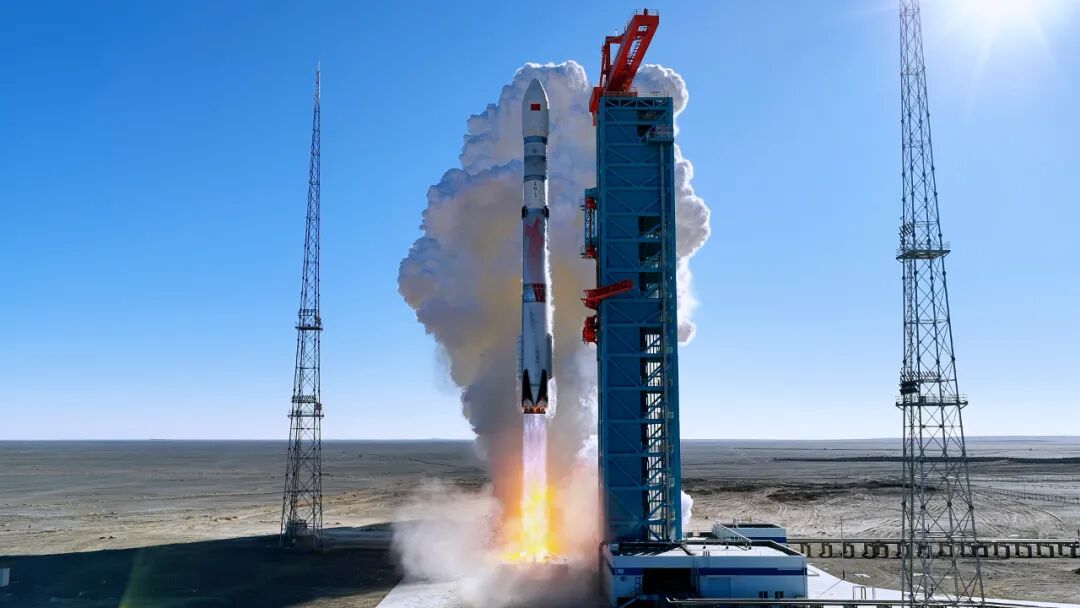
朱雀三号火箭的成功入轨,标志着中国在大型液氧甲烷火箭研发上取得重要进展,也是商业航天产业的里程碑事件。当下政策面的催化、技术加 速突破,以及资本热情持续升温,中国商业航天产业进入快速发展期。 分析人士指出,随着可回收火箭技术的突破和卫星星座建设的加速,再加上政策面的催化,资本热情升温,一个万亿级产业赛道正在加速成形, 中国商业航天迎来前所未有的发展机遇期。 根据2025中国商业航天论坛的预测,到2030年,我国商业航天产业有望达到7-10万亿元规模,"未来我国将具备飞行器在轨维修、建造等能力,太 空4S店、太空旅馆、低成本空间旅游将不再是梦想。" 可回收火箭时代开启,朱雀三号打响技术突破第一枪 朱雀三号的首飞标志着中国可回收火箭时代的开启。 作为一款以液氧甲烷为推进剂的不锈钢箭体火箭,朱雀三号旨在实现低成本、大运力与高频次发射。 据蓝箭航天数据,该火箭起飞推力超过750吨,未来一子级可重复使用次数目标为20次,目标将发射成本降至每公斤2万元人民币量级。 虽然此次一级回收未获全功,但研制团队已验证了测试、发射和飞行全过程方案的合理性。 东吴证券称,2025年底开始,朱雀三号、天龙三号、引力二号、双曲线三号、智神 ...