
数智化转型

Search documents
中药重大利好!八部门发文,未来5年发展方向明确了
Mei Ri Jing Ji Xin Wen· 2026-02-05 17:03
每经记者|张蕊 每经编辑|陈柯名 魏官红 记者|张蕊 编辑|陈柯名 魏官红 杜恒峰 校对|程鹏 工业和信息化部等八部门日前联合印发《中药工业高质量发展实施方案(2026—2030年)》(以下简称《方案》)。 《方案》明确,到2030年,中药工业全产业链协同发展体系初步形成,重点中药原料持续稳定供应能力进一步增强,数智化、绿色化水平明显提升,一批 关键技术取得突破,产业协同创新水平显著提高。培育一批引领带动能力突出的中药工业领航企业,培育60个高标准中药原料生产基地。协同体系更加健 全,中药材种植加工、中药研发生产、流通服务等上下游各环节协同更加紧密,建设5个中药工业守正创新中心。 同时,创新产品持续涌现,推动一批中药创新药获批上市,新培育10个中成药大品种,推动一批医疗机构中药制剂转化为中药创新药。数智化、绿色化转 型升级取得突破,制修订10项中药工业数智技术相关行业标准,推动建设一批数智化创新载体和公共服务平台,支持企业开展数智化改造提升,发布20个 数智化转型升级典型案例,建设20个智能工厂、培育10个绿色工厂。 中药企业需构建以临床价值 事实上,近年来,中药行业在政策支持下迎来快速发展。华福证券研报显示 ...


中天科技:公司2025年的经营数据将在年度报告中披露
Zheng Quan Ri Bao· 2026-02-05 12:13
(文章来源:证券日报) 证券日报网讯 2月5日,中天科技在互动平台回答投资者提问时表示,公司2025年的经营数据将在年度 报告中披露,具体数据请查阅有关报告。公司电力产业以智能电网再牵引为目标,巩固主营产品及主营 市场国内优势地位的同时,加快境外投资布局,依托产品创新和数智化转型推动传统产业升级,实现更 高质量发展,成为全球领先的电力装备制造企业。 ...

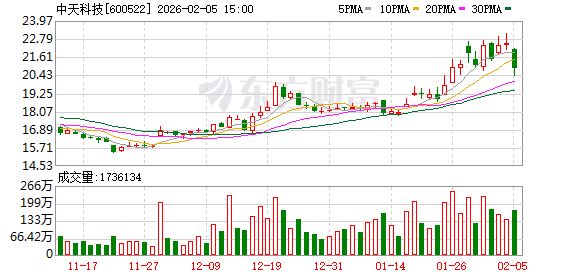
中天科技:公司加快境外投资布局
Zheng Quan Ri Bao· 2026-02-05 12:13
证券日报网讯 2月5日,中天科技在互动平台回答投资者提问时表示,公司电力产业以智能电网再牵引 为目标,巩固主营产品及主营市场国内优势地位的同时,加快境外投资布局,依托产品创新和数智化转 型推动传统产业升级,实现更高质量发展,成为全球领先的电力装备制造企业,具体数据请查阅公司后 续定期报告。 (文章来源:证券日报) ...
胜意科技&华住商旅客户答谢盛典·北京站圆满落幕,头部企业高管现场揭秘数智化实战经验
Sou Hu Wang· 2026-02-05 03:37
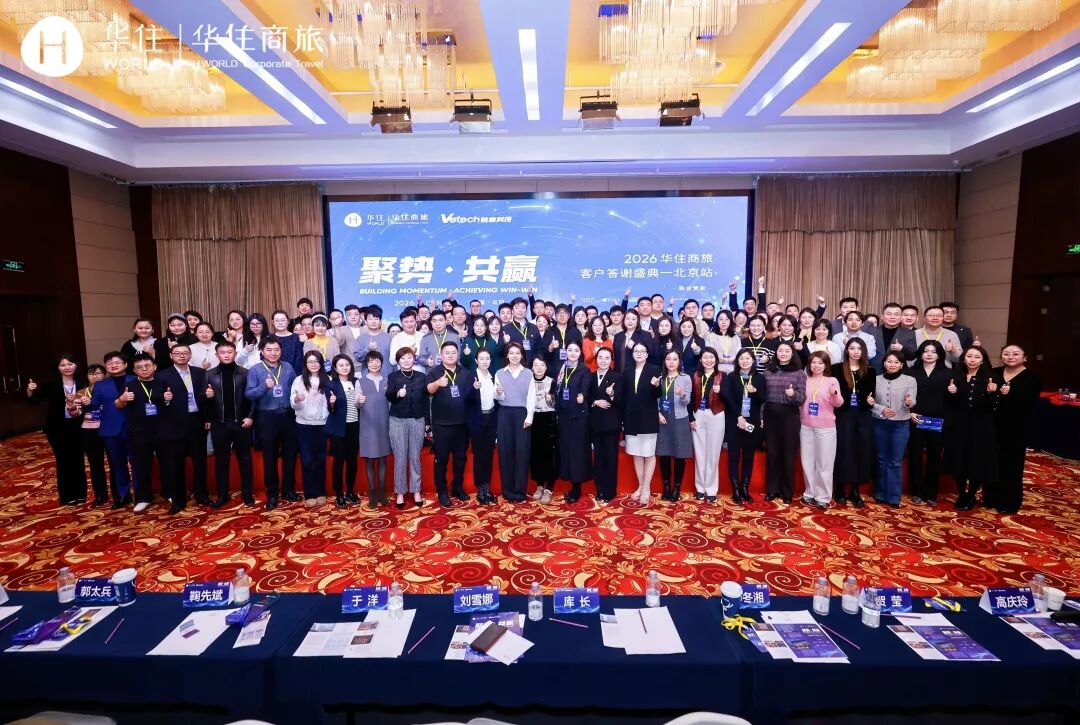
近日,华住集团华住商旅华北大区联袂胜意科技,于北京成功举办"聚势·共赢"2025年度客户答谢分享会。 作为企业支出管理领域的领先服务商,胜意科技与百余家能源、建筑、交通、科技、金融等领域的领军 企业代表齐聚一堂,共同探讨数字化浪潮下的商旅管理新趋势,分享行业前沿实践与创新智慧,携手绘制协 同发展、共赢未来的新蓝图。 01 商旅新体验,高效智能人性化 华住商旅华北大区负责人刘雪娜女士在开场致辞中表示,在商旅管理迈向深度数智化的今天,客户的每一 次选择都是华住持续创新与探索的动力。她强调,华住商旅将持续以客户需求为中心,深化产品与服务能 力,与合作伙伴共同应对市场变化,携手开创高效、智能、人性化的商旅新体验。 胜意科技通过自主研发的胜意费控云,将预算管控、业务流程、供应链协同、智能报销、自动核算、风 控审计等能力深度融合,真正实现事前、事中、事后的全流程数字化管控。 03 标杆实践,数智行政助力管理升级 新希望集团办公室集采负责人高庆玲女士在活动现场分享了新希望集团"数智行政"转型的实战经验。 02 数智赋能,企业支出管理新探索 在本次盛会上,胜意科技营销中心总监库长先生阐释了企业支出管理在数字化转型进程中的重要 ...
灵宝黄金(03330):黄金后起之秀,迈向卓越黄金矿企
GF SECURITIES· 2026-02-05 03:13
Investment Rating - The report assigns a "Buy" rating to the company with a current price of HKD 22.90 and a fair value of HKD 37.45 [4]. Core Insights - Lingbao Gold has undergone over 20 years of transformation focusing on gold resource development, establishing a structure of five major gold mines and one smelting processing enterprise [10][16]. - The company is expected to enter a cycle of increased reserves and production over the next five years, with strategic plans to enhance its scale and establish itself as a leading gold mining enterprise [10][60]. - The ongoing interest rate reduction cycle is anticipated to support a steady rise in gold prices, which will positively impact the company's performance starting in 2026 [10]. - Earnings forecasts indicate significant growth, with expected EPS of RMB 1.18, 2.57, and 3.03 for the years 2025, 2026, and 2027 respectively, leading to a projected PE valuation of 13 times for 2026 [10]. Summary by Sections Company Overview - Lingbao Gold has developed a resource structure comprising five major gold mines and one smelting enterprise, with a total gold reserve of approximately 131.8 tons as of the end of 2024 [10][21]. - The company aims to solidify its foundation and expand its scale, targeting both domestic and international markets for resource integration [10][60]. Industry Analysis - The report highlights that the gold pricing system is expected to remain favorable, with gold prices projected to rise due to a weakening US dollar and lower real interest rates [10][60]. - The gold sector is anticipated to experience a valuation recovery as companies' performances improve with rising gold prices [10]. Financial Projections and Investment Recommendations - Revenue forecasts for the company show a growth trajectory, with expected revenues of RMB 10.53 billion in 2023, increasing to RMB 21.89 billion by 2027 [3]. - The report suggests that the company's strategic acquisitions and resource expansions will support its growth, leading to a fair value estimate of HKD 37.45 per share [10].
数智化转型绘就医疗服务新图景
Ren Min Wang· 2026-02-05 01:31
Group 1: Core Insights - The introduction and continuous upgrade of digital systems at Shantou People's Hospital have fundamentally improved information sharing and operational efficiency in healthcare [1][4] - The integration of digital technologies such as big data, cloud computing, blockchain, and artificial intelligence is driving the construction of a healthy China, as emphasized in the 20th National Congress report [1] - The digital transformation in healthcare is seen as a key support and core engine for the high-quality development of hospitals, enhancing service models and operational management [1][3] Group 2: Company Overview - Weining Health Technology Group, established in 1994, provides comprehensive digital solutions and services in the healthcare sector, serving over 6,000 medical institutions, including more than 400 tertiary hospitals [2] - The latest version of Weining Health's smart medical product, WiNEX, was launched in 2020, featuring core functionalities such as patient services, medical services, and management services, with capabilities in artificial intelligence and cloud-native architecture [2] - Weining Health aims to assist clients in achieving digital transformation and becoming a trusted provider of digital products and services in the healthcare field [2] Group 3: Industry Trends - The healthcare industry is undergoing three significant transformations: the integration of online and offline services, a shift towards an "AI + doctor" medical paradigm, and a transition to patient-centered service models [3] - The essence of healthcare is focused on individual specialties and diseases, with the ultimate goal of empowering doctors through smart medical products and services [3] - The deployment and upgrade of digital systems in hospitals require collaboration between software and hardware vendors, ensuring continuous tracking, verification, and optimization [4][5] Group 4: Technological Integration - A unified language system is essential for future system upgrades and iterations, providing a solid foundation for digital transformation [5] - The integration of data and interconnectivity through digital upgrades allows doctors to access comprehensive and accurate information, leading to optimized treatment plans for patients [5] - The digital transformation is seen as a catalyst for various industries, emphasizing the importance of patient-centered services and health as a fundamental goal [5]

快递业如何深耕价值
Jing Ji Ri Bao· 2026-02-04 22:13
聚焦高质量发展这个任务,快递行业正在不断打开思路。比如,不少快递企业已经逐步摒弃"以价换 量"旧模式,通过解决末端服务不告而投、丢失损坏等细节问题,积极改善服务体验,促进快递服务质 效双提升。此外,为了顺应绿色消费、快递进村、快递出海等新趋势,快递行业不妨持续深化与现代农 业、先进制造业、现代商贸等领域的融合发展,从而提升全链条一体化交通物流服务能力,推动构建现 代化产业体系。 行业数智化转型也在提速。比如,推广应用无人配送技术,深化无人车、无人机等在行业试点应用;推 广智能分拣、智能云仓、智能安检等自动化设施设备,加快智能派件、智能路由等先进技术应用,进一 步创造新的增长空间,有效支撑消费活力持续释放。 快递业连接千城百业、服务千家万户、融通供需两端,是经济运行的毛细血管。国家邮政局数据显示, 2025年,我国快递业务收入完成1.5万亿元,同比增长6.5%;快递业务量完成1989.5亿件,同比增长 13.6%。一年近2000亿件,月均百亿件,这意味着每秒处理约6000件包裹,如此庞大的物流体量在寄递 网络中顺畅流转,靠的是什么? 我国目前已建成世界上规模最大、受益人数最多的寄递网络,农村网络持续向下延伸,国 ...
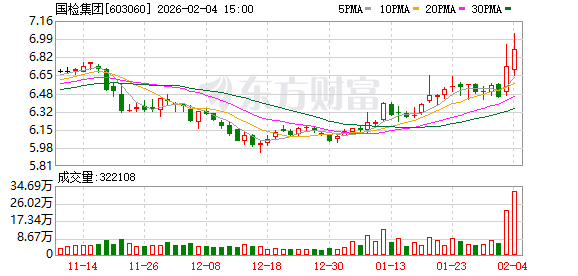
国检集团:公司近年来积极推进数智化转型,在多个领域研发形成标准化AI检测方案
Zheng Quan Ri Bao· 2026-02-04 13:41
Core Insights - The company is actively advancing its digital transformation by developing standardized AI detection solutions across various fields [2] Group 1: AI Detection Solutions - In the composite materials sector, the company has launched an AI machine vision-based automated defect detection system, achieving over 5 times improvement in detection efficiency and a defect identification accuracy rate of no less than 90% [2] - In the silicon steel sector, the company offers an intelligent testing system that covers the entire process from shearing, feeding, conveying, to testing, significantly enhancing detection efficiency [2] Group 2: Smart Detection Applications - The company is also applying intelligent detection technologies in bridge, tunnel, municipal, and old building inspections, providing clients with efficient and reliable smart detection and quality control support [2]

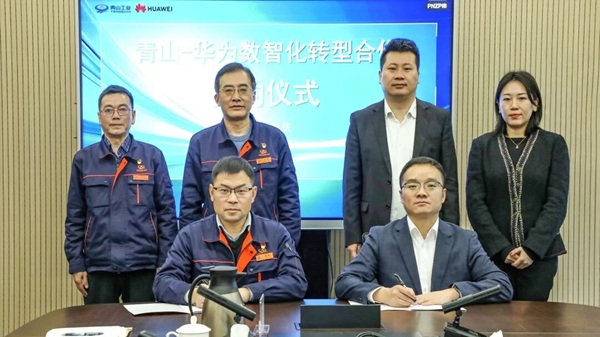
重庆青山 × 华为达成数智化转型合作 赋能制造业高质量发展
Zhong Guo Qi Che Bao Wang· 2026-02-04 09:40
Core Viewpoint - Chongqing Qingshan and Huawei Technologies Co., Ltd. have signed a cooperation agreement for digital transformation, marking a significant step towards enhancing the smart manufacturing capabilities of both parties [1][3] Group 1: Cooperation Focus Areas - The collaboration will focus on three core areas: 1. Promoting the deep integration of "Artificial Intelligence+" to empower the company's entire business development with AI technology [3] 2. Establishing a new paradigm for intelligent manufacturing centered on smart factory construction, integrating advanced technologies such as cloud computing, 5G, AI, and IoT to explore AI applications in core production scenarios [3] 3. Building a robust digital infrastructure to support industrial simulation, agile development, and all business scenarios, laying a solid foundation for the company's digital transformation [3] Group 2: Strategic Implications - This partnership represents a critical transition for Chongqing Qingshan from the 1.0 stage to the 2.0 stage of digital transformation, emphasizing the need for a shift in development concepts and a stronger awareness of digitalization [3] - The collaboration aims to leverage shared technology and ecosystem building to enhance the manufacturing sector's transformation and upgrade, contributing to the high-quality development of China's manufacturing industry [3]
“业绩亮眼+部署升级” 银行业以高质量发展护航“十五五”开局
Jin Rong Shi Bao· 2026-02-04 01:47
Core Viewpoint - The banking industry is focusing on supporting the real economy through strategic transformation and risk management, with a clear emphasis on high-quality development and service to key sectors [1][3][8]. Group 1: Performance of Listed Banks - Several A-share listed banks, including China Merchants Bank, CITIC Bank, and Shanghai Pudong Development Bank, have reported significant growth in both operating income and net profit for 2025, indicating a recovery in profitability [2]. - CITIC Bank and Shanghai Pudong Development Bank have both entered the "10 trillion yuan club," with total assets of 10.13 trillion yuan and 10.08 trillion yuan respectively, marking growth rates of 6.28% and 6.55% year-on-year [2]. - The overall trend for joint-stock banks in 2025 is characterized by stable scale, optimized structure, risk control, and improved efficiency, showcasing strong resilience against economic cycles [2]. Group 2: Strategic Focus on Real Economy - The banking sector is shifting from "scale expansion" to "high-quality development," with a focus on precise strategies to support the real economy and address cyclical fluctuations [3][6]. - Major state-owned banks have emphasized the importance of serving the real economy in their 2026 operational plans, aligning their actions with national strategic directives [4]. - Agricultural Bank of China is prioritizing support for rural revitalization, while Bank of China aims to enhance its global capabilities and services [4]. Group 3: Digital Transformation and Innovation - Digital transformation is becoming a key support for banks to enhance their service efficiency to the real economy, with initiatives like "AI+" being implemented to innovate service models and improve decision-making [5]. - Postal Savings Bank is pursuing a comprehensive upgrade strategy focusing on digitalization and value-driven growth, aiming for high-quality development [5]. Group 4: Financial Resource Allocation - The banking industry is actively channeling more financial resources into key areas such as expanding domestic demand, technological innovation, and supporting small and micro enterprises [6][8]. - Banks are adjusting their strategic layouts to focus on the "five major financial articles," enhancing the precision and effectiveness of their services to the real economy [6]. - Notable growth in technology finance loans has been reported, with Hangzhou Bank and Nanjing Bank showing increases of 23.44% and 19.49% respectively [6][7]. Group 5: Regional and Sectoral Support - Banks are increasingly focusing on regional development and industrial upgrades, with initiatives to strengthen local financial services and support manufacturing sector transformations [7]. - The emphasis on supporting small and micro enterprises has led to significant growth in inclusive finance loans, with Hangzhou Bank and Nanjing Bank reporting increases of 17.06% and 17.46% respectively [7]. - The banking sector is aligning its services with national strategies in areas such as technological innovation, green development, and rural revitalization [8].